
Curated recipes from 193 countries  •  New seasonal Mediterranean issue out now

Overview

Equatorial Guinea Cocoyam with Greens

Cocoyam with Greens, Malanga con Verduras, Steamed Cocoyam

This equatorial guinea cocoyam recipe is the everyday staple lunch of the islands and the mainland: cocoyam — known locally as malanga — steamed until soft and floury, then served with a mild, leafy greens sauce of spinach, tomato, onion and red palm oil. It is simple, filling and entirely plant-based. One serving is about 300 g.

Cocoyam — known locally in Equatorial Guinea as malanga — is one of the defining staples of the country's cuisine, listed among its key ingredients alongside plantain, cassava, yam and groundnuts. Tubers like cocoyam are traditionally served boiled or steamed as the base of the meal, with a sauce or a pot of greens on the side, and the combination of a starchy tuber with dark leafy greens is the everyday lunch of both Bioko island and the mainland.

Pairs well with: A squeeze of lime, sliced avocado, and a glass of cold water or hibiscus drink

Provenance

Equatorial Guinea flag Equatorial Guinea

Bioko Heritage

African Heritage

Time Dedication

50m

15m prep • 35m cook

Batch Yield

4 Servings

326 kcal per serving

1 serving ≈ 300 g

Technical Skill

Easy

Easy (Steamer Pot)

Meal Timing & Digestive Fit

Breakfast

Not Advised

Lunch

Prime Metabolic Fit

Dinner

Ideal Hearty Main

Snack & Tea

Inappropriate

Occasions: Everyday family lunch, simple weekday meal, vegan lunch with friends, harvest-season staple Cost: Low — about $2–3 per serving at home
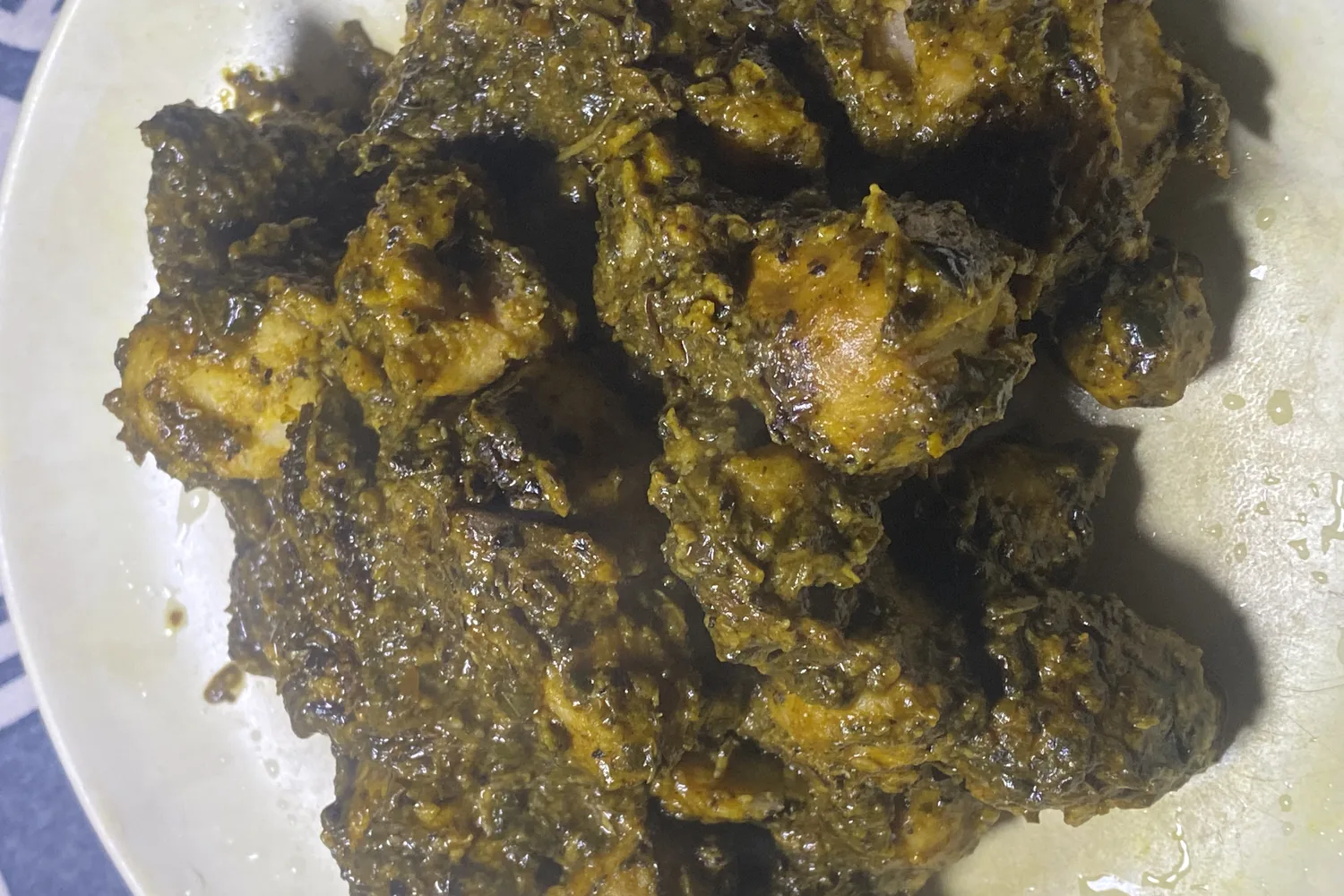
Equatorial Guinea cocoyam — steamed cocoyam chunks coated in a dark green spinach and palm-oil sauce on a white plate

Bioko Heritage

Photo: Angelbaby4ever, CC BY-SA 4.0, via Wikimedia Commons

The Heritage Formulary

Measured Ingredients

Estimated cost: Low — about $2–3 per serving at home (USD)

A good cocoyam with greens is judged by the tuber: steamed until soft and floury all the way through, never glassy in the middle, with the greens dark and glossy.

Execution Methodology & Culinary Technique

Step-by-Step Cooking Guide

Active 50m
P

Prep Stage: Peel the Cocoyam, Wash the Greens

15 Mins • Knife Work

Peel the cocoyam thickly, cut it into 4 cm chunks and rinse them at once. Wash the spinach in two changes of water, chop the onion and tomatoes, mince the garlic, grate the ginger and halve the chilli. Measure the palm oil, salt and water. Set the steamer basket in a pot with 500 ml of water in the bottom — once the water boils, the cocoyam goes straight in.

Maestro Tip: Peel cocoyam with dry hands and a sharp knife, and rinse the chunks straight away: the raw flesh can irritate skin and it browns fast in the air.

  1. 1

    Steam the Cocoyam

    22 Mins • Steaming Boiling water below the basket, about 100°C (212°F)

    Bring the 500 ml of water in the pot to a rolling boil. Set the cocoyam chunks in the steamer basket in a single layer, cover tightly and steam for 20–22 minutes until a knife slides into the largest chunk with no resistance. The cocoyam should be soft and floury all the way through — raw cocoyam is not safe to eat, so do not rush this step.

    Keep the lid on and the heat steady: every time you lift the lid, the steam escapes and the cooking stalls. Check only once, at 20 minutes.

    Done when: A knife slides into the largest chunk easily and the flesh looks dry and floury, not glassy.

  2. 2

    Soften the Onion and Tomato

    6 Mins • Medium Heat Medium heat, about 160°C (320°F)

    While the cocoyam steams, heat the red palm oil in a wide pan over medium heat. Cook the onion for 3 minutes until soft, then stir in the garlic and ginger for 30 seconds. Add the chopped tomatoes and the halved chilli and cook 3 minutes until the tomatoes collapse into a soft, orange-red base.

    Let the tomatoes cook until they lose their raw edge — the sauce should smell sweet and warm, not sharp.

    Done when: The tomatoes have collapsed into a soft, fragrant base.

  3. 3

    Wilt the Spinach into the Sauce

    4 Mins • Medium Heat Medium heat, about 160°C (320°F)

    Add the spinach in handfuls, stirring as each one wilts, then pour in 200 ml of water and the salt. Simmer 3–4 minutes until the greens are soft and the sauce is dark, glossy and thick enough to coat a spoon.

    Add the spinach in handfuls, not all at once — a full pile will not fit the pan, but each handful wilts down in under a minute.

    Done when: The spinach is fully wilted, the sauce is dark green and glossy, and it coats a spoon.

  4. 4

    Combine and Serve

    3 Mins • Off the Heat Off the heat

    Lift the steamed cocoyam out of the basket and tip it into the pan with the greens, or spoon the greens over the cocoyam on the plates. Turn the chunks gently so each one is coated in the dark greens sauce. Lift out the chilli halves. Taste and adjust the salt — the dish should taste mild, earthy and savoury, with the palm oil giving it warmth rather than heat.

    Coat, do not mash: the pleasure of this dish is the contrast between the soft, floury cocoyam and the silky greens.

    Done when: Every chunk is coated in greens, the chilli is out, and the cocoyam is soft all the way through.

Finishing Touches & Plating

Serve hot at once, straight from the pan, with a wedge of lime on the side for anyone who wants brightness. This is a staple lunch, not a garnish — give everyone a generous plate.

Nutritional Physiology & Benefits

Nutrition

Energy

326

kcal / serving

Protein

6g

Complete AA

Carbs

61g

Complex

Fats

8g

Healthy

Per serving (4 servings · 1 serving ≈ 300 g)
Energy326 kcal
Protein6 g
Carbohydrates61 g
Fat8 g
Fibre10.8 g
Sugar3.3 g
Sodium89 mg
Per 100g
Energy109 kcal
Protein2 g
Carbohydrates20.3 g
Fat2.6 g
Fibre3.6 g
Sugar1.1 g
Sodium30 mg

Nutrition values are estimated — calculated from USDA FoodData Central values for the listed ingredients.

Vitamins & minerals: Vitamin A and vitamin C (spinach, tomato), folate and vitamin K (spinach), vitamin B6 and potassium (cocoyam, tomato), vitamin E (red palm oil), iron and magnesium (spinach, cocoyam).

Fully Plant-Based

No animal products at all — cocoyam, spinach, tomato and palm oil — so this lunch suits vegan, vegetarian and dairy-free eaters without any substitutions.

Slow, Steady Energy

With about 61 g of carbohydrate per serving and nearly 11 g of fibre, cocoyam digests slowly and keeps you full for hours — a proper working lunch.

Fibre and Folate from the Greens

Spinach brings folate, vitamin K and iron, while the cocoyam itself adds potassium and fibre — the plainest plate on the table is quietly one of the most nourishing.

Food Pairings

What to Eat With

To optimize nutrient absorption and elevate the sensory depth, pair with these authentic accompaniments:

Vegetables

Sliced Avocado

Creamy avocado adds richness and healthy fats to a deliberately lean plate, and its mild flavour lets the greens sauce stay the star.

Sides

Grilled Fish or Pepesup

For a bigger lunch, cocoyam with greens is the traditional base under a piece of grilled fish or a ladle of peppery fish soup — the mild starch soaks up the broth beautifully.

More Pairings

Lime Wedges

A squeeze of lime over the hot cocoyam brightens the earthy greens and the palm oil in one move — small, but it changes the whole plate.

Drinks

Hibiscus Drink or Cold Water

A cold, lightly tart hibiscus drink refreshes the palate after the warm, earthy cocoyam, and water is the honest traditional choice.

Complete menu

Serve the cocoyam with greens as the centrepiece, with sliced avocado and lime wedges; for a bigger lunch, add grilled fish or a ladle of pepesup on the side.

Digestive Guardrails

What NOT to Combine

To prevent digestive distress, sluggishness, or palate clash, avoid pairing the dish with these elements:

Eating the Cocoyam Undercooked

Raw or undercooked cocoyam contains irritating calcium oxalate crystals and must be cooked through until completely soft — never taste it raw, and do not serve chunks that are still firm or glassy in the middle. This is general information, not medical advice.

Heavy Fried Foods on the Same Plate

This is a deliberately light, mild lunch; piling greasy fried food on the same plate overwhelms the greens and can leave you feeling heavy. Keep the plate simple and let the cocoyam carry it. This is general information, not medical advice.

General information only, not medical advice — consult a doctor for personal dietary decisions.

Who Should Eat It

Who Should Eat

  • General adultsA perfect everyday lunch — filling, cheap, plant-based and gentle. One generous plate is a complete meal.
  • ChildrenVery suitable — mild, soft and easy to chew, with no chilli heat if you leave the chilli out. Cut the cocoyam into small pieces for younger children.
  • ElderlyAn excellent choice — soft, easy to chew and swallow, easy to digest, and rich in fibre and potassium. Serve it warm, not piping hot.
  • Pregnant womenGenerally suitable — the folate from the spinach is welcome in pregnancy, and the dish is mild. Make sure the cocoyam is fully cooked through, and ask your clinician about your overall diet.
  • Breastfeeding womenGenerally suitable; the slow carbohydrate and fluids support energy and milk production. Keep the chilli out if you prefer it completely mild.
  • AthletesA good carbohydrate base for training days: about 61 g of carbohydrate per serving. Pair it with grilled fish or beans to add the protein a hard session needs.
  • Weight gainEat the full serving with avocado and a piece of grilled fish or a boiled egg on the side to add energy and protein.
  • Weight lossA good choice: about 326 kcal per serving, high in fibre and very filling. Enjoy the full plate and skip second helpings of starch.

Health Conditions — Adjust or Avoid

Conditions

  • DiabetesThe cocoyam is starchy — about 61 g of carbohydrate per serving — so keep the portion to one plate and fill half of it with the greens rather than extra cocoyam. Ask your clinician about your carbohydrate target.
  • High blood pressureThe sodium is moderate (about 472 mg per serving); reduce the salt to half a teaspoon and skip adding extra salt at the table. Ask your clinician about your sodium limit.
  • Kidney diseaseCocoyam, tomato and spinach all add potassium, so keep portions moderate and ask your clinician whether it fits your diet.
  • GoutA plant-based dish with no meat or fish, so it is generally a gentle choice; keep portions moderate and ask your clinician about frequency.
  • Stomach issuesThe high fibre can be hard on a very sensitive stomach; eat a smaller portion, chew well, and leave the chilli out entirely. If symptoms persist, ask your clinician.
  • Cardiovascular diseaseA heart-friendly choice — no animal fat, high in fibre and potassium, and the palm oil is used in a small amount. Enjoy it as a regular lunch. Ask your clinician about your fat intake.
  • Fatty liverA good option: low in fat and energy, high in fibre. Keep the palm oil to the stated amount and skip fried accompaniments. Ask your clinician for guidance.
  • Food allergiesFree of the major allergens — no gluten, dairy, egg, peanut, fish or nuts. If you are sensitive to palm oil, use vegetable oil instead.
  • Special therapeutic dietsIf you follow a prescribed low-potassium or low-fibre diet, this dish needs adapting — use a smaller portion of cocoyam and greens — and check with your clinician first.

If you have a medical condition, consult your doctor before changing your diet.

Storage & Use

Storage & Use

How to store
Cool within 2 hours and store the cocoyam and the greens sauce in separate airtight containers so the cocoyam does not go soggy.
In the fridge
3 days at 4°C (39°F) or below.
In the freezer
1 month for the greens sauce; the steamed cocoyam turns grainy when frozen, so freeze the sauce only.
How to reheat
Reheat the cocoyam by steaming for 5 minutes and the sauce gently on the stove until it reaches 74°C (165°F) throughout; add a splash of water if the sauce has thickened.
Freezing recommended
Only the greens sauce freezes well; the cocoyam is best eaten fresh.
Signs it has spoiled
Sour smell, slimy texture on the cocoyam, or mould on the sauce surface.

More recipes to explore

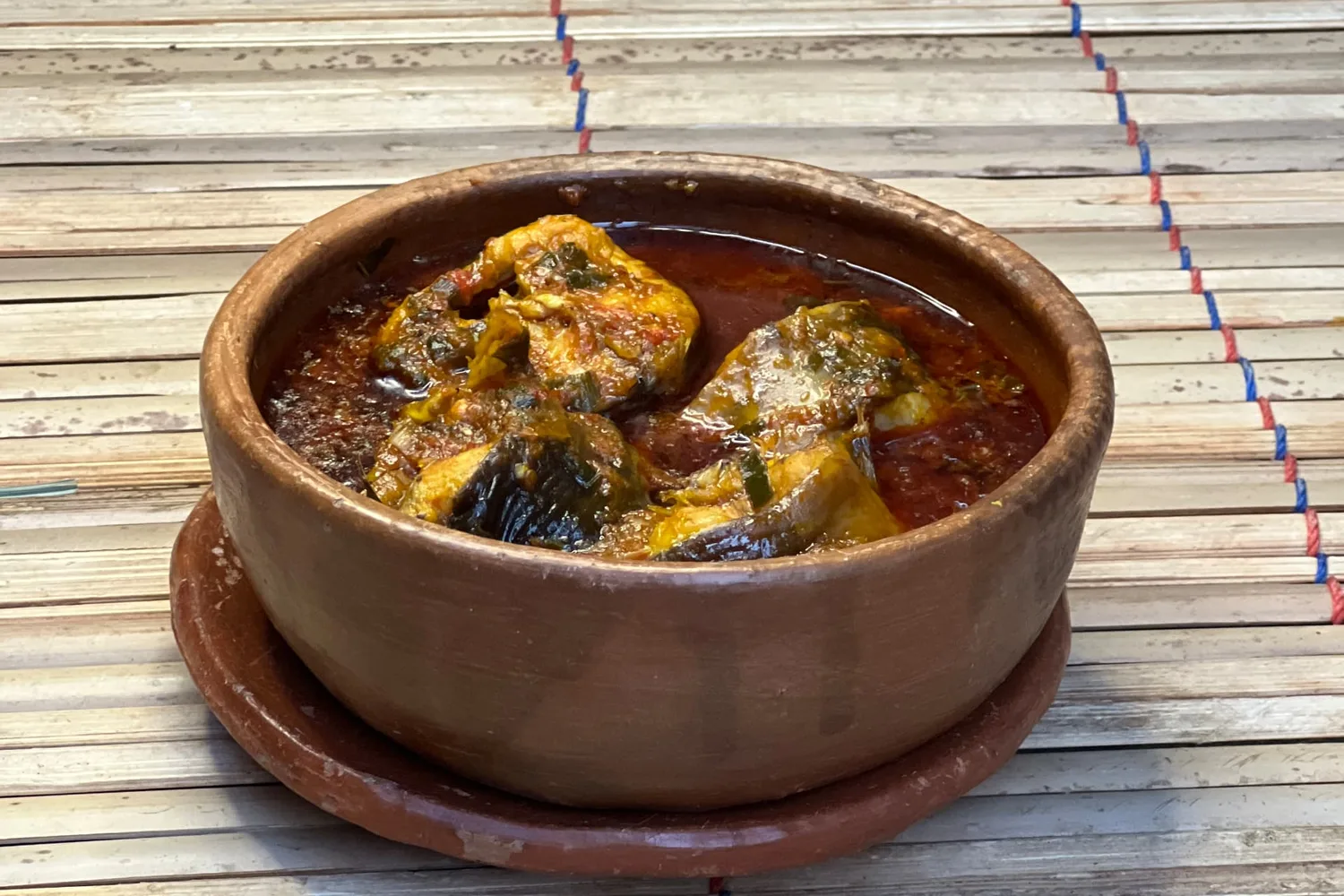
Pepesup — red snapper pieces in a red pepper broth served in a clay bowl on a woven mat Equatorial Guinea flag Equatorial Guinea 45m
Lunch •Malabo Heritage

Pepesup (Equatorial Guinea Fish Pepper Soup)

This pepesup recipe is Equatorial Guinea's coastal classic: red snapper fillets simmered in a thin, fiery broth of tomato, red pepper, onion and habanero, finished with lemon and dried herbs. It is light but boldly spiced, and the fish stays tender because it goes in last. One serving is about 450 g.

Comfort & Warmth

Red snapper simmered in a hot, tomato-pepper broth with onion, herbs and lemon — a light, fiery coastal soup.

Pairs Well With
Steamed white rice, boiled yam or cassava, and a cold light beer or lime soda
Soups & Broths
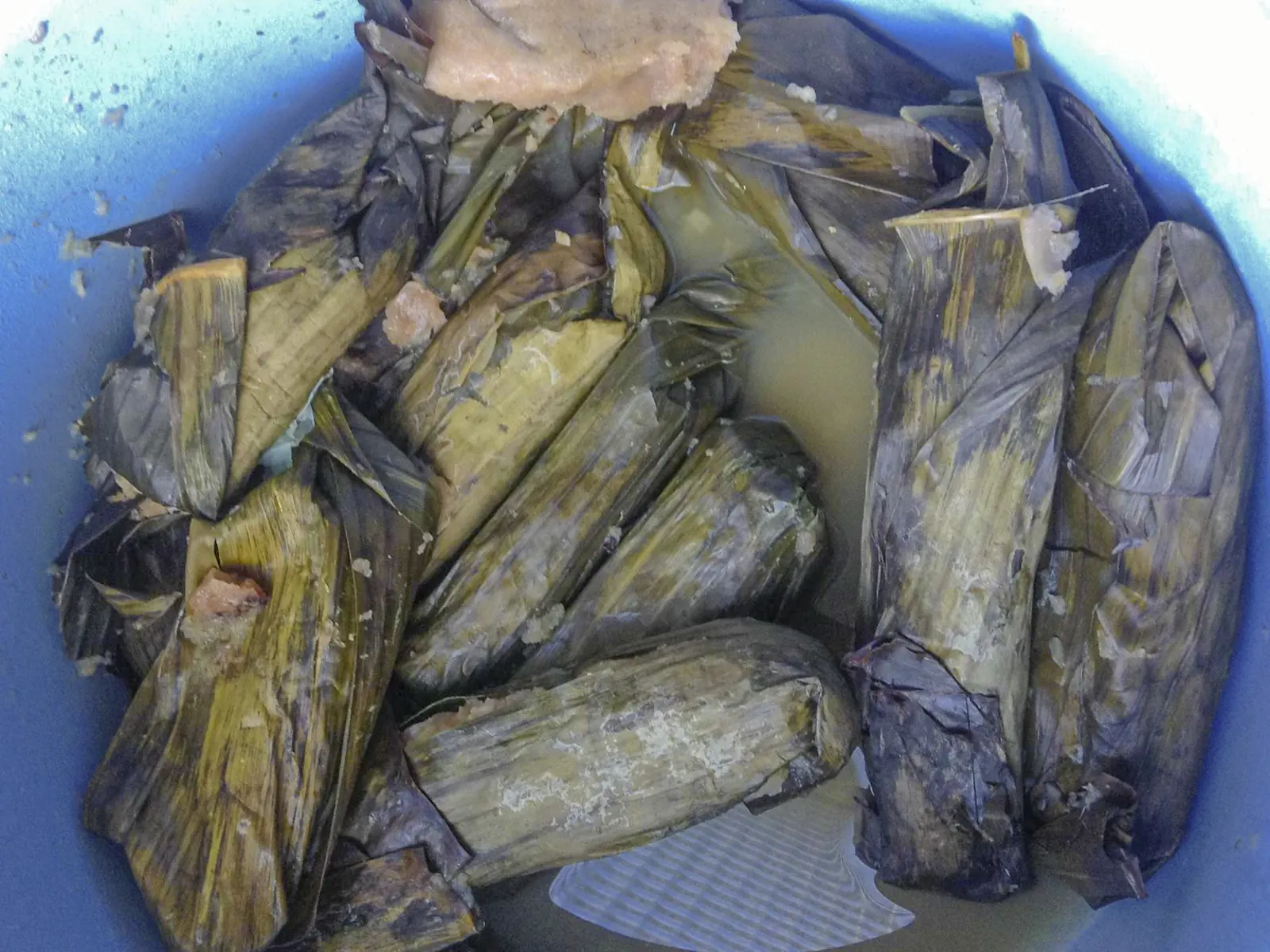
Leaf-wrapped abala parcels steaming in a pot in Equatorial Guinea, one parcel unwrapped to show the pale orange malanga inside Equatorial Guinea flag Equatorial Guinea 1h 35m
Lunch •Fang Heritage

Equatorial Guinea Abala

Grated malanga (taro) mixed with red palm oil, onion and salt, spooned into softened plantain leaves and steamed until firm and fragrant. Unwrap each parcel at the table and eat it warm with grilled fish or a tomato relish. One serving is about 300 g.

Simple & Wholesome

Steamed malanga parcels with palm oil — a filling, plant-based staple lunch with no frying and no added sugar.

Pairs Well With
Grilled fish, tomato-onion relish & steamed greens
Tagliatelle al ragù Bolognese in a bowl with Parmigiano-Reggiano Italy flag Italy 4h 25m
Lunch •Emilia-Romagna

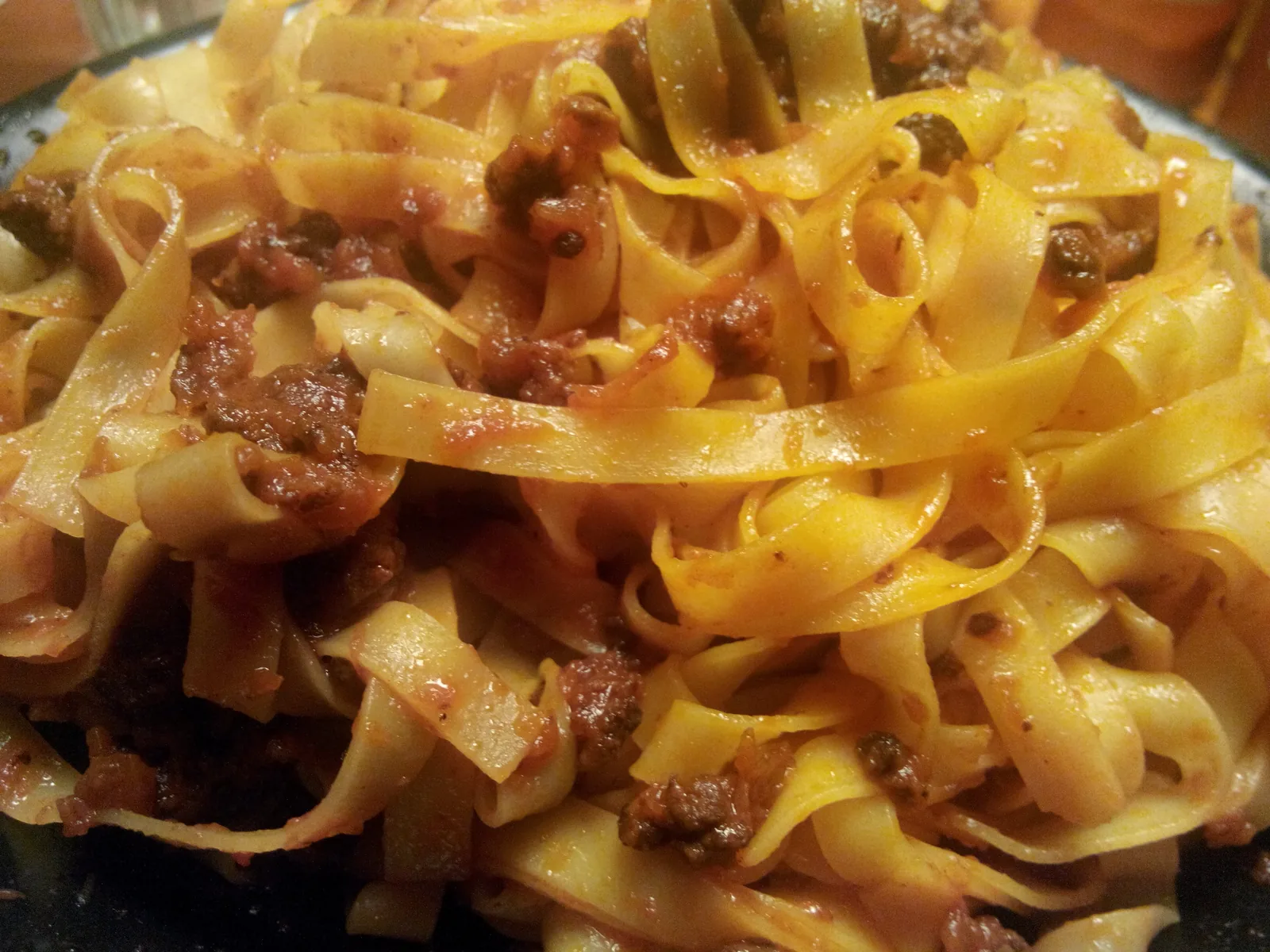
Tagliatelle al Ragù Bolognese

Slow-braised soffritto and coarse ground heritage meats layered over handmade egg yolk dough for mid-day stamina.

Lean Protein

Slow-simmered beef ragù tossed through fresh egg tagliatelle.

Pairs Well With
Bitter Radicchio & Aged Balsamico di Modena
Pasta & Noodles • High Protein
Pad kra pao gai — Thai holy basil chicken with fried egg and rice Thailand flag Thailand 30m
Lunch •Bangkok Street Flame

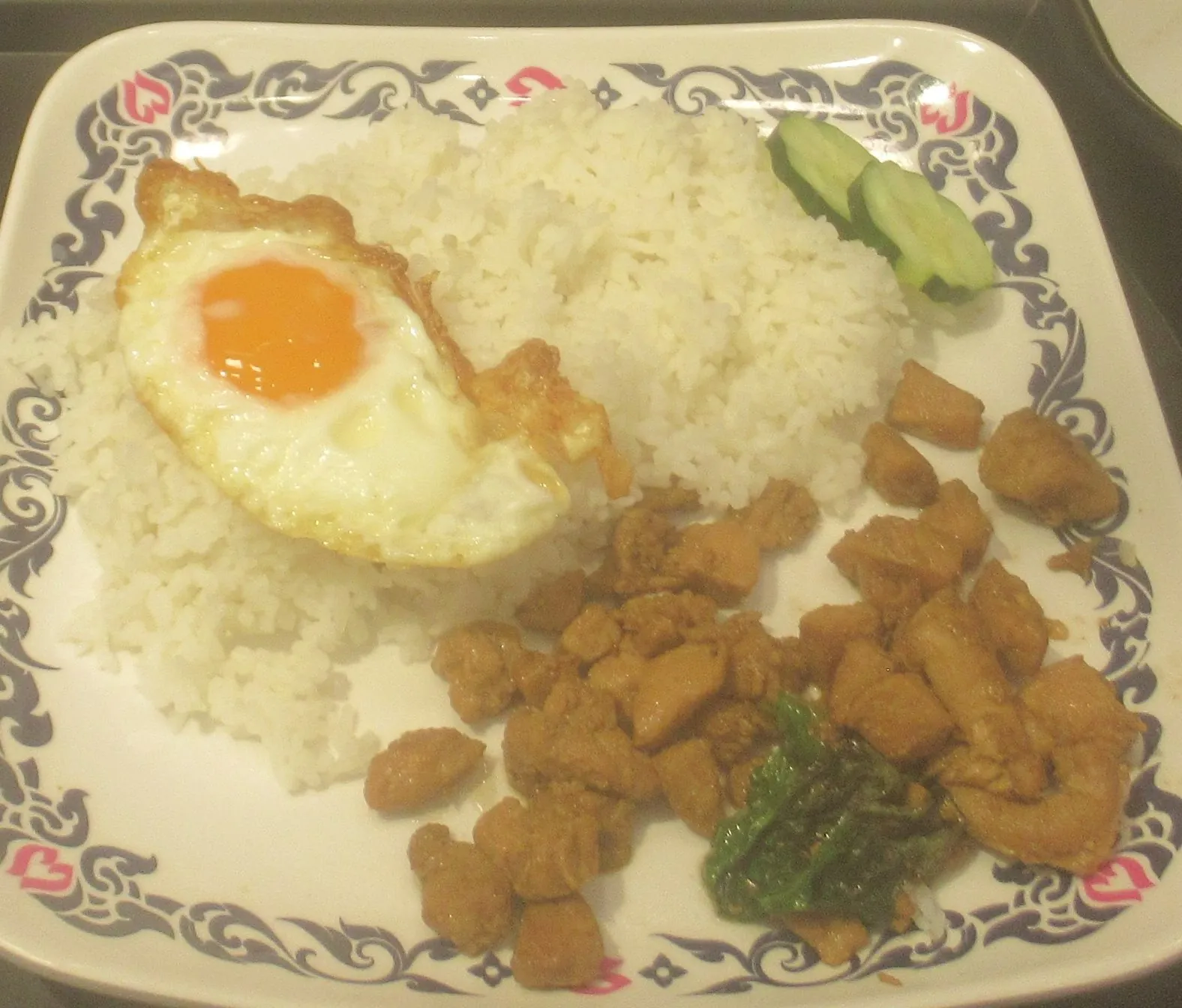
Pad Kra Pao Gai

High-heat wok flash of holy basil and crushed chillies over minced chicken, served over jasmine rice with a crispy-edged fried egg.

High Energy

Capsaicin brings the heat; holy basil adds a peppery, clove-like aroma.

Pairs Well With
Chilled Cucumber Salad & Fish Sauce Lime Dip
High Protein • Quick Prep (<30m)

The Dinner Gazette

Never wonder what’s for dinner again

One email a week with easy dinner ideas from around the world — ingredients, steps and nutrition, tested in our kitchen first.

Delivered every Thursday morning. Unsubscribe anytime.