
Curated recipes from 193 countries  •  New seasonal Mediterranean issue out now

Overview

Ethiopian Injera

Enjera; Taita; Buddeena

This Ethiopian injera recipe ferments 100% teff flour with water for two to three days, then bakes the batter into large, spongy rounds covered in tiny holes. One injera is about 140 g, and it is both the plate and the spoon for every wat served on it.

Injera is a sour, fermented flatbread with a slightly spongy texture, traditionally made of teff flour, and it is the staple of Ethiopia and Eritrea. Teff is a tiny grain from the Ethiopian Highlands, and the custom of eating teff spread over about 250 years from the 1520s until, by around 1750, it had become a primary staple in northern Ethiopia. Early mentions of injera appear in records from after the fourteenth century, and by the eighteenth century travellers were already describing teff injera as the everyday bread of the Ethiopian kingdom.

Pairs well with: Doro wat and misir wat

Provenance

Ethiopia flag Ethiopia

Ethiopia's Daily Bread

African Heritage

Time Dedication

1h

20m prep • 40m cook

Batch Yield

8 Servings

231 kcal per serving

1 serving ≈ 140 g

Technical Skill

Intermediate

Intermediate (Fermented)

Meal Timing & Digestive Fit

Breakfast

Not Advised

Lunch

Prime Metabolic Fit

Dinner

Ideal Hearty Main

Snack & Tea

Inappropriate

Fermented / Gut Health Occasions: Everyday meals, holiday feasts, fasting days, communal eating Cost: Low — about $1 per injera at home
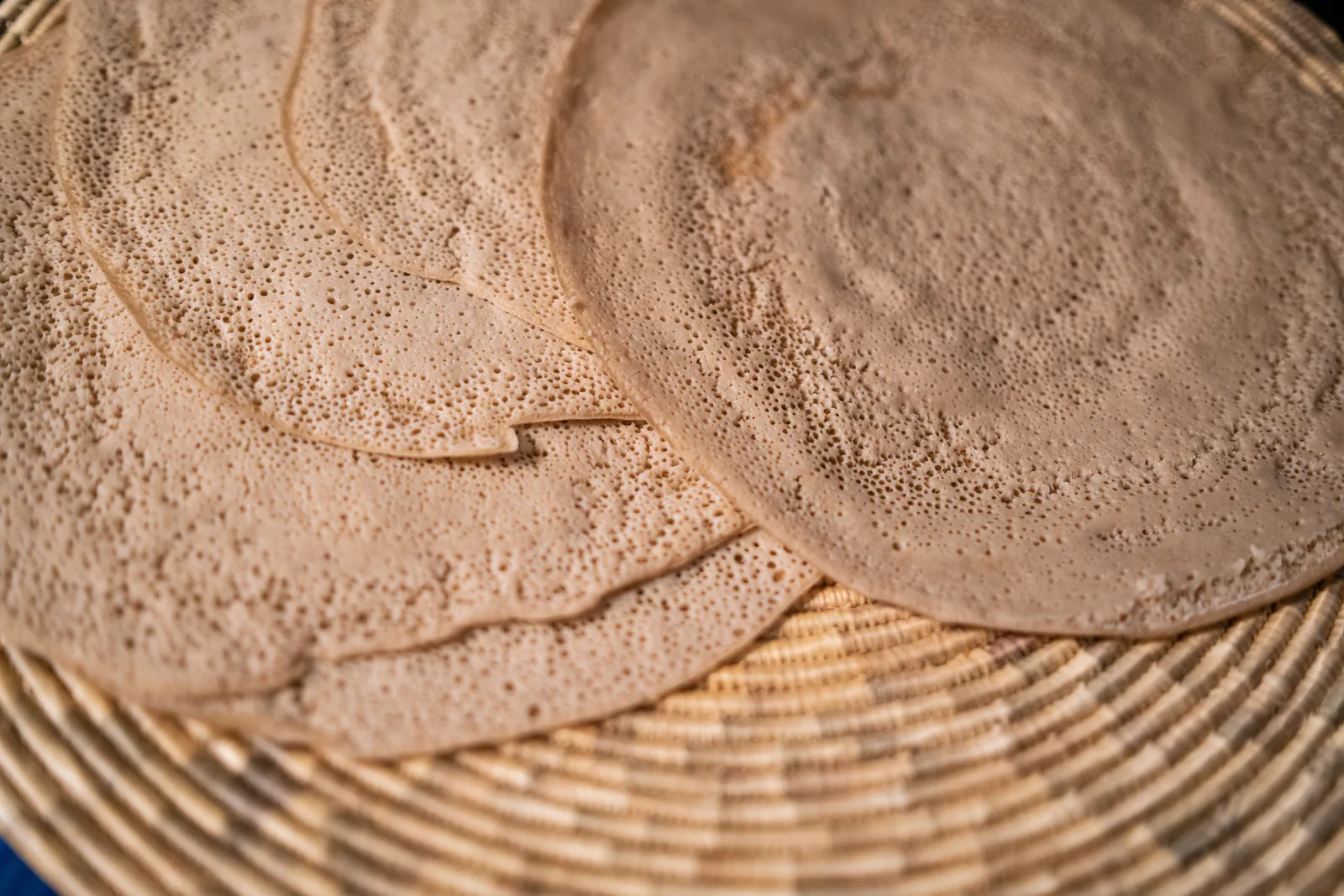
Folded rounds of pale injera flatbread with a spongy, hole-covered surface, stacked on a woven basket

Ethiopia's Daily Bread

Photo: Edsel Little, CC BY-SA 2.0, via Wikimedia Commons

The Heritage Formulary

Measured Ingredients

Estimated cost: Low — about $1 per injera at home (USD)

Good injera is thin and flexible, sour but not sharp, with a top covered in even little holes — the ‘eyes’ — and no cracks when folded.

Execution Methodology & Culinary Technique

Step-by-Step Cooking Guide

Active 1h
P

Prep Stage: Mix & Ferment

20 Mins Active + 2–3 Days Fermenting • Whisk & Wait

Whisk the teff flour with the lukewarm water and the ersho or yeast until completely smooth, with no lumps at all. Cover the bowl loosely with a clean cloth and leave it in a warm spot for 2–3 days, stirring once a day. The batter is ready when the surface is bubbly and it smells pleasantly sour, like mild yogurt.

Maestro Tip: The batter is ready when it smells pleasantly sour like yogurt and bubbles when stirred — if it smells sharp or cheesy, it has gone too far.

  1. 1

    Mix the Batter

    5 Mins Lukewarm water, ~35°C (95°F)

    Whisk the teff flour, lukewarm water and ersho or yeast in a large bowl until the batter is completely smooth, with no lumps. Cover loosely with a clean cloth.

    Whisk for a full minute past smooth — lumps in the batter become hard spots in the injera.

    Done when: The batter is smooth and pours like thin cream.

  2. 2

    Ferment 2–3 Days

    2–3 Days • Fermenting Warm room, ~24°C (75°F)

    Leave the covered bowl in a warm spot for 2–3 days, stirring once a day. The batter is ready when the surface is bubbly and it smells pleasantly sour, like mild yogurt.

    In a cool kitchen it can take a day longer; in a hot one it can be ready in two. Trust the smell, not the calendar.

    Done when: The batter is bubbly on the surface and smells pleasantly sour.

  3. 3

    Make the Absit

    5 Mins Medium heat, ~160°C (320°F)

    Ladle about 120 ml of the fermented batter into a small pan and cook for 1–2 minutes, stirring constantly, until it thickens into a smooth porridge. Whisk it back into the bowl with the salt until the batter pours like thin pancake batter.

    The absit is what gives injera its soft, stretchy texture — skip it and the rounds turn brittle.

    Done when: The batter is smooth, pourable and slightly thicker than before.

  4. 4

    Bake the First Injera

    5 Mins Medium-high heat, ~190°C (375°F)

    Heat a large, lightly oiled non-stick pan or griddle (mitad) over medium-high heat. Pour in a ladleful of batter and swirl it in a spiral from the outside inwards, so it covers the pan in a thin, even round. Cover with a lid and cook for 2–3 minutes without flipping, until the top is covered in little holes and the edges lift away from the pan.

    Do not flip injera — it cooks on one side only, under the lid, and the steam is what makes the holes.

    Done when: The top is dry and full of even holes, the underside is smooth, and the edges lift easily.

  5. 5

    Bake the Rest & Cool

    25 Mins Medium-high heat, ~190°C (375°F)

    Repeat with the remaining batter, wiping the pan lightly between rounds if it starts to stick. Stack the finished injera on a clean cloth and cover them while you bake the rest.

    Stacking them warm under a cloth keeps them soft — left uncovered, they dry out in minutes.

    Done when: Eight thin, flexible rounds, each covered in even holes and able to fold without cracking.

Finishing Touches & Plating

Stack the injera on a clean cloth and cover while you bake the rest — they soften each other as they cool, and they are best eaten the same day, torn into pieces to scoop up wat.

Nutritional Physiology & Benefits

Nutrition

Energy

231

kcal / serving

Protein

9g

Complete AA

Carbs

46g

Complex

Fats

2g

Healthy

Per serving (8 servings · 1 serving ≈ 140 g)
Energy231 kcal
Protein9 g
Carbohydrates46 g
Fat2 g
Fibre5.1 g
Sugar1.1 g
Sodium153 mg
Per 100g
Energy165 kcal
Protein6 g
Carbohydrates32.7 g
Fat1.1 g
Fibre3.6 g
Sugar0.8 g
Sodium109 mg

Nutrition values are estimated — calculated from USDA FoodData Central values for the listed ingredients.

Vitamins & minerals: Iron and calcium (teff), B vitamins (teff, fermentation), magnesium (teff).

Naturally Gluten-Free

This recipe uses 100% teff flour and no wheat or barley, so the injera is gluten-free by nature — check your flour is milled in a gluten-free facility if you cook for someone with coeliac disease.

Iron-Rich Grain

Teff is a tiny, iron-rich grain from the Ethiopian Highlands, and one injera brings iron, calcium and magnesium to the meal.

Fermented, Easy to Enjoy

Two to three days of fermentation give injera its sour flavour and help the body get more from the minerals in the teff.

Food Pairings

What to Eat With

To optimize nutrient absorption and elevate the sensory depth, pair with these authentic accompaniments:

Sides

Doro Wat

Doro wat is the reason injera exists at the feast table — the sour bread soaks up the red berbere sauce and carries the chicken and egg.

Misir Wat

Thick red lentil wat mounds neatly on injera, and the sour bread balances the rich, spicy lentils.

Vegetables

Gomen (Collard Greens)

Mild, garlicky greens spooned onto the injera give the meal a fresh, leafy bite against the sour bread.

Drinks

Ethiopian Coffee

A small cup of strong Ethiopian coffee after the meal is the traditional finish to a shared injera platter.

Complete menu

Spread one injera across a shared platter, spoon doro wat and misir wat on top, and serve extra rounds rolled in a basket for scooping.

Digestive Guardrails

What NOT to Combine

To prevent digestive distress, sluggishness, or palate clash, avoid pairing the dish with these elements:

A Very Wet, Soupy Main Left Sitting on Injera

Injera soaks through and tears if a watery dish sits on it too long. Spoon wats on just before eating, and keep very wet dishes in a bowl beside the platter. This is general guidance, not medical advice.

Very Sugary Drinks With the Meal

Sweet sodas add a lot of sugar to a meal that is already rich in slow carbs and dull the sour tang that makes injera special. Water, sparkling water or unsweetened tea are better matches. This is general guidance, not medical advice.

General information only, not medical advice — consult a doctor for personal dietary decisions.

Who Should Eat It

Who Should Eat

  • General adultsThe everyday base of the Ethiopian table — one injera carries a whole meal of wat.
  • ChildrenSuitable from age 2+; tear it into soft pieces and watch small children while they eat.
  • ElderlyVery suitable — the injera is soft, easy to tear and easy to chew.
  • Pregnant womenGenerally suitable; it is fully cooked and a good source of iron — eat it fresh, not left over for days.
  • Breastfeeding womenGenerally suitable; the iron, calcium and slow carbs support recovery — keep portions satisfying.
  • AthletesA strong source of slow carbs: about 46 g per injera, ideal before or after training.
  • Weight gainA good choice — take two injera with plenty of wat and a spoonful of oil on top.
  • Weight lossKeep the portion to one injera and load the plate with wat and vegetables instead of a second round.

Health Conditions — Adjust or Avoid

Conditions

  • DiabetesOne injera carries about 46 g of carbs — count it in your meal plan and ask your clinician about serving size.
  • High blood pressureLow in sodium at about 153 mg per injera; keep the salt light. Ask your clinician about a suitable portion.
  • Kidney diseaseTeff is fairly high in potassium; keep the portion to one injera and ask your clinician about serving size.
  • GoutTeff is low in purines, so injera is generally suitable in normal portions. Ask your clinician.
  • Stomach issuesThe sour, fermented flavour can bother reflux or a sensitive stomach — eat a small amount first and see how you feel. Ask your clinician.
  • Cardiovascular diseaseLow in fat and made from a whole grain, which suits a heart-friendly pattern. Ask your clinician.
  • Fatty liverA whole-grain base in a modest portion is a good choice; skip a second round. Ask your clinician.
  • Food allergiesContains no gluten, wheat, egg, dairy or nuts when made with 100% teff flour. If you have coeliac disease, use flour milled in a gluten-free facility.
  • Special therapeutic dietsIf you follow a prescribed low-potassium or low-carb diet, keep the portion to one injera and check with your clinician.

If you have a medical condition, consult your doctor before changing your diet.

Storage & Use

Storage & Use

How to store
Cool completely, stack with a clean cloth between rounds, and wrap tightly or store in an airtight container.
In the fridge
2–3 days, wrapped tightly — it dries out fast uncovered.
In the freezer
Up to 3 months, stacked with baking paper between rounds.
How to reheat
Warm briefly in a dry pan over medium heat until soft and steaming; do not overheat or it turns brittle.
Freezing recommended
Yes — freezes well for up to 3 months.
Signs it has spoiled
Sharp or cheesy sour smell, mould spots, or a slimy surface.

More recipes to explore

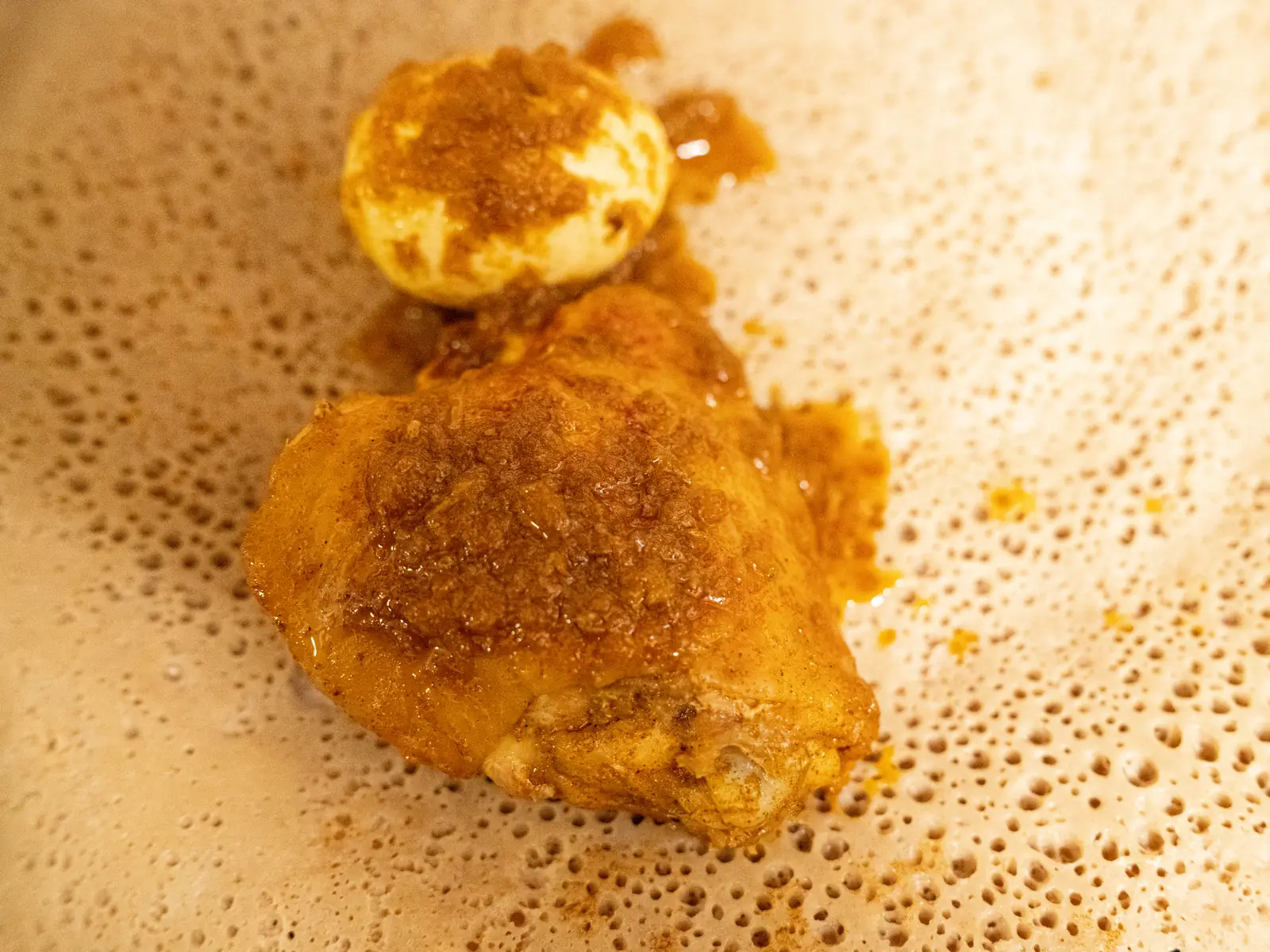
A chicken leg and a whole boiled egg coated in red doro wat sauce, served on injera Ethiopia flag Ethiopia 1h 40m
Dinner •Ethiopia's National Dish

Doro Wat

This doro wat recipe slow-cooks chicken thighs in a deep red berbere sauce built on onions cooked down without fat, then finishes with niter kibbeh and whole boiled eggs. It is Ethiopia's national dish, served at holidays and family gatherings, and one serving is about 375 g.

Comfort & Warmth

Slow-cooked chicken in berbere and niter kibbeh, with a whole boiled egg, served on injera.

Pairs Well With
Injera and ayib (fresh Ethiopian cheese)
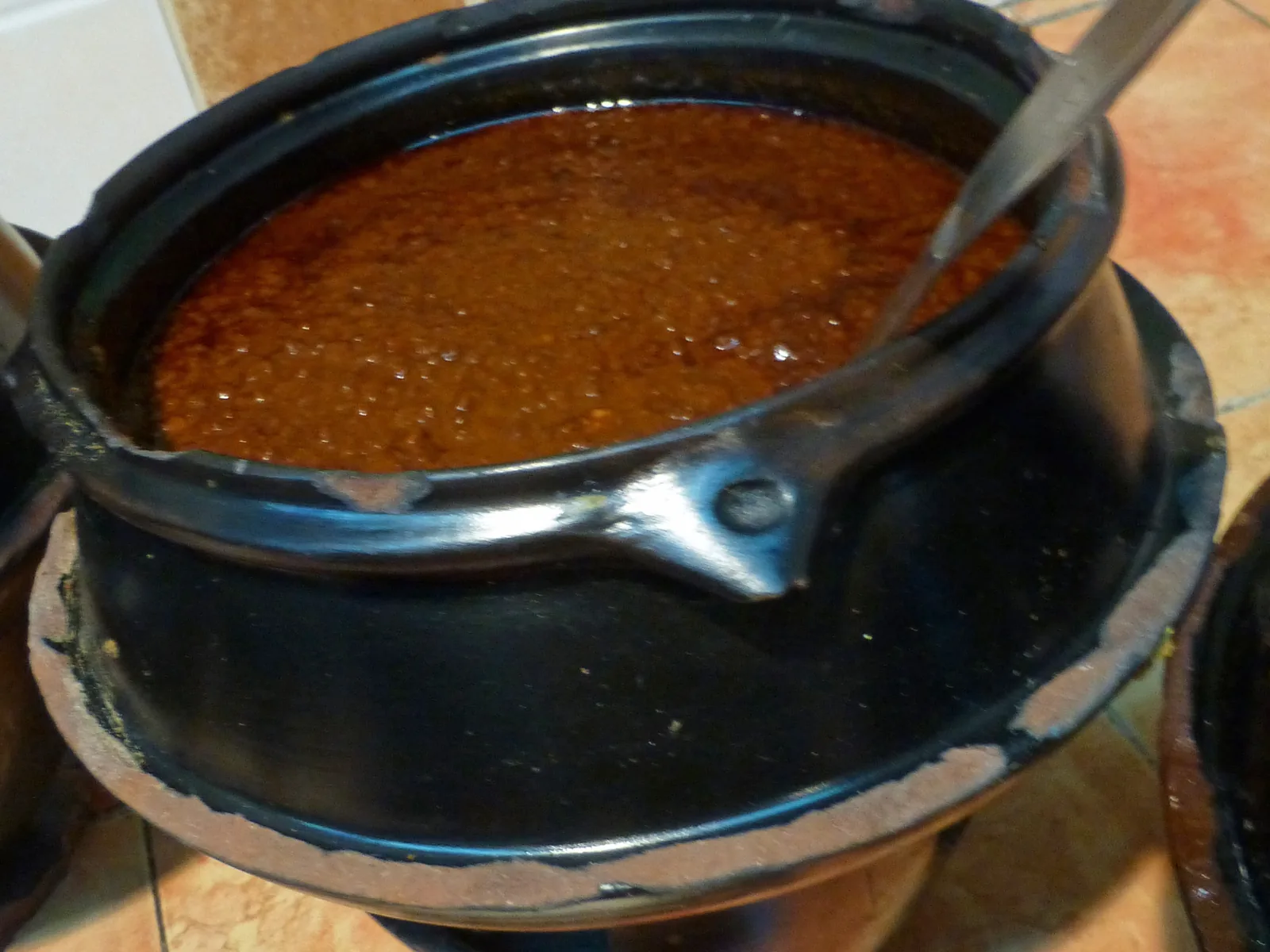
A black clay pot filled with thick, deep-red misir wat lentil stew Ethiopia flag Ethiopia 50m
Dinner •Ethiopia's Fasting-Day Classic

Misir Wat

This misir wat recipe simmers split red lentils with berbere, onion, garlic and tomato paste until they collapse into a thick, creamy stew. It is the dish Ethiopian families turn to on fasting days, and one serving is about 310 g.

Comfort & Warmth

Red lentils simmered with berbere, onion and tomato until thick and creamy, served on injera.

Pairs Well With
Injera and gomen (collard greens)
Tagliatelle al ragù Bolognese in a bowl with Parmigiano-Reggiano Italy flag Italy 4h 25m
Lunch •Emilia-Romagna

Tagliatelle al Ragù Bolognese

Slow-braised soffritto and coarse ground heritage meats layered over handmade egg yolk dough for mid-day stamina.

Lean Protein

Slow-simmered beef ragù tossed through fresh egg tagliatelle.

Pairs Well With
Bitter Radicchio & Aged Balsamico di Modena
Pasta & Noodles • High Protein
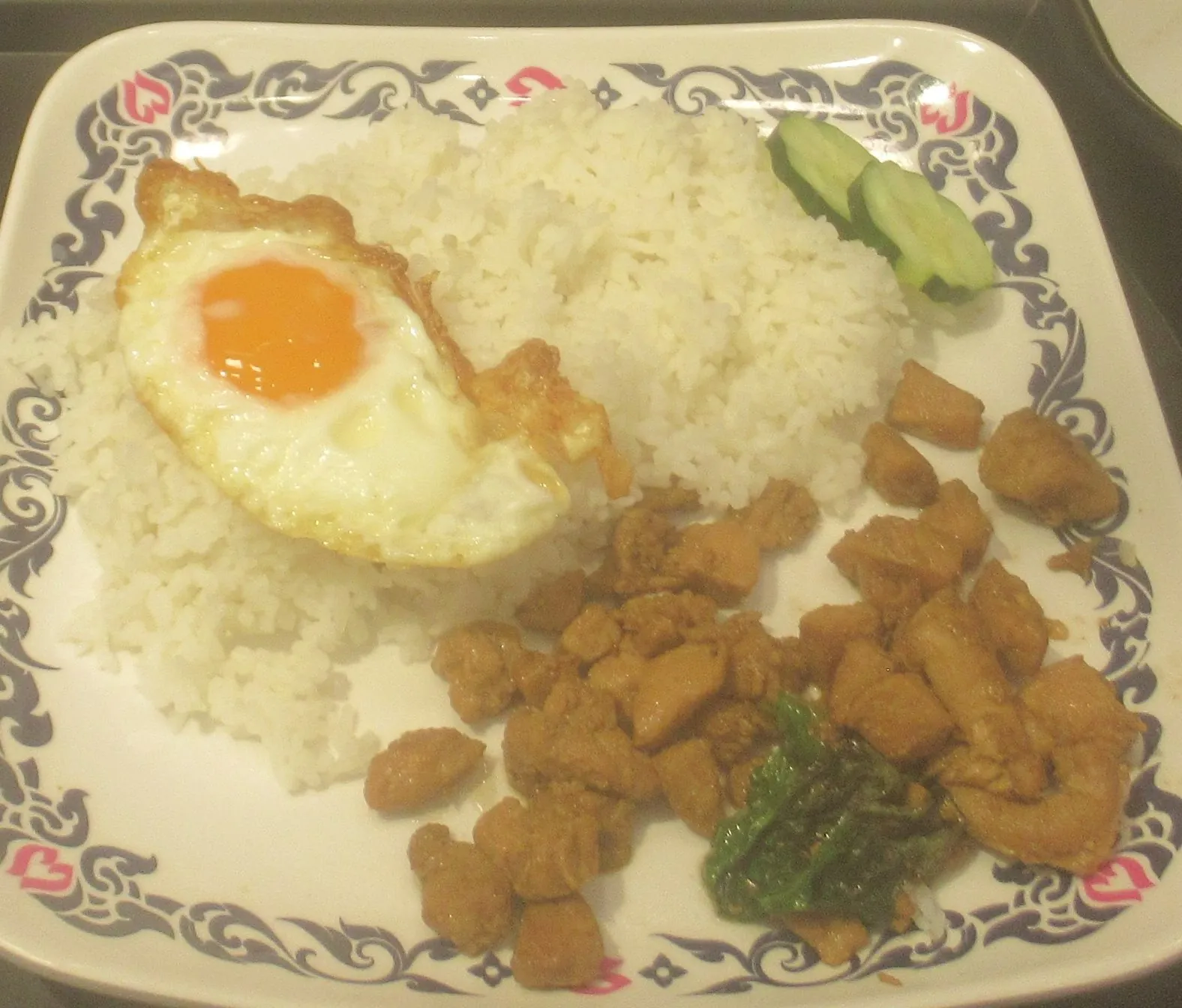
Pad kra pao gai — Thai holy basil chicken with fried egg and rice Thailand flag Thailand 30m
Lunch •Bangkok Street Flame

Pad Kra Pao Gai

High-heat wok flash of holy basil and crushed chillies over minced chicken, served over jasmine rice with a crispy-edged fried egg.

High Energy

Capsaicin brings the heat; holy basil adds a peppery, clove-like aroma.

Pairs Well With
Chilled Cucumber Salad & Fish Sauce Lime Dip
High Protein • Quick Prep (<30m)

The Dinner Gazette

Never wonder what’s for dinner again

One email a week with easy dinner ideas from around the world — ingredients, steps and nutrition, tested in our kitchen first.

Delivered every Thursday morning. Unsubscribe anytime.