Curated recipes from 193 countries  •  New seasonal Mediterranean issue out now

Overview

Fijian Chicken Curry

Fiji Chicken Curry, Chicken Tarkari

This fijian chicken curry recipe is the one Fijian-Indian kitchens cook week after week: bone-in chicken pieces simmered in coconut milk with Fiji masala, turmeric, mustard seeds, curry leaves, tomato and potato, until the meat is tender and the gravy turns golden and creamy. It is milder and sweeter than an Indian chicken curry, chunkier than a Jamaican one, and made for scooping up with roti or spooning over rice. One serving is about 450 g, without rice.

Indians first came to Fiji as indentured labourers from 1879 to work the sugarcane plantations, and they brought South Indian cooking with them — masala ground from whole spices, curry leaves, mustard seeds and slow-simmered meat curries. Over generations, Indo-Fijian cooks adapted those recipes to island life: coconut milk enriched the gravy, potato joined the pot, and chicken — cheaper and quicker than lamb — became the everyday curry, cooked for weeknight family dinners and eaten with rice or roti. It remains the curry Fijian-Indian families abroad miss most.

Pairs well with: Steamed rice, roti & cucumber salad

Provenance

Fiji flag Fiji

Indo-Fijian Heritage

Oceania & Pacific

Time Dedication

1h 20m

20m prep • 60m cook

Batch Yield

4 Servings

770 kcal per serving

1 serving ≈ 450 g

Technical Skill

Intermediate

Medium (One Pot)

Meal Timing & Digestive Fit

Breakfast

Not Advised

Lunch

Hearty Midday Main

Dinner

Ideal Hearty Main

Snack & Tea

Inappropriate

High Protein Occasions: Family dinners, weeknight meals, weekend cooking, gatherings Cost: Low — about $4–5 per serving at home
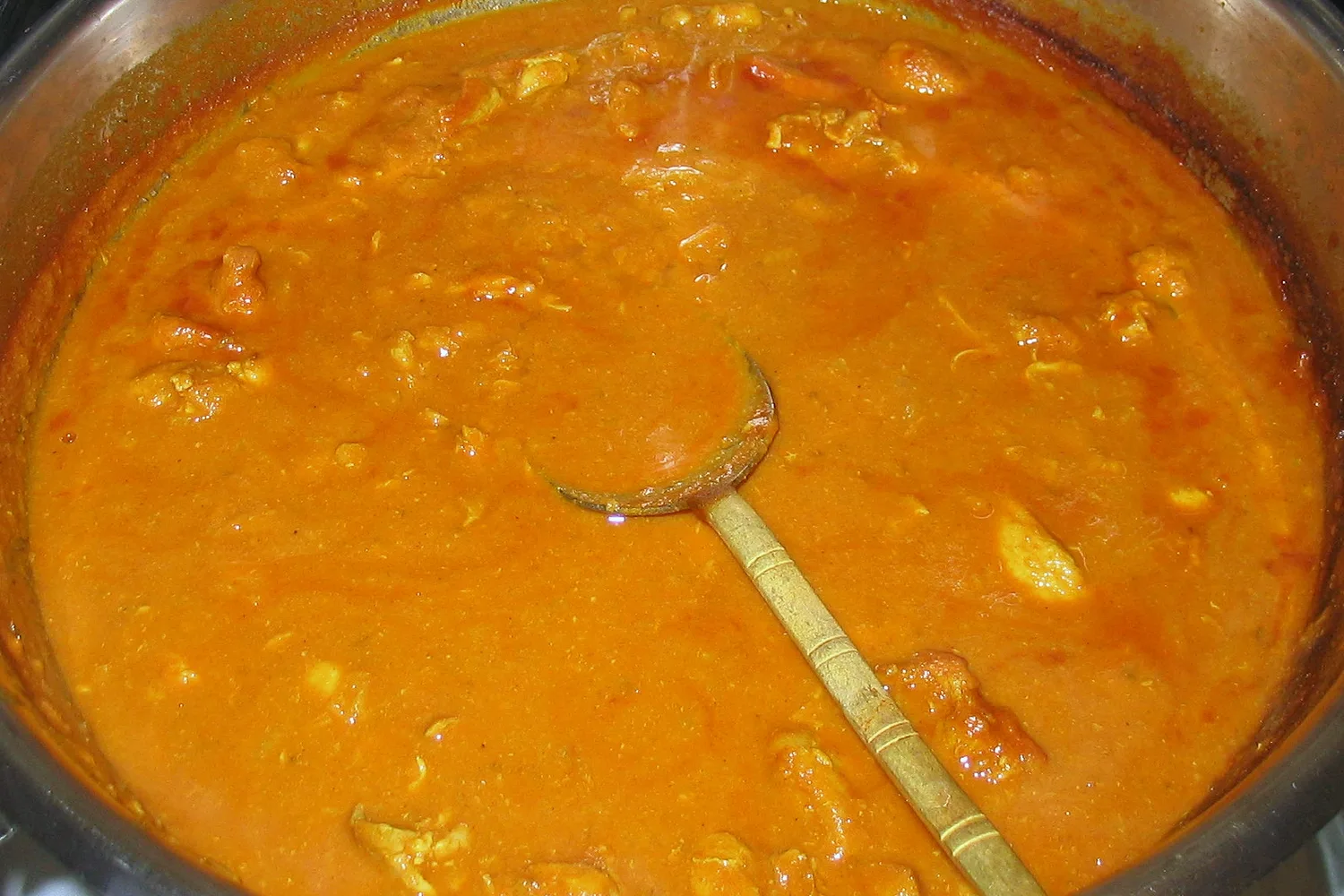
Chicken curry simmering in a golden spiced sauce in a pot, with a ladle resting in the curry

Indo-Fijian Heritage

Photo: Quadell, CC BY-SA 3.0, via Wikimedia Commons

The Heritage Formulary

Measured Ingredients

Estimated cost: Low — about $4–5 per serving at home (USD)

A true Fijian chicken curry is judged by its gravy: golden from turmeric and coconut milk, thick enough to coat a spoon, and chicken so tender it falls from the bone.

Execution Methodology & Culinary Technique

Step-by-Step Cooking Guide

Active 1h 20m
P

Prep Stage: Marinate, Chop & Mix the Masala

20 Mins • Knife Work

Toss the chicken pieces with half the garlic, half the ginger, half the turmeric and a pinch of salt. Peel and cube the potatoes and keep them in cold water. Chop the onion, dice the tomatoes, mince the remaining garlic, grate the remaining ginger and slice the chillies. Mix the Fiji masala, garam masala, cumin and remaining turmeric with 3 tablespoons of water into a thick paste, and shake the coconut milk can until smooth.

Maestro Tip: A curry cooked in one pot still starts at the chopping board — with the chicken marinating and the spice paste mixed, the cooking itself is calm and unhurried.

  1. 1

    Marinate the Chicken

    15 Mins Chilled, 4°C (39°F)

    Toss the chicken pieces with half the garlic, half the ginger, half the turmeric and a pinch of salt. Leave in the fridge for 15 minutes while you chop everything else.

    Even a short marinade seasons the meat right through; 15 minutes is enough, and longer is fine up to 2 hours.

    Done when: Chicken is evenly coated and lightly golden from the turmeric.

  2. 2

    Bloom the Spices

    5 Mins Medium heat, ~170°C (340°F)

    Heat the oil in a heavy pot over medium heat. Add the mustard seeds and wait until they pop, about 30 seconds, then add the curry leaves and the chillies and stir for 30 seconds. Add the onion and fry for 4–5 minutes until soft and golden, then add the remaining garlic and ginger and fry for 1 minute.

    Mustard seeds popping in hot oil is the sound of a Fijian curry starting; if they burn, start again — burnt seeds taste bitter through the whole pot.

    Done when: Onions are soft and golden; the pot smells warm and fragrant.

  3. 3

    Fry the Masala Paste

    5 Mins Medium heat, ~170°C (340°F)

    Stir in the masala paste and cook for 3–4 minutes, stirring constantly and adding a splash of water if it catches, until the paste darkens, the oil separates at the edges and the raw spice smell is gone.

    This is the step that makes the curry: a properly fried masala gives the gravy its depth. If the paste is still pale and raw-smelling, give it another minute.

    Done when: Paste is dark, glossy and fragrant, with oil glistening at the edges.

  4. 4

    Brown the Chicken

    8 Mins Medium-high heat, ~190°C (375°F)

    Add the marinated chicken and the diced tomatoes to the pot. Fry for 6–8 minutes, turning the pieces often, until the chicken is browned on the outside and well coated in the masala and the tomatoes have softened into the sauce.

    Do not crowd the pot — if the chicken steams instead of browning, the gravy will taste flat. Brown in two batches if your pot is small.

    Done when: Chicken is browned and coated; tomatoes have collapsed into the masala.

  5. 5

    Simmer Until Tender

    25 Mins Gentle simmer, ~95°C (203°F)

    Pour in 250 ml of water, stir well, bring to a boil, then turn the heat right down, cover with the lid ajar and simmer gently for 25 minutes, turning the chicken once halfway. The simmer takes the chicken well past 74°C (165°F) and makes it tender right to the bone.

    Keep the simmer gentle — a hard boil toughens the meat and can split the sauce later. The chicken is ready when the meat pulls easily from the bone.

    Done when: Chicken is tender to the bone and the sauce has thickened and darkened.

  6. 6

    Add Potato & Coconut Milk

    20 Mins Gentle simmer, ~95°C (203°F)

    Drain the potatoes and add them to the pot, then pour in the coconut milk and the salt. Simmer gently for 18–20 minutes, uncovered, until the potatoes are soft and breaking at the edges and the sauce is golden, creamy and thick enough to coat a spoon.

    Add the coconut milk now, not earlier — a long boil can split it. If the sauce is too thin, simmer uncovered for 5 more minutes; if too thick, add a splash of water.

    Done when: Potatoes are soft and the sauce is golden and creamy.

  7. 7

    Rest & Garnish

    5 Mins Off the heat, resting at ~70°C (158°F)

    Take the pot off the heat, stir in the lemon juice and scatter over the fresh coriander. Taste and add salt if needed, then let the curry rest for 5 minutes so the flavours settle.

    Resting lets the sauce thicken slightly and the coriander perfume the dish — do not skip it.

    Done when: Sauce is glossy and fragrant; the curry tastes balanced, rich and warmly spiced.

Finishing Touches & Plating

Serve the curry hot, ladled over steamed rice or with warm roti for scooping, and spoon plenty of the golden coconut sauce over each portion. A cucumber salad on the side and a cold drink complete the Fijian-Indian table.

Nutritional Physiology & Benefits

Nutrition

Energy

770

kcal / serving

Protein

48g

Complete AA

Carbs

28g

Complex

Fats

53g

Healthy

Per serving (4 servings · 1 serving ≈ 450 g)
Energy770 kcal
Protein48 g
Carbohydrates28 g
Fat53 g
Fibre7.9 g
Sugar7.4 g
Sodium700 mg
Per 100g
Energy171 kcal
Protein10.7 g
Carbohydrates6.3 g
Fat11.8 g
Fibre1.8 g
Sugar1.7 g
Sodium156 mg

Nutrition values are estimated — calculated from USDA FoodData Central values for the listed ingredients.

Vitamins & minerals: Vitamin B6 and niacin (chicken), vitamin C (tomato and lemon), potassium (potato), vitamin E (coconut milk). Nutrition values are estimated.

High in Protein

One serving gives about 48 g of protein from the chicken, which supports muscle maintenance and keeps you full for hours.

B Vitamins and Iron

Chicken is a natural source of niacin and vitamin B6, nutrients the body uses for normal energy metabolism, and the tomato and lemon add vitamin C.

Potato, Tomato and Fresh Spice

Potato and tomato add potassium, vitamin C and fibre, while turmeric, ginger, cumin and fresh coriander bring warmth and fragrance without extra fat.

Food Pairings

What to Eat With

To optimize nutrient absorption and elevate the sensory depth, pair with these authentic accompaniments:

Sides

Steamed Rice

Plain steamed rice is the essential partner: it soaks up the coconut gravy and lets the chicken and masala shine without competing with them.

Roti

Warm, soft roti is the Fijian-Indian way to eat this curry — torn into pieces, it scoops up the chicken and the sauce, and it turns the meal into something you eat slowly, together.

Vegetables

Cucumber & Onion Salad

A cool cucumber and onion salad with lemon cuts through the richness of the coconut milk and refreshes the palate between bites of the warm, spiced curry.

Drinks

Iced Lemon Tea or Cold Beer

A cold, lightly sweet iced lemon tea or a cold lager calms the chilli heat and suits a rich island curry; the cold and the citrus lift the whole meal.

Complete menu

Serve the curry as the main dish, ladled over steamed rice with warm roti and a cucumber-onion salad on the side; finish with fresh fruit and iced lemon tea.

Digestive Guardrails

What NOT to Combine

To prevent digestive distress, sluggishness, or palate clash, avoid pairing the dish with these elements:

Very Sweet Drinks With the Curry

Sugary sodas add a large dose of sugar to an already rich meal; water, iced tea or beer is the better match. This is general information, not medical advice.

Boiling the Coconut Milk Hard

A hard rolling boil can split coconut milk and leave the sauce oily and grainy, so add the coconut milk late and keep the pot at a gentle simmer.

General information only, not medical advice — consult a doctor for personal dietary decisions.

Who Should Eat It

Who Should Eat

  • General adultsA rich, warming dinner — bone-in chicken in coconut sauce with about 48 g protein per serving.
  • ChildrenSuitable from age 5+ if you use 1 chilli and less masala; the chicken is soft and the potato is easy to eat.
  • ElderlyGood — the gentle simmer makes the chicken very tender and easy to chew; serve with soft rice and a small portion of sauce.
  • Pregnant womenGenerally suitable — the chicken is simmered well past safe temperatures, and the dish is rich in protein and B vitamins.
  • Breastfeeding womenGenerally suitable; the protein and B vitamins support recovery — keep portions moderate and drink water with the meal.
  • AthletesA strong post-training meal: about 48 g protein per serving with rice for glycogen.
  • Weight gainA good choice — a generous serving with rice and roti.
  • Weight lossKeep the rice portion modest and the sauce serving small; the coconut milk makes the dish energy-dense at about 770 kcal per serving.

Health Conditions — Adjust or Avoid

Conditions

  • DiabetesThe curry itself is moderate in carbohydrate, but rice adds a lot of starch; keep the rice portion modest and favour the potato already in the curry. Ask your clinician about portions.
  • High blood pressureKeep the salt to the recipe amount; most sodium here is the salt. Ask your clinician about your daily sodium limit.
  • Kidney diseaseChicken and coconut milk are high in protein and potassium; keep the portion modest if your clinician has advised limits, and ask about portion size.
  • GoutEat occasionally and in smaller portions — chicken and rich sauces can add purines. Ask your clinician if gout flares are frequent.
  • Stomach issuesChilli, mustard seeds and coconut milk can irritate a sensitive stomach; use 1 chilli, skip the mustard seeds and take a small portion if needed.
  • Cardiovascular diseaseThe coconut milk and chicken skin are high in saturated fat, so enjoy occasionally and keep the portion modest. Ask your clinician about how often it fits your diet.
  • Fatty liverKeep the portion modest and occasional; the coconut milk makes the dish rich. Ask your clinician about coconut milk frequency.
  • Food allergiesContains coconut (classed as a tree nut by the FDA) and mustard seeds. The dish is gluten-free and dairy-free as written.
  • Special therapeutic dietsIf you follow a prescribed low-sodium or low-fat diet, use half the salt and light coconut milk, and check with your clinician.

If you have a medical condition, consult your doctor before changing your diet.

Storage & Use

Storage & Use

How to store
Cool quickly and store in an airtight container.
In the fridge
Chicken curry 3 days.
In the freezer
Up to 3 months (potato softens on thawing).
How to reheat
Reheat gently in a pot over low heat until steaming hot throughout, to 74°C (165°F); add a splash of water if the sauce has thickened.
Freezing recommended
Yes — the curry freezes well; freeze the chicken and sauce, and cook fresh potato if you want a firmer texture.
Signs it has spoiled
Sour or off smell, slimy chicken, or a separated, rancid-smelling sauce.

More recipes to explore

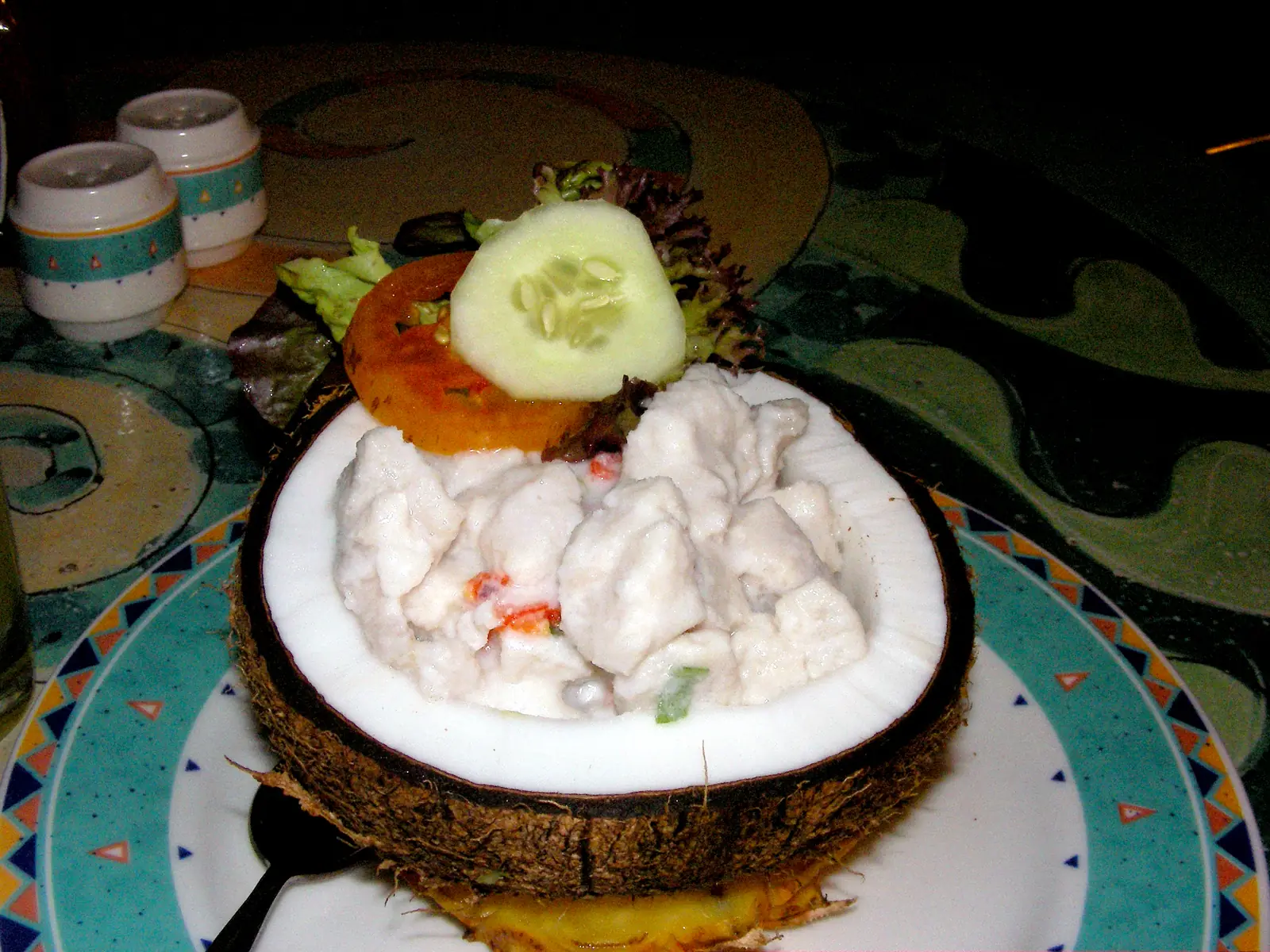
Fijian kokoda — cubes of white fish in creamy coconut milk served in a halved coconut shell, garnished with tomato and cucumber Fiji flag Fiji 1h 35m
Lunch •Fiji's National Dish

Fijian Kokoda

This kokoda recipe cures fresh mahi-mahi in lime juice until the edges turn opaque, then folds it through creamy coconut milk with tomato, red onion, cucumber and chilli. It is Fiji's national dish — bright, cool and rich all at once, and it needs no cooking at all. One serving is about 284 g.

Light & Refreshing

Raw fish cured in lime and finished with coconut milk, served cold — high in protein and light on the stomach.

Pairs Well With
Steamed taro or cassava, with lime wedges and an icy drink
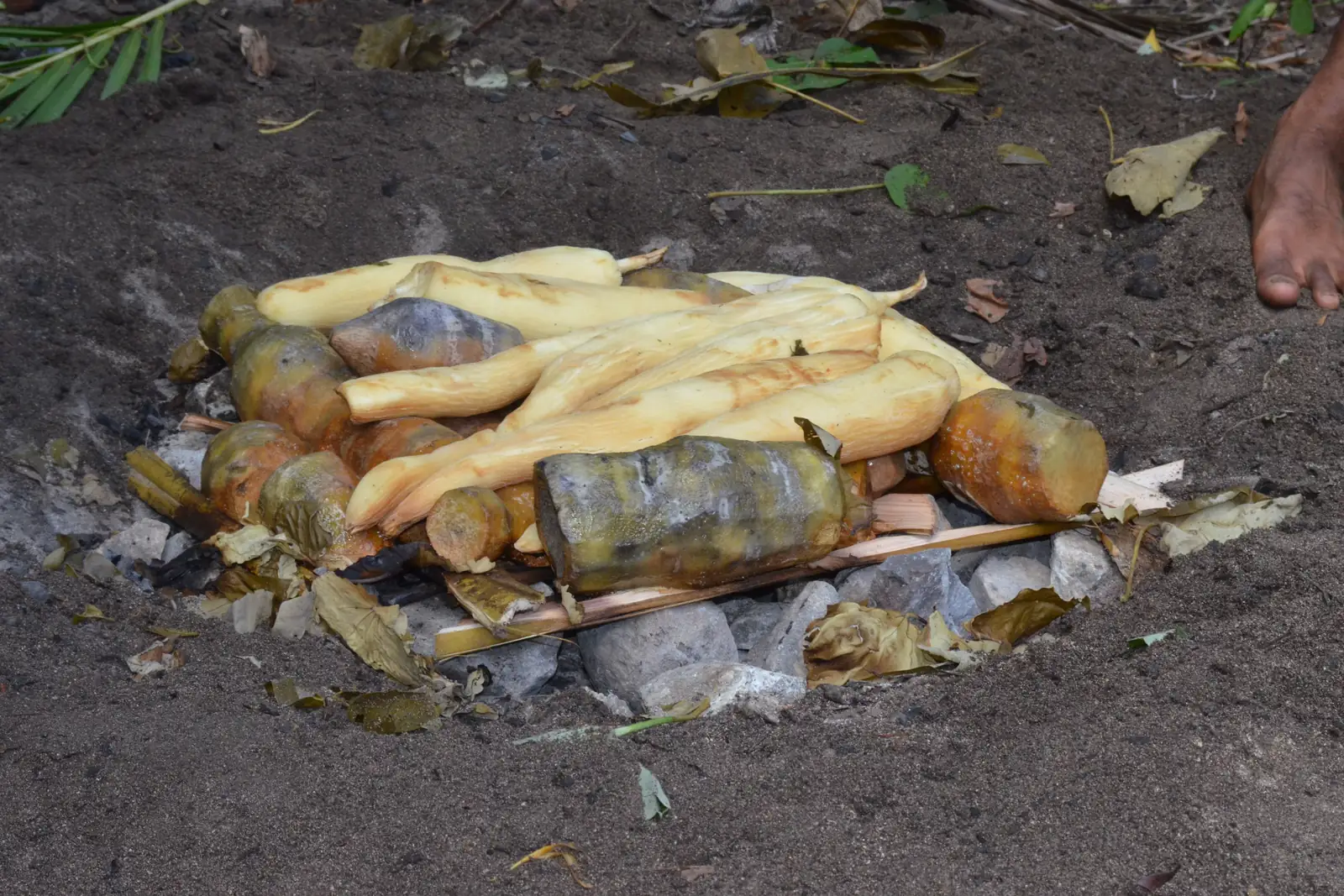
Freshly unearthed Fijian lovo — cooked cassava and taro piled on hot stones in the earth oven, with banana leaves Fiji flag Fiji 4h
Dinner •Fiji's Celebration Feast

Fijian Lovo

This lovo recipe brings Fiji's earth-oven feast into a home kitchen: pork shoulder and chicken jointed and rubbed with garlic and salt, wrapped in banana leaves with taro, cassava, sweet potato and coconut-cream palusami parcels, then slow-roasted until everything is tender and smoky. Traditionally the parcels are buried over white-hot river stones in a pit dug in the ground; here a low oven and foil do the same job, and the recipe says so plainly. One serving is about 591 g.

Hearty & Communal

Pork and chicken slow-roasted with taro, cassava and sweet potato, cooked the Fijian way and built for sharing.

Pairs Well With
Kokoda to start, with rourou or a crisp salad and cold coconut water on the side
High Protein
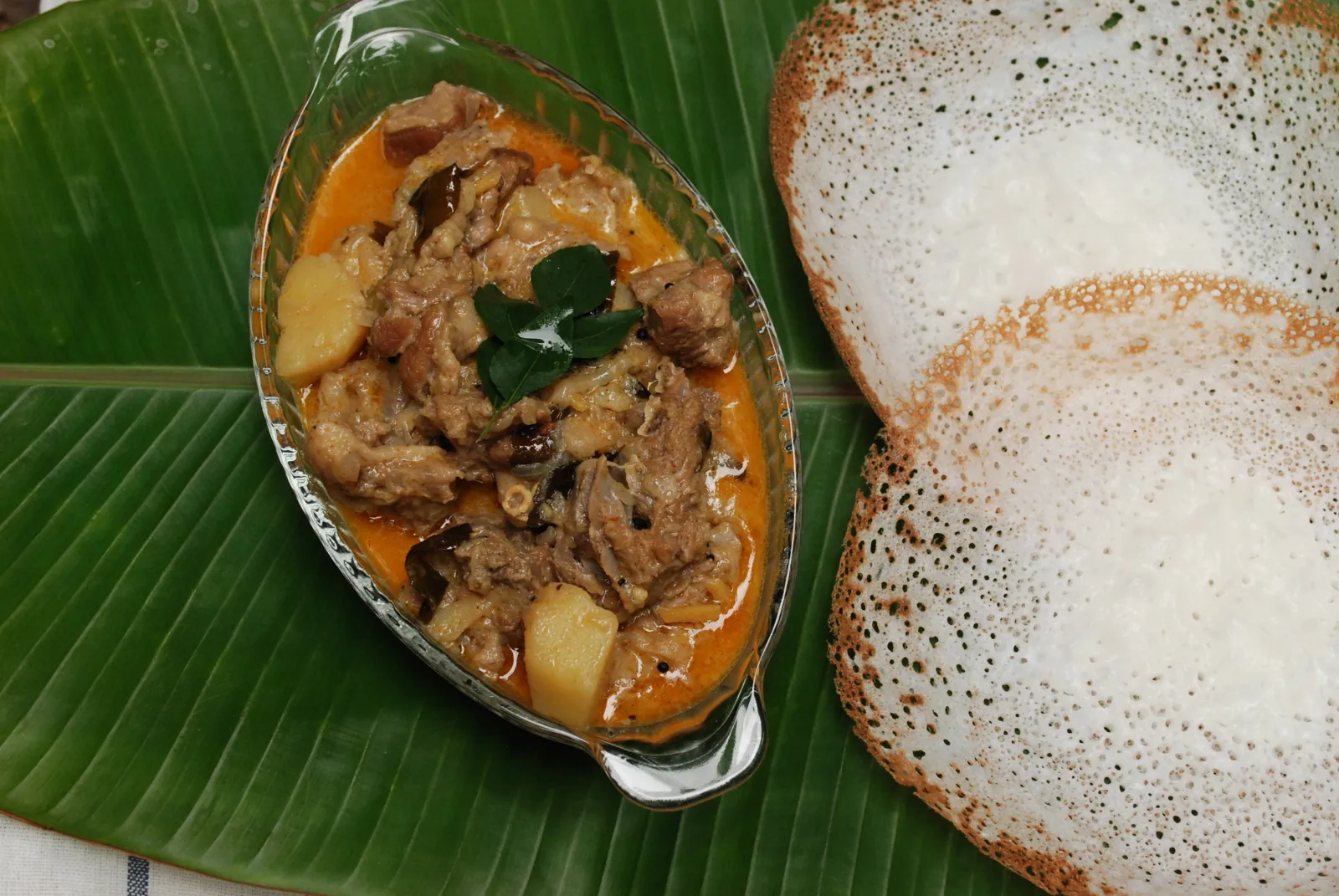
Lamb curry in a golden coconut milk sauce with potatoes and curry leaves, served on a banana leaf with appam Fiji flag Fiji 1h 40m
Dinner •Indo-Fijian Heritage

Fijian Lamb Curry

This fijian lamb curry recipe is Fiji's Indo-Fijian classic: lamb shoulder simmered slowly with Fiji masala, turmeric, mustard seeds, curry leaves, tomato and potato in a rich coconut milk sauce, until the meat is spoon-tender and the gravy turns golden. It is the curry Fijian-Indian families cook for Sundays and celebrations — warming, fragrant and deeply savoury, with fresh coriander and lemon to finish. One serving is about 450 g, without rice.

Island Comfort

Lamb pieces simmered slowly in a spiced coconut milk sauce with potato, tomato and curry leaves — the Indo-Fijian curry served at family gatherings across Fiji.

Pairs Well With
Steamed rice, roti & cucumber salad
High Protein
Bœuf bourguignon — French beef braised in red wine France flag France 4h
Dinner •Burgundy Terroir

Bœuf Bourguignon

Beef braised gently in red wine until the connective tissue melts into a velvet, gelatin-rich sauce — the classic Burgundy Sunday dinner.

Cellular Repair

Beef braised in red wine until spoon-tender, with mushrooms and pearl onions.

Pairs Well With
Parsnip Purée & Steamed French Haricots Verts
High Protein

The Dinner Gazette

Never wonder what’s for dinner again

One email a week with easy dinner ideas from around the world — ingredients, steps and nutrition, tested in our kitchen first.

Delivered every Thursday morning. Unsubscribe anytime.