Curated recipes from 193 countries  •  New seasonal Mediterranean issue out now

Overview

Filets de Perche Recipe

Lake Geneva Perch Fillets, Perche du Léman Meunière, Fried Perch Fillets

This filets de perche recipe is the lakeside classic of Lake Geneva: small, delicate perch fillets dusted in seasoned flour, pan-fried golden in butter and oil, and finished with lemon juice, parsley and a knob of butter. It takes 30 minutes, serves 4, and the fish cooks so fast you should have the potatoes ready first. One serving is about 200 g.

On the shores of Lake Geneva, filets de perche are the dish every lakeside restaurant stakes its name on: small, sweet-fleshed European perch, caught in the lake, dusted in flour and fried in butter, served with lemon and boiled potatoes. The perch is small — a good fillet is barely the length of a hand — so the fish cooks in minutes and the whole plate depends on freshness. In the cantons of Vaud and Geneva, ordering a plate of filets de perche with a glass of local Chasselas is the local shorthand for a summer lunch by the water.

Pairs well with: Boiled new potatoes, lemon wedges and a green salad, with a glass of dry white wine

Provenance

Switzerland flag Switzerland

Swiss Heritage

Nordic & European

Time Dedication

30m

15m prep • 15m cook

Batch Yield

4 Servings

315 kcal per serving

1 serving ≈ 200 g

Technical Skill

Intermediate

Medium (Pan-Frying)

Meal Timing & Digestive Fit

Breakfast

Not Advised

Lunch

Hearty Midday Main

Dinner

Ideal Hearty Main

Snack & Tea

Inappropriate

Occasions: Lakeside lunches, summer dinners, light suppers, family meals Cost: Medium — about $6–8 per serving at home (fresh perch fillets are the main cost)

Tags: Fish Savory Fried
Golden pan-fried Lake Geneva perch fillets arranged on a white plate with half a lemon

Swiss Heritage

Photo: Clément Bucco-Lechat, CC BY-SA 3.0, via Wikimedia Commons

The Heritage Formulary

Measured Ingredients

Estimated cost: Medium — about $6–8 per serving at home (fresh perch fillets are the main cost) (USD)
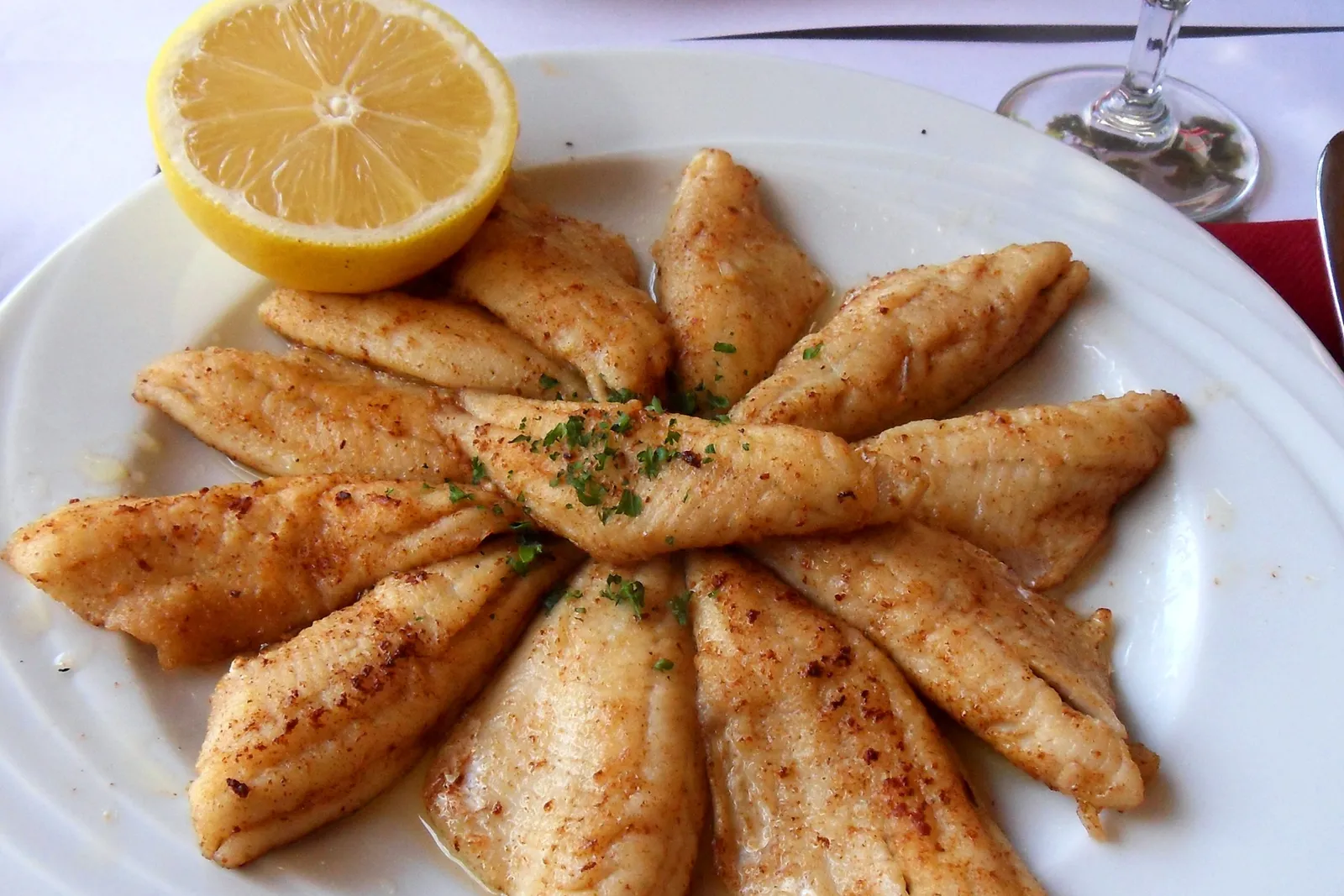
A traditional Swiss lakeside dish: delicate Lake Geneva perch fillets, lightly floured and pan-fried in butter with lemon.

Execution Methodology & Culinary Technique

Step-by-Step Cooking Guide

Active 30m
P

Prep Stage: Dry, Season & Dust

15 Mins • Knife Work

Pat the perch fillets very dry — wet fish steams instead of frying, and the flour slides off. Season the flour with salt, white pepper and paprika, juice half the lemon, cut the other half into wedges, and chop the parsley. Have the plates warm and the potatoes ready: perch fillets cook in minutes, and there is no time to hunt for a plate once they hit the pan.

Maestro Tip: Dry fillets are the whole secret — press them between paper towels until no more moisture comes off.

  1. 1

    Dust the Fillets

    5 Mins No heat — coating, about 20°C (68°F)

    Dredge each fillet lightly in the seasoned flour, turning to coat both sides, then shake off the excess. The coating should be a thin, even dusting — thick flour turns gummy in the pan.

    Shake each fillet well; the flour you shake off is flour that would have burned in the butter.

    Done when: Fillets are evenly dusted with a thin flour coat, no clumps.

  2. 2

    Heat Butter and Oil

    3 Mins Medium-high heat, ~190°C (375°F)

    Heat 30 g of the butter with the sunflower oil in a large frying pan over medium-high heat until the butter foams and the foam begins to settle. The oil stops the butter from burning.

    Wait for the foam to settle — frying in foaming butter browns the milk solids before the fish is cooked.

    Done when: Pan is hot, butter is foaming lightly and smells nutty.

  3. 3

    Fry the Fillets

    8 Mins Medium-high heat, ~190°C (375°F)

    Lay the fillets in the pan in a single layer without crowding and fry for 2–3 minutes per side until golden and crisp at the edges. Work in two batches if the pan is small. The flesh should flake easily and reach 63°C (145°F) inside.

    Do not move the fillets for the first 2 minutes — they release from the pan on their own once the crust sets.

    Done when: Fillets are golden on both sides and flake easily; the centre is opaque and 63°C (145°F).

  4. 4

    Make the Lemon Butter

    2 Mins Medium heat, ~175°C (350°F)

    Take the pan off the heat, add the remaining 10 g of butter and the lemon juice, and swirl until the butter melts into a glossy sauce. Spoon it over the fillets in the pan.

    Off the heat is the point — lemon juice in a screaming-hot pan just steams away.

    Done when: Sauce is glossy, pale gold and smells of lemon and butter.

  5. 5

    Plate and Garnish

    2 Mins Serving heat, about 65°C (150°F)

    Arrange the fillets on warm plates, spoon over the lemon butter, and scatter the parsley on top. Serve at once with the lemon wedges.

    Serve immediately — fried perch waits for no one, and the crust softens within minutes.

    Done when: Fillets are golden, glossy with lemon butter, and flecked with green parsley.

Finishing Touches & Plating

Arrange the fillets on warm plates, spoon the lemon butter over them, and scatter the parsley on top. Serve at once with lemon wedges and boiled potatoes — the fish is at its best in the first five minutes out of the pan.

Nutritional Physiology & Benefits

Nutrition

Energy

315

kcal / serving

Protein

36g

Complete AA

Carbs

12g

Complex

Fats

13g

Healthy

Per serving (4 servings · 1 serving ≈ 200 g)
Energy315 kcal
Protein36 g
Carbohydrates12 g
Fat13 g
Fibre1.1 g
Sugar0.5 g
Sodium399 mg
Per 100g
Energy157 kcal
Protein17.8 g
Carbohydrates5.8 g
Fat6.7 g
Fibre0.5 g
Sugar0.2 g
Sodium200 mg

Nutrition values are estimated — calculated from USDA FoodData Central values for the listed ingredients.

Vitamins & minerals: A serving provides vitamin B12, selenium and phosphorus from the perch, plus vitamin C from the lemon. Nutrition values are estimated.

High in Protein

Each serving carries about 35.7 g of protein from the perch, which helps the meal feel filling and supports normal muscle maintenance.

Lean White Fish

Perch is a naturally lean fish, so the meal stays light — most of the fat comes from the butter used for frying, which you control.

Quick and Fresh

From pan to plate in under 10 minutes of frying, this is one of the fastest fresh-fish dinners you can cook.

Food Pairings

What to Eat With

To optimize nutrient absorption and elevate the sensory depth, pair with these authentic accompaniments:

Sides

Boiled New Potatoes

The lakeside classic: waxy new potatoes, boiled and buttered, soak up the lemon butter and give the delicate fish something to lean on.

Vegetables

Green Salad

A crisp salad with a sharp vinaigrette cuts the richness of the butter and refreshes the palate between bites of fish.

Drinks

Dry White Wine

A dry white from the Lake Geneva region — a Chasselas, if you can find one — matches the lemon butter and the delicate fish.

Full Menus

Lakeside Supper

Fillets, potatoes and salad is the whole meal on the shores of Lake Geneva — simple, fresh and finished in half an hour.

Complete menu

Serve hot with boiled new potatoes, a green salad and lemon wedges, with a glass of dry white wine.

Digestive Guardrails

What NOT to Combine

To prevent digestive distress, sluggishness, or palate clash, avoid pairing the dish with these elements:

Heavy Cream Sauces

The perch is delicate, and a heavy sauce would drown it. Keep the lemon butter light and skip rich sauces with this dish. This is general information, not medical advice.

Overcooking the Fillets

Perch fillets are small and dry out fast — more than 3 minutes a side turns them tough. Cook just until they flake at 63°C (145°F). This is general information, not medical advice.

General information only, not medical advice — consult a doctor for personal dietary decisions.

Who Should Eat It

Who Should Eat

  • General adultsA light, protein-rich dinner at about 315 kcal per serving — a satisfying main for most adults when served with potatoes and salad.
  • ChildrenThe fish is mild, boneless and easy to chew, and children usually enjoy it with lemon squeezed over. Check carefully for any pin bones before serving.
  • ElderlySoft, flaky fish is easy to eat and easy to digest; the butter is the only rich part, so keep the portion moderate.
  • Pregnant womenFresh fish cooked through to 63°C (145°F) is fine in pregnancy; perch is a low-mercury fish, but keep portions moderate and eat a variety of fish. Ask your clinician about portions.
  • Breastfeeding womenA lean, protein-rich main that fits well into a varied diet; the lemon butter adds flavour without heaviness. Ask your clinician about portions.
  • AthletesAbout 35.7 g of protein per serving in a light, easily digested meal — a good post-training dinner with potatoes for energy.
  • Weight gainAt 315 kcal a serving before potatoes, this is a moderate-energy meal; add a full portion of potatoes and bread if the goal is to gain weight.
  • Weight lossLean fish with a light flour coating: a filling, moderate-calorie main. Keep the butter modest and load the plate with salad.

Health Conditions — Adjust or Avoid

Conditions

  • DiabetesAbout 11 g of carbohydrate per serving, mostly from the flour — low, and the fish itself has none. Ask your clinician about portions.
  • High blood pressureAbout 399 mg of sodium per serving. The salt is mainly in the seasoned flour, so use less if you limit sodium. Ask your clinician about portions.
  • Kidney diseaseLean fish with moderate protein per serving; the sodium matters for kidney diets — use less added salt. Ask your clinician about portions.
  • GoutWhite fish is low in purines compared with oily fish and red meat, so it is usually a safer choice during a flare. Ask your clinician about portions.
  • Stomach issuesMild, lean fish fried in butter is usually gentle, but fried food can feel heavy on a sensitive stomach. Eat a small portion and avoid eating it late at night. Ask your clinician about portions.
  • Cardiovascular diseaseLean fish with a light coating is a good fit for a heart-friendly plate; the butter is the part to watch, so keep it modest. Ask your clinician about portions.
  • Fatty liverLow in fat from the fish itself, with protein and little carbohydrate — a liver-friendly main when the butter is kept modest. Ask your clinician about portions.
  • Food allergiesAllergens: fish (perch), milk (butter) and gluten (wheat flour). Anyone with a fish allergy must not eat this dish; use rice flour for a gluten-free coating. Ask your clinician about ingredients you must avoid.
  • Special therapeutic dietsFits low-carbohydrate plans as written. For a gluten-free plan, use rice flour; for a dairy-free plan, fry in oil alone. Ask your clinician about portions.

If you have a medical condition, consult your doctor before changing your diet.

Storage & Use

Storage & Use

How to store
Cool within 2 hours, then store in an airtight container in the fridge.
In the fridge
Up to 2 days — fried fish is best eaten fresh and loses its crispness quickly.
In the freezer
Not recommended — the delicate fillets turn mushy on thawing.
How to reheat
Reheat gently in a covered pan over low heat for 4–5 minutes until steaming hot throughout, to 74°C (165°F). The crust will soften; a hot oven at 180°C (350°F) for 5 minutes restores some crispness.
Freezing recommended
No — cook only what you will eat.
Signs it has spoiled
Strong fishy smell, slimy texture, or grey flesh.

More recipes to explore

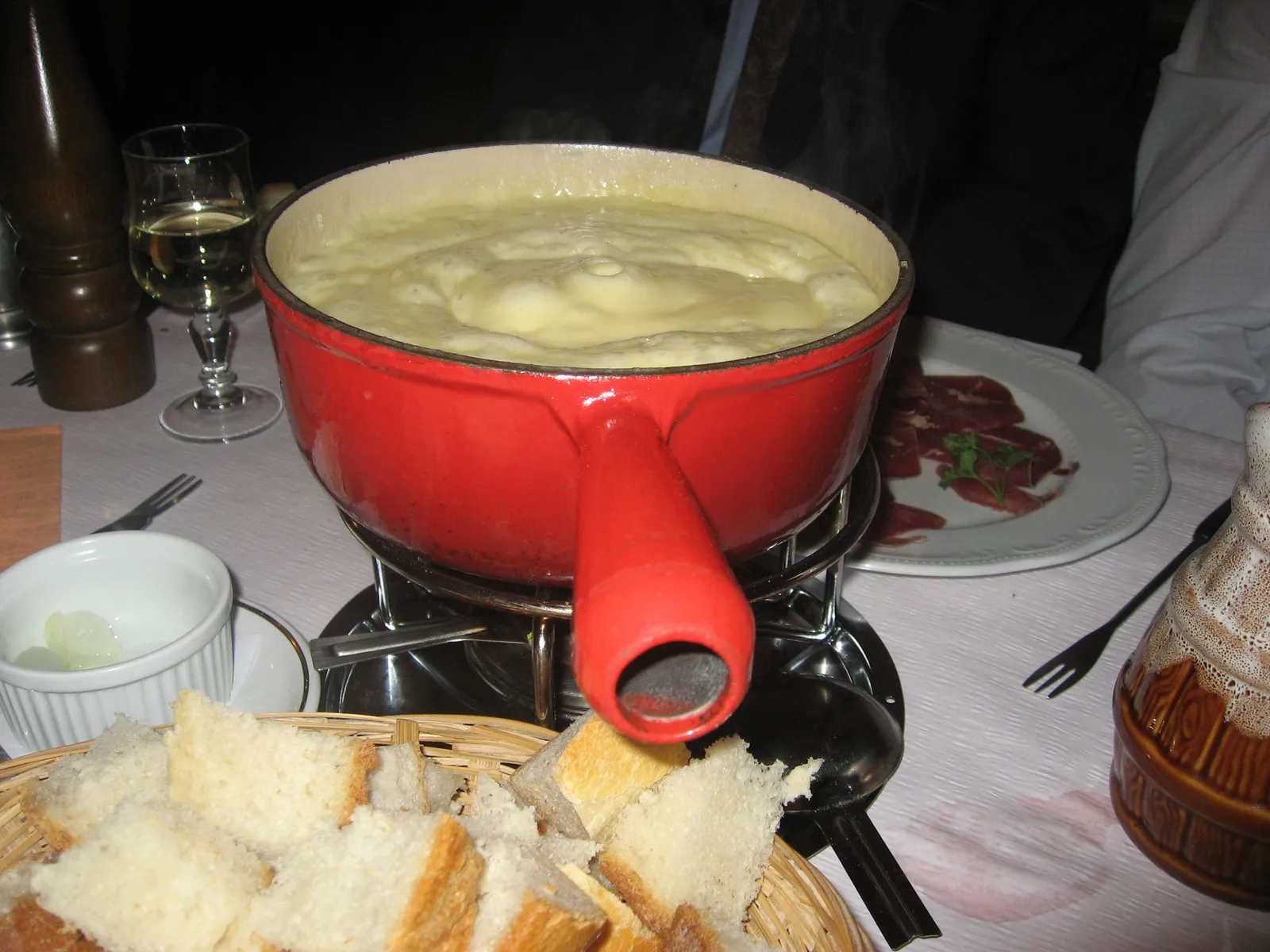
A red fondue pot of melted cheese with bread cubes and a glass of white wine Switzerland flag Switzerland 40m
Dinner •Swiss Alpine Classic

Swiss Cheese Fondue

Swiss cheese fondue is the Alps in a pot: Gruyere and Emmental melted slowly into dry white wine with garlic and a splash of kirsch, kept warm at the table while everyone dips cubes of bread into the bubbling cheese. One serving is about 310 g.

Comfort & Togetherness

Gruyere and Emmental melted in white wine, shared from one pot.

Pairs Well With
Cubes of crusty bread, boiled potatoes and cornichons on the side
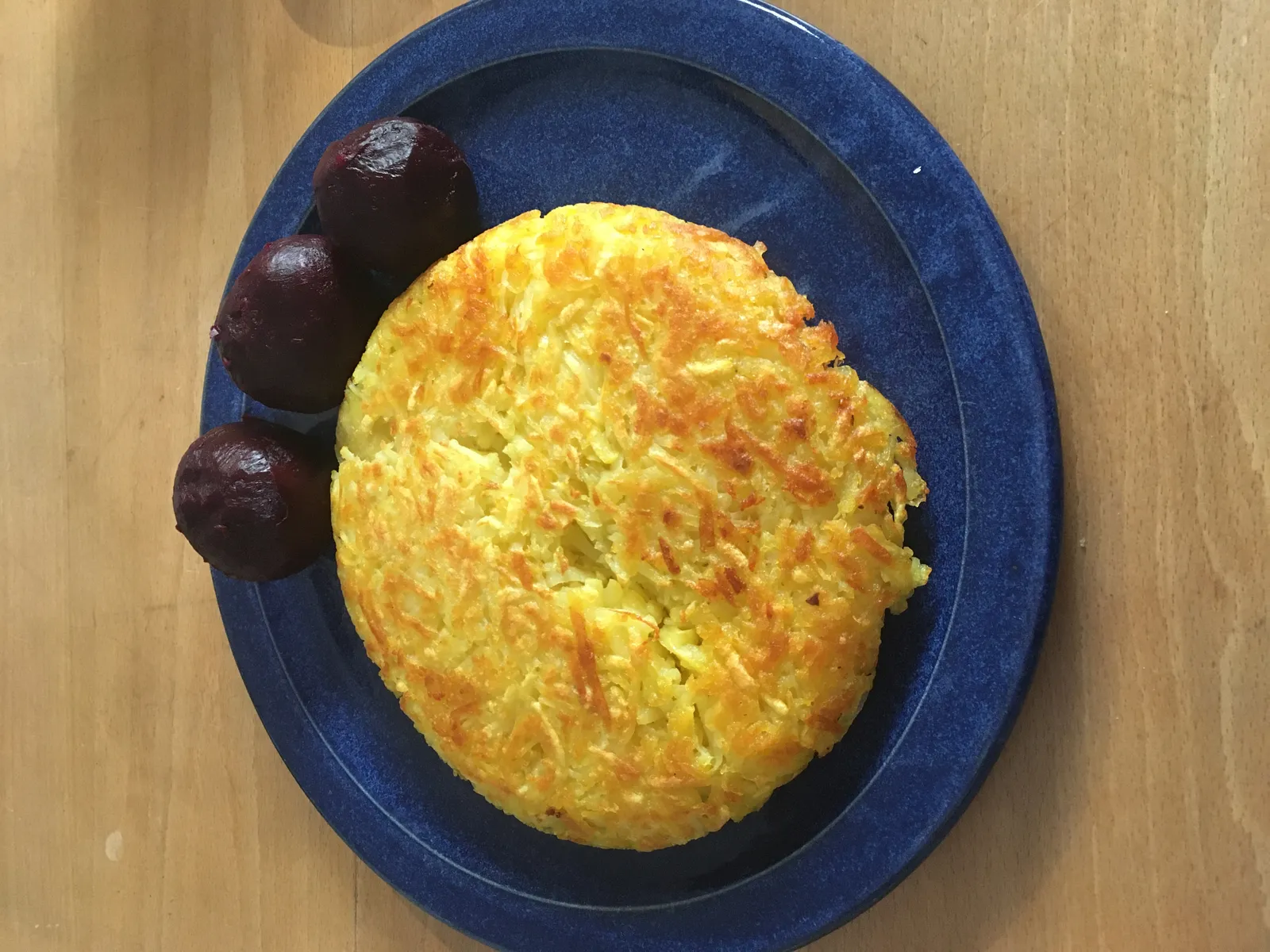
A large golden rosti potato cake on a blue plate Switzerland flag Switzerland 40m
Lunch •Bernese Farmhouse Classic

Rösti

Rösti is Switzerland's crisp potato cake: grated potato pressed into one large golden disc and fried in butter until the outside shatters and the inside stays soft, then topped with a fried egg. One serving is about 240 g.

Simple & Satisfying

One large crisp cake of grated potato, pan-fried in butter and topped with a fried egg.

Pairs Well With
A fried egg on top and a simple green salad with sharp vinaigrette
Quick Prep (<30m)
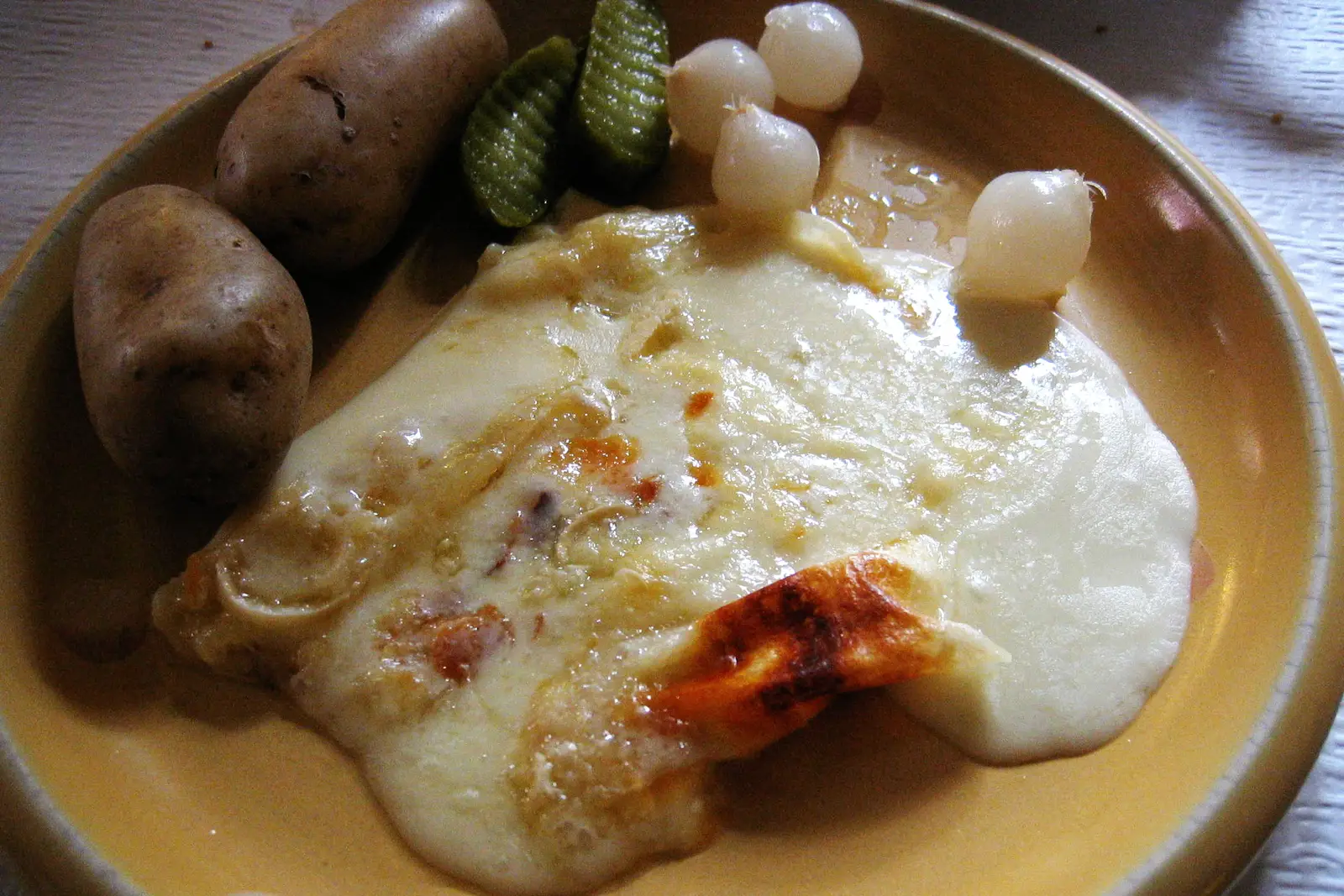
Melted raclette cheese scraped over a plate with boiled potatoes and pickles Switzerland flag Switzerland 40m
Dinner •Valais Alpine Classic

Raclette

Raclette is the Swiss Alps' other great melted-cheese meal: a half-wheel of raclette cheese is warmed until the cut face bubbles, then scraped in ribbons over boiled potatoes, with cornichons and pickled onions to cut the richness. One serving is about 365 g.

Comfort & Togetherness

Melted raclette cheese scraped over boiled potatoes with pickles.

Pairs Well With
Boiled potatoes, cornichons, pickled onions and a green salad
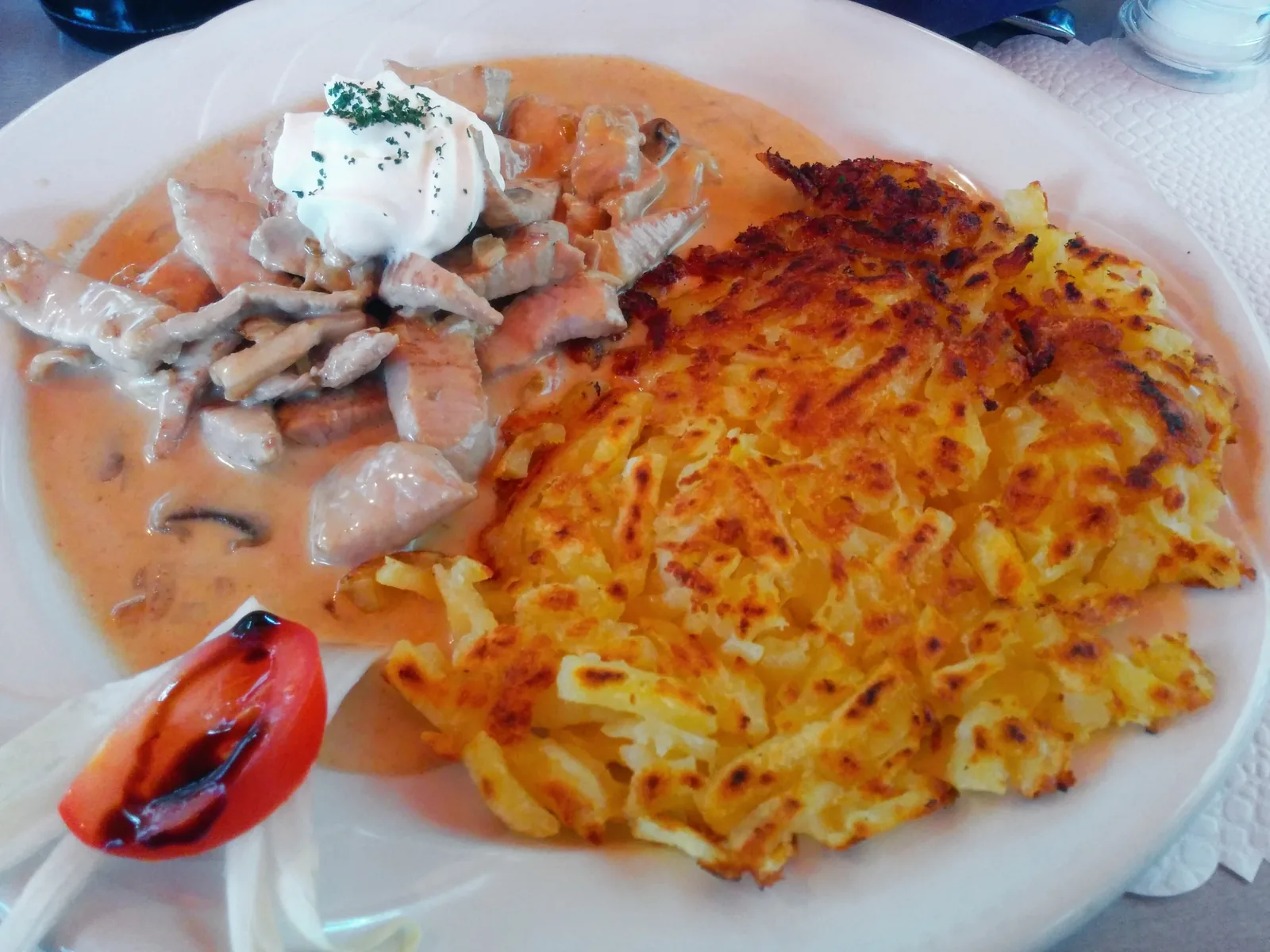
A plate of Zürcher Geschnetzeltes — veal strips in cream sauce with a dollop of cream — beside golden rösti. Switzerland flag Switzerland 40m
Dinner •Zurich Classic

Zürcher Geschnetzeltes

Zürcher Geschnetzeltes is Zurich's signature dish: thin strips of veal quickly seared, then finished in a white-wine and cream sauce with mushrooms and onion. One serving is about 335 g, before the rösti it is traditionally served with.

Rich & Comforting

Tender strips of veal in a white-wine cream sauce with mushrooms — Zurich's classic, with rösti.

Pairs Well With
Serve with golden rösti and a glass of dry Swiss white wine.
High Protein

The Dinner Gazette

Never wonder what’s for dinner again

One email a week with easy dinner ideas from around the world — ingredients, steps and nutrition, tested in our kitchen first.

Delivered every Thursday morning. Unsubscribe anytime.