Curated recipes from 193 countries  •  New seasonal Mediterranean issue out now

Overview

Frankfurter Kranz

Frankfurt Crown Cake, German Crown Cake, Frankfurter Crown Cake

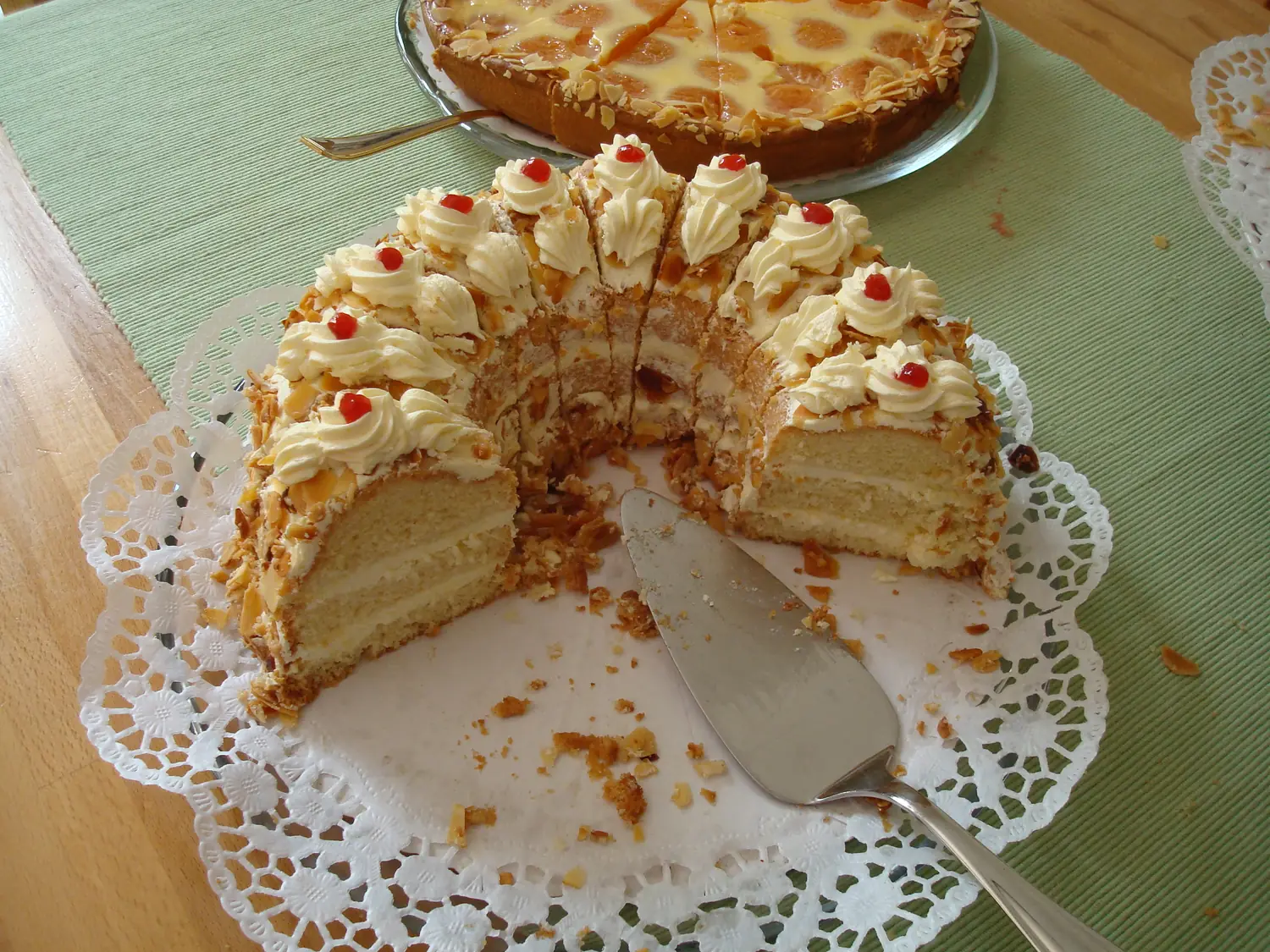
This frankfurter kranz recipe bakes Frankfurt's crown cake: three layers of airy egg sponge filled with vanilla buttercream and tart redcurrant jam, then coated in more buttercream and golden krokant, with cherries like rubies on top. One serving is about 170 g and carries 571 calories. It is a celebration cake, made for birthdays and holidays, and it tastes best the day it is made.

The Frankfurter Kranz is said to date to around 1735, when an unknown Frankfurt baker shaped a buttercream cake into a ring to echo the crown of the Holy Roman Emperors — Frankfurt was the city where emperors were crowned, and the golden krokant and red cherries on top stand for gold and rubies. The coronation link is tradition rather than proof: the last Frankfurt coronation before 1735 took place in 1711, and the first written recipe only appears in the early 20th century. What is certain is the cake itself: a biscuit sponge, a pudding-based German buttercream, jam and krokant, still the showpiece of Frankfurt's bakeries.

Pairs well with: Black coffee or a glass of Sekt, with the cake served in thin slices.

Provenance

Germany flag Germany

Frankfurt Crown-Cake Classic

Nordic & European

Time Dedication

2h 35m

120m prep • 35m cook

Batch Yield

12 Servings

571 kcal per serving

1 serving ≈ 170 g

Technical Skill

Advanced

Advanced (Ring Cake)

Meal Timing & Digestive Fit

Breakfast

Not Advised

Lunch

Inappropriate

Dinner

Inappropriate

Snack & Tea

Ideal Light Bite

Occasions: Birthdays, Christmas and holidays, family celebrations, coffee mornings Cost: Moderate — about $3–4 per serving at home
A Frankfurter Kranz crown cake with buttercream swirls, red cherries and golden krokant, with one slice cut showing the sponge layers

Frankfurt Crown-Cake Classic

Photo: MyName (Claus Ableiter), CC BY-SA 3.0, via Wikimedia Commons

The Heritage Formulary

Measured Ingredients

Estimated cost: Moderate — about $3–4 per serving at home (USD)

This version follows the classic build — egg sponge, pudding buttercream, redcurrant jam, hazelnut krokant and cherries — with no yeast and no shortcuts in the buttercream.

Execution Methodology & Culinary Technique

Step-by-Step Cooking Guide

Active 2h 35m
P

Prep Stage: Sponge, Pudding and Krokant

120 Mins • Sponge, Pudding and Krokant

Separate the 6 eggs and sift the flour with 60g of the cornstarch. Melt 50g of the butter and let it cool, and set 250g of butter out to reach room temperature. Whisk the milk with 40g of cornstarch and 100g of sugar for the pudding, chop the hazelnuts, and stir the redcurrant jam until spreadable.

Maestro Tip: Room-temperature butter is the whole secret of a smooth buttercream — cold butter turns it lumpy, and melted butter turns it to soup.

  1. 1

    Bake the sponge ring

    20 Mins + 35 Mins bake 180°C (350°F)

    Heat the oven to 180°C (350°F) and butter a 24 cm ring tin, dusting it lightly with flour. Whip the egg whites with the salt to soft peaks, then beat in half the sugar. In another bowl, whip the yolks with the remaining sugar and the vanilla until pale and thick, about 5 minutes. Fold the whites into the yolks in three lots, then sift the flour and cornstarch over the top and fold gently. Drizzle in the cooled melted butter and fold once more. Pour into the tin and bake for 30 to 35 minutes until golden and springy.

    Fold, never stir: every hard stir knocks air out of the eggs, and the eggs are the only thing lifting this cake.

    Done when: Deep golden, springy to the touch, and a skewer comes out clean.

  2. 2

    Cook the vanilla pudding

    15 Mins Medium heat, about 95°C (200°F)

    Whisk the milk, 40g of cornstarch and 100g of sugar in a saucepan until smooth, then cook over medium heat, stirring constantly, until it thickens into a glossy pudding, about 8 minutes. Stir in 5g of vanilla, scrape into a shallow bowl, press cling film onto the surface so no skin forms, and cool completely to room temperature, about 30 minutes.

    A skin on the pudding becomes lumps in the buttercream — the cling film must touch the surface.

    Done when: Thick, glossy and smooth, with no skin and no lumps.

  3. 3

    Beat the buttercream

    10 Mins Room temperature, about 20°C (68°F)

    Beat the 250g of room-temperature butter until pale and fluffy, about 3 minutes. Add the cooled pudding one spoonful at a time, beating well after each spoonful, until the buttercream is smooth, pale and spreadable. If it looks curdled, keep beating — it comes together.

    Pudding and butter must be the same temperature. If the pudding is still warm, the butter melts and the cream will never whip.

    Done when: Pale, fluffy and smooth, holding soft peaks.

  4. 4

    Make the krokant

    15 Mins Medium heat, about 170°C (340°F)

    Melt 100g of sugar in a dry pan over medium heat without stirring until it turns a deep amber caramel, about 5 minutes. Stir in the chopped hazelnuts and 20g of butter, then tip the mixture onto a sheet of baking paper and let it harden completely. Break it into pieces and crush to coarse crumbs.

    Do not walk away from caramel — it goes from amber to burnt in seconds, and burnt caramel tastes bitter through the whole cake.

    Done when: Hard, golden and glassy, crushing to coarse golden crumbs.

  5. 5

    Fill, frost and crown the cake

    30 Mins Room temperature, about 20°C (68°F)

    Turn the cooled sponge out and slice it horizontally into three even layers. Spread half the jam on the bottom layer and a third of the buttercream over it; add the middle layer, the rest of the jam and another third of the buttercream; top with the final layer. Frost the top and sides with the remaining buttercream, press the krokant all over the outside, and pipe 12 buttercream rosettes on top, each with a cherry.

    A long serrated knife and a slow sawing motion give the evenest layers — a short knife tears the sponge.

    Done when: Three even layers, fully coated in buttercream and krokant, with 12 rosettes and cherries on top.

  6. 6

    Chill, then slice

    30 Mins chill Chilled, about 4°C (39°F)

    Chill the cake for 30 minutes so the buttercream firms up, then slice with a hot, dry knife, wiping the blade between cuts. Serve at cool room temperature.

    A hot knife cuts clean through buttercream; a cold one drags and smears the layers.

    Done when: Clean slices showing three sponge layers, jam and buttercream.

Finishing Touches & Plating

Serve thin slices at cool room temperature with black coffee — the cake is rich, so a little slice goes a long way.

Nutritional Physiology & Benefits

Nutrition

Energy

571

kcal / serving

Protein

8g

Complete AA

Carbs

68g

Complex

Fats

31g

Healthy

Per serving (12 servings · 1 serving ≈ 170 g)
Energy571 kcal
Protein8 g
Carbohydrates68 g
Fat31 g
Fibre1.5 g
Sugar44.4 g
Sodium296 mg
Per 100g
Energy336 kcal
Protein4.5 g
Carbohydrates40 g
Fat18 g
Fibre0.9 g
Sugar26.1 g
Sodium174 mg

Nutrition values are estimated — calculated from USDA FoodData Central values for the listed ingredients.

Vitamins & minerals: Vitamin A (butter, egg), B vitamins (egg, flour), vitamin E (hazelnuts), calcium (milk, butter), iron and phosphorus (egg, hazelnuts).

Real Buttercream, No Shortcuts

The pudding-based German buttercream uses milk, butter and egg-free custard, so the richness comes from real dairy rather than from artificial fillings.

Hazelnut Crunch

A hundred grams of hazelnuts in the krokant add vitamin E, fibre and a satisfying crunch that balances the soft sponge and cream.

A Cake That Satisfies

With about 571 calories and 7.6 g of protein per slice, one thin slice with coffee is a genuinely filling celebration treat.

Food Pairings

What to Eat With

To optimize nutrient absorption and elevate the sensory depth, pair with these authentic accompaniments:

Drinks

Black Coffee

Strong, unsweetened coffee cuts through the buttercream's richness and makes the tart jam taste brighter.

A Glass of Sekt

Dry German sparkling wine is the festive partner: its bubbles and acidity lift the rich, buttery cake.

Vegetables

Fresh Berries

A small bowl of raspberries or redcurrants adds sharpness and freshness beside a very rich slice.

Sides

A Light Lunch First

Serve the cake after a simple soup and bread lunch, so the cake is the sweet event rather than the second heavy course.

Complete menu

Serve thin slices of Frankfurter Kranz with black coffee or Sekt after a light lunch of soup and bread, and keep the rest of the meal simple — the cake is the event.

Digestive Guardrails

What NOT to Combine

To prevent digestive distress, sluggishness, or palate clash, avoid pairing the dish with these elements:

Very Sweet Drinks With the Cake

Sweet soda or dessert wine doubles the sugar of an already sweet cake and makes the whole plate cloying; black coffee, Sekt or water are better. This is general nutrition information, not medical advice.

Leaving It Warm in a Sealed Box

Warm cake in a closed box sweats, and the condensation softens the krokant and can spoil the buttercream; cool the cake fully before covering it. This is general food information, not medical advice.

General information only, not medical advice — consult a doctor for personal dietary decisions.

Who Should Eat It

Who Should Eat

  • General adultsA rich celebration cake — one thin slice with coffee is plenty.
  • ChildrenSweet and soft, but very sugary; a small slice, and skip the cherry if they dislike it.
  • ElderlySoft and easy to chew; serve a thin slice and keep the portion modest.
  • Pregnant womenFine in a small portion when the cake is fresh and the eggs are fully baked through; keep it to one thin slice.
  • Breastfeeding womenEnergy-rich and satisfying, but very sweet — one slice is enough.
  • AthletesA good post-training treat for energy, with about 571 calories per slice.
  • Weight gainA good choice — energy-dense, and easy to enjoy a second thin slice of.
  • Weight lossBest as one thin slice with berries or coffee; the cake itself is rich and sugary, so keep the portion small.

Health Conditions — Adjust or Avoid

Conditions

  • DiabetesAbout 68 g of carbohydrate and 44 g of sugar per slice — take one thin slice and ask a clinician about portion size.
  • High blood pressureSodium is about 296 mg per serving; keep the salt as written and skip extra salty food with it — ask a clinician for personal advice.
  • Kidney diseaseButter, milk and eggs add protein and potassium, which some kidney diets limit — ask a clinician about portion size before eating it regularly.
  • GoutNo purine-rich meat here, but the cake is a rich food — ask a clinician if you have questions about your overall diet.
  • Stomach issuesVery sweet and rich, so it can sit heavily; a small slice, eaten slowly, is usually easier — ask a clinician if symptoms persist.
  • Cardiovascular diseaseAbout 31 g of fat per slice, mostly from butter — enjoy occasionally and keep to one thin slice; ask a clinician about your overall eating pattern.
  • Fatty liverEnergy-dense, sugary and rich in fat; keep it an occasional treat and favour a half slice with berries — ask a clinician for personal guidance.
  • Food allergiesContains gluten (wheat flour), milk (butter, milk), egg and tree nuts (hazelnuts). Naturally free of fish and soy.
  • Special therapeutic dietsVegetarian as written, but not vegan or gluten-free; if you follow a restricted diet, ask a clinician or dietitian before adapting it.

If you have a medical condition, consult your doctor before changing your diet.

Storage & Use

Storage & Use

How to store
Cool completely, then cover loosely with cling film or keep in a cake box.
In the fridge
3 days in the fridge at 4°C (39°F) or below; bring to cool room temperature before serving.
In the freezer
Up to 2 months, wrapped well in foil and a freezer bag; thaw overnight in the fridge.
How to reheat
Do not reheat — serve chilled or at cool room temperature.
Freezing recommended
Yes — the frosted cake freezes well for up to 2 months.
Signs it has spoiled
Sour or off smell, weeping buttercream, mould on the sponge or cherries — discard it.

More recipes to explore

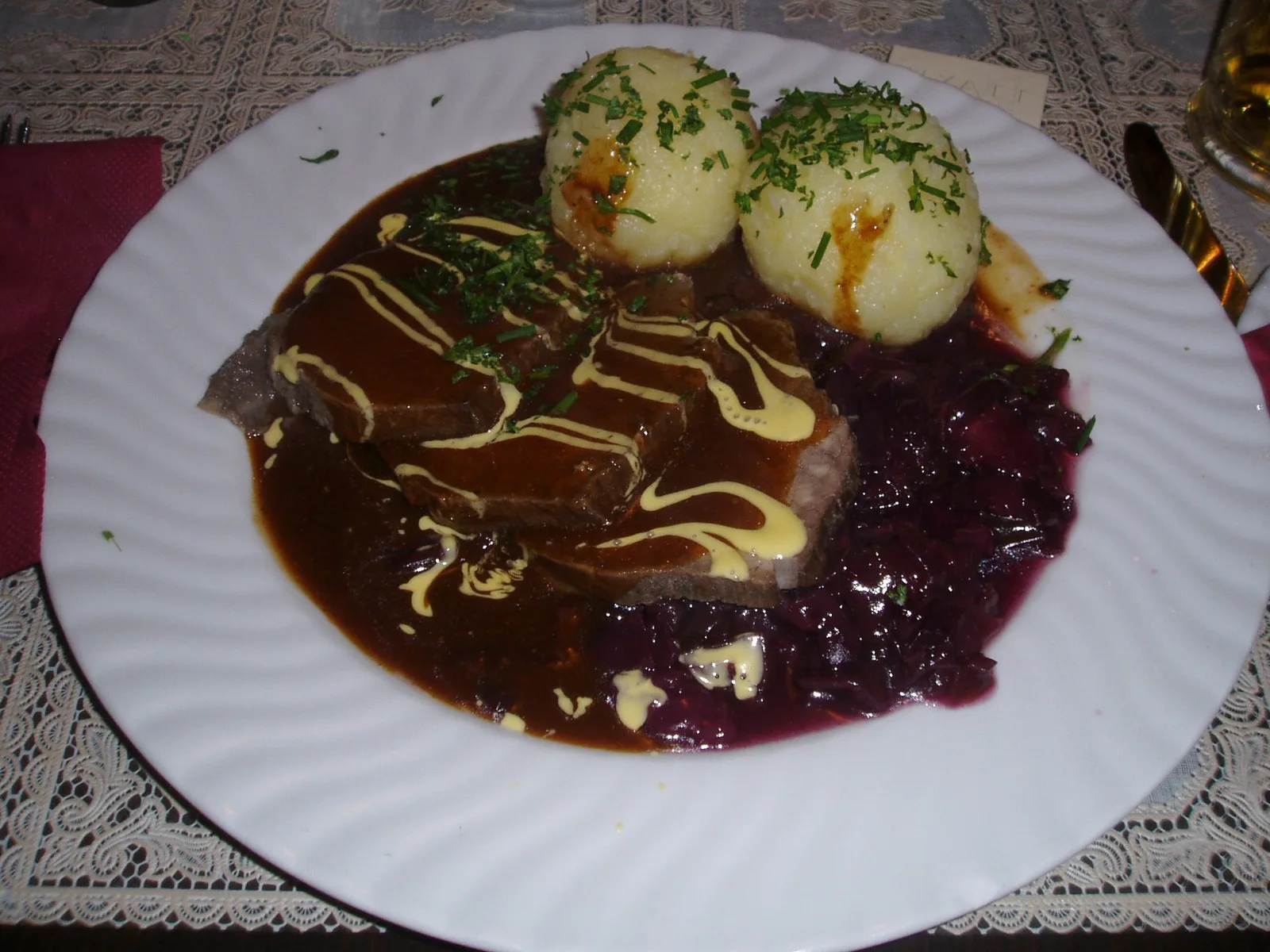
Sliced sauerbraten in dark sweet-sour gravy with potato dumplings and braised red cabbage on a white plate Germany flag Germany 3h 30m
Dinner •Rhineland Heritage

Sauerbraten

This sauerbraten recipe starts with a beef chuck roast steeped for three days in red wine vinegar, red wine and warm spices, then braised slowly until it slices like butter. The marinade becomes a dark, sweet-sour gravy thickened with crushed gingersnaps and studded with raisins, the Rhineland way. One serving is about 300 g, with gravy.

Comfort & Warmth

A slow-braised German pot roast in a sweet-sour vinegar gravy, sliced thick and served hot with potato dumplings and red cabbage.

Pairs Well With
Potato dumplings, braised red cabbage & a glass of Spätburgunder
High Protein
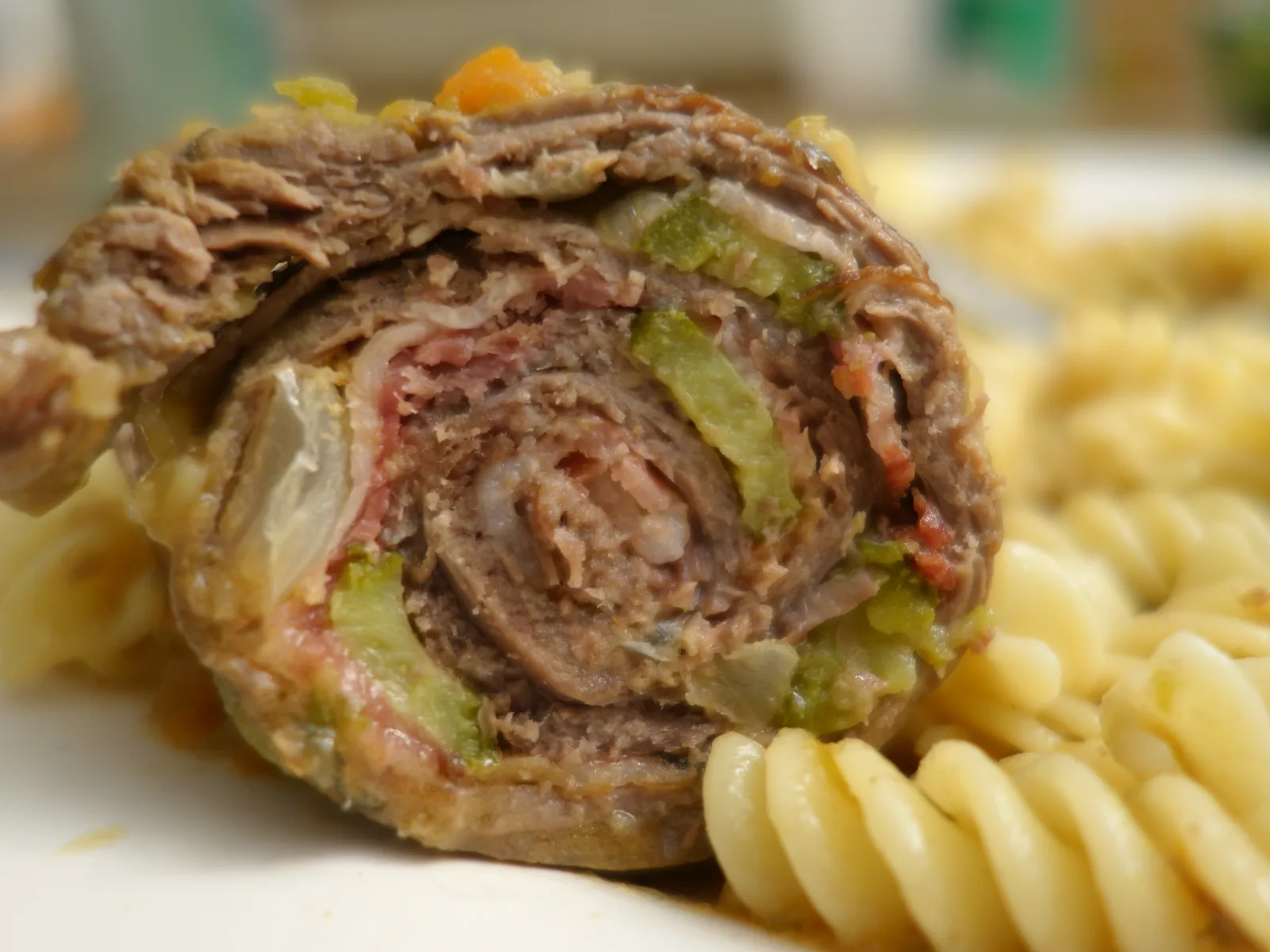
A sliced German beef roulade showing the spiral of beef, bacon and dill pickle, served with pasta Germany flag Germany 2h 10m
Dinner •German Sunday Heritage

Rouladen

This rouladen recipe spreads thin slices of top round with mustard, then rolls them around smoky bacon, dill pickles and onion into neat parcels. The rolls are browned, then braised slowly in red wine and beef stock until tender, and the braising liquid becomes a rich gravy. One serving is about 375 g — two rolls with gravy.

Comfort & Warmth

Thin beef rolls stuffed with bacon, dill pickle and onion, braised in red wine gravy and served hot with dumplings.

Pairs Well With
Potato dumplings, braised red cabbage & a German lager
High Protein
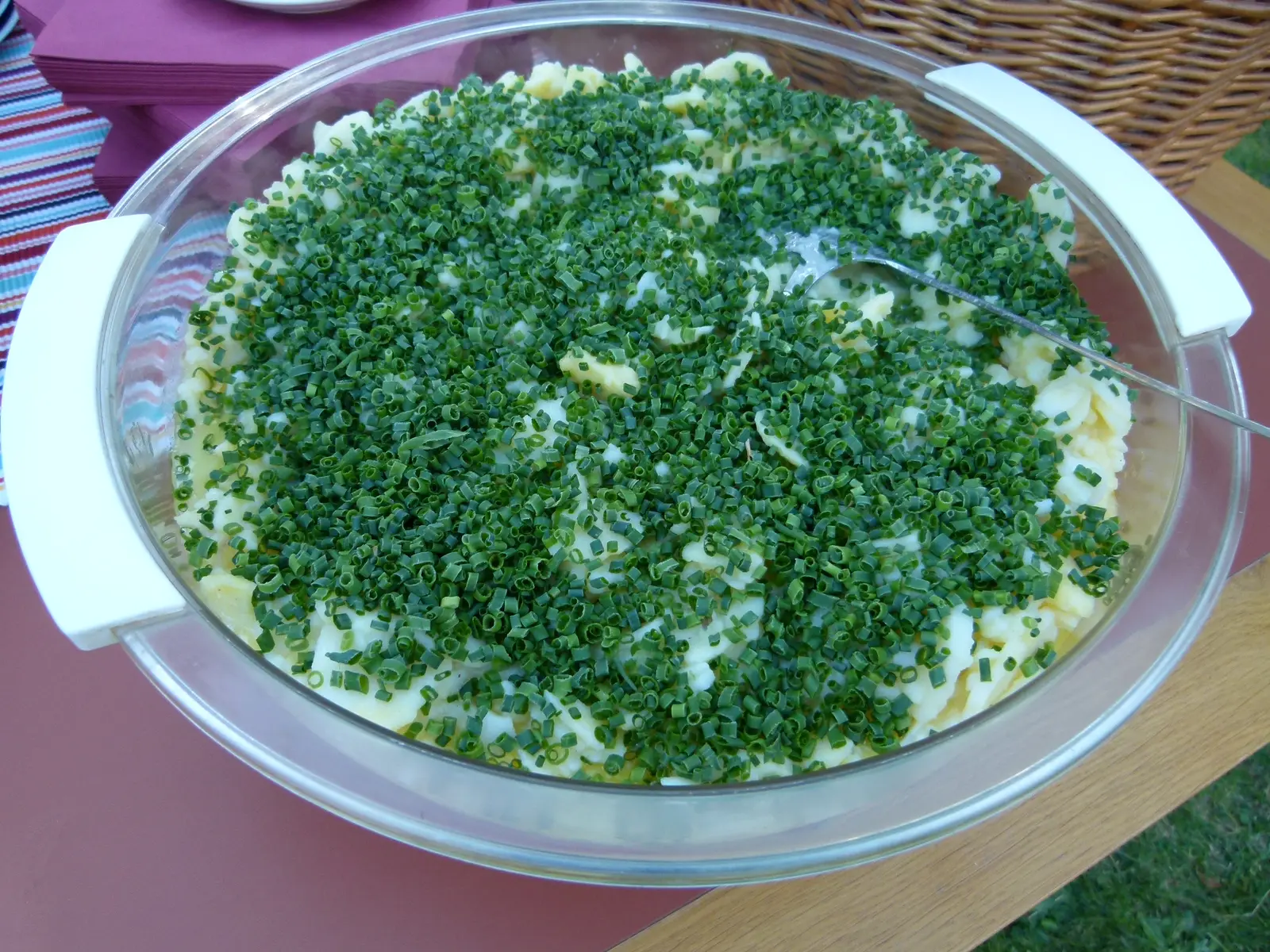
A glass bowl of warm Swabian potato salad topped with chopped chives Germany flag Germany 45m
Lunch •Swabian Heritage

German Potato Salad

This german potato salad recipe is the warm Swabian kind: waxy potatoes sliced while still hot, tossed with crisp bacon, soft onion and sliced egg, then dressed with hot beef stock, vinegar and mustard so every slice drinks up the tangy dressing. No mayonnaise anywhere — the potatoes stay light, glossy and warm. One serving is about 292 g.

Comfort & Warmth

Warm waxy potatoes in a bacon, mustard and vinegar dressing, served straight from the bowl while still steaming.

Pairs Well With
Grilled sausages, schnitzel & a cold German lager
Quick Prep (<30m)
Golden breaded pork schnitzel with a lemon wedge and potato salad on a white plate Germany flag Germany 40m
Dinner •German Heritage

German Pork Schnitzel

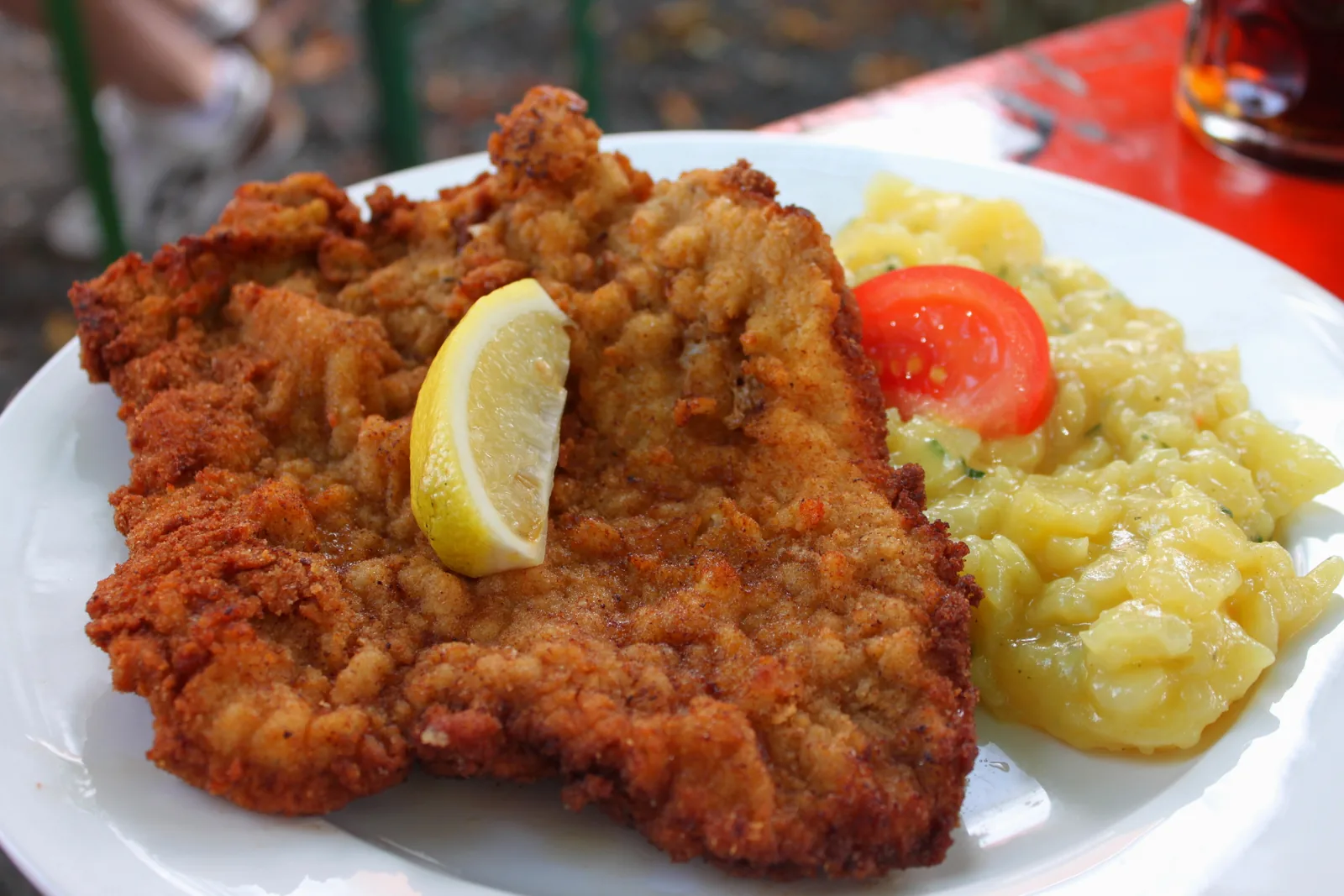
German pork schnitzel is the everyday hero of German cooking: a pork cutlet pounded thin, coated in flour, egg and breadcrumbs, and fried in butter until it turns deep golden and crisp. This german schnitzel recipe follows the German way — real pork, a loose crumb, and a wedge of lemon on the side, with potato salad to mop up. One serving is about 200 g.

Classic Comfort

A golden, crisp pork cutlet with lemon and potato salad — a satisfying, protein-rich German dinner.

Pairs Well With
Warm potato salad, cucumber salad and a cold lager.
High Protein

The Dinner Gazette

Never wonder what’s for dinner again

One email a week with easy dinner ideas from around the world — ingredients, steps and nutrition, tested in our kitchen first.

Delivered every Thursday morning. Unsubscribe anytime.