Curated recipes from 193 countries  •  New seasonal Mediterranean issue out now

Overview

Gambian Chicken Yassa

Poulet Yassa, Yassa Guinar, Lemon Onion Chicken

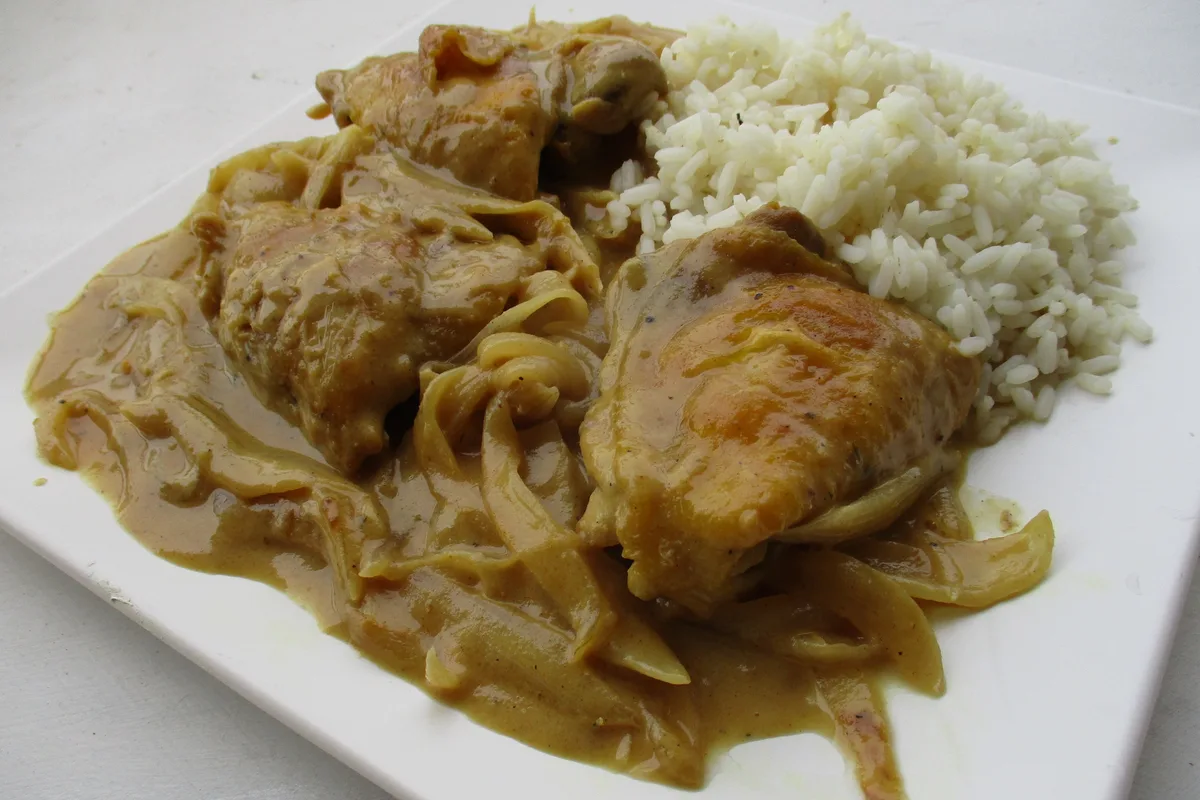
This gambian chicken yassa recipe starts with chicken marinated for hours in lemon juice, Dijon mustard and a mountain of sliced onions, then grilled until charred at the edges and braised slowly until the onions collapse into a sour, savoury sauce. It is served over steamed white rice, which soaks up every drop. One serving is about 410 g.

Yassa comes from the Casamance, the green rice-growing region of southern Senegal that the Gambia nearly cuts in two, and it is cooked with equal conviction on both sides of the border and in Guinea-Bissau. The dish is a method as much as a recipe: meat or fish marinated in lemon and onion, grilled, then braised in the onions until they melt. The word is often linked to the Portuguese assar, to roast, carried into the region's creole through old trading ports, while the Dijon mustard most cooks now use arrived later and was folded in so completely that it reads as traditional.

Pairs well with: Steamed white rice, green olives and lemon wedges

Provenance

Gambia flag Gambia

Casamance Lemon & Onion Table

African Heritage

Time Dedication

1h 30m

30m prep • 60m cook

Batch Yield

6 Servings

730 kcal per serving

1 serving ≈ 410 g

Technical Skill

Intermediate

Intermediate (Marinate & Braise)

Meal Timing & Digestive Fit

Breakfast

Not Advised

Lunch

Hearty Midday Main

Dinner

Ideal Hearty Main

Snack & Tea

Inappropriate

Occasions: Family dinners, celebrations, weekend cooking, gatherings Cost: Low — about $3 per serving at home
Chicken yassa — chicken pieces in a golden onion and lemon sauce served with white rice

Casamance Lemon & Onion Table

Photo: Arnaud 25, CC0, via Wikimedia Commons

The Heritage Formulary

Measured Ingredients

Estimated cost: Low — about $3 per serving at home (USD)

A true yassa is judged by its onions: a whole pile of them, cooked down until they are soft, sweet and golden, with the lemon still bright.

Execution Methodology & Culinary Technique

Step-by-Step Cooking Guide

Active 1h 30m
P

Prep Stage: Slice, Squeeze, Marinate

30 Mins + 4 Hours Marinating

Slice the 800 g of onions into thin half-moons and juice the lemons. Mince the garlic and stir it with the lemon juice, mustard, half the oil, salt and pepper. Put the chicken and onions in a large bowl, pour over the marinade and turn everything until the chicken is buried in onion. Cover and leave in the fridge for at least 4 hours, or overnight — the lemon and salt tenderise the meat while the onions soften.

Maestro Tip: Do not skimp on the onions or the time: yassa is an onion dish with chicken in it, and a short marinade gives you lemon chicken, not yassa.

  1. 1

    Marinate the Chicken

    4 Hours (mostly hands-off) Refrigerated, about 4°C (40°F)

    Massage the marinade into the chicken pieces and bury them under the sliced onions in a large non-reactive bowl. Cover and refrigerate for at least 4 hours, or overnight. Turn the chicken once halfway through so every piece spends time in the lemon juice.

    Marinate in glass, ceramic or plastic — lemon juice reacts with aluminium and taints the flavour.

    Done when: The onions have softened and the chicken smells of lemon and mustard.

  2. 2

    Grill the Chicken

    12 Mins Grill or broiler, about 220°C (425°F)

    Lift the chicken out of the marinade, shaking off the onions, and reserve the marinade and onions. Grill the chicken over charcoal or under a hot broiler for 5–6 minutes per side until it is blistered and blackened in patches — deliberately not cooked through. It finishes in the braise.

    Char is flavour here: the blackened edges are what make yassa taste grilled, not boiled.

    Done when: Skin is blistered and charred in patches; the meat is still pink inside.

  3. 3

    Caramelise the Onions

    20 Mins Medium-low heat, about 150°C (300°F)

    Heat the remaining oil in a large heavy pot over medium-low heat. Add the reserved marinade onions and cook, stirring often, for 15–20 minutes until they collapse, turn golden and smell sweet. Add the reserved marinade liquid and the stock and scrape up the browned bits.

    Patience is the whole step — pale, crunchy onions make a thin sauce; golden, collapsed onions make yassa.

    Done when: The onions have shrunk to about a quarter of their raw volume and are soft and golden.

  4. 4

    Braise Until Tender

    25 Mins Low simmer, about 95°C (200°F)

    Nestle the grilled chicken into the onions, add the bay leaves, the whole scotch bonnet and the crushed bouillon cube. Cover and simmer gently for 20–25 minutes until the chicken is tender and the thickest part reads 74°C (165°F), and the sauce has thickened into a glossy, tangy blanket.

    Taste before adding salt — the marinade, mustard and cube are already salty.

    Done when: The chicken reads 74°C (165°F) and the sauce coats a spoon.

  5. 5

    Cook the Rice and Serve

    20 Mins (alongside the braise) Boiling, 100°C (212°F)

    While the chicken braises, cook the rinsed rice in 700 ml of lightly salted boiling water, covered, on the lowest heat for 15 minutes, then rest it off the heat for 5 minutes and fluff with a fork. Spoon the rice onto plates, lay the chicken on top, ladle over the onion sauce and scatter the olives and lemon wedges.

    Start the rice when the chicken goes into the pot — the two finish at the same time.

    Done when: The rice is tender and separate, and the sauce sits proudly on top of it.

Finishing Touches & Plating

Spoon the rice onto plates, lay the chicken on top, ladle over the onion sauce, and scatter the olives and lemon wedges. Serve hot, with extra mustard on the table for anyone who wants more bite.
Nutritional Physiology & Benefits

Nutrition

Energy

730

kcal / serving

Protein

34g

Complete AA

Carbs

70g

Complex

Fats

35g

Healthy

Per serving (6 servings · 1 serving ≈ 410 g)
Energy730 kcal
Protein34 g
Carbohydrates70 g
Fat35 g
Fibre3.9 g
Sugar6.4 g
Sodium693 mg
Per 100g
Energy178 kcal
Protein8.4 g
Carbohydrates16.9 g
Fat8.4 g
Fibre0.9 g
Sugar1.6 g
Sodium169 mg

Nutrition values are estimated — calculated from USDA FoodData Central values for the listed ingredients.

Vitamins & minerals: Vitamin C (lemon, onion), vitamin B6 and niacin (chicken), potassium (onion), vitamin E (olives), iron and zinc (chicken).

Protein with Staying Power

Chicken supplies about 34 g of protein per serving, with the rice alongside giving steady energy for hours.

Onions in Every Bite

Nearly a kilogram of onions cooks down into the sauce, bringing fibre, vitamin C and potassium to the plate.

A Sauce That Needs No Cream

The flavour comes from lemon, mustard and slowly cooked onion — not butter or cream — so the sauce is bright and light for its richness.

Food Pairings

What to Eat With

To optimize nutrient absorption and elevate the sensory depth, pair with these authentic accompaniments:

Sides

Steamed White Rice

Plain rice is the classic partner: the grains soak up the lemon-onion sauce that would otherwise be left on the plate.

Green Olives

Salty olives are the traditional garnish — their brine stands up to the lemon and gives each bite a savoury edge.

Vegetables

Cucumber & Tomato Salad

Cool, crisp cucumber and tomato cut the sourness of the sauce and add a fresh crunch beside the soft onions.

Drinks

Chilled Bissap

Tart hibiscus tea, served cold, balances the sour lemon sauce and the salt of the olives.

Complete menu

Serve chicken yassa over steamed rice with green olives, a cucumber and tomato salad and chilled bissap; finish with fresh fruit.

Digestive Guardrails

What NOT to Combine

To prevent digestive distress, sluggishness, or palate clash, avoid pairing the dish with these elements:

Serving the Used Marinade as a Sauce

The marinade has held raw chicken, so it must never be served as it is — only use it after it has been cooked in the pot with the onions and simmered in the braise. This is general food-safety information, not medical advice.

Undercooked Chicken

Chicken that is only grilled and never braised can still be raw inside — always braise until the thickest part reads 74°C (165°F). This is general food-safety information, not medical advice.

General information only, not medical advice — consult a doctor for personal dietary decisions.

Who Should Eat It

Who Should Eat

  • General adultsA bright, satisfying dinner — tangy chicken, soft onions and rice in one plate.
  • ChildrenSuitable from age 3+ with the chilli left whole or out entirely; the chicken is soft and the sauce is mild once the onions cook down. The lemon tang can be strong for very young children — offer extra rice.
  • ElderlyGood choice — the chicken braises soft and the onions are easy to eat; keep the chilli mild.
  • Pregnant womenGenerally suitable; make sure the chicken is cooked through to 74°C (165°F) and the marinade is fully cooked in the braise.
  • Breastfeeding womenGenerally suitable; the chicken and rice supply energy and protein — keep the mustard and salt moderate.
  • AthletesA strong dinner after training: about 34 g protein with plenty of carbs from the rice.
  • Weight gainA good choice — take a generous serving with extra rice on the side.
  • Weight lossTake a smaller portion of rice, load up on the onions and chicken, and use skinless thighs.

Health Conditions — Adjust or Avoid

Conditions

  • DiabetesRice is the main carbohydrate, so keep the portion to about one cup cooked and fill the rest of the plate with the onion sauce and chicken. Ask your clinician about portion sizes.
  • High blood pressureThe mustard, olives, bouillon cube and salt make this salty — use half a cube, fewer olives and less added salt. Ask your clinician if you follow a low-sodium diet.
  • Kidney diseaseThe stock, bouillon, mustard and olives are high in sodium; eat a modest portion and ask your clinician about limits.
  • GoutChicken is moderate in purines; eat occasionally and in modest portions, and ask your clinician if you have gout.
  • Stomach issuesThe lemon and mustard make this dish acidic, which can irritate a sensitive stomach — eat a smaller portion and skip the chilli. Ask your clinician if symptoms persist.
  • Cardiovascular diseaseKeep the oil modest and favour the onions and lean chicken; the rice portion matters most. Ask your clinician for personalised guidance.
  • Fatty liverChoose a smaller rice portion with extra onions and skinless chicken. Ask your clinician for personalised guidance.
  • Food allergiesContains chicken and mustard (mustard is a major allergen). Bouillon cubes may contain wheat or soy depending on the brand — check the label. Ask your clinician if you have a food allergy.
  • Special therapeutic dietsIf you follow a prescribed low-sodium diet, use half a bouillon cube, no added salt and fewer olives, and check with your clinician.

If you have a medical condition, consult your doctor before changing your diet.

Storage & Use

Storage & Use

How to store
Cool within 2 hours and store the chicken with its sauce and the rice in separate shallow airtight containers.
In the fridge
3–4 days.
In the freezer
2 months for the chicken and sauce (the rice is best cooked fresh).
How to reheat
Reheat the chicken and sauce in a covered pan with a splash of water until steaming and the centre reaches 74°C (165°F); steam the rice separately.
Freezing recommended
Yes for the chicken and sauce — it freezes well; cook the rice fresh.
Signs it has spoiled
Sour or musty smell, slimy sauce, or visible mould.

More recipes to explore

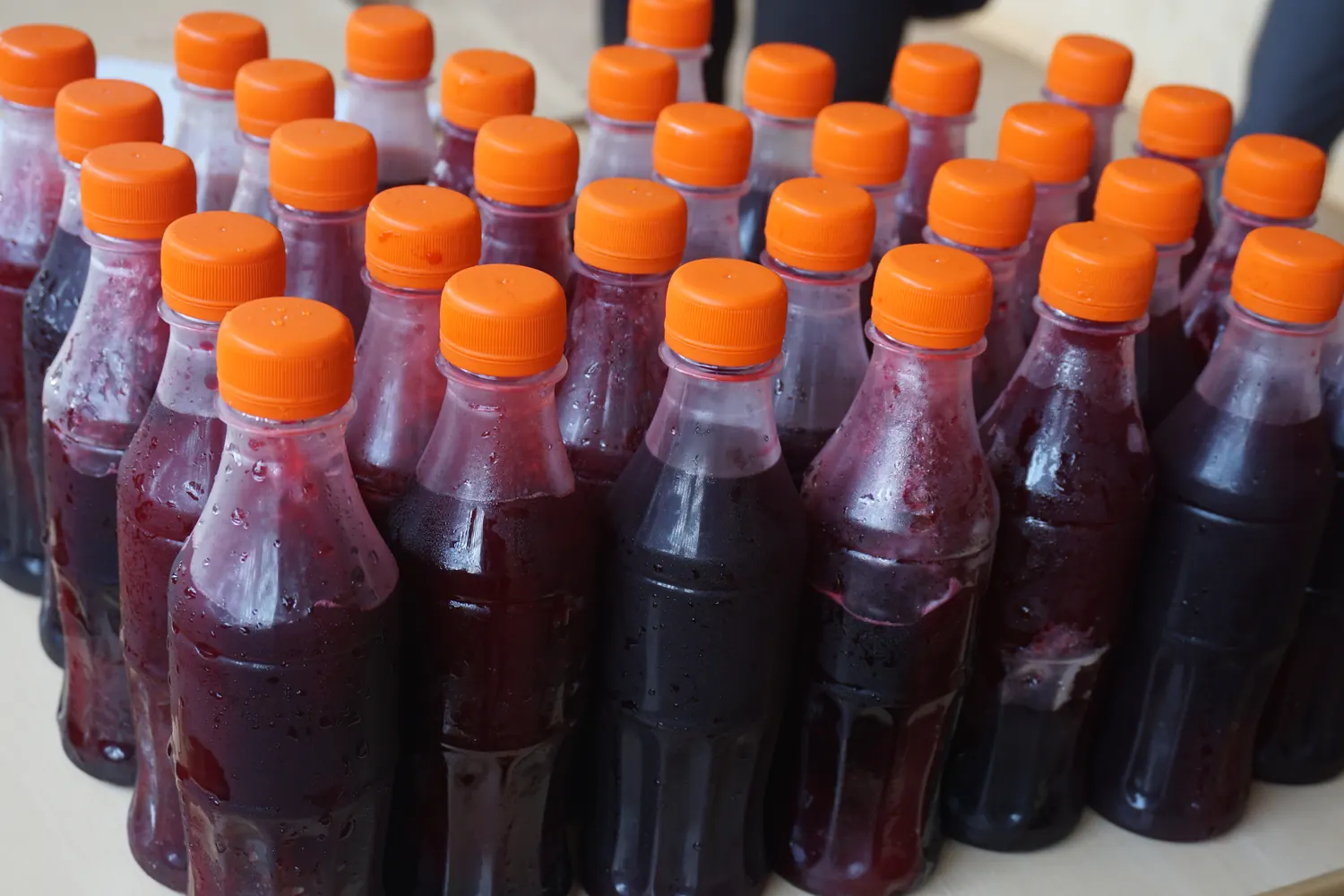
Plastic bottles of deep-red Gambian wonjo hibiscus drink with orange caps Gambia flag Gambia 30m
Snack & Tea •Gambian Heritage

Gambian Wonjo

This gambian wonjo recipe turns dried hibiscus calyces, fresh ginger and mint into a ruby-red drink that is tart first and sweet second. Brewed, sweetened and chilled until ice-cold, it is the drink Gambian street vendors sell in bottles on hot afternoons and the jug that appears at family gatherings. One serving is about 250 g.

Cooling & Refreshing

A tart-sweet chilled hibiscus drink with ginger and mint, made for hot afternoons.

Pairs Well With
Serve ice-cold over ice with a sprig of mint, beside roasted peanuts or a bowl of chakery
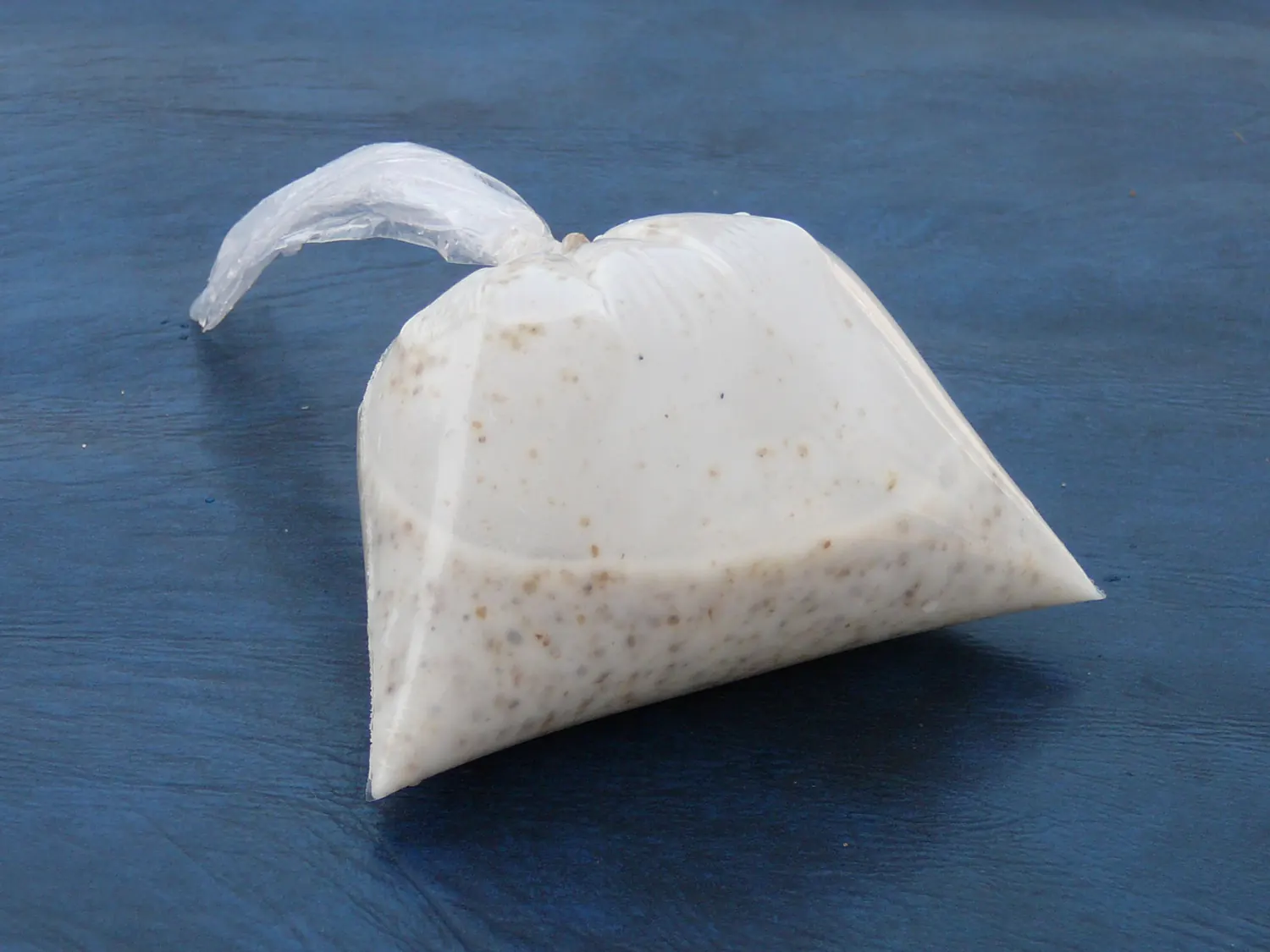
Gambian chakery millet pudding sold in a knotted plastic sachet Gambia flag Gambia 45m
Snack & Tea •Gambian Heritage

Gambian Chakery

This gambian chakery recipe steams millet couscous until soft and separate, then folds it into warm sweetened milk with vanilla and nutmeg. Served warm in bowls — the way families eat it at home, while street vendors sell it in knotted sachets — it is a gentle, comforting snack. One serving is about 300 g.

Comfort & Warmth

Warm steamed millet couscous folded into sweetened milk with vanilla and nutmeg.

Pairs Well With
Serve warm in bowls with coconut on top, and a glass of ice-cold wonjo on the side
Bœuf bourguignon — French beef braised in red wine France flag France 4h
Dinner •Burgundy Terroir

Bœuf Bourguignon

Beef braised gently in red wine until the connective tissue melts into a velvet, gelatin-rich sauce — the classic Burgundy Sunday dinner.

Cellular Repair

Beef braised in red wine until spoon-tender, with mushrooms and pearl onions.

Pairs Well With
Parsnip Purée & Steamed French Haricots Verts
High Protein
Vietnamese braised pork belly with golden eggs in caramel sauce Vietnam flag Vietnam 1h 45m
Dinner •One Pot

Vietnamese Braised Pork and Eggs

Pork belly slowly braised in coconut water and caramel until meltingly tender, with golden eggs that soak up the sweet-savoury sauce — the Vietnamese family dish that tastes better the next day.

Comfort & Sustained Energy

Slow-braised pork belly and eggs in coconut water and caramel.

Pairs Well With
Steamed rice & pickled mustard greens
High Protein

The Dinner Gazette

Never wonder what’s for dinner again

One email a week with easy dinner ideas from around the world — ingredients, steps and nutrition, tested in our kitchen first.

Delivered every Thursday morning. Unsubscribe anytime.