
Curated recipes from 193 countries  •  New seasonal Mediterranean issue out now

Overview

Gambian Wonjo

Wonjo Juice; Bisap; Sobolo; Zobo; Hibiscus Drink

This gambian wonjo recipe turns dried hibiscus calyces, fresh ginger and mint into a ruby-red drink that is tart first and sweet second. Brewed, sweetened and chilled until ice-cold, it is the drink Gambian street vendors sell in bottles on hot afternoons and the jug that appears at family gatherings. One serving is about 250 g.

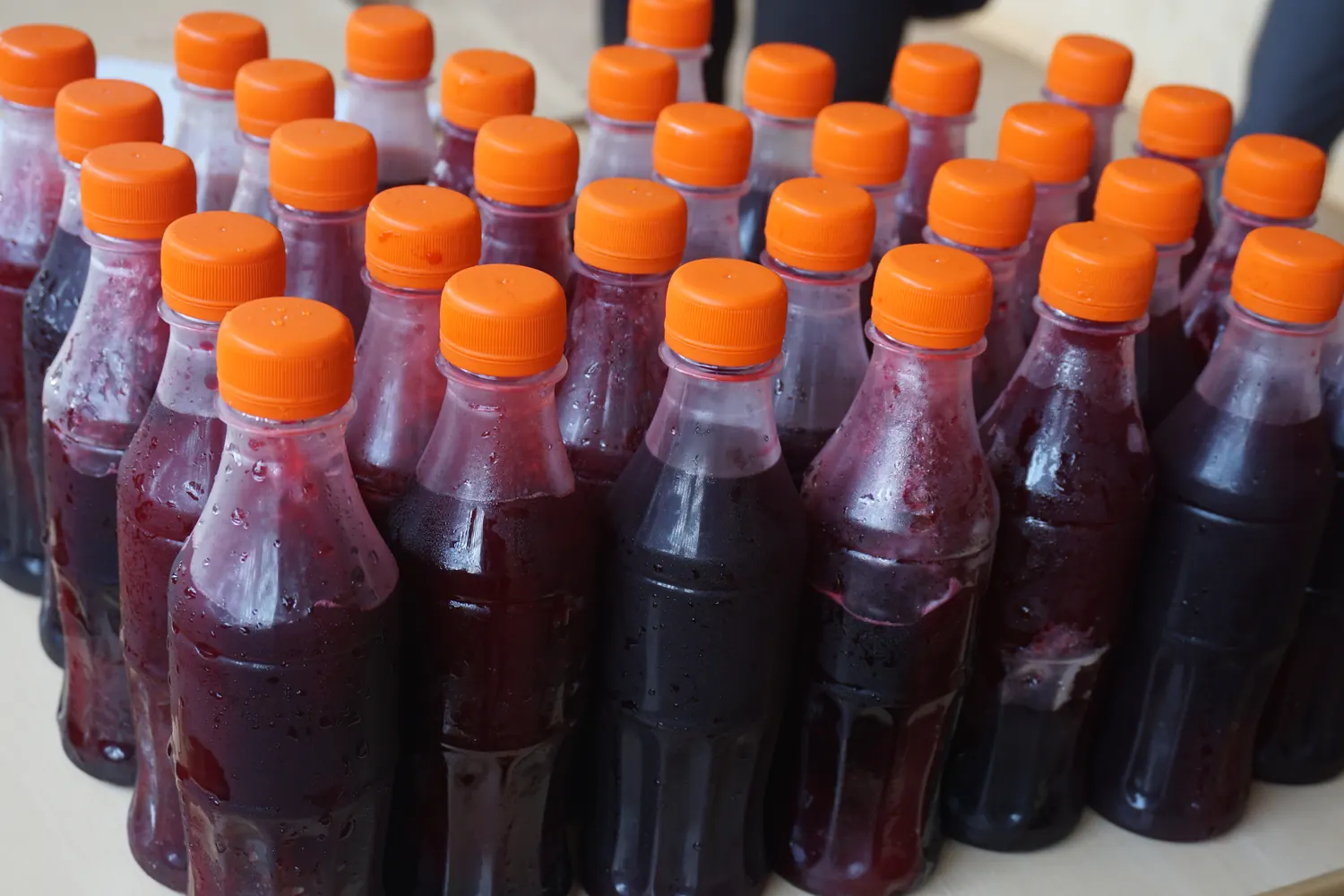
Wonjo is the Gambian name for the hibiscus drink shared across West Africa — bissap in Senegal, sobolo in Ghana, zobo in Nigeria — made from the dried calyces of roselle, a plant native to the region. In The Gambia it is sold chilled in bottles by street vendors, served at family gatherings and celebrations, and used to break the fast during Ramadan, often flavoured with ginger and mint.

Pairs well with: Serve ice-cold over ice with a sprig of mint, beside roasted peanuts or a bowl of chakery

Provenance

Gambia flag Gambia

Gambian Heritage

African Heritage

Time Dedication

30m

10m prep • 20m cook

Batch Yield

4 Servings

92 kcal per serving

1 serving ≈ 250 g

Technical Skill

Easy

Easy (One Pot)

Meal Timing & Digestive Fit

Breakfast

Not Advised

Lunch

Inappropriate

Dinner

Inappropriate

Snack & Tea

Ideal Light Bite

Occasions: Hot afternoons, family gatherings, celebrations, Ramadan evenings Cost: Low — about $1–2 per serving at home
Plastic bottles of deep-red Gambian wonjo hibiscus drink with orange caps

Gambian Heritage

Photo: Noahalorwu, CC BY-SA 4.0, via Wikimedia Commons

The Heritage Formulary

Measured Ingredients

Estimated cost: Low — about $1–2 per serving at home (USD)

A good wonjo is a clear ruby red, tart first and sweet second, and served ice-cold.

Execution Methodology & Culinary Technique

Step-by-Step Cooking Guide

Active 30m
P

Prep Stage: Rinse, Peel & Slice

10 Mins • Rinse & Knife Work

Rinse the dried hibiscus calyces briefly in cold water and drain them. Peel the ginger and slice it thinly, rinse the mint leaves, and set out a large pot, a fine sieve and a jug or clean bottles.

Maestro Tip: A quick rinse washes off dust from the dried calyces without losing their colour.

  1. 1

    Simmer the Hibiscus and Ginger

    10 Mins • Simmering Boil, 100°C (212°F), then gentle simmer

    Put the water, rinsed hibiscus calyces and sliced ginger in a large pot. Bring to a rolling boil, then lower the heat and simmer gently for 10 minutes, until the liquid is a deep ruby red.

    Do not boil hard for longer than 10 minutes — over-boiling makes the drink bitter instead of tart.

    Done when: The liquid is deep ruby red and smells tart and gingery.

  2. 2

    Sweeten and Steep with Mint

    10 Mins • Off the Heat Off the heat, about 90°C (194°F) falling

    Take the pot off the heat. Stir in the sugar until it has completely dissolved, then add the torn mint leaves. Cover and leave to steep for 10 minutes.

    Adding the sugar while the liquid is still hot means it dissolves fully with no gritty residue.

    Done when: The sugar is fully dissolved and the mint has cooled the drink slightly.

  3. 3

    Strain and Chill

    5 Mins + 2 Hours Chilling Chill in the fridge at 4°C (39°F)

    Strain the drink through a fine sieve into a jug or clean bottles, pressing the calyces gently to get the last of the colour out. Discard the solids. Chill in the fridge for at least 2 hours until ice-cold.

    Strain twice through a fine sieve if you want a crystal-clear drink with no specks.

    Done when: A clear ruby-red drink with no floating bits.

  4. 4

    Serve Over Ice

    2 Mins • Serving Serve chilled, 4°C (39°F)

    Stir the chilled wonjo well. If using pineapple juice, stir it in now. Fill four glasses two-thirds full with ice, pour over the wonjo, and top each glass with a mint sprig.

    Taste before serving — add a spoonful of sugar only if the batch is too tart for your guests, and stir well.

    Done when: Ice-cold, tart-sweet, and ruby red in the glass.

Finishing Touches & Plating

Serve ice-cold over plenty of ice with a mint sprig in each glass. The drink tastes best on the day it is made, while the ginger is still bright and the colour is at its deepest.

Nutritional Physiology & Benefits

Nutrition

Energy

92

kcal / serving

Protein

0g

Complete AA

Carbs

24g

Complex

Fats

0g

Healthy

Per serving (4 servings · 1 serving ≈ 250 g)
Energy92 kcal
Protein0 g
Carbohydrates24 g
Fat0 g
Fibre0.3 g
Sugar22.5 g
Sodium1 mg
Per 100g
Energy37 kcal
Protein0.1 g
Carbohydrates9.5 g
Fat0 g
Fibre0.1 g
Sugar9 g
Sodium1 mg

Nutrition values are estimated — calculated from USDA FoodData Central values for the listed ingredients.

Vitamins & minerals: Vitamin C and iron from the hibiscus, vitamin C from the ginger, and small amounts of vitamin A and calcium from the mint. Nutrition is estimated.

Light, Quick Refreshment

At about 92 kcal per glass with almost no fat, wonjo is a lighter sweet drink than a soft drink, and the cold liquid rehydrates on a hot afternoon.

Vitamin C from Hibiscus and Ginger

Hibiscus calyces and fresh ginger both contribute vitamin C, and the drink is naturally almost sodium-free at about 1 mg per glass.

Naturally Plant-Based

Made only from plants and water, wonjo is vegan and gluten-free, so it suits almost every guest at the table.

Food Pairings

What to Eat With

To optimize nutrient absorption and elevate the sensory depth, pair with these authentic accompaniments:

Sides

Gambian Chakery

The warm, creamy millet pudding and the ice-cold tart drink are the classic Gambian snack pair — the sweetness of one softens the tartness of the other.

Roasted Peanuts

A small bowl of salted roasted peanuts gives salty crunch against the tart-sweet drink, and the salt makes the hibiscus taste fruitier.

Fresh Mango and Pineapple

Slices of ripe mango and pineapple echo the tropical notes in the drink and add fibre and vitamin C to a snack of wonjo and peanuts.

Full Menus

Gambian Chicken Yassa

Wonjo is the drink to serve with a rich onion-and-lemon yassa: its acidity cuts through the savoury sauce the way a squeeze of lemon would.

Complete menu

Pour wonjo over ice as the drink for a Gambian snack table: a bowl of warm chakery, roasted peanuts and fresh mango alongside, with the drink keeping everything cool and tart.

Digestive Guardrails

What NOT to Combine

To prevent digestive distress, sluggishness, or palate clash, avoid pairing the dish with these elements:

A Second Very Sweet Drink or Dessert

Wonjo already carries about 22 g of sugar per glass, so pairing it with a sugary soft drink or a very sweet dessert stacks sugar on sugar in one sitting. Plain water or unsweetened tea is the kinder match. This is general guidance, not medical advice.

Large Amounts on an Empty Stomach

Hibiscus is naturally tart and acidic, so a big glass on an empty stomach can bother people with sensitive stomachs. Drink it with food or a snack instead. This is general guidance, not medical advice.

General information only, not medical advice — consult a doctor for personal dietary decisions.

Who Should Eat It

Who Should Eat

  • General adultsA refreshing snack drink — one glass over ice is the usual serving; enjoy it with food rather than alone.
  • ChildrenSuitable in small glasses; dilute with a little water or use less sugar for younger children, and serve with a snack.
  • ElderlySuitable — light, hydrating and easy to drink; keep the sugar moderate and serve well chilled.
  • Pregnant womenAn occasional small glass is generally fine, but hibiscus drinks are best kept occasional in pregnancy — ask your clinician if you drink it daily.
  • Breastfeeding womenGenerally suitable in normal amounts; the fluids help with hydration, and the sugar is the only thing to watch.
  • AthletesA pleasant post-training cooler for fluids and quick carbohydrate, but pair it with water and a protein-rich snack for recovery.
  • Weight gainA useful extra — the sugar gives easy calories, and a glass with peanuts or chakery makes a filling snack.
  • Weight lossDrink a small glass and keep it occasional; an unsweetened version with just ginger and mint has almost no calories.

Health Conditions — Adjust or Avoid

Conditions

  • DiabetesThis is a sugary drink at about 22 g of sugar per glass — keep to a small glass and make an unsweetened version with ginger and mint if you drink it often. Ask your clinician about portion size.
  • High blood pressureNaturally very low in sodium at about 1 mg per glass; the sugar is the thing to watch, so an unsweetened version fits better. Ask your clinician if you drink hibiscus tea regularly.
  • Kidney diseaseA glass is low in sodium and potassium, but the sugar adds up; keep portions small and ask your clinician about sweetened drinks.
  • GoutContains no purines, but sugary drinks are best kept occasional — a small glass now and then is wiser than a large daily jug. Ask your clinician if unsure.
  • Stomach issuesThe drink is tart and acidic, so it may bother a sensitive stomach — drink it with food, skip the extra ginger, and keep the glass small.
  • Cardiovascular diseaseFat-free and very low in sodium, but the sugar means it is a treat rather than an everyday drink; an unsweetened version is the better choice. Ask your clinician if unsure.
  • Fatty liverThe sugar is the main concern — keep to a small glass and make it unsweetened when you can. Ask your clinician about sweetened drinks.
  • Food allergiesContains no major allergens. If you add pineapple juice, note that a small number of people are allergic to pineapple — check before serving to guests.
  • Special therapeutic dietsFor a low-sugar diet, leave the sugar out entirely and sweeten only your own glass if needed; check with your clinician about hibiscus drinks on a prescribed diet.

If you have a medical condition, consult your doctor before changing your diet.

Storage & Use

Storage & Use

How to store
Strain well and store in clean, sealed bottles or a covered jug in the fridge.
In the fridge
4 days, chilled at 4°C (39°F).
In the freezer
Up to 2 months; leave headspace in the bottle for expansion and thaw in the fridge.
How to reheat
Serve cold — do not reheat. If you prefer it warm, heat gently to 74°C (165°F) and drink at once.
Freezing recommended
Yes — freezes well for up to 2 months.
Signs it has spoiled
Sour or fizzy smell, fizzing when opened, mould, or a slimy film on the surface.

More recipes to explore

Chicken yassa — chicken pieces in a golden onion and lemon sauce served with white rice Gambia flag Gambia 1h 30m
Dinner •Casamance Lemon & Onion Table

Gambian Chicken Yassa

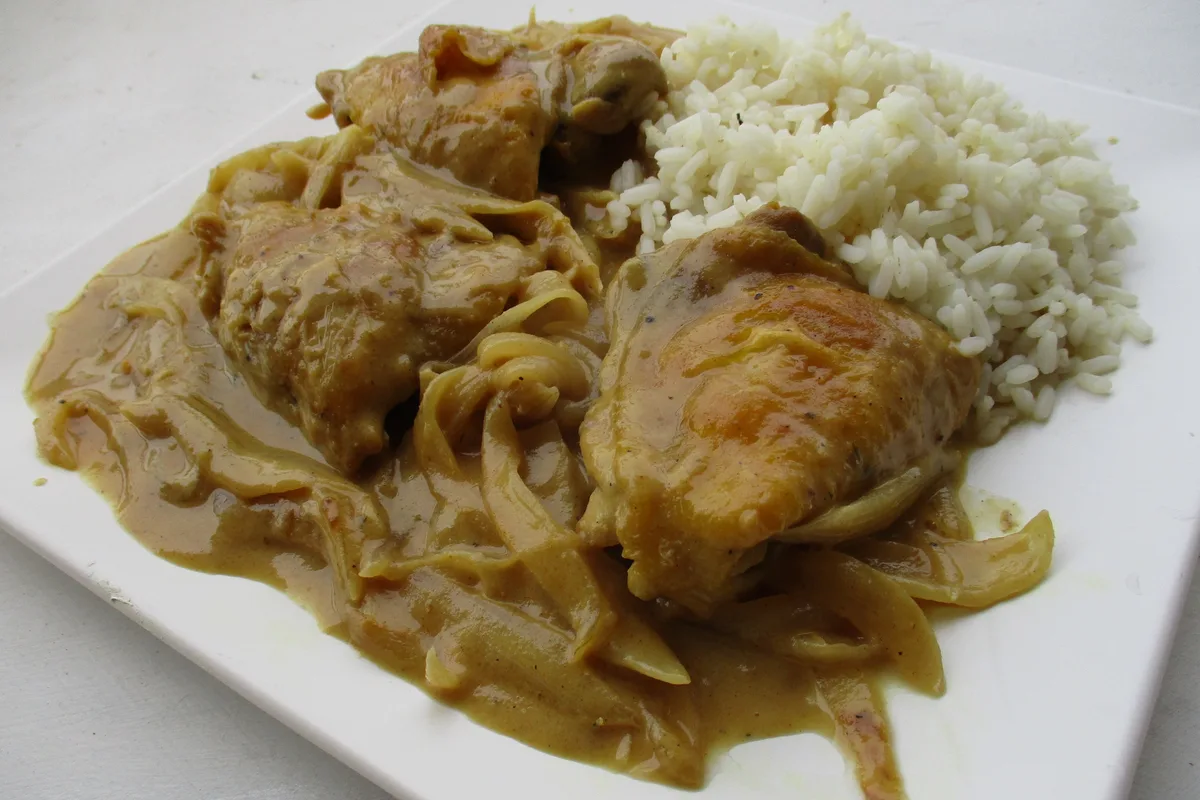
This gambian chicken yassa recipe starts with chicken marinated for hours in lemon juice, Dijon mustard and a mountain of sliced onions, then grilled until charred at the edges and braised slowly until the onions collapse into a sour, savoury sauce. It is served over steamed white rice, which soaks up every drop. One serving is about 410 g.

Bright & Comforting

Chicken marinated in lemon, mustard and onion, grilled, then braised until the onions melt into a tangy golden sauce.

Pairs Well With
Steamed white rice, green olives and lemon wedges
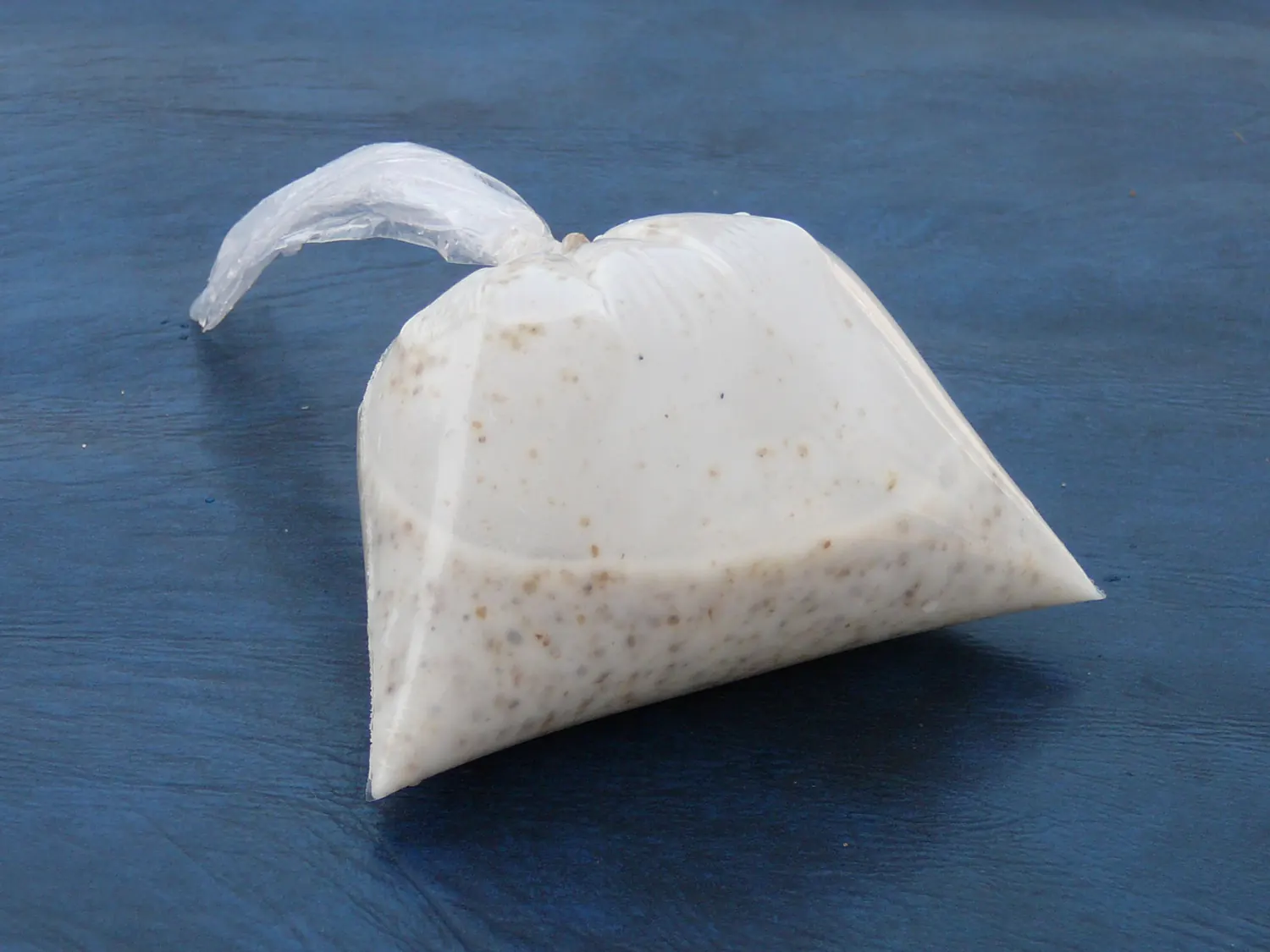
Gambian chakery millet pudding sold in a knotted plastic sachet Gambia flag Gambia 45m
Snack & Tea •Gambian Heritage

Gambian Chakery

This gambian chakery recipe steams millet couscous until soft and separate, then folds it into warm sweetened milk with vanilla and nutmeg. Served warm in bowls — the way families eat it at home, while street vendors sell it in knotted sachets — it is a gentle, comforting snack. One serving is about 300 g.

Comfort & Warmth

Warm steamed millet couscous folded into sweetened milk with vanilla and nutmeg.

Pairs Well With
Serve warm in bowls with coconut on top, and a glass of ice-cold wonjo on the side
Pan con tomate with jamón ibérico on toasted bread Spain flag Spain 15m
Snack & Tea •Catalan Aperitivo

Pan con Tomate & Jamón Ibérico

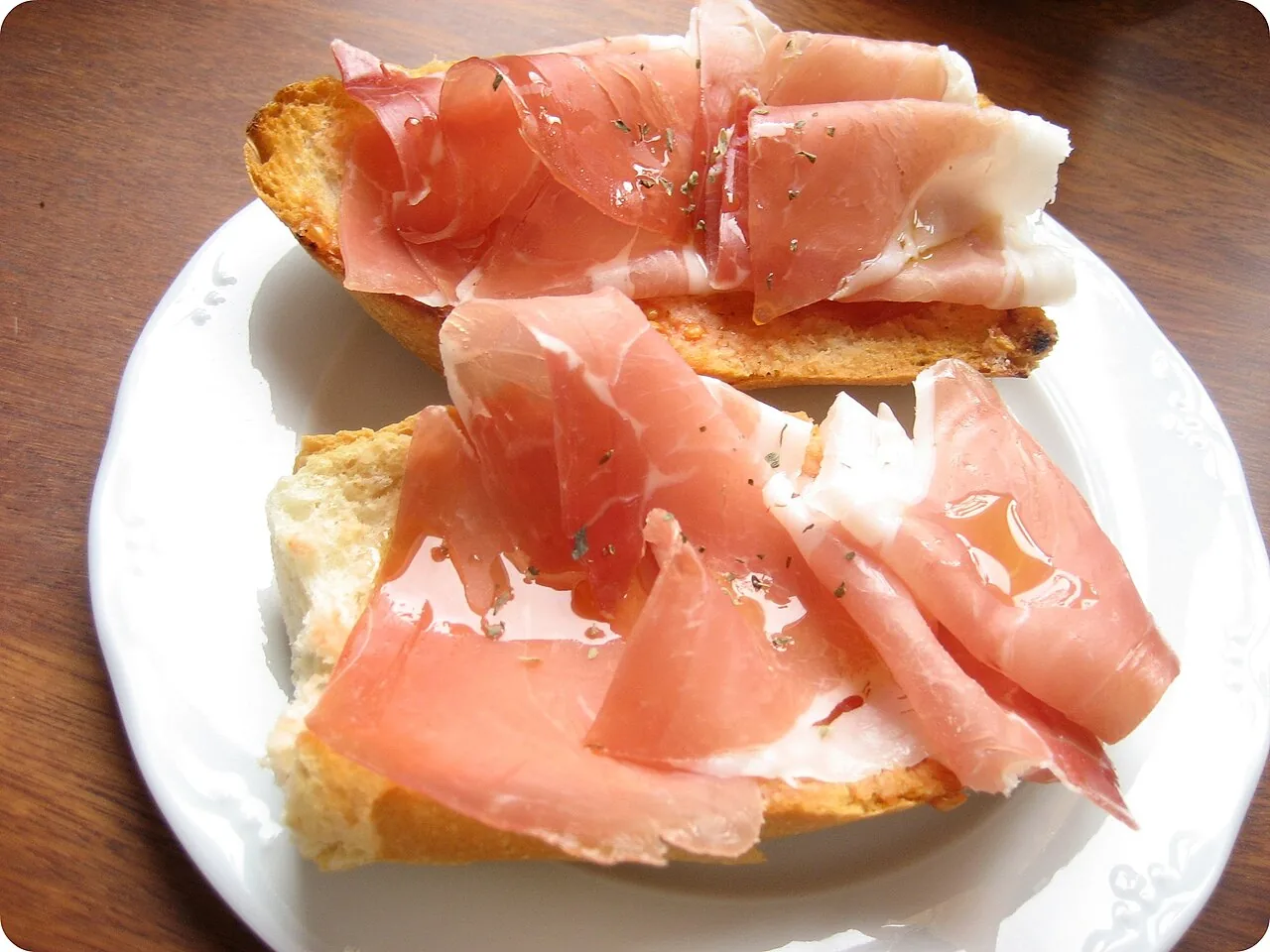
Country bread rubbed with ripe Ramallet tomato, drizzled with cold-pressed Arbequina olive oil and topped with jamón ibérico.

Vascular Health

Toasted tomato bread with jamón ibérico, olive oil and olives.

Pairs Well With
Castelvetrano Olives & Sparkling Mineral Water
Quick Prep (<30m)
Gỏi cuốn — Vietnamese fresh spring rolls with prawn and pork Vietnam flag Vietnam 1h 5m
Snack & Tea •Saigon Refresh

Gỏi Cuốn Tôm Thịt

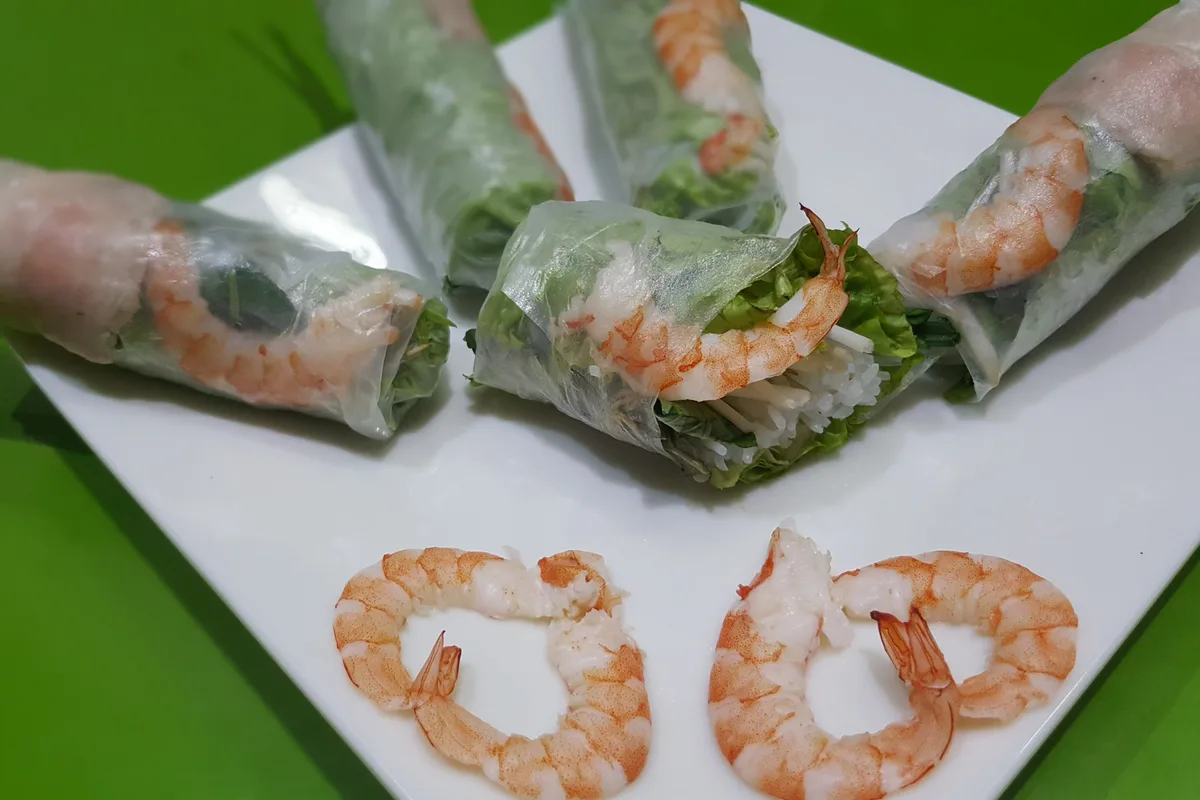
Fresh rice paper rolls filled with poached prawns, tender pork, rice vermicelli, lettuce, herbs and carrot, served with a peanut dipping sauce.

Light Digestion

Nothing is fried, so the rolls stay light and fresh — a cool, herb-filled snack for hot days.

Pairs Well With
Artisanal Peanut Dip & Fresh Lotus Root Water
High Protein

The Dinner Gazette

Never wonder what’s for dinner again

One email a week with easy dinner ideas from around the world — ingredients, steps and nutrition, tested in our kitchen first.

Delivered every Thursday morning. Unsubscribe anytime.