
Curated recipes from 193 countries  •  New seasonal Mediterranean issue out now

Overview

Gamjatang

Gamjatang — Korean pork spine soup, pork neck bone soup

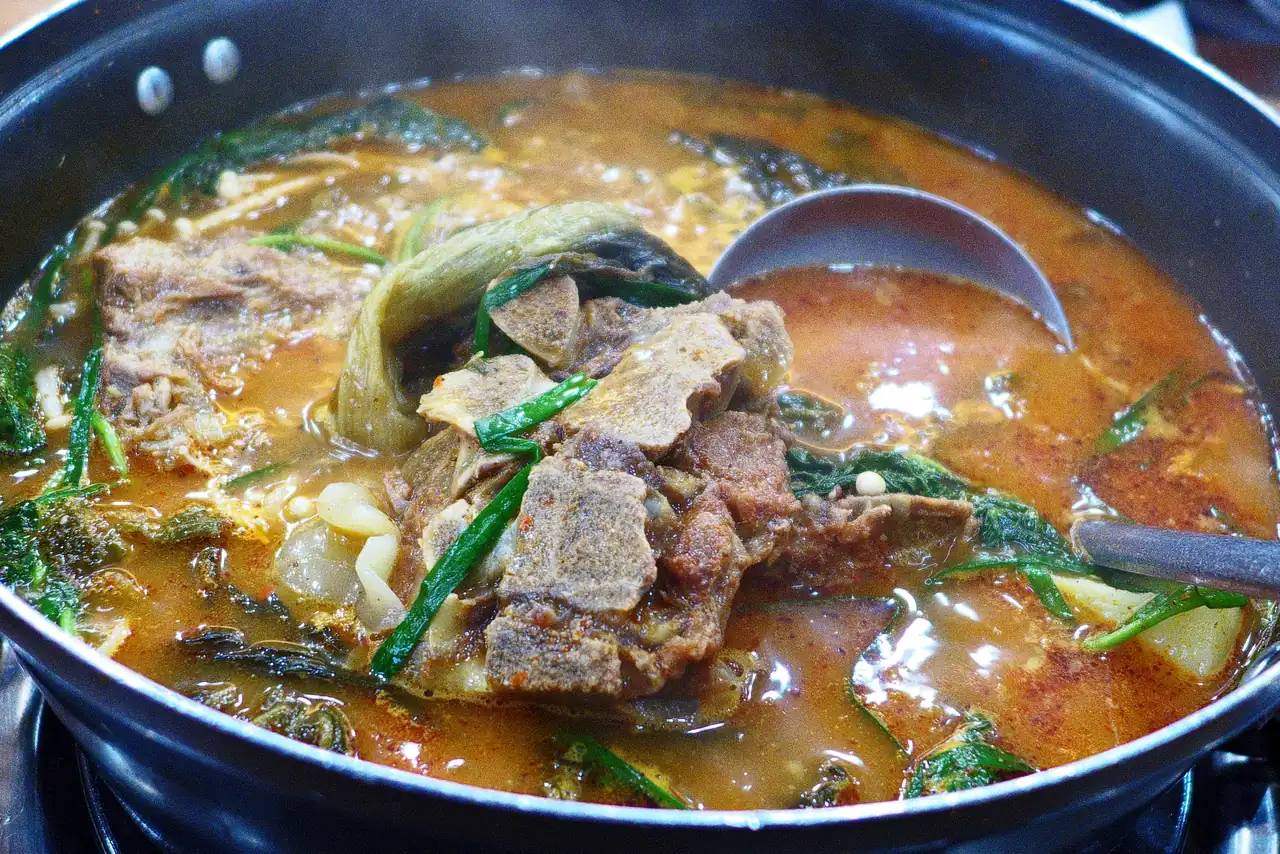
This gamjatang recipe is Korea's great restorative soup: pork spine and neck bones simmered low and slow until the meat loosens from the bone, in a deep red broth built on doenjang, gochugaru and garlic, with potatoes that cook until they are soft enough to break with a spoon. Perilla leaves and bean sprouts go in at the end for freshness, and the whole pot comes to the table bubbling, to be eaten with rice and kimchi. It is the soup Koreans reach for after a long night or a long week — rich, spicy and deeply comforting. One serving is about 600 g, including the bone-in meat and broth.

Gamjatang's name is a small puzzle: gamja means potato in Korean, and the soup is named for the potatoes that cook in it, not for any single cut of meat. It grew out of the practical cooking of Korea's pork markets, where spine and neck bones — cheap, bony, and full of flavour — were simmered into a soup that could feed a crowd. Today it is a fixture of late-night restaurants in Seoul, famous as a hangover soup, and a winter staple at home, where the pot goes in the middle of the table and everyone picks meat off the bones with their chopsticks.

Pairs well with: Steamed rice, kimchi and a cold beer

Provenance

South Korea flag South Korea

Korean Classic

East & South Asia

Time Dedication

2h

25m prep • 95m cook

Batch Yield

4 Servings

461 kcal per serving

1 serving ≈ 600 g

Technical Skill

Intermediate

Moderate (Simmered Soup)

Meal Timing & Digestive Fit

Breakfast

Not Advised

Lunch

Hearty Midday Main

Dinner

Ideal Hearty Main

Snack & Tea

Inappropriate

Soups & Broths Occasions: Family dinners, cold-weather meals, Korean food nights, gatherings with friends Cost: Moderate — about $4–5 per serving at home
A steaming pot of gamjatang, Korean pork spine soup with potatoes, perilla leaves and a ladle

Korean Classic

Photo: travel oriented, CC BY-SA 2.0, via Wikimedia Commons

The Heritage Formulary

Measured Ingredients

Estimated cost: Moderate — about $4–5 per serving at home (USD)

Cooked the Korean way: bones parboiled and rinsed first, then simmered low and slow until the meat falls from the bone — never rushed at a hard boil.

Execution Methodology & Culinary Technique

Step-by-Step Cooking Guide

Active 2h
P

Prep Stage: Parboil the Bones and Mix the Seasoning

25 Mins • Knife Work

Cover the pork bones with cold water, bring to a boil and cook for 5 minutes, then drain and rinse the bones and the pot — this first boil clears the scum that would cloud the broth. While the bones parboil, mix the doenjang, gochugaru, garlic, ginger, perilla seed powder and soy sauce into a paste, and cut the potatoes, perilla leaves and green onion.

Maestro Tip: Do not skip the parboil — it is the difference between a clear, clean-tasting broth and a grey, greasy one.

  1. 1

    Parboil and Rinse the Bones

    10 Mins 100°C (212°F) boiling water

    Put the rinsed bones in a large pot, cover with cold water and bring to a boil. Cook for 5 minutes, skimming off the foam, then drain, rinse the bones under running water and wash the pot.

    The water will look cloudy and grey — that is exactly what you want to throw away.

    Done when: Bones clean, water discarded, pot washed.

  2. 2

    Simmer the Bones

    60 Mins Gentle simmer, about 95°C (200°F)

    Return the bones to the pot with 1.2 L of fresh water and the seasoning paste. Bring to a gentle simmer — never a hard boil — cover, and cook for 60 minutes, until the meat is tender and loosening from the bone.

    A hard boil makes the meat tough and the broth cloudy; keep it at the barest simmer, with small bubbles breaking the surface.

    Done when: Meat tender, pulling away from the bone with a gentle tug.

  3. 3

    Add the Potatoes

    20 Mins Gentle simmer, about 95°C (200°F)

    Add the potato chunks and cook for 15–20 minutes more, until the potatoes are soft enough to break with a spoon but still holding their shape. Taste the broth and add salt only if it needs it — the doenjang and soy sauce already bring salt.

    Cut the potatoes large so they do not fall apart in the long simmer.

    Done when: Potatoes soft through, broth deep red and well seasoned.

  4. 4

    Finish with Greens and Serve

    5 Mins 100°C (212°F) boiling

    Stir in the bean sprouts, perilla leaves and green onion and cook for 3–5 minutes, just until the sprouts turn translucent and the leaves wilt. Drizzle in the sesame oil, take the pot off the heat and serve bubbling hot in the middle of the table, with rice and kimchi.

    The greens go in last so they stay bright and fresh against the rich broth.

    Done when: Sprouts translucent, perilla wilted, soup steaming and fragrant.

Finishing Touches & Plating

Let the pot sit for 5 minutes off the heat before serving — the broth settles, the flavours marry, and the meat relaxes so it comes off the bone cleanly.

Nutritional Physiology & Benefits

Nutrition

Energy

461

kcal / serving

Protein

29g

Complete AA

Carbs

27g

Complex

Fats

26g

Healthy

Per serving (4 servings · 1 serving ≈ 600 g)
Energy461 kcal
Protein29 g
Carbohydrates27 g
Fat26 g
Fibre5.3 g
Sugar1.9 g
Sodium672 mg
Per 100g
Energy77 kcal
Protein4.8 g
Carbohydrates4.5 g
Fat4.4 g
Fibre0.9 g
Sugar0.3 g
Sodium112 mg

Nutrition values are estimated — calculated from USDA FoodData Central values for the listed ingredients.

Vitamins & minerals: Vitamin B1, B6 and B12 (pork), vitamin C (potatoes, perilla leaves), iron and zinc (pork), folate (bean sprouts).

Rich in Protein

Pork spine gives about 29 g of protein a serving, which is why the soup is so satisfying after a long day.

Potatoes and Greens for Balance

Potatoes, bean sprouts and perilla leaves add fibre, vitamin C and freshness to a rich, meaty broth.

A Properly Warming Soup

Served bubbling hot with chilli in the broth, gamjatang is the kind of meal that warms you from the inside on a cold evening.

Food Pairings

What to Eat With

To optimize nutrient absorption and elevate the sensory depth, pair with these authentic accompaniments:

Sides

Steamed Rice

Plain rice is essential — it soaks up the spicy broth and makes the soup a full meal.

Kimchi

Sour, crunchy kimchi cuts through the richness of the pork and matches the soup's chilli heat.

Drinks

Cold Beer or Soju

A cold drink is the traditional partner for gamjatang's heat and richness — it is why the soup is a late-night favourite.

Vegetables

Blanched Bean Sprouts

A small plate of extra sprouts with sesame oil adds crunch and freshness beside the hot soup.

Complete menu

Serve gamjatang in the middle of the table with steamed rice, kimchi and a cold beer, as a shared Korean family meal.

Digestive Guardrails

What NOT to Combine

To prevent digestive distress, sluggishness, or palate clash, avoid pairing the dish with these elements:

Boiling the Soup Hard

A rolling boil toughens the pork and clouds the broth, and it can splatter hot, spicy liquid — keep the pot at a gentle simmer with the lid on. This is general food guidance, not medical advice.

Eating Undercooked Pork

Pork must be cooked through until the meat is tender and no longer pink near the bone — the long simmer in this recipe takes care of it, but do not shorten the cooking time. This is general food guidance, not medical advice.

General information only, not medical advice — consult a doctor for personal dietary decisions.

Who Should Eat It

Who Should Eat

  • General adultsA hearty, high-protein soup — one serving with rice and kimchi is a full meal.
  • ChildrenThe chilli heat is strong for children; make a mild batch with half the gochugaru and no extra chilli for younger eaters.
  • ElderlyTender meat and soft potatoes are easy to eat, but watch for small bones in the soup — pick the meat off the bone for older eaters.
  • Pregnant womenThe soup is salty and spicy, so eat a modest portion and make sure the pork is cooked through. Ask your clinician if you are unsure.
  • Breastfeeding womenFine as part of a varied diet; the soup is rich and protein-heavy.
  • AthletesAbout 29 g of protein a serving makes it a strong recovery meal after hard training.
  • Weight gainHearty and filling, with potatoes and rice to make it a substantial meal.
  • Weight lossRich and calorie-dense at about 461 kcal a serving, so keep the portion to one bowl and load up on the vegetables.

Health Conditions — Adjust or Avoid

Conditions

  • DiabetesThe soup has almost no sugar, but watch the rice portion served with it. Ask your clinician if you are unsure.
  • High blood pressureDoenjang, soy sauce and salt make the broth salty — eat a modest portion and do not drink all the broth. Ask your clinician if you are unsure.
  • Kidney diseaseThe broth is high in sodium, so keep the portion small and leave most of the broth in the bowl. Ask your clinician if you are unsure.
  • GoutPork and the rich broth are high in purines — keep it occasional and eat a modest portion if gout flares. Ask your clinician if you are unsure.
  • Stomach issuesThe chilli and the rich, fatty broth can irritate a sensitive stomach — eat a small portion and skim the fat from the top. Ask your clinician if you are unsure.
  • Cardiovascular diseaseThe soup is rich in saturated fat from the pork — keep portions modest and eat plenty of vegetables with it. Ask your clinician if you are unsure.
  • Fatty liverHigh in fat and calories, so one bowl with vegetables is enough — skip second helpings of the broth. Ask your clinician if you are unsure.
  • Food allergiesContains soy (doenjang, soy sauce), sesame (perilla seed powder, sesame oil) and pork — check the doenjang label, as some brands add wheat.
  • Special therapeutic dietsNot suitable for a low-sodium diet as written; less doenjang and soy sauce can help. Ask your clinician or dietitian before changing the recipe.

If you have a medical condition, consult your doctor before changing your diet.

Storage & Use

Storage & Use

How to store
Cool quickly and store in a covered container in the fridge, bones and broth together.
In the fridge
Keeps 3 days in the fridge at 4°C (40°F) or below.
In the freezer
Freezes for up to 1 month — freeze the broth and meat together, without the bean sprouts and perilla leaves, which go in fresh after reheating.
How to reheat
Reheat gently on the stove until boiling, then simmer for 5 minutes until steaming hot throughout, to 74°C (165°F); add fresh sprouts and perilla leaves at the end.
Freezing recommended
Yes, for the broth and meat — it reheats well.
Signs it has spoiled
Sour smell, slimy surface on the meat, or mould on the broth.

More recipes to explore

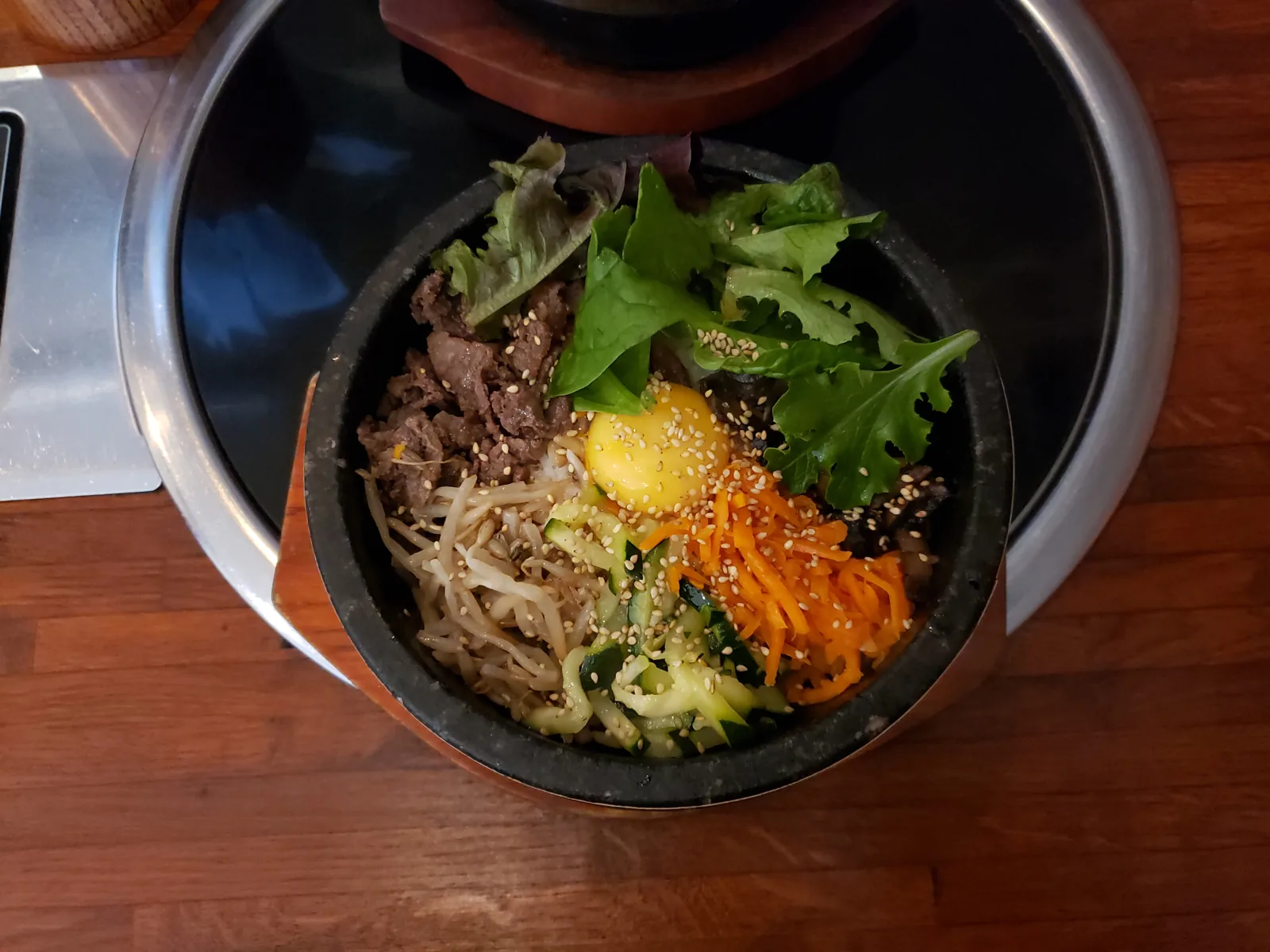
Dolsot bibimbap in a hot black stone bowl — bulgogi beef, egg yolk, carrots, zucchini, bean sprouts and sesame seeds over rice South Korea flag South Korea 1h 5m
Dinner •Korean Heritage

Bibimbap

This bibimbap recipe builds Korea's most famous rice bowl the dolsot way: hot rice in a sizzling stone pot, ringed with five separately seasoned namul vegetables, bulgogi beef and a fried egg, with gochujang to stir through at the table. The stone bowl crisps the bottom layer of rice into golden nurungji while you eat. One serving is about 510 g.

Colourful & Satisfying

Warm rice, five seasoned vegetables, bulgogi beef and a fried egg, mixed at the table with gochujang.

Pairs Well With
Kimchi, kongnamul-guk (bean sprout soup) & barley tea
Korean fried chicken pieces coated in a glossy red yangnyeom glaze South Korea flag South Korea 45m
Dinner •Korean Heritage

Korean Fried Chicken

This Korean fried chicken recipe is the real thing: boneless chicken in a thin potato-starch batter, fried twice — once to cook it through, once at higher heat to drive out moisture and shatter the crust — then tossed in a glossy yangnyeom glaze of gochujang, honey and garlic. The double fry is what keeps the skin crisp under the sauce. One serving is about 250 g.

Crispy & Bold

Double-fried chicken in a thin potato-starch crust, tossed in a sticky sweet-spicy yangnyeom glaze.

Pairs Well With
Pickled radish (chikin-mu), cold beer & steamed rice
High Protein • Quick Prep (<30m)
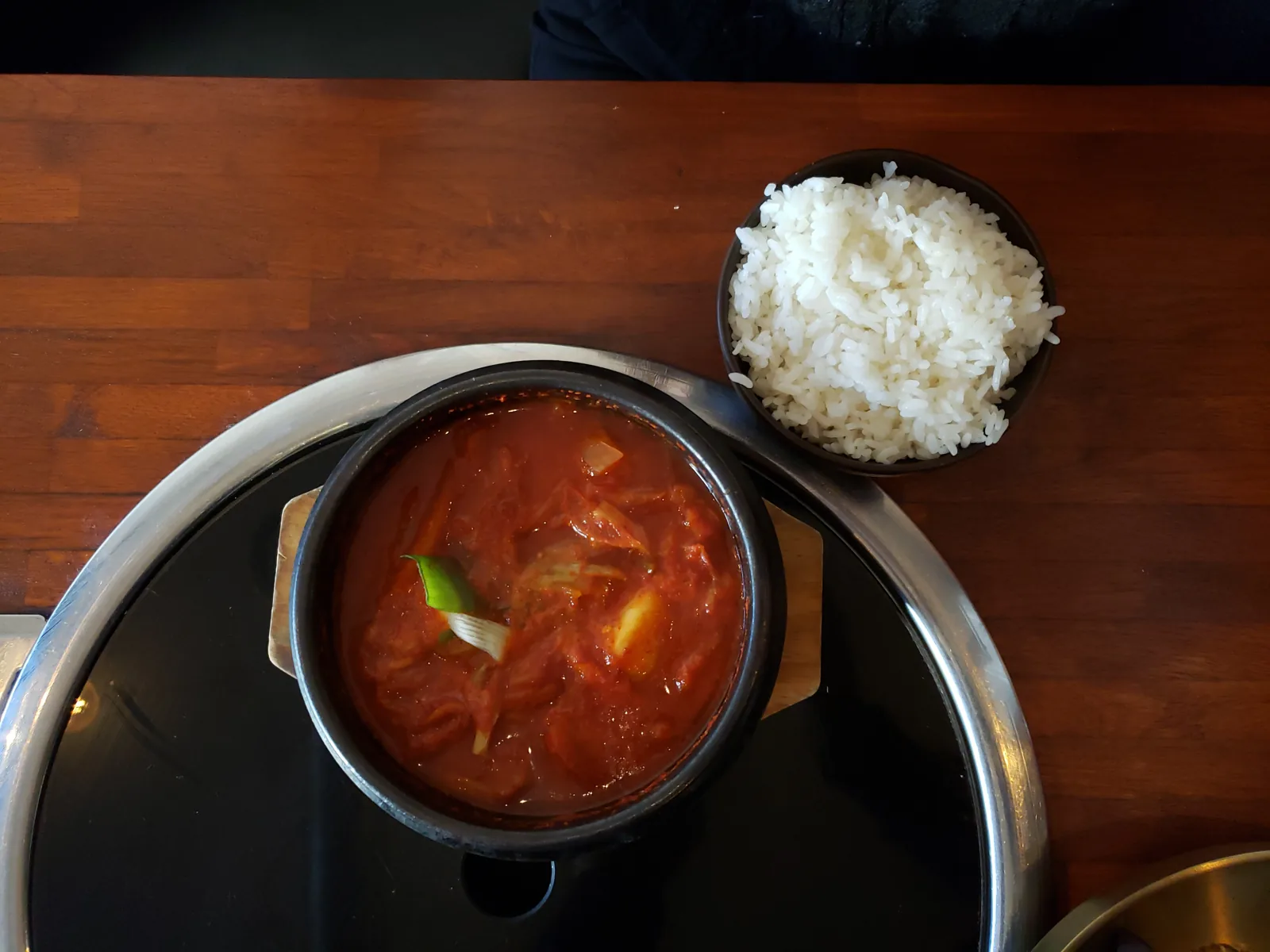
Kimchi jjigae — a red kimchi stew with tofu and spring onions in a black stone pot, served with a bowl of rice South Korea flag South Korea 45m
Dinner •Korean Heritage

Kimchi Jjigae

This kimchi jjigae recipe is the Korean comfort stew: aged, well-fermented kimchi fried with pork belly, then simmered in its own brine with tofu until the broth turns brick-red and rich. It is a stew, not the kimchi itself — the North Korean white kimchi published earlier is the pickled cabbage, while this is what you cook with it. One serving is about 425 g.

Comfort & Warmth

Aged kimchi and pork belly simmered in kimchi brine with tofu — sour, spicy and deeply savoury.

Pairs Well With
Steamed rice, fried egg & banchan
Soups & Broths • Fermented / Gut Health
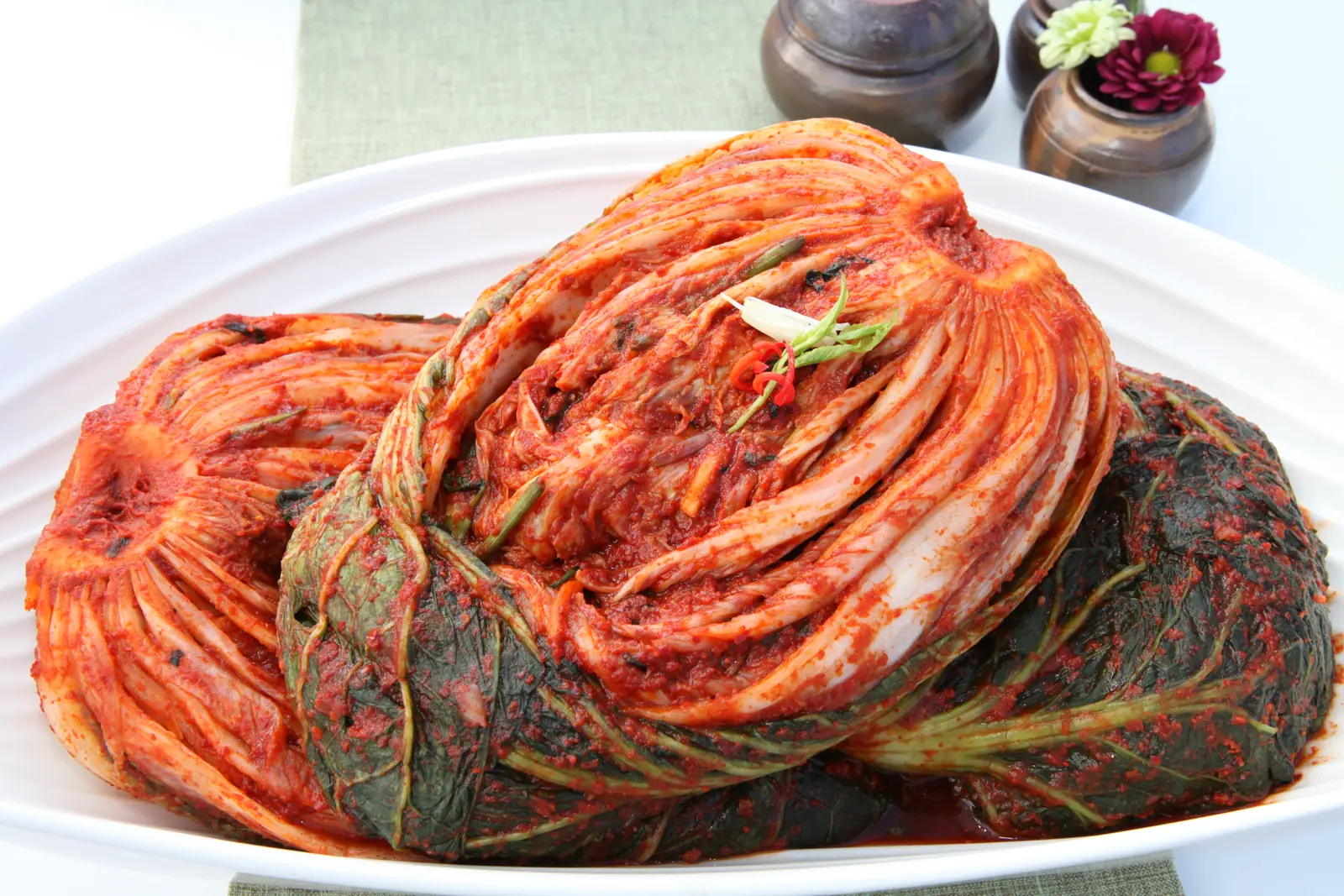
Whole heads of baechu kimchi coated in red gochugaru paste on a white platter South Korea flag South Korea 2h 35m
Dinner •Korean Kimjang Heritage

Baechu Kimchi

This kimchi recipe turns one head of napa cabbage into classic baechu kimchi: salted leaves packed with a bright red gochugaru paste, then left to ferment until tangy and fizzy. It is the spicy southern-style kimchi most people picture when they hear the word kimchi, and it keeps for weeks in the fridge. One serving is about 165 g.

Fermented & Fiery

Crisp, spicy, sour napa cabbage kimchi — Korea's everyday banchan, fermented at home in a jar.

Pairs Well With
Serve a small bowl with steamed rice, grilled meat or a fried egg.
Fermented / Gut Health

The Dinner Gazette

Never wonder what’s for dinner again

One email a week with easy dinner ideas from around the world — ingredients, steps and nutrition, tested in our kitchen first.

Delivered every Thursday morning. Unsubscribe anytime.