Curated recipes from 193 countries  •  New seasonal Mediterranean issue out now

Overview

Garudhiya

Garudiya; Maldivian fish broth; Maldivian tuna soup

This garudhiya recipe is the Maldives' everyday clear tuna soup: chunks of fresh tuna simmered gently in salted water with onion, garlic, ginger, curry leaves and a dried chilli, skimmed until the broth runs clear, then finished with lime. It is light, clean-tasting and deeply savoury, and it is usually ladled over steamed rice with lime wedges, sliced onion and fresh chilli on the side. One serving is about 570 g.

Garudhiya is one of the basic and traditional foods of Maldivian cuisine, a clear fish broth built on the tuna species of the nation's ocean waters — skipjack (kandumas), yellowfin (kanneli), little tunny and frigate tuna. The fish is cut up, washed, and boiled in salted water while the foam is carefully skimmed away, leaving a broth so clear you can see the tuna through it. It is usually eaten with steamed rice, or with roshi, the Maldivian chapati, and with steamed taro or breadfruit a little grated coconut is served alongside. Cooked down until all the water evaporates, the same broth becomes rihaakuru, the thick brown tuna paste that is highly valued in the Maldivian diet.

Pairs well with: Steamed rice, lime wedges, sliced onion and fresh chilli

Provenance

Maldives flag Maldives

Maldivian Everyday Staple

East & South Asia

Time Dedication

40m

15m prep • 25m cook

Batch Yield

4 Servings

244 kcal per serving

1 serving ≈ 570 g

Technical Skill

Easy

Easy (One Pot)

Meal Timing & Digestive Fit

Breakfast

Not Advised

Lunch

Prime Metabolic Fit

Dinner

Ideal Hearty Main

Snack & Tea

Inappropriate

Soups & BrothsHigh Protein Occasions: Everyday lunch, family meals, light dinners, warm-weather days, after a swim Cost: Low — about $3–4 per serving at home
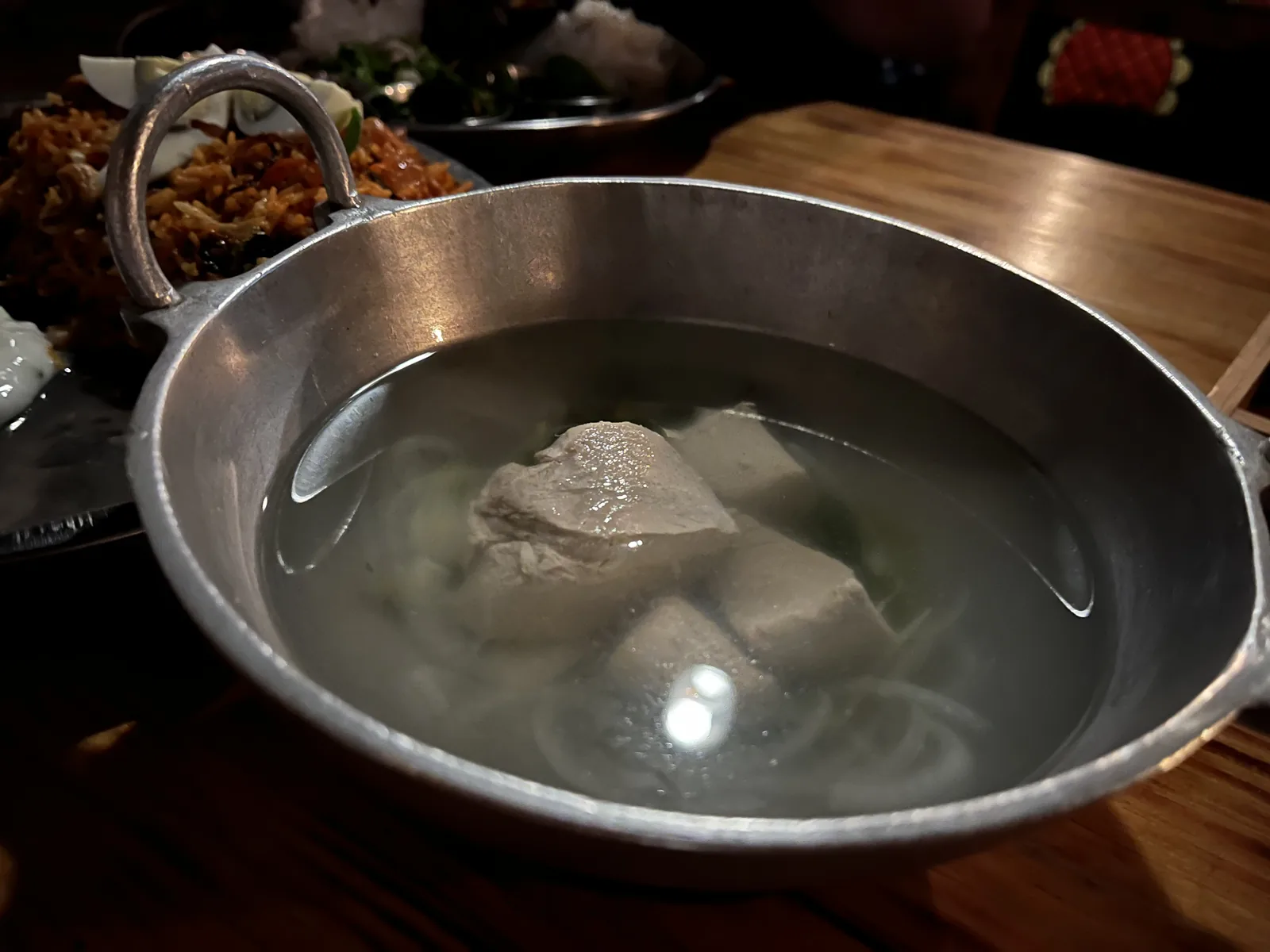
A metal bowl of garudhiya — clear Maldivian tuna broth with chunks of cooked tuna

Maldivian Everyday Staple

Photo: LittleT889, CC BY 4.0, via Wikimedia Commons

The Heritage Formulary

Measured Ingredients

Estimated cost: Low — about $3–4 per serving at home (USD)
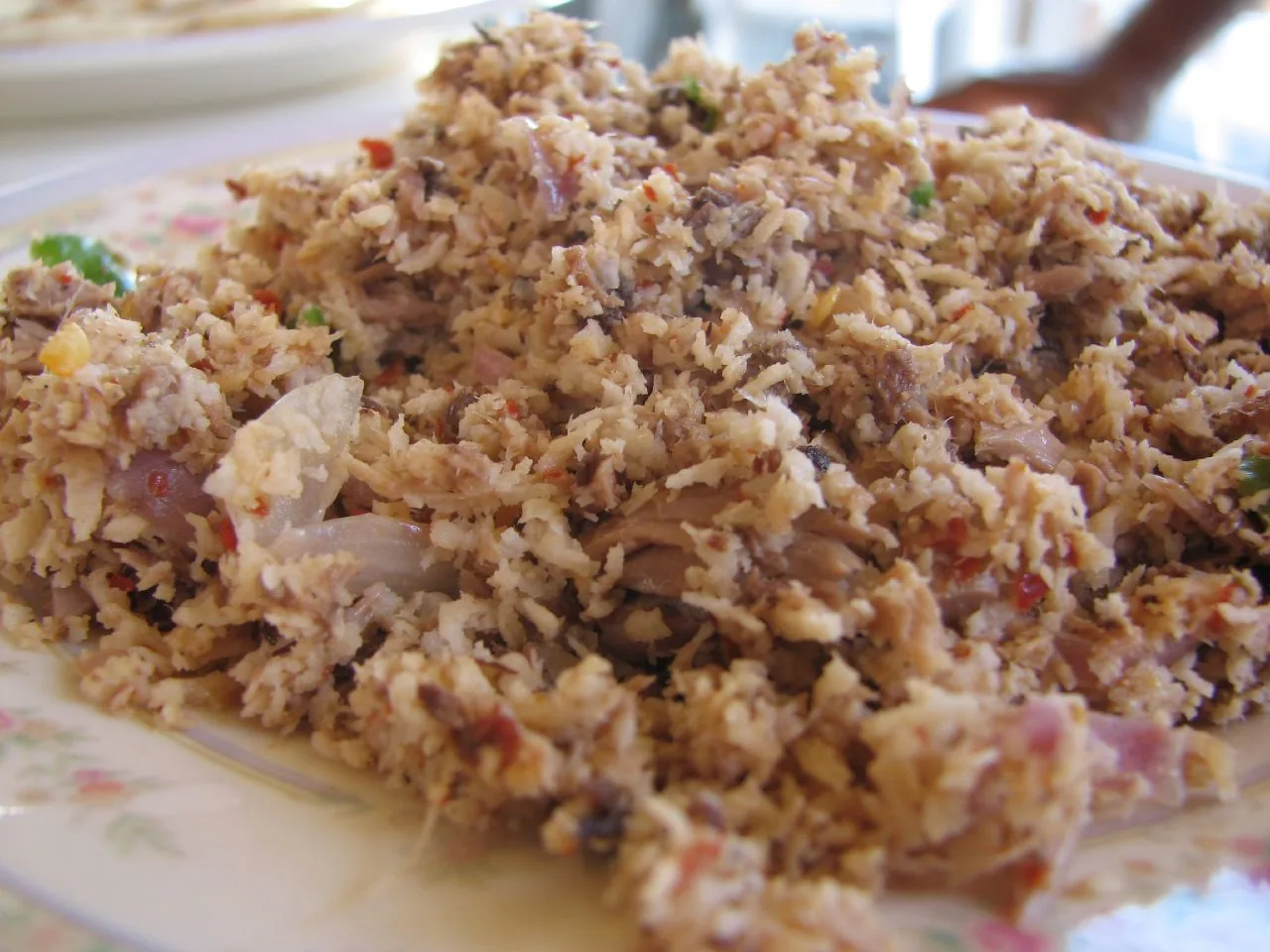
Made with fresh tuna simmered in salted water with onion, curry leaves and lime, skimmed until the broth runs clear — no coconut milk, no oil.

Execution Methodology & Culinary Technique

Step-by-Step Cooking Guide

Active 40m
P

Prep Stage: Cut the Tuna, Slice the Aromatics

15 Mins • Rinsing, Cutting and Slicing

Rinse the tuna and cut it into large chunks, then slice the onion, garlic and ginger, pick the curry leaves, knot the pandan leaf and measure the salt and lime, so everything is ready before the pot goes on the heat. Garudhiya cooks fast once the water boils, so there is no time to chop mid-way.

Maestro Tip: Cut the tuna into big chunks, about 5 cm across — small pieces fall apart in the broth and cloud it.

  1. 1

    Boil the Water and Season It

    5 Mins High heat to a rolling boil, 100°C (212°F)

    Put the 1.5 litres of water in a large pot with the salt and bring it to a rolling boil over high heat. Taste the water now — it should taste pleasantly salty, like the sea, because this water becomes the whole soup.

    Start with cold water and salt it before the fish goes in, so the seasoning is even through the broth.

    Done when: Water at a full rolling boil, seasoned.

  2. 2

    Add the Tuna and Aromatics

    5 Mins Return to a gentle simmer, about 95°C (200°F)

    Slide the tuna chunks gently into the boiling water with the sliced onion, garlic, ginger, curry leaves, pandan leaf and dried chillies. Turn the heat down at once to the gentlest simmer — the water should barely tremble, never boil hard. A hard boil breaks the fish apart and turns the broth cloudy.

    Lower the fish in with a spoon rather than dropping it, so the chunks stay whole.

    Done when: Tuna in the pot, water back to a bare simmer.

  3. 3

    Simmer and Skim Until Clear

    15 Mins Gentle simmer at about 95°C (200°F); fish cooked through to 63°C (145°F) inside

    Simmer for about 15 minutes, skimming the white foam (filleyo) off the surface with a spoon or ladle every few minutes and discarding it. This is the heart of garudhiya: the skimming is what keeps the broth clear and clean-tasting. Do not stir the pot — stirring breaks the tuna and clouds the soup. The fish is done when it turns opaque white all the way through and flakes easily with a fork.

    Skim patiently and often; a clear surface is the sign of a well-made garudhiya, and most of the foam appears in the first 10 minutes.

    Done when: Broth clear and golden, tuna opaque white and flaking, cooked through to 63°C (145°F).

  4. 4

    Finish with Lime

    2 Mins Off the heat; residual broth about 95°C (200°F)

    Take the pot off the heat and lift out the pandan leaf and the dried chillies. Squeeze in the lime juice, taste, and add a pinch more salt only if it needs it. The lime goes in last so its fresh tang stays bright instead of cooking away.

    Taste before adding more salt — the broth concentrates slightly as it simmers, and the lime makes it taste saltier than it is.

    Done when: Broth bright with lime, seasoned to taste.

  5. 5

    Rest and Serve Hot

    3 Mins Serve hot, about 70°C (158°F)

    Rest the pot for 3 minutes, then ladle the soup into deep bowls with a generous share of tuna and plenty of clear broth. Set out lime wedges, sliced onion and fresh chilli on the table, and serve with steamed rice or roshi so everyone can spoon the broth over their rice.

    Serve it properly hot — garudhiya cools fast, and its comfort is in the steam.

    Done when: Steaming bowls, clear broth, tender tuna chunks.

Finishing Touches & Plating

Ladle the garudhiya into deep bowls, spoon the clear broth generously over the tuna, and serve steaming hot with steamed rice, lime wedges, sliced onion and fresh chilli on the side.

Nutritional Physiology & Benefits

Nutrition

Energy

244

kcal / serving

Protein

48g

Complete AA

Carbs

6g

Complex

Fats

2g

Healthy

Per serving (4 servings · 1 serving ≈ 570 g)
Energy244 kcal
Protein48 g
Carbohydrates6 g
Fat2 g
Fibre1.0 g
Sugar2.1 g
Sodium658 mg
Per 100g
Energy43 kcal
Protein8.4 g
Carbohydrates1.1 g
Fat0.3 g
Fibre0.2 g
Sugar0.4 g
Sodium115 mg

Nutrition values are estimated — calculated from USDA FoodData Central values for the listed ingredients.

Vitamins & minerals: Nutrition is estimated. Tuna brings protein, vitamin B12, vitamin D, selenium and niacin; onion and garlic bring vitamin C and B6; ginger brings magnesium and potassium; lime juice brings vitamin C; curry leaves bring vitamin A, calcium and iron.

High in Lean Protein

About 48 g of protein per serving from the tuna, with only about 2 g of fat — a light soup that still fills you up.

Light, Clean Broth

A clear, oil-free broth at about 244 kcal a serving, so it works as a light lunch or a gentle starter.

Tuna, Lime and Curry Leaves

Tuna brings vitamin B12, vitamin D and selenium, while lime and curry leaves add vitamin C and aroma with almost no calories.

Food Pairings

What to Eat With

To optimize nutrient absorption and elevate the sensory depth, pair with these authentic accompaniments:

Sides

Steamed Rice

Plain steamed rice is the classic companion — the clear broth is spooned over it, and the mild rice lets the tuna flavour come through.

Roshi Flatbread

The Maldivian chapati is the other traditional partner; torn pieces are dipped into the broth and used to pick up the tuna.

Vegetables

Sliced Onion and Fresh Chilli

Crisp raw onion and fresh chilli on the side add crunch and heat that the soft, mild soup does not have on its own.

Drinks

Black Tea or Coconut Water

A cup of black tea or a glass of fresh coconut water is the usual island drink with garudhiya — light, unsweetened, and refreshing after the salty broth.

Full Menus

Mas Huni and Roshi

For a fuller Maldivian lunch, start with mas huni — tuna, coconut, onion and chilli with roshi — then follow with a bowl of garudhiya and rice.

Complete menu

Garudhiya with steamed rice, lime wedges, sliced onion and fresh chilli, followed by black tea — or start with mas huni and roshi for a fuller Maldivian lunch.

Digestive Guardrails

What NOT to Combine

To prevent digestive distress, sluggishness, or palate clash, avoid pairing the dish with these elements:

Coconut Milk in the Broth

Coconut milk turns garudhiya into a different dish entirely — a rich curry-like soup. Garudhiya is defined by its clear broth; if you want coconut, make mas riha instead. This is a cooking note, not medical advice.

Leaving the Soup Out for Hours

Cooked fish and broth left at room temperature cool into the range where bacteria grow fastest. Serve hot and refrigerate leftovers within 2 hours. This is general food-safety information, not medical advice.

General information only, not medical advice — consult a doctor for personal dietary decisions.

Who Should Eat It

Who Should Eat

  • General adultsA light, clean-tasting lunch — tender tuna in a clear, savoury broth, best eaten steaming hot with rice.
  • ChildrenChildren can have the tuna and broth with the chilli left out; check the tuna carefully for bones and serve the fish in small pieces.
  • ElderlySoft, flaky tuna in a light broth is easy to eat; keep the portion moderate because the soup is salty, and check for bones.
  • Pregnant womenTuna is a large fish, so keep to a modest portion and eat it freshly cooked and piping hot. Ask your clinician about portion size and how often to eat tuna.
  • Breastfeeding womenA warming, protein-rich lunch; keep portions moderate and drink water with the meal. Ask your clinician about tuna portions.
  • AthletesAbout 48 g of protein per serving with few calories suits recovery; pair with a full portion of rice for carbohydrates.
  • Weight gainLight and low in energy at about 244 kcal a serving, so a full serving with rice and roshi is needed to make it a substantial lunch for someone gaining weight.
  • Weight lossNaturally light at about 244 kcal a serving, so a full bowl with vegetables and a modest portion of rice is a good lighter choice.

Health Conditions — Adjust or Avoid

Conditions

  • DiabetesThe broth itself is very low in carbohydrate (about 6 g per serving), but the usual rice is not — keep the rice portion small. Ask your clinician about portion size.
  • High blood pressureAbout 658 mg of sodium per serving is moderately high, so eat it occasionally and in a modest portion, and go easy on extra salt at the table. Ask your clinician.
  • Kidney diseaseTuna is high in protein and the soup is salty; keep the portion modest and drink water. Ask your clinician.
  • GoutTuna is rich in purines; keep the portion small and enjoy it occasionally rather than as a regular meal. Ask your clinician.
  • Stomach issuesA light, oil-free broth is usually gentle, but chilli and lime can irritate a sensitive stomach — leave them out and keep the portion modest. Ask your clinician.
  • Cardiovascular diseaseTuna is lean and the broth is light and low in fat, but the sodium is moderately high, so a modest portion with vegetables is the kinder choice. Ask your clinician.
  • Fatty liverLow in fat and calories for a fish soup, so a moderate serving fits a lighter meal. Ask your clinician.
  • Food allergiesContains fish (tuna). Contains no gluten, egg, milk, peanuts, tree nuts, soy or shellfish. This is general information, not medical advice.
  • Special therapeutic dietsA high-protein, low-carbohydrate, low-fat soup that can fit some therapeutic plans in a moderate portion, but the sodium and the tuna need care. Ask your clinician or dietitian before changing your diet.

If you have a medical condition, consult your doctor before changing your diet.

Storage & Use

Storage & Use

How to store
Cool completely, then pack into airtight containers, fish and broth together.
In the fridge
Garudhiya keeps 2 days, in the fridge.
In the freezer
Garudhiya keeps 1 month, in portions; the tuna firms up a little on thawing.
How to reheat
Reheat gently in a covered pan until boiling and steaming hot all the way through to 74°C (165°F) inside.
Freezing recommended
Yes — up to 1 month; thaw overnight in the fridge.
Signs it has spoiled
Sour smell, cloudy broth, or fish that has gone slimy.

More recipes to explore

Mas huni — a mound of finely shredded tuna and grated coconut with red onion and chilli, served on a plate Maldives flag Maldives 15m
Breakfast •Maldivian Breakfast Classic

Mas Huni

This mas huni recipe is the Maldives' classic breakfast: shredded smoked tuna folded through freshly grated coconut with red onion, green chilli and lime juice, mixed by hand until fragrant and just moist. It takes 15 minutes, needs no cooking, and is scooped up with warm roshi flatbread and a cup of sweet black tea. One serving is about 153 g of mas huni.

Fresh & Filling

Shredded tuna and fresh coconut with onion, chilli and lime — a light, protein-rich Maldivian breakfast eaten with warm roshi flatbread.

Pairs Well With
Warm roshi and sweet black tea
High Protein • Quick Prep (<30m)
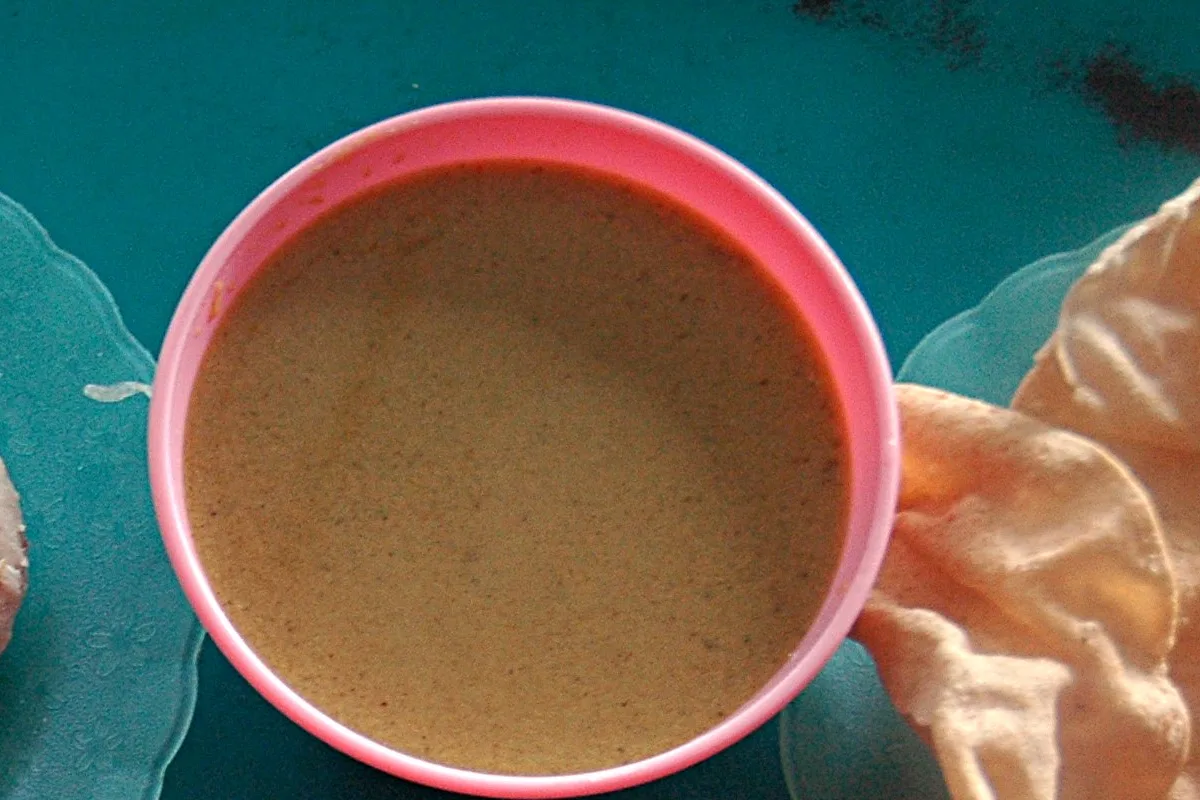
A pink bowl of mas riha, Maldivian tuna curry in a creamy coconut sauce, with papadhu crisps beside it Maldives flag Maldives 55m
Dinner •Maldivian Island Classic

Mas Riha

Mas riha is the Maldives' classic tuna curry: chunks of fresh tuna simmered in a fragrant coconut milk sauce built on a ground paste of onion, garlic, ginger, chilli and curry leaves. What sets it apart from Thai and Indian fish curries is the Maldivian base — no lemongrass, galangal or tomato-onion masala, just coconut, pandan and curry leaves, with the coconut milk stirred in at the end so the sauce stays silky. One serving is about 430 g.

Rich & Comforting

Fresh tuna simmered in a creamy coconut curry with curry leaves, chilli and warm island spices — the Maldives' everyday fish curry.

Pairs Well With
Steamed rice or roshi flatbread, with a cup of hot black tea.
High Protein
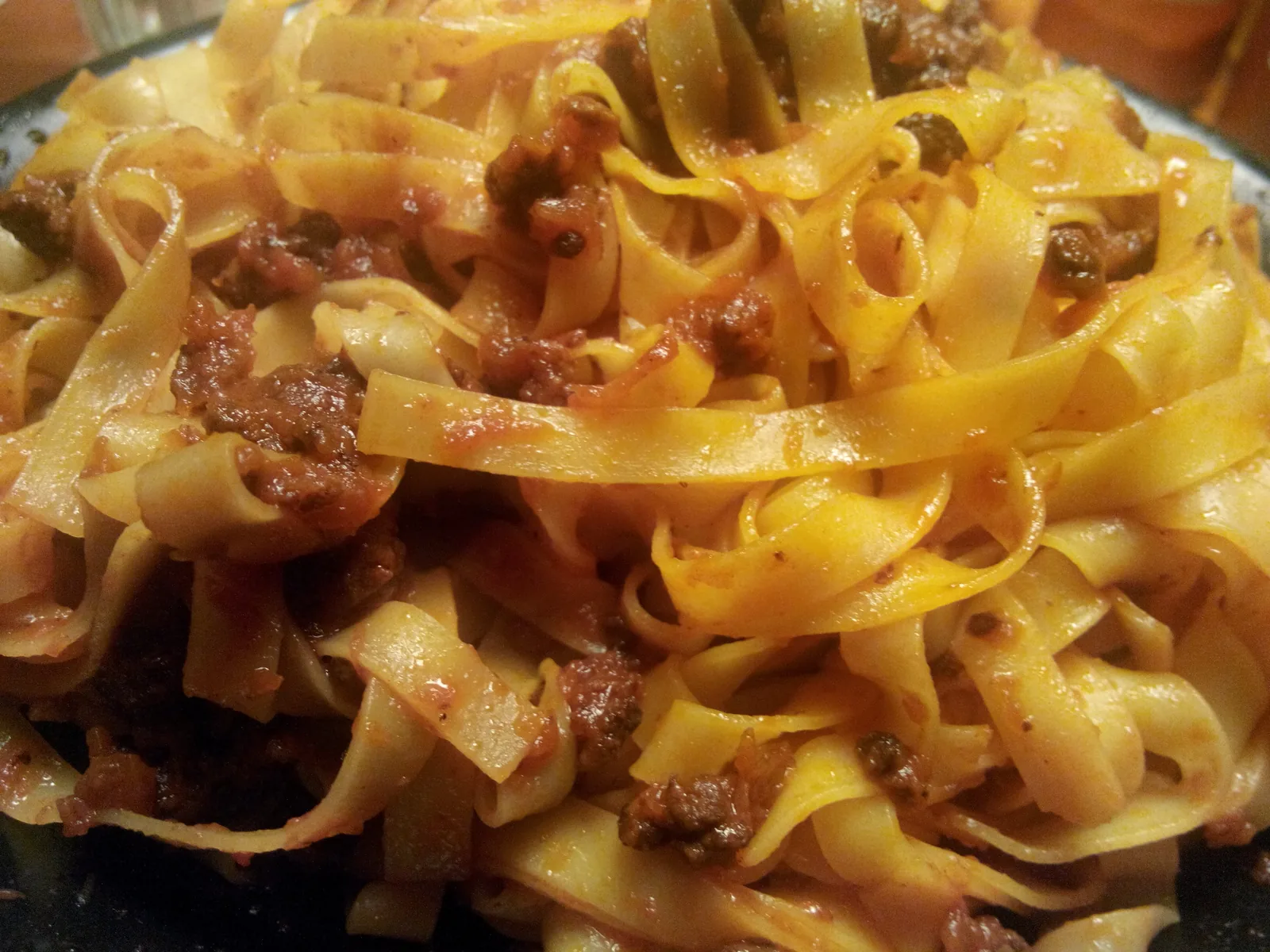
Tagliatelle al ragù Bolognese in a bowl with Parmigiano-Reggiano Italy flag Italy 4h 25m
Lunch •Emilia-Romagna

Tagliatelle al Ragù Bolognese

Slow-braised soffritto and coarse ground heritage meats layered over handmade egg yolk dough for mid-day stamina.

Lean Protein

Slow-simmered beef ragù tossed through fresh egg tagliatelle.

Pairs Well With
Bitter Radicchio & Aged Balsamico di Modena
Pasta & Noodles • High Protein
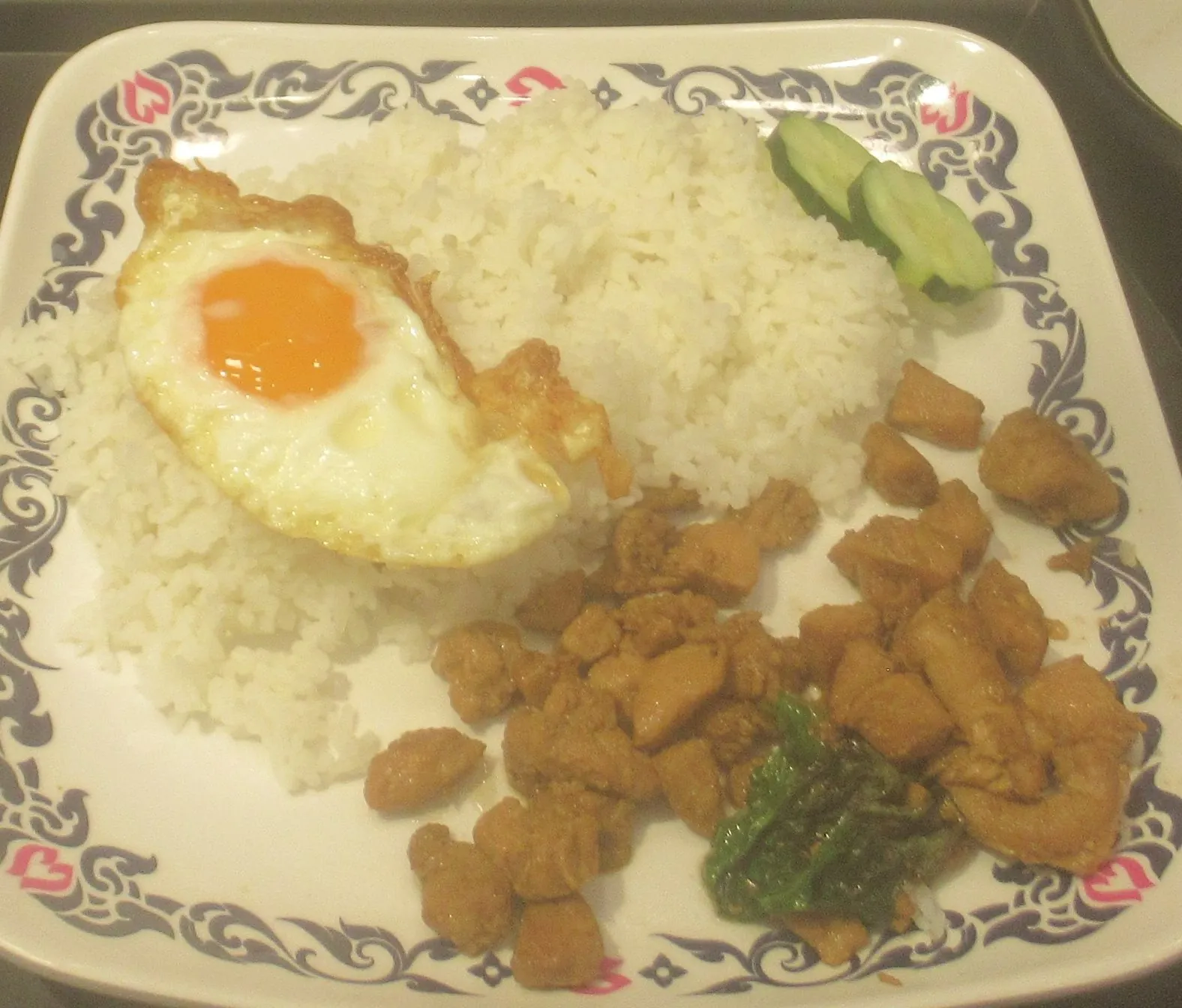
Pad kra pao gai — Thai holy basil chicken with fried egg and rice Thailand flag Thailand 30m
Lunch •Bangkok Street Flame

Pad Kra Pao Gai

High-heat wok flash of holy basil and crushed chillies over minced chicken, served over jasmine rice with a crispy-edged fried egg.

High Energy

Capsaicin brings the heat; holy basil adds a peppery, clove-like aroma.

Pairs Well With
Chilled Cucumber Salad & Fish Sauce Lime Dip
High Protein • Quick Prep (<30m)

The Dinner Gazette

Never wonder what’s for dinner again

One email a week with easy dinner ideas from around the world — ingredients, steps and nutrition, tested in our kitchen first.

Delivered every Thursday morning. Unsubscribe anytime.