Curated recipes from 193 countries  •  New seasonal Mediterranean issue out now

Overview

Mas Huni

Mashuni; Mas-huni; Maldivian tuna and coconut

This mas huni recipe is the Maldives' classic breakfast: shredded smoked tuna folded through freshly grated coconut with red onion, green chilli and lime juice, mixed by hand until fragrant and just moist. It takes 15 minutes, needs no cooking, and is scooped up with warm roshi flatbread and a cup of sweet black tea. One serving is about 153 g of mas huni.

Mas huni — Dhivehi for fish (mas) and coconut (huni) — is the everyday breakfast of the Maldives, eaten across the islands with freshly baked roshi and sweetened hot tea. The fish was traditionally valhoamas, tuna that had been boiled, smoked and sun-dried until it kept for months, then flaked by hand; today canned tuna is just as common in island kitchens. The dish is documented in Xavier Romero-Frias's study of Maldivian culture, The Maldive Islanders (1999), and the coconut is still grated on the hunigondi, a low wooden stool with a serrated blade at one end.

Pairs well with: Warm roshi and sweet black tea

Provenance

Maldives flag Maldives

Maldivian Breakfast Classic

East & South Asia

Time Dedication

15m

15m prep • 0m cook

Batch Yield

4 Servings

246 kcal per serving

1 serving ≈ 153 g

Technical Skill

Easy

Easy (No Cooking)

Meal Timing & Digestive Fit

Breakfast

Prime Morning Fit

Lunch

Inappropriate

Dinner

Inappropriate

Snack & Tea

Inappropriate

High ProteinQuick Prep (<30m) Occasions: Everyday breakfasts, weekend brunches, light lunches, picnics, quick weekday mornings Cost: Low — about $3–4 per serving at home
Tags: Fish Spicy Savory
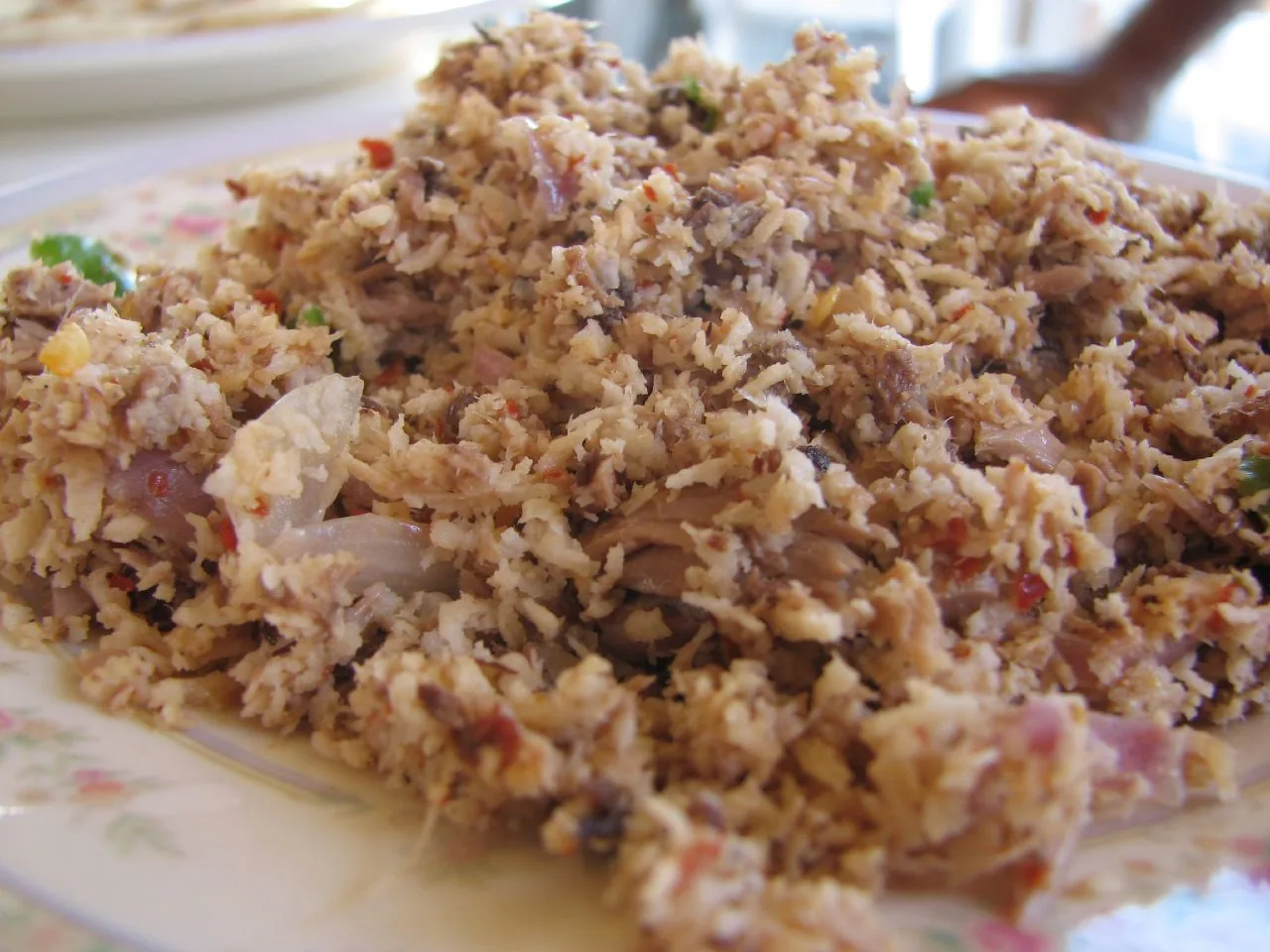
Mas huni — a mound of finely shredded tuna and grated coconut with red onion and chilli, served on a plate

Maldivian Breakfast Classic

Photo: DD, CC BY-SA 2.0, via Wikimedia Commons

The Heritage Formulary

Measured Ingredients

Estimated cost: Low — about $3–4 per serving at home (USD)

Maldivian home cooking: hand-mixed shredded tuna and fresh coconut with onion, chilli and lime, eaten with warm roshi.

Execution Methodology & Culinary Technique

Step-by-Step Cooking Guide

Active 15m
P

Prep Stage: Onion, Chilli and Lime Ready, Tuna Flaked

15 Mins • Chopping, Grating & Flaking

Open and drain the tuna, then flake it fine with a fork. Grate the coconut, finely chop the red onion and green chilli, and pick the coriander leaves. Zest one lime and juice both, and keep the salt within reach — once you start mixing, it all comes together in minutes.

Maestro Tip: Grate the coconut and chop the onion first — the tuna flakes fastest once everything else is ready.

  1. 1

    Chop the Onion, Chilli and Coriander

    5 Mins • Chopping No cooking — work with cold ingredients, kept below 4°C (40°F)

    Finely chop the 80 g red onion, seed and finely chop the green chilli, and roughly chop the coriander leaves. Zest one lime, then juice both limes — you need about 30 ml (2 tablespoons) of juice.

    Chop the onion as fine as you can — big pieces overpower the tuna.

    Done when: Onion and chilli in fine, even pieces; lime zested without bitter white pith.

  2. 2

    Crush the Onion, Chilli and Lime

    5 Mins • Pounding No cooking — keep the bowl cool, below 4°C (40°F)

    Put the chopped onion and chilli in a bowl with the lime juice and a pinch of the salt. Crush them together with the back of a spoon or a pestle for about a minute, until the onion softens and its juices run into the lime.

    This is the traditional step — crushing tames the raw onion and wakes up the chilli, so do not skip it.

    Done when: Onion softened and glossy, juices pooled in the bottom of the bowl.

  3. 3

    Flake the Tuna

    3 Mins • Flaking No cooking for canned or smoked tuna; fresh tuna poached to 63°C (145°F)

    Drain the 320 g of tuna well and flake it into fine shreds with a fork, picking out any skin or bones. If you are using smoked tuna, shred the flakes as fine as you can; if you are using fresh tuna, poach it first until it reaches 63°C (145°F) and let it cool before flaking.

    Fine shreds, not chunks — mas huni should be a soft, spoonable mound, not a tuna salad with lumps.

    Done when: Even, fine flakes with no large chunks.

  4. 4

    Fold in the Coconut and Rest

    2 Mins + 30 Mins Chill • Mixing Chill at 4°C (40°F) or below

    Add the flaked tuna and the 160 g of grated coconut to the bowl and fold everything together with your hands or a fork until the coconut is evenly mixed through. Stir in the coriander and the lime zest, taste, and add the rest of the salt only if it needs it. Cover and chill for 30 minutes so the flavours settle.

    Mix by hand — you can feel when the coconut is evenly through the tuna.

    Done when: Evenly mixed, fragrant and just moist — not wet, and not dry.

  5. 5

    Serve with Roshi

    2 Mins • Serving Serve cool or at room temperature, about 20°C (68°F)

    Pile the mas huni in a low mound on a plate and scatter the last of the coriander over the top. Serve with warm roshi for scooping and a pot of sweet black tea, with cucumber and tomato on the side if you like.

    Tear the roshi into pieces and scoop — that is the Maldivian way to eat it.

    Done when: Mounded high, coconut flecked through, roshi warm.

Finishing Touches & Plating

Pile the mas huni in a low mound on a plate, scatter the last of the coriander over the top, and set it down with a stack of warm roshi and a pot of sweet black tea. Eat it straight away, tearing off pieces of roshi to scoop.
Nutritional Physiology & Benefits

Nutrition

Energy

246

kcal / serving

Protein

22g

Complete AA

Carbs

9g

Complex

Fats

14g

Healthy

Per serving (4 servings · 1 serving ≈ 153 g)
Energy246 kcal
Protein22 g
Carbohydrates9 g
Fat14 g
Fibre4.1 g
Sugar3.6 g
Sodium428 mg
Per 100g
Energy161 kcal
Protein14.4 g
Carbohydrates5.8 g
Fat9.2 g
Fibre2.7 g
Sugar2.4 g
Sodium280 mg

Nutrition values are estimated — calculated from USDA FoodData Central values for the listed ingredients.

Vitamins & minerals: Vitamin B12, selenium and iodine (tuna), vitamin C (lime, chilli and onion), manganese, copper and potassium (coconut).

Protein That Keeps You Full

About 22 g of protein per serving from the tuna makes this a genuinely filling breakfast that carries you to lunch without a mid-morning slump.

Real Food, Nothing Processed

Tuna, coconut, onion, chilli and lime — five whole ingredients, no frying, no packets and no added sugar.

Fibre and Vitamin C on the Side

The fresh coconut adds about 4 g of fibre per serving, while the lime, chilli and onion bring vitamin C to the plate.

Food Pairings

What to Eat With

To optimize nutrient absorption and elevate the sensory depth, pair with these authentic accompaniments:

Sides

Warm Roshi Flatbread

Roshi is how mas huni is eaten — torn pieces scoop up the flaky mix, and the soft, warm bread balances the sharp lime and chilli.

Drinks

Sweet Black Tea

The Maldivian way to finish the plate: hot, sweet tea cuts the richness of the coconut and settles the chilli heat.

Vegetables

Cucumber and Tomato Salad

Cool, crisp cucumber and tomato calm the chilli and the raw onion, and their juice keeps each bite fresh.

Soups

Garudhiya (Clear Tuna Broth)

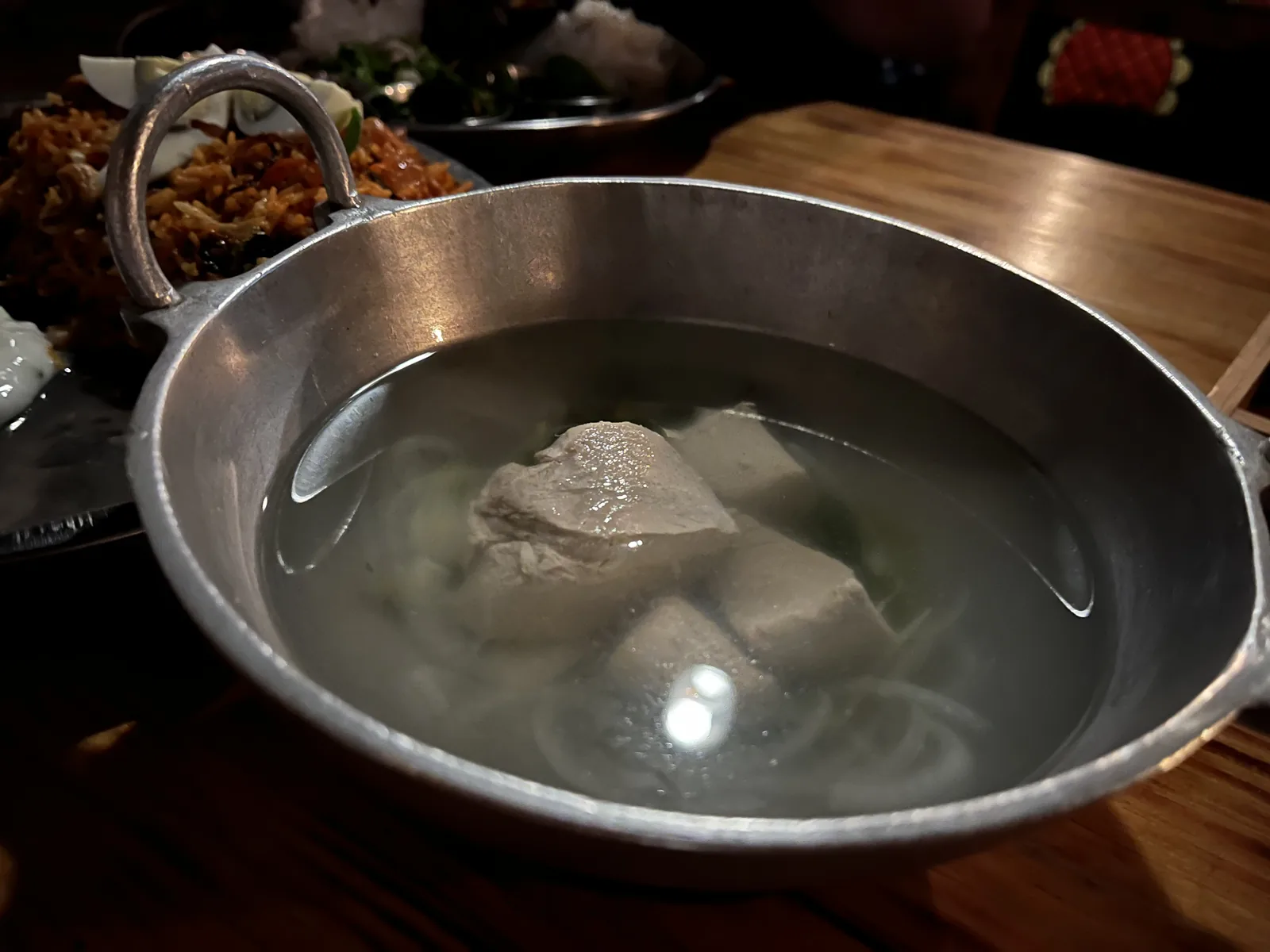
A small bowl of garudhiya, the clear Maldivian tuna broth, is the traditional partner at the breakfast table — sip it between bites of mas huni and roshi.

Complete menu

Serve a mound of mas huni with two warm roshi per person, a small bowl of garudhiya on the side and a pot of sweet black tea — the classic Maldivian breakfast table.

Digestive Guardrails

What NOT to Combine

To prevent digestive distress, sluggishness, or palate clash, avoid pairing the dish with these elements:

Leaving It Out in the Heat

Flaked tuna and fresh coconut spoil quickly at warm room temperature, so mas huni should be served within an hour of mixing and any leftovers refrigerated promptly. This is general food-safety information, not medical advice.

Smothering It in Mayonnaise

A heavy, creamy dressing buries the smoky tuna and fresh coconut that define the dish — lime juice is the only dressing mas huni needs. This is a cooking note, not medical advice.

General information only, not medical advice — consult a doctor for personal dietary decisions.

Who Should Eat It

Who Should Eat

  • General adultsA light, protein-rich breakfast — one serving of about 153 g with a piece or two of roshi is a full morning meal for most adults.
  • ChildrenChildren can eat it, but leave the chilli out of their portion and keep the onion very fine — the raw onion bite is strong for small children.
  • ElderlySoft, easy to chew and easy to digest; serve a modest portion and go light on the added salt, since the tuna is already salty.
  • Pregnant womenUse canned light tuna rather than large oily fish, keep the dish chilled until serving, and eat it freshly made. Ask your clinician about portion size and how often to eat tuna.
  • Breastfeeding womenFilling and rich in protein, with about 22 g per serving; balance the plate with roshi and fruit rather than a second helping of the tuna mix.
  • AthletesAbout 22 g of protein per serving makes this a strong post-training breakfast; add an extra roshi or a fried egg for more energy after a hard session.
  • Weight gainAt 246 kcal a serving it is light on its own — take a full portion with two warm roshi and a fried egg to make it a bigger breakfast.
  • Weight lossAt 246 kcal a serving with 22 g of protein it is a filling, low-carbohydrate breakfast — keep to one serving and load up on cucumber and tomato on the side.

Health Conditions — Adjust or Avoid

Conditions

  • DiabetesOnly about 9 g of carbohydrate per serving, so it fits a low-carbohydrate breakfast well — pair it with roshi in a modest amount rather than a large pile. Ask your clinician about portion size.
  • High blood pressureAbout 428 mg of sodium per serving is moderate, but canned and smoked tuna are salty — skip the added salt entirely and rinse canned tuna before using it. Ask your clinician about portion size.
  • Kidney diseaseHigh in protein, and the coconut adds potassium — keep to one modest serving and skip the added salt. Ask your clinician about portion size.
  • GoutTuna is rich in purines, so enjoy mas huni as an occasional breakfast rather than an everyday one, in a modest portion. Ask your clinician about portion size.
  • Stomach issuesRaw onion and fresh chilli can irritate a sensitive stomach — leave the chilli out, use a little less onion, and eat it with plain roshi. Ask your clinician about portion size.
  • Cardiovascular diseaseThe coconut brings saturated fat — about 14 g of fat per serving, mostly from the coconut — so keep the portion modest and balance it with fresh vegetables. Ask your clinician about portion size.
  • Fatty liverEnergy-dense from the coconut fat, so one serving with roshi is enough — avoid a second helping and skip the fried-egg extra. Ask your clinician about portion size.
  • Food allergiesContains fish (tuna). Coconut is listed as a tree nut for food-labelling purposes, so anyone with a tree-nut allergy should check before eating. This is general information, not medical advice.
  • Special therapeutic dietsNot suitable for fish-free or low-sodium plans as written; a low-sodium version needs unsalted tuna and no added salt. Ask your clinician or dietitian before adapting it.

If you have a medical condition, consult your doctor before changing your diet.

Storage & Use

Storage & Use

How to store
Cool quickly and store in a sealed container in the fridge; keep the roshi separate.
In the fridge
Up to 2 days in a sealed container.
In the freezer
Not recommended — the coconut turns watery and the onion goes soft.
How to reheat
Do not reheat — serve cold or at room temperature. If you make it with freshly poached tuna, reheat the tuna to 74°C (165°F) before flaking.
Freezing recommended
No.
Signs it has spoiled
Sour or off smell, slimy texture, or any mould on the coconut.

More recipes to explore

A metal bowl of garudhiya — clear Maldivian tuna broth with chunks of cooked tuna Maldives flag Maldives 40m
Lunch •Maldivian Everyday Staple

Garudhiya

This garudhiya recipe is the Maldives' everyday clear tuna soup: chunks of fresh tuna simmered gently in salted water with onion, garlic, ginger, curry leaves and a dried chilli, skimmed until the broth runs clear, then finished with lime. It is light, clean-tasting and deeply savoury, and it is usually ladled over steamed rice with lime wedges, sliced onion and fresh chilli on the side. One serving is about 570 g.

Light & Comforting

Fresh tuna simmered in a clear, lightly seasoned broth with onion, curry leaves and lime — a light, high-protein Maldivian lunch.

Pairs Well With
Steamed rice, lime wedges, sliced onion and fresh chilli
Soups & Broths • High Protein
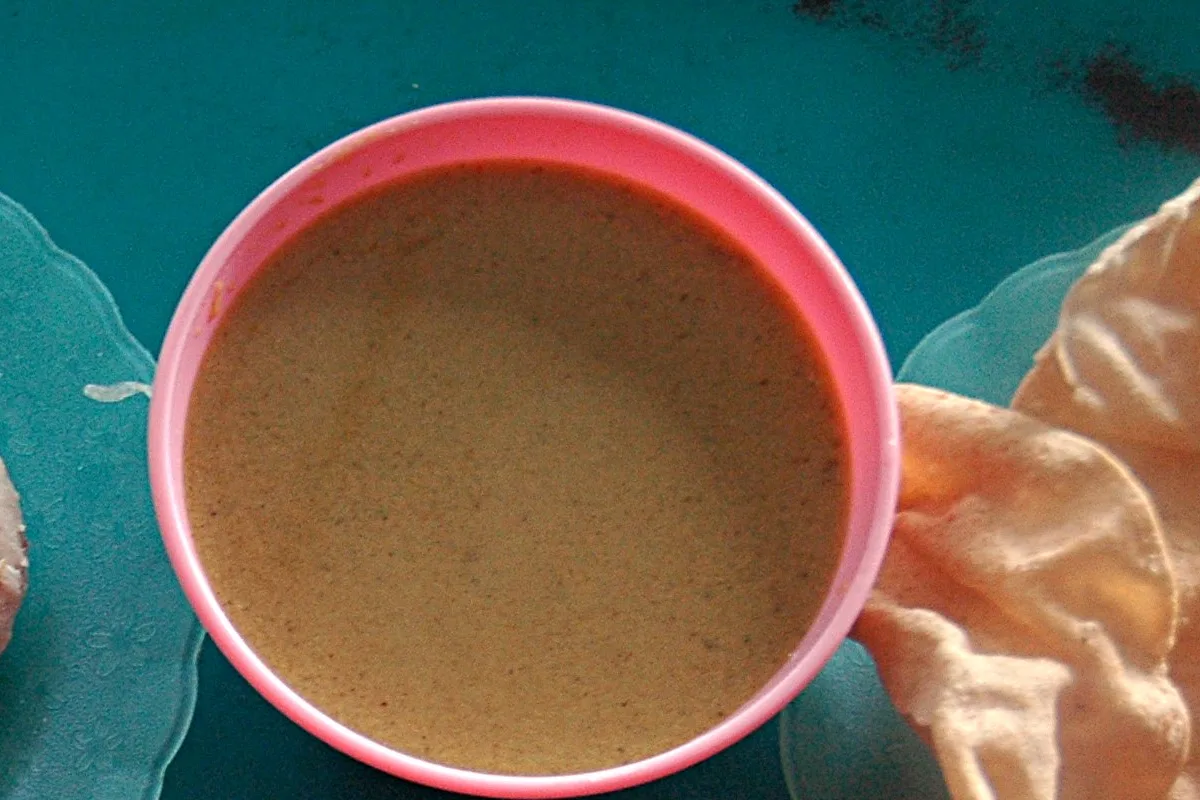
A pink bowl of mas riha, Maldivian tuna curry in a creamy coconut sauce, with papadhu crisps beside it Maldives flag Maldives 55m
Dinner •Maldivian Island Classic

Mas Riha

Mas riha is the Maldives' classic tuna curry: chunks of fresh tuna simmered in a fragrant coconut milk sauce built on a ground paste of onion, garlic, ginger, chilli and curry leaves. What sets it apart from Thai and Indian fish curries is the Maldivian base — no lemongrass, galangal or tomato-onion masala, just coconut, pandan and curry leaves, with the coconut milk stirred in at the end so the sauce stays silky. One serving is about 430 g.

Rich & Comforting

Fresh tuna simmered in a creamy coconut curry with curry leaves, chilli and warm island spices — the Maldives' everyday fish curry.

Pairs Well With
Steamed rice or roshi flatbread, with a cup of hot black tea.
High Protein
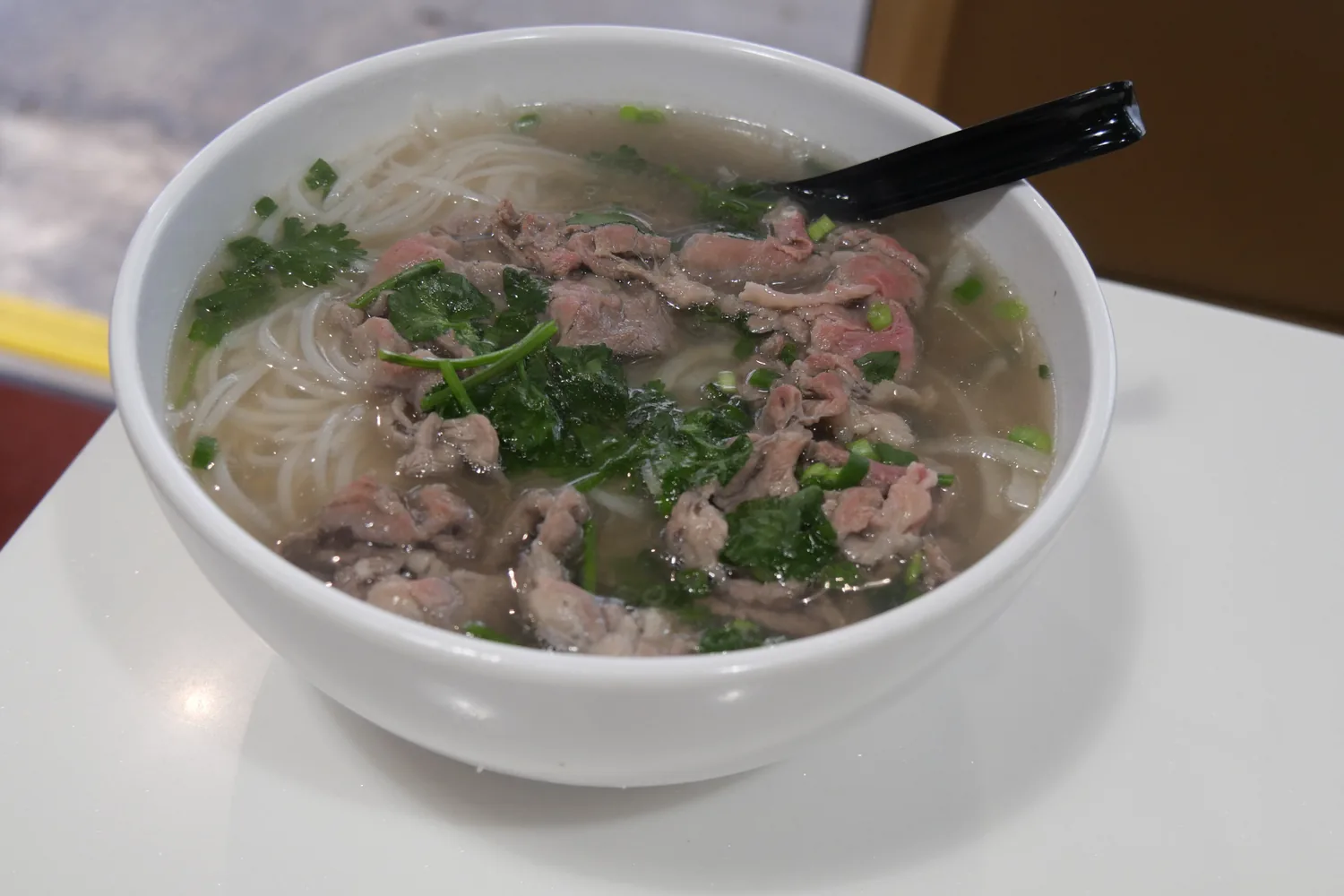
A bowl of Vietnamese phở bò with rare beef, rice noodles and fresh herbs Vietnam flag Vietnam 3h 30m
Breakfast •Hanoi Heritage

Phở Bò Tái Nạm

Slow-simmered star anise and cinnamon bone broth with hand-cut rice noodles, supplying clean restorative warmth and collagen. One serving is about 775 g.

Immunity & Warming

Slow-simmered bone broth with rice noodles, rare beef and fresh herbs.

Pairs Well With
Crispy quẩy, fresh lime & sawtooth coriander
Soups & Broths • High Protein
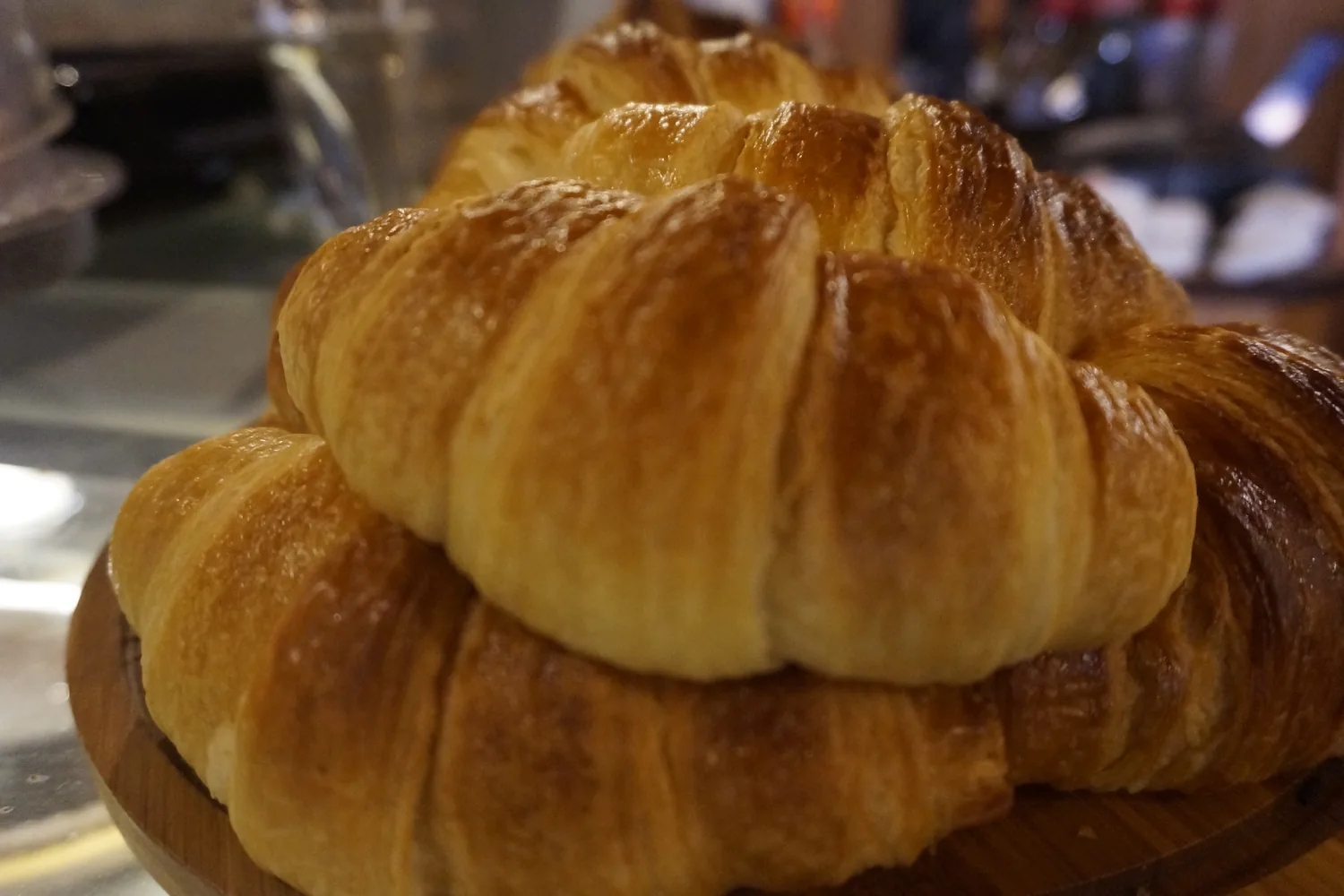
Golden butter croissants on a wooden board France flag France 20m
Breakfast •Parisian Boulangerie

Croissant au Beurre & Café

Laminated cultured butter pastry paired with washed Arabica, for a slow, pleasurable Parisian morning — best with a little protein alongside. One serving is about 390 g.

Sustained Focus

Flaky all-butter croissant with café au lait, Comté and green apple.

Pairs Well With
Comté cheese wedge & Green apple slices
Quick Prep (<30m)

The Dinner Gazette

Never wonder what’s for dinner again

One email a week with easy dinner ideas from around the world — ingredients, steps and nutrition, tested in our kitchen first.

Delivered every Thursday morning. Unsubscribe anytime.