Curated recipes from 193 countries  •  New seasonal Mediterranean issue out now

Overview

Gemista

Gemista, Yemista, Greek Stuffed Tomatoes and Peppers

This gemista recipe hollows out ripe tomatoes and green peppers, fills them with rice, onion, garlic and a big handful of parsley, mint and dill, and bakes them in olive oil with potato wedges until the tops blister. It is made with no cheese and no egg, so it is vegan as written — one of Greece's ladera, the olive-oil dishes that carry a whole meal. One serving is about 512 g.

Gemista means stuffed in Greek, and it is the dish Greek gardens were made for: when summer tomatoes and peppers ripen all at once, they are hollowed out, filled with rice, onion and herbs, and baked slowly in olive oil with potatoes tucked around them. The meatless version belongs to the ladera, the family of Greek dishes cooked in olive oil, and it is how most Greek households cook it in summer — no meat, and often no cheese or egg either, so the dish as written is vegan. Some families crumble feta into the filling, but the classic summer version needs nothing more than ripe vegetables, rice, herbs and good olive oil.

Pairs well with: Crusty bread, Greek salad & chilled white wine

Provenance

Greece flag Greece

Greek Summer Classic

Mediterranean & Italy

Time Dedication

1h 45m

30m prep • 75m cook

Batch Yield

4 Servings

504 kcal per serving

1 serving ≈ 512 g

Technical Skill

Intermediate

Medium (Baked)

Meal Timing & Digestive Fit

Breakfast

Not Advised

Lunch

Hearty Midday Main

Dinner

Ideal Hearty Main

Snack & Tea

Inappropriate

Occasions: Summer dinners, family gatherings, vegetarian feasts, garden harvest meals Cost: Low — about $2–3 per serving at home

A plate of gemista with a rice-stuffed tomato and green pepper and golden potato wedges

Greek Summer Classic

Photo: Badseed, CC BY-SA 3.0, via Wikimedia Commons

The Heritage Formulary

Measured Ingredients

Estimated cost: Low — about $2–3 per serving at home (USD)
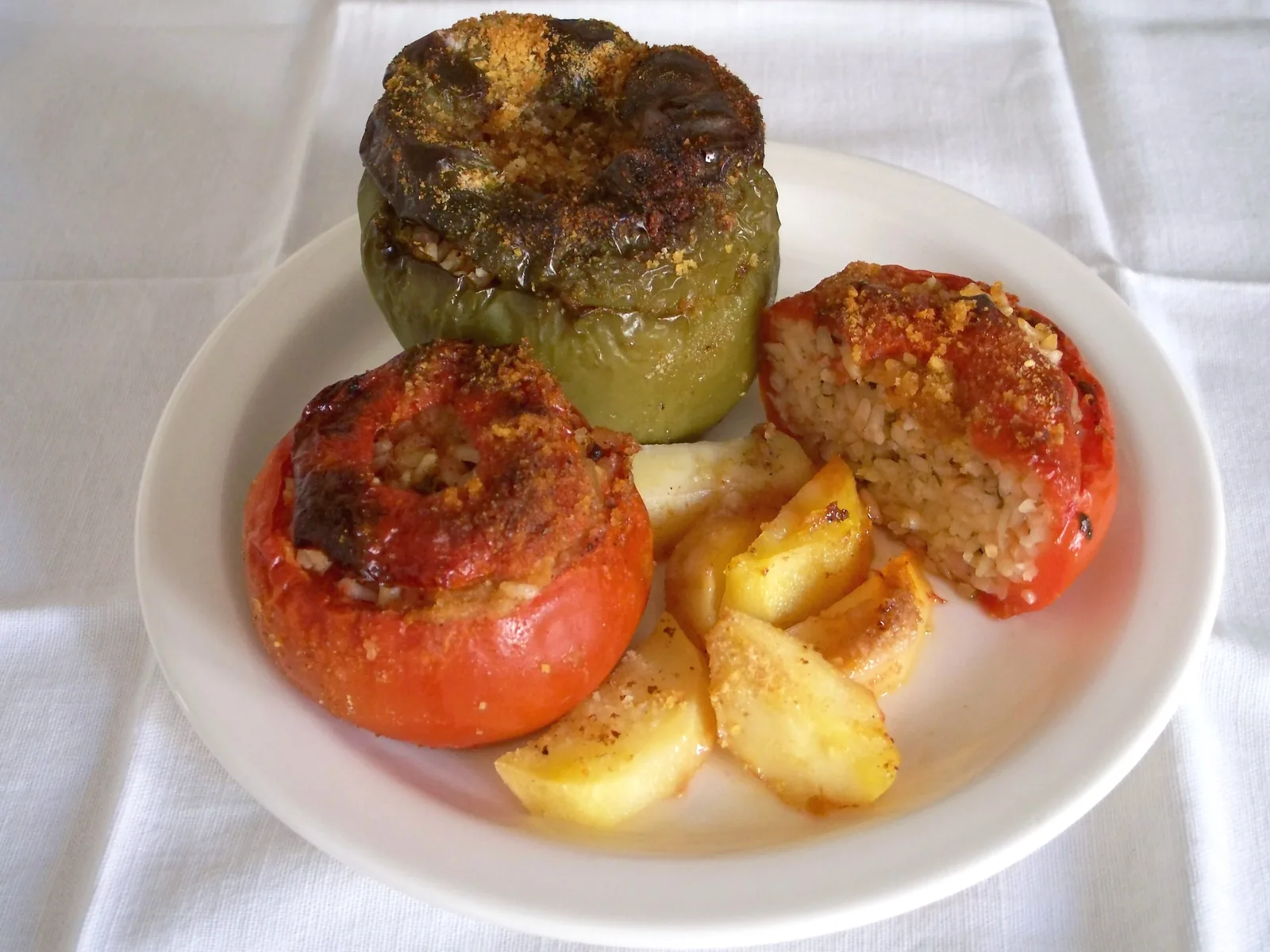
A classic Greek summer dish: tomatoes and peppers stuffed with herbed rice, baked in olive oil with potato wedges, vegan as written.

Execution Methodology & Culinary Technique

Step-by-Step Cooking Guide

Active 1h 45m
P

Hollow the vegetables and mix the rice filling

30 minutes

Slice the tops off the tomatoes and peppers and keep them as lids. Scoop the tomato pulp into a bowl, chop it, and stir in the tomato paste, sugar, paprika and lemon juice. Remove the pepper seeds and ribs. Mix the rinsed rice, onion, garlic, herbs, oregano, salt, pepper and half the olive oil into the tomato pulp — the filling should look moist and smell strongly of herbs.

Maestro Tip: Do not throw away the tomato pulp: it is the cooking liquid for the rice and the base of the sauce in the dish.

  1. 1

    Hollow the tomatoes and peppers

    10 minutes No heat

    Slice a lid off the stem end of each tomato and pepper and set the lids aside. Scoop the tomato flesh into a bowl with a spoon, leaving a sturdy shell about 1 cm thick. Cut the seeds and white ribs out of the peppers.

    Leave the shells thick enough to stand up in the oven — a thin shell collapses.

    Done when: Vegetables are hollow, shells intact, lids saved, pulp in a bowl.

  2. 2

    Make the rice filling

    10 minutes Medium heat (175°C / 350°F)

    Chop the tomato pulp and stir in the tomato paste, sugar, paprika, lemon juice and half the olive oil. Heat a pan over medium heat, soften the onion and garlic in a spoonful of the oil for 3 minutes, then stir in the rice until glossy. Add the tomato pulp mixture and cook for 5 minutes until the rice is half-cooked, then take off the heat and stir in the parsley, mint, dill, oregano, salt and pepper.

    The rice must be only half-cooked now — it finishes inside the vegetables and swells as it bakes.

    Done when: Filling is moist, fragrant and the rice is still firm in the middle.

  3. 3

    Stuff the vegetables

    5 minutes No heat

    Stand the tomatoes and peppers upright in a large roasting tin, snug against each other so they do not topple. Spoon the filling into each one until about three-quarters full — no more, because the rice swells — then spoon a little extra pulp over the top, replace the lids, and sprinkle the breadcrumbs over the lids.

    Under-fill rather than over-fill: burst vegetables spill rice into the dish.

    Done when: Vegetables are three-quarters full, lids on, breadcrumbs on top.

  4. 4

    Add the potatoes and bake covered

    45 minutes 190°C (375°F)

    Tuck the potato wedges around the vegetables, season them with salt and pepper, and pour the water into the tin. Drizzle the remaining olive oil over everything, cover tightly with foil, and bake at 190°C (375°F) for 45 minutes.

    A snug tin matters — vegetables packed together stay upright and the potatoes sit in the juices.

    Done when: Dish is steaming under the foil; potatoes are starting to soften.

  5. 5

    Uncover and bake until blistered

    30 minutes 190°C (375°F)

    Remove the foil and bake for another 30 minutes until the vegetables are soft and wrinkled, the tops are blistered and golden, the rice is tender, and the potatoes are golden at the edges and soft inside.

    If the tops brown too fast, lay the foil loosely back over them for the last 10 minutes.

    Done when: Vegetables are tender and blistered; a knife slides easily into a potato; rice is soft.

  6. 6

    Rest and serve

    10 minutes No heat

    Rest the dish for 10 minutes so the juices settle and the filling firms up. Serve one tomato and one pepper per person with a share of the potatoes and a spoonful of the pan juices.

    Resting is not optional — cut into it too soon and the filling is loose.

    Done when: Dish is warm, juicy and holding its shape on the plate.

Finishing Touches & Plating

Serve warm, one tomato and one pepper per person, with the golden potatoes and a spoonful of the pan juices over the top.

Nutritional Physiology & Benefits

Nutrition

Energy

504

kcal / serving

Protein

10g

Complete AA

Carbs

80g

Complex

Fats

17g

Healthy

Per serving (4 servings · 1 serving ≈ 512 g)
Energy504 kcal
Protein10 g
Carbohydrates80 g
Fat17 g
Fibre8.9 g
Sugar12.0 g
Sodium548 mg
Per 100g
Energy98 kcal
Protein2 g
Carbohydrates15.6 g
Fat3.2 g
Fibre1.7 g
Sugar2.3 g
Sodium107 mg

Nutrition values are estimated — calculated from USDA FoodData Central values for the listed ingredients.

Vitamins & minerals: The tomatoes, peppers and potatoes supply vitamin C, vitamin A, potassium and folate, the herbs add vitamin K and iron, and the olive oil adds vitamin E. All nutrition values are estimated.

A garden on a plate

Tomatoes, peppers, potatoes and three fresh herbs bring vitamin C, vitamin A, potassium and folate, with about 8.9 g of fibre per serving.

Olive oil, the ladera way

This is a ladera — a Greek dish cooked in olive oil — so its fat is mostly the monounsaturated fat of extra-virgin olive oil rather than animal fat.

Naturally vegan and light

With no meat, cheese or egg, the dish is vegan as written and light at about 98 calories per 100 g, while still filling thanks to the rice and potatoes.

Food Pairings

What to Eat With

To optimize nutrient absorption and elevate the sensory depth, pair with these authentic accompaniments:

Sides

Crusty bread

Good bread is essential: it soaks up the tomato-olive oil juices in the tin, which are too good to leave behind.

Vegetables

Greek salad

Cucumber, tomato, onion and olives with a little feta add cool crunch and salt against the soft, warm stuffed vegetables.

Drinks

Chilled white wine

A crisp, dry white wine matches the tomato acidity and the herbs without overwhelming the gentle flavours of the dish.

Full Menus

Tzatziki on the side

Cool yoghurt with cucumber and garlic is a refreshing contrast to the hot, oily vegetables — serve a small bowl for spooning.

Complete menu

Serve the gemista as the main dish with crusty bread, a Greek salad and tzatziki, and chilled white wine to drink.

Digestive Guardrails

What NOT to Combine

To prevent digestive distress, sluggishness, or palate clash, avoid pairing the dish with these elements:

Heavy meat dishes alongside

Gemista is a complete, filling meal on its own. Serving it with rich grilled meats or creamy dishes overloads the plate and drowns the fresh vegetable flavours. This is general information, not medical advice.

Very salty feta in large amounts

Some versions add feta, but a large amount of salty cheese would raise the sodium well above the 548 mg per serving in this vegan version. If you add feta, keep it to a small crumble. Ask your clinician about your own sodium limits.

General information only, not medical advice — consult a doctor for personal dietary decisions.

Who Should Eat It

Who Should Eat

  • General adultsA complete, satisfying summer dinner. One tomato and one pepper with potatoes is a full serving.
  • ChildrenSoft, mild and sweet from the tomatoes. Let it cool a little and cut the vegetables into pieces; the herbs are gentle.
  • ElderlySoft vegetables and tender rice are easy to eat, and the dish is light. Serve warm, not piping hot.
  • Pregnant womenA safe, plant-based dinner with no raw ingredients. Wash the herbs and vegetables well before cooking.
  • Breastfeeding womenA filling, vegetable-rich meal that fits well into a varied diet; drink water alongside it.
  • AthletesAbout 80 g of carbohydrates per serving makes it a good recovery dinner, especially with bread and a protein side such as yoghurt.
  • Weight gainAt about 504 calories a serving, it is already substantial — add bread and tzatziki to raise the energy further.
  • Weight lossAt about 98 calories per 100 g it is one of the lightest filling dinners: enjoy a full serving and go easy on the bread.

Health Conditions — Adjust or Avoid

Conditions

  • DiabetesAbout 80 g of carbohydrates per serving come from the rice and potatoes, so portion size matters and blood sugar should be monitored. A smaller serving with more salad helps; ask your clinician or dietitian for a portion that fits your plan.
  • High blood pressureSodium is about 548 mg per serving, which is moderate. Avoid adding salty feta or salty sides. Ask your clinician about your own sodium limits.
  • Kidney diseaseTomatoes and potatoes are high in potassium, which matters in kidney disease, so portions should be modest. Ask your clinician or dietitian whether it fits your plan.
  • GoutA plant-based dish with no meat or seafood, so it is generally gentle for gout. Ask your clinician for personal advice.
  • Stomach issuesTomatoes are acidic and can bother reflux or a sensitive stomach. Eat a small portion and avoid eating it very hot; ask your clinician if symptoms persist.
  • Cardiovascular diseaseNo animal fat, plenty of vegetables and olive oil make this one of the most heart-friendly dinners. Ask your clinician about any personal limits.
  • Fatty liverLow in fat and rich in vegetables, so it fits well, but the rice and potatoes add energy — keep to one serving. Ask your clinician or dietitian for guidance.
  • Food allergiesContains wheat (breadcrumbs) and no other major allergens as written. The breadcrumbs can be left out for a wheat-free version; ask a clinician if you are unsure.
  • Special therapeutic dietsVegan as written and suitable for most plant-based diets. Leave out the breadcrumbs for a gluten-free version; ask your clinician or dietitian before adapting it.

If you have a medical condition, consult your doctor before changing your diet.

Storage & Use

Storage & Use

How to store
Cool quickly and store in an airtight container with the pan juices.
In the fridge
3–4 days in the refrigerator — it tastes even better the next day.
In the freezer
Up to 2 months; the vegetables soften further after freezing.
How to reheat
Reheat covered in an oven at 180°C (350°F) for 20 minutes, or in a microwave, until steaming hot throughout, to 74°C (165°F).
Freezing recommended
Yes, up to 2 months, though the texture is best from the fridge.
Signs it has spoiled
Sour smell, slimy texture on the vegetables, or mould on the surface.

More recipes to explore

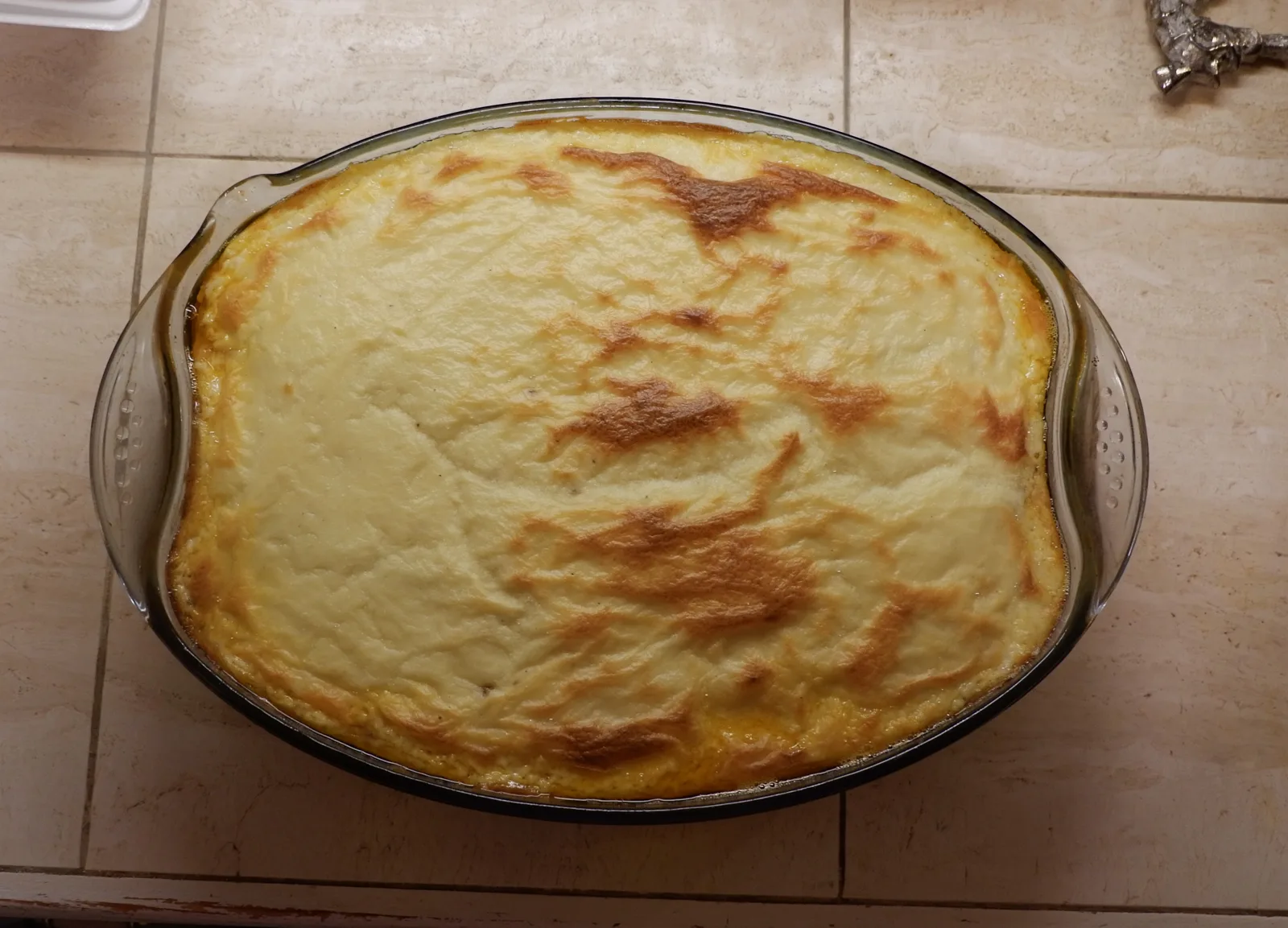
A whole Greek moussaka in a glass baking dish, its bechamel top baked golden brown with darker patches Greece flag Greece 2h
Dinner •Greek Classic

Greek Moussaka

Greek moussaka is a layered bake of fried aubergine and potato, a cinnamon-spiced beef sauce, and a thick bechamel that turns deep gold in the oven. It is the dish most Greek tavernas are judged by, and it is made for sharing at a slow family dinner. One serving is about 412 g.

Comfort & Warmth

A hearty layered bake built around aubergine, potatoes and a spiced meat sauce under a creamy bechamel topping.

Pairs Well With
Serve with a crisp Greek salad, warm bread and a glass of red wine.
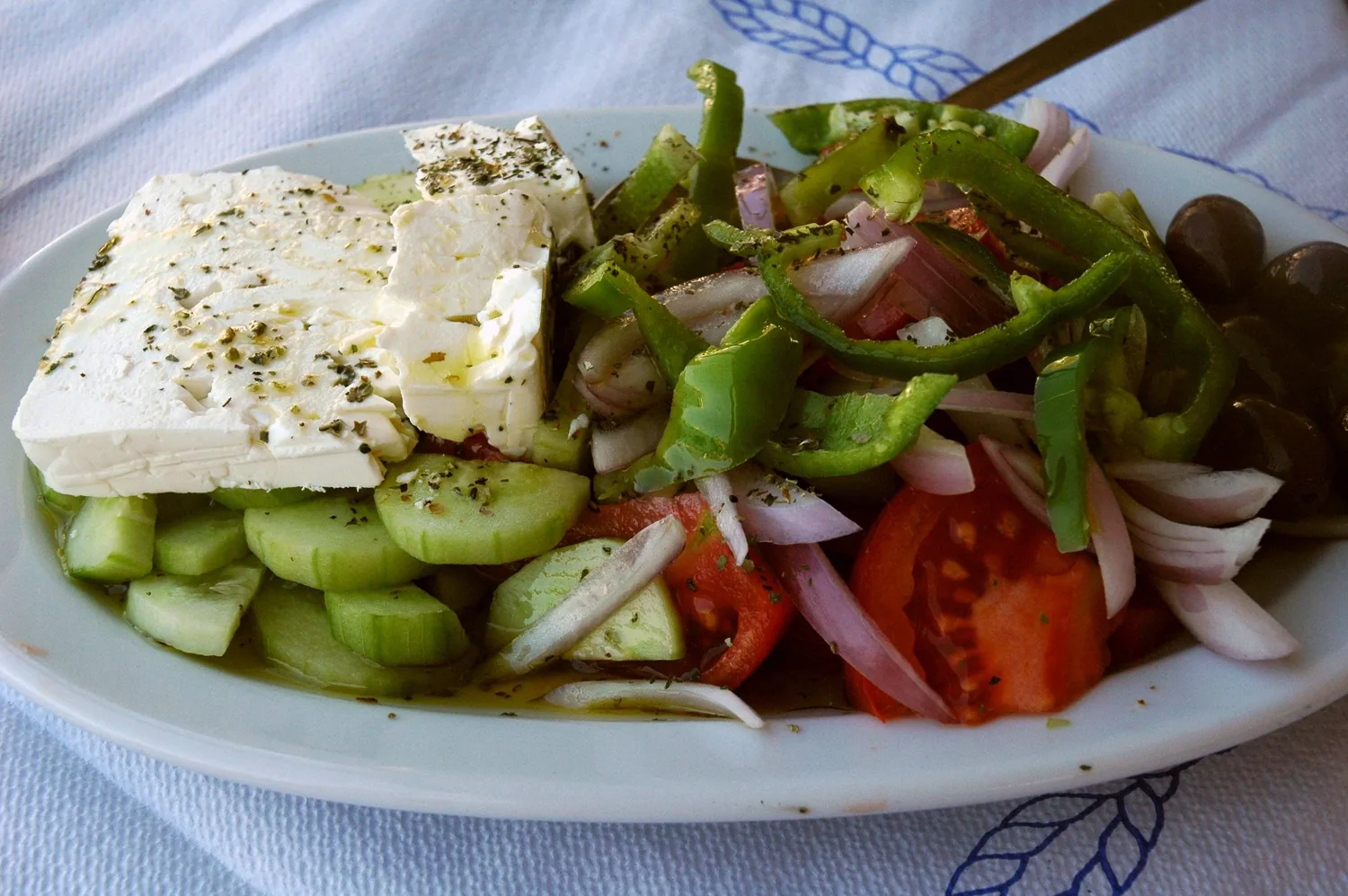
Greek salad (horiatiki) with a slab of feta sprinkled with oregano, Kalamata olives, tomato wedges, cucumber and red onion on a white plate Greece flag Greece 20m
Lunch •Aegean Table Classic

Greek Salad

This Greek salad recipe is the real horiatiki: chunky ripe tomatoes, peeled cucumber, red onion and green pepper, with Kalamata olives and a whole slab of feta on top, dressed with extra-virgin olive oil and dried Greek oregano. There is no lettuce and no heavy dressing — just summer vegetables at their best, ready in twenty minutes. One serving is about 411 g.

Fresh Summer Lunch

Crisp garden vegetables, salty feta and Kalamata olives under good olive oil — a bright, satisfying lunch with no cooking at all.

Pairs Well With
Crusty bread & grilled fish
Quick Prep (<30m)
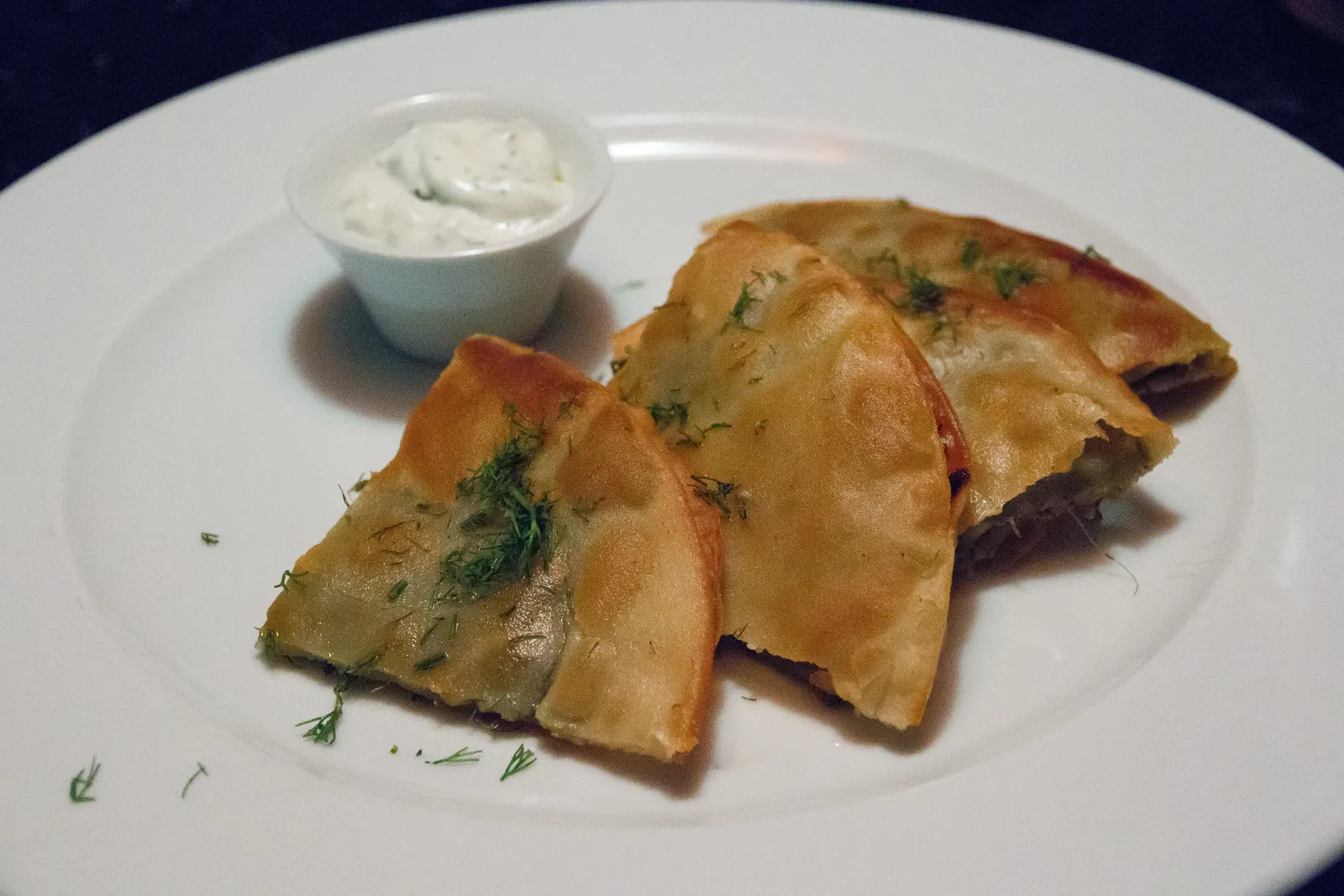
Golden spanakopita triangles sprinkled with fresh dill, served on a white plate with a small bowl of tzatziki Greece flag Greece 1h 20m
Lunch •Greek Bakery Classic

Spanakopita

This spanakopita recipe is the Greek spinach pie found in every bakery in Greece: paper-thin filo brushed with olive oil, layered over a filling of wilted spinach, salty feta, ricotta, leeks and a generous handful of fresh dill, then baked until the top shatters and the inside stays soft and savoury. It is the pie Greeks eat for lunch, take on picnics and set out on a mezze table. One serving is about 220 g.

Crisp Filo, Spinach & Feta

Layers of olive-oil-brushed filo wrapped around a spinach, feta, dill and leek filling, baked until golden and crisp.

Pairs Well With
Greek salad, tzatziki & lemon wedges
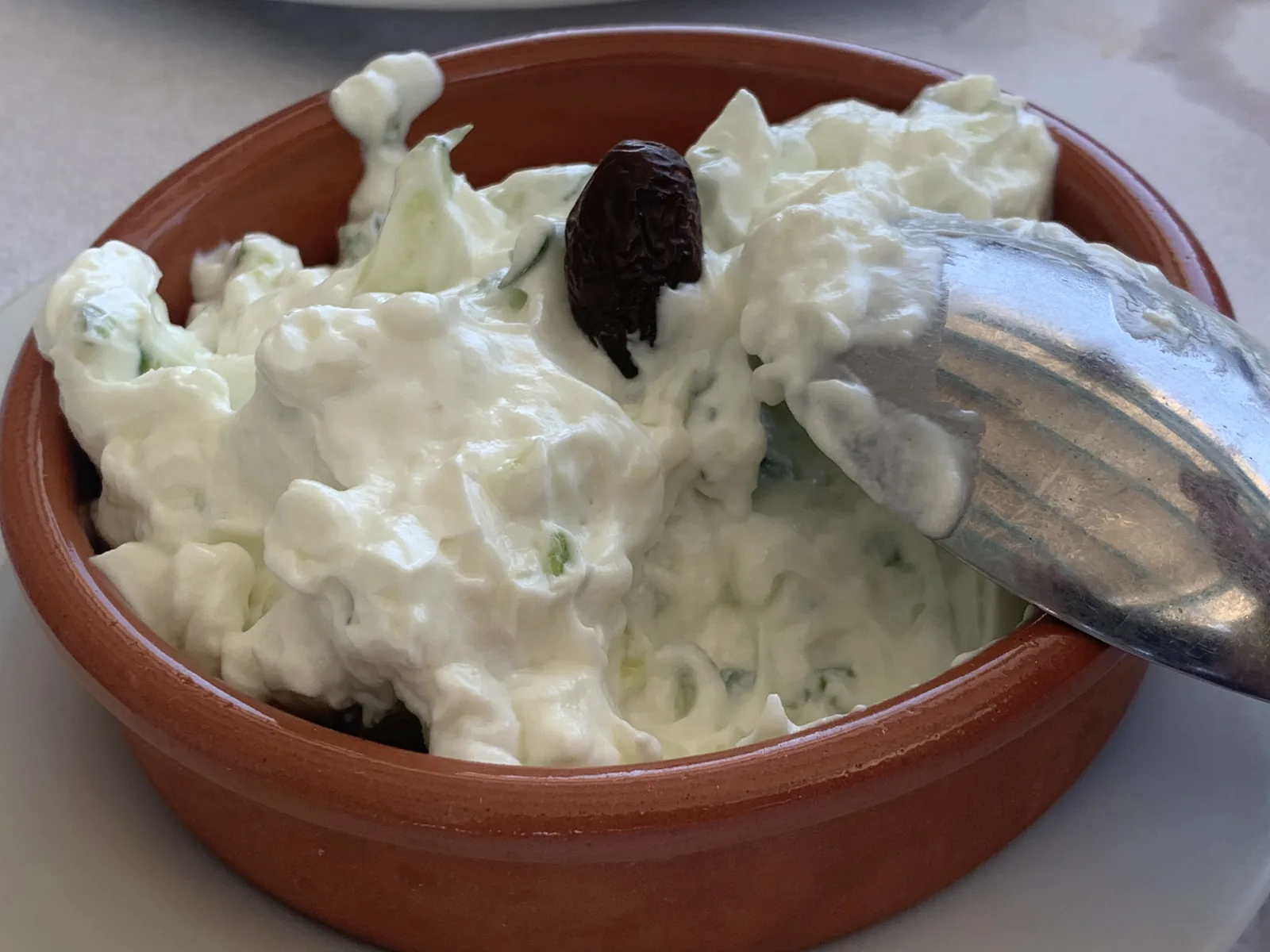
A terracotta bowl of thick white tzatziki with cucumber and a black olive, with a spoon Greece flag Greece 25m
Snack & Tea •Greek Meze Classic

Tzatziki

This tzatziki recipe is the real Greek version: thick strained yogurt, cucumber grated and squeezed bone dry, raw garlic, a thread of olive oil and a handful of dill. No cooking at all — just grating, squeezing and stirring — and the result is cool, creamy and sharp enough to cut through grilled meat. One serving is about 120 g.

Cool & Creamy

Thick Greek yogurt folded with grated cucumber, garlic and dill — the cool white dip at the heart of every Greek meze.

Pairs Well With
Spoon over grilled meat, or serve as a dip with warm pitta and raw vegetables.

The Dinner Gazette

Never wonder what’s for dinner again

One email a week with easy dinner ideas from around the world — ingredients, steps and nutrition, tested in our kitchen first.

Delivered every Thursday morning. Unsubscribe anytime.