Curated recipes from 193 countries  •  New seasonal Mediterranean issue out now

Overview

German Cherry Cake

Kirschkuchen, Kirsch-Streuselkuchen, Sour Cherry Streusel Cake

This german cherry cake recipe is the home-baking classic known as Kirsch-Streuselkuchen: a soft, yeasted sheet cake covered with tart sour cherries and a thick layer of buttery crumbs, baked until golden. It is lighter and fruitier than a chocolate cherry torte and made for sharing at coffee time. One serving is about 130 g.

Kirschkuchen is a fixture of German home baking: a simple yeasted or butter cake topped with the sour cherries that ripen from June to mid-August. An early printed version appears in Lina Meier's The Art of German Cooking and Baking (1909), where cherry cake is made on a yeast dough with stoned sweet-sour cherries and sugar. The streusel-topped sheet-cake form in this recipe is the everyday tray bake found at family coffee tables, distinct from the Belgian shortcrust kriekentaart, the yeasted lattice limburgse vlaai, and the chocolate-and-cream Schwarzwälder Kirschtorte.

Pairs well with: Coffee, whipped cream & vanilla ice cream

Provenance

Germany flag Germany

German Home-Baking Classic

Nordic & European

Time Dedication

2h

80m prep • 40m cook

Batch Yield

12 Servings

349 kcal per serving

1 serving ≈ 130 g

Technical Skill

Intermediate

Medium (One Tray)

Meal Timing & Digestive Fit

Breakfast

Not Advised

Lunch

Inappropriate

Dinner

Inappropriate

Snack & Tea

Ideal Light Bite

Occasions: Coffee breaks, birthdays, family gatherings, festive afternoons Cost: Low — about $1–2 per serving at home
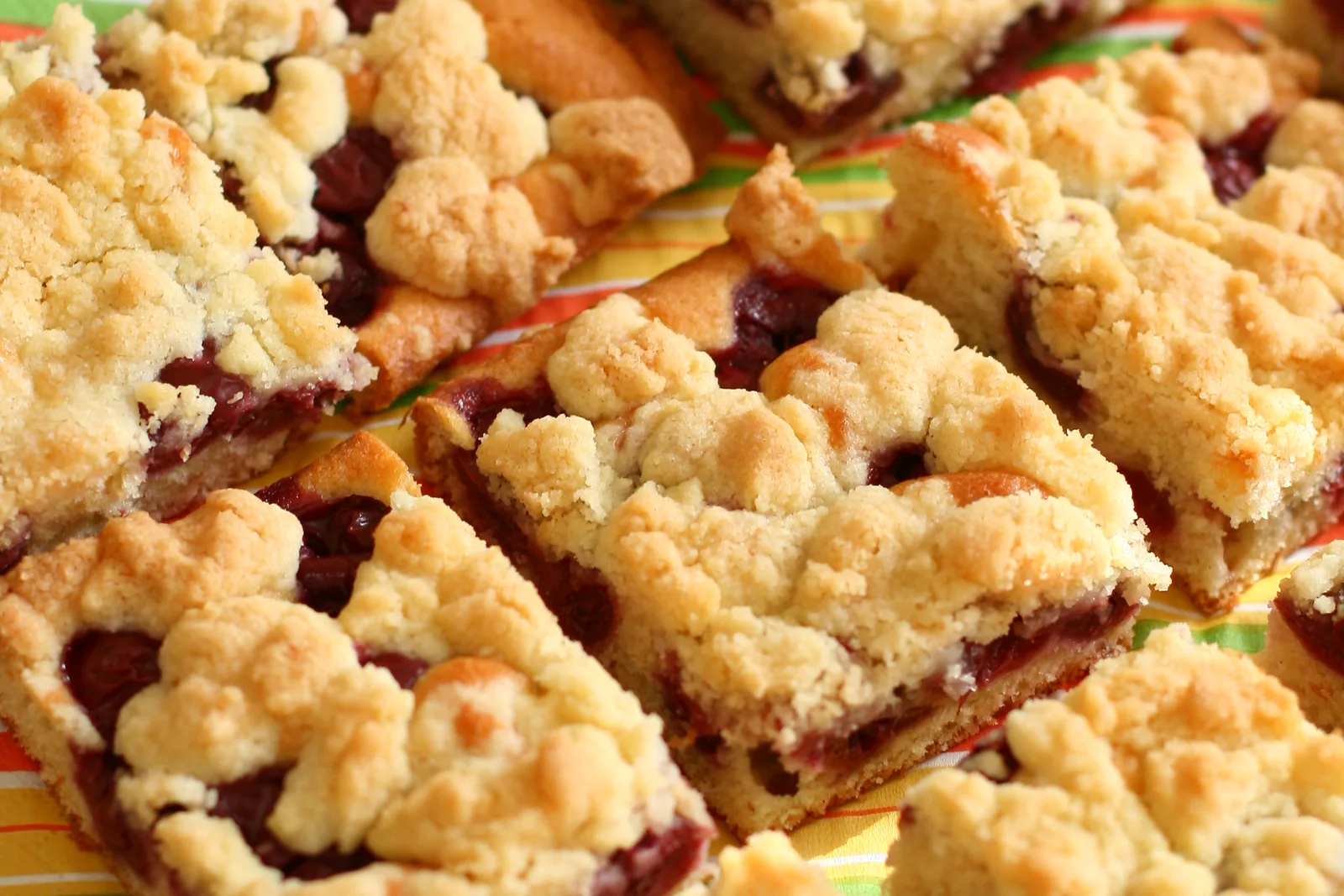
Squares of German cherry cake with a golden streusel topping and dark red sour cherries, cut on a striped cloth

German Home-Baking Classic

Photo: Katrin Gilger, CC BY-SA 2.0, via Wikimedia Commons

The Heritage Formulary

Measured Ingredients

Estimated cost: Low — about $1–2 per serving at home (USD)

A home-style German cherry cake with a soft yeasted base, tart sour cherries and a crisp golden streusel.

Execution Methodology & Culinary Technique

Step-by-Step Cooking Guide

Active 2h
P

Make the Yeasted Dough & the Streusel

80 Mins • One Tray

Dissolve the yeast in the lukewarm milk with 40g of the sugar and the vanilla, then knead with 300g of the flour, the beaten egg, 4g of salt and the softened butter into a smooth dough. Cover and leave to rise in a warm place for 60 minutes until doubled. Meanwhile rub the cold butter into the remaining 200g flour with 100g sugar, 1g salt and the cinnamon until chunky crumbs form, and toss the drained cherries with the cornflour and reserved juice.

Maestro Tip: The dough is soft and a little sticky — oil your hands instead of adding more flour, or the cake turns heavy.

  1. 1

    Mix and Knead the Dough

    15 Mins Room temperature, about 22°C (72°F)

    Stir the crumbled yeast into the lukewarm milk with 40g of the sugar and the vanilla, and leave for 5 minutes until foamy. Tip 300g of the flour and 4g of the salt into a bowl, add the yeast milk and the beaten egg, and mix to a shaggy dough. Knead in the softened butter, a few cubes at a time, for 8 to 10 minutes until the dough is smooth, soft and slightly tacky.

    If the dough sticks to the bowl, knead on an oiled surface — extra flour makes a tough cake.

    Done when: The dough is smooth, elastic and springs back when poked.

  2. 2

    Leave the Dough to Rise

    60 Mins Warm place, about 25°C (77°F)

    Shape the dough into a ball, place it in a lightly oiled bowl, cover with a clean cloth and leave in a warm, draught-free place for 60 minutes until doubled in size. Grease a 30 x 20 cm baking tray and line it with baking paper while you wait.

    A turned-off oven with the light on is a reliable warm spot for rising.

    Done when: The dough has doubled and holds a dent when poked gently.

  3. 3

    Make the Streusel and Ready the Cherries

    10 Mins Room temperature, about 22°C (72°F)

    Rub the cold diced butter into the remaining 200g flour with 100g sugar, 1g salt and the cinnamon, using your fingertips, until the mixture forms chunky, pea-sized crumbs. Toss the drained cherries with the cornflour and the 2 tablespoons of reserved cherry juice until lightly coated.

    Keep the streusel crumbs chunky — fine crumbs melt into the cake instead of staying crisp.

    Done when: The streusel holds together in clumps when squeezed and the cherries are evenly dusted.

  4. 4

    Shape the Base and Add the Cherries

    10 Mins Room temperature, about 22°C (72°F)

    Knock the risen dough back gently, press it evenly into the lined tray, right into the corners, and prick it a few times with a fork. Scatter the cherries in a single even layer over the dough, leaving the edges of the tray clear.

    Press the dough out with oiled fingertips rather than a rolling pin — it is softer and easier to control.

    Done when: The base is even, about 1 cm thick, with cherries spread edge to edge.

  5. 5

    Top with Streusel and Bake

    40 Mins 180°C (350°F)

    Scatter the streusel thickly and evenly over the cherries, then bake in the middle of the oven at 180°C (350°F) for 35 to 40 minutes until the topping is deep golden and the cherry juices bubble at the edges. A skewer pushed into the base should come out clean.

    If the top browns too fast, lay a sheet of foil loosely over the tray for the last 10 minutes.

    Done when: The streusel is crisp and deep golden, the cherries bubble, and the base is cooked through.

  6. 6

    Cool and Cut into Squares

    15 Mins Room temperature, about 22°C (72°F)

    Leave the cake in the tray for 15 minutes, then lift it out on the baking paper and cool on a wire rack for at least 10 more minutes. Cut into 12 squares with a sharp knife, wiping the blade between cuts.

    Cutting while still warm gives ragged edges — patience keeps the squares neat.

    Done when: The squares hold their shape, the base is set, and the streusel stays crisp.

Finishing Touches & Plating

Serve the german cherry cake slightly warm or at room temperature, plain or with a spoonful of whipped cream, and a cup of coffee alongside.

Nutritional Physiology & Benefits

Nutrition

Energy

349

kcal / serving

Protein

6g

Complete AA

Carbs

53g

Complex

Fats

13g

Healthy

Per serving (12 servings · 1 serving ≈ 130 g)
Energy349 kcal
Protein6 g
Carbohydrates53 g
Fat13 g
Fibre2.2 g
Sugar17.5 g
Sodium177 mg
Per 100g
Energy268 kcal
Protein4.6 g
Carbohydrates40.5 g
Fat9.9 g
Fibre1.7 g
Sugar13.4 g
Sodium136 mg

Nutrition values are estimated — calculated from USDA FoodData Central values for the listed ingredients.

Vitamins & minerals: Vitamin C and potassium (sour cherries), calcium (milk), B vitamins (flour, egg), iron (egg, flour).

Real Sour Cherries

About 58 g of sour cherries per serving bring vitamin C, potassium and fibre to a sweet treat.

Lighter Than a Cream Torte

With no cream filling or chocolate layers, a slice stays around 349 kcal while still tasting rich.

Steady Afternoon Energy

About 52.7 g of carbohydrate per serving, with fibre from the cherries and flour, gives steady energy for an afternoon snack.

Food Pairings

What to Eat With

To optimize nutrient absorption and elevate the sensory depth, pair with these authentic accompaniments:

Drinks

Black Coffee

Strong black coffee is the German way to eat streusel cake — its bitterness balances the sweet, tart cherry topping.

Cherry Juice Spritzer

A glass of sour-cherry juice topped with sparkling water echoes the filling and keeps the coffee break alcohol-free.

Sides

Whipped Cream

A spoonful of lightly whipped, unsweetened cream softens the tartness of the cherries and adds a cool contrast to the warm cake.

More Pairings

Vanilla Ice Cream

Cold vanilla ice cream against the warm, golden streusel is a classic combination — the creaminess rounds out the sharp cherry flavour.

Complete menu

German cherry cake with black coffee, whipped cream and a small glass of sour-cherry spritzer.

Digestive Guardrails

What NOT to Combine

To prevent digestive distress, sluggishness, or palate clash, avoid pairing the dish with these elements:

Extra Sugar on Top of a Sweet Slice

One slice already carries about 17.5 g of sugar; dusting it with more sugar adds sweetness without flavour. This is general nutrition information, not medical advice.

Storing the Cake Warm and Covered

Covering a warm cake traps steam and softens the crisp streusel — cool it fully on a rack first, then cover loosely. This is general food information, not medical advice.

General information only, not medical advice — consult a doctor for personal dietary decisions.

Who Should Eat It

Who Should Eat

  • General adultsA sweet snack to enjoy in moderation; one square with coffee is a reasonable portion.
  • ChildrenChildren usually love the sweet-tart cherries; serve a small square and watch for cherry stones if fresh cherries are used.
  • ElderlySoft and easy to chew; a small square with a warm drink suits most older adults.
  • Pregnant womenAbout 52.7 g of carbohydrate and 17.5 g of sugar per serving; keep to one small square and ask your clinician about portion size.
  • Breastfeeding womenFine as an occasional treat in a small portion; the egg and milk are fully baked through.
  • AthletesA square before or after training gives quick carbohydrate energy; pair it with a protein-rich snack for recovery.
  • Weight gainAbout 349 kcal per square makes it an energy-dense snack; one square can help add calories between meals.
  • Weight lossBest kept to an occasional small square; the sugar and butter add up quickly, so ask your clinician about fitting it into your plan.

Health Conditions — Adjust or Avoid

Conditions

  • DiabetesAbout 52.7 g of carbohydrate and 17.5 g of sugar per serving; keep to one small square and ask your clinician about portion size.
  • High blood pressureAbout 177 mg of sodium per serving is modest, but the butter and sugar mean a small portion is wise; ask your clinician if you follow a low-sodium plan.
  • Kidney diseaseThe cake is low in protein and high in sugar, so it fits only as an occasional small treat; ask your clinician about portion size.
  • GoutCherries are low in purines, but the sugar and refined flour add calories without much nutrition; enjoy rarely and ask your clinician if unsure.
  • Stomach issuesThe tart cherries and rich butter topping can feel heavy on a sensitive stomach; eat a small piece slowly and ask your clinician if symptoms flare.
  • Cardiovascular diseaseAbout 12.9 g of fat per serving, mostly from butter; a small portion now and then is reasonable, but ask your clinician about your overall fat intake.
  • Fatty liverThe sugar and refined flour add up quickly; keep to one small square and ask your clinician about how often it fits your plan.
  • Food allergiesContains wheat (gluten), milk, and egg. Do not serve to anyone with a wheat, milk or egg allergy; ask your clinician if you are unsure.
  • Special therapeutic dietsNot suitable as a regular food for therapeutic diets that limit sugar or fat; ask your clinician before including it.

If you have a medical condition, consult your doctor before changing your diet.

Storage & Use

Storage & Use

How to store
Cool completely on a wire rack, then cover loosely with foil or a clean cloth.
In the fridge
3 days in the fridge in a covered container; bring back to room temperature or warm briefly before serving.
In the freezer
Up to 2 months, wrapped well in cling film and foil; thaw overnight in the fridge.
How to reheat
Warm squares in the oven at 160°C (320°F) for 8 minutes until the streusel is crisp again.
Freezing recommended
Yes — the baked cake freezes well for up to 2 months.
Signs it has spoiled
Sour smell, mould on the filling or a slimy base mean the cake should be thrown away.

More recipes to explore

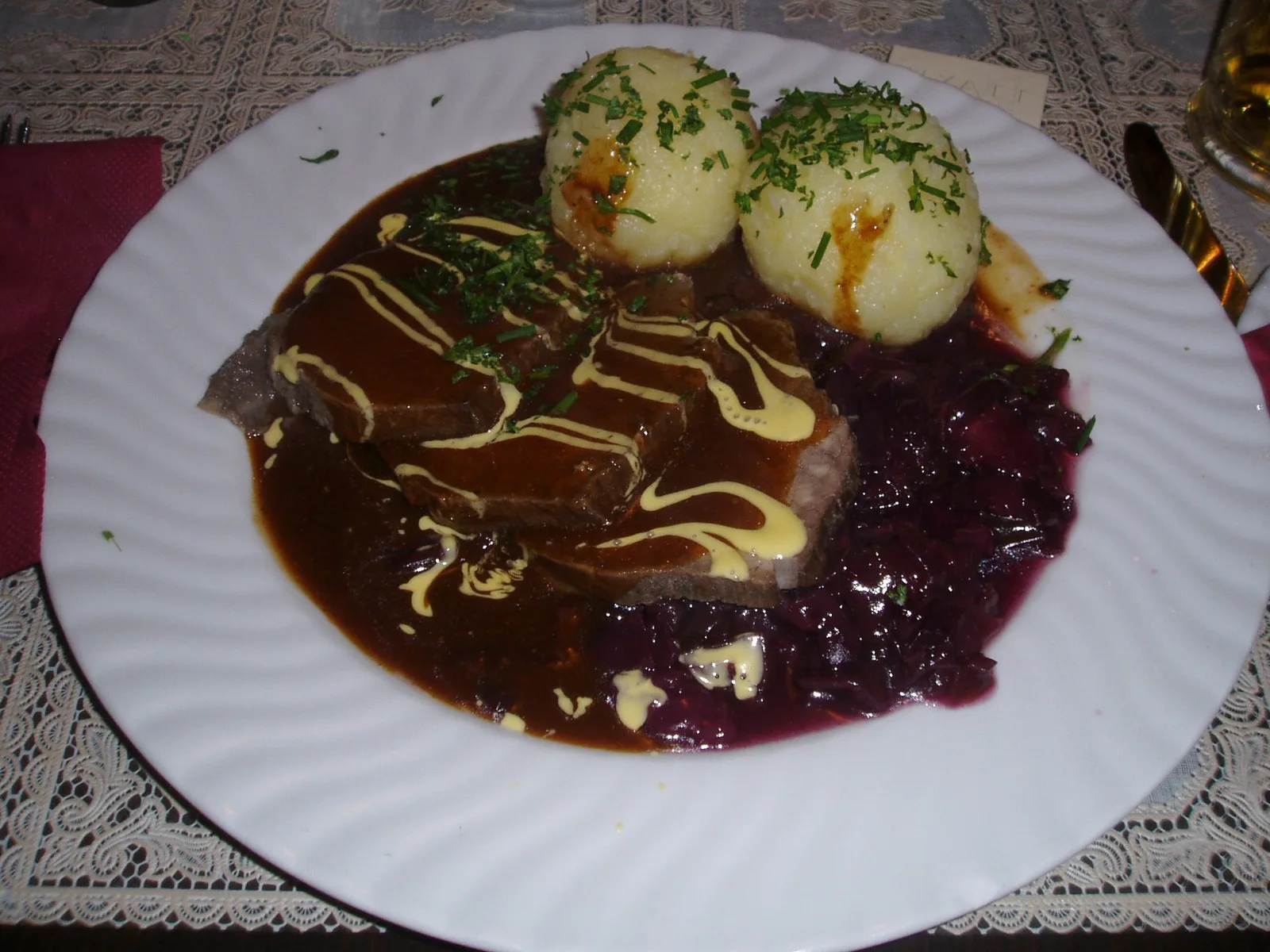
Sliced sauerbraten in dark sweet-sour gravy with potato dumplings and braised red cabbage on a white plate Germany flag Germany 3h 30m
Dinner •Rhineland Heritage

Sauerbraten

This sauerbraten recipe starts with a beef chuck roast steeped for three days in red wine vinegar, red wine and warm spices, then braised slowly until it slices like butter. The marinade becomes a dark, sweet-sour gravy thickened with crushed gingersnaps and studded with raisins, the Rhineland way. One serving is about 300 g, with gravy.

Comfort & Warmth

A slow-braised German pot roast in a sweet-sour vinegar gravy, sliced thick and served hot with potato dumplings and red cabbage.

Pairs Well With
Potato dumplings, braised red cabbage & a glass of Spätburgunder
High Protein
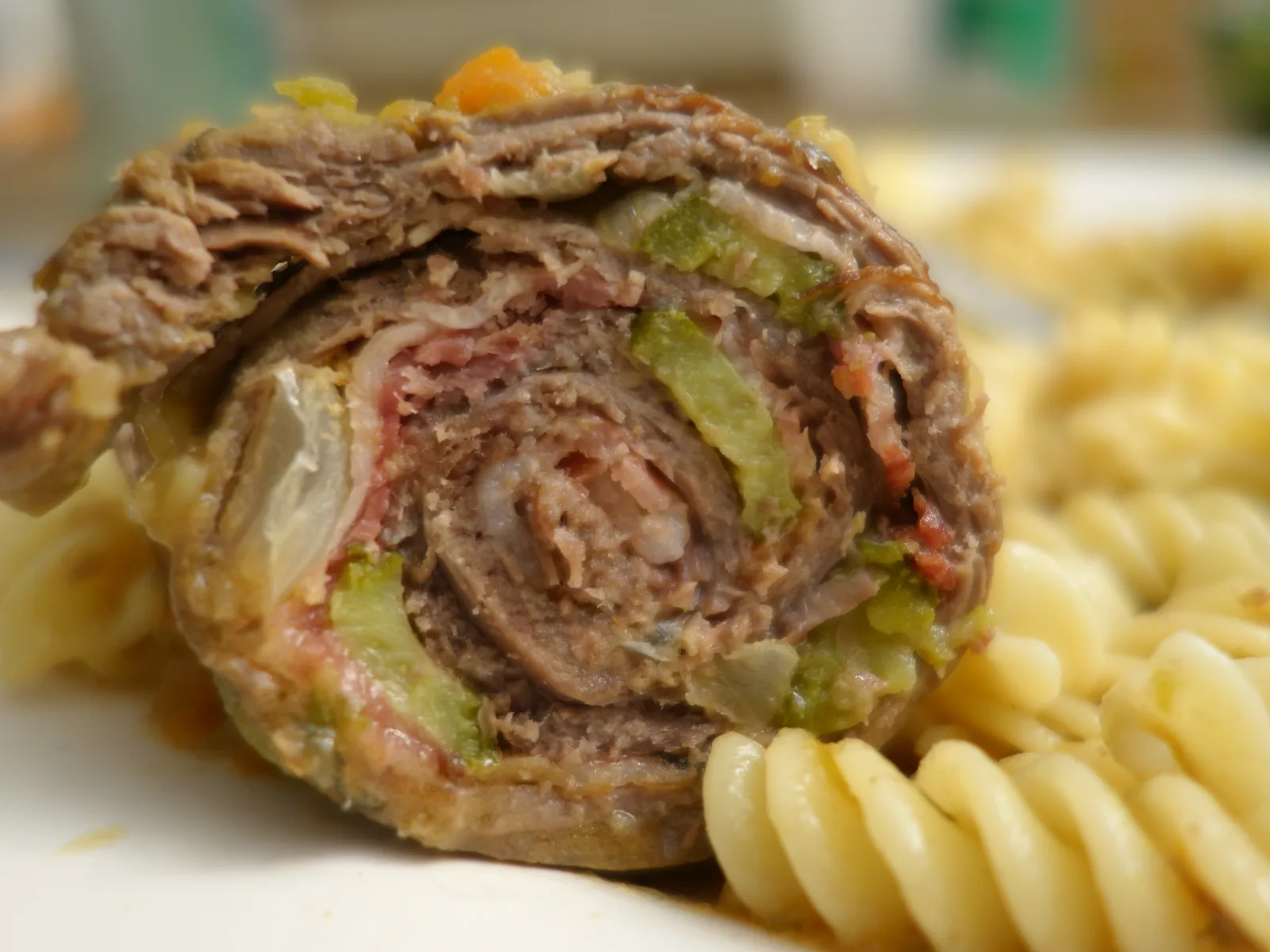
A sliced German beef roulade showing the spiral of beef, bacon and dill pickle, served with pasta Germany flag Germany 2h 10m
Dinner •German Sunday Heritage

Rouladen

This rouladen recipe spreads thin slices of top round with mustard, then rolls them around smoky bacon, dill pickles and onion into neat parcels. The rolls are browned, then braised slowly in red wine and beef stock until tender, and the braising liquid becomes a rich gravy. One serving is about 375 g — two rolls with gravy.

Comfort & Warmth

Thin beef rolls stuffed with bacon, dill pickle and onion, braised in red wine gravy and served hot with dumplings.

Pairs Well With
Potato dumplings, braised red cabbage & a German lager
High Protein
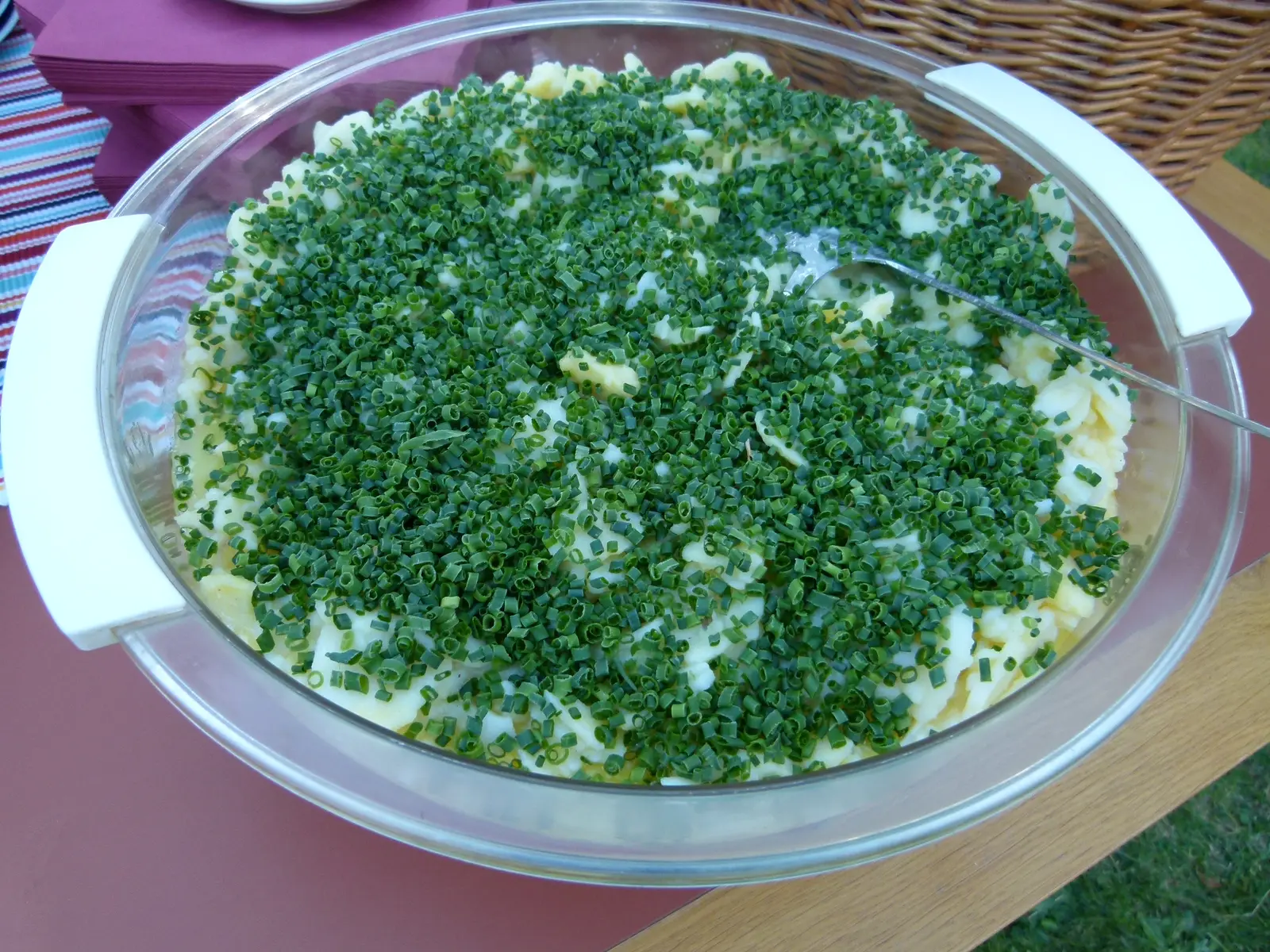
A glass bowl of warm Swabian potato salad topped with chopped chives Germany flag Germany 45m
Lunch •Swabian Heritage

German Potato Salad

This german potato salad recipe is the warm Swabian kind: waxy potatoes sliced while still hot, tossed with crisp bacon, soft onion and sliced egg, then dressed with hot beef stock, vinegar and mustard so every slice drinks up the tangy dressing. No mayonnaise anywhere — the potatoes stay light, glossy and warm. One serving is about 292 g.

Comfort & Warmth

Warm waxy potatoes in a bacon, mustard and vinegar dressing, served straight from the bowl while still steaming.

Pairs Well With
Grilled sausages, schnitzel & a cold German lager
Quick Prep (<30m)
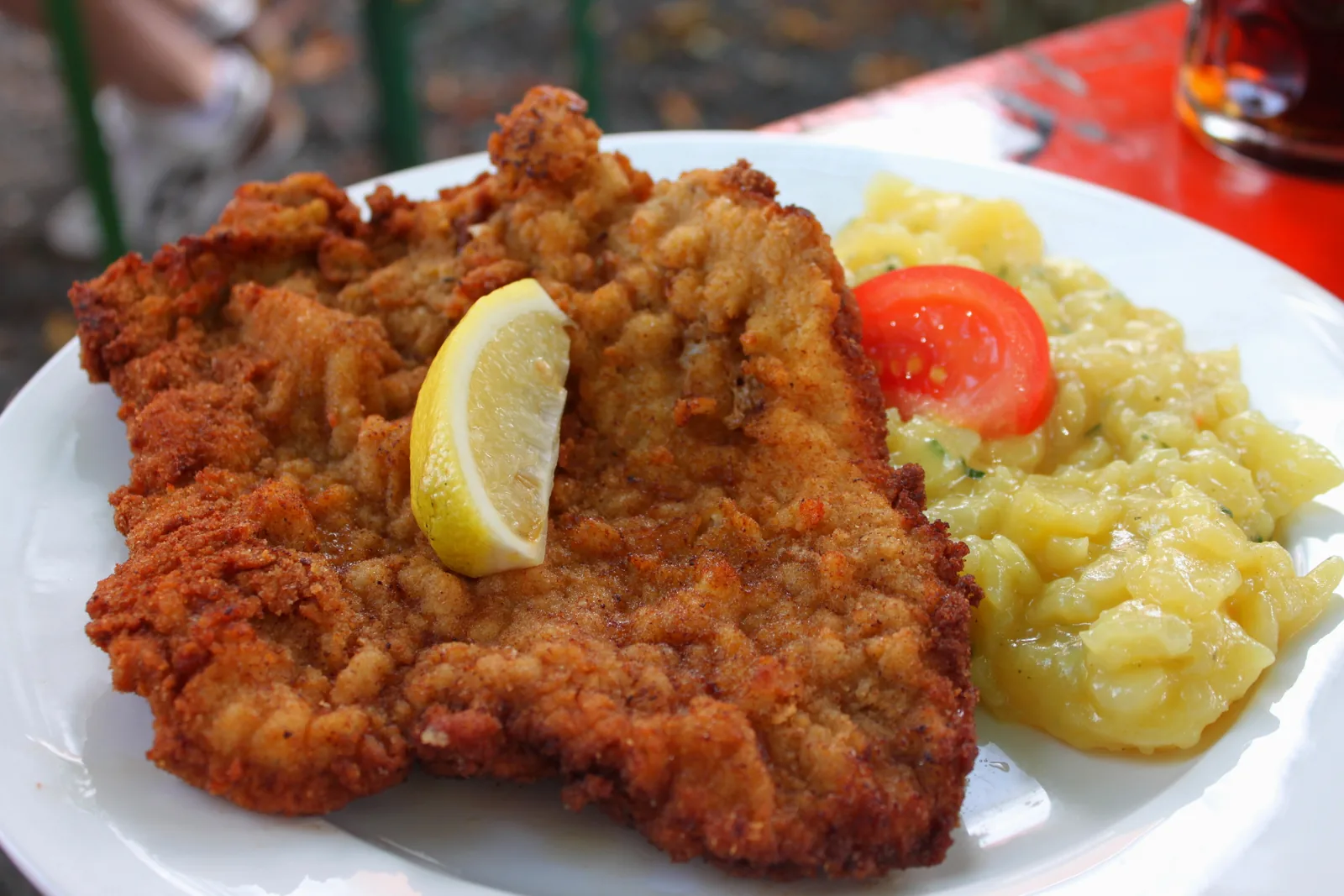
Golden breaded pork schnitzel with a lemon wedge and potato salad on a white plate Germany flag Germany 40m
Dinner •German Heritage

German Pork Schnitzel

German pork schnitzel is the everyday hero of German cooking: a pork cutlet pounded thin, coated in flour, egg and breadcrumbs, and fried in butter until it turns deep golden and crisp. This german schnitzel recipe follows the German way — real pork, a loose crumb, and a wedge of lemon on the side, with potato salad to mop up. One serving is about 200 g.

Classic Comfort

A golden, crisp pork cutlet with lemon and potato salad — a satisfying, protein-rich German dinner.

Pairs Well With
Warm potato salad, cucumber salad and a cold lager.
High Protein

The Dinner Gazette

Never wonder what’s for dinner again

One email a week with easy dinner ideas from around the world — ingredients, steps and nutrition, tested in our kitchen first.

Delivered every Thursday morning. Unsubscribe anytime.