Curated recipes from 193 countries  •  New seasonal Mediterranean issue out now

Overview

Githeri

Muthere, Mutheri, Kitheri

This githeri recipe makes Kenya's beloved one-pot meal: whole maize kernels and red kidney beans boiled together until tender, with potato, onion and tomato. Every kernel and every bean stays whole in the bowl — unlike muthokoi, where the maize is dehulled and pounded, githeri never mashes or grinds its two main ingredients. It is the humble, hearty staple of Central Kenya, filling enough to stand alone at dinner. One serving is about 407 g.

Githeri is the one-pot staple of the Kikuyu people of Central Kenya, built from the two crops that feed the region: maize and beans, boiled together until tender. Maize reached East Africa from the Americas with Portuguese traders in the 1500s, and beans followed the same route; together they became the everyday meal of Kenyan homes, school dining halls and roadside stalls. In 2017 the dish became famous far beyond Kenya when Martin Kamotho — the 'Githeri man' — was photographed eating it from a plastic bag while queuing to vote, and the image went viral overnight. Slow Food lists Githigo, a traditional Kikuyu maize, in its Ark of Taste as the classic maize for githeri.

Pairs well with: Soft Kenyan chapati, sukuma wiki and a cup of milky Kenyan chai

Provenance

Kenya flag Kenya

Central Kenya Staple

African Heritage

Time Dedication

2h 45m

15m prep • 150m cook

Batch Yield

4 Servings

564 kcal per serving

1 serving ≈ 407 g

Technical Skill

Easy

Easy (One Pot)

Meal Timing & Digestive Fit

Breakfast

Not Advised

Lunch

Hearty Midday Main

Dinner

Ideal Hearty Main

Snack & Tea

Inappropriate

Occasions: Family dinners, school lunches, weekday suppers, communal meals Cost: Low — about $2–3 per serving at home
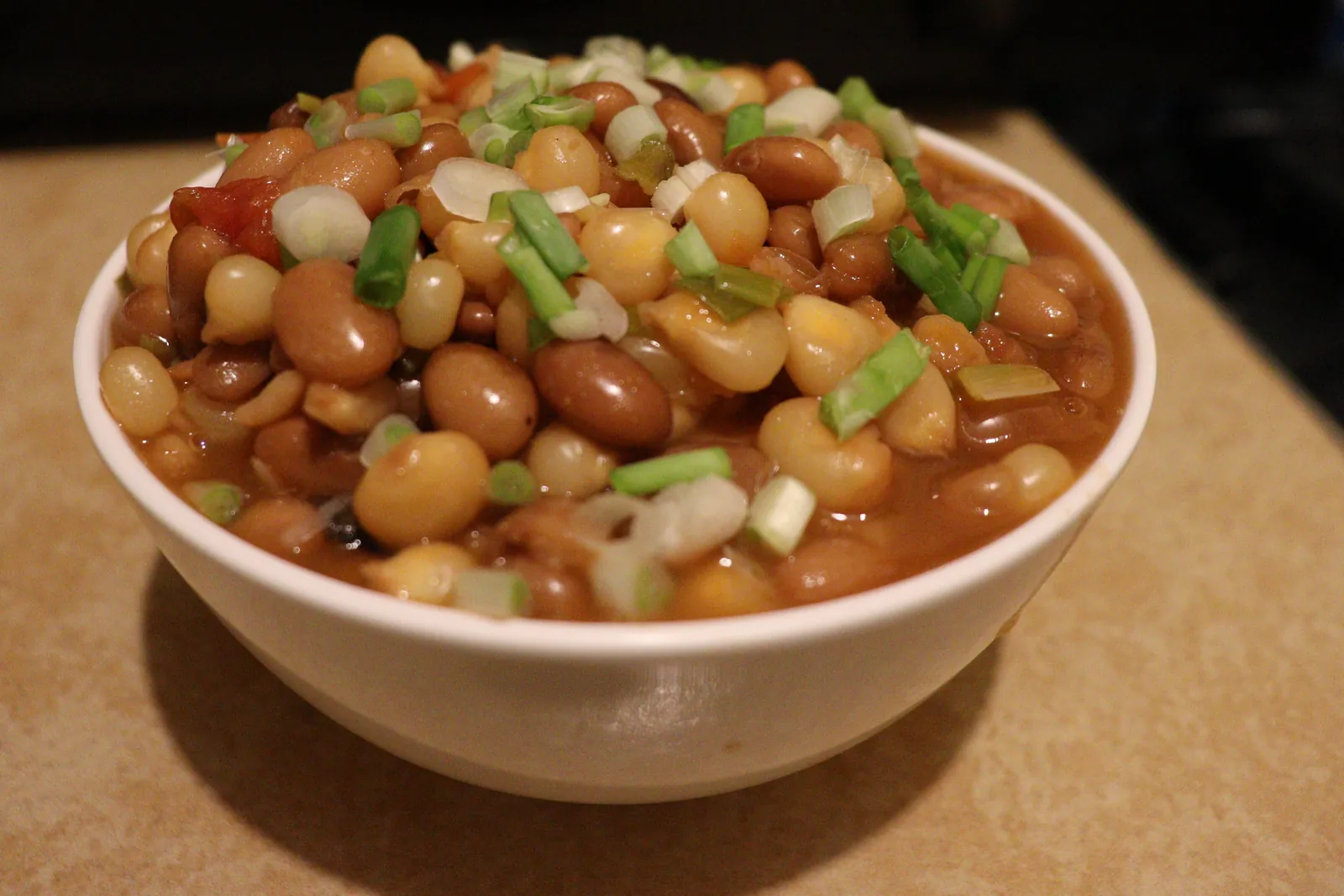
A white bowl of githeri — whole maize kernels and kidney beans stewed together in a light broth, topped with chopped spring onion

Central Kenya Staple

Photo: safaritravelplus, CC0, via Wikimedia Commons

The Heritage Formulary

Measured Ingredients

Estimated cost: Low — about $2–3 per serving at home (USD)

A good githeri is judged by its texture: every maize kernel and every bean whole and tender, never mashed, in just enough broth to moisten the pot.

Execution Methodology & Culinary Technique

Step-by-Step Cooking Guide

Active 2h 45m
P

Prep Stage: Soak the Maize and Beans Overnight

15 Mins + Overnight Soak

Pick over the dried maize and beans for stones, rinse them well, and put them in separate bowls with plenty of cold water to soak overnight — dried maize is hard and needs the long soak to cook evenly. The next day, drain and rinse both. Peel and dice the potato, chop the onion and tomatoes, and measure the oil and salt so everything is ready before the pot goes on.

Maestro Tip: Do not skip the overnight soak: unsoaked maize can take hours longer and cooks unevenly, with some kernels still hard while the beans turn to mush.

  1. 1

    Drain and Rinse the Soaked Maize and Beans

    5 Mins Room temperature, about 20°C (68°F)

    Drain the soaking water from the maize and beans and rinse them both well under running water. The soaking water is thrown away — it carries the compounds that make beans hard to digest. Put the maize and beans together in a large heavy pot.

    Soaking the maize and beans in separate bowls matters: beans soak faster than maize, and keeping them apart lets you check each one is fully plumped before cooking.

    Done when: Both the maize and the beans look plump and swollen, with no hard, shrunken kernels left.

  2. 2

    Boil the Maize and Beans Together

    90 Mins Gentle boil, about 100°C (212°F)

    Pour in 1.5 L of fresh water, bring to a boil over high heat, then turn down to a steady, gentle boil and cover with the lid slightly ajar. Cook for about 90 minutes, stirring every 20 minutes and topping up with a little boiling water if the level drops below the maize. The two ingredients cook side by side in the same pot — that is the whole point of githeri.

    Keep the boil gentle, not rolling hard: a furious boil breaks the beans apart, and githeri is judged by keeping every bean and kernel whole.

    Done when: A maize kernel is plump and tender when bitten, and a bean is soft all the way through but still holding its shape.

  3. 3

    Add the Potatoes

    30 Mins Simmer, about 95°C (200°F)

    Stir in the diced potato and keep the pot at a gentle simmer for about 30 minutes, until the potato is tender. The potato thickens the broth slightly and makes the pot more filling.

    Add the potato only after the maize and beans are nearly tender — potato added too early falls apart and clouds the broth.

    Done when: A piece of potato yields easily when pressed with a fork, and the broth has thickened just a little.

  4. 4

    Fry the Onion and Tomato Base

    15 Mins Medium heat, about 160°C (320°F)

    While the potato cooks, heat the oil in a separate pan over medium heat. Fry the onion for about 8 minutes until soft and golden, then add the chopped tomatoes and cook for about 7 minutes more, stirring, until they break down into a soft, saucy base.

    Frying the onion and tomato separately, instead of boiling them raw in the pot, is what gives githeri its flavour — the base should be sweet and saucy, not raw and sharp.

    Done when: The onion is soft and golden and the tomato has melted into a thick, fragrant sauce.

  5. 5

    Combine, Season and Rest

    15 Mins Low simmer, about 90°C (195°F)

    Stir the fried onion and tomato base into the pot and add the salt. Simmer gently for 15 minutes so the flavours meet and the broth takes on the colour of the tomato. Taste and adjust the salt, then take the pot off the heat and rest it for 10 minutes before serving.

    Salt goes in at the end, not at the start: salt added early can toughen the bean skins and slow the cooking.

    Done when: The broth is lightly thickened and tomato-tinted, and every maize kernel and bean is whole, tender and distinct in the bowl.

Finishing Touches & Plating

Rest the pot off the heat for 10 minutes so the broth settles and the flavours come together. Serve hot in deep bowls, with the maize kernels and beans still whole and distinct — scatter a little chopped spring onion over the top if you like, and eat it with chapati for scooping.

Nutritional Physiology & Benefits

Nutrition

Energy

564

kcal / serving

Protein

19g

Complete AA

Carbs

103g

Complex

Fats

10g

Healthy

Per serving (4 servings · 1 serving ≈ 407 g)
Energy564 kcal
Protein19 g
Carbohydrates103 g
Fat10 g
Fibre15.4 g
Sugar4.8 g
Sodium524 mg
Per 100g
Energy139 kcal
Protein4.7 g
Carbohydrates25.2 g
Fat2.6 g
Fibre3.8 g
Sugar1.2 g
Sodium129 mg

Nutrition values are estimated — calculated from USDA FoodData Central values for the listed ingredients.

Vitamins & minerals: Folate and iron (kidney beans), potassium (beans, potato), vitamin C (tomato), magnesium (beans, maize), small amounts of vitamin B6 (potato, beans).

Complete Plant Protein

Maize and beans complement each other: beans supply the amino acids maize lacks, and maize supplies the ones beans lack, so together they give about 19.2 g of protein per serving with no meat needed.

High in Fibre

One serving carries about 15.4 g of fibre from the whole maize, beans and potato, which supports digestion and keeps you full for hours.

Naturally Low in Fat

About 10.4 g of fat per serving, no cholesterol and no animal fat — the richness of githeri comes from the beans and maize themselves, not from added fat.

Food Pairings

What to Eat With

To optimize nutrient absorption and elevate the sensory depth, pair with these authentic accompaniments:

Sides

Soft Kenyan Chapati

Chapati is the classic partner: tear off a piece to scoop up the beans and soak up the light tomato broth, and its soft, layered bread turns a simple pot into a full meal.

Vegetables

Sukuma Wiki

Sukuma wiki — collard greens sautéed with onion and tomato — adds a slightly bitter, leafy contrast that cuts through the earthy, starchy pot.

More Pairings

Kachumbari

This fresh tomato and onion salad adds crunch and a sharp, acidic lift that brightens the mild, earthy flavour of the maize and beans.

Drinks

Milky Kenyan Chai

A cup of sweet, spiced, milky chai is the drink Kenyans reach for with githeri — its warmth and spice round off the plain, hearty pot.

Complete menu

Serve githeri in deep bowls with soft chapati and sukuma wiki on the side, a spoonful of kachumbari on top, and milky Kenyan chai to drink.

Digestive Guardrails

What NOT to Combine

To prevent digestive distress, sluggishness, or palate clash, avoid pairing the dish with these elements:

Mashing or Blending the Pot

Mashing turns githeri into a different dish — closer to mukimo — and destroys the whole-kernel, whole-bean texture that defines it. Keep the maize and beans whole; a mashed starchy pot also digests faster and leaves you hungry sooner. This is general nutrition information, not medical advice.

Undercooked Dried Beans

Raw or undercooked kidney beans contain phytohaemagglutinin, a lectin that can cause nausea, vomiting and stomach cramps. Always boil the beans vigorously until fully tender — never taste or serve half-cooked beans. This is general food-safety information, not medical advice.

Too Much Salt or Stock Cubes

Githeri is naturally modest in sodium at about 524 mg per serving. Heavy stock cubes or a salty hand push the sodium up sharply and drown the clean maize-and-bean flavour, so season lightly and taste before adding more. This is general nutrition information, not medical advice.

General information only, not medical advice — consult a doctor for personal dietary decisions.

Who Should Eat It

Who Should Eat

  • General adultsA filling, everyday dinner — one 407 g serving is generous, so pair it with greens or kachumbari rather than eating a second helping of the pot alone.
  • ChildrenSuitable for children once the maize and beans are fully tender; the mild flavour is usually well liked, and the pot is naturally free of chilli.
  • ElderlyGood for older adults who enjoy a soft, easy-to-chew meal; make sure the maize is cooked until fully tender, as undercooked kernels are hard to chew.
  • Pregnant womenGenerally suitable: the beans supply folate and iron, and the dish is cooked all the way through. Keep portions moderate because it is high in carbohydrate.
  • Breastfeeding womenGenerally suitable; the protein, iron and energy are useful, though the high fibre and beans can cause gas — eat slowly and drink water with the meal.
  • AthletesA solid recovery meal — about 564 kcal and 102.5 g of carbohydrate per serving to replace energy, with 19.2 g of protein; add chapati for extra fuel after training.
  • Weight gainEasy to eat more of: have a second helping, add chapati, and stir in an extra spoonful of oil for more energy.
  • Weight lossKeep to one serving and fill the rest of the plate with sukuma wiki and kachumbari; the pot itself is filling at 564 kcal per serving, so the vegetables do the extra filling.

Health Conditions — Adjust or Avoid

Conditions

  • DiabetesOne serving carries about 102.5 g of carbohydrate, mostly from the maize, beans and potato, so blood sugar can rise substantially. Keep to one serving, pair it with greens rather than chapati, and ask your clinician about your overall meal plan.
  • High blood pressureAbout 524 mg of sodium per serving. Go easy on added salt and skip salty stock cubes, and ask your clinician whether this fits your daily sodium limit.
  • Kidney diseaseHigh in potassium from the beans and potato, with about 19.2 g of protein per serving; people with kidney disease should ask their clinician before eating large portions.
  • GoutBeans are moderately high in purines, so a large serving can raise uric acid; keep portions modest and infrequent if you have gout, and ask your clinician.
  • Stomach issuesThe 15.4 g of fibre and the beans can cause gas and bloating. Soaking overnight and cooking until fully tender helps; eat slowly and chew well, and ask your clinician if symptoms persist.
  • Cardiovascular diseaseNaturally low in fat, cholesterol-free and high in fibre, so it generally fits a heart-friendly eating pattern; ask your clinician about portion size and frequency.
  • Fatty liverLow in fat, high in fibre and plant-based, so it is generally suitable as part of a balanced diet; ask your clinician about your overall diet.
  • Food allergiesContains kidney beans (a legume); people with a legume allergy should avoid this dish. As written it contains no gluten, dairy, egg, nuts or seafood.
  • Special therapeutic dietsVegan, vegetarian and gluten-free as written; not suitable for low-carbohydrate or low-potassium therapeutic diets without adaptation — ask your clinician or dietitian about an adapted version.

If you have a medical condition, consult your doctor before changing your diet.

Storage & Use

Storage & Use

How to store
Cool quickly, then store in an airtight container.
In the fridge
4 days in the refrigerator.
In the freezer
3 months in the freezer.
How to reheat
Reheat in a covered pot over medium heat until steaming hot all the way through, about 74°C (165°F); add a splash of water if it has thickened.
Freezing recommended
Yes — githeri freezes well for up to 3 months.
Signs it has spoiled
Sour or off smell, slimy texture, or any mould.

More recipes to explore

Charred bone-in nyama choma grilling over charcoal Kenya flag Kenya 1h 15m
Dinner •Kenya Heritage

Nyama Choma

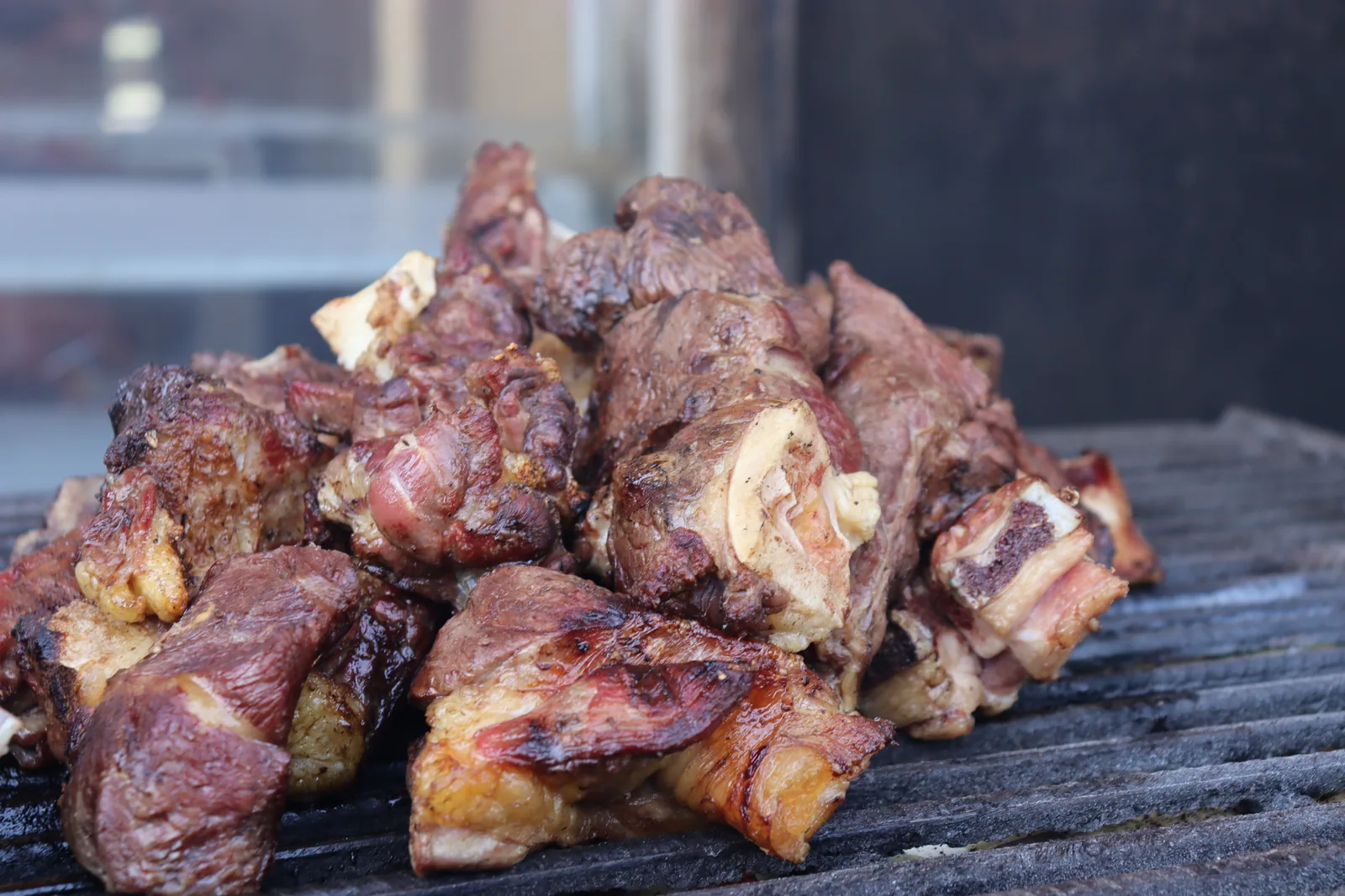
Nyama choma means roast meat in Swahili, and this nyama choma recipe is Kenya's charcoal-grilled classic: beef rubbed with garlic, ginger and lemon, cooked low and slow over glowing coals until the edges crisp and the centre stays juicy. It is the centrepiece of Kenyan weekends, sliced hot off the grill and eaten with the hands. One serving is about 250 g.

High-Protein Grilling

Beef chunks rubbed with garlic, ginger, lemon and coriander, grilled slowly over charcoal until charred outside and juicy inside.

Pairs Well With
Ugali, kachumbari & cold lager
High Protein
A plate of white ugali with sautéed sukuma wiki collard greens Kenya flag Kenya 45m
Dinner •Kenya Heritage

Ugali with Sukuma Wiki

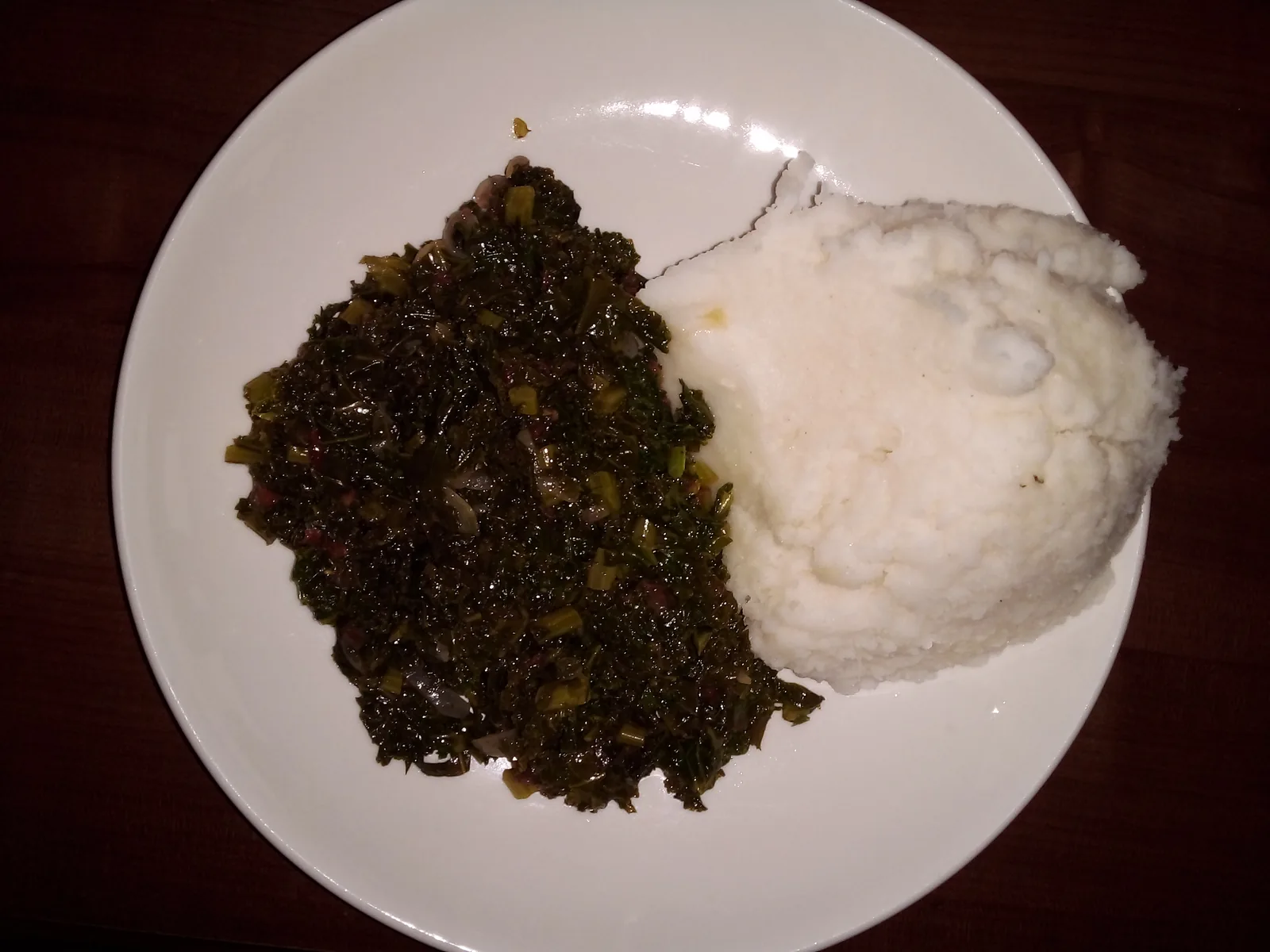
This ugali sukuma wiki recipe is the plate Kenya eats most days: a firm mound of white maize ugali, torn off by hand and used to scoop up sukuma wiki — collard greens sautéed with onion, tomato and garlic until just wilted. It costs very little, fills you up, and carries a surprising amount of fibre and vitamins. One serving is about 475 g.

Everyday Energy

Firm white maize ugali with sautéed collard greens, onion, tomato and garlic — Kenya's everyday plate.

Pairs Well With
Nyama choma, kachumbari & black tea
A pot of Kenyan pilau rice with beef and potatoes Kenya flag Kenya 1h 15m
Dinner •Swahili Coast Heritage

Kenyan Pilau

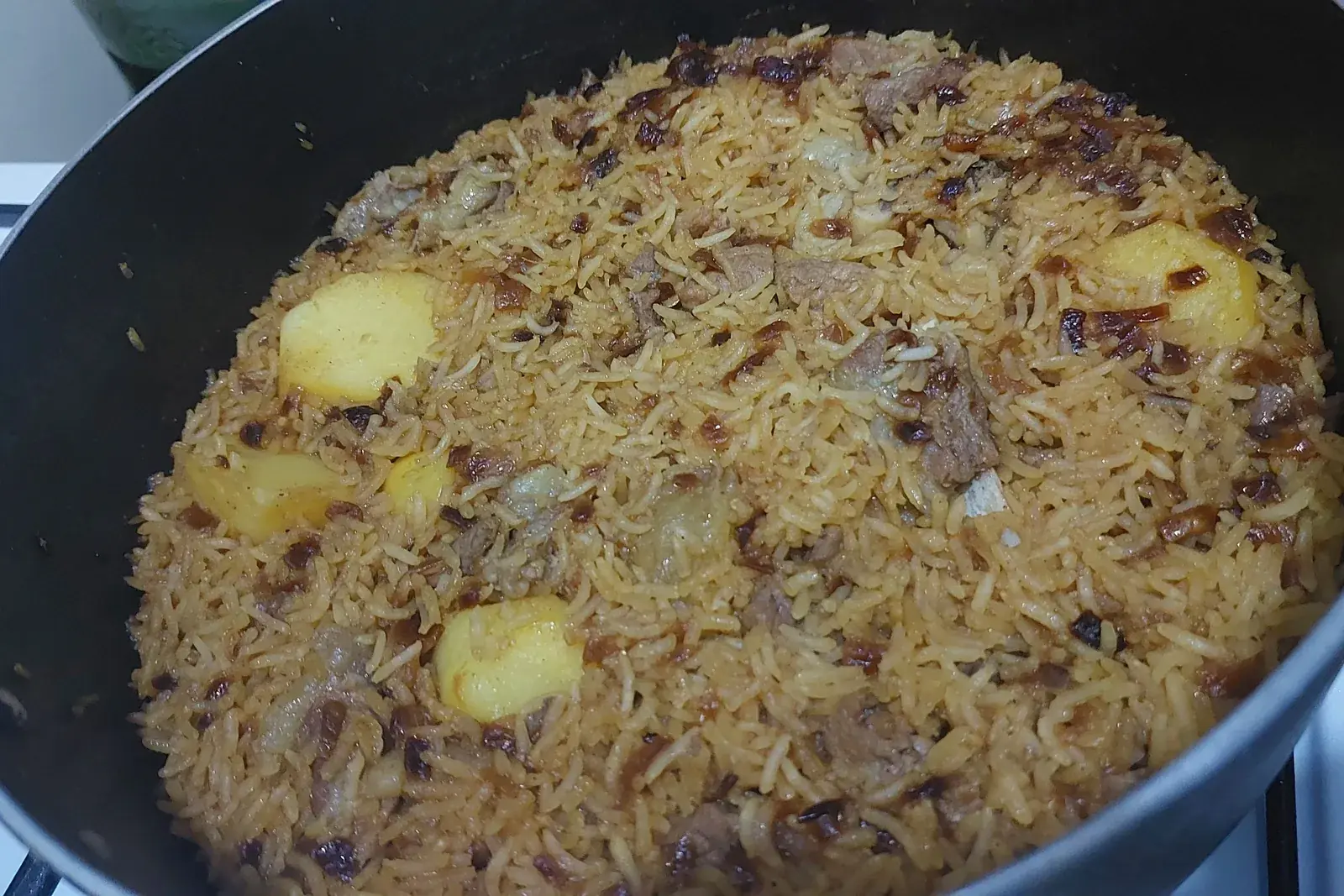
This kenyan pilau recipe is the Swahili coast's celebration rice: long-grain basmati cooked in rich beef broth with pilau masala — cumin, cardamom, cinnamon, cloves and black pepper — plus tender beef and potatoes, all in one pot. The onions are browned until dark and sweet, the spices are bloomed in oil, and the rice steams until every grain is separate and fragrant. One serving is about 385 g.

Celebration Rice

Basmati rice cooked in beef broth with pilau masala, potatoes and browned onions — the Swahili coast's celebration dish.

Pairs Well With
Kachumbari, pilipili & hot chai
A stack of golden-spotted Kenyan chapatis on a white plate Kenya flag Kenya 1h 15m
Dinner •Kenya Everyday Bread

Kenyan Chapati

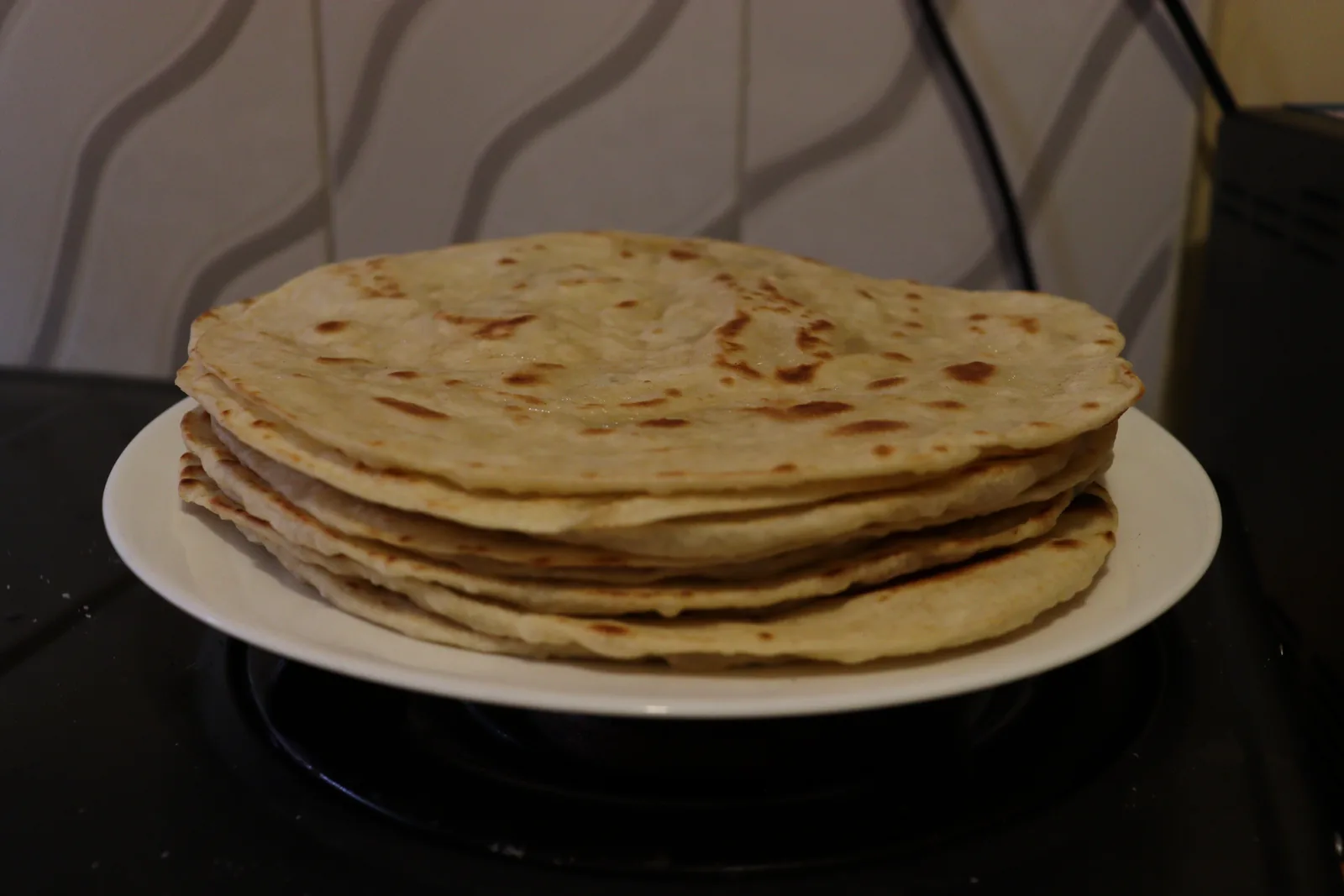
This kenyan chapati recipe makes eight soft, golden flatbreads with delicate oil layers that peel apart as you tear them. Unlike the crisp wholewheat parathas of South Asia, Kenyan chapati is made from white flour, rolled thin, brushed with oil, coiled and flattened again, so it stays soft and pliable for scooping up stew. One serving is about 205 g (two chapatis).

Comfort & Warmth

Soft white-flour flatbread, layered with oil and pan-fried golden — Kenya's everyday bread for scooping up stews.

Pairs Well With
Serve warm with Kenyan beef stew, ndengu (green grams) or a cup of spiced Kenyan chai.

The Dinner Gazette

Never wonder what’s for dinner again

One email a week with easy dinner ideas from around the world — ingredients, steps and nutrition, tested in our kitchen first.

Delivered every Thursday morning. Unsubscribe anytime.