
Curated recipes from 193 countries  •  New seasonal Mediterranean issue out now

Overview

Har Gow

Har Gow, Ha Gow, Crystal Shrimp Dumplings, Xia Jiao

This har gow recipe makes the crystal shrimp dumplings that every dim sum table is judged by: a translucent wheat-starch wrapper, pleated with 9–13 folds, wrapped around a juicy filling of chopped shrimp and bamboo shoot. They are steamed in bamboo for just ten minutes, so the wrapper turns glassy and the shrimp stays sweet and tender. One serving is about 214 g — five dumplings.

Har gow was created in a small family-run teahouse in Wufeng village, just outside Guangzhou, in the early 20th century — the late 1920s, by one account. The first wrappers were made from rice flour, but Guangzhou's master chefs refined the dough to wheat starch mixed with tapioca starch, which steams into a wrapper so clear you can see the pink shrimp inside. The dumpling became the test of a dim sum kitchen: a good har gow has 9 to 13 neat pleats, a wrapper thin enough to be translucent, and a filling that is juicy rather than dry.

Pairs well with: Jasmine tea, siu mai, and cheung fun rice rolls.

Provenance

China flag China

Guangdong Heritage

East & South Asia

Time Dedication

55m

45m prep • 10m cook

Batch Yield

4 Servings

372 kcal per serving

1 serving ≈ 214 g

Technical Skill

Advanced

Hard (Pleated Wrappers)

Meal Timing & Digestive Fit

Breakfast

Not Advised

Lunch

Prime Metabolic Fit

Dinner

Ideal Hearty Main

Snack & Tea

Inappropriate

Occasions: Dim sum brunches, yum cha, Lunar New Year, when you want a showpiece dumpling Cost: Moderate — about $4–5 per serving at home
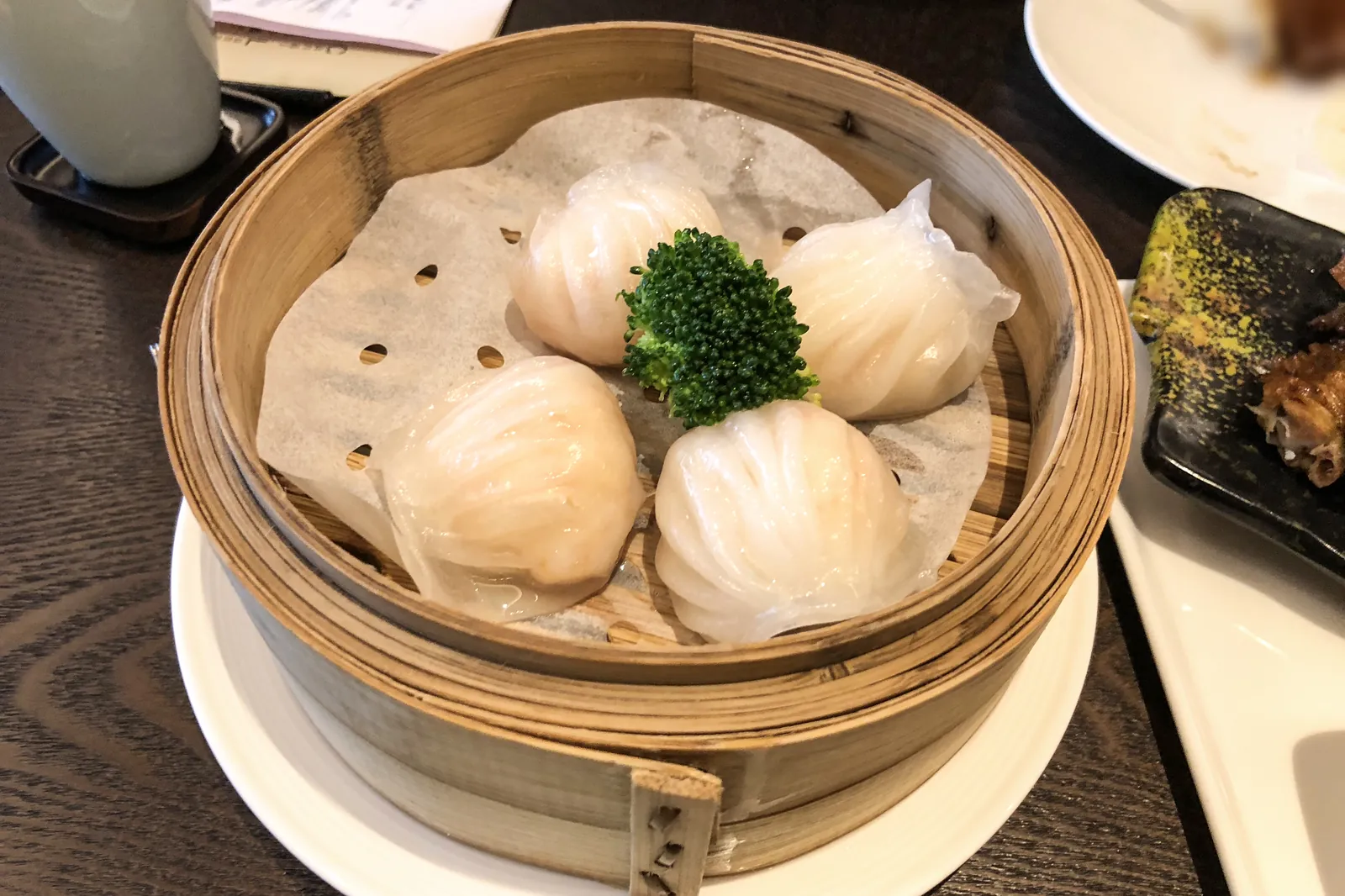
Four translucent har gow shrimp dumplings in a bamboo steamer with a broccoli garnish

Guangdong Heritage

Photo: N509FZ, CC BY-SA 4.0, via Wikimedia Commons

The Heritage Formulary

Measured Ingredients

Estimated cost: Moderate — about $4–5 per serving at home (USD)

Good har gow is judged by the wrapper: translucent enough to see the pink shrimp inside, with 9-13 neat pleats, and a filling that is juicy, not dry.

Execution Methodology & Culinary Technique

Step-by-Step Cooking Guide

Active 55m
P

Prep Stage: Dough, Filling and Steamer

45 Mins • Dough & Filling

Make the dough first, because it needs to rest while you prepare the filling — a rested dough rolls thin and pleats without cracking. While it rests, chop the shrimp, mix the filling and line the bamboo steamer, so the dumplings go straight from shaping to steam.

Maestro Tip: Keep the dough covered with a damp cloth the whole time: wheat-starch dough dries out in minutes and cracks when you fold it.

  1. 1

    Make the Dough

    25 Mins Boiling water, 100°C (212°F)

    Mix the wheat starch and tapioca starch in a heatproof bowl. Pour in the boiling water all at once and stir quickly with chopsticks until a shaggy dough forms. Add the oil and knead for 2-3 minutes until smooth and glossy, then cover with a damp cloth and rest for 20 minutes.

    Pour the water in all at once — a slow pour cooks the starch unevenly and makes a lumpy dough.

    Done when: The dough is smooth, soft and translucent, and does not stick to your hands.

  2. 2

    Mix the Filling

    15 Mins No heat

    While the dough rests, chop half the shrimp finely and half coarsely, and mix with the bamboo shoots, pork fat, ginger, sesame oil, Shaoxing wine, salt, sugar, cornstarch, soy sauce and white pepper. Stir in one direction until the mixture is sticky and holds together.

    Stir in one direction only — it builds the springy texture that makes the dumpling juicy instead of crumbly.

    Done when: The filling is sticky and springy, and holds its shape when scooped.

  3. 3

    Roll and Pleat

    30 Mins No heat

    Divide the dough into 20 equal pieces and keep them covered. Roll each piece into a thin round about 8 cm across — thinner at the edges than in the centre. Put a teaspoon of filling in the middle, then pleat the edge with 9-13 small folds, pressing the wrapper closed so the dumpling curves into a crescent with the filling sealed inside.

    Keep the unused dough covered and work fast — a dry wrapper cracks and will not seal.

    Done when: Each dumpling is a neat crescent with 9-13 pleats and no gaps or tears in the wrapper.

  4. 4

    Steam Until Translucent

    10 Mins Rolling boil, 100°C (212°F)

    Line a bamboo steamer with cabbage leaves or parchment, and set the dumplings inside with space between them. Bring a wok of water to a rolling boil, 100°C (212°F), set the steamer over it, cover and steam for 10 minutes, until the wrappers turn translucent and the shrimp inside is pink.

    Do not lift the lid during steaming — the blast of cool air can make the wrappers collapse.

    Done when: The wrappers are glassy and translucent with the pink shrimp visible inside; the filling is cooked through.

  5. 5

    Serve Straight from the Steamer

    2 Mins Serve hot, about 70°C (158°F)

    Lift the steamer off the heat and serve the dumplings at once, in the bamboo basket, with the rice vinegar and chilli oil mixed together as a dipping sauce.

    Serve within minutes: a har gow that cools loses its translucency and its charm.

    Done when: The dumplings are hot, glassy and tender, with juicy shrimp inside.

Finishing Touches & Plating

Serve the dumplings straight from the steamer, in the bamboo basket, with the dipping sauce on the side. Eat them hot — har gow waits for no one.

Nutritional Physiology & Benefits

Nutrition

Energy

372

kcal / serving

Protein

16g

Complete AA

Carbs

49g

Complex

Fats

13g

Healthy

Per serving (4 servings · 1 serving ≈ 214 g)
Energy372 kcal
Protein16 g
Carbohydrates49 g
Fat13 g
Fibre0.5 g
Sugar1.3 g
Sodium356 mg
Per 100g
Energy174 kcal
Protein7.3 g
Carbohydrates22.8 g
Fat6.1 g
Fibre0.2 g
Sugar0.6 g
Sodium166 mg

Nutrition values are estimated — calculated from USDA FoodData Central values for the listed ingredients.

Vitamins & minerals: Shrimp supplies iodine, selenium and vitamin B12; bamboo shoots add potassium and fibre; ginger brings warmth and aroma.

Lean Protein, Light on Calories

With about 16 g of protein per serving and only about 372 kcal, har gow is a light, satisfying dim sum that leaves room for the rest of the table.

Simple, Honest Shrimp Filling

The filling is simply shrimp, bamboo shoot and a little pork fat, seasoned lightly — the sweetness of the shrimp is the point, not a heavy sauce.

Steamed, Not Fried

Steaming keeps the fat low and the nutrients in: no frying, no heavy oil, just a bamboo steamer and ten minutes of steam.

Food Pairings

What to Eat With

To optimize nutrient absorption and elevate the sensory depth, pair with these authentic accompaniments:

Drinks

Jasmine or Chrysanthemum Tea

Hot jasmine or chrysanthemum tea is the dim sum drink: it cleanses the palate between dumplings and is the whole point of yum cha — drinking tea while eating.

Sides

Siu Mai

Siu mai and har gow are the two dumplings every dim sum kitchen is judged on, so serving them together is the classic test of the table.

Cheung Fun Rice Rolls

Silky rice rolls beside the delicate har gow give the spread a second texture, and their mild flavour lets the shrimp shine.

Full Menus

As the Star of a Dim Sum Spread

Har gow leads a dim sum spread — serve it first, while it is hot, with tea poured and the steamer still steaming on the table.

Complete menu

Serve the har gow as the star of a dim sum spread with siu mai, cheung fun rice rolls and chrysanthemum or jasmine tea — the dumplings are the test of the kitchen, so let them lead.

Digestive Guardrails

What NOT to Combine

To prevent digestive distress, sluggishness, or palate clash, avoid pairing the dish with these elements:

Letting the Dumplings Sit and Cool

A cool or lukewarm har gow is a different, worse dish — the wrapper firms up and the shrimp goes dull. Eat them within minutes of the steamer. This is general guidance, not medical advice.

Overfilling or Forcing the Wrapper

The wrappers are delicate by design — wheat starch and tapioca make them translucent but fragile, so forcing a fold or overfilling tears them and spills the filling. This is general guidance, not medical advice.

General information only, not medical advice — consult a doctor for personal dietary decisions.

Who Should Eat It

Who Should Eat

  • General adultsA dim sum classic — 5 dumplings per person makes a light lunch or a generous starter.
  • ChildrenSuitable from age 6+; the wrappers are soft and the shrimp filling is mild, but check the dumplings are not too hot inside.
  • ElderlySoft, small and easy to chew; serve warm, not piping hot, and go easy on the chilli oil dip.
  • Pregnant womenGenerally suitable; the shrimp is fully steamed and the wrappers are cooked through — use a light soy dip instead of chilli oil.
  • Breastfeeding womenGenerally suitable; the shrimp supplies lean protein and iodine, and the dumplings are light.
  • AthletesA light, lean choice at about 372 kcal with 16 g of protein — good as part of a larger dim sum spread.
  • Weight gainAt about 372 kcal a serving it is light, so pair it with richer dim sum dishes if you need more energy.
  • Weight lossA good choice at about 372 kcal with 16 g of protein; the steaming keeps the fat low, and 5 dumplings are a satisfying portion.

Health Conditions — Adjust or Avoid

Conditions

  • DiabetesThe wrappers are almost entirely starch — about 49 g of carbohydrate per serving — so keep the portion to 5 dumplings and skip the sweet dipping sauce. Ask your clinician about portion size.
  • High blood pressureThe sodium is modest at about 356 mg per serving, but the soy dipping sauce adds a lot — use the vinegar dip instead. Ask your clinician about the dip.
  • Kidney diseaseThe shrimp and egg-free filling keep the protein moderate; keep to one serving of 5 dumplings. Ask your clinician about portion size.
  • GoutShrimp is high in purines, so eat har gow occasionally and in a modest portion.
  • Stomach issuesThe dumplings are light and steamed, so they are usually well tolerated — avoid the chilli oil dip if your stomach is sensitive.
  • Cardiovascular diseaseThe steaming keeps the fat low, but the pork fat in the filling adds some saturated fat; enjoy as part of a varied spread. Ask your clinician about frequency.
  • Fatty liverA light, steamed choice that fits well; the main caution is the starchy wrapper, so keep the portion modest.
  • Food allergiesContains shellfish (shrimp) and gluten (wheat starch). The dip may contain soy and sesame.
  • Special therapeutic dietsIf you follow a prescribed low-purine diet, limit the shrimp dumplings and check with your clinician.

If you have a medical condition, consult your doctor before changing your diet.

Storage & Use

Storage & Use

How to store
Store cooked dumplings in an airtight container in the fridge; uncooked dumplings freeze on a tray before bagging.
In the fridge
Cooked dumplings 1 day, covered; re-steam to warm.
In the freezer
Uncooked dumplings freeze for 1 month on a tray, then bagged; steam from frozen for 12-14 minutes.
How to reheat
Re-steam for 3-4 minutes until hot through, to 74°C (165°F) inside; do not microwave — the wrappers go tough.
Freezing recommended
Uncooked dumplings only — cooked ones go rubbery.
Signs it has spoiled
Sour smell, grey or dull shrimp, or a slimy wrapper.

More recipes to explore

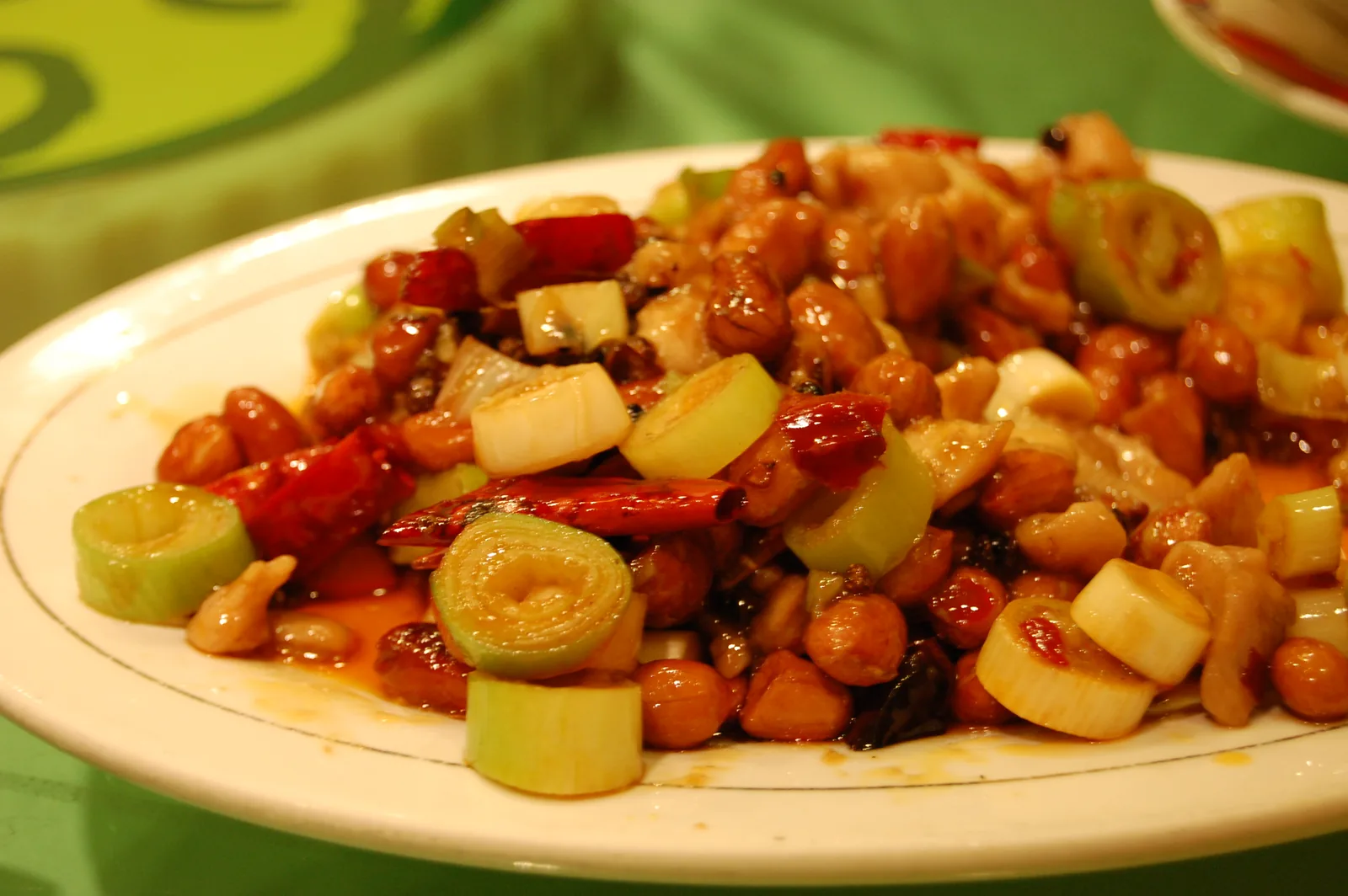
Kung pao chicken in a white dish: diced chicken, roasted peanuts, dried red chillies and scallions in a glossy sauce China flag China 35m
Dinner •Sichuan Heritage

Kung Pao Chicken

This kung pao chicken recipe is the Sichuan original: bite-sized chicken wok-fried with dried red chillies, tingling Sichuan peppercorns, scallions and crisp roasted peanuts, all glossed with a sweet-sour soy and black vinegar sauce. It is hot, numbing, a little sweet and deeply savoury — the mala flavour that defines Sichuan cooking. One serving is about 200 g, served with rice.

Bold & Satisfying

A fast wok stir-fry of chicken, peanuts and dried chillies with Sichuan peppercorns, ready in about 35 minutes.

Pairs Well With
Steamed jasmine rice and a cool cucumber salad to balance the heat.
High Protein • Quick Prep (<30m)
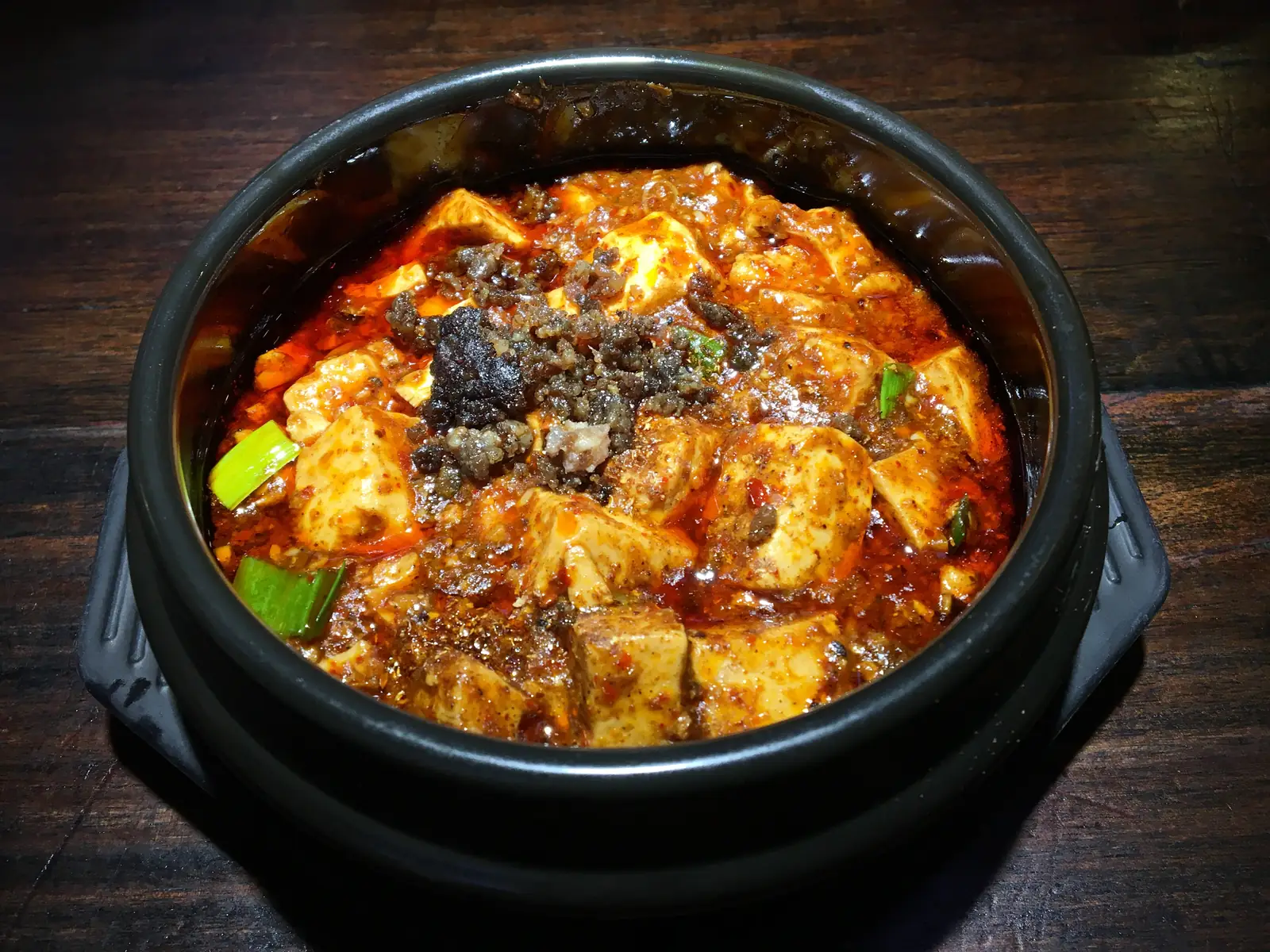
Mapo tofu in a black pot: silken tofu cubes in a bright red mala sauce with minced beef and scallions China flag China 35m
Dinner •Chengdu Heritage

Mapo Tofu

This mapo tofu recipe is the Chengdu classic: cubes of silken tofu simmered in a bright red mala sauce of doubanjiang, fermented black beans and Sichuan peppercorns, with crisp minced beef scattered through it. The sauce is numbing, hot, salty and fragrant all at once — and it is the sauce, not the tofu, that makes the dish. One serving is about 220 g, served with rice.

Bold & Warming

Silken tofu simmered in a numbing-spicy doubanjiang sauce with minced beef, ready in about 35 minutes.

Pairs Well With
Steamed jasmine rice and a cool cucumber salad to balance the mala heat.
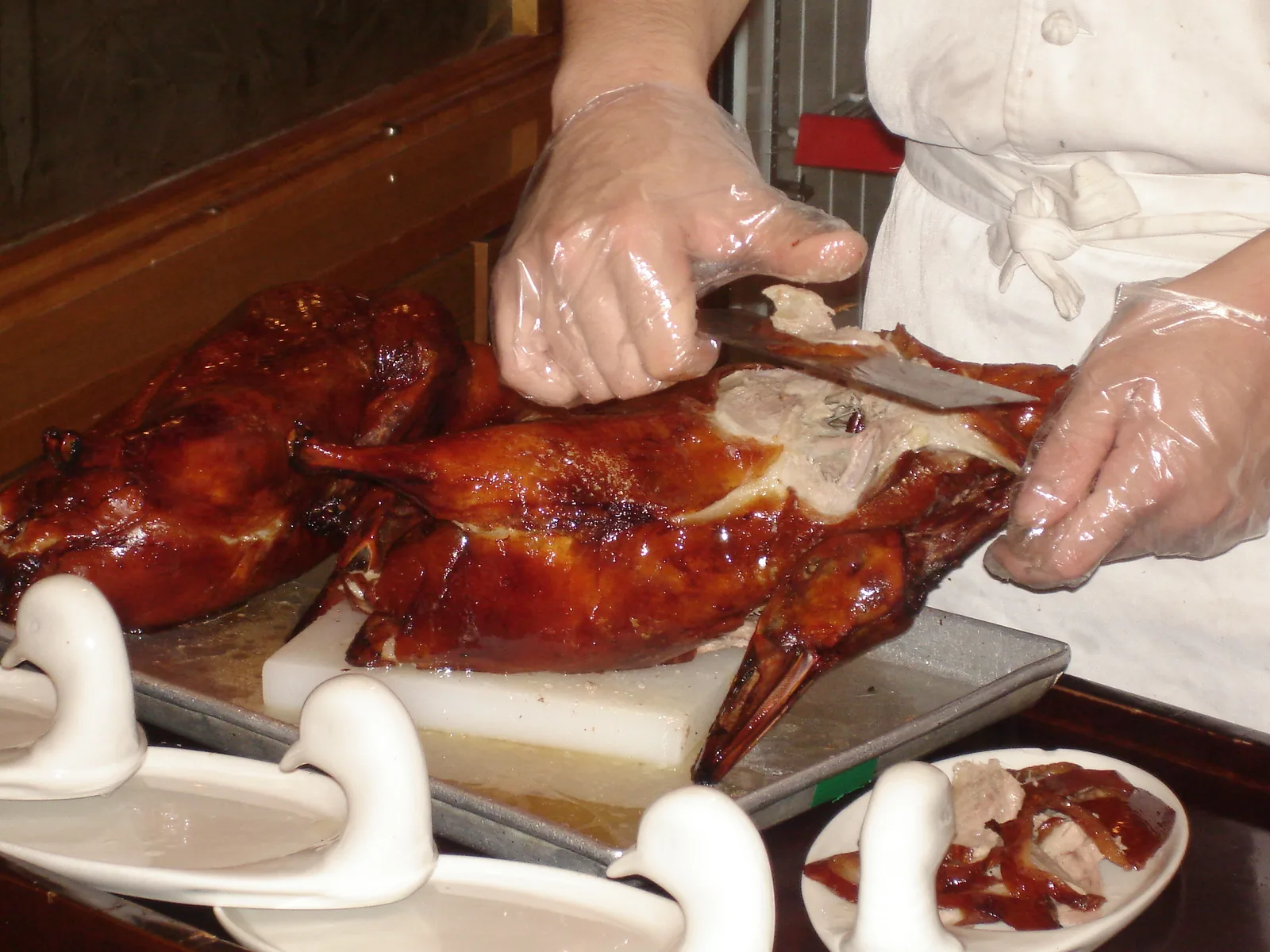
A whole lacquered Peking duck being carved at the table by a chef, with sliced crisp skin on a plate China flag China 2h 20m
Dinner •Beijing Heritage

Peking Duck

This peking duck recipe is the Beijing classic: a whole duck blanched, glazed with maltose and honey, air-dried until the skin is taut, then roasted until the skin turns deep mahogany and shatters like glass. It is carved at the table and eaten wrapped in thin pancakes with hoisin, scallion and cucumber. One serving is about 395 g, duck, pancakes and condiments together.

Celebration & Feast

A whole duck glazed, air-dried and roasted until the skin is lacquered and crisp, carved at the table with pancakes.

Pairs Well With
Thin pancakes, hoisin, scallion and cucumber — the classic wrap.
High Protein
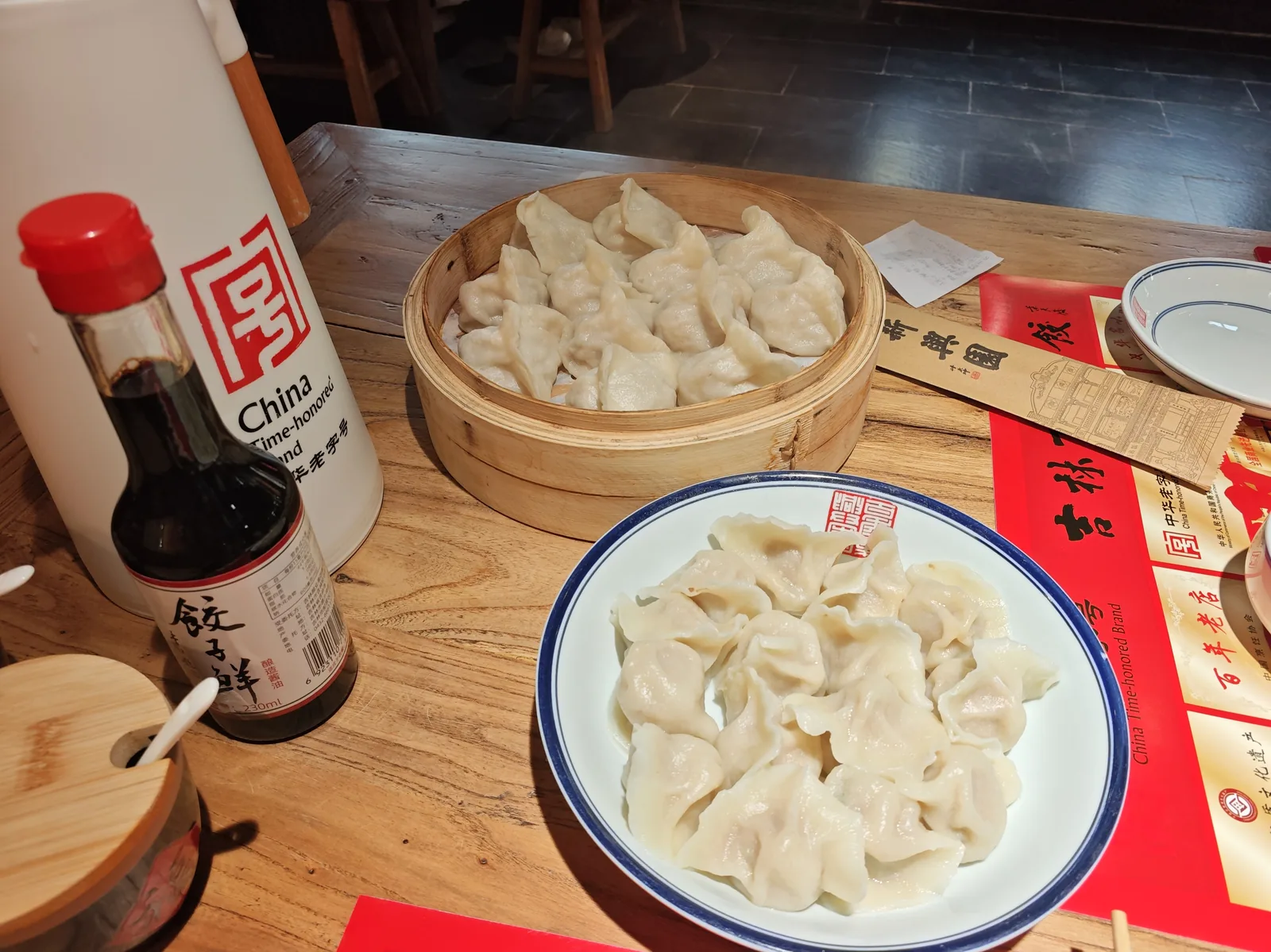
A bamboo steamer of steamed jiaozi beside a plate of boiled jiaozi, with a bottle of black vinegar China flag China 1h 15m
Dinner •Northern Chinese Classic

Steamed Pork Jiaozi

This steamed pork jiaozi recipe shows how to mix and roll the dough, fill it with seasoned pork and Chinese cabbage, and steam the dumplings until the pork is cooked through. One serving is about 275 g — 8 dumplings with dipping sauce.

Comfort & Warmth

Soft, hand-rolled dumplings filled with juicy pork and cabbage, steamed until tender and dipped in black vinegar — a northern Chinese family staple.

Pairs Well With
Hot and sour soup and a pot of jasmine tea

The Dinner Gazette

Never wonder what’s for dinner again

One email a week with easy dinner ideas from around the world — ingredients, steps and nutrition, tested in our kitchen first.

Delivered every Thursday morning. Unsubscribe anytime.