Curated recipes from 193 countries  •  New seasonal Mediterranean issue out now

Overview

Hervido de Gallina

Sancocho de Gallina Venezolano, Venezuelan Hen Soup

This hervido de gallina recipe simmers a whole stewing hen slowly with yuca, ñame, ocumo, pumpkin, celery root, corn on the cob and green plantain in a clear, golden broth scented with ají dulce and cilantro. It is Venezuela's great restorative soup — the pot for Sundays, celebrations and the morning after. One serving is about 762 g.

Hervido means simply boiled, and the name says everything about the dish: a hen and a basket of roots and vegetables, boiled together in one pot until the broth turns golden. It is the soup of the Venezuelan countryside and the coast, cooked outdoors over wood at rivers and beaches, and served at Sunday gatherings and celebrations — and, famously, as a restorative the morning after a party. Every region varies the roots, but the hen, the yuca and the corn are never missing.

Pairs well with: Arepas, casabe & ají picante

Provenance

Venezuela flag Venezuela

Venezuela Heritage

Latin America & Caribbean

Time Dedication

2h 30m

30m prep • 120m cook

Batch Yield

8 Servings

541 kcal per serving

1 serving ≈ 762 g

Technical Skill

Intermediate

Intermediate (One Pot, Long Simmer)

Meal Timing & Digestive Fit

Breakfast

Not Advised

Lunch

Prime Metabolic Fit

Dinner

Ideal Hearty Main

Snack & Tea

Inappropriate

Soups & Broths Occasions: Sunday lunch, family gatherings, celebrations, the morning after a party, rainy days Cost: Low — about $3–4 per serving at home

A bowl of golden hen broth with a hen drumstick and a chunk of potato, scattered with fresh herbs

Venezuela Heritage

Photo: Gonza Rizzo, CC BY-SA 2.0, via Wikimedia Commons

The Heritage Formulary

Measured Ingredients

Estimated cost: Low — about $3–4 per serving at home (USD)
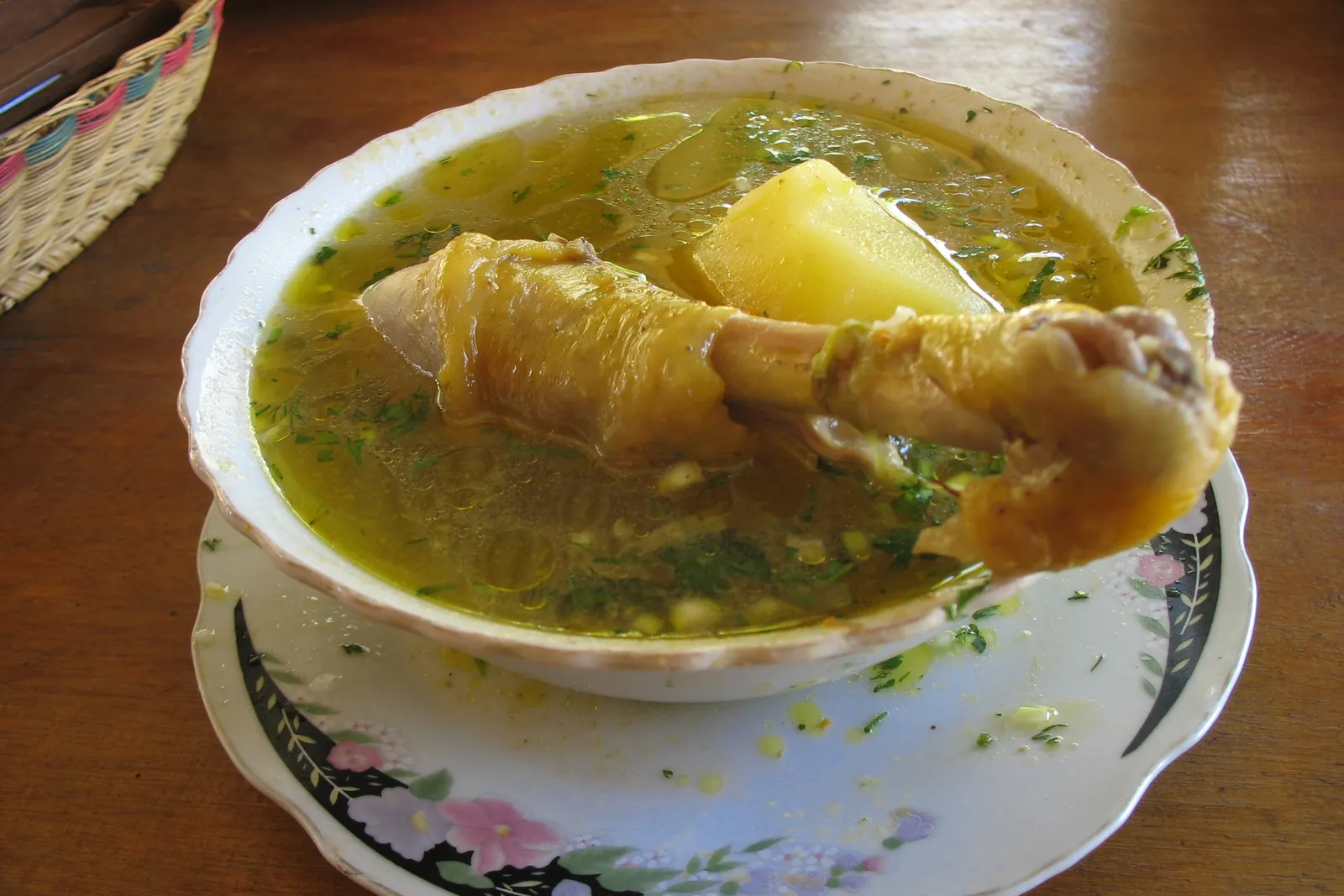
A traditional Venezuelan hen soup: a whole hen simmered with yuca, ñame, ocumo, pumpkin, celery root, corn and plantain.

Execution Methodology & Culinary Technique

Step-by-Step Cooking Guide

Active 2h 30m
P

Cut the hen and the roots

30 minutes

Cut the hen into 8 pieces through the joints. Peel the yuca, ñame, ocumo, potatoes, pumpkin and celery root and cut them into large, even chunks, keeping them in cold water so they do not darken. Cut the corn into thick rounds and slice the plantain. Quarter the onion and crush the garlic.

Maestro Tip: Cut the roots big, about the size of a small fist. Small pieces fall apart and cloud the broth before the hen is tender.

  1. 1

    Start the hen

    10 minutes Boiling, 100°C (212°F)

    Put the hen pieces in a large pot with the onion quarters, the crushed garlic and the ají dulce. Pour in the 2.5 litres of cold water, bring to a rolling boil and skim off any grey foam from the surface with a spoon so the broth stays clear and golden.

    Skim patiently for the first few minutes — a clear broth is the whole point of a hervido, and the foam will not come back once it is gone.

    Done when: Broth is boiling and the surface is clear of foam.

  2. 2

    Simmer the hen

    60 minutes Simmering, 95°C (203°F)

    Lower the heat to a gentle simmer, cover with the lid ajar and cook for about 60 minutes. A stewing hen needs the full hour; a younger chicken will be tender sooner. Taste the broth and add the salt now, a little at a time.

    Keep the simmer lazy — big bubbles will shred the hen and cloud the broth. The surface should barely tremble.

    Done when: Hen is nearly tender when pierced with a knife; the broth tastes seasoned but not salty.

  3. 3

    Add the hard roots

    30 minutes Simmering, 95°C (203°F)

    Lift the yuca, ñame, ocumo, celery root and corn out of their water and add them to the pot. Simmer for about 30 minutes, until the yuca is soft all the way through and the corn is tender.

    The hard roots go in first because they take the longest; the softer vegetables would turn to mush if they cooked this long.

    Done when: Yuca and ocumo are soft when pierced; corn kernels are tender.

  4. 4

    Add the soft vegetables

    20 minutes Simmering, 95°C (203°F)

    Add the potatoes, pumpkin and plantain and simmer for about 20 minutes more, until the potatoes are tender and the pumpkin is soft but still holding its shape. Stir in half the chopped cilantro. Check the hen: the thickest part must reach 74°C (165°F) and the meat should pull easily from the bone.

    Do not stir hard once the pumpkin softens, or it breaks up and the soup turns cloudy and sweet.

    Done when: Potatoes are tender, pumpkin holds its shape, and the hen reaches 74°C (165°F).

  5. 5

    Rest and serve

    5 minutes Serving hot, above 60°C (140°F)

    Take the pot off the heat and rest for 5 minutes. Ladle into deep bowls, making sure each bowl gets hen, a mix of roots, a round of corn and some plantain. Scatter the remaining cilantro over the top and serve with arepas and ají picante on the side.

    The short rest lets the broth settle and the flavours come together; the soup tastes better after it.

    Done when: Bowls are steaming hot, with hen, roots and corn in every serving.

Finishing Touches & Plating

Squeeze lime over your own bowl at the table if you like, and add a few drops of ají picante. The arepa is for dipping — tear off pieces and soak up the broth as you eat.

Nutritional Physiology & Benefits

Nutrition

Energy

541

kcal / serving

Protein

27g

Complete AA

Carbs

70g

Complex

Fats

18g

Healthy

Per serving (8 servings · 1 serving ≈ 762 g)
Energy541 kcal
Protein27 g
Carbohydrates70 g
Fat18 g
Fibre7.5 g
Sugar10.2 g
Sodium712 mg
Per 100g
Energy71 kcal
Protein3.5 g
Carbohydrates9.1 g
Fat2.4 g
Fibre1 g
Sugar1.3 g
Sodium93 mg

Nutrition values are estimated — calculated from USDA FoodData Central values for the listed ingredients.

Vitamins & minerals: The hen supplies protein, iron, zinc and B vitamins, the roots and pumpkin add vitamin C, vitamin B6, potassium and fibre, and the corn and plantain add slow-release energy. All nutrition values are estimated.

A filling, protein-rich soup

With about 27 g of protein per serving from the hen alone, one bowl works as a complete main meal that keeps you full for hours.

Six roots and vegetables in one pot

Yuca, ñame, ocumo, potato, pumpkin and celery root add about 8 g of fibre per serving, along with vitamin C, vitamin B6 and potassium.

Light, clear, one-pot cooking

Hen, roots and vegetables cook together in one clear broth with no added fat, so a single bowl covers protein, slow-release carbohydrates and vegetables without extra side dishes.

Food Pairings

What to Eat With

To optimize nutrient absorption and elevate the sensory depth, pair with these authentic accompaniments:

Sides

Arepas

A warm arepa alongside is the Venezuelan way to eat hervido — tear off pieces to dip in the broth, and it soaks up the flavour the spoon misses.

Casabe (cassava bread)

Crisp, thin casabe is the traditional accompaniment in the east of the country — it crumbles into the broth and adds a toasty, cassava crunch.

Drinks

Papelón con limón

A cold glass of panela lemonade cuts through the richness of the hen broth and refreshes the palate between spoonfuls of the hot soup.

Full Menus

Ají picante and lime wedges

A few drops of hot chilli sauce and a squeeze of lime at the table brighten the earthy roots and the rich hen broth without changing the soup itself.

Complete menu

Serve the hervido as the main bowl with warm arepas and casabe on the side, ají picante and lime wedges to pass around, and cold papelón con limón to drink.

Digestive Guardrails

What NOT to Combine

To prevent digestive distress, sluggishness, or palate clash, avoid pairing the dish with these elements:

Very salty side dishes

One bowl already carries about 712 mg of sodium, so salty cured meats, salty cheese or extra soy sauce on the same plate can push sodium far higher. This is general information, not medical advice — ask a clinician about your own sodium limits.

Heavy fried foods on the side

The soup is deliberately light, with no added fat. Adding large portions of fried food on top of it makes the meal very heavy and hard to digest, and the extra oil competes with the broth's own flavour. A light salad or plain avocado balances the plate better. This is general information, not medical advice.

General information only, not medical advice — consult a doctor for personal dietary decisions.

Who Should Eat It

Who Should Eat

  • General adultsA complete, satisfying meal in one bowl. Enjoy a normal portion and balance the rest of the day with lighter foods, since the soup is filling and salty.
  • ChildrenSuitable from about age 2 in small portions with the hen cut up, the roots mashed a little and the broth cooled. Skip the ají picante and go easy on the salt for young children.
  • ElderlyGood for appetite and protein, and the soft-cooked roots are easy to chew. Serve the hen and roots cut into small, soft pieces and keep portions moderate because the soup is salty.
  • Pregnant womenSafe when the hen is fully cooked through — to 74°C (165°F) — and the soup is served piping hot. The long simmer and salt mean small portions are wiser; ask your clinician if you have pregnancy-related blood pressure concerns.
  • Breastfeeding womenA nourishing, warm meal that fits well during breastfeeding. Drink water alongside it and keep portions moderate because of the salt.
  • AthletesGood after a hard session: about 27 g of protein and 70 g of carbohydrates per serving help recovery. Add the full side of arepas if you need more energy.
  • Weight gainA good choice — energy-dense enough, protein-rich and easy to eat in a large bowl. Add a full side of arepas to raise the calories further.
  • Weight lossWorkable at about 541 calories a serving, but the starchy roots are filling and the arepas on the side add up fast. Take a smaller bowl, load it with hen, and skip or halve the arepa if you are counting calories.

Health Conditions — Adjust or Avoid

Conditions

  • DiabetesThe roots, corn and plantain add about 70 g of carbohydrates per serving, so portion size matters and blood sugar should be monitored. A smaller bowl with more hen and fewer roots helps; ask your clinician or dietitian for a portion that fits your plan.
  • High blood pressureAt about 712 mg of sodium per serving, this is a salty soup. Go easy on the added salt, skip any extra salty sides, and keep portions moderate. Ask your clinician about your sodium limit.
  • Kidney diseaseThe soup is high in protein, potassium (from the roots and plantain) and sodium, all of which may need limiting in kidney disease. This dish may not fit a renal diet — ask your clinician or renal dietitian before eating it.
  • GoutHen is moderate in purines, and the soup has no organ meats or sausage, so it is gentler than a mixed-meat stew. People prone to gout should still keep portions moderate and not eat it every day; ask your clinician for personal guidance.
  • Stomach issuesA light, clear broth soup is usually well tolerated, but the yuca and ñame can feel heavy. Eat a small portion and skip it during a flare-up; ask your clinician if symptoms persist.
  • Cardiovascular diseaseThe dish is low in saturated fat because it uses hen only, with no sausage or pork, but it is salty. Occasional normal portions fit most heart-healthy patterns; ask your clinician about your sodium and portion limits.
  • Fatty liverA hen-and-vegetable soup with modest fat is a reasonable choice, but the starchy roots add up. Keep the portion moderate and load the bowl with more hen and fewer roots; ask your clinician or dietitian for guidance.
  • Food allergiesContains chicken. The soup itself is free of gluten, egg, milk, fish, nuts and shellfish, but check the arepas and any hot sauce served alongside for added allergens. If you have a food allergy, confirm every ingredient before eating.
  • Special therapeutic dietsNaturally gluten-free and dairy-free, which suits several therapeutic patterns, but the salt and starchy roots need adjusting for renal, diabetic or low-sodium plans. Ask your clinician or dietitian to adapt the portion for your diet.

If you have a medical condition, consult your doctor before changing your diet.

Storage & Use

Storage & Use

How to store
Cool quickly in shallow containers and store in an airtight container.
In the fridge
3–4 days in the refrigerator.
In the freezer
Up to 3 months in airtight containers; the roots soften slightly after freezing.
How to reheat
Reheat gently on the stove until steaming hot throughout, to 74°C (165°F); add a splash of water if the broth has thickened.
Freezing recommended
Yes, up to 3 months; the flavour is often better the next day as the broth settles.
Signs it has spoiled
Sour or off smell, slimy texture on the hen, or mould on the surface.

More recipes to explore

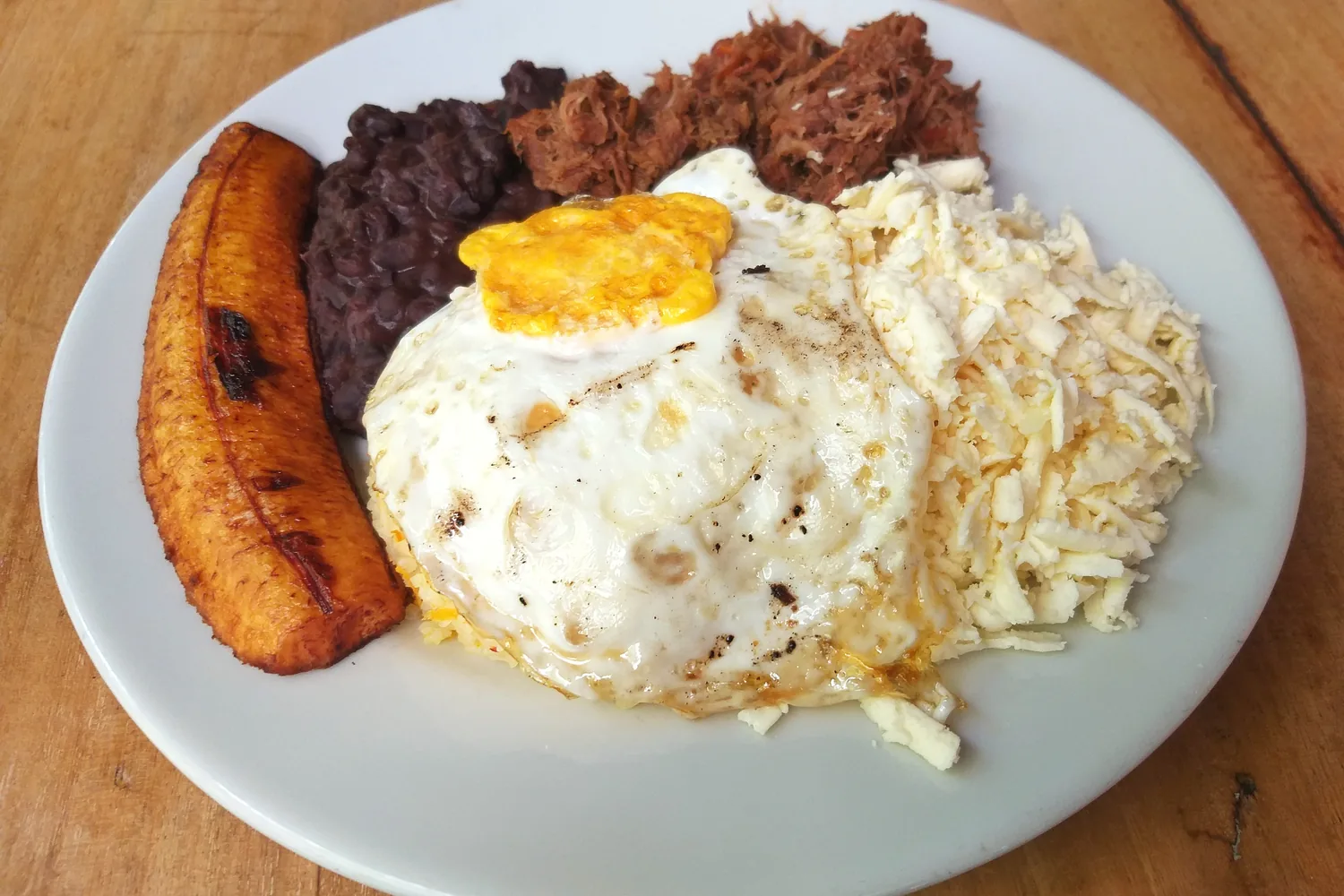
Pabellón Criollo plate with shredded beef, black beans, fried plantain, a fried egg and grated white cheese over white rice Venezuela flag Venezuela 3h
Lunch •Venezuelan National Dish

Pabellón Criollo

This pabellon criollo recipe is Venezuela's national plate: slow-braised shredded beef in a pepper and tomato sofrito, creamy black beans, fluffy white rice, sweet fried plantains and a fried egg, finished with grated white cheese. One serving is about 680 g.

Hearty & Satisfying

A complete plate of beef, beans, rice, plantain and egg that keeps you full for hours.

Pairs Well With
Serve with a cold papelón con limón or a light beer, and a simple avocado salad on the side.
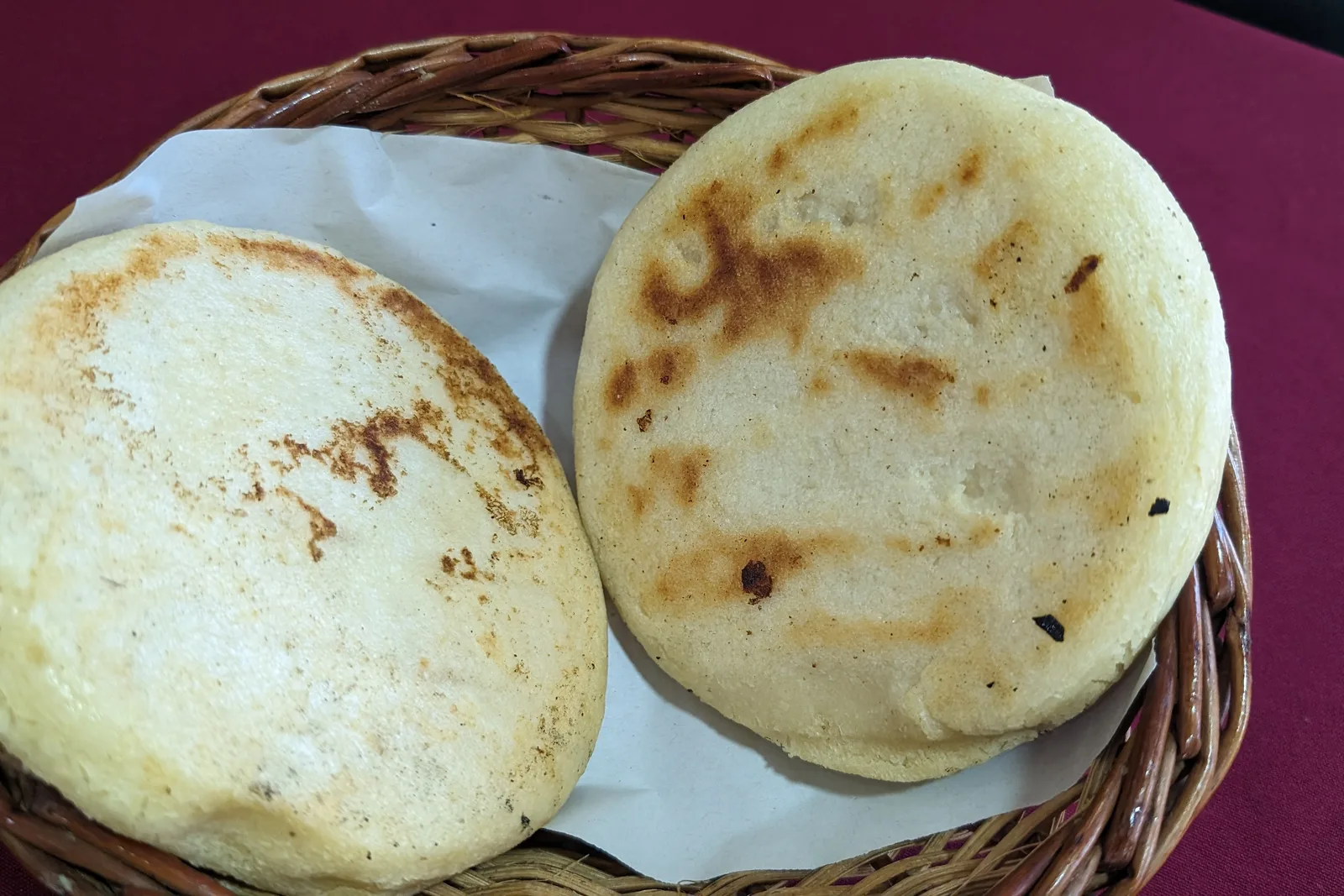
Two golden grilled Venezuelan arepas in a wicker basket lined with white paper Venezuela flag Venezuela 40m
Breakfast •Caracas Heritage

Venezuelan Arepas

This Venezuelan arepas recipe starts with just pre-cooked white cornmeal, warm water and salt, kneaded into a soft dough and shaped into thick cakes. They grill until crisp and golden outside and soft inside, finish in a hot oven so they puff, then get split open and stuffed with melted mozzarella, crumbled queso fresco, creamy avocado and tomato. Venezuelan arepas are the thick, stuffed kind: a whole breakfast you can hold in one hand. One serving is about 275 g, one stuffed arepa.

Comfort & Warmth

Thick grilled corn cakes made from white masarepa, split open like a pocket and stuffed with melting cheese, avocado and tomato.

Pairs Well With
Fresh orange juice or coffee, with a bowl of black beans or scrambled eggs on the side.
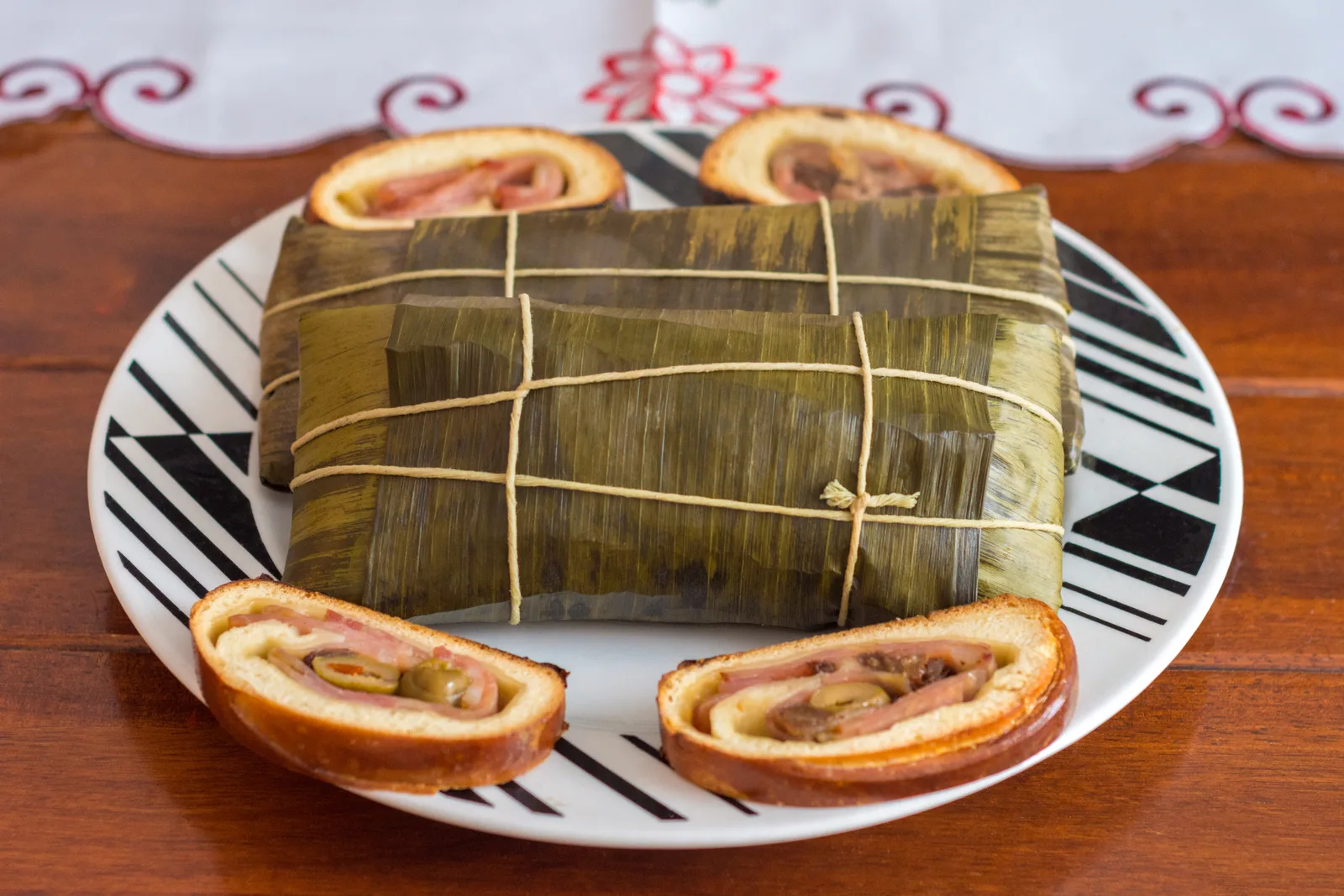
Two hallacas wrapped in banana leaves and tied with string, served on a plate with slices of pan de jamón Venezuela flag Venezuela 5h
Dinner •Venezuela's Christmas Dish

Hallacas

This hallacas recipe makes 12 golden parcels of annatto-coloured corn dough filled with a rich three-meat guiso, garnished with pepper, onion, olives, capers and raisins, then folded in banana leaves and boiled. One hallaca is about 300 g, a full festive dinner on its own. Hallacas are Venezuela's Christmas dish, made in big family batches and served with pan de jamón.

Festive & Filling

Golden annatto corn dough wrapped around a slow-cooked stew of beef, pork and chicken, folded in banana leaves — the parcel Venezuelan families gather to make every December.

Pairs Well With
Pan de jamón and ensalada de gallina, with a glass of ponche crema
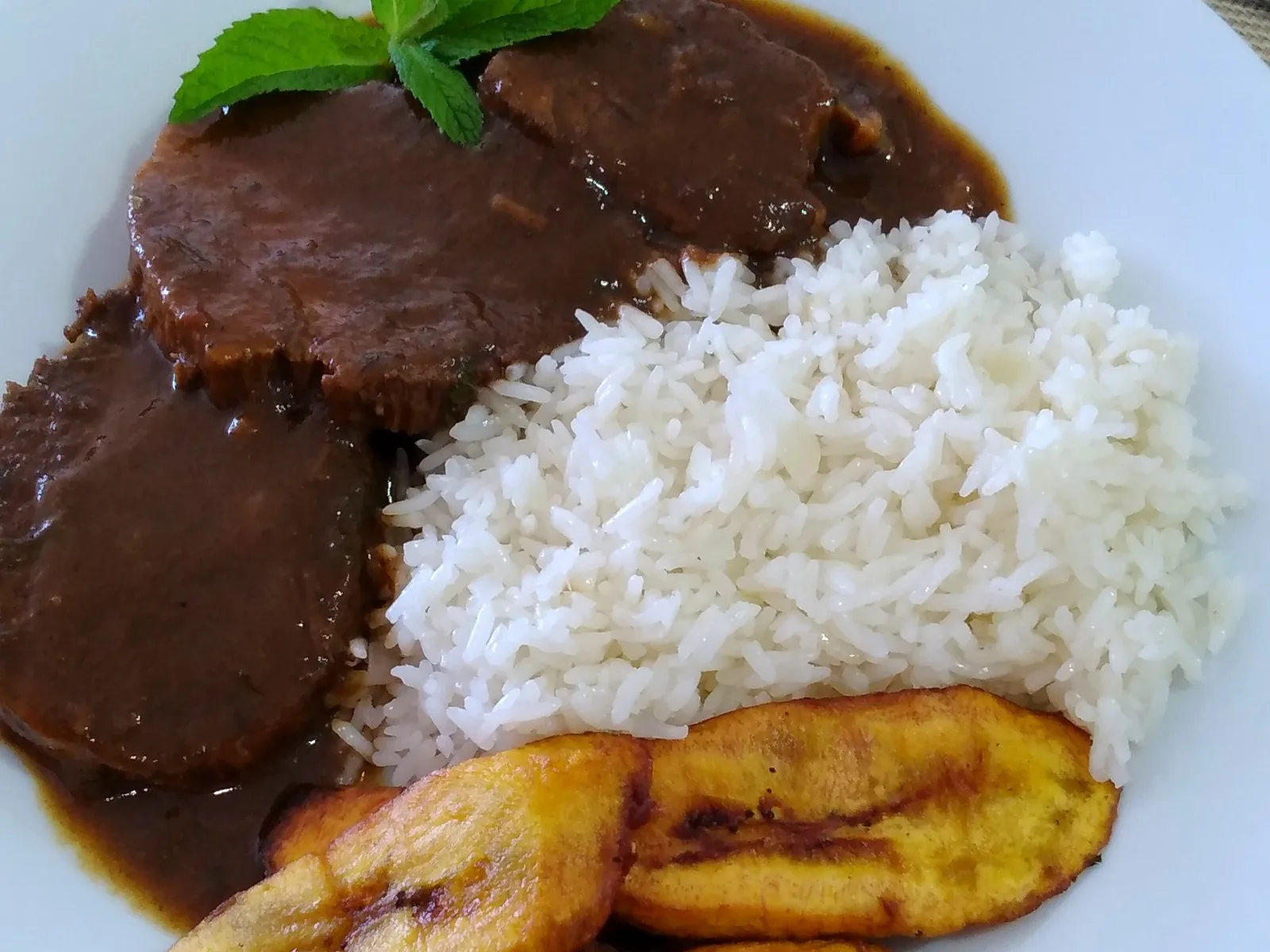
Slices of asado negro in a dark glossy sauce with white rice and golden fried plantains, garnished with mint Venezuela flag Venezuela 3h 30m
Dinner •Caracas Heritage

Asado Negro

Asado negro is Venezuela's dark, glossy beef roast: eye of round seared in caramelized panela, then braised low and slow in red wine, beef stock and soft vegetables until it slices like butter. The sauce is sweet, savoury and almost black, and it belongs over white rice with fried plantains. One serving is about 591 g.

Comfort & Warmth

Beef eye of round seared in caramelized panela, then braised in red wine and stock until tender.

Pairs Well With
White rice, fried plantains and a glass of red wine
High Protein

The Dinner Gazette

Never wonder what’s for dinner again

One email a week with easy dinner ideas from around the world — ingredients, steps and nutrition, tested in our kitchen first.

Delivered every Thursday morning. Unsubscribe anytime.