
Curated recipes from 193 countries  •  New seasonal Mediterranean issue out now

Overview

Horta

Horta Vrasta, Boiled Wild Greens, Greek Greens

This horta recipe is Greece at its simplest: wild leafy greens boiled in salted water until tender, drained, and dressed while warm with good olive oil, lemon juice and salt. It is the dish Greek grandmothers make from whatever the hillside offers, and it belongs beside almost everything. One serving is about 170 g.

Horta — literally 'greens' — is one of the oldest foods in Greece: gathering wild edible leaves is a practice that reaches back to antiquity, and boiled greens with oil and lemon have been a staple of the Greek table ever since. Village cooks still gather dandelion, chicory and wild amaranth by hand each spring, and every region has its own mix of leaves for the pot.

Pairs well with: Grilled fish, crusty bread & lemon potatoes

Provenance

Greece flag Greece

Greek Village Classic

Mediterranean & Italy

Time Dedication

35m

15m prep • 20m cook

Batch Yield

4 Servings

294 kcal per serving

1 serving ≈ 170 g

Technical Skill

Easy

Easy (Boil & Dress)

Meal Timing & Digestive Fit

Breakfast

Not Advised

Lunch

Hearty Midday Main

Dinner

Ideal Hearty Main

Snack & Tea

Inappropriate

Occasions: Spring lunches, light dinners, meze tables, alongside grilled fish Cost: Low — about $2–3 per serving at home
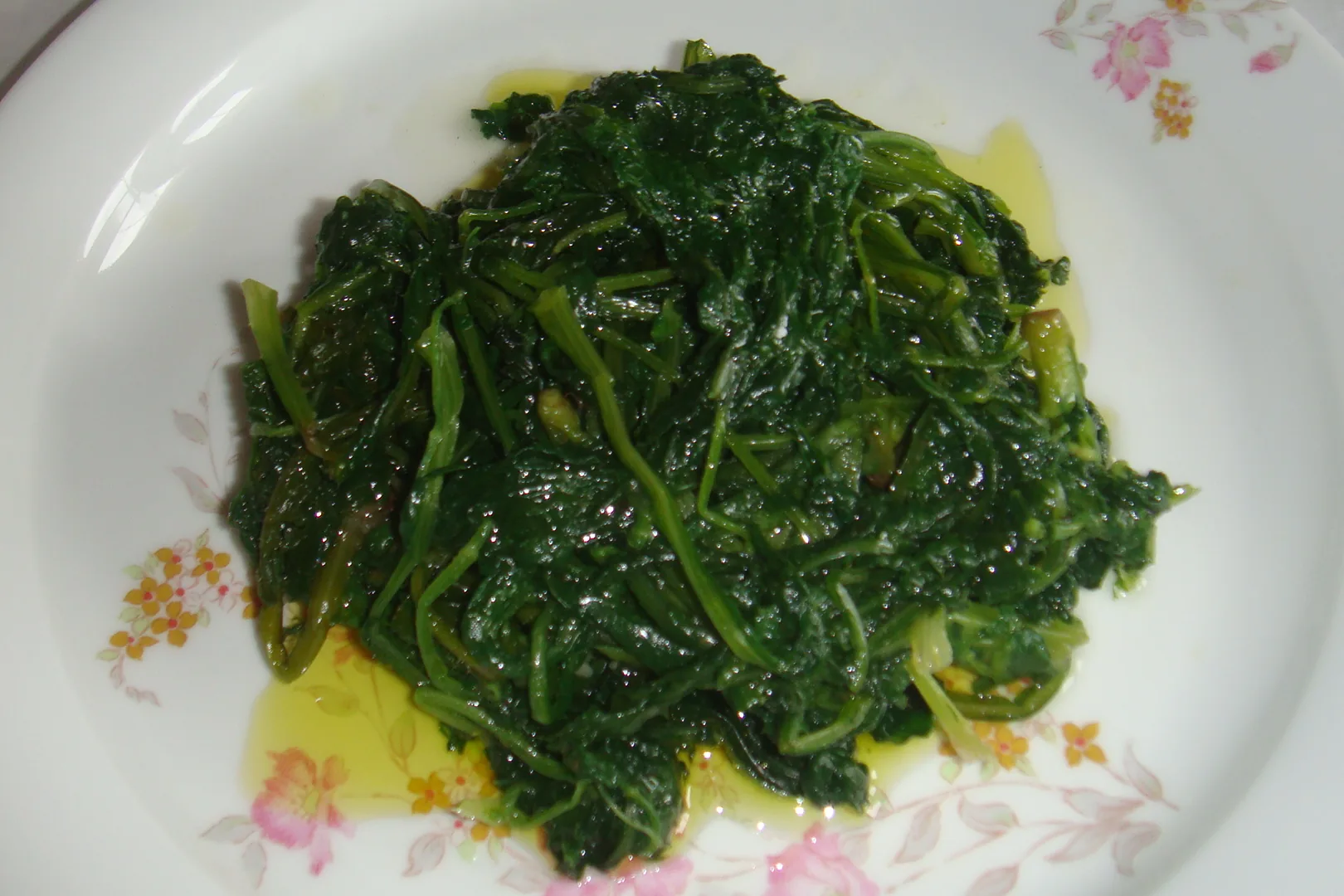
Horta — boiled wild greens glistening with olive oil on a white plate

Greek Village Classic

Photo: Sotiria Simota, CC BY-SA 3.0, via Wikimedia Commons

The Heritage Formulary

Measured Ingredients

Estimated cost: Low — about $2–3 per serving at home (USD)

Good horta is judged by its greens: tender but not mushy, bright green, and dressed while still warm so the oil and lemon soak in.

Execution Methodology & Culinary Technique

Step-by-Step Cooking Guide

Active 35m
P

Prep Stage: Wash, Pick & Trim the Greens

15 Mins • Sink & Knife Work

Pick through the greens leaf by leaf, pulling off any yellowed or tough leaves, then wash them in two or three changes of cold water until the water runs clear — wild greens carry grit, and one sandy mouthful ruins the dish. Trim the roots and thick stems, slice the garlic, and cut the lemon. Put a large pot of salted water on to boil.

Maestro Tip: Wash the greens twice more than you think you need to — grit hides in the folds of the leaves.

  1. 1

    Wash the Greens

    5 Mins No heat — cold water

    Wash the greens in a large bowl of cold water, lifting them out and changing the water two or three times until no grit settles at the bottom of the bowl. Pick off any yellowed leaves and trim the tough root ends, leaving the tender stems on.

    Lift the greens out of the water instead of pouring them into a colander — the grit stays behind in the bowl.

    Done when: The wash water runs clear; the greens are bright and grit-free.

  2. 2

    Boil in Salted Water

    12 Mins Boiling, 100°C (212°F)

    Drop the greens into a large pot of boiling salted water, pushing them down with a spoon. Boil for about 12 minutes, until the leaves are fully tender and the stems yield when pinched. Dandelion and chard take a minute or two longer than spinach, so add the spinach last if you are boiling them separately.

    Do not put the lid on — an open pot keeps the greens bright green instead of olive-grey.

    Done when: Stems are tender when pinched; leaves are soft all the way through.

  3. 3

    Drain and Dry

    3 Mins No heat — draining

    Lift the greens out with tongs into a colander and press them gently to squeeze out the water — not hard enough to crush them, just enough that they stop dripping. Too much water left in the leaves dilutes the oil.

    A gentle press is enough; squeezing hard makes the greens stringy.

    Done when: The greens hold together in a mound and no longer drip.

  4. 4

    Dress While Warm

    3 Mins Serve warm, about 60°C (140°F)

    Tip the warm greens into a serving dish. Pour over the olive oil, squeeze over the lemon juice, scatter the sliced garlic if using, and season with salt. Toss gently so every leaf is glossed with oil — the warmth helps the leaves drink it in.

    Dress the greens while they are still warm, never cold from the fridge.

    Done when: Every leaf is glossy with oil; the dish smells of lemon and good olive oil.

  5. 5

    Serve with Lemon Wedges

    2 Mins Serve warm or at room temperature

    Pile the greens onto plates or a sharing dish, tuck the lemon wedges alongside, and serve warm or at room temperature. Put the oil that pools on the plate to work with crusty bread.

    Horta is as good at room temperature as it is warm — it is a dish that waits happily.

    Done when: The greens are glossy, bright green, with lemon wedges on the side.

Finishing Touches & Plating

Serve the greens warm or at room temperature, with the oil pooling on the plate and lemon wedges on the side so everyone can sharpen their own portion.

Nutritional Physiology & Benefits

Nutrition

Energy

294

kcal / serving

Protein

6g

Complete AA

Carbs

15g

Complex

Fats

26g

Healthy

Per serving (4 servings · 1 serving ≈ 170 g)
Energy294 kcal
Protein6 g
Carbohydrates15 g
Fat26 g
Fibre5.9 g
Sugar2.1 g
Sodium567 mg
Per 100g
Energy173 kcal
Protein3.5 g
Carbohydrates8.6 g
Fat15.3 g
Fibre3.5 g
Sugar1.2 g
Sodium334 mg

Nutrition values are estimated — calculated from USDA FoodData Central values for the listed ingredients.

Vitamins & minerals: Vitamin K, vitamin A and folate from the leafy greens, vitamin C from the lemon, and vitamin E from the olive oil. Nutrition is estimated.

Fibre-Rich Greens

At 5.9 g of fibre a serving, this horta recipe is built on leafy greens — the fibre supports normal digestion and helps the meal feel satisfying.

Olive-Oil Fats

The dish is dressed in extra-virgin olive oil, whose fats are mostly the monounsaturated kind found in the Mediterranean diet.

Naturally Plant-Based

A fully plant-based dish with no meat, dairy or egg — just greens, olive oil, lemon and salt.

Food Pairings

What to Eat With

To optimize nutrient absorption and elevate the sensory depth, pair with these authentic accompaniments:

More Pairings

Grilled Fish

Horta is the classic companion to grilled fish in Greece: the light, lemony greens balance the rich, smoky fish, and the two belong on the same plate.

Sides

Crusty Bread

Crusty bread is there to mop up the lemony oil that pools on the plate — the dressing is too good to leave behind.

Lemon Potatoes

Boiled or roasted lemon potatoes turn the light greens into a fuller meal, and their mild flavour lets the horta stay the star.

Drinks

White Wine

A dry white wine matches the lemon and olive oil in the dressing and keeps the meal light and fresh.

Complete menu

Serve horta as part of a Greek table with grilled fish, boiled potatoes, crusty bread and a glass of white wine.

Digestive Guardrails

What NOT to Combine

To prevent digestive distress, sluggishness, or palate clash, avoid pairing the dish with these elements:

Creamy, Heavy Sauces

Thick cream or cheese sauces drown the clean, bitter-green flavour that makes horta what it is, and they add saturated fat to a naturally light dish. Keep the dressing to oil and lemon. This is general information, not medical advice.

Very Salty Cured Meats

Large amounts of salty cured meat beside the greens push the sodium of the meal up sharply. If you serve meat with horta, keep it to a modest portion of something simply grilled. This is general information, not medical advice.

General information only, not medical advice — consult a doctor for personal dietary decisions.

Who Should Eat It

Who Should Eat

  • General adultsA light, fresh dish that fits almost any meal — enjoy it as a side or a light main.
  • ChildrenMild if you use mostly spinach and chard and go easy on the dandelion, which is bitter. Chop the greens finely and let them squeeze their own lemon.
  • ElderlySoft, easy to chew and easy to digest; keep the added salt light.
  • Pregnant womenFine when the greens are washed thoroughly and served freshly cooked; leafy greens are a good source of folate.
  • Breastfeeding womenA light, nutrient-rich dish that fits well; the greens are a good source of folate and vitamin K.
  • AthletesLight on energy and protein — pair horta with grilled fish or chicken to cover recovery needs.
  • Weight gainA light dish, so eat it with bread, potatoes and fish to raise the energy of the meal.
  • Weight lossA good choice: low in energy density, high in fibre and water, and the olive oil keeps you full. Measure the oil rather than pouring freely.

Health Conditions — Adjust or Avoid

Conditions

  • DiabetesVery low in carbohydrate (14.6 g a serving, mostly from the greens themselves) — this dish fits well. Ask your clinician if you add bread or potatoes.
  • High blood pressureSodium is about 567 mg a serving, mostly from the added salt. Go easy on the salt and let the lemon do the seasoning. Ask your clinician about portion size.
  • Kidney diseaseLeafy greens are high in potassium, which matters for kidney diets. Ask your clinician before eating large portions regularly.
  • GoutLeafy greens are low in purines, so horta is a good choice in moderation for most people with gout.
  • Stomach issuesA gentle, easy-to-digest dish. If lemon bothers your stomach, use less juice and more oil.
  • Cardiovascular diseaseGreens and olive oil fit a heart-healthy pattern well; the main thing to watch is the added salt. Ask your clinician if unsure.
  • Fatty liverA light, plant-based dish that fits well — the fat is olive oil, and the overall meal is low in energy.
  • Food allergiesNone of the major allergens are in this dish itself — no gluten, dairy, egg, soy, nuts or fish. Check the bread and any fish served alongside.
  • Special therapeutic dietsCheck with your clinician or dietitian — the potassium in the greens matters for some therapeutic diets.

If you have a medical condition, consult your doctor before changing your diet.

Storage & Use

Storage & Use

How to store
Cool quickly and store in a covered container in the fridge, undressed if possible — dress just before serving.
In the fridge
2 days at 4°C (40°F) or below; dressed greens wilt and darken.
In the freezer
Not recommended — the leaves turn watery and dark.
How to reheat
Best eaten at room temperature; if reheating, warm gently in a pan until just warm, to 74°C (165°F), then re-dress with fresh oil and lemon.
Freezing recommended
No — the texture does not survive freezing.
Signs it has spoiled
Sour smell, slimy leaves, or visible mould.

More recipes to explore

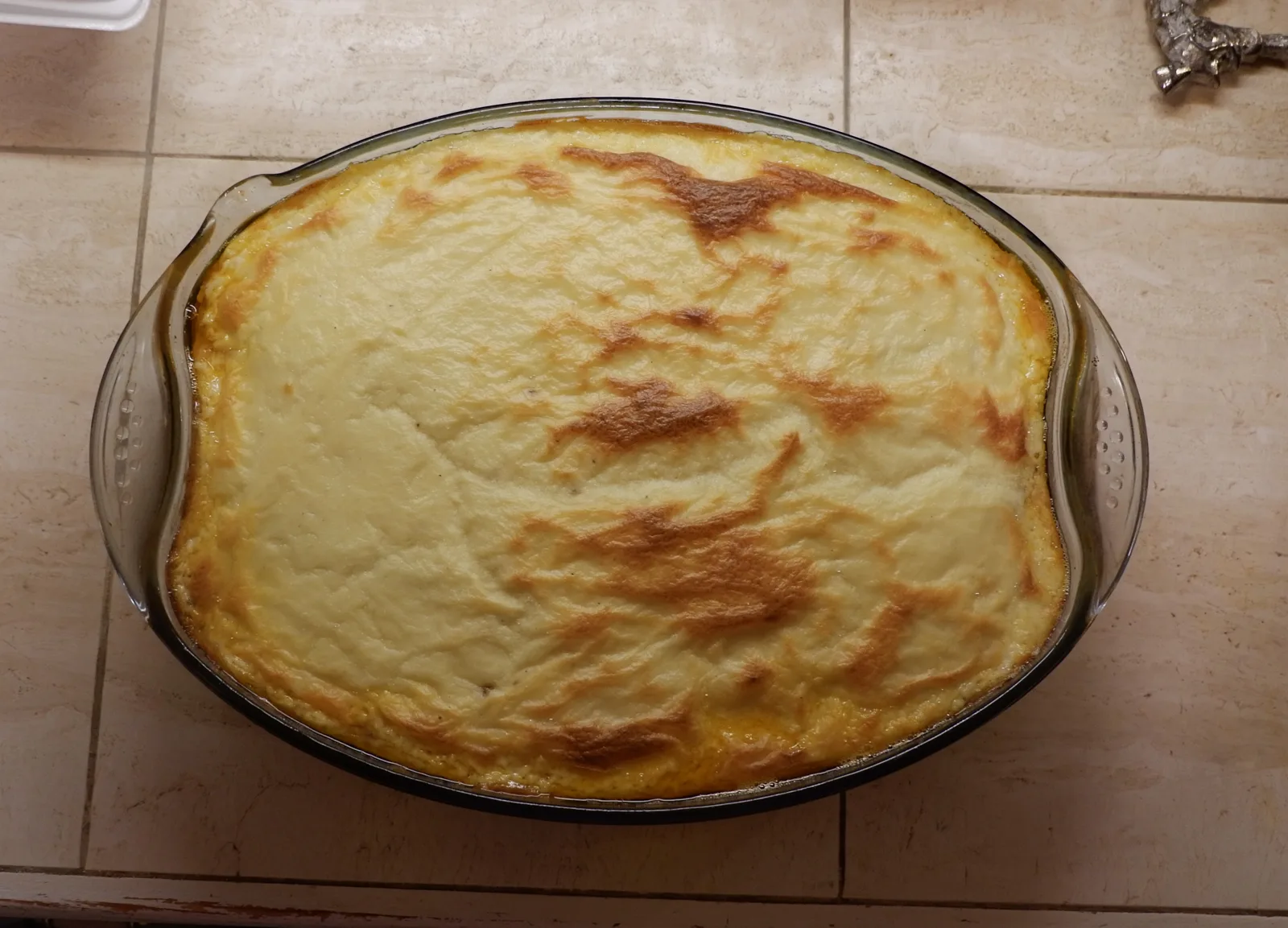
A whole Greek moussaka in a glass baking dish, its bechamel top baked golden brown with darker patches Greece flag Greece 2h
Dinner •Greek Classic

Greek Moussaka

Greek moussaka is a layered bake of fried aubergine and potato, a cinnamon-spiced beef sauce, and a thick bechamel that turns deep gold in the oven. It is the dish most Greek tavernas are judged by, and it is made for sharing at a slow family dinner. One serving is about 412 g.

Comfort & Warmth

A hearty layered bake built around aubergine, potatoes and a spiced meat sauce under a creamy bechamel topping.

Pairs Well With
Serve with a crisp Greek salad, warm bread and a glass of red wine.
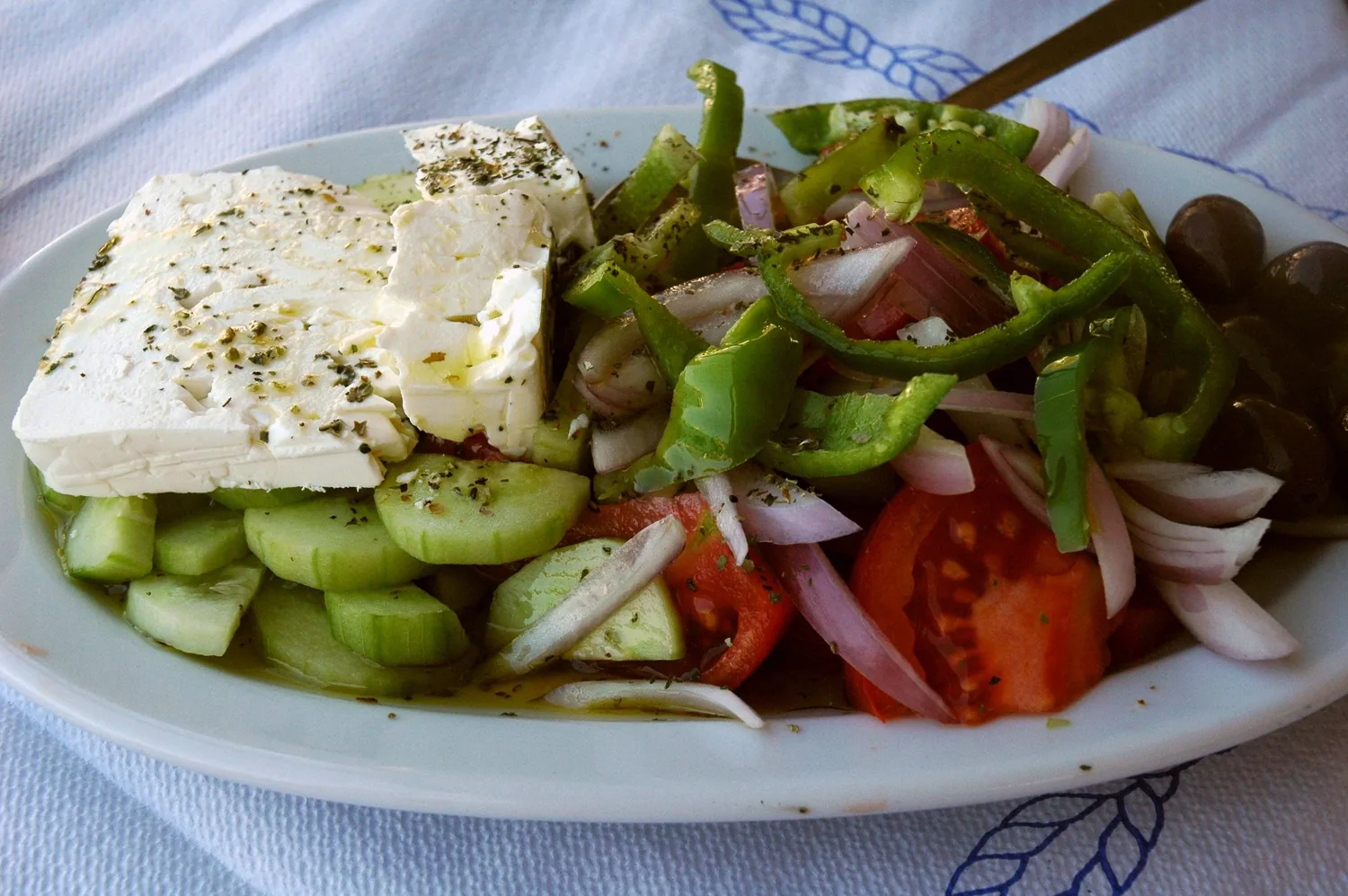
Greek salad (horiatiki) with a slab of feta sprinkled with oregano, Kalamata olives, tomato wedges, cucumber and red onion on a white plate Greece flag Greece 20m
Lunch •Aegean Table Classic

Greek Salad

This Greek salad recipe is the real horiatiki: chunky ripe tomatoes, peeled cucumber, red onion and green pepper, with Kalamata olives and a whole slab of feta on top, dressed with extra-virgin olive oil and dried Greek oregano. There is no lettuce and no heavy dressing — just summer vegetables at their best, ready in twenty minutes. One serving is about 411 g.

Fresh Summer Lunch

Crisp garden vegetables, salty feta and Kalamata olives under good olive oil — a bright, satisfying lunch with no cooking at all.

Pairs Well With
Crusty bread & grilled fish
Quick Prep (<30m)
Golden spanakopita triangles sprinkled with fresh dill, served on a white plate with a small bowl of tzatziki Greece flag Greece 1h 20m
Lunch •Greek Bakery Classic

Spanakopita

This spanakopita recipe is the Greek spinach pie found in every bakery in Greece: paper-thin filo brushed with olive oil, layered over a filling of wilted spinach, salty feta, ricotta, leeks and a generous handful of fresh dill, then baked until the top shatters and the inside stays soft and savoury. It is the pie Greeks eat for lunch, take on picnics and set out on a mezze table. One serving is about 220 g.

Crisp Filo, Spinach & Feta

Layers of olive-oil-brushed filo wrapped around a spinach, feta, dill and leek filling, baked until golden and crisp.

Pairs Well With
Greek salad, tzatziki & lemon wedges
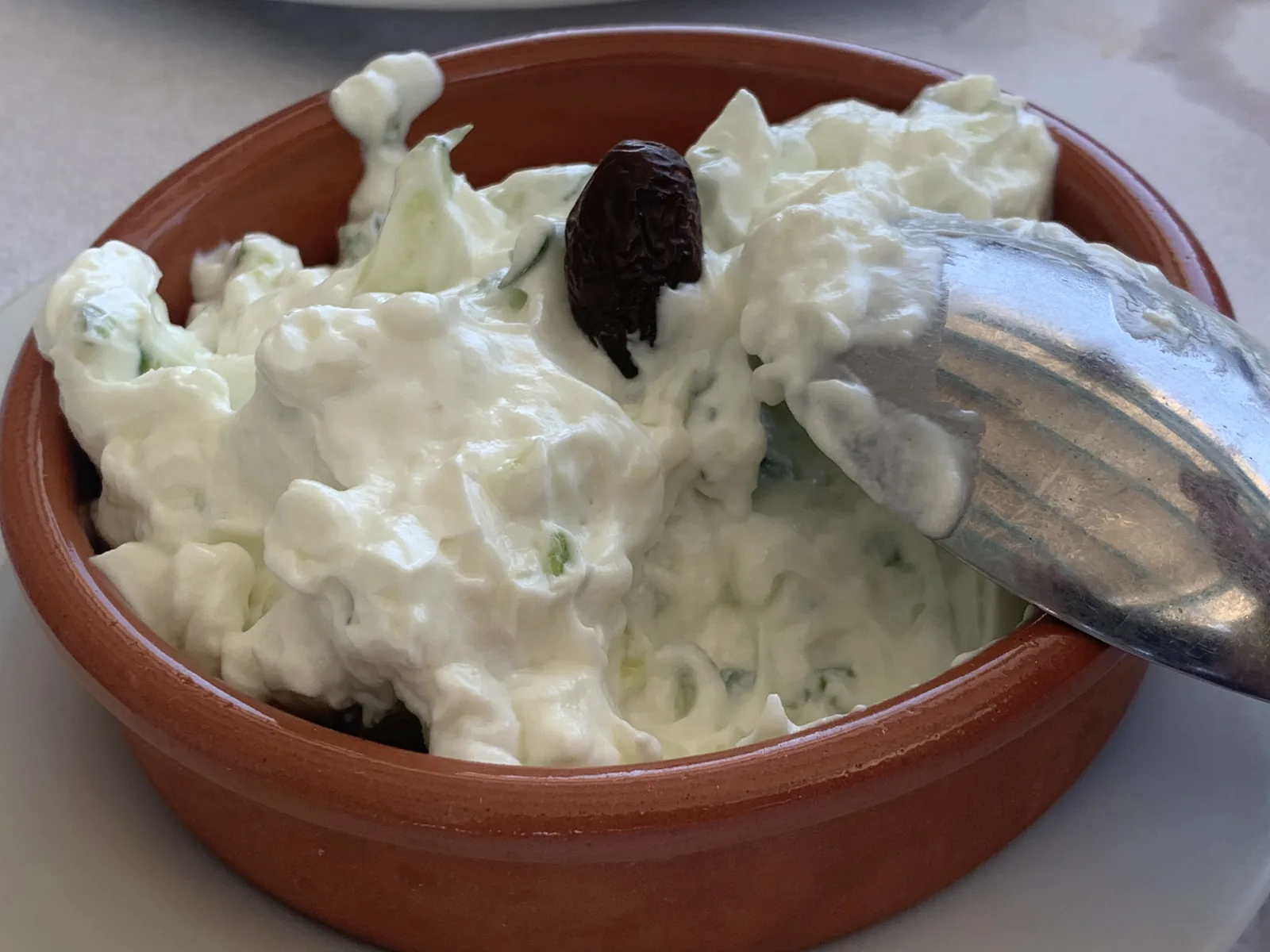
A terracotta bowl of thick white tzatziki with cucumber and a black olive, with a spoon Greece flag Greece 25m
Snack & Tea •Greek Meze Classic

Tzatziki

This tzatziki recipe is the real Greek version: thick strained yogurt, cucumber grated and squeezed bone dry, raw garlic, a thread of olive oil and a handful of dill. No cooking at all — just grating, squeezing and stirring — and the result is cool, creamy and sharp enough to cut through grilled meat. One serving is about 120 g.

Cool & Creamy

Thick Greek yogurt folded with grated cucumber, garlic and dill — the cool white dip at the heart of every Greek meze.

Pairs Well With
Spoon over grilled meat, or serve as a dip with warm pitta and raw vegetables.

The Dinner Gazette

Never wonder what’s for dinner again

One email a week with easy dinner ideas from around the world — ingredients, steps and nutrition, tested in our kitchen first.

Delivered every Thursday morning. Unsubscribe anytime.