
Curated recipes from 193 countries  •  New seasonal Mediterranean issue out now

Overview

Käsegipfeli

Swiss Cheese Croissant, Käsehörnchen, Cheese Gipfeli

This kasegipfeli recipe makes the Swiss bakery classic: triangles of puff pastry rolled around nutty Gruyère with a smear of Dijon mustard, brushed with milk and baked until golden and flaky. It is the cheese Gipfeli of Swiss bakeries — a cheese croissant, eaten warm from the oven with coffee or soup, and the meat-free partner to the ham-filled schinkengipfeli. One serving is about 175 g: two warm crescents with melted cheese in every bite.

Käsegipfeli — literally cheese crescents — are the savoury cheese answer to the Swiss Gipfeli, the crescent-shaped roll sold in every Swiss bakery. While the plain Gipfeli is a breakfast roll, the filled versions turn it into lunch: the ham-filled schinkengipfeli is the best known, but the cheese-only käsegipfeli, most often made with Gruyère or Emmental, is the bakery's meat-free classic. Swiss bakeries sell them warm through the morning as a quick lunch, and home cooks make them with ready-rolled puff pastry, cutting triangles, rolling them around cheese, and baking them in under half an hour. Gipfeli themselves are the Swiss cousin of the French croissant — a little denser and less sweet, and made for filling.

Pairs well with: A green salad and a cup of coffee balance the rich, buttery pastry.

Provenance

Switzerland flag Switzerland

Swiss Bakery Classic

Nordic & European

Time Dedication

45m

25m prep • 20m cook

Batch Yield

4 Servings

866 kcal per serving

1 serving ≈ 175 g

Technical Skill

Intermediate

Medium (Roll and Bake)

Meal Timing & Digestive Fit

Breakfast

Not Advised

Lunch

Prime Metabolic Fit

Dinner

Ideal Hearty Main

Snack & Tea

Inappropriate

Occasions: Bakery lunches, picnics, brunch, coffee breaks, school lunchboxes Cost: Low — about $2–3 per serving at home
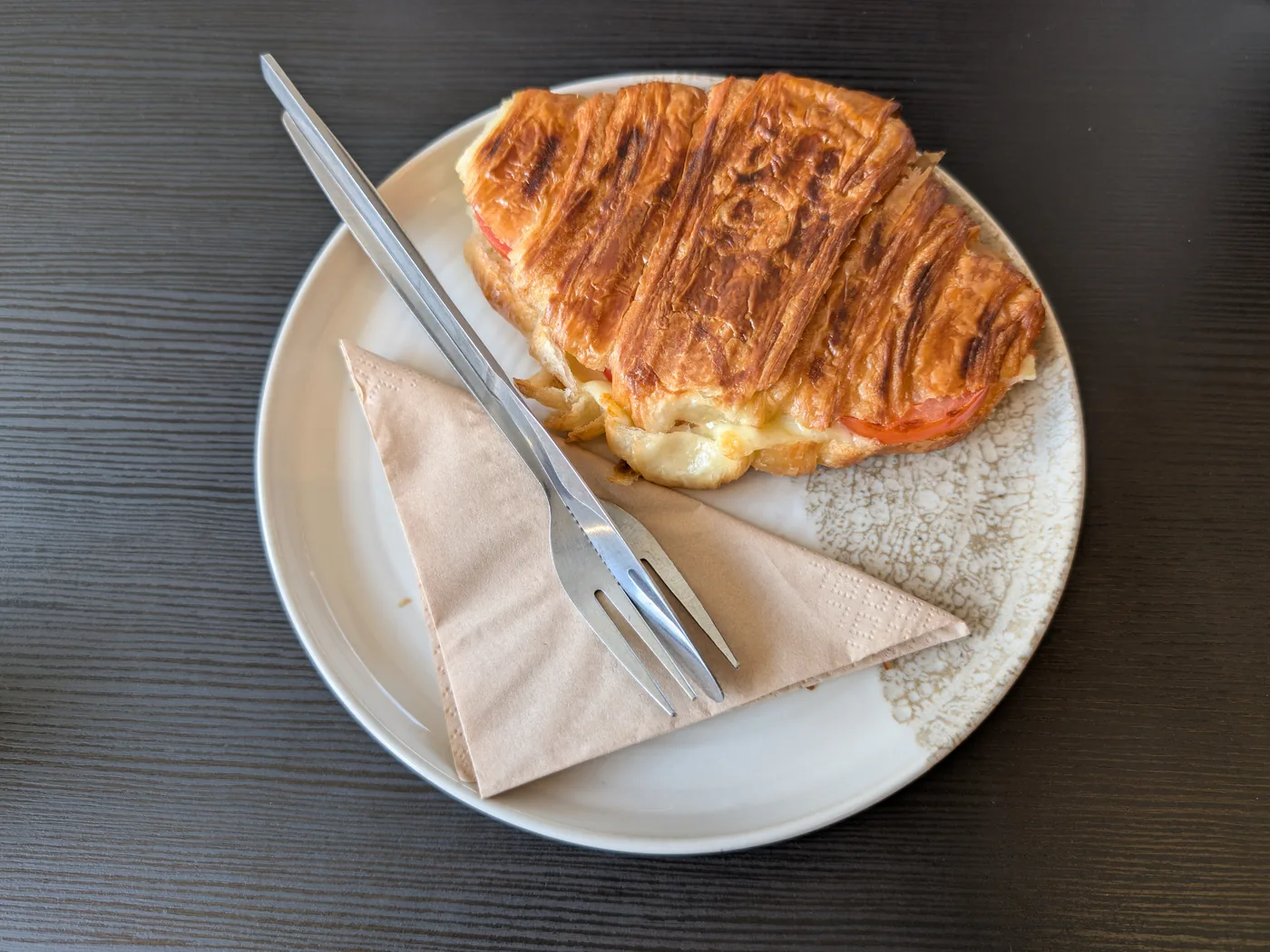
A golden cheese croissant with melted cheese and tomato on a plate with a napkin, knife and fork

Swiss Bakery Classic

Photo: Andy Li, CC0, via Wikimedia Commons

The Heritage Formulary

Measured Ingredients

Estimated cost: Low — about $2–3 per serving at home (USD)

The crescents are baked at 200°C (400°F) until deep golden and puffed, and the cheese inside is melted and steaming hot when they come out of the oven.

Execution Methodology & Culinary Technique

Step-by-Step Cooking Guide

Active 45m
P

Roll the Crescents

25 minutes

Unroll the cold puff pastry sheets and cut each one into 4 large triangles. Spread a thin smear of Dijon mustard on each triangle and sprinkle Gruyère over the wide end. Roll each triangle up from the wide end to the point, curve the ends in slightly to make a crescent, and set them on a lined baking tray. Brush with milk and sprinkle with poppy seeds.

Maestro Tip: Keep the pastry cold — warm puff pastry goes soft and will not puff in the oven. If it softens, chill the rolled crescents for 10 minutes before baking. Seal the point underneath so the crescents do not unroll.

  1. 1

    Cut the Pastry into Triangles

    5 Minutes Room temperature, about 21°C (70°F)

    Preheat the oven to 200°C (400°F) and line a baking tray with parchment paper. Unroll the cold puff pastry sheets on a lightly floured surface and cut each sheet into 4 large triangles, 8 triangles in total.

    Cut with a sharp knife in one stroke — sawing drags the layers and stops the pastry puffing.

    Done when: The triangles are even, with clean cut edges and the pastry still cold and firm.

  2. 2

    Fill with Gruyère

    10 Minutes Room temperature, about 21°C (70°F)

    Spread a thin smear of Dijon mustard over each triangle, leaving a small border at the edges. Sprinkle the grated Gruyère evenly over the wide end of each triangle, keeping it away from the point.

    Do not overfill — cheese that spills out burns on the tray instead of melting inside. A little mustard goes a long way.

    Done when: Every triangle has an even layer of mustard and cheese at the wide end, with the point left bare.

  3. 3

    Roll, Shape and Glaze

    10 Minutes Room temperature, about 21°C (70°F)

    Roll each triangle up from the wide end to the point, curve the ends in slightly to make a crescent, and set them point-side down on the lined tray. Brush with milk and sprinkle with poppy seeds.

    Seal the point underneath so the crescents do not unroll in the oven. Leave space between them — they puff up as they bake.

    Done when: The crescents are neat and curved, with the points tucked underneath and a light milk glaze.

  4. 4

    Bake Until Golden and Puffed

    20 Minutes 200°C (400°F)

    Bake on the middle shelf for 20 minutes, until the crescents are deep golden, puffed and crisp, with melted cheese just showing at the seams.

    Do not open the oven in the first 10 minutes — the rush of cool air can stop the pastry rising. The crescents are done when they are deep golden all over, not just pale gold.

    Done when: The crescents are deep golden and puffed, with crisp layers and melted cheese at the seams.

  5. 5

    Rest and Serve Warm

    5 Minutes Room temperature, about 21°C (70°F)

    Rest the crescents for 5 minutes so the cheese settles, then serve warm with a green salad or a bowl of soup.

    The cheese is molten straight from the oven and burns mouths — 5 minutes of rest is enough for it to settle without cooling the pastry.

    Done when: The pastry is still crisp, the cheese is soft and melted, and the crescents are warm to the touch.

Finishing Touches & Plating

Take the crescents out of the oven when they are deep golden and puffed, and let them rest for 5 minutes so the cheese settles. Serve warm, while the pastry is still crisp and the Gruyère is soft — Käsegipfeli wait for no one.

Nutritional Physiology & Benefits

Nutrition

Energy

866

kcal / serving

Protein

22g

Complete AA

Carbs

57g

Complex

Fats

61g

Healthy

Per serving (4 servings · 1 serving ≈ 175 g)
Energy866 kcal
Protein22 g
Carbohydrates57 g
Fat61 g
Fibre2.4 g
Sugar1.4 g
Sodium653 mg
Per 100g
Energy495 kcal
Protein12.3 g
Carbohydrates32.8 g
Fat35.1 g
Fibre1.3 g
Sugar0.8 g
Sodium373 mg

Nutrition values are estimated — calculated from USDA FoodData Central values for the listed ingredients.

Vitamins & minerals: Provides calcium from the Gruyère, vitamin A from the butter in the pastry, and vitamin B12 from the cheese and milk. Nutrition is estimated.

High in Protein

About 21.6 g of protein per serving from the Gruyère, which supports muscle maintenance and keeps a bakery lunch filling for hours.

Calcium from Gruyère

Gruyère adds calcium to the plate, and the Dijon mustard gives flavour without adding sugar or fat.

Baked, Not Fried

Baked, not fried, and made with just pastry, cheese and mustard — a simple, honest bakery lunch with no artificial flavourings.

Food Pairings

What to Eat With

To optimize nutrient absorption and elevate the sensory depth, pair with these authentic accompaniments:

Vegetables

Green Salad with Lemon Dressing

A sharp green salad with a lemon dressing cuts through the buttery pastry and refreshes the palate between bites.

Drinks

Coffee

A cup of coffee is the classic Swiss partner — its bitterness balances the rich cheese, and it is how bakeries serve them.

Soups

Tomato Soup

A light tomato soup turns two crescents into a full lunch, and the warm soup softens the pastry just enough.

Sides

Apple Slices

Crisp apple slices add sweetness and crunch beside the rich, salty crescents, and children love them on the side.

Complete menu

Serve the Käsegipfeli warm with a green salad and a cup of coffee, or with a bowl of tomato soup for a complete Swiss lunch.

Digestive Guardrails

What NOT to Combine

To prevent digestive distress, sluggishness, or palate clash, avoid pairing the dish with these elements:

Wheat, Milk and Mustard Allergy — Do Not Serve

Käsegipfeli are made with puff pastry, cheese and mustard, so anyone with a wheat, milk or mustard allergy must not eat them — there is no substitute that keeps them Käsegipfeli. This is general information, not medical advice.

Extra Mustard and Salty Cheeses

One serving carries about 653 mg of sodium, mostly from the Gruyère, so piling on salty mustard or cured meats on the side pushes the salt load up fast — keep the accompaniments plain. This is general information, not medical advice.

Crescents Left Out Too Long

Puff pastry goes soft and the cheese filling can spoil if the crescents sit out for hours. Do not leave them at room temperature for more than 2 hours, and reheat leftovers until steaming hot. This is general information, not medical advice.

General information only, not medical advice — consult a doctor for personal dietary decisions.

Who Should Eat It

Who Should Eat

  • General adultsA rich, satisfying lunch — two warm crescents with a green salad make a complete Swiss bakery lunch.
  • ChildrenChildren usually love these flaky cheese crescents — cut one in half for younger children and serve it warm, not hot, with apple slices.
  • ElderlySoft, flaky and easy to chew, Käsegipfeli suit older eaters — serve them warm with a light soup rather than a heavy salad.
  • Pregnant womenSafe when the crescents are baked right through and the cheese is melted and steaming hot inside — eat them freshly baked and warm.
  • Breastfeeding womenA filling, energy-rich lunch; the cheese adds calcium and protein, so enjoy them as part of a varied diet.
  • AthletesAbout 21.6 g of protein and 57.3 g of carbohydrate per serving makes two crescents a solid post-training lunch — add fruit to top up energy.
  • Weight gainAdd a third crescent and a glass of milk to lift the energy of the meal.
  • Weight lossThe pastry is rich, so keep to one crescent, skip the extra cheese, and fill the plate with green salad.

Health Conditions — Adjust or Avoid

Conditions

  • DiabetesTwo crescents carry about 57.3 g of carbohydrate, so keep to the stated portion and favour the green salad over extra pastry; ask your clinician about portions.
  • High blood pressureThis dish is salty — about 653 mg of sodium per serving, mostly from the Gruyère — so keep to one crescent and skip extra mustard; ask your clinician about portions.
  • Kidney diseaseHigh in protein, sodium and potassium, so it may not suit a restricted kidney diet; ask your clinician before eating it.
  • GoutCheese is low in purines, so a small portion is usually fine — keep the portion to one crescent during a flare; ask your clinician for advice.
  • Stomach issuesThe buttery pastry and mustard can sit heavily on a sensitive stomach — eat a small portion, chew well, and skip the mustard if it troubles you; ask your clinician if symptoms flare.
  • Cardiovascular diseasePuff pastry and cheese make this dish rich in saturated fat and salt, so keep portions moderate and balance the plate with salad; ask your clinician about portions.
  • Fatty liverThe buttery pastry and cheese add up, so keep the portion to one crescent and serve it with salad instead of extra cheese; ask your clinician about portions.
  • Food allergiesContains wheat (puff pastry), milk (Gruyère and butter in the pastry) and mustard. Check the pastry label for other allergens if you are unsure; ask your clinician if you are unsure.
  • Special therapeutic dietsHigh in protein and energy, but rich, salty and made with white pastry — it can be adapted with low-salt cheese and less filling, but ask your clinician or dietitian before relying on it for a therapeutic diet.

If you have a medical condition, consult your doctor before changing your diet.

Storage & Use

Storage & Use

How to store
Cool completely, then store in an airtight container; keep at room temperature for the first day, refrigerate after that.
In the fridge
Baked crescents 2–3 days in an airtight container.
In the freezer
Baked crescents up to 1 month; unbaked rolled crescents freeze well for up to 1 month — bake from frozen, adding 5 minutes.
How to reheat
Reheat in a hot oven at 180°C (350°F) for 5–8 minutes until crisp and steaming hot throughout, to 74°C (165°F); do not microwave, or the pastry goes soft.
Freezing recommended
Yes, baked or unbaked.
Signs it has spoiled
Sour or off smell, soft and soggy pastry that does not crisp up, or mould.

More recipes to explore

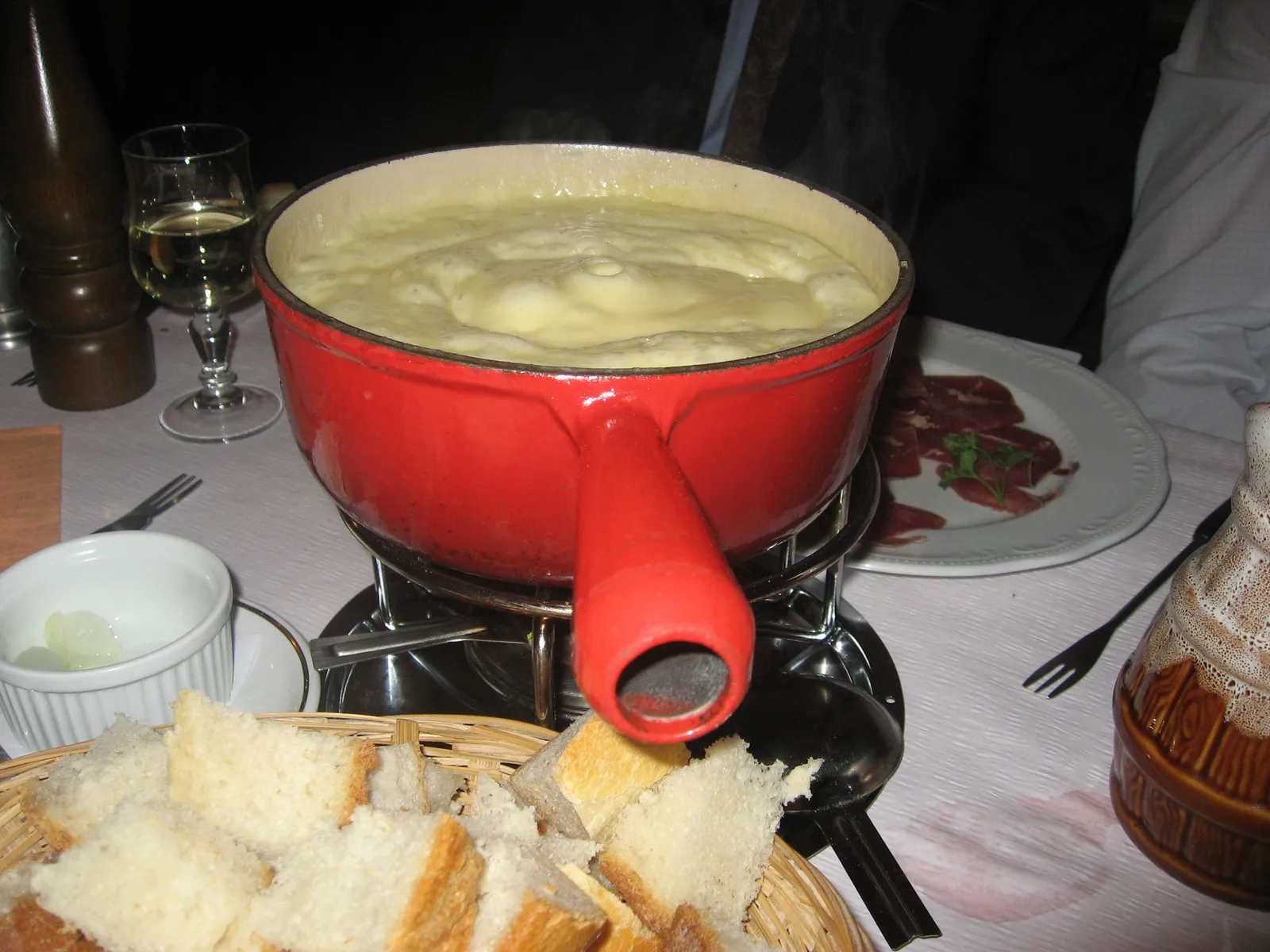
A red fondue pot of melted cheese with bread cubes and a glass of white wine Switzerland flag Switzerland 40m
Dinner •Swiss Alpine Classic

Swiss Cheese Fondue

Swiss cheese fondue is the Alps in a pot: Gruyere and Emmental melted slowly into dry white wine with garlic and a splash of kirsch, kept warm at the table while everyone dips cubes of bread into the bubbling cheese. One serving is about 310 g.

Comfort & Togetherness

Gruyere and Emmental melted in white wine, shared from one pot.

Pairs Well With
Cubes of crusty bread, boiled potatoes and cornichons on the side
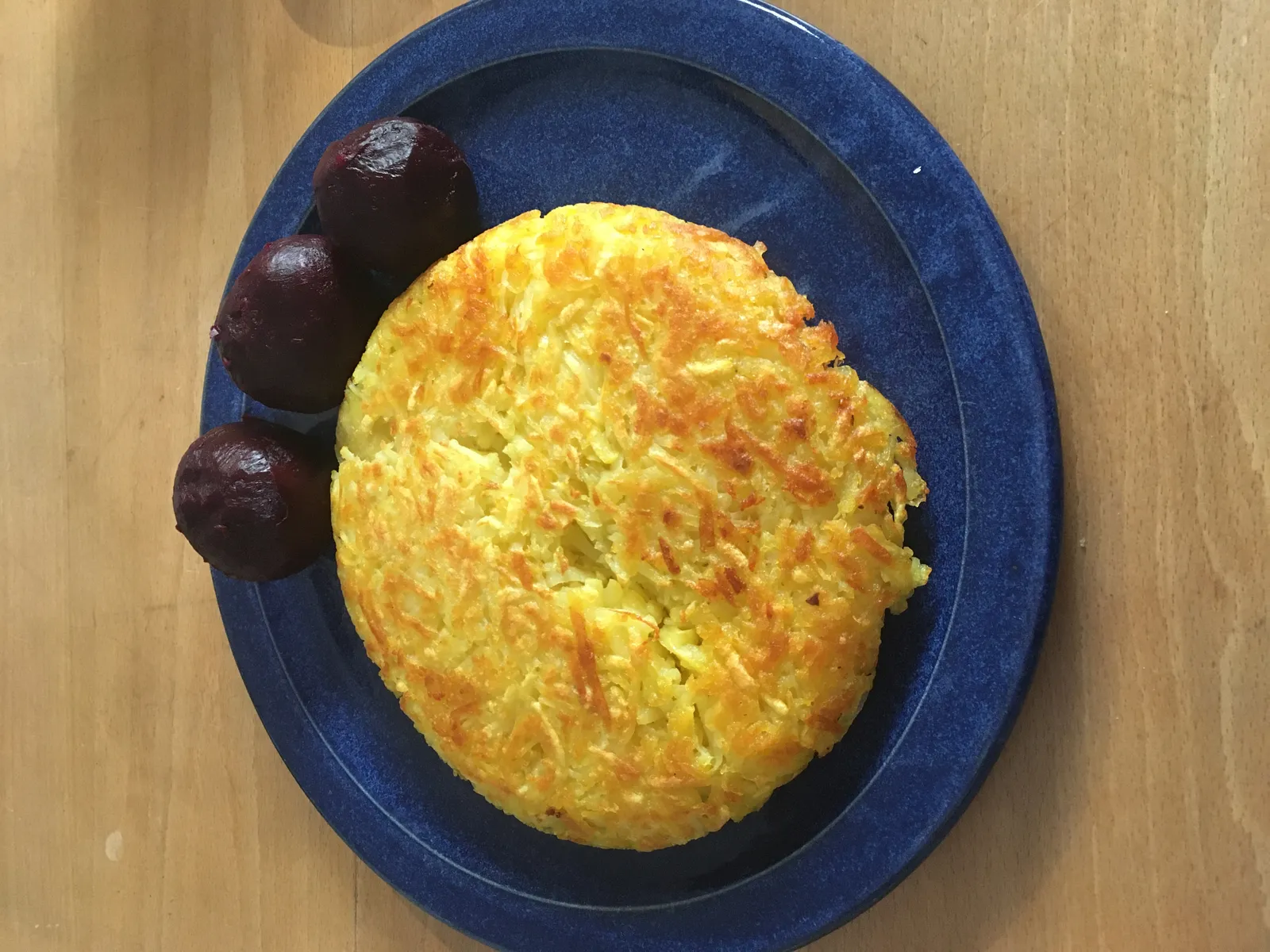
A large golden rosti potato cake on a blue plate Switzerland flag Switzerland 40m
Lunch •Bernese Farmhouse Classic

Rösti

Rösti is Switzerland's crisp potato cake: grated potato pressed into one large golden disc and fried in butter until the outside shatters and the inside stays soft, then topped with a fried egg. One serving is about 240 g.

Simple & Satisfying

One large crisp cake of grated potato, pan-fried in butter and topped with a fried egg.

Pairs Well With
A fried egg on top and a simple green salad with sharp vinaigrette
Quick Prep (<30m)
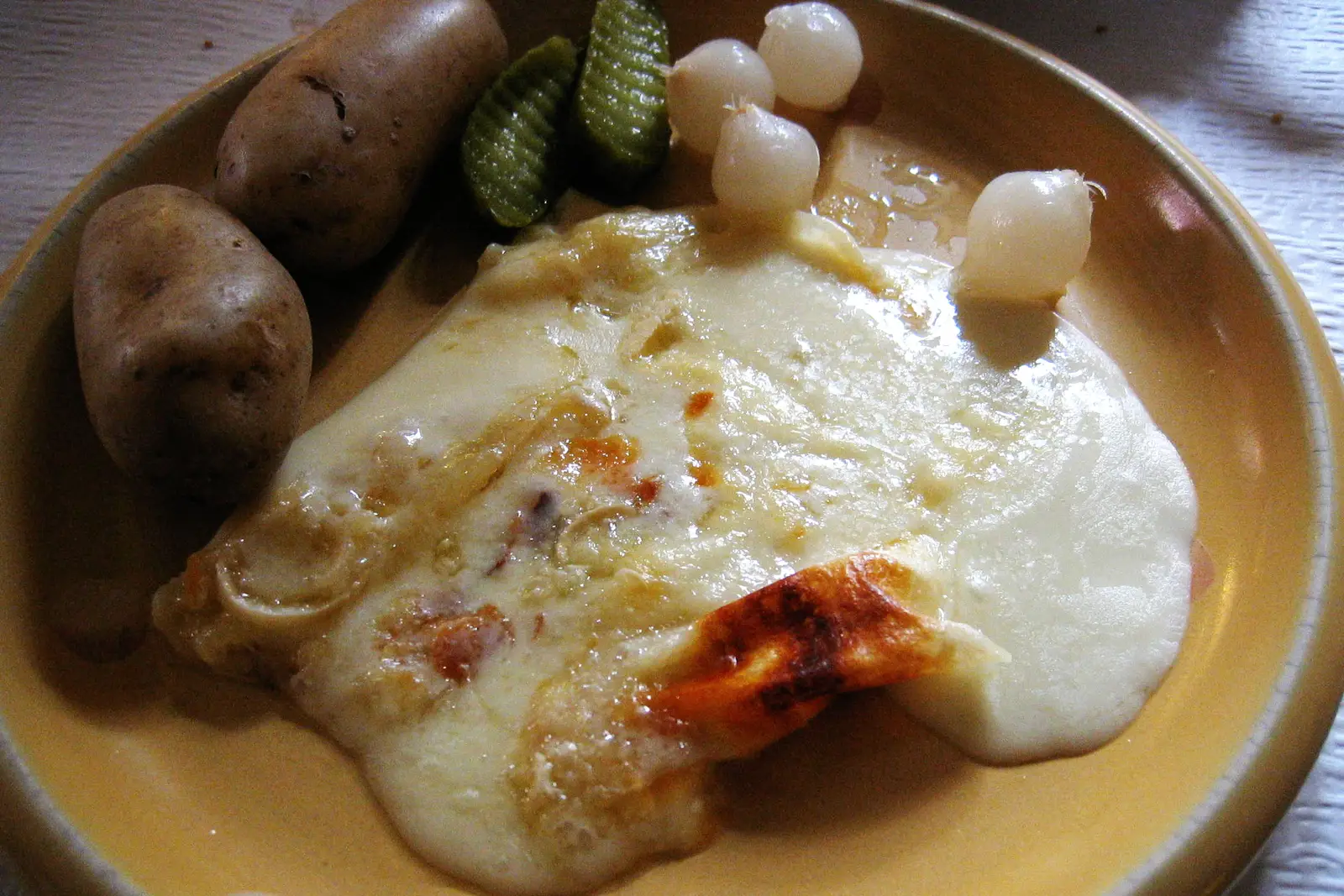
Melted raclette cheese scraped over a plate with boiled potatoes and pickles Switzerland flag Switzerland 40m
Dinner •Valais Alpine Classic

Raclette

Raclette is the Swiss Alps' other great melted-cheese meal: a half-wheel of raclette cheese is warmed until the cut face bubbles, then scraped in ribbons over boiled potatoes, with cornichons and pickled onions to cut the richness. One serving is about 365 g.

Comfort & Togetherness

Melted raclette cheese scraped over boiled potatoes with pickles.

Pairs Well With
Boiled potatoes, cornichons, pickled onions and a green salad
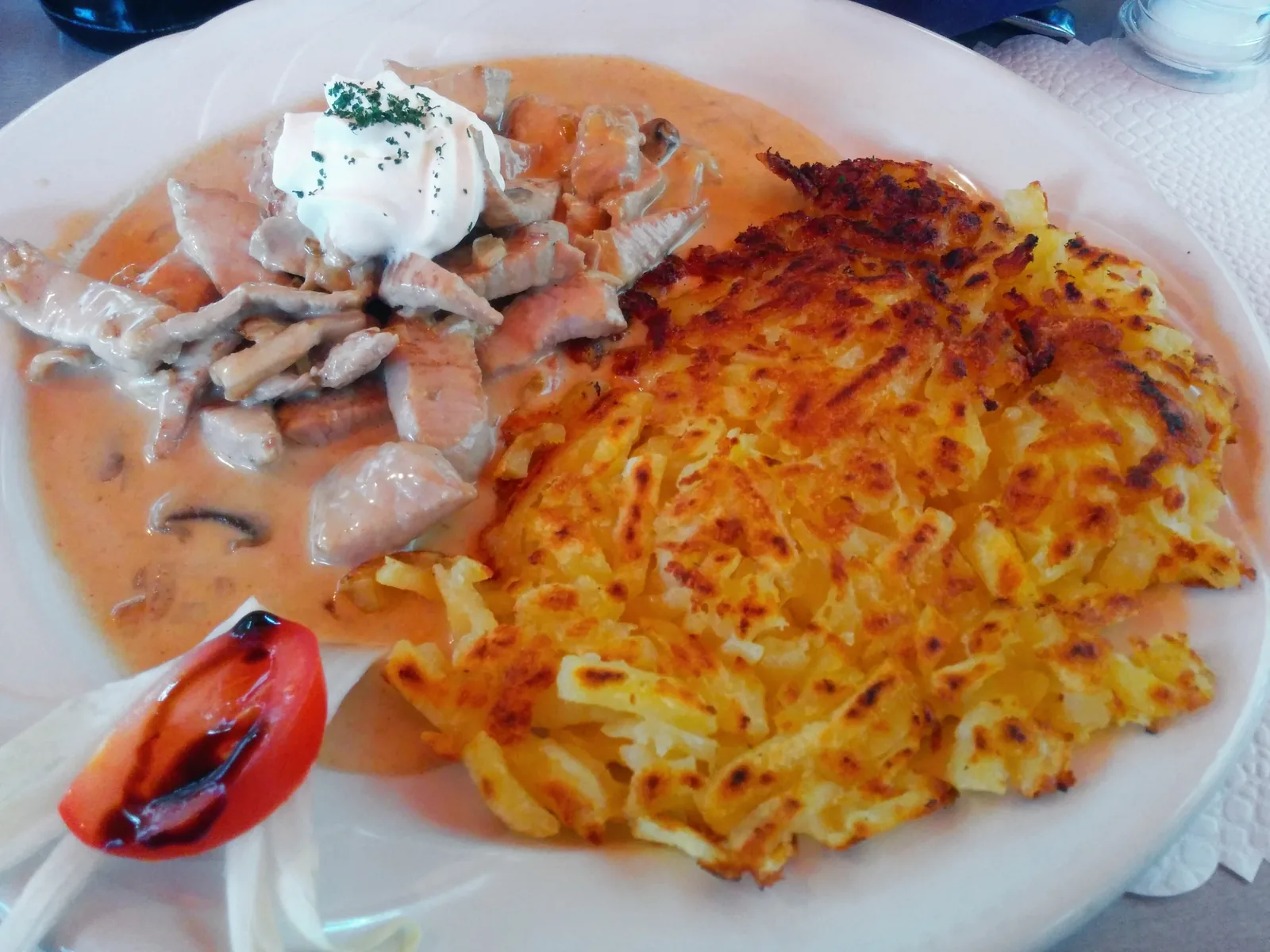
A plate of Zürcher Geschnetzeltes — veal strips in cream sauce with a dollop of cream — beside golden rösti. Switzerland flag Switzerland 40m
Dinner •Zurich Classic

Zürcher Geschnetzeltes

Zürcher Geschnetzeltes is Zurich's signature dish: thin strips of veal quickly seared, then finished in a white-wine and cream sauce with mushrooms and onion. One serving is about 335 g, before the rösti it is traditionally served with.

Rich & Comforting

Tender strips of veal in a white-wine cream sauce with mushrooms — Zurich's classic, with rösti.

Pairs Well With
Serve with golden rösti and a glass of dry Swiss white wine.
High Protein

The Dinner Gazette

Never wonder what’s for dinner again

One email a week with easy dinner ideas from around the world — ingredients, steps and nutrition, tested in our kitchen first.

Delivered every Thursday morning. Unsubscribe anytime.