
Curated recipes from 193 countries  •  New seasonal Mediterranean issue out now

Overview

Khao Lam

Khao Lam Bamboo Rice, Thai Bamboo Sticky Rice

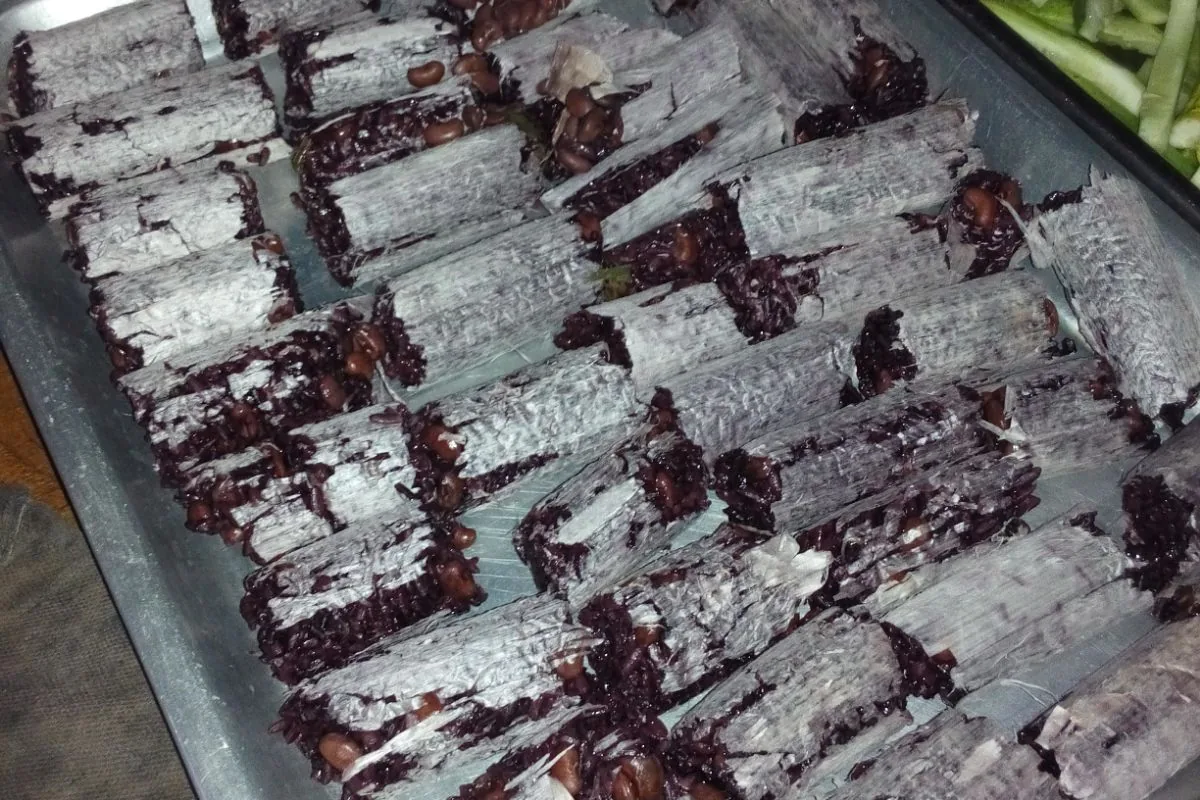
Glutinous rice soaked overnight, mixed with coconut milk and sugar, packed into bamboo tubes and roasted over charcoal until fragrant and tender. One serving is about 125 g (one bamboo tube). This khao lam recipe makes 8 tubes in about 1 hour 40 minutes, most of it hands-off roasting.

Khao lam is sold from roadside stalls across Thailand, where vendors roast the bamboo tubes over charcoal and split them open to order. The dish is also made across Laos and Cambodia, and the town of Nong Mon in Chonburi province is famous for its khao lam, sold along the road to Bangkok. Bamboo is both pot and plate: it seals in the coconut steam and perfumes the rice.

Pairs well with: Hot Thai tea or fresh coconut water.

Provenance

Thailand flag Thailand

Thai Market Classic

East & South Asia

Time Dedication

1h 40m

25m prep • 75m cook

Batch Yield

8 Servings

357 kcal per serving

1 serving ≈ 125 g

Technical Skill

Intermediate

Medium (Bamboo Roast)

Meal Timing & Digestive Fit

Breakfast

Not Advised

Lunch

Inappropriate

Dinner

Inappropriate

Snack & Tea

Ideal Light Bite

Occasions: Street-food snacks, picnics, temple fairs, afternoon tea Cost: Low — about $1–2 per serving at home
Khao lam bamboo sticky rice, dark glutinous rice with beans served in split bamboo tubes on a tray

Thai Market Classic

Photo: Ronggy, CC0, via Wikimedia Commons

The Heritage Formulary

Measured Ingredients

Estimated cost: Low — about $1–2 per serving at home (USD)

Made the roadside way: rice soaked overnight, coconut milk sweetened just enough, tubes roasted over charcoal and turned often.

Execution Methodology & Culinary Technique

Step-by-Step Cooking Guide

Active 1h 40m
P

Prep Stage: Soak the Rice Overnight

25 Mins + Overnight Soak • Soaking & Mixing

Rinse the 400 g glutinous rice until the water runs clear and soak it overnight in cold water. In the morning, drain it well. Warm the 400 ml coconut milk with the 90 g sugar and 3 g salt until the sugar dissolves, then cool slightly and mix with the rice, the 80 g cooked black beans and the 60 ml water.

Maestro Tip: Do not skip the overnight soak — dry glutinous rice cooks unevenly in bamboo and stays hard in the middle.

  1. 1

    Drain the Rice and Mix the Coconut Milk

    10 Mins Room temperature, ~20°C (68°F)

    Drain the soaked rice well. Warm the 400 ml coconut milk with the 90 g sugar and 3 g salt until the sugar dissolves, cool slightly, then fold it through the rice with the 80 g black beans and 60 ml water.

    Let the milk cool to warm, not hot, so the rice does not start cooking.

    Done when: Every grain is coated and the milk is mostly absorbed.

  2. 2

    Pack the Bamboo Tubes

    15 Mins Room temperature, ~20°C (68°F)

    Spoon the rice mixture into the 8 bamboo tubes, filling each about three-quarters full. Tap the tubes on the bench to settle the rice and leave about 3 cm (1 in) of headspace.

    Do not pack the tubes full — the rice swells as it cooks and needs room.

    Done when: Tubes filled to about 3 cm below the rim, rice settled with no air pockets.

  3. 3

    Seal and Roast over Charcoal

    60 Mins Medium heat, about 180°C (350°F)

    Plug each tube with banana leaf or foil and lay the tubes over medium charcoal, turning every 15 minutes so they roast evenly.

    Keep the fire medium, not fierce — scorched bamboo gives a bitter taste.

    Done when: The bamboo is charred outside and the rice inside is tender and fragrant.

  4. 4

    Rest and Split the Bamboo

    10 Mins Warm, about 60°C (140°F)

    Rest the tubes for 10 minutes, then split each one lengthways with a heavy knife or cleaver and peel the bamboo away from the rice.

    Split away from your hands and let the steam escape before peeling.

    Done when: The rice holds the shape of the tube and looks glossy.

  5. 5

    Slice and Serve

    5 Mins Room temperature, ~20°C (68°F)

    Slice each rice log into rounds about 2 cm (3/4 in) thick and arrange on a plate.

    A wet knife cuts clean slices without sticking.

    Done when: Slices hold together with the beans visible inside.

Finishing Touches & Plating

Serve warm from the bamboo, sliced into rounds. Eat with your hands or a fork — the bamboo is the plate and the wrapper in one.

Nutritional Physiology & Benefits

Nutrition

Energy

357

kcal / serving

Protein

5g

Complete AA

Carbs

57g

Complex

Fats

12g

Healthy

Per serving (8 servings · 1 serving ≈ 125 g)
Energy357 kcal
Protein5 g
Carbohydrates57 g
Fat12 g
Fibre2.5 g
Sugar12.9 g
Sodium153 mg
Per 100g
Energy286 kcal
Protein4.3 g
Carbohydrates45.5 g
Fat9.9 g
Fibre2 g
Sugar10.3 g
Sodium122 mg

Nutrition values are estimated — calculated from USDA FoodData Central values for the listed ingredients.

Vitamins & minerals: Black beans add iron, magnesium and folate, coconut milk supplies manganese, and glutinous rice gives steady carbohydrate energy.

Slow-Release Energy

About 57 g of carbohydrate per serving from glutinous rice gives long-lasting energy for a filling snack.

Beans Add Fibre and Iron

The black beans add about 2.5 g of fibre per serving, plus iron and folate.

Naturally Gluten-Free

Glutinous rice contains no gluten despite its name, so this snack suits a gluten-free table — check the coconut milk label if you are coeliac.

Food Pairings

What to Eat With

To optimize nutrient absorption and elevate the sensory depth, pair with these authentic accompaniments:

Drinks

Hot Thai Tea

Spiced Thai tea cuts through the richness of the coconut milk and keeps the snack from feeling heavy.

More Pairings

Fresh Mango

Ripe mango adds juicy sweetness and a little acidity that lifts the dense, sticky rice.

Coconut Ice Cream

A small scoop of coconut ice cream with warm khao lam is the classic Thai dessert pairing.

Grilled Bananas

Warm grilled bananas echo the caramel sweetness of the coconut rice and make a fuller dessert plate.

Complete menu

Serve one or two tubes per person with hot Thai tea and fresh mango — the tea and fruit keep the rich coconut rice from feeling heavy.

Digestive Guardrails

What NOT to Combine

To prevent digestive distress, sluggishness, or palate clash, avoid pairing the dish with these elements:

Eating the Bamboo

The bamboo tube is a cooking vessel, not food — split it open and peel it away before eating.

Leaving Cooked Rice Out for Hours

Cooked rice can grow Bacillus cereus if left warm for a long time, so refrigerate leftovers within 2 hours. This is general information, not medical advice.

General information only, not medical advice — consult a doctor for personal dietary decisions.

Who Should Eat It

Who Should Eat

  • General adultsA rich, filling snack — one tube is a good portion, since it is high in saturated fat from the coconut milk.
  • ChildrenKids enjoy the sweet, sticky rice; cut it into small rounds and let it cool a little first.
  • ElderlySoft and easy to chew; the sticky texture can be hard to swallow for some, so take small bites with a drink nearby.
  • Pregnant womenFine in normal portions — all ingredients are cooked through. Ask your clinician if unsure.
  • Breastfeeding womenFine in normal portions; the energy from rice and coconut milk is useful.
  • AthletesGood carbohydrate energy after training, with some protein from the beans.
  • Weight gainEnergy-dense and easy to eat, so it can help add calories — two tubes make a substantial snack.
  • Weight lossHigh in calories at about 357 kcal per tube, so take one tube and skip extra sweet drinks.

Health Conditions — Adjust or Avoid

Conditions

  • DiabetesHigh in carbohydrate (about 57 g per serving) with added sugar; take a small portion and ask your clinician about portion size.
  • High blood pressureLow in sodium at about 153 mg per serving, so salt is not the issue here — sugar and saturated fat are. Ask your clinician for personal advice.
  • Kidney diseaseModerate in potassium from the beans and coconut; keep portions modest and ask your clinician for personal advice.
  • GoutBeans are moderate in purines, but one tube is a small amount; ask your clinician if you are managing gout.
  • Stomach issuesSticky rice is gentle but heavy and slow to digest; eat slowly and in modest portions if you have reflux.
  • Cardiovascular diseaseHigh in saturated fat from coconut milk (about 12 g fat per serving), so keep it an occasional treat. Ask your clinician for personal advice.
  • Fatty liverHigh in added sugar and saturated fat, so best as an occasional treat, not a daily snack. Ask your clinician for personal advice.
  • Food allergiesContains no common allergen except coconut, which some people with tree-nut allergy react to — check with your clinician if unsure.
  • Special therapeutic dietsGluten-free as written, but not low-fat or low-sugar; ask your clinician or dietitian for a version that fits your plan.

If you have a medical condition, consult your doctor before changing your diet.

Storage & Use

Storage & Use

How to store
Cool, keep in the bamboo or wrapped in cling film, and refrigerate in a sealed container.
In the fridge
2 days in the fridge at 4°C (40°F) or below.
In the freezer
Up to 1 month, well wrapped.
How to reheat
Steam for 10 minutes until hot through, to 74°C (165°F), or microwave with a splash of water.
Freezing recommended
Yes — freeze in the bamboo, well wrapped.
Signs it has spoiled
Sour smell, slimy texture, or mould on the rice or bamboo.

More recipes to explore

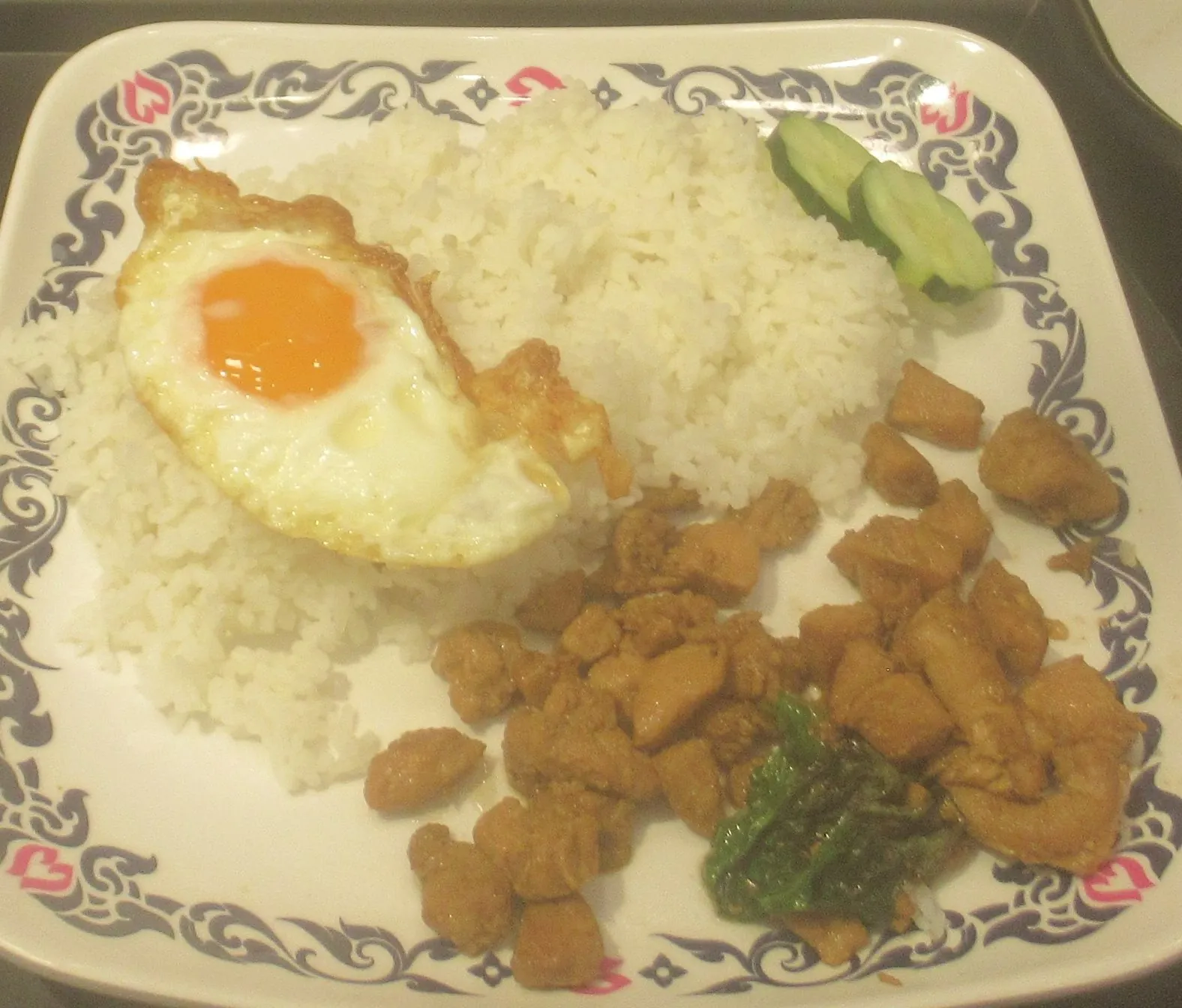
Pad kra pao gai — Thai holy basil chicken with fried egg and rice Thailand flag Thailand 30m
Lunch •Bangkok Street Flame

Pad Kra Pao Gai

High-heat wok flash of holy basil and crushed chillies over minced chicken, served over jasmine rice with a crispy-edged fried egg.

High Energy

Capsaicin brings the heat; holy basil adds a peppery, clove-like aroma.

Pairs Well With
Chilled Cucumber Salad & Fish Sauce Lime Dip
High Protein • Quick Prep (<30m)
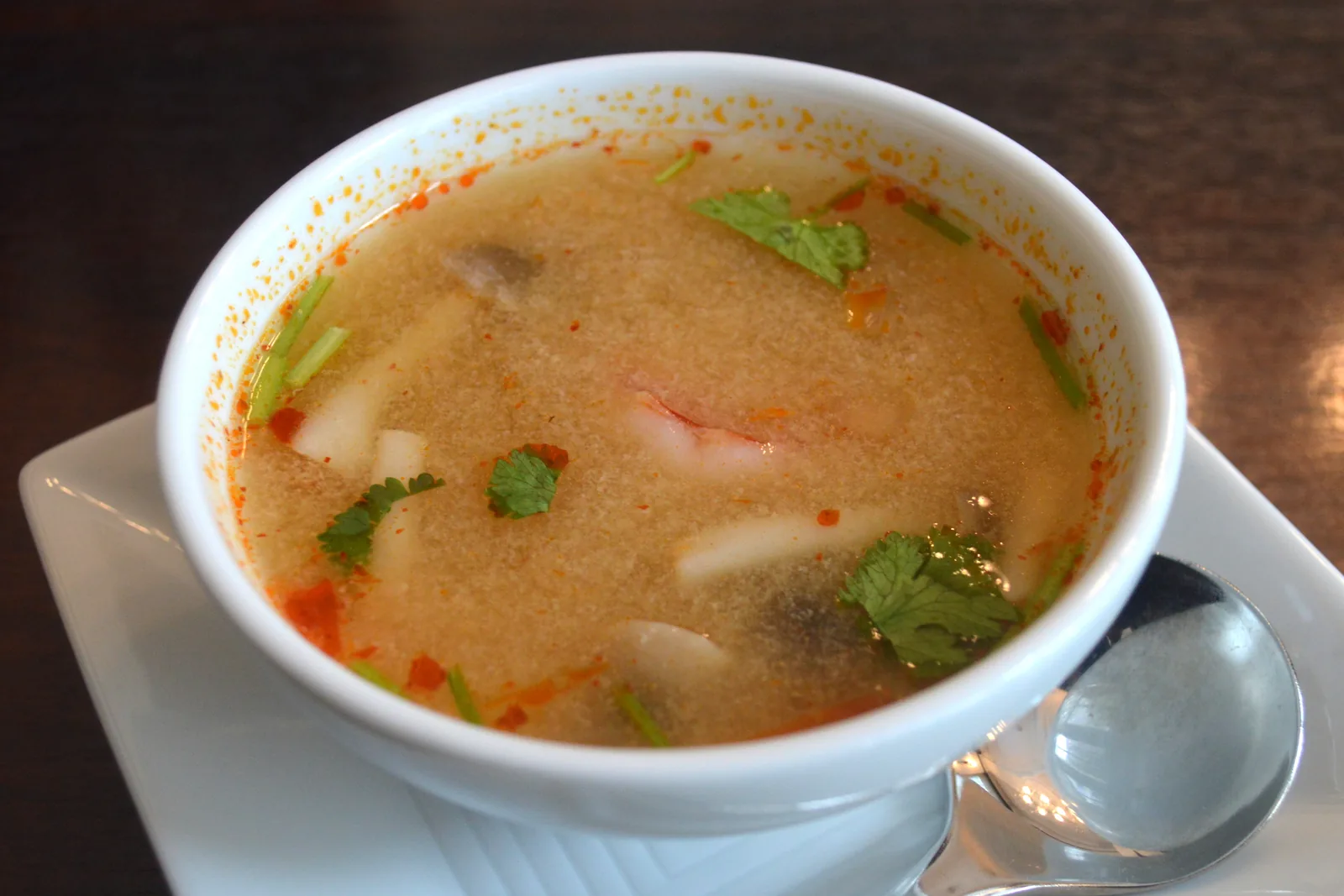
A white bowl of clear tom yum goong with a pink prawn, mushrooms and fresh cilantro Thailand flag Thailand 35m
Lunch •Central Thai Rivers

Tom Yum Goong

This tom yum goong recipe builds a clear, fiery-sour broth from lemongrass, galangal and makrut lime leaves, then finishes it with plump prawns, mushrooms and lime juice. One serving is about 460 g.

Comfort & Warmth

Hot, sour and fragrant prawn soup with lemongrass, galangal and lime.

Pairs Well With
Steamed jasmine rice and a cold Thai iced tea
Soups & Broths • High Protein
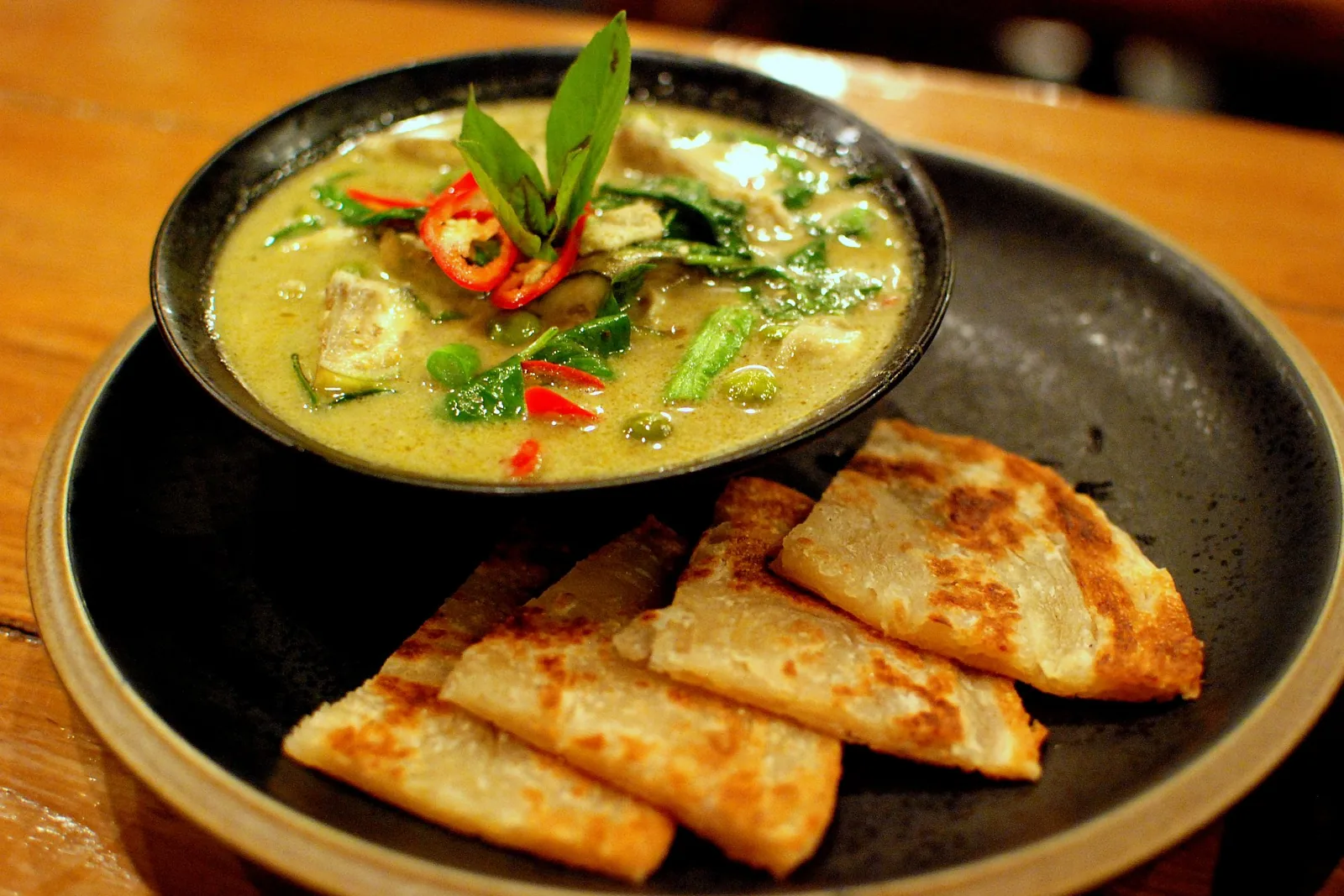
A black bowl of Thai green curry with chicken, Thai basil and red chilli, with roti on the side Thailand flag Thailand 40m
Dinner •Central Thai Classic

Thai Green Curry

This thai green curry recipe simmers chicken in coconut milk with green curry paste, Thai eggplant and bamboo shoots, finished with basil and a squeeze of lime. One serving is about 480 g, rice included.

Comfort & Warmth

Creamy coconut curry with green chillies, Thai basil and tender chicken.

Pairs Well With
Jasmine rice and a cucumber salad
High Protein
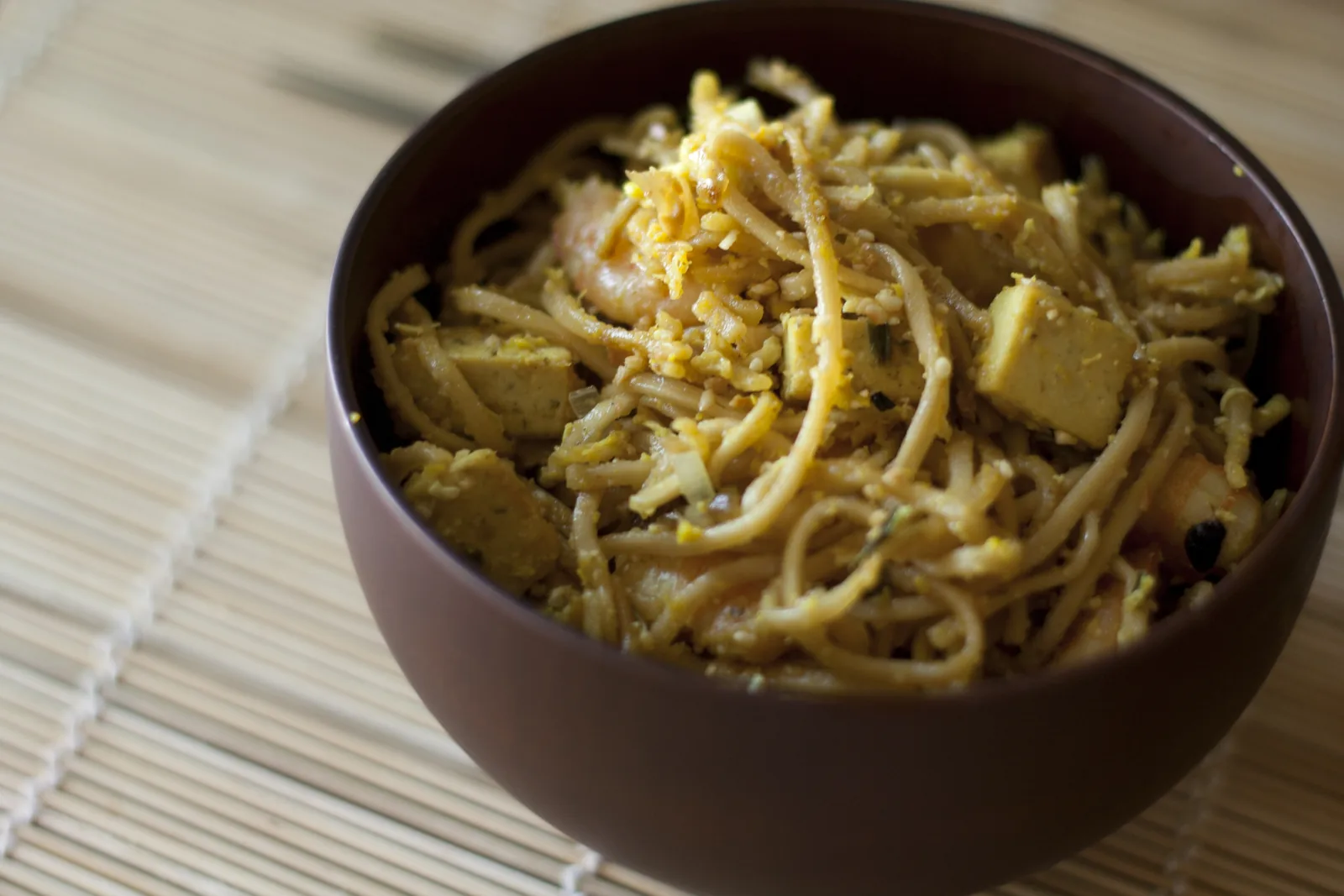
A dark bowl of pad thai with shrimp, tofu and egg, served on a bamboo mat Thailand flag Thailand 35m
Lunch •Thai Street-Food Classic

Pad Thai

This pad thai recipe stir-fries flat rice noodles with shrimp, egg and tofu in a tamarind, fish-sauce and palm-sugar glaze, finished with bean sprouts, peanuts and lime. One serving is about 350 g.

Street-Food Comfort

Stir-fried rice noodles in a sweet, sour and salty tamarind glaze, with shrimp, egg and tofu — the balance of flavours is the whole point.

Pairs Well With
Iced lime tea and a crisp cucumber salad
Pasta & Noodles

The Dinner Gazette

Never wonder what’s for dinner again

One email a week with easy dinner ideas from around the world — ingredients, steps and nutrition, tested in our kitchen first.

Delivered every Thursday morning. Unsubscribe anytime.