
Curated recipes from 193 countries  •  New seasonal Mediterranean issue out now

Overview

Kimchi Fried Rice

Kimchi Bokkeum Bap, Kimchi Bokkeumbap

This kimchi fried rice recipe turns day-old rice, well-fermented kimchi and a fried egg into a fast, fiery lunch. The kimchi and its brine do most of the seasoning, gochujang deepens the colour, and pork belly adds richness. One serving is about 350 g.

Kimchi bokkeum-bap is a home-cooking staple in Korea, born as a practical way to use up leftover rice and kimchi that had fermented past its fresh-eating prime. Frying tames the sourness while the rice soaks up the brine and chilli. It is now a fixture of casual restaurants and home lunches alike, usually finished with a fried egg on top.

Pairs well with: Fried egg, roasted seaweed and a cold barley tea

Provenance

South Korea flag South Korea

Korean Home-Cooking Classic

East & South Asia

Time Dedication

25m

10m prep • 15m cook

Batch Yield

4 Servings

581 kcal per serving

1 serving ≈ 350 g

Technical Skill

Easy

Easy (One Pan)

Meal Timing & Digestive Fit

Breakfast

Not Advised

Lunch

Prime Metabolic Fit

Dinner

Ideal Hearty Main

Snack & Tea

Inappropriate

Quick Prep (<30m) Occasions: Quick weekday lunch, using up leftovers, casual dinner Cost: Low — about $3–4 per serving at home
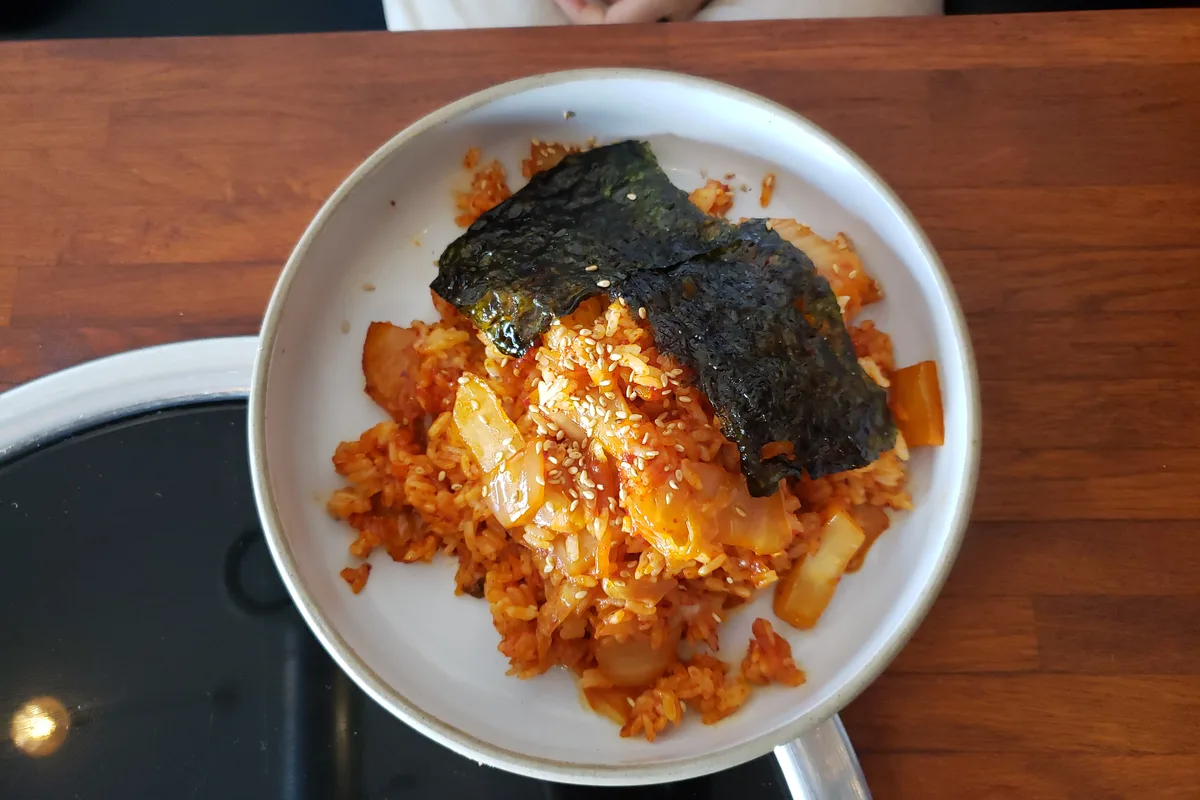
A bowl of kimchi fried rice topped with sesame seeds and sheets of roasted seaweed

Korean Home-Cooking Classic

Photo: Andy Li, CC0, via Wikimedia Commons

The Heritage Formulary

Measured Ingredients

Estimated cost: Low — about $3–4 per serving at home (USD)

Made with aged kimchi, day-old rice and a fried egg; nutrition is estimated from USDA values.

Execution Methodology & Culinary Technique

Step-by-Step Cooking Guide

Active 25m
P

Prep Stage: Rice, Kimchi and Eggs Ready

10 Mins • Chopping & Measuring

Have the day-old rice broken up into loose grains in a bowl. Chop the kimchi and keep its brine. Slice the pork belly, mince the garlic, slice the spring onions and stir the gochujang, soy sauce and sugar into the brine.

Maestro Tip: Everything goes into the pan fast, so measure and chop before the wok gets hot — there is no time to stop mid-fry.

  1. 1

    Fry the Pork and Kimchi

    5 Mins High heat, about 200°C (400°F)

    Heat the vegetable oil in a large wok or frying pan over high heat. Add the pork belly and fry for 2 minutes until the edges crisp and fat renders. Add the garlic and chopped kimchi and fry for 3 minutes more, until the kimchi smells fragrant and its edges start to catch.

    Do not crowd the pan — if the kimchi steams instead of frying, the rice will turn soggy.

    Done when: The pork is crisped and the kimchi is hot and fragrant.

  2. 2

    Add the Rice and Seasonings

    4 Mins High heat, about 200°C (400°F)

    Add the rice and pour over the brine mixed with gochujang, soy sauce and sugar. Toss and press the rice against the pan, breaking up any clumps, for about 4 minutes until every grain is stained orange-red and the pan smells toasty.

    Press the rice flat against the hot pan for a few seconds between tosses — that is how the crispy bits form.

    Done when: The rice is evenly red and steaming, with a few crisped grains.

  3. 3

    Fry the Eggs

    3 Mins Medium heat, about 175°C (350°F)

    Push the rice to one side of the pan, or use a second small pan with a little oil. Fry the eggs sunny-side up for about 3 minutes until the whites are set but the yolks are still runny.

    A lid for 30 seconds sets the top of the whites without flipping the egg.

    Done when: Whites fully set, yolks still soft and runny.

  4. 4

    Crisp and Finish

    2 Mins High heat, about 200°C (400°F)

    Drizzle the sesame oil over the rice, toss once, and let it sit undisturbed for 1 minute so the bottom crisps. Taste and add a pinch more soy sauce only if it needs salt.

    The kimchi brine is already salty, so taste before adding any extra soy sauce.

    Done when: The bottom layer crackles and the rice smells nutty.

  5. 5

    Serve

    1 Min No heat — serve hot

    Spoon the rice into warm bowls, lay a fried egg on each, and scatter over the spring onion, sesame seeds and torn seaweed.

    Serve the egg on top, not mixed in — the runny yolk becomes the sauce.

    Done when: Bowls are hot, the egg sits proud on the rice, and the seaweed is still crisp.

Finishing Touches & Plating

Slide the rice onto warm bowls, top each with its fried egg, and scatter over the spring onion, sesame seeds and torn seaweed. Serve at once while the egg yolk is still runny.

Nutritional Physiology & Benefits

Nutrition

Energy

581

kcal / serving

Protein

16g

Complete AA

Carbs

53g

Complex

Fats

33g

Healthy

Per serving (4 servings · 1 serving ≈ 350 g)
Energy581 kcal
Protein16 g
Carbohydrates53 g
Fat33 g
Fibre2.4 g
Sugar5.8 g
Sodium1193 mg
Per 100g
Energy166 kcal
Protein4.6 g
Carbohydrates15.2 g
Fat9.5 g
Fibre0.7 g
Sugar1.7 g
Sodium341 mg

Nutrition values are estimated — calculated from USDA FoodData Central values for the listed ingredients.

Vitamins & minerals: Provides vitamin A and vitamin C from the kimchi, B vitamins and choline from the egg, and iron from the pork. Nutrition is estimated.

Filling and Energising

One serving gives about 581 kcal with 16.0 g of protein and slow-burning rice carbs — a proper lunch, not a snack.

Fermented Kimchi

The kimchi brings lactic-acid fermentation, fibre and vitamin C, and frying keeps its tangy character.

Egg on Top

The fried egg adds protein, B vitamins and choline, and its runny yolk ties the rice together.

Food Pairings

What to Eat With

To optimize nutrient absorption and elevate the sensory depth, pair with these authentic accompaniments:

Sides

Fried Egg

The runny yolk coats the rice and softens the chilli heat — the classic topping for this dish.

Roasted Seaweed

Crisp gim adds a savoury, sea-salt note and a contrast in texture, and Koreans often wrap mouthfuls of rice in it.

Extra Kimchi

A small dish of fresh kimchi alongside keeps the sour crunch that frying softens.

Drinks

Barley Tea

Cold roasted barley tea is nutty and unsweetened, and it refreshes the palate between spicy mouthfuls.

Complete menu

Serve the kimchi fried rice with a fried egg on top, roasted seaweed and a cold barley tea, with a small dish of extra kimchi on the side.

Digestive Guardrails

What NOT to Combine

To prevent digestive distress, sluggishness, or palate clash, avoid pairing the dish with these elements:

Very Spicy, Very Salty

Kimchi, gochujang and soy sauce make this dish salty and hot. If you are sensitive to spice or salt, use half the gochujang and fresher kimchi. This is general food information, not medical advice.

Reheated Rice Needs Care

Cooked rice can carry Bacillus cereus spores, so cool leftover rice quickly, refrigerate it, and reheat it until it is steaming hot right through — 74°C (165°F) — and eat it within a day. This is general food information, not medical advice.

General information only, not medical advice — consult a doctor for personal dietary decisions.

Who Should Eat It

Who Should Eat

  • General adultsA fast, satisfying lunch — spicy and salty, so keep the portion to one bowl.
  • ChildrenBest for older children who like spice; use half the gochujang and fresher kimchi for younger ones.
  • ElderlySoft rice and egg suit most older eaters; watch the salt and spice levels.
  • Pregnant womenFine when freshly cooked and served hot; the egg must be fully cooked through, not runny.
  • Breastfeeding womenA filling, iron-containing lunch; very spicy food may bother some babies, so judge by your own experience.
  • AthletesGood post-training carbs with about 16.0 g of protein per serving; add a second egg for more protein.
  • Weight gainEnergy-dense and easy to eat — a second helping or an extra egg adds calories without much bulk.
  • Weight lossKeep to one serving and skip the pork belly for a lighter version with tofu or mushrooms instead.

Health Conditions — Adjust or Avoid

Conditions

  • DiabetesAbout 53.2 g of carbs per serving, mostly from rice. Keep the rice portion modest and add extra vegetables. Ask your clinician about portion size.
  • High blood pressureKimchi, brine and soy sauce make this high in sodium — about 1,193 mg per serving. Use low-sodium kimchi and skip the extra soy sauce. Ask your clinician about sodium limits.
  • Kidney diseaseHigh in sodium and potassium from kimchi and soy sauce. Rinse the kimchi and use less brine. Ask your clinician before eating it regularly.
  • GoutPork belly and fermented foods are moderately high in purines. Keep the portion small and do not eat it daily during a flare. Ask your clinician for guidance.
  • Stomach issuesSpicy, acidic and fermented — it can irritate reflux or a sensitive stomach. Use fresher kimchi and less gochujang. Ask your clinician if symptoms flare.
  • Cardiovascular diseasePork belly adds saturated fat; swap it for mushrooms or tofu and keep the oil modest. Ask your clinician about saturated fat intake.
  • Fatty liverThe rice and sugar add up; keep the portion to one bowl and use less oil. Ask your clinician about a suitable portion.
  • Food allergiesContains egg, sesame, soy and wheat (gochujang and soy sauce). Check the kimchi label — some contain shrimp or fish sauce. Ask your clinician if you have a food allergy.
  • Special therapeutic dietsNot suitable for low-sodium, low-spice or egg-free diets as written; adapt the seasoning and toppings to your plan. Ask your clinician or dietitian for guidance.

If you have a medical condition, consult your doctor before changing your diet.

Storage & Use

Storage & Use

How to store
Cool leftover rice quickly and store in an airtight container, separate from the fried egg.
In the fridge
2 days for the fried rice; the egg is best eaten fresh.
In the freezer
Fried rice freezes for up to 1 month; freeze without the egg or seaweed.
How to reheat
Reheat in a hot pan with a splash of water until steaming hot right through, 74°C (165°F). Fry a fresh egg to serve.
Freezing recommended
Yes for the rice only — not the egg or seaweed.
Signs it has spoiled
Sour smell beyond the kimchi tang, slimy rice, or mould.

More recipes to explore

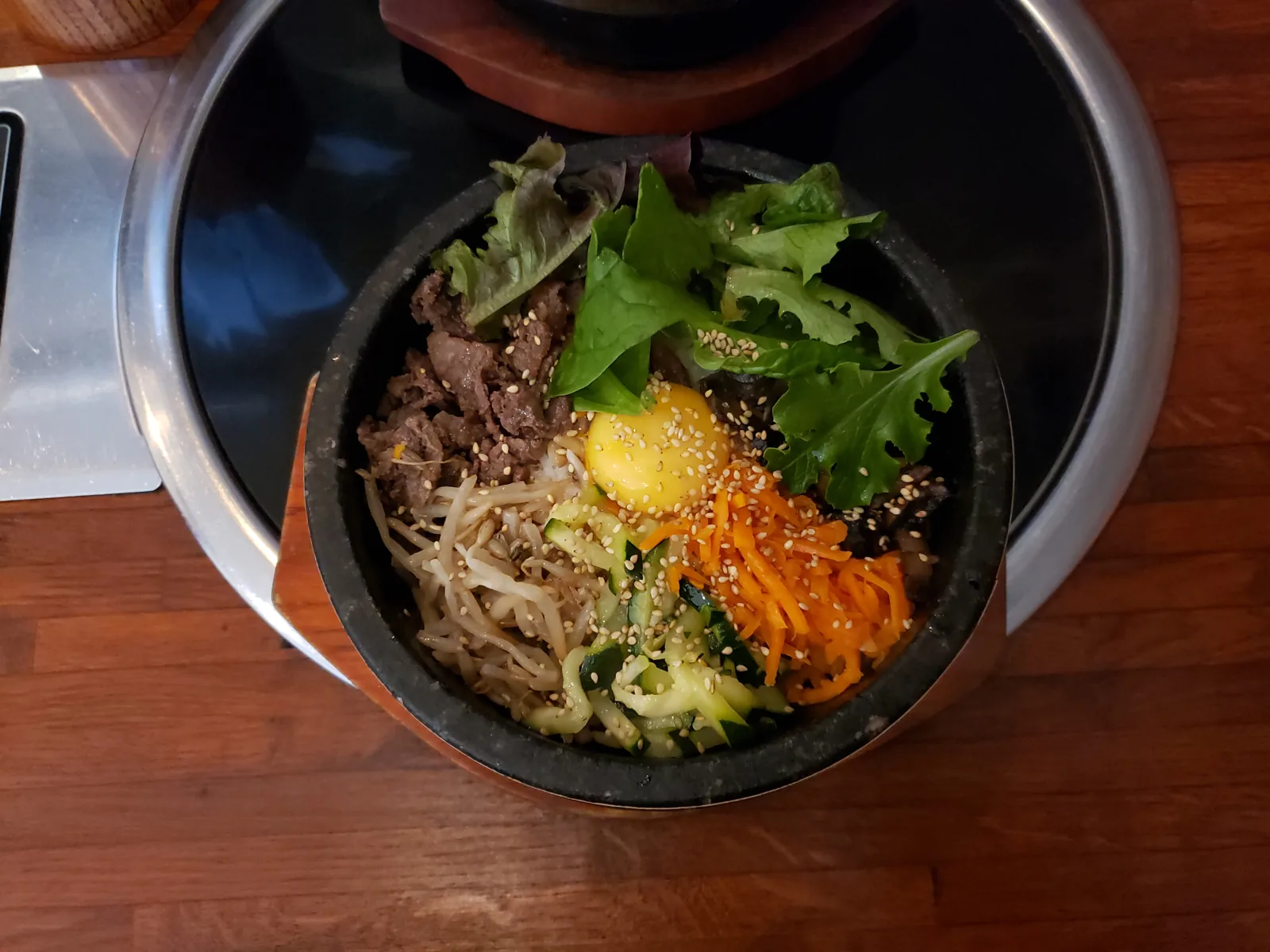
Dolsot bibimbap in a hot black stone bowl — bulgogi beef, egg yolk, carrots, zucchini, bean sprouts and sesame seeds over rice South Korea flag South Korea 1h 5m
Dinner •Korean Heritage

Bibimbap

This bibimbap recipe builds Korea's most famous rice bowl the dolsot way: hot rice in a sizzling stone pot, ringed with five separately seasoned namul vegetables, bulgogi beef and a fried egg, with gochujang to stir through at the table. The stone bowl crisps the bottom layer of rice into golden nurungji while you eat. One serving is about 510 g.

Colourful & Satisfying

Warm rice, five seasoned vegetables, bulgogi beef and a fried egg, mixed at the table with gochujang.

Pairs Well With
Kimchi, kongnamul-guk (bean sprout soup) & barley tea
Korean fried chicken pieces coated in a glossy red yangnyeom glaze South Korea flag South Korea 45m
Dinner •Korean Heritage

Korean Fried Chicken

This Korean fried chicken recipe is the real thing: boneless chicken in a thin potato-starch batter, fried twice — once to cook it through, once at higher heat to drive out moisture and shatter the crust — then tossed in a glossy yangnyeom glaze of gochujang, honey and garlic. The double fry is what keeps the skin crisp under the sauce. One serving is about 250 g.

Crispy & Bold

Double-fried chicken in a thin potato-starch crust, tossed in a sticky sweet-spicy yangnyeom glaze.

Pairs Well With
Pickled radish (chikin-mu), cold beer & steamed rice
High Protein • Quick Prep (<30m)
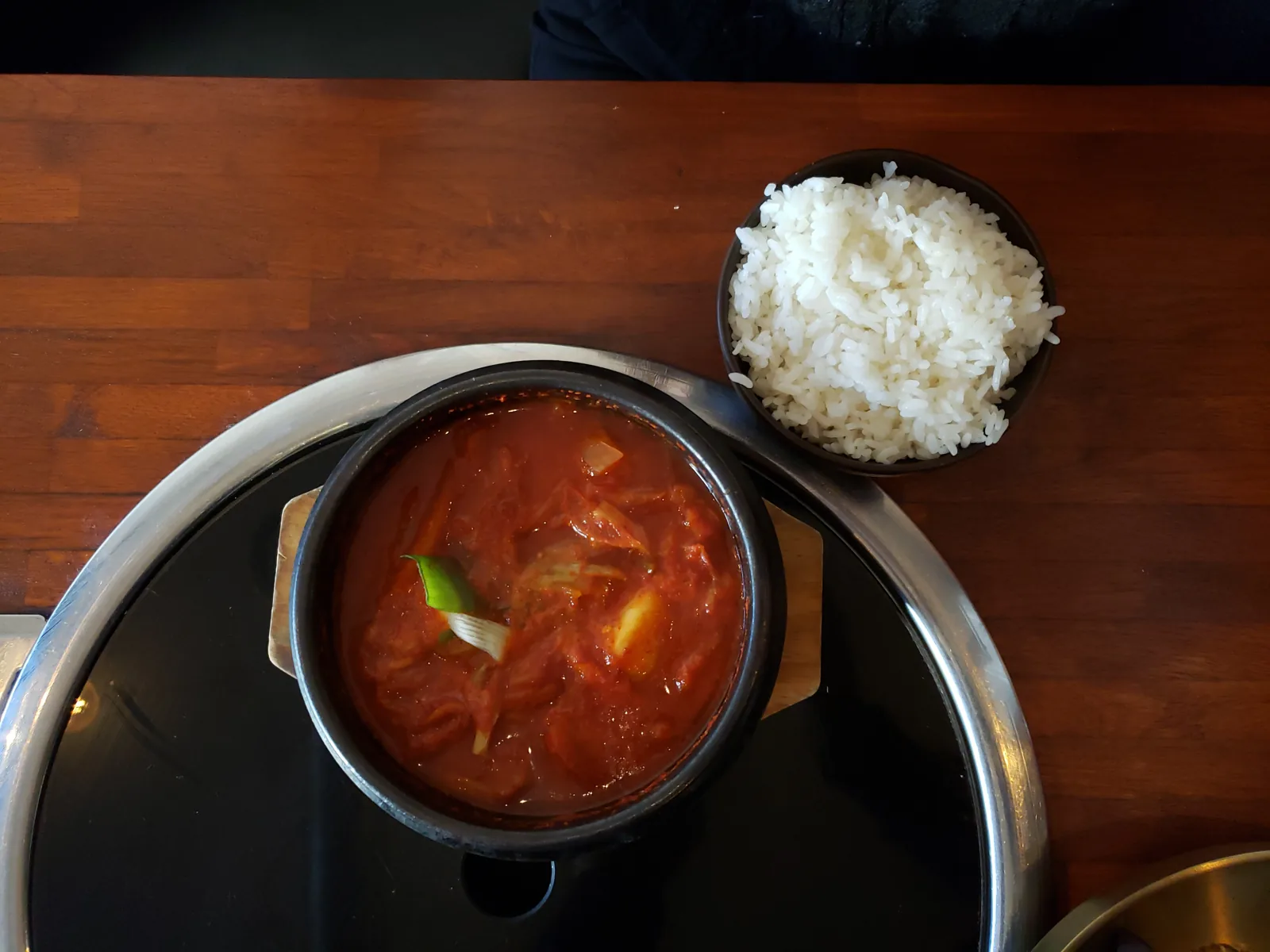
Kimchi jjigae — a red kimchi stew with tofu and spring onions in a black stone pot, served with a bowl of rice South Korea flag South Korea 45m
Dinner •Korean Heritage

Kimchi Jjigae

This kimchi jjigae recipe is the Korean comfort stew: aged, well-fermented kimchi fried with pork belly, then simmered in its own brine with tofu until the broth turns brick-red and rich. It is a stew, not the kimchi itself — the North Korean white kimchi published earlier is the pickled cabbage, while this is what you cook with it. One serving is about 425 g.

Comfort & Warmth

Aged kimchi and pork belly simmered in kimchi brine with tofu — sour, spicy and deeply savoury.

Pairs Well With
Steamed rice, fried egg & banchan
Soups & Broths • Fermented / Gut Health
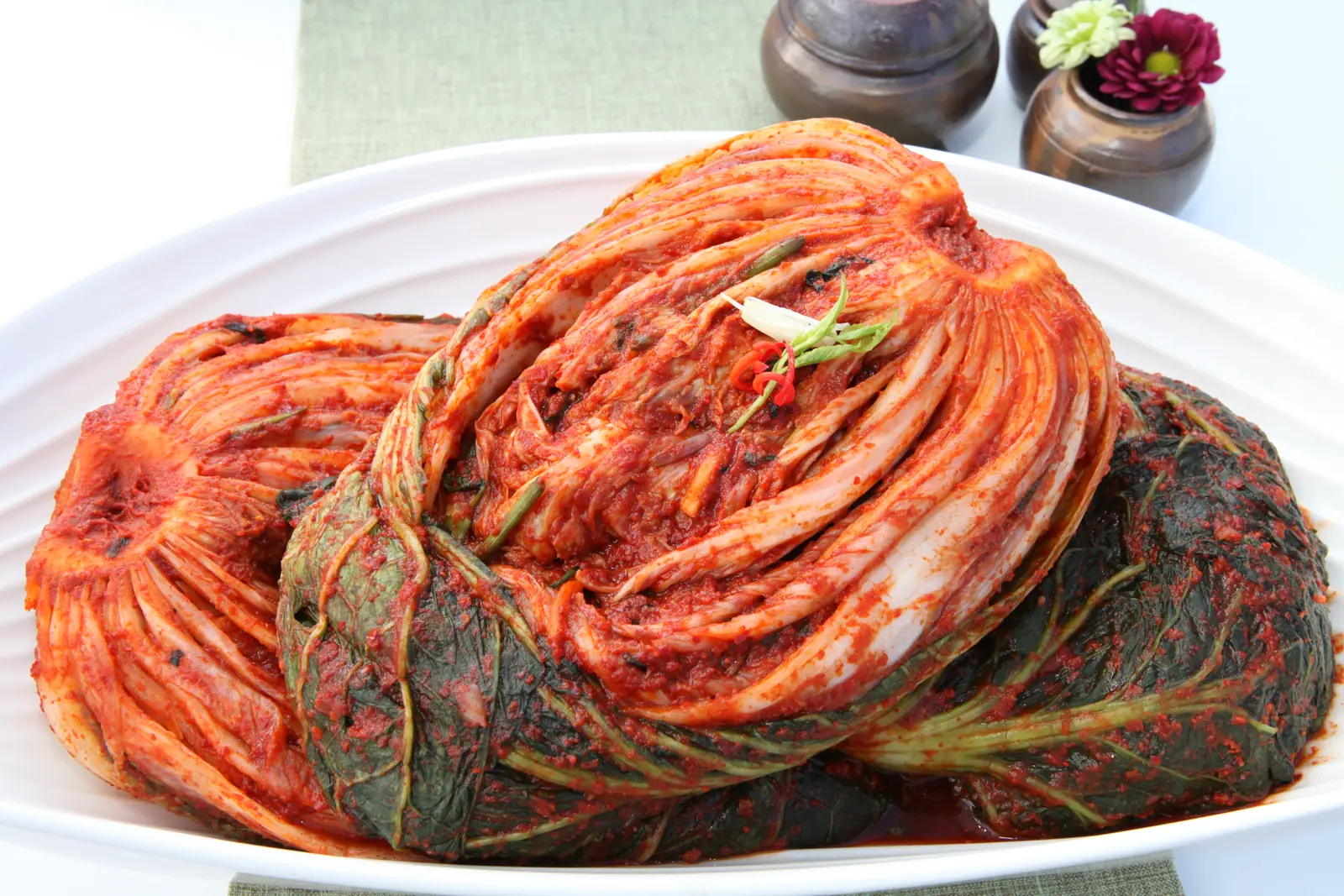
Whole heads of baechu kimchi coated in red gochugaru paste on a white platter South Korea flag South Korea 2h 35m
Dinner •Korean Kimjang Heritage

Baechu Kimchi

This kimchi recipe turns one head of napa cabbage into classic baechu kimchi: salted leaves packed with a bright red gochugaru paste, then left to ferment until tangy and fizzy. It is the spicy southern-style kimchi most people picture when they hear the word kimchi, and it keeps for weeks in the fridge. One serving is about 165 g.

Fermented & Fiery

Crisp, spicy, sour napa cabbage kimchi — Korea's everyday banchan, fermented at home in a jar.

Pairs Well With
Serve a small bowl with steamed rice, grilled meat or a fried egg.
Fermented / Gut Health

The Dinner Gazette

Never wonder what’s for dinner again

One email a week with easy dinner ideas from around the world — ingredients, steps and nutrition, tested in our kitchen first.

Delivered every Thursday morning. Unsubscribe anytime.