
Curated recipes from 193 countries  •  New seasonal Mediterranean issue out now

Overview

Teia

Kiribati coconut noodles, coconut cream noodles

Teia is Kiribati's gentle coconut noodle dish: thin rice noodles simmered briefly in coconut cream with softened onion and finished with lime. One serving is about 239 g.

Teia belongs to the everyday cooking of Kiribati, where coconut is the pantry: its cream enriches a bowl of noodles the way butter or cream would elsewhere. Noodles came to the Pacific with trade and migration, and island cooks made them their own with what the atolls grow best — coconut, onion and lime. The result is deliberately plain: no spice paste, no soy sauce, just soft noodles in warm cream with a squeeze of lime.

Pairs well with: Serve warm in a bowl with a wedge of lime and a little extra coconut cream on top.

Provenance

Kiribati flag Kiribati

Kiribati Home Cooking

Oceania & Pacific

Time Dedication

25m

10m prep • 15m cook

Batch Yield

4 Servings

455 kcal per serving

1 serving ≈ 239 g

Technical Skill

Easy

Easy (One Pot)

Meal Timing & Digestive Fit

Breakfast

Not Advised

Lunch

Prime Metabolic Fit

Dinner

Ideal Hearty Main

Snack & Tea

Inappropriate

Pasta & NoodlesQuick Prep (<30m) Occasions: Quick weekday lunches, light family meals, warm-weather lunches Cost: Low — about $2–3 per serving at home
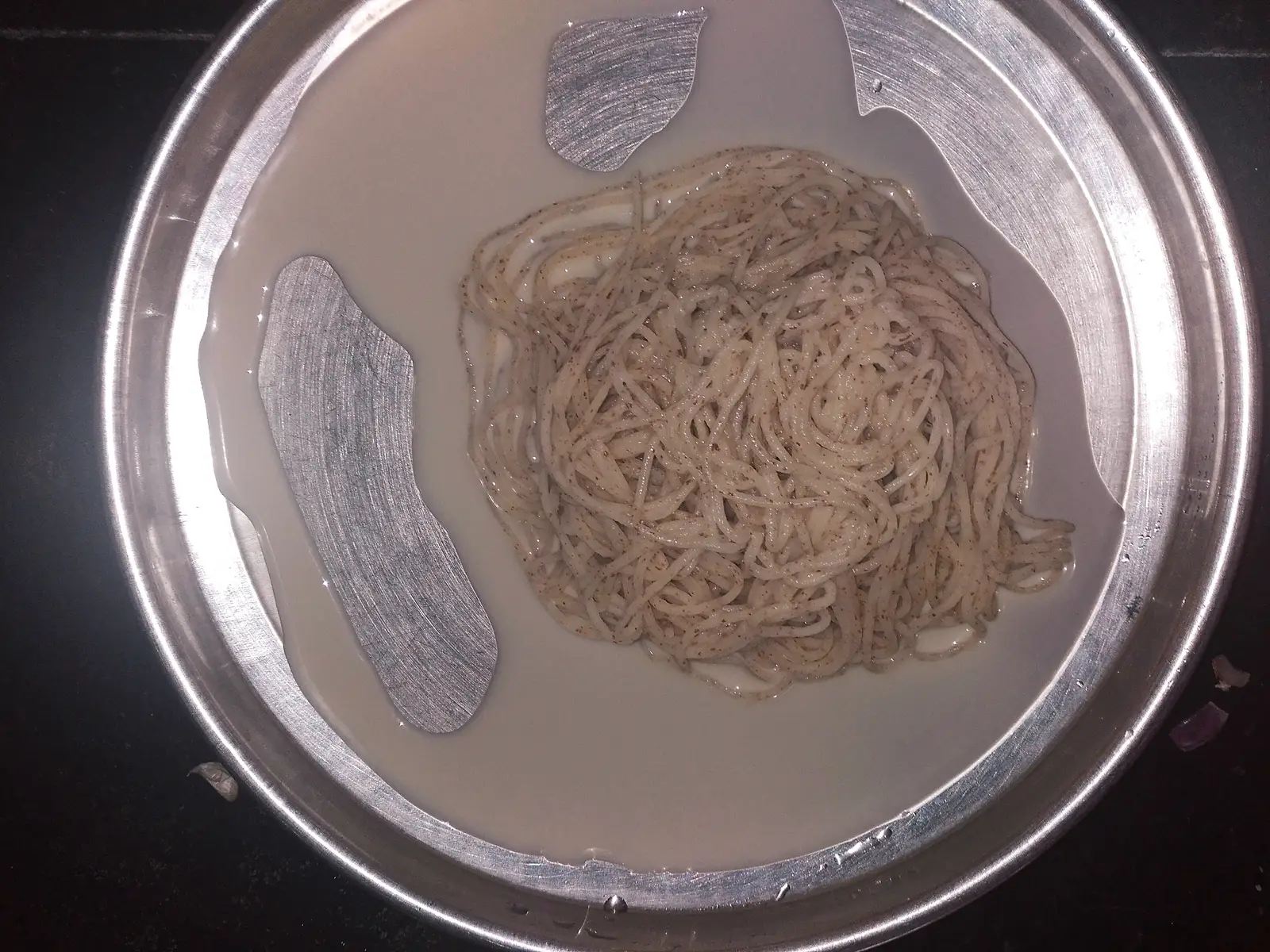
A nest of thin rice noodles in coconut milk on a steel plate

Kiribati Home Cooking

Photo: Yakshitha, CC BY-SA 4.0, via Wikimedia Commons

The Heritage Formulary

Measured Ingredients

Estimated cost: Low — about $2–3 per serving at home (USD)

A home-style version as cooked in Kiribati households: rice noodles, coconut cream, onion and lime, with no curry paste or soy sauce.

Execution Methodology & Culinary Technique

Step-by-Step Cooking Guide

Active 25m
P

Prep Stage: Noodles, Onion & Lime

10 Mins • Soaking Noodles, Slicing Onion, Juicing Lime

Put the rice noodles in a large bowl and cover with hot water to soak while you work. Slice the onion thinly, juice the lime, shake the can of coconut cream until smooth, and chop the coriander for garnish.

Maestro Tip: Do the soaking first: the noodles need about 10 minutes, which is exactly the time the rest of the preparation takes.

  1. 1

    Soak the Rice Noodles

    10 Mins Hot water, about 80°C (175°F)

    Put the dried rice noodles in a large bowl and pour over the hot water until fully covered. Leave for 8 to 10 minutes until pliable and bendable but still firm, then drain well in a colander.

    Do not soak until fully soft: the noodles finish cooking in the coconut cream, and over-soaked noodles turn to mush.

    Done when: Noodles pliable and bendable, still firm in the middle.

  2. 2

    Soften the Onion in Coconut Oil

    5 Mins Medium heat, about 160°C (320°F)

    Warm the coconut oil in a wide saucepan over medium heat, add the sliced onion and cook, stirring, for 4 to 5 minutes until soft and translucent but not browned.

    Keep the onion pale: browning would darken the cream and add a bitter edge to a deliberately mild dish.

    Done when: Onion soft, translucent and sweet-smelling.

  3. 3

    Warm the Coconut Cream

    5 Mins Gentle simmer, about 85°C (185°F)

    Pour in the coconut cream and the salt, stir, and bring to a gentle simmer over medium-low heat. Let it bubble softly for 3 to 4 minutes so the onion flavour spreads through the cream; do not let it boil hard.

    A hard boil splits coconut cream into oil and solids. If it starts to bubble fiercely, pull the pan off the heat for a few seconds.

    Done when: Cream steaming, gently bubbling, smooth and unbroken.

  4. 4

    Add the Noodles and Lime

    3 Mins Gentle simmer, about 85°C (185°F)

    Add the drained noodles to the cream and toss gently with tongs for 2 to 3 minutes until every strand is coated and heated through. Take the pan off the heat and stir in the lime juice.

    Lime goes in last, off the heat: cooking it dulls its brightness, and the fresh sour note is what lifts the rich cream.

    Done when: Noodles tender, evenly coated in cream, smelling of lime.

  5. 5

    Rest and Serve

    2 Mins Room temperature, about 20°C (68°F)

    Rest for 2 minutes so the noodles drink up a little of the cream, then divide between four bowls, spoon over any remaining cream and scatter with the coriander. Serve warm, with lime wedges on the side.

    Serve at once: rice noodles keep absorbing liquid and will dry out if the bowls sit for long.

    Done when: Bowls glossy with cream, noodles soft but not mushy.

Finishing Touches & Plating

Serve the teia warm, with the noodles sitting in their pool of coconut cream and a lime wedge on the side of each bowl. A last spoonful of cream over the top keeps the noodles glossy.

Nutritional Physiology & Benefits

Nutrition

Energy

455

kcal / serving

Protein

6g

Complete AA

Carbs

49g

Complex

Fats

28g

Healthy

Per serving (4 servings · 1 serving ≈ 239 g)
Energy455 kcal
Protein6 g
Carbohydrates49 g
Fat28 g
Fibre3.5 g
Sugar4.5 g
Sodium326 mg
Per 100g
Energy191 kcal
Protein2.3 g
Carbohydrates20.4 g
Fat11.6 g
Fibre1.5 g
Sugar1.9 g
Sodium137 mg

Nutrition values are estimated — calculated from USDA FoodData Central values for the listed ingredients.

Vitamins & minerals: Estimated nutrition: a source of manganese and copper from the coconut cream, with vitamin C from the lime and onion.

Gentle on the Stomach

Soft rice noodles in warm coconut cream are easy to eat and digest, which is why this is a go-to lunch when appetite is low.

Steady Energy

Rice noodles give slow-release carbohydrate energy, and the coconut cream adds satisfying fat that keeps a lunch feeling filling.

Dairy-Free Creaminess

Coconut cream gives the dish its rich, silky texture with no dairy at all, so it suits a dairy-free table without any substitutes.

Food Pairings

What to Eat With

To optimize nutrient absorption and elevate the sensory depth, pair with these authentic accompaniments:

Sides

Grilled Fish

A piece of plain grilled fish adds lean protein to a noodle dish that is otherwise low in it, and its clean flavour suits the mild cream.

Vegetables

Cucumber and Lime Salad

Cold, crisp cucumber with lime gives a crunchy, sour contrast to the warm, soft, rich noodles.

More Pairings

Fresh Tropical Fruit

Papaya or pineapple after the noodles cleanses the palate with sweetness and acidity after the creamy main.

Drinks

Iced Green Tea

Unsweetened iced tea refreshes between bites and stops the coconut cream from feeling heavy.

Complete menu

Serve teia as the main course with a cucumber and lime salad, add grilled fish for protein, and finish with fresh tropical fruit.

Digestive Guardrails

What NOT to Combine

To prevent digestive distress, sluggishness, or palate clash, avoid pairing the dish with these elements:

Boiling the Coconut Cream Hard

Coconut cream splits into oil and grainy solids when boiled hard, so always keep it at a gentle simmer. This is general food information, not medical advice.

Soy Sauce and Curry Paste

Soy sauce and curry paste would overpower the mild coconut-and-lime balance that defines teia; leave them out and let the cream and lime speak. This is general food information, not medical advice.

Leaving Cooked Noodles Out for Hours

Cooked noodles left at room temperature can grow bacteria quickly, so refrigerate leftovers within 2 hours and reheat until steaming hot throughout to 74°C (165°F). This is general food information, not medical advice.

General information only, not medical advice — consult a doctor for personal dietary decisions.

Who Should Eat It

Who Should Eat

  • General adultsA gentle, satisfying lunch; the portion is rich, so one bowl is enough.
  • ChildrenWell suited to children: mild, soft and easy to eat; cut the noodles shorter for small children.
  • ElderlyA good choice when chewing is difficult, since the noodles are soft and the cream is smooth.
  • Pregnant womenSafe when served freshly cooked and hot; the lime and mild flavours usually sit well.
  • Breastfeeding womenSafe as part of a varied diet; no special restriction.
  • AthletesGood starchy energy after training, but low in protein, so add grilled fish or an egg on the side.
  • Weight gainHelpful for adding energy: coconut cream makes a modest bowl of noodles quite filling.
  • Weight lossEat one measured bowl and load the side salad; the cream is high in saturated fat, so second helpings add up fast.

Health Conditions — Adjust or Avoid

Conditions

  • DiabetesRice noodles are starchy and raise blood sugar, so keep to one bowl and pair it with salad or fish. Ask a clinician for personal advice.
  • High blood pressureThe recipe uses only half a teaspoon of salt for four servings; skip any salty condiments. Ask a clinician for personal advice.
  • Kidney diseaseCoconut cream is rich in potassium, which some kidney diets limit, so check the portion with a clinician.
  • GoutThe dish is low in purines, but the cream is high in saturated fat, so keep portions moderate. Ask a clinician for personal advice.
  • Stomach issuesUsually well tolerated because it is mild and soft, but a very rich bowl can feel heavy; eat slowly. Ask a clinician for personal advice.
  • Cardiovascular diseaseCoconut cream is high in saturated fat, so treat this as an occasional lunch rather than a daily one. Ask a clinician for personal advice.
  • Fatty liverThe high saturated-fat content means this is best kept occasional; a smaller bowl with plenty of salad is the lighter option. Ask a clinician for personal advice.
  • Food allergiesContains no gluten, dairy, egg or nuts; the only caution is coconut, which some people with tree-nut allergy avoid. Check with a clinician if unsure.
  • Special therapeutic dietsNaturally vegan, gluten-free and dairy-free, but check the coconut cream and portion against any prescribed diet with a clinician.

If you have a medical condition, consult your doctor before changing your diet.

Storage & Use

Storage & Use

How to store
Cool quickly, then refrigerate in a sealed container with the cream poured over the noodles.
In the fridge
Keeps 2 days in the fridge at 4°C (40°F) or below.
In the freezer
Not recommended; freezing makes rice noodles mushy and the cream separates.
How to reheat
Reheat gently in a saucepan with a splash of water or coconut milk, stirring, until steaming hot throughout to 74°C (165°F).
Freezing recommended
No — best eaten fresh.
Signs it has spoiled
Sour smell, slimy noodles, mould, or a sharp off taste — discard if any of these appear.

More recipes to explore

A bag of golden fried breadfruit slices photographed from above Kiribati flag Kiribati 30m
Snack & Tea •Kiribati Street Snack

Te Baan ni Mai

Te baan ni mai is Kiribati's simplest street snack: slices of breadfruit fried in coconut oil until golden and crisp at the edges, then salted and eaten hot from the bag. One serving is about 208 g.

Quick Snack & Energy

Crisp fried breadfruit slices make a simple, filling snack between meals, with slow-release starch for steady energy.

Pairs Well With
Eat hot with just a pinch of salt, alongside a cold drink.
Quick Prep (<30m)
A bowl of smooth creamy orange pumpkin soup with a sprinkle of herbs Kiribati flag Kiribati 40m
Lunch •Kiribati Island Soup

Kiribati Pumpkin Coconut Soup

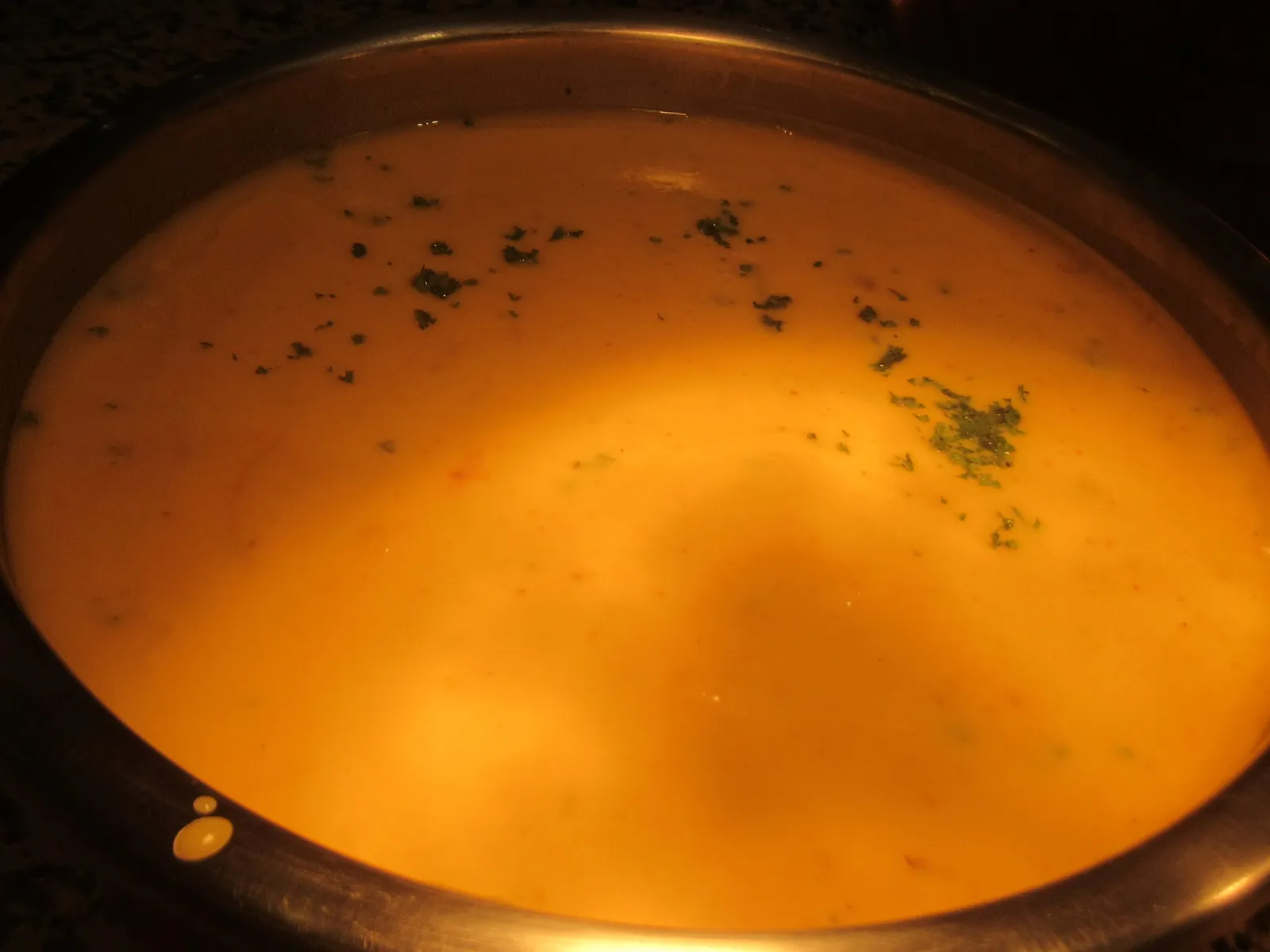
This kiribati pumpkin coconut soup recipe blends soft pumpkin with ginger and coconut milk into a smooth, golden soup, served hot or cold. One serving is about 490 g.

Comfort & Warmth

A smooth, gently spiced pumpkin soup that warms up a lunch table and can be served hot or cold.

Pairs Well With
Serve hot with crusty bread for dipping and a sprinkle of fresh herbs.
Soups & Broths
Tagliatelle al ragù Bolognese in a bowl with Parmigiano-Reggiano Italy flag Italy 4h 25m
Lunch •Emilia-Romagna

Tagliatelle al Ragù Bolognese

Slow-braised soffritto and coarse ground heritage meats layered over handmade egg yolk dough for mid-day stamina.

Lean Protein

Slow-simmered beef ragù tossed through fresh egg tagliatelle.

Pairs Well With
Bitter Radicchio & Aged Balsamico di Modena
Pasta & Noodles • High Protein
Pad kra pao gai — Thai holy basil chicken with fried egg and rice Thailand flag Thailand 30m
Lunch •Bangkok Street Flame

Pad Kra Pao Gai

High-heat wok flash of holy basil and crushed chillies over minced chicken, served over jasmine rice with a crispy-edged fried egg.

High Energy

Capsaicin brings the heat; holy basil adds a peppery, clove-like aroma.

Pairs Well With
Chilled Cucumber Salad & Fish Sauce Lime Dip
High Protein • Quick Prep (<30m)

The Dinner Gazette

Never wonder what’s for dinner again

One email a week with easy dinner ideas from around the world — ingredients, steps and nutrition, tested in our kitchen first.

Delivered every Thursday morning. Unsubscribe anytime.