Curated recipes from 193 countries  •  New seasonal Mediterranean issue out now

Overview

Kolokithokeftedes

Kolokithi Keftedes, Zucchini Fritters, Courgette Fritters

This kolokithokeftedes recipe turns grated zucchini, feta and fresh herbs into crisp, golden fritters, served hot with tzatziki. One serving is about 185 g.

Kolokithokeftedes — 'little zucchini patties' — are a meze of the Greek islands and the mainland summer table, where courgettes grow in every garden from June to September. The fritters are a cook's answer to a glut of zucchini: grated, salted and squeezed, then bound with egg, feta and herbs and fried crisp. They appear on taverna menus across Greece, usually with tzatziki, as part of a spread of small plates shared at the table.

Pairs well with: Tzatziki, Greek salad and warm pita

Provenance

Greece flag Greece

Greek Meze Classic

Mediterranean & Italy

Time Dedication

45m

25m prep • 20m cook

Batch Yield

4 Servings

300 kcal per serving

1 serving ≈ 185 g

Technical Skill

Intermediate

Medium (Shallow-Fry)

Meal Timing & Digestive Fit

Breakfast

Not Advised

Lunch

Inappropriate

Dinner

Inappropriate

Snack & Tea

Ideal Light Bite

Occasions: A summer meze, a light snack, a party plate, when the garden gives you too many zucchini Cost: Low — about $2–3 per serving at home
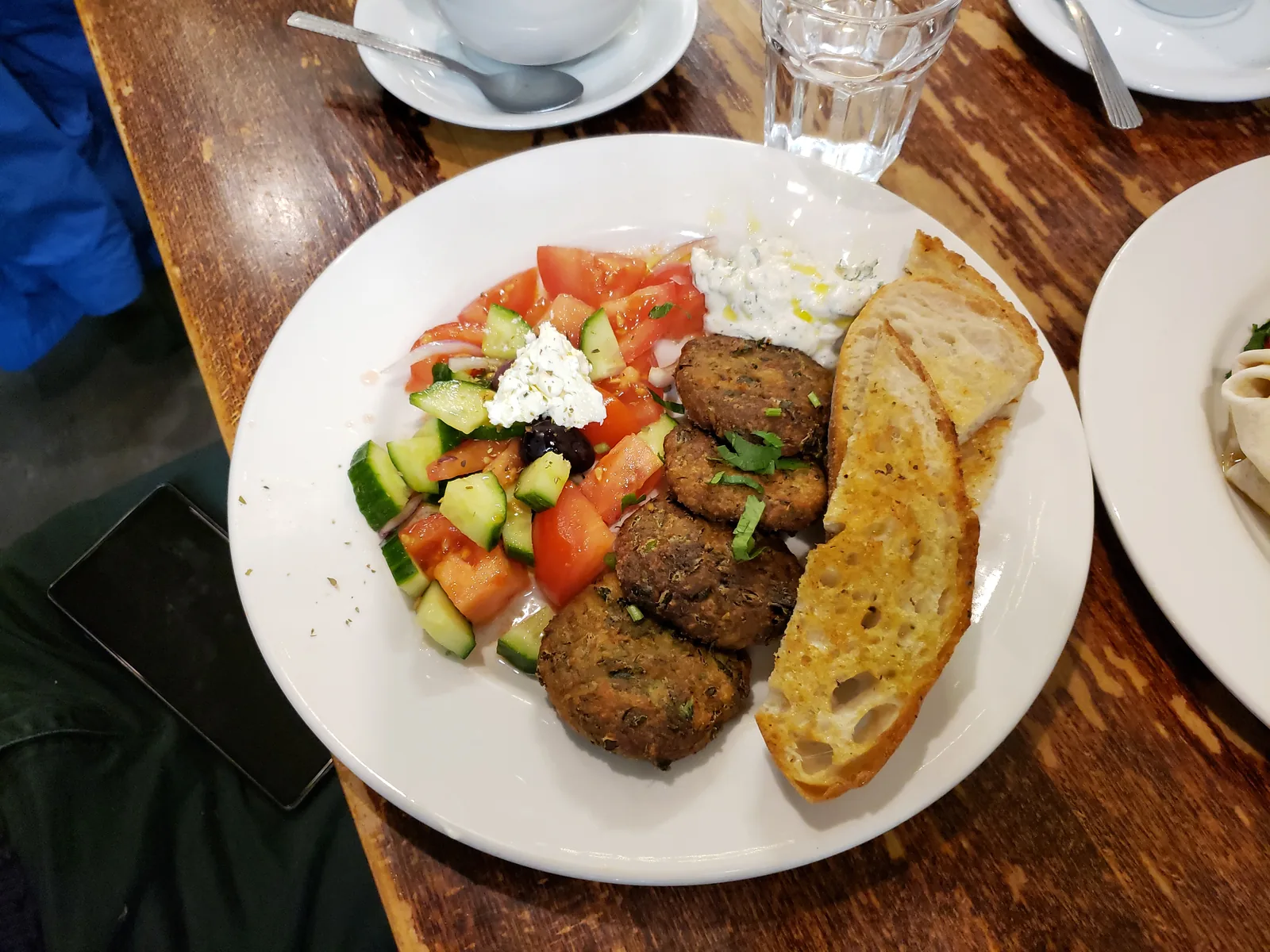
A plate of golden kolokithokeftedes with Greek salad, tzatziki and toasted bread

Greek Meze Classic

Photo: Andy Li, CC0, via Wikimedia Commons

The Heritage Formulary

Measured Ingredients

Estimated cost: Low — about $2–3 per serving at home (USD)

Good kolokithokeftedes are crisp outside and soft inside, with the zucchini squeezed dry first — never soggy or greasy.

Execution Methodology & Culinary Technique

Step-by-Step Cooking Guide

Active 45m
P

Prep Stage: Grate, Salt and Squeeze

25 Mins • Knife Work

Grate the zucchini, toss with the salt and leave for 15 minutes until it weeps. Then squeeze it dry in a clean tea towel, a handful at a time — you will be surprised how much water comes out. Crumble the feta, beat the eggs, and chop the scallions, dill and mint.

Maestro Tip: Squeezing the zucchini dry is the whole secret — wet zucchini makes soggy fritters that fall apart in the pan.

  1. 1

    Salt and Squeeze the Zucchini

    15 Mins Room temperature, ~20°C (68°F)

    Put the grated zucchini in a bowl, toss with the salt and leave for 15 minutes. Then take a handful at a time and squeeze it hard in a clean tea towel over the sink until no more water comes out. Put the dry zucchini in a clean bowl.

    Salt draws the water out — without it, the zucchini stays wet no matter how hard you squeeze.

    Done when: The squeezed zucchini feels dry and clumps together instead of dripping.

  2. 2

    Mix the Fritter Batter

    5 Mins Room temperature, ~20°C (68°F)

    Add the crumbled feta, beaten eggs, flour, breadcrumbs, scallions, dill, mint, garlic and black pepper to the zucchini. Mix with your hands until everything is evenly combined — the mixture should hold together when you press it, but stay soft.

    If the mixture feels wet, add a spoonful more flour; if it feels stiff, add a splash of beaten egg.

    Done when: The mixture holds together in a ball when pressed, and is soft, not stiff.

  3. 3

    Shape the Fritters

    5 Mins Room temperature, ~20°C (68°F)

    Wet your hands lightly and shape the mixture into 12 flat patties, about 7 cm across and 1 cm thick. Lay them on a plate — they should be even, so they cook at the same speed.

    Wet hands stop the mixture sticking to your fingers and give smooth patties.

    Done when: 12 even, flat patties, ready for the pan.

  4. 4

    Fry Until Golden

    12 Mins Medium-high heat, oil ~175°C (350°F)

    Heat the olive oil in a large frying pan over medium-high heat. Fry the fritters in batches of 4, for 3–4 minutes on each side, until deep golden and crisp. Do not crowd the pan — they need space to crisp.

    If the fritters brown too fast, turn the heat down a little; if they soak up oil, the pan is too cool.

    Done when: The fritters are deep golden on both sides and crisp at the edges.

  5. 5

    Drain and Serve

    3 Mins Off the heat (fritters ~90°C / 194°F)

    Lift the fritters onto a wire rack or kitchen paper to drain for 2 minutes, and sprinkle with a pinch of salt while they are hot. Serve at once with tzatziki.

    A wire rack keeps the bottoms crisp — paper alone can make them steam soft.

    Done when: The fritters are hot, crisp and golden, ready to eat.

Finishing Touches & Plating

Pile the fritters on a warm plate, scatter a little extra dill over the top and serve at once with tzatziki — they lose their crisp edge as they cool.

Nutritional Physiology & Benefits

Nutrition

Energy

300

kcal / serving

Protein

12g

Complete AA

Carbs

25g

Complex

Fats

17g

Healthy

Per serving (4 servings · 1 serving ≈ 185 g)
Energy300 kcal
Protein12 g
Carbohydrates25 g
Fat17 g
Fibre2.9 g
Sugar5.8 g
Sodium734 mg
Per 100g
Energy162 kcal
Protein6.7 g
Carbohydrates13.4 g
Fat9.4 g
Fibre1.6 g
Sugar3.2 g
Sodium397 mg

Nutrition values are estimated — calculated from USDA FoodData Central values for the listed ingredients.

Vitamins & minerals: Vitamin C (zucchini), calcium (feta), vitamin K (dill and mint), folate (herbs and zucchini).

Vegetables at the Centre

Zucchini is the main ingredient, not a side — each serving carries a generous portion of vegetables.

Protein From Feta and Egg

About 12 g of protein per serving from feta and egg, enough to make a snack that actually fills you.

Fresh Herbs, Light Flavour

Dill and mint give the fritters their fresh Greek character without any heavy sauce.

Food Pairings

What to Eat With

To optimize nutrient absorption and elevate the sensory depth, pair with these authentic accompaniments:

Sauces

Tzatziki

Cool, garlicky tzatziki is the classic dip — its tang and chill are the perfect contrast to the hot, crisp fritters.

Vegetables

Greek Salad

Tomato, cucumber and olives keep the plate fresh and light, and the salad's acidity cuts through the fried crust.

Sides

Warm Pita

Warm pita turns the fritters from a snack into a meal, and it is made for scooping up the last of the tzatziki.

Full Menus

As Part of a Meze Spread

In Greece these fritters are one small plate among many — with olives, taramasalata and grilled halloumi, they make a long, sociable meal.

Complete menu

Serve the fritters hot with tzatziki and Greek salad, add warm pita and a glass of white wine, and finish with fresh fruit — a proper Greek meze.

Digestive Guardrails

What NOT to Combine

To prevent digestive distress, sluggishness, or palate clash, avoid pairing the dish with these elements:

A Heavy Cream Sauce

A heavy cream sauce drowns the fritters' crisp edge and hides the herbs — tzatziki's cool tang is the match. This is general guidance, not medical advice.

Too Much Extra Salt on Top

The feta already brings plenty of salt, so a heavy hand with extra salt at the table pushes the sodium up for no extra flavour.

General information only, not medical advice — consult a doctor for personal dietary decisions.

Who Should Eat It

Who Should Eat

  • General adultsA light, fresh snack or starter — vegetables, cheese and herbs in a crisp fritter.
  • ChildrenSuitable from age 3+; cut into strips for small hands and keep the pieces cool enough to hold.
  • ElderlyGood — soft inside and easy to chew, but serve them freshly fried and not too hot.
  • Pregnant womenGenerally suitable; the eggs and feta must be fresh and the fritters eaten freshly cooked.
  • Breastfeeding womenGenerally suitable; the protein and vegetables support recovery — keep portions satisfying.
  • AthletesA good light pre-training snack: carbs and a little protein, eaten 2–3 hours before exercise.
  • Weight gainA good choice — take a generous serving with pita and tzatziki.
  • Weight lossA reasonable choice — the fritters are filling for their calories; keep the pita modest and load up on salad.

Health Conditions — Adjust or Avoid

Conditions

  • DiabetesThe flour and breadcrumbs raise blood sugar — keep the bread modest and ask your clinician about portion size.
  • High blood pressureMost of the sodium comes from the feta; use a low-salt feta and season lightly. Ask your clinician about a suitable portion.
  • Kidney diseaseLimit the portion (potassium from the zucchini and protein load); ask your clinician about portion size.
  • GoutEat occasionally and in smaller portions — cheese and egg are moderate in purines.
  • Stomach issuesThe fritters are usually gentle, but fried food and feta can trouble a sensitive stomach — eat a small portion first.
  • Cardiovascular diseaseA reasonable choice — the dish is rich in vegetables; keep the frying oil modest and drain the fritters well.
  • Fatty liverKeep the portion modest and favour the salad over extra pita.
  • Food allergiesContains egg, milk (feta) and gluten (flour and breadcrumbs) — use gluten-free flour and crumbs for a gluten-free version.
  • Special therapeutic dietsIf you follow a prescribed low-sodium diet, use low-salt feta and a smaller portion, and check with your clinician.

If you have a medical condition, consult your doctor before changing your diet.

Storage & Use

Storage & Use

How to store
Cool completely and store in an airtight container, layered with kitchen paper.
In the fridge
2 days.
In the freezer
1 month.
How to reheat
Reheat in the oven at 190°C (375°F) for 8–10 minutes until hot through, with the centre reaching 74°C (165°F).
Freezing recommended
Yes — freeze cooked fritters in a single layer, then reheat in the oven so they crisp up again.
Signs it has spoiled
Sour smell, slimy surface, or a grey, dull colour.

More recipes to explore

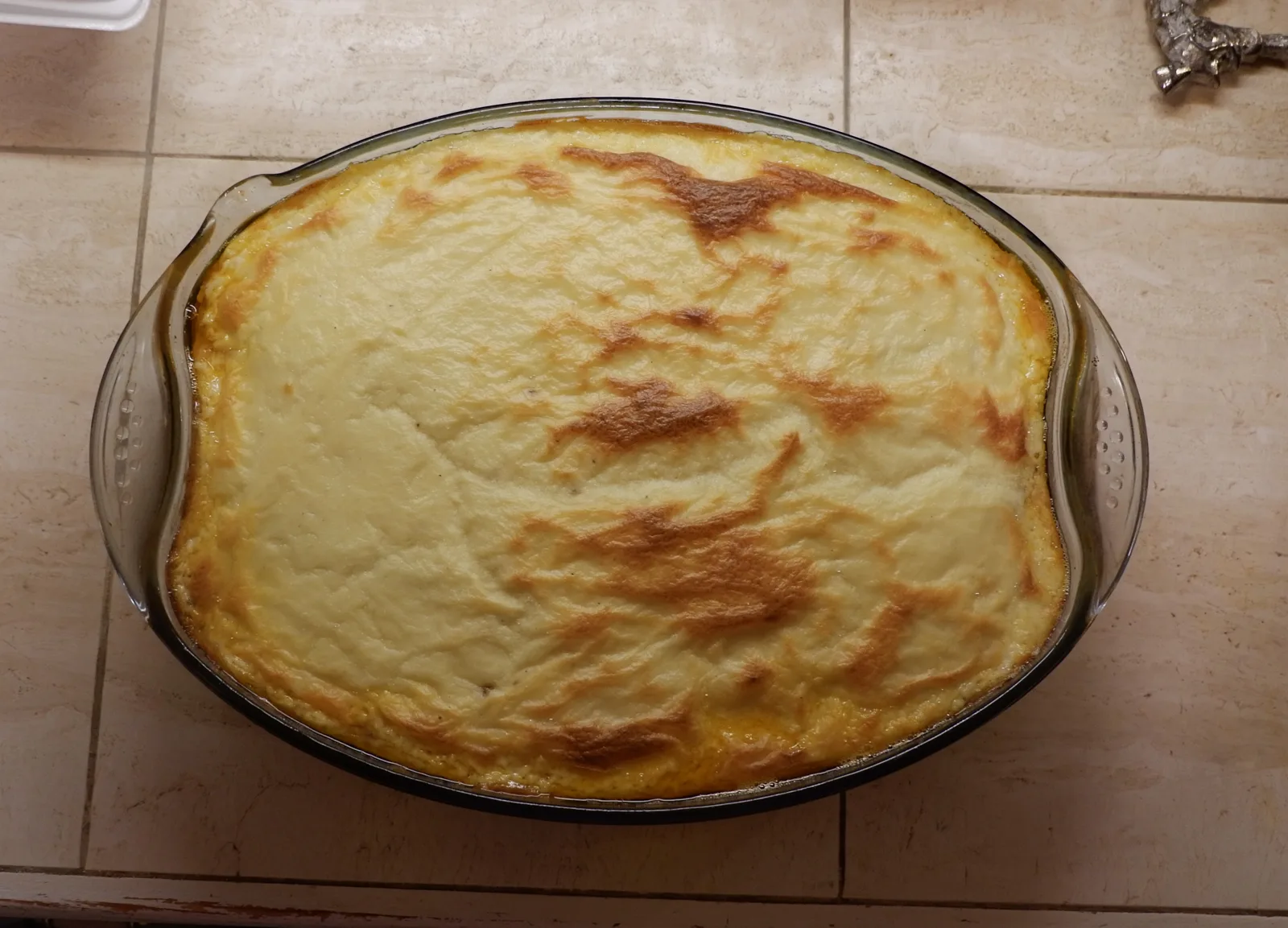
A whole Greek moussaka in a glass baking dish, its bechamel top baked golden brown with darker patches Greece flag Greece 2h
Dinner •Greek Classic

Greek Moussaka

Greek moussaka is a layered bake of fried aubergine and potato, a cinnamon-spiced beef sauce, and a thick bechamel that turns deep gold in the oven. It is the dish most Greek tavernas are judged by, and it is made for sharing at a slow family dinner. One serving is about 412 g.

Comfort & Warmth

A hearty layered bake built around aubergine, potatoes and a spiced meat sauce under a creamy bechamel topping.

Pairs Well With
Serve with a crisp Greek salad, warm bread and a glass of red wine.
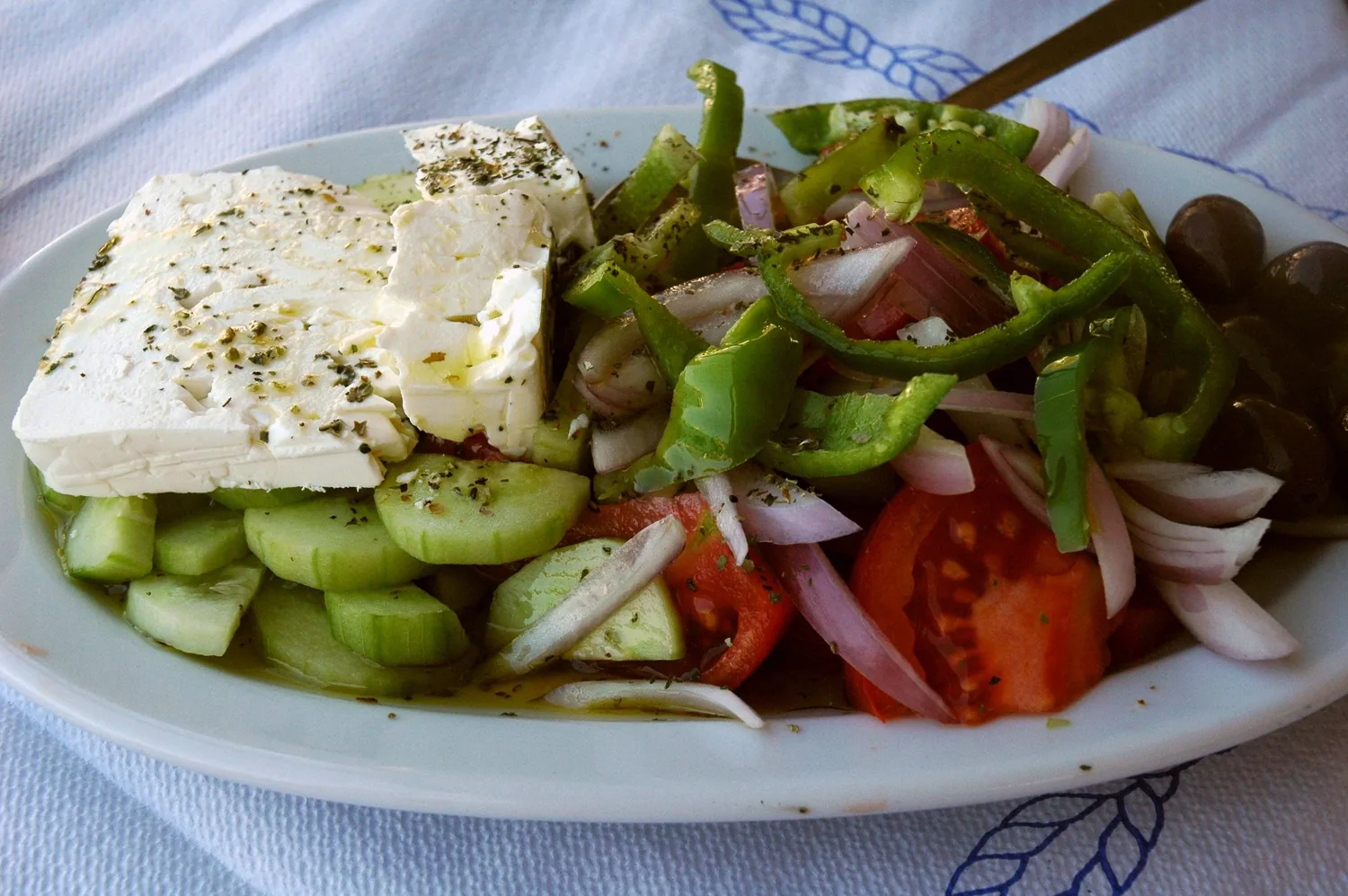
Greek salad (horiatiki) with a slab of feta sprinkled with oregano, Kalamata olives, tomato wedges, cucumber and red onion on a white plate Greece flag Greece 20m
Lunch •Aegean Table Classic

Greek Salad

This Greek salad recipe is the real horiatiki: chunky ripe tomatoes, peeled cucumber, red onion and green pepper, with Kalamata olives and a whole slab of feta on top, dressed with extra-virgin olive oil and dried Greek oregano. There is no lettuce and no heavy dressing — just summer vegetables at their best, ready in twenty minutes. One serving is about 411 g.

Fresh Summer Lunch

Crisp garden vegetables, salty feta and Kalamata olives under good olive oil — a bright, satisfying lunch with no cooking at all.

Pairs Well With
Crusty bread & grilled fish
Quick Prep (<30m)
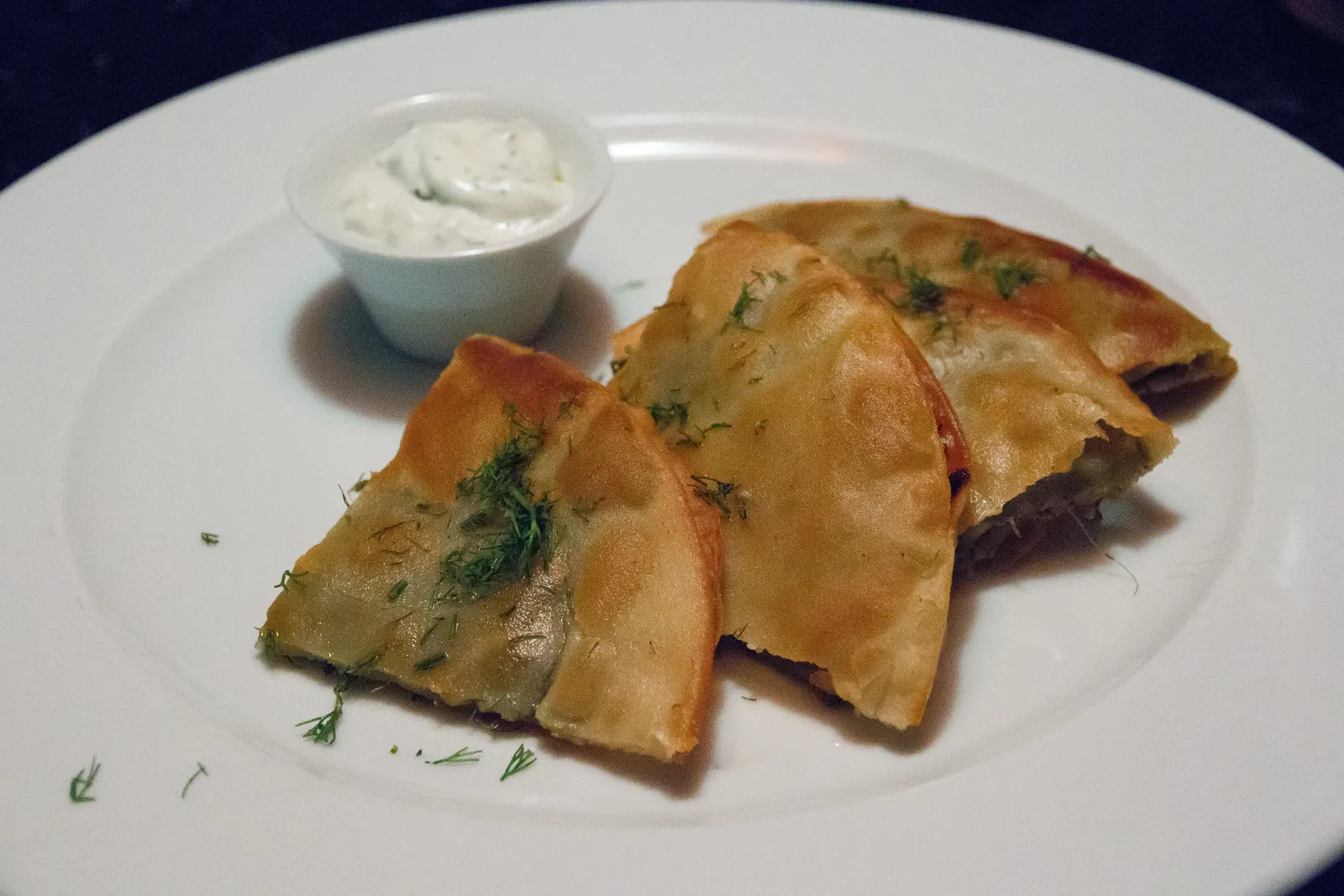
Golden spanakopita triangles sprinkled with fresh dill, served on a white plate with a small bowl of tzatziki Greece flag Greece 1h 20m
Lunch •Greek Bakery Classic

Spanakopita

This spanakopita recipe is the Greek spinach pie found in every bakery in Greece: paper-thin filo brushed with olive oil, layered over a filling of wilted spinach, salty feta, ricotta, leeks and a generous handful of fresh dill, then baked until the top shatters and the inside stays soft and savoury. It is the pie Greeks eat for lunch, take on picnics and set out on a mezze table. One serving is about 220 g.

Crisp Filo, Spinach & Feta

Layers of olive-oil-brushed filo wrapped around a spinach, feta, dill and leek filling, baked until golden and crisp.

Pairs Well With
Greek salad, tzatziki & lemon wedges
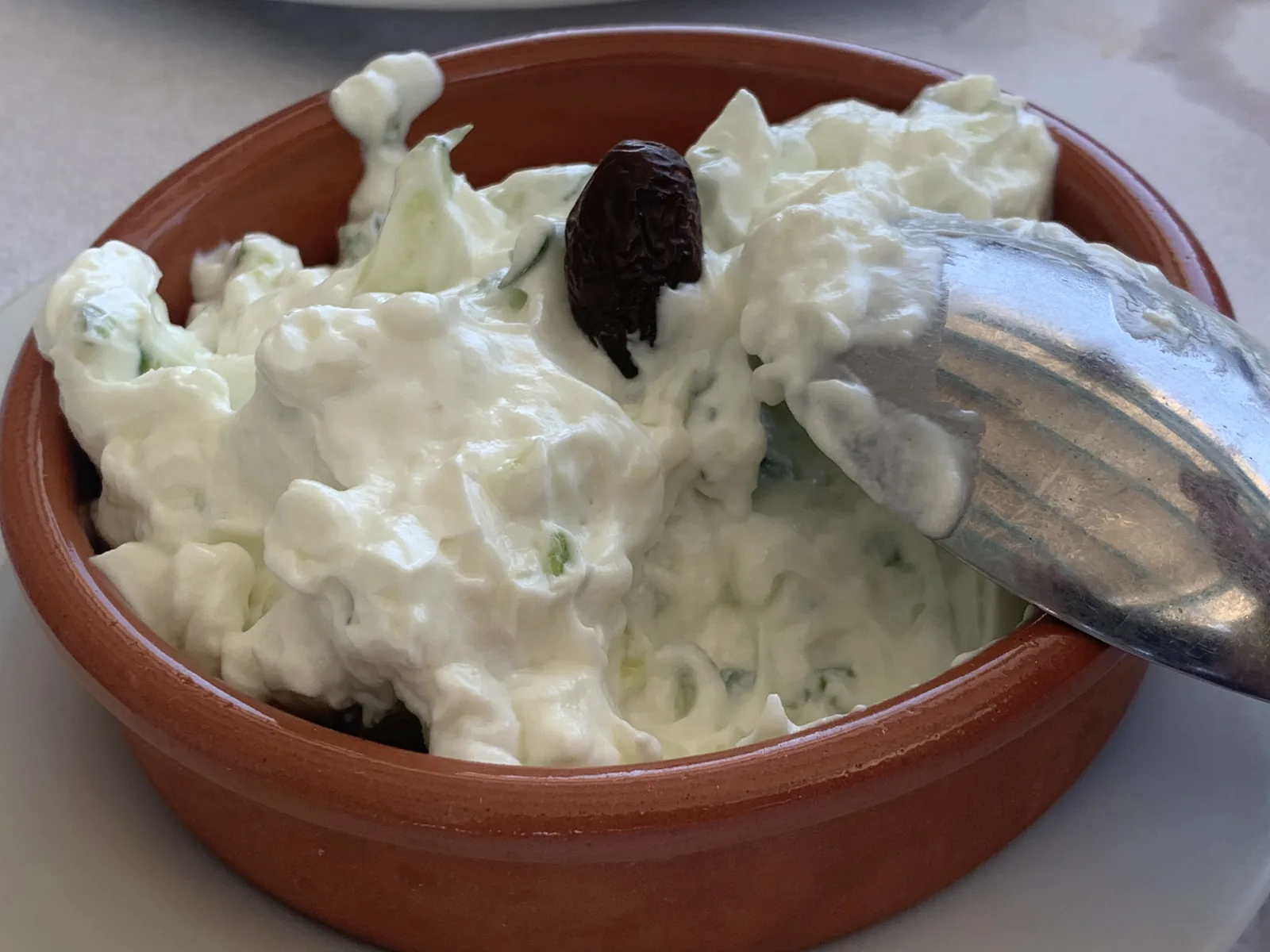
A terracotta bowl of thick white tzatziki with cucumber and a black olive, with a spoon Greece flag Greece 25m
Snack & Tea •Greek Meze Classic

Tzatziki

This tzatziki recipe is the real Greek version: thick strained yogurt, cucumber grated and squeezed bone dry, raw garlic, a thread of olive oil and a handful of dill. No cooking at all — just grating, squeezing and stirring — and the result is cool, creamy and sharp enough to cut through grilled meat. One serving is about 120 g.

Cool & Creamy

Thick Greek yogurt folded with grated cucumber, garlic and dill — the cool white dip at the heart of every Greek meze.

Pairs Well With
Spoon over grilled meat, or serve as a dip with warm pitta and raw vegetables.

The Dinner Gazette

Never wonder what’s for dinner again

One email a week with easy dinner ideas from around the world — ingredients, steps and nutrition, tested in our kitchen first.

Delivered every Thursday morning. Unsubscribe anytime.