Curated recipes from 193 countries  •  New seasonal Mediterranean issue out now

Overview

Kranjska Klobasa

Carniolan Sausage; Kransky

This kranjska klobasa recipe makes Slovenia's protected Carniolan sausage from scratch: coarsely ground pork and back fat with garlic, salt and black pepper, stuffed into hog casings, hot-smoked until firm, then grilled and served with mustard, grated horseradish and a bread roll. One serving is about 270 g.

Kranjska klobasa, the Carniolan sausage, takes its name from Carniola, the former duchy in what is now Slovenia. Its earliest mention in German is in Katharina Prato's cookbook Suddeutsche Kuche of 1896 (first edition 1858), and the Slovene name first appeared in the sixth edition of Felicita Kalinsek's Slovenska kuharica in 1912. The protected recipe allows only pork, back fat, sea salt, garlic and pepper, and the sausages are formed in pairs joined by a wooden skewer. In January 2015 Slovenia registered the name as a protected geographical indication in the European Union, despite objections from Austria, Croatia and Germany.

Pairs well with: Mustard, grated horseradish and a fresh bread roll

Provenance

Slovenia flag Slovenia

Slovenian Heritage

Mediterranean & Italy

Time Dedication

2h 40m

60m prep • 100m cook

Batch Yield

4 Servings

872 kcal per serving

1 serving ≈ 270 g

Technical Skill

Advanced

Advanced (Sausage Making)

Meal Timing & Digestive Fit

Breakfast

Not Advised

Lunch

Hearty Midday Main

Dinner

Ideal Hearty Main

Snack & Tea

Inappropriate

High Protein Occasions: Winter dinners, barbecues, market lunches, festive gatherings Cost: Medium — about $4–5 per serving at home
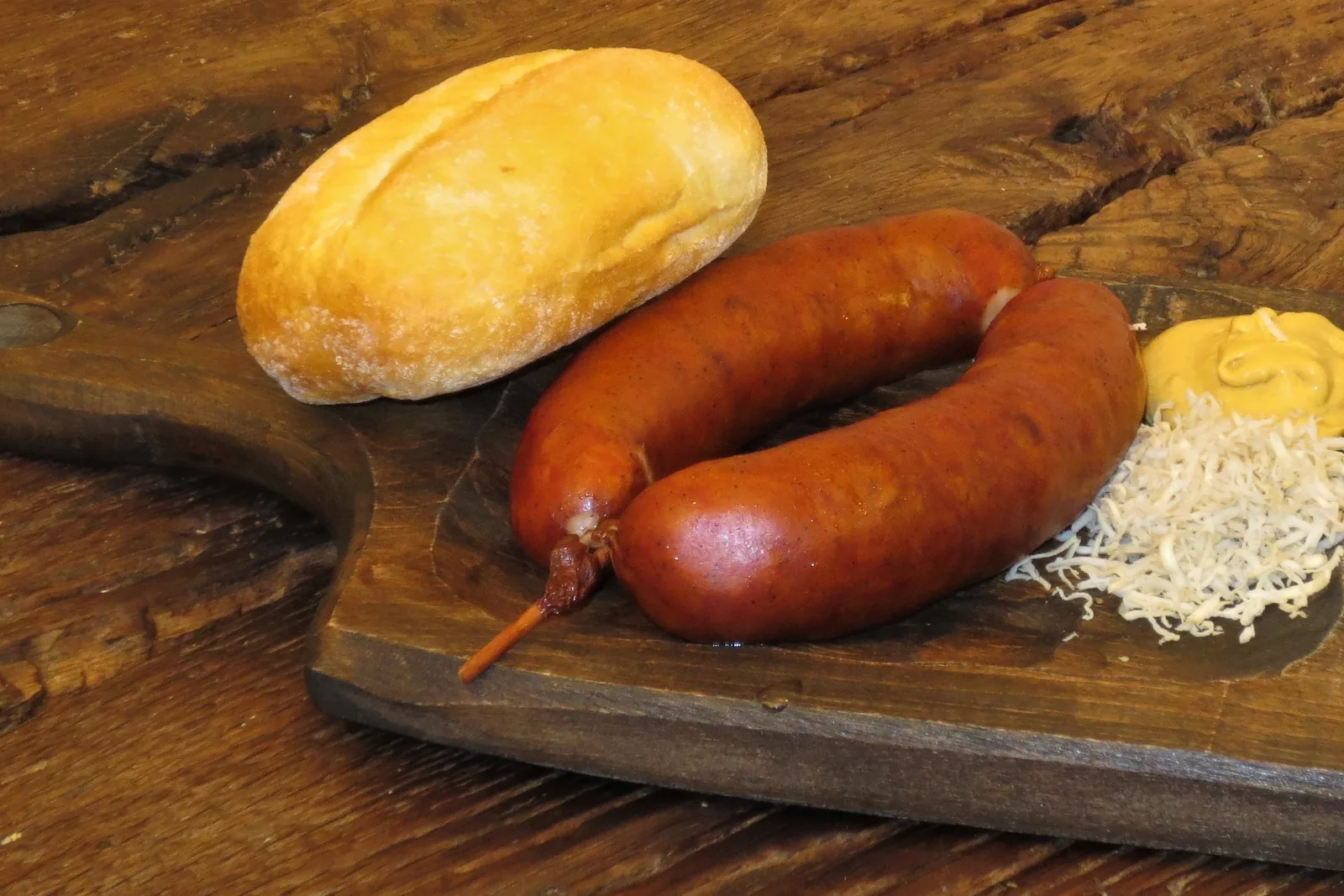
A pair of kranjska klobasa sausages joined by a wooden skewer, served with a bread roll, mustard and grated horseradish on a wooden board

Slovenian Heritage

Photo: ModriDirkac, CC BY-SA 4.0, via Wikimedia Commons

The Heritage Formulary

Measured Ingredients

Estimated cost: Medium — about $4–5 per serving at home (USD)

Real kranjska klobasa contains only pork, back fat, salt, garlic and pepper — no other seasoning is permitted in the protected recipe.

Execution Methodology & Culinary Technique

Step-by-Step Cooking Guide

Active 2h 40m
P

Prep Stage: Chill, Cut & Soak

60 Mins • Chilling & Cutting

Everything about sausage making depends on cold: chill the pork and fat in the freezer for 30 minutes, chill the grinder parts and bowl too, and rinse and soak the casings. Cut the meat into strips and the fat into cubes, mince the garlic and crack the pepper, and weigh the salt exactly. A warm mix smears instead of grinding, and smeared sausage is crumbly.

Maestro Tip: If your hands warm the meat while you work, put the bowl back in the freezer for 10 minutes — cold is the whole secret.

  1. 1

    Grind the Meat Coarse

    15 Mins Keep the meat below 4°C (40°F)

    Feed the chilled pork strips and fat cubes through a coarse grinder plate (10–13 mm holes) into a chilled bowl, alternating meat and fat so they mix evenly. The mince should look like distinct small pieces, not a paste.

    Grind once only — a second pass makes the sausage dense and rubbery.

    Done when: Coarse, clearly separate pieces of pink meat and white fat.

  2. 2

    Season & Mix

    10 Mins Keep the mix below 4°C (40°F)

    Sprinkle the salt, garlic and pepper over the mince, pour in the ice-cold water and mix by hand for 2–3 minutes until the mix feels sticky and holds together when squeezed. Cover and chill for 30 minutes.

    Mix until it is sticky — that stickiness is the protein binding, and it is what keeps the sausage juicy.

    Done when: A uniform, tacky mix that clings to your hand.

  3. 3

    Stuff & Link into Pairs

    20 Mins Room temperature, ~20°C (68°F), work quickly

    Slide a soaked casing onto the stuffer nozzle, fill it firmly but not bursting tight, and twist into links about 12–16 cm (5–6 in) long, each about 100 g. Leave a little slack in each link. Join the links in pairs with a wooden skewer through both ends, as the tradition requires.

    Prick any air bubbles with a clean pin so the casings do not split in the smoker.

    Done when: Eight even, firm links in four pairs, each pair joined by a skewer.

  4. 4

    Hot-Smoke the Sausages

    85 Mins Hot smoke at ~70°C (158°F)

    Hang or lay the pairs in a smoker over soaked beech chips at about 70°C (158°F). Smoke for 60–85 minutes until the skins are reddish-brown and a thermometer in the thickest link reads 71°C (160°F). A kettle grill with a smoke box works too — keep the fire to one side and the sausages away from direct heat.

    Do not rush the smoke with higher heat — the casings split and the fat runs out.

    Done when: Reddish-brown skins, a mild smoky smell, and an internal temperature of 71°C (160°F).

  5. 5

    Rest Briefly

    10 Mins Resting, ~70°C (158°F) falling, covered loosely

    Take the sausages out of the smoker and rest them for 10 minutes so the juices settle and the skins firm up. They can be eaten now, or chilled and grilled later.

    Do not cut into a sausage straight from the smoker — the juices will run out.

    Done when: Firm, glossy sausages that hold their shape when lifted by the skewer.

  6. 6

    Grill & Serve

    15 Mins Medium-high grill, ~200°C (400°F)

    Grill the pairs over medium-high heat for 10–12 minutes, turning often, until the skins are crisp and lightly charred in places and the centre is hot through, at least 71°C (160°F). Serve each pair on a wooden board with a bread roll, a spoonful of mustard and a pile of grated horseradish.

    Grill gently and turn often — a fierce fire splits the skins and dries the sausage out.

    Done when: Crisp, lightly charred skins, a hot juicy centre, and the pair still joined by its skewer.

Finishing Touches & Plating

Serve the grilled pairs hot, still joined by their wooden skewers, with the bread roll, mustard and horseradish on the board. Cut the skewer away at the table and eat the sausage whole, in slices, with the bread.

Nutritional Physiology & Benefits

Nutrition

Energy

872

kcal / serving

Protein

33g

Complete AA

Carbs

37g

Complex

Fats

65g

Healthy

Per serving (4 servings · 1 serving ≈ 270 g)
Energy872 kcal
Protein33 g
Carbohydrates37 g
Fat65 g
Fibre2.5 g
Sugar4.0 g
Sodium1988 mg
Per 100g
Energy323 kcal
Protein12.2 g
Carbohydrates13.6 g
Fat24 g
Fibre0.9 g
Sugar1.5 g
Sodium736 mg

Nutrition values are estimated — calculated from USDA FoodData Central values for the listed ingredients.

Vitamins & minerals: Thiamin and vitamin B12 (pork), selenium and zinc (pork), vitamin C (horseradish).

High-Protein Main

One serving carries about 33 g of protein from the pork, which makes this a genuinely filling main course rather than a snack.

Only Five Seasonings

The protected recipe allows nothing but pork, back fat, salt, garlic and pepper — no fillers, no flavourings, no added sugar.

B Vitamins from Pork

Pork is a natural source of thiamin and vitamin B12, which are part of normal energy metabolism.

Food Pairings

What to Eat With

To optimize nutrient absorption and elevate the sensory depth, pair with these authentic accompaniments:

Sides

Fresh Bread Roll

The roll is not a garnish — it soaks up the juices, carries the mustard and horseradish, and turns a sausage into a complete meal.

Vegetables

Grated Horseradish

Fresh horseradish is sharp and nose-clearing, and that heat cuts straight through the rich, fatty pork in a way mustard alone cannot.

Sauces

Sharp Mustard

Mustard's acidity and bite balance the smoky fat of the sausage, and it is the traditional condiment at every Ljubljana sausage stand.

Drinks

Sauerkraut or Pickles

A small pile of sauerkraut or pickled cucumber gives the plate the sour note that fatty sausage needs — and it is why jota and kranjska klobasa are so often served together.

Complete menu

Serve the grilled pairs with bread rolls, mustard and horseradish, a bowl of jota or sauerkraut on the side, and finish with herbal tea.

Digestive Guardrails

What NOT to Combine

To prevent digestive distress, sluggishness, or palate clash, avoid pairing the dish with these elements:

Cutting or Poking While Grilling

Do not cut into the sausages or poke them while they grill — the juices run out and the sausage dries out. Check the temperature with a thermometer at the end instead. This is general information, not medical advice.

Eating Undercooked Sausage

Ground pork must reach 71°C (160°F) right through before eating; pink, undercooked sausage can carry harmful bacteria, so always check with a thermometer rather than guessing by colour.

General information only, not medical advice — consult a doctor for personal dietary decisions.

Who Should Eat It

Who Should Eat

  • General adultsA hearty, smoky main course — best as an occasional meal rather than an everyday one, given the salt and fat.
  • ChildrenSuitable in a half portion with the skin removed and the horseradish kept light; the sausage is salty and the mustard is sharp.
  • ElderlyFine in a modest portion, cut into slices; keep the horseradish light and choose a soft roll if chewing is difficult.
  • Pregnant womenOnly eat it fully cooked through to 71°C (160°F) and served piping hot; skip it if it has been sitting out at a market stall.
  • Breastfeeding womenGenerally suitable in a modest portion; the salt and fat are the things to watch, not the sausage itself.
  • AthletesA high-protein, high-energy meal after heavy training — about 33 g of protein per serving, with bread for fast carbs.
  • Weight gainA good choice — have the full pair with bread, mustard and horseradish.
  • Weight lossHave half a pair with extra sauerkraut and pickles instead of the bread roll, and skip the second helping.

Health Conditions — Adjust or Avoid

Conditions

  • DiabetesThe sausage itself is very low in carbohydrate, but the bread roll is not — keep to half a roll and fill the plate with sauerkraut; ask your clinician.
  • High blood pressureVery high in sodium from the salt and curing — eat only occasionally, in a small portion, and skip the mustard; ask your clinician.
  • Kidney diseaseHigh in sodium, protein and phosphorus — eat only occasionally and in a small portion, and ask your clinician first.
  • GoutPork is moderately high in purines — eat occasionally and in smaller portions.
  • Stomach issuesSmoked, fatty sausage and horseradish can both irritate a sensitive stomach; keep the portion small and skip the horseradish if you are prone to heartburn.
  • Cardiovascular diseaseHigh in saturated fat and sodium; keep it an occasional treat in a small portion and load the plate with sauerkraut and pickles — ask your clinician.
  • Fatty liverRich and fatty — keep to a small portion on occasion, and choose sauerkraut over bread as the side.
  • Food allergiesContains pork and mustard; the bread roll contains gluten. Horseradish is a member of the mustard family, so check the label if you have a mustard allergy.
  • Special therapeutic dietsIf you follow a prescribed low-sodium or low-fat diet, this sausage is a poor fit — eat only a small tasting portion and check with your clinician.

If you have a medical condition, consult your doctor before changing your diet.

Storage & Use

Storage & Use

How to store
Cool the smoked sausages quickly and store in airtight containers or wrapped in the fridge; keep the bread and condiments separate.
In the fridge
Smoked sausages keep 3 days in the fridge at 4°C (40°F) or below; grilled leftovers keep 2 days.
In the freezer
Up to 2 months, wrapped tightly; thaw overnight in the fridge.
How to reheat
Reheat on the grill or in a pan until steaming hot through, to 74°C (165°F); do not microwave, or the skins go rubbery.
Freezing recommended
Yes — smoked, ungrilled sausages freeze well for up to 2 months.
Signs it has spoiled
Sour or rancid smell, slimy or sticky skins, or grey-green discoloration.

More recipes to explore

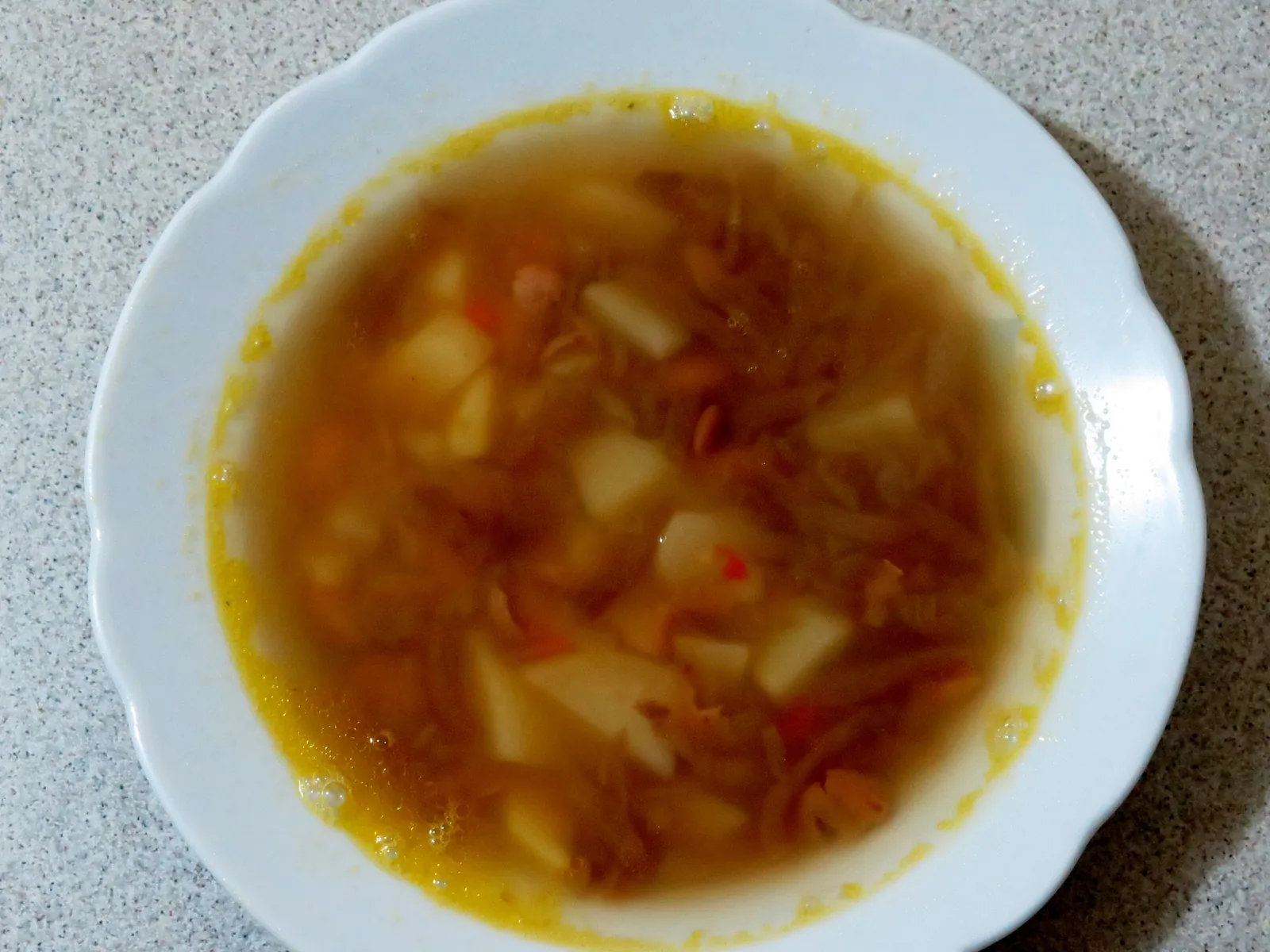
A white bowl of Slovenian jota stew with potatoes, beans and sauerkraut in a golden broth Slovenia flag Slovenia 2h 55m
Dinner •Slovenian Heritage

Slovenian Jota

This jota recipe turns sauerkraut, borlotti beans and potatoes into Slovenia's thick, sour winter stew, with smoked pork ribs and a garlic-flour roux (prezganka) to bind it all together. It is the kind of one-pot dinner that tastes even better the next day. One serving is about 500 g.

Comfort & Warmth

A thick sauerkraut, borlotti bean and potato stew with smoked pork, finished with a garlic-flour roux.

Pairs Well With
Crusty bread, a spoonful of sour cream, and polenta on the side
Soups & Broths
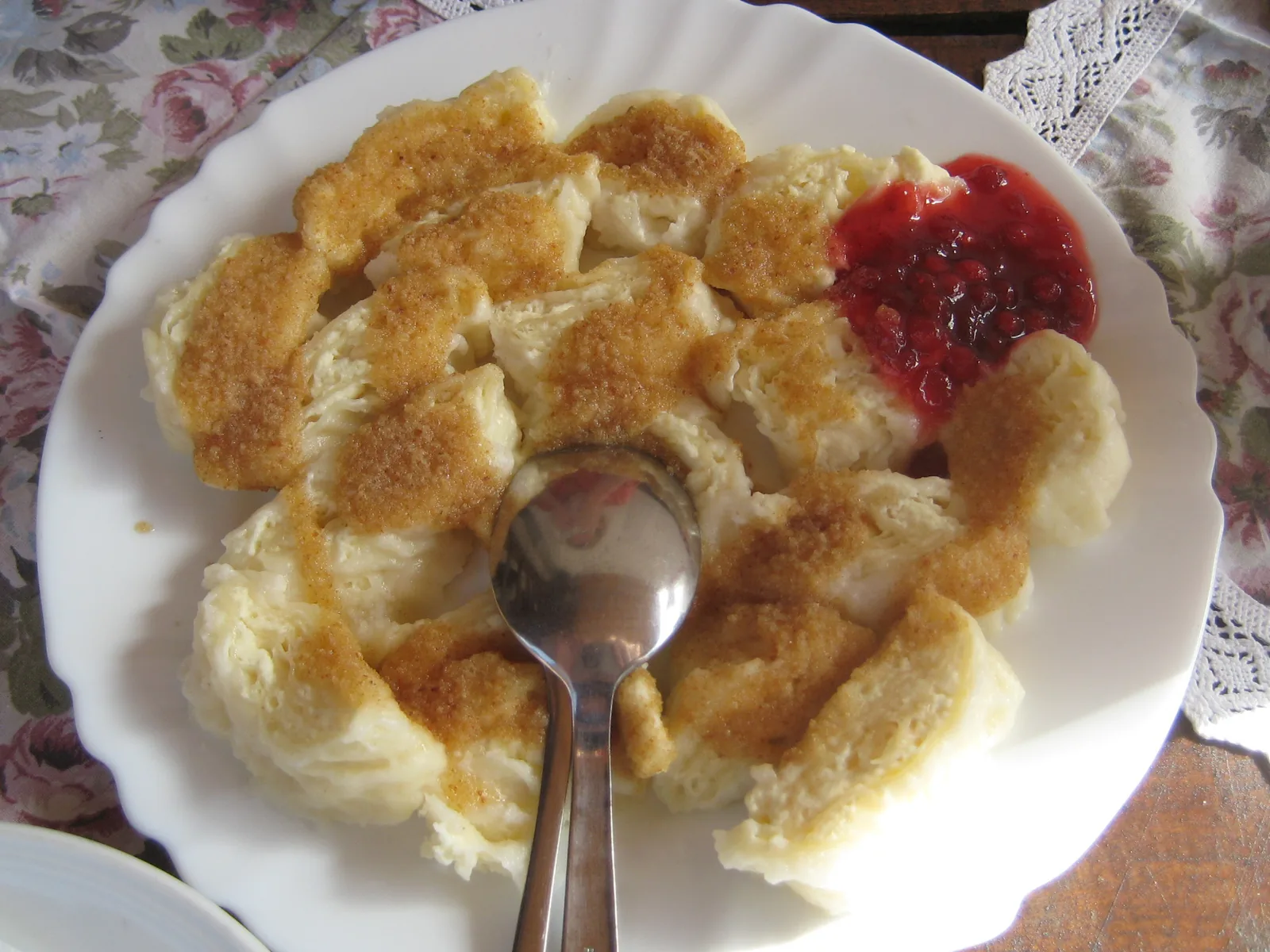
Sliced Slovenian struklji dumplings with cottage-cheese filling, topped with golden buttered breadcrumbs and berry compote Slovenia flag Slovenia 1h 15m
Snack & Tea •Slovenian Heritage

Slovenian Štruklji

This struklji recipe is the sweet cottage-cheese form of Slovenia's rolled dumplings: paper-thin dough spread with a vanilla-scented curd filling, rolled up, boiled in a cloth and sliced, then finished with golden buttered breadcrumbs. One serving is about 235 g.

Sweet Comfort

Thin rolled dough around a sweet cottage-cheese filling, boiled and served with buttered breadcrumbs.

Pairs Well With
Buttered breadcrumbs, a spoonful of berry compote, and coffee
Bœuf bourguignon — French beef braised in red wine France flag France 4h
Dinner •Burgundy Terroir

Bœuf Bourguignon

Beef braised gently in red wine until the connective tissue melts into a velvet, gelatin-rich sauce — the classic Burgundy Sunday dinner.

Cellular Repair

Beef braised in red wine until spoon-tender, with mushrooms and pearl onions.

Pairs Well With
Parsnip Purée & Steamed French Haricots Verts
High Protein
Vietnamese braised pork belly with golden eggs in caramel sauce Vietnam flag Vietnam 1h 45m
Dinner •One Pot

Vietnamese Braised Pork and Eggs

Pork belly slowly braised in coconut water and caramel until meltingly tender, with golden eggs that soak up the sweet-savoury sauce — the Vietnamese family dish that tastes better the next day.

Comfort & Sustained Energy

Slow-braised pork belly and eggs in coconut water and caramel.

Pairs Well With
Steamed rice & pickled mustard greens
High Protein

The Dinner Gazette

Never wonder what’s for dinner again

One email a week with easy dinner ideas from around the world — ingredients, steps and nutrition, tested in our kitchen first.

Delivered every Thursday morning. Unsubscribe anytime.