Curated recipes from 193 countries  •  New seasonal Mediterranean issue out now

Overview

Slovenian Jota

Istrian Stew; Jota with Sauerkraut, Beans and Potatoes

This jota recipe turns sauerkraut, borlotti beans and potatoes into Slovenia's thick, sour winter stew, with smoked pork ribs and a garlic-flour roux (prezganka) to bind it all together. It is the kind of one-pot dinner that tastes even better the next day. One serving is about 500 g.

Jota is one of the oldest dishes of the northern Adriatic, made from beans, sauerkraut or sour turnip, potatoes and smoked pork. It most likely originated in Friuli, in north-eastern Italy, before spreading east into the Slovenian Littoral and Istria, where it became a winter staple of peasant kitchens. In Slovenian Istria it is often eaten together with polenta, and the name is thought to come from a Celtic root for a liquid soup.

Pairs well with: Crusty bread, a spoonful of sour cream, and polenta on the side

Provenance

Slovenia flag Slovenia

Slovenian Heritage

Mediterranean & Italy

Time Dedication

2h 55m

25m prep • 150m cook

Batch Yield

6 Servings

522 kcal per serving

1 serving ≈ 500 g

Technical Skill

Intermediate

Intermediate (One Pot)

Meal Timing & Digestive Fit

Breakfast

Not Advised

Lunch

Hearty Midday Main

Dinner

Ideal Hearty Main

Snack & Tea

Inappropriate

Soups & Broths Occasions: Winter dinners, family weekends, cold-weather comfort, mountain-hut meals Cost: Low — about $3–4 per serving at home
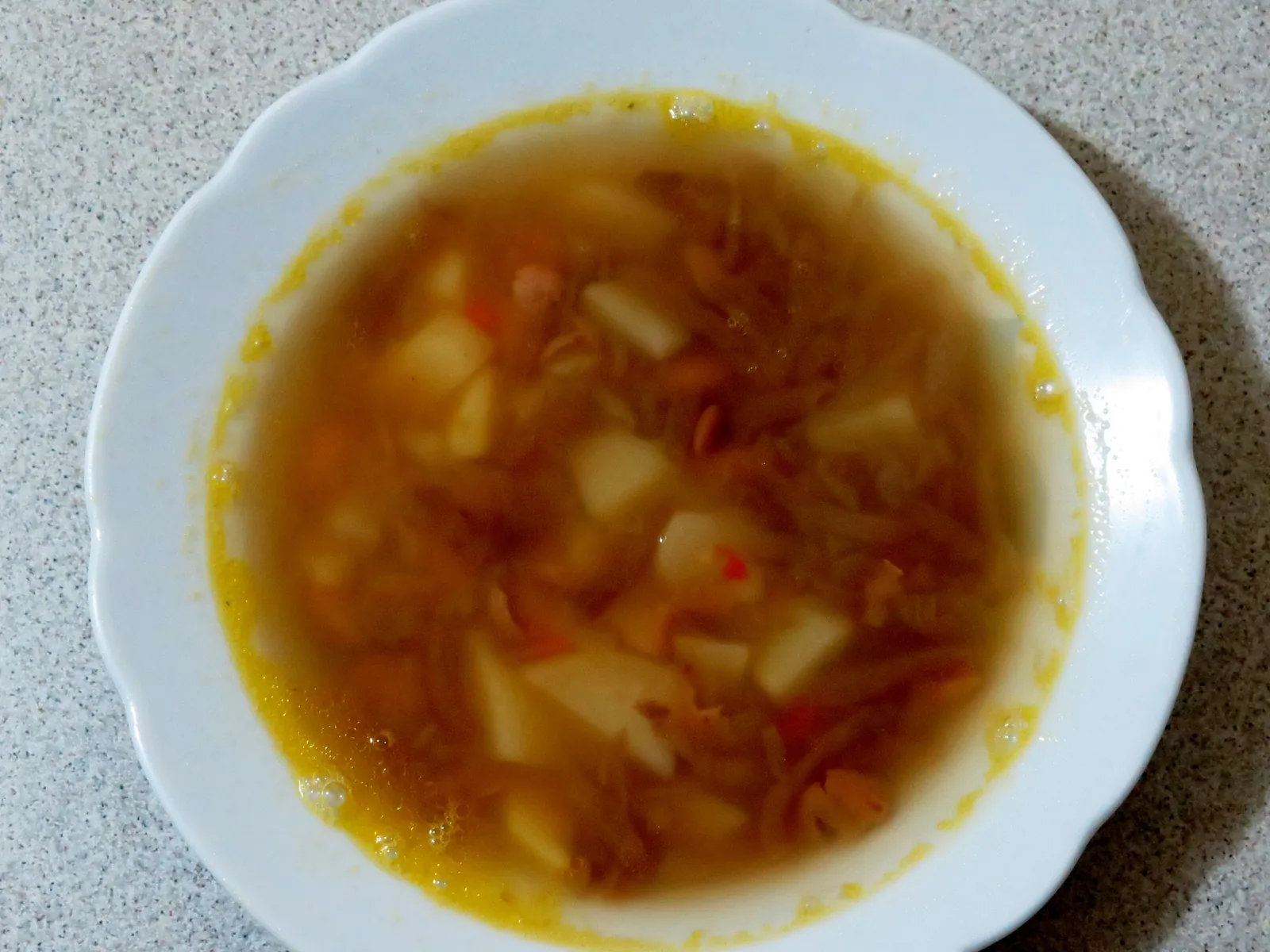
A white bowl of Slovenian jota stew with potatoes, beans and sauerkraut in a golden broth

Slovenian Heritage

Photo: Petar43, CC BY-SA 4.0, via Wikimedia Commons

The Heritage Formulary

Measured Ingredients

Estimated cost: Low — about $3–4 per serving at home (USD)

A proper jota is thick enough to coat a spoon, sour from the kraut, and finished with the garlic-flour prezganka.

Execution Methodology & Culinary Technique

Step-by-Step Cooking Guide

Active 2h 55m
P

Prep Stage: Soak, Rinse & Dice

25 Mins • Soaking (Overnight) & Knife Work

The night before, soak the borlotti beans in plenty of cold water. On the day, drain and rinse the beans, rinse and squeeze the sauerkraut, dice the potatoes and pancetta, chop the onion and crush the garlic. Measure the flour and oil for the roux so they are ready when the pot needs them.

Maestro Tip: Do not salt the beans while they soak or cook — salt toughens dried beans.

  1. 1

    Cook the Beans

    45 Mins Gentle simmer, ~95°C (203°F)

    Put the soaked, drained beans in a pot with 1 litre of fresh cold water. Bring to a gentle simmer and cook for 40–45 minutes until tender but still holding their shape. Drain, keeping the cooking water if you like, and set aside.

    Skim any foam in the first 10 minutes; it keeps the stew clean-tasting.

    Done when: Beans squash easily between two fingers but do not fall apart.

  2. 2

    Start the Pot

    60 Mins Gentle simmer, ~95°C (203°F)

    Put the sauerkraut, smoked ribs, bay leaves and 1.5 litres of water in a large pot. Bring to a simmer, cover loosely and cook for 60 minutes, until the kraut is soft and the rib meat is starting to loosen from the bone.

    Keep the heat low — a rolling boil makes the kraut tough and the broth cloudy.

    Done when: Kraut is soft and yielding; rib meat gives when pressed with a fork.

  3. 3

    Add Potatoes & Beans

    30 Mins Gentle simmer, ~95°C (203°F)

    Lift the potatoes out of their water and add them to the pot with the cooked beans. Simmer for 25–30 minutes until the potatoes are tender and a few edges have broken down into the broth.

    Stir gently and only now and then — the potatoes do the thickening, and rough stirring turns them to mush.

    Done when: Potatoes break apart with a spoon; the stew is starting to look thick.

  4. 4

    Make the Prezganka Roux

    5 Mins Medium heat, ~175°C (350°F)

    Warm the olive oil in a small pan, fry the pancetta for 2 minutes until the fat runs, then add the onion and cook for 3 minutes until soft. Stir in the crushed garlic for 30 seconds, then sprinkle in the flour and stir for 1–2 minutes until it smells nutty and turns pale gold.

    Do not let the garlic or flour brown past gold — a dark roux makes the stew bitter.

    Done when: A thick, pale-gold paste that smells of garlic and toasted flour.

  5. 5

    Thicken & Finish

    10 Mins Gentle simmer, ~95°C (203°F)

    Ladle a spoonful of hot stew liquid into the roux, stir it smooth, then scrape the whole roux into the pot and stir well. Simmer for 10 minutes. Lift out the ribs, pull the meat off the bones, shred it and return it to the pot. Fish out the bay leaves, taste, then season with pepper and salt only if it needs it.

    Thinning the roux with hot liquid first is what stops lumps.

    Done when: The stew coats a spoon thickly and the shredded pork is mixed through.

  6. 6

    Rest & Serve

    10 Mins Off the heat, covered, ~80°C (175°F) falling

    Take the pot off the heat, cover and rest for 10 minutes so the flavours settle and the stew thickens a little more. Ladle into deep bowls and serve hot with crusty bread.

    Jota is at its best the next day — make it ahead whenever you can.

    Done when: Thick, steaming and sour-savoury, with beans, potato and pork in every spoonful.

Finishing Touches & Plating

Serve in deep bowls with crusty bread for mopping up the broth. A spoonful of sour cream on top is optional and softens the sour edge of the kraut.

Nutritional Physiology & Benefits

Nutrition

Energy

522

kcal / serving

Protein

28g

Complete AA

Carbs

52g

Complex

Fats

23g

Healthy

Per serving (6 servings · 1 serving ≈ 500 g)
Energy522 kcal
Protein28 g
Carbohydrates52 g
Fat23 g
Fibre12.2 g
Sugar4.4 g
Sodium1772 mg
Per 100g
Energy104 kcal
Protein5.5 g
Carbohydrates10.4 g
Fat4.6 g
Fibre2.4 g
Sugar0.9 g
Sodium354 mg

Nutrition values are estimated — calculated from USDA FoodData Central values for the listed ingredients.

Vitamins & minerals: Vitamin C and K (sauerkraut), folate and iron (beans), potassium and vitamin B6 (potatoes), thiamin and B12 (pork).

Beans & Fibre

Borlotti beans and sauerkraut give this stew a large amount of dietary fibre, which supports normal digestion as part of a varied diet.

Filling Winter Fuel

With about 27 g of protein and slow-digesting beans and potatoes per serving, one bowl keeps you full for hours on a cold day.

Fermented Cabbage

Sauerkraut is fermented cabbage, a traditional food that brings vitamin C and K to the pot alongside its sour flavour.

Food Pairings

What to Eat With

To optimize nutrient absorption and elevate the sensory depth, pair with these authentic accompaniments:

Sides

Crusty Bread

Jota is thick and spoon-coating, so bread is the practical tool for finishing the bowl — and the plain crumb balances the sour kraut.

Vegetables

Polenta

In Slovenian Istria jota is traditionally eaten with polenta, whose mild corn flavour softens the sourness of the sauerkraut.

Drinks

Sour Cream on Top

A spoonful of sour cream cools the sharp edge of the kraut and adds richness without changing the stew itself.

Light Red Wine or Herbal Tea

A light, low-tannin red or a warm herbal tea suits a rich smoked-pork stew far better than a heavy, oaky wine.

Complete menu

Start with a bowl of jota and crusty bread, add polenta on the side if you want the Istrian way, and finish with herbal tea and a piece of fruit.

Digestive Guardrails

What NOT to Combine

To prevent digestive distress, sluggishness, or palate clash, avoid pairing the dish with these elements:

Very Salty Foods Alongside

Jota is already high in sodium from the sauerkraut and smoked pork, so avoid serving it with other salty foods such as cured meats or salty cheese in the same meal. This is general information, not medical advice.

Skipping the Roux

Leaving out the prezganka is not a health risk, but the stew will stay thin and watery — the flour roux is what gives jota its characteristic body, so do not expect the same dish without it.

General information only, not medical advice — consult a doctor for personal dietary decisions.

Who Should Eat It

Who Should Eat

  • General adultsA complete one-pot dinner — beans, potato, vegetables and pork in a single bowl.
  • ChildrenSuitable from about age 3 with the pork cut small and the pepper kept light; the sour kraut flavour is an acquired taste for some children.
  • ElderlyGood choice — soft, warm and easy to chew once the pork is shredded; keep the portion modest because it is salty.
  • Pregnant womenGenerally suitable; make sure the pork is cooked through and the stew is served piping hot.
  • Breastfeeding womenGenerally suitable; the beans, potato and pork give steady energy, but keep portions moderate because of the salt.
  • AthletesA strong recovery meal after cold-weather training: about 27 g of protein plus slow carbs from beans and potatoes.
  • Weight gainA good choice — have a full bowl with bread and a spoonful of sour cream.
  • Weight lossHave a smaller bowl, load it with beans and kraut, and skip the bread and sour cream.

Health Conditions — Adjust or Avoid

Conditions

  • DiabetesBeans and potatoes raise blood sugar slowly, but keep the potato portion modest and fill the bowl with kraut and beans; ask your clinician about portion size.
  • High blood pressureThis stew is high in sodium from sauerkraut and smoked pork — rinse the kraut well, use unsmoked pork if you can, and eat a smaller portion; ask your clinician.
  • Kidney diseaseHigh in sodium and potassium from beans and potatoes; eat only occasionally and in a small portion, and ask your clinician first.
  • GoutBeans and pork are moderately high in purines — eat occasionally and in smaller portions.
  • Stomach issuesThe sour kraut can irritate a sensitive stomach; rinse it well and skip the black pepper if you are prone to heartburn.
  • Cardiovascular diseaseHigh in sodium and saturated fat from the smoked pork; use leaner pork, rinse the kraut, and keep portions modest — ask your clinician.
  • Fatty liverKeep the portion modest, favour beans and kraut over the fatty pork, and skip the bread and sour cream.
  • Food allergiesContains gluten (flour roux) and pork. The roux can be made with buckwheat flour, but check the label if you have coeliac disease.
  • Special therapeutic dietsIf you follow a prescribed low-sodium diet, rinse the kraut thoroughly and use fresh unsmoked pork; check with your clinician.

If you have a medical condition, consult your doctor before changing your diet.

Storage & Use

Storage & Use

How to store
Cool quickly and store in a covered pot or airtight container; keep the bread separate.
In the fridge
Keeps 4 days in the fridge at 4°C (40°F) or below; the flavour improves on day two.
In the freezer
Up to 3 months; the potatoes soften a little on thawing.
How to reheat
Reheat gently on the hob, stirring, until steaming hot throughout, to 74°C (165°F); add a splash of water if it has thickened too much.
Freezing recommended
Yes — it freezes very well, up to 3 months.
Signs it has spoiled
Sour smell sharper than the normal kraut tang, slimy surface, or mould.

More recipes to explore

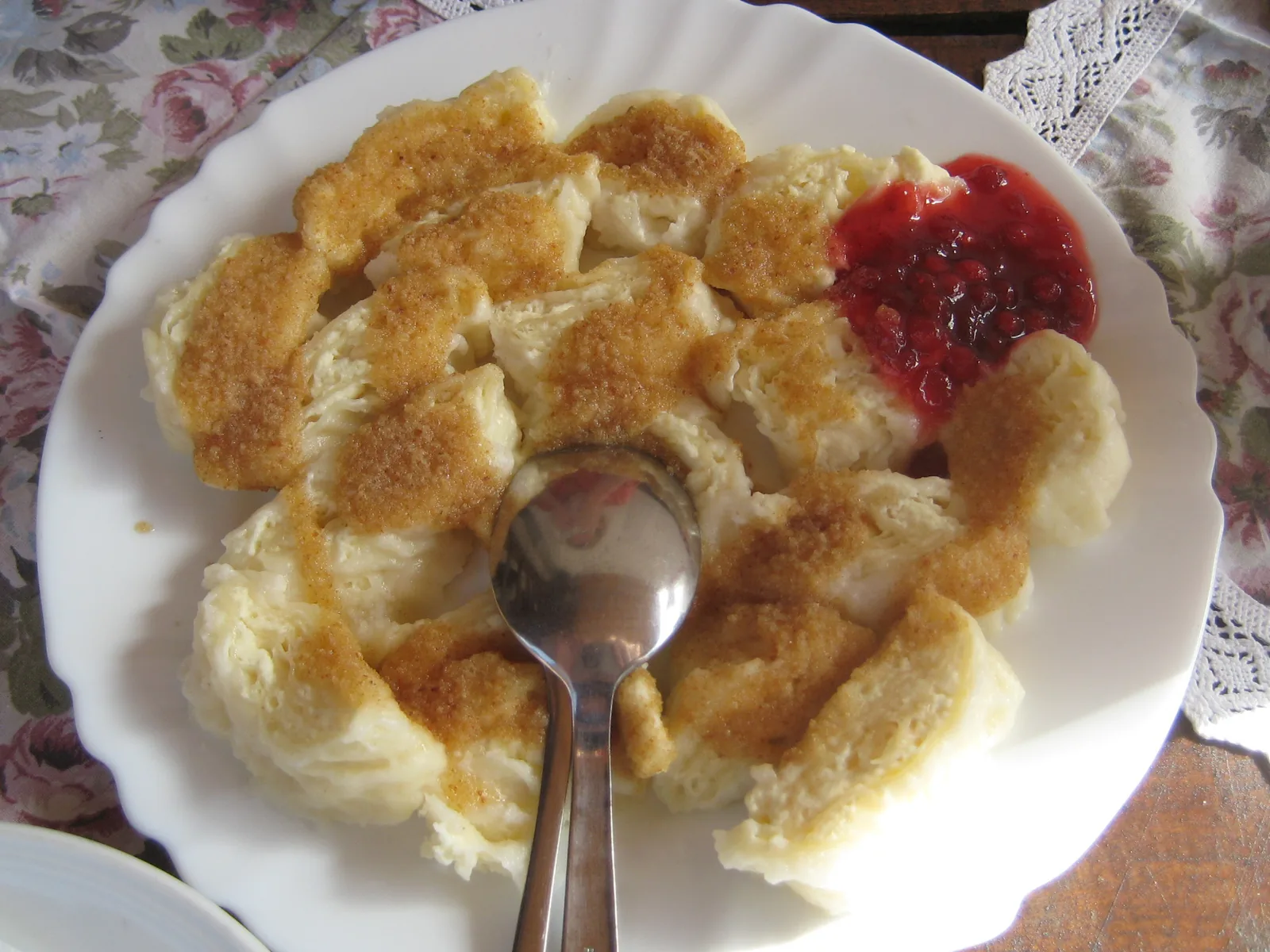
Sliced Slovenian struklji dumplings with cottage-cheese filling, topped with golden buttered breadcrumbs and berry compote Slovenia flag Slovenia 1h 15m
Snack & Tea •Slovenian Heritage

Slovenian Štruklji

This struklji recipe is the sweet cottage-cheese form of Slovenia's rolled dumplings: paper-thin dough spread with a vanilla-scented curd filling, rolled up, boiled in a cloth and sliced, then finished with golden buttered breadcrumbs. One serving is about 235 g.

Sweet Comfort

Thin rolled dough around a sweet cottage-cheese filling, boiled and served with buttered breadcrumbs.

Pairs Well With
Buttered breadcrumbs, a spoonful of berry compote, and coffee
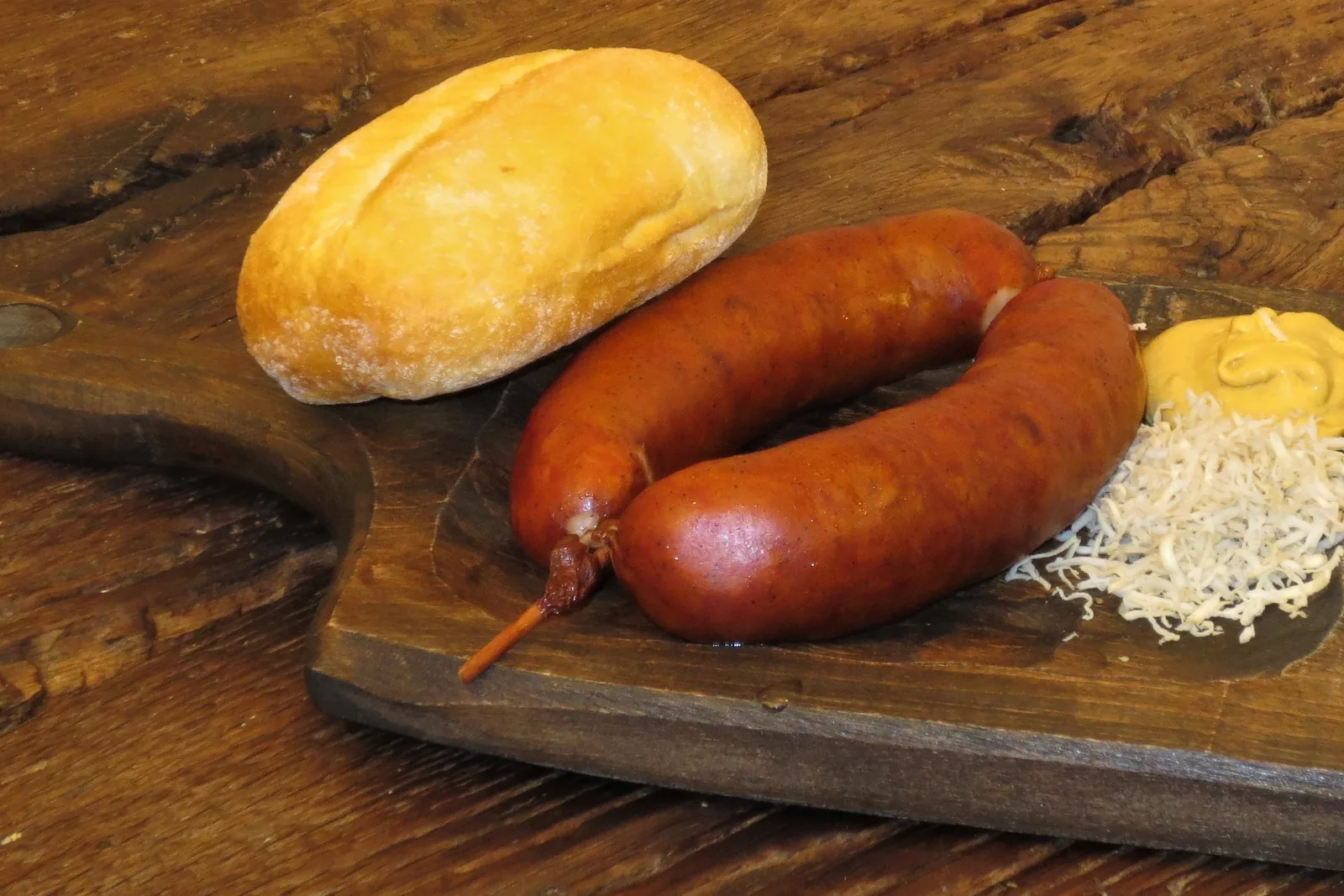
A pair of kranjska klobasa sausages joined by a wooden skewer, served with a bread roll, mustard and grated horseradish on a wooden board Slovenia flag Slovenia 2h 40m
Dinner •Slovenian Heritage

Kranjska Klobasa

This kranjska klobasa recipe makes Slovenia's protected Carniolan sausage from scratch: coarsely ground pork and back fat with garlic, salt and black pepper, stuffed into hog casings, hot-smoked until firm, then grilled and served with mustard, grated horseradish and a bread roll. One serving is about 270 g.

Hearty & Smoky

Coarsely ground pork and back fat seasoned only with garlic, salt and pepper, hot-smoked and grilled.

Pairs Well With
Mustard, grated horseradish and a fresh bread roll
High Protein
Bœuf bourguignon — French beef braised in red wine France flag France 4h
Dinner •Burgundy Terroir

Bœuf Bourguignon

Beef braised gently in red wine until the connective tissue melts into a velvet, gelatin-rich sauce — the classic Burgundy Sunday dinner.

Cellular Repair

Beef braised in red wine until spoon-tender, with mushrooms and pearl onions.

Pairs Well With
Parsnip Purée & Steamed French Haricots Verts
High Protein
Vietnamese braised pork belly with golden eggs in caramel sauce Vietnam flag Vietnam 1h 45m
Dinner •One Pot

Vietnamese Braised Pork and Eggs

Pork belly slowly braised in coconut water and caramel until meltingly tender, with golden eggs that soak up the sweet-savoury sauce — the Vietnamese family dish that tastes better the next day.

Comfort & Sustained Energy

Slow-braised pork belly and eggs in coconut water and caramel.

Pairs Well With
Steamed rice & pickled mustard greens
High Protein

The Dinner Gazette

Never wonder what’s for dinner again

One email a week with easy dinner ideas from around the world — ingredients, steps and nutrition, tested in our kitchen first.

Delivered every Thursday morning. Unsubscribe anytime.