
Curated recipes from 193 countries  •  New seasonal Mediterranean issue out now

Overview

Kuih Akok

Akok Kelantan, Kelantan Egg Cake

Kelantan baked cakes of egg, coconut milk and palm sugar, with soft custardy middles and caramelised golden tops. One serving is about 110 g.

Kuih akok is a Kelantanese speciality from the east coast of Peninsular Malaysia — a baked egg and coconut cake sweetened with gula melaka, palm sugar, and traditionally cooked in small brass moulds over charcoal. The name is local to Kelantan, and the cake is a fixture of festive tables and the Ramadan evening markets there, where its caramelised top and soft custardy middle make it easy to spot among the other kuih.

Pairs well with: Hot teh tarik & fresh fruit

Provenance

Malaysia flag Malaysia

Kelantan Heritage Sweet

East & South Asia

Time Dedication

40m

15m prep • 25m cook

Batch Yield

6 Servings

303 kcal per serving

1 serving ≈ 110 g

Technical Skill

Easy

Easy (Baked Egg Cake)

Meal Timing & Digestive Fit

Breakfast

Not Advised

Lunch

Inappropriate

Dinner

Inappropriate

Snack & Tea

Ideal Light Bite

Occasions: Afternoon tea, festive gatherings, breakfast snacks, Ramadan evening markets Cost: Low — about $1 per serving at home
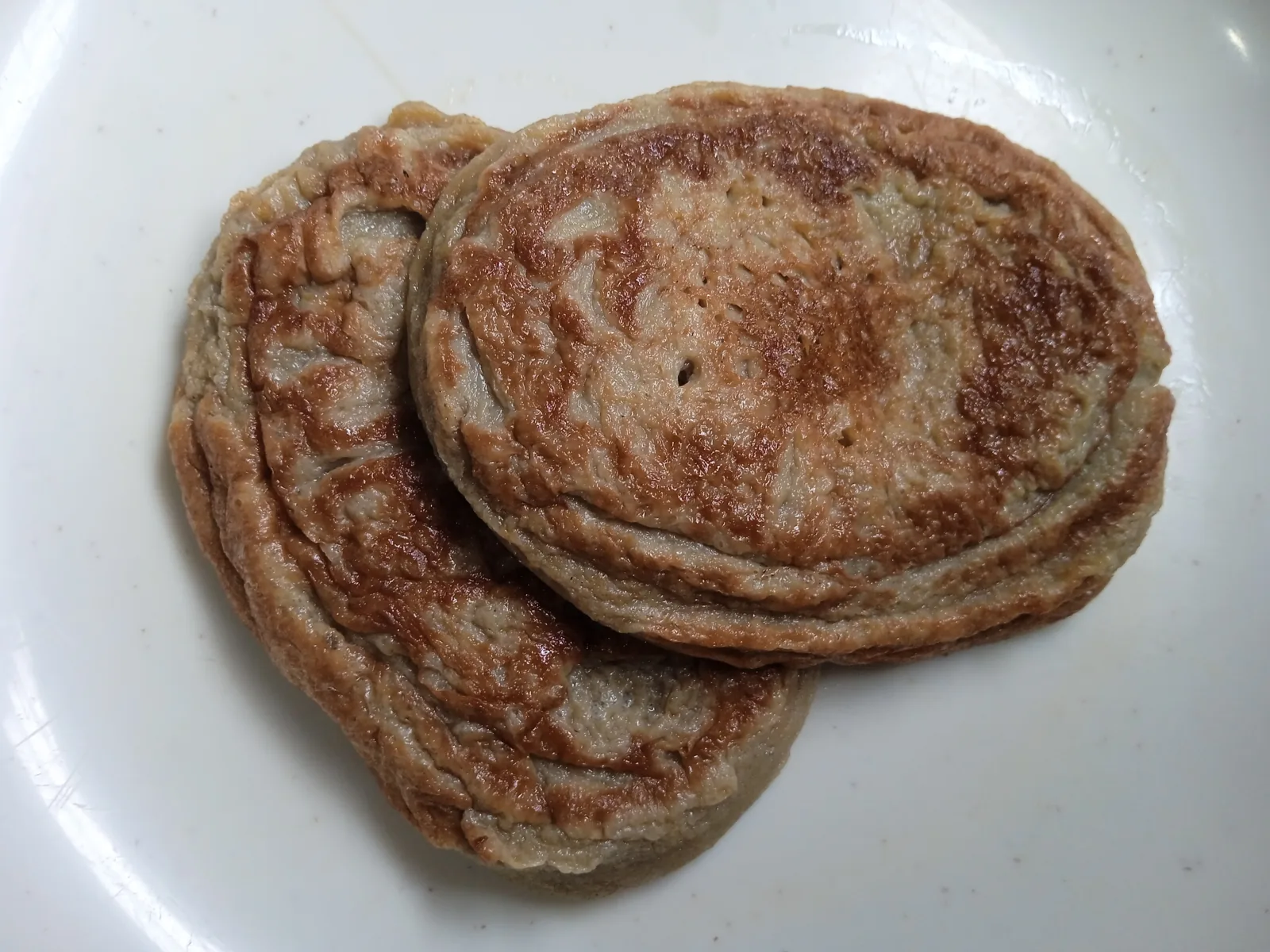
Two golden-brown kuih akok egg and coconut cakes on a white plate

Kelantan Heritage Sweet

Photo: Wiki Farazi, CC0, via Wikimedia Commons

The Heritage Formulary

Measured Ingredients

Estimated cost: Low — about $1 per serving at home (USD)

A good kuih akok is golden and caramelised on top, soft and custardy inside — never dry or rubbery.

Execution Methodology & Culinary Technique

Step-by-Step Cooking Guide

Active 40m
P

Prep Stage: Sugar Syrup & Batter

15 Mins • Whisk & Pour

Melt the shaved palm sugar (150 g) with 60 ml of the coconut milk over low heat until dissolved, then cool slightly. Whisk the eggs (6) with the remaining coconut milk (190 ml), then whisk in the warm sugar syrup, the sifted flours (60 g plain, 30 g rice) and the salt (2 g) until smooth. Strain the batter once for a silky finish.

Maestro Tip: Strain the batter — one pass through a sieve is what makes the crumb silky instead of lumpy.

  1. 1

    Dissolve the palm sugar

    10 minutes Low heat, syrup about 60°C (140°F)

    Put the shaved palm sugar (150 g) in a small pan with 60 ml of the coconut milk and warm over low heat, stirring, until the sugar has fully dissolved into a dark syrup. Take off the heat and let it cool for 5 minutes — it should be warm, not hot, or it will scramble the eggs.

    Low heat and patience: burnt palm sugar turns bitter and cannot be fixed.

    Done when: Smooth dark syrup with no sugar grains left.

  2. 2

    Whisk the batter

    5 minutes Room temperature, about 22°C (72°F)

    Whisk the eggs (6) in a large bowl until just combined, then whisk in the remaining coconut milk (190 ml) and the warm palm sugar syrup. Sift in the plain flour (60 g), rice flour (30 g) and salt (2 g) and whisk until smooth, then strain the batter through a fine sieve into a jug.

    Whisk gently — beating in air makes bubbles that leave holes in the finished cake.

    Done when: Smooth, pourable batter with no lumps.

  3. 3

    Bake until set and golden

    25 minutes 180°C (350°F)

    Heat the oven to 180°C (350°F) and grease a 12-hole muffin tin well, or use small ramekins. Pour the batter into the holes, filling each about three-quarters full. Bake for 20 to 25 minutes until puffed, golden on top and just set in the middle — a skewer should come out with moist crumbs, not wet batter. The centres should reach at least 74°C (165°F).

    Grease generously — akok loves to stick, and a stuck cake tears when you lift it out.

    Done when: Puffed and golden, tops caramelised at the edges, middles just set.

  4. 4

    Cool and serve

    5 minutes Serve warm, about 50°C (122°F)

    Rest the cakes in the tin for 5 minutes, then lift them out carefully with a small spoon or knife. Serve warm or at room temperature, two per person, with hot teh tarik.

    Five minutes in the tin lets the cakes firm up enough to lift out whole.

    Done when: Cakes hold their shape, soft and custardy inside, golden outside.

Finishing Touches & Plating

Serve two warm cakes per person with hot teh tarik or fresh fruit. Akok is best the day it is baked, when the tops are still crisp at the edges and the middles are soft.

Nutritional Physiology & Benefits

Nutrition

Energy

303

kcal / serving

Protein

9g

Complete AA

Carbs

38g

Complex

Fats

13g

Healthy

Per serving (6 servings · 1 serving ≈ 110 g)
Energy303 kcal
Protein9 g
Carbohydrates38 g
Fat13 g
Fibre0.8 g
Sugar25.3 g
Sodium214 mg
Per 100g
Energy276 kcal
Protein7.7 g
Carbohydrates34.3 g
Fat11.7 g
Fibre0.7 g
Sugar23 g
Sodium194 mg

Nutrition values are estimated — calculated from USDA FoodData Central values for the listed ingredients.

Vitamins & minerals: Vitamin A and B12 (eggs), iron (palm sugar, eggs), vitamin E (coconut milk), B vitamins (flour).

Gentle, Real Energy

Eggs and coconut milk give steady energy from protein and healthy fats, not just sugar.

Eggs and Coconut

Eggs bring protein, vitamin A and B12, while coconut milk adds vitamin E and a creamy richness.

Simple and Honest

Six ingredients, no preservatives, no colouring — the caramel colour comes from real palm sugar.

Food Pairings

What to Eat With

To optimize nutrient absorption and elevate the sensory depth, pair with these authentic accompaniments:

Drinks

Hot Teh Tarik

Pulled milky tea is the classic Kelantan partner — its warmth and spice balance the sweet, eggy cake.

Sides

Fresh Tropical Fruit

Mango or papaya adds fresh acidity that cuts the richness of the coconut and egg.

Other Kelantan Kuih

A plate of mixed kuih — akok beside jala mas or kuih bakar — is how Kelantanese afternoon tea is served.

Complete menu

Serve two warm kuih akok with hot teh tarik and fresh mango for a Kelantanese afternoon tea.

Digestive Guardrails

What NOT to Combine

To prevent digestive distress, sluggishness, or palate clash, avoid pairing the dish with these elements:

Very Sweet Drinks With the Cakes

Akok is already sweet from palm sugar, so sugary soft drinks push the sugar too high; unsweetened tea is the better match. This is general information, not medical advice.

Refrigerating Warm Cakes

Putting warm cakes in the fridge makes them rubbery and dulls the flavour; cool them fully at room temperature first. This is general information, not medical advice.

General information only, not medical advice — consult a doctor for personal dietary decisions.

Who Should Eat It

Who Should Eat

  • General adultsA sweet afternoon snack — two cakes with tea make a satisfying break.
  • ChildrenChildren love the caramel sweetness, but it is rich — one cake is plenty for younger children.
  • ElderlyGood choice in small portions — soft, easy to chew; serve warm, not hot.
  • Pregnant womenGenerally suitable when the cakes are baked right through so the egg is fully set; keep to one or two cakes because of the sugar.
  • Breastfeeding womenGenerally suitable as an occasional treat; the eggs add useful protein.
  • AthletesA quick energy snack with about 9 g of protein per serving — handy after training with a glass of milk.
  • Weight gainA good choice — two cakes with teh tarik add up to a filling snack.
  • Weight lossEnjoy one cake, not two, and skip the sweetened tea.

Health Conditions — Adjust or Avoid

Conditions

  • DiabetesThis is a sweet cake — one small cake only, and count it as your sweet for the day; ask your clinician about the right portion for you.
  • High blood pressureSodium is low, but the sugar is high — keep the portion small and ask your clinician about the right portion for you.
  • Kidney diseaseThe eggs and coconut milk add phosphorus and potassium, so keep to a small portion and ask your clinician about portion size.
  • GoutOccasional small portions are usually fine — the egg is low in purines; ask your clinician how often this fits for you.
  • Stomach issuesSoft and easy to digest for most people, but the richness can sit heavily; eat slowly and ask your clinician if you are unsure.
  • Cardiovascular diseaseCoconut milk is high in saturated fat, so keep akok an occasional treat in a small portion; ask your clinician about the right portion for you.
  • Fatty liverKeep it occasional and small — the sugar and saturated fat add up fast; ask your clinician about the right portion for you.
  • Food allergiesContains egg and gluten (wheat flour). Coconut is a tree nut for labelling purposes in some countries — check if you have a tree-nut allergy.
  • Special therapeutic dietsIf you follow a prescribed low-sugar, low-fat or gluten-free diet, this recipe needs changes — ask your clinician or dietitian for advice.

If you have a medical condition, consult your doctor before changing your diet.

Storage & Use

Storage & Use

How to store
Cool completely, then store in a covered container.
In the fridge
Up to 3 days at 4°C (40°F) in a covered container.
In the freezer
Up to 1 month in a sealed bag; texture softens after thawing.
How to reheat
Warm in a 160°C (325°F) oven for 5 minutes until warm right through at 74°C (165°F); the microwave makes them rubbery.
Freezing recommended
Only if needed — up to 1 month; best eaten fresh.
Signs it has spoiled
Sour smell, slimy surface, or visible mould — discard if any appear.

More recipes to explore

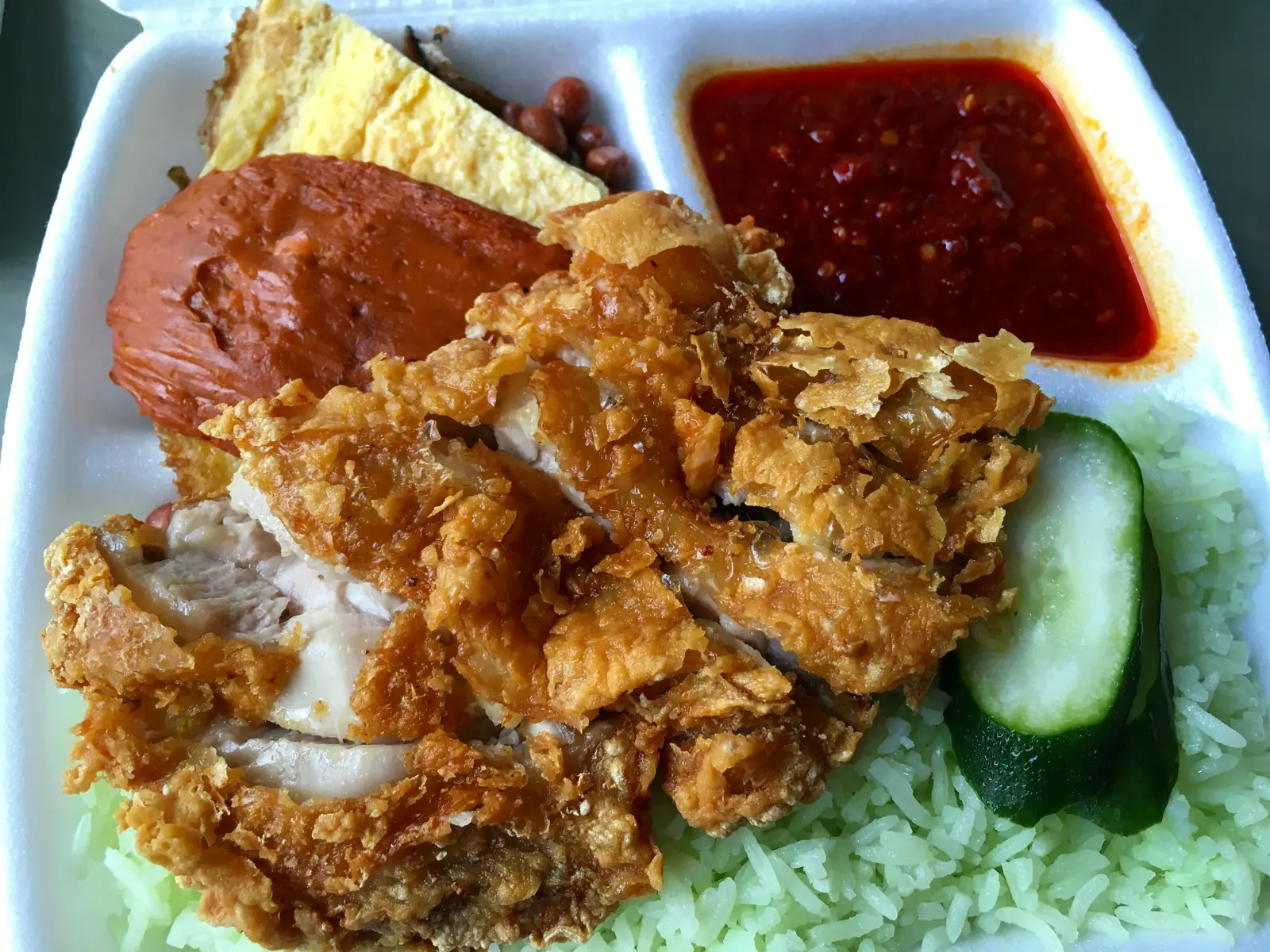
Nasi lemak — coconut rice with crispy fried chicken, red sambal, omelette, peanuts and cucumber in a takeaway box Malaysia flag Malaysia 1h 10m
Breakfast •Malaysian Heritage

Nasi Lemak

This nasi lemak recipe brings Malaysia's national breakfast to your own table: rice steamed in coconut milk with pandan, a dark, sweet-hot sambal, golden turmeric fried chicken, and the classic little pile of crispy anchovies, roasted peanuts, boiled egg and cool cucumber. One serving is about 465 g.

Hearty & Satisfying

A full Malaysian breakfast plate — fragrant coconut rice with sambal, crispy chicken, egg, anchovies, peanuts and cucumber.

Pairs Well With
A spoonful of hot sambal and cool cucumber slices, with teh tarik or iced lime tea.
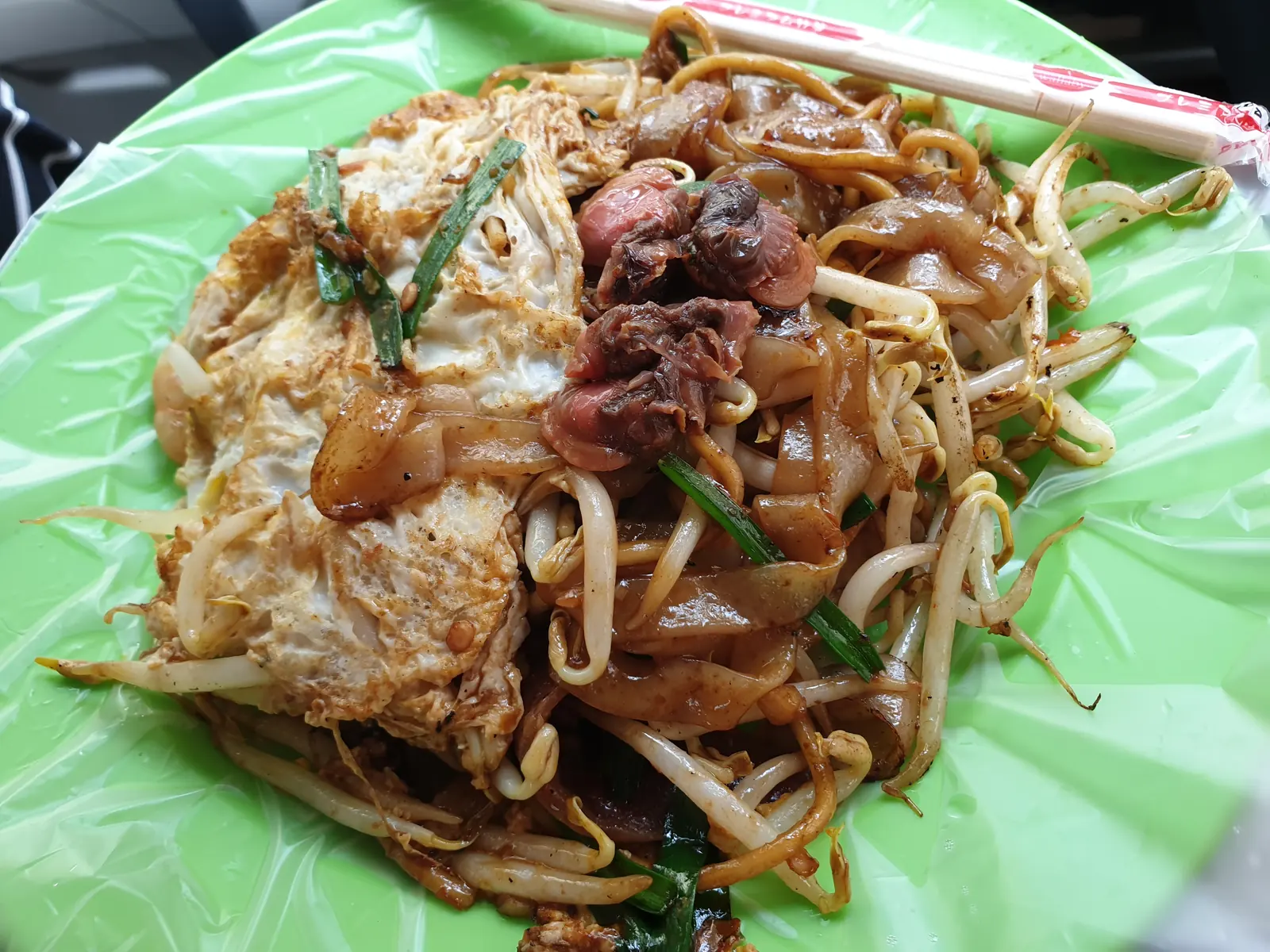
Char kway teow on a green plate — glossy flat rice noodles with fried egg, cockles, bean sprouts and garlic chives Malaysia flag Malaysia 25m
Dinner •Penang Street-Food Icon

Char Kway Teow

This char kway teow recipe tosses wide flat rice noodles in a blazing-hot wok with garlic, soy sauce, chilli paste, prawns, cockles, Chinese sausage, egg, bean sprouts and garlic chives, so the noodles pick up the smoky char called wok hei. Cook one plate at a time, exactly like a hawker stall, and eat it straight from the wok. One serving is about 475 g.

Smoky & Satisfying

Flat rice noodles seared over fierce heat with prawns, cockles, egg and bean sprouts — a fast, smoky Malaysian hawker dinner.

Pairs Well With
Pickled green chillies, cucumber slices, and iced lime tea or teh o ais
Pasta & Noodles • Quick Prep (<30m)
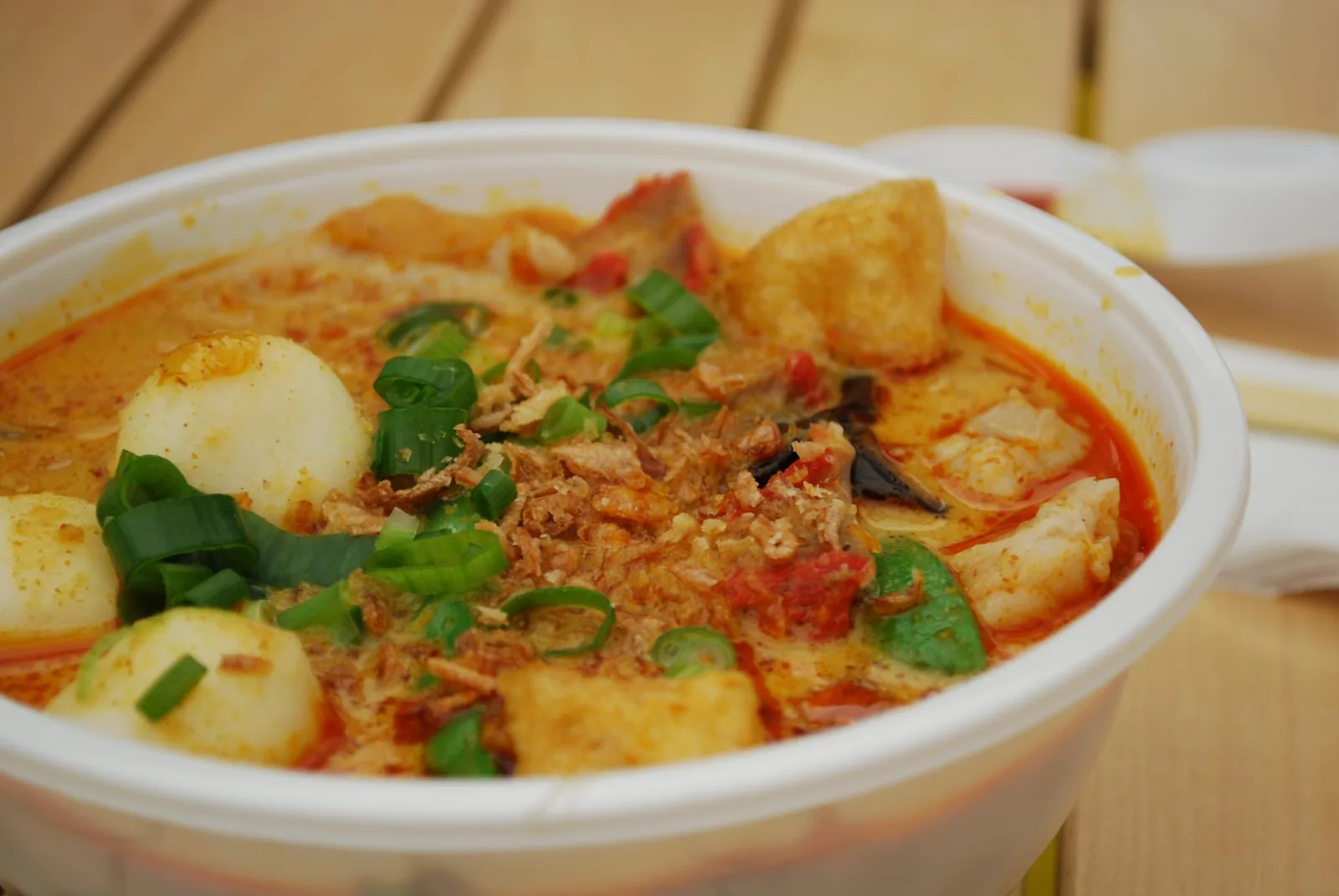
A white bowl of curry laksa in orange coconut curry broth with tofu puffs, fish balls, spring onions and fried shallots Malaysia flag Malaysia 50m
Lunch •Malaysian Hawker Classic

Curry Laksa

This curry laksa recipe simmers a spiced rempah paste with coconut milk and chicken stock into a rich orange broth, then pours it over rice vermicelli and egg noodles with shredded chicken, tofu puffs and crisp bean sprouts. One serving is about 703 g.

Comfort & Warmth

A rich, spiced coconut curry noodle soup with chicken, tofu puffs and bean sprouts.

Pairs Well With
Cool cucumber salad and a glass of iced lime tea
Soups & Broths • Pasta & Noodles
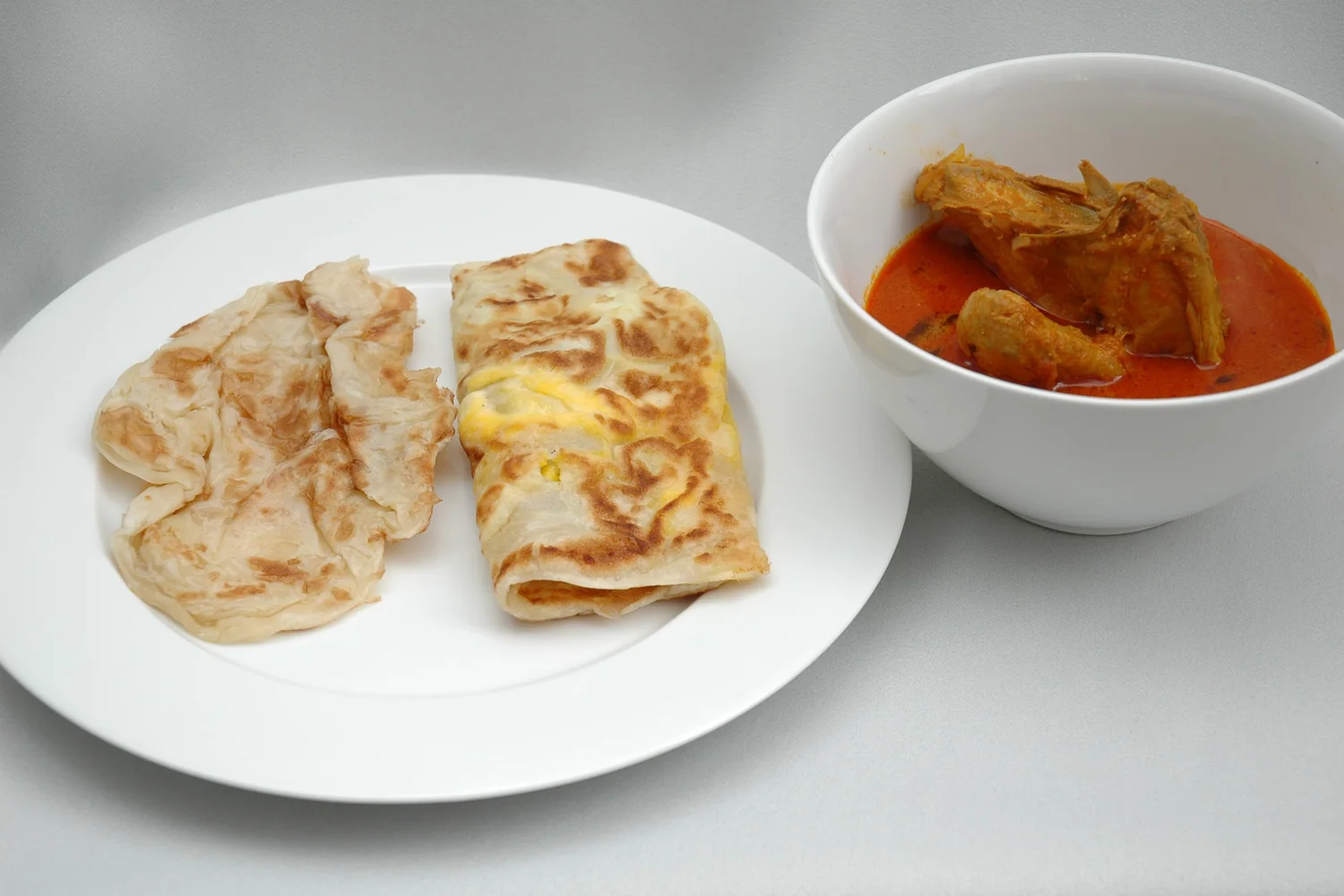
Roti prata and egg roti on a white plate with a bowl of chicken curry Malaysia flag Malaysia 1h 30m
Breakfast •Mamak Stall Heritage

Roti Canai

This roti canai recipe makes the flaky mamak flatbread the slow way: a soft dough rested until it stretches paper-thin, laminated with ghee, folded into squares and fried until the outside crisps and the inside stays soft and layered. It is served torn into pieces for dipping into a warm dhal curry with coconut milk, the way every mamak stall in Malaysia serves it for breakfast. One serving is about 374 g.

Comfort & Warmth

Flaky, laminated flatbread stretched paper-thin, folded and fried in ghee until crisp at the edges, torn and dipped into warm dhal curry.

Pairs Well With
Dhal curry & teh tarik

The Dinner Gazette

Never wonder what’s for dinner again

One email a week with easy dinner ideas from around the world — ingredients, steps and nutrition, tested in our kitchen first.

Delivered every Thursday morning. Unsubscribe anytime.