-
1
Soak the Chickpeas
12 Hours (Overnight)
Room temperature, ~21°C (70°F)
Rinse the dried chickpeas and pick out any stones or shrivelled ones. Put them in a large bowl, cover with cold water by at least 8 cm, and stir in 1 teaspoon of baking soda. Leave them to soak for 12 hours or overnight — they will roughly double in size. Drain and rinse well before cooking.
Start the soak the night before; there is no shortcut that gives the same softness.
Done when: Chickpeas have doubled in size and feel plump and firm, not hard.
-
2
Simmer Until Very Soft
45–50 Mins
Gentle boil, 100°C (212°F)
Put the drained chickpeas in a large pot, cover with fresh cold water by 8 cm, and add 1/2 teaspoon of baking soda. Bring to a gentle boil, skim off the foam, then simmer for 45–50 minutes until the chickpeas are falling-apart soft — they should crush easily between your fingers and the skins should be loosening. Drain, reserving a little of the cooking water, and set aside about 2 tablespoons of whole chickpeas for garnish.
Chickpeas for hummus must be cooked past the point you would eat them whole; undercooked chickpeas make grainy hummus.
Done when: Chickpeas crush with no resistance between thumb and finger; skins slip off easily.
-
3
Whip the Tahini Base
3 Mins
Room temperature, ~21°C (70°F)
Put the tahini, lemon juice, crushed garlic, salt and cumin in a food processor and blend for 2 minutes, scraping the sides once. Drizzle in the ice water and blend for another minute — the mixture will turn thick, pale and fluffy, almost like whipped cream. This step is the whole secret: a properly whipped tahini base is what makes the finished hummus silky.
Do not skip the ice water — cold water whips tahini lighter and paler than warm water ever will.
Done when: The base is thick, pale and fluffy, and holds soft peaks on the spatula.
-
4
Add the Chickpeas and Blend Silky
3 Mins
Room temperature, ~21°C (70°F)
Add the warm, drained chickpeas to the processor a handful at a time, blending for 2–3 minutes until completely smooth. Add the olive oil as you blend, then loosen with a spoonful of the reserved cooking water or ice water if the dip is too thick. Taste and adjust the lemon and salt — Lebanese hummus should be clearly lemony and well seasoned.
Blend longer than you think: 2–3 full minutes, not 30 seconds. Grainy hummus is almost always under-blended.
Done when: The dip is completely smooth, pale and creamy, with no grain or grit on the tongue.
-
5
Plate Cold and Garnish
5 Mins + 30 Mins Chilling
Chilled, ~4°C (39°F)
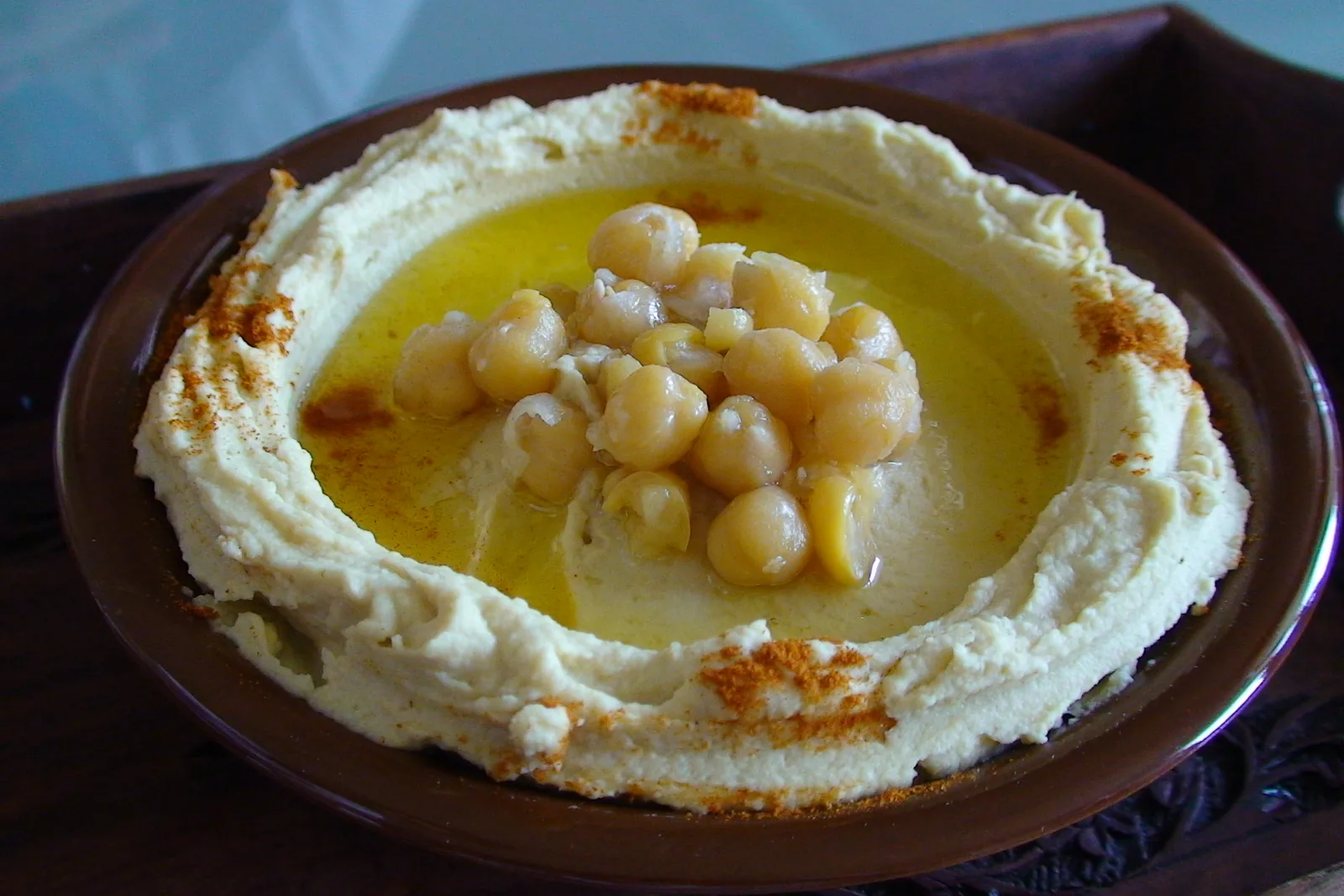
Spoon the hummus into a shallow bowl and spread it with the back of a spoon, making a shallow well in the centre. Pour olive oil into the well, scatter over the reserved whole chickpeas, toasted pine nuts and chopped parsley, and dust the rim with paprika. Cover and chill for at least 30 minutes — Lebanese hummus is served cold, never warm.
Chilling firms the dip slightly and lets the lemon and garlic settle into the tahini.
Done when: The hummus is cold, smooth and glossy, with a pool of oil in the centre and the garnish sitting on top.
auto_awesome Finishing Touches & Plating
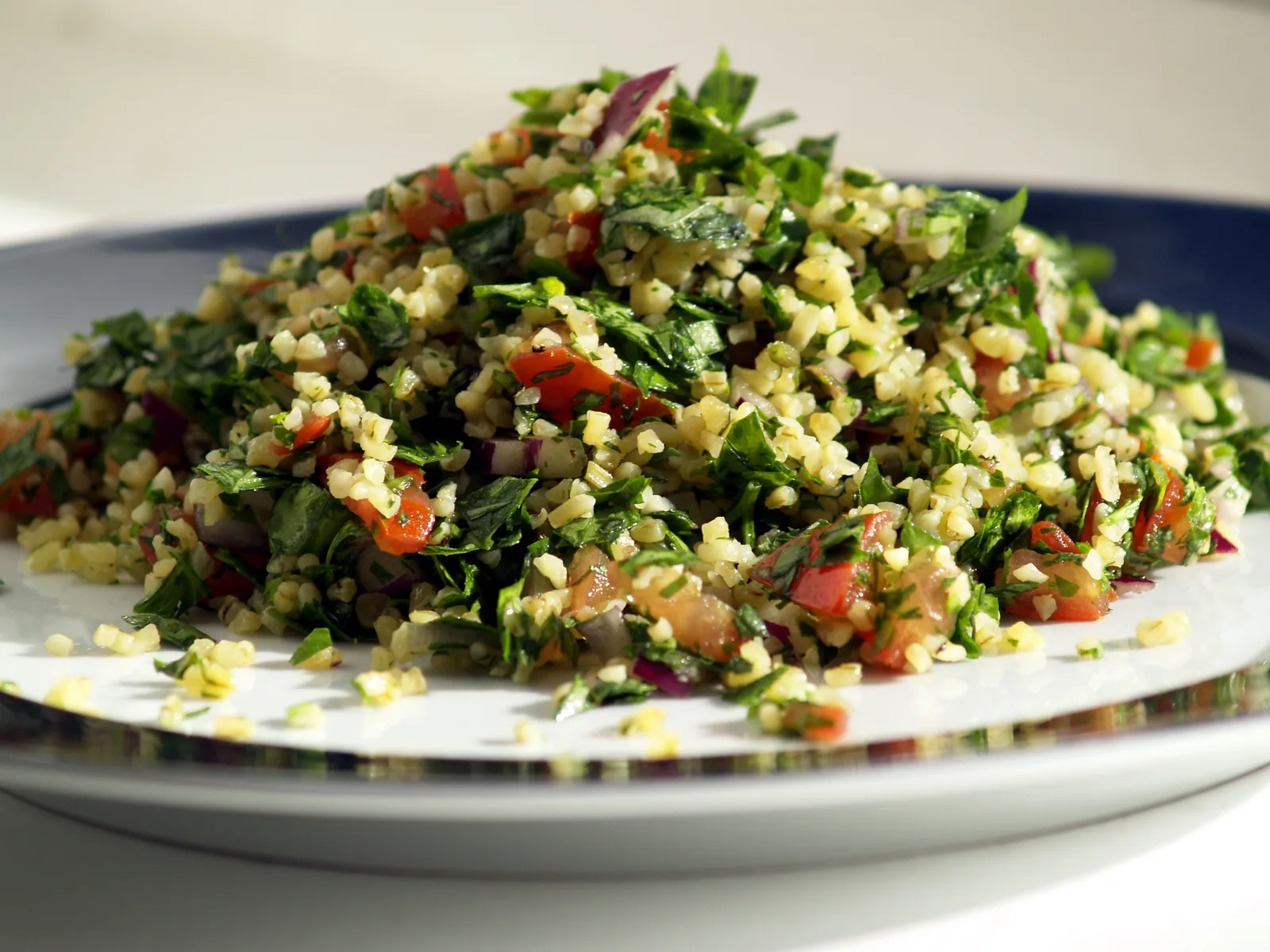
Serve the hummus cold or at room temperature with warm pita bread torn into scoops, alongside tabbouleh and olives. Never reheat it — warmth turns the texture heavy and dulls the lemon.
 Lebanon
25m
 Spain

 Vietnam