
Curated recipes from 193 countries  •  New seasonal Mediterranean issue out now

Overview

Lebanese Tabbouleh

Tabbouleh Salad

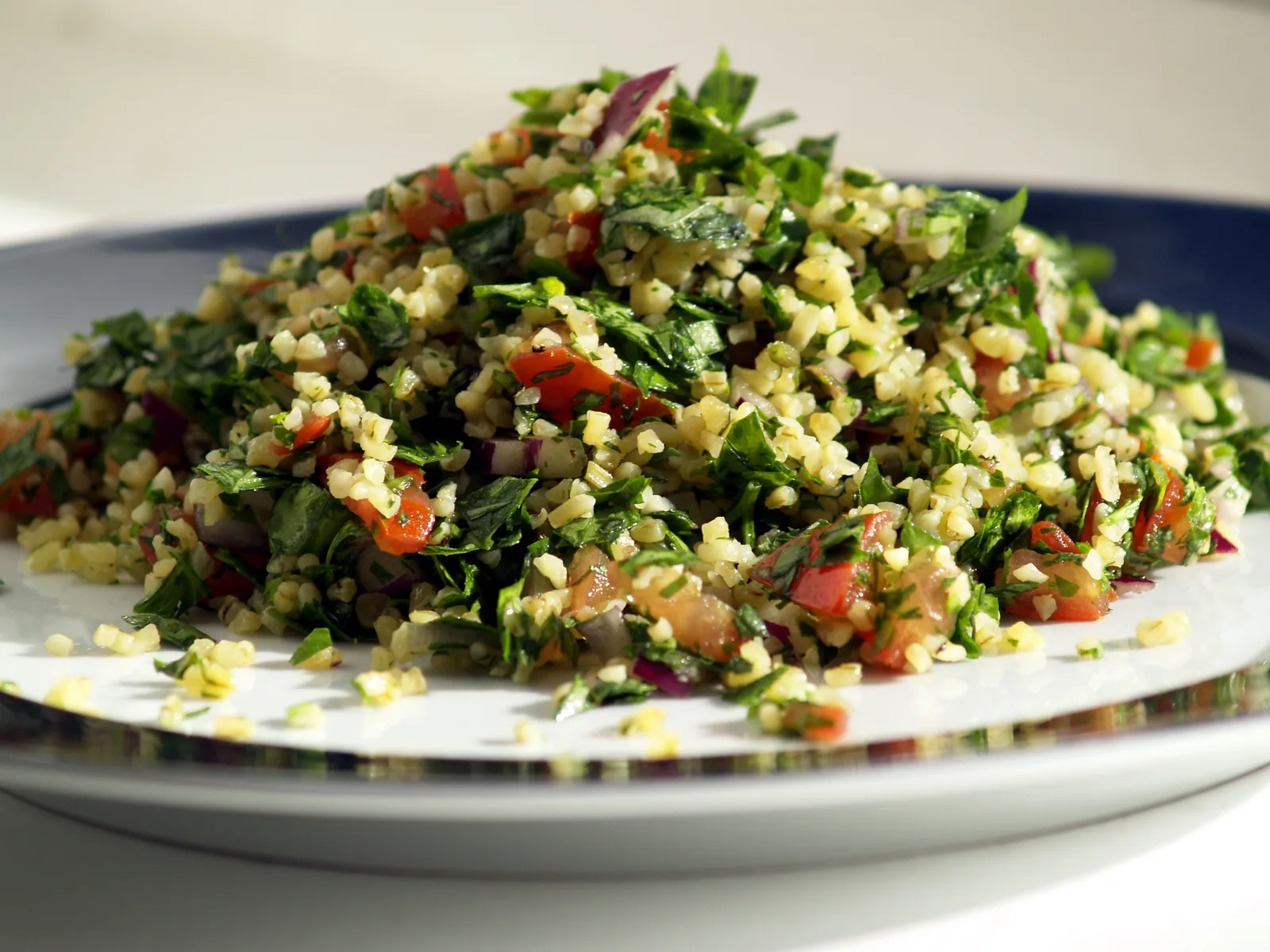
Tabbouleh is Lebanon's bright green parsley salad, where the herbs lead and fine bulgur plays a supporting role. Diced tomato, green onion and mint are tossed in lemon juice and olive oil for a fresh, lemony bite that wakes up any mezze table. One serving is about 216 g.

Tabbouleh comes from the mountains of Lebanon and Syria, where parsley grows in abundance and the salad grew up as a way to eat it by the handful. Its name comes from the Arabic word tabbula, meaning to season or flavour — fitting for a salad that is really a bowl of seasoned herbs. In Lebanon the parsley leads and the bulgur is only a supporting handful, which is what sets the Lebanese version apart from grain-heavy versions made elsewhere.

Pairs well with: Warm pita bread, hummus and grilled halloumi

Provenance

Lebanon flag Lebanon

Levantine Mezze Classic

Middle Eastern

Time Dedication

25m

25m prep • 0m cook

Batch Yield

4 Servings

184 kcal per serving

1 serving ≈ 216 g

Technical Skill

Easy

Easy (No Cooking)

Meal Timing & Digestive Fit

Breakfast

Not Advised

Lunch

Prime Metabolic Fit

Dinner

Ideal Hearty Main

Snack & Tea

Inappropriate

Occasions: Lunch, mezze spreads, summer picnics, Ramadan iftar, light weekday meals Cost: Low — about $1–2 per serving at home
A plate of fresh Lebanese tabbouleh with chopped parsley, tomato and bulgur

Levantine Mezze Classic

Photo: cyclonebill, CC BY-SA 2.0, via Wikimedia Commons

The Heritage Formulary

Measured Ingredients

Estimated cost: Low — about $1–2 per serving at home (USD)

A true Lebanese tabbouleh is green first and grain second — mostly parsley, a little bulgur, and a clear lemon brightness.

Execution Methodology & Culinary Technique

Step-by-Step Cooking Guide

Active 25m
P

Prep Stage: Bulgur Soaking, Herbs Chopped Fine

25 Mins • Knife Work

Rinse the fine bulgur and soak it in cold water for 15 minutes while you work on the herbs — it needs no heat at all. Meanwhile wash the parsley and mint, dry them thoroughly, and chop them very fine with a sharp knife; wet herbs make a soggy salad. Seed and dice the tomatoes small and slice the green onions thin so every spoonful has a bit of everything.

Maestro Tip: Dry herbs are everything: spin the parsley in a salad spinner or pat it in a tea towel until not a drop of water remains.

  1. 1

    Soak the Bulgur

    15 Mins Room temperature, ~21°C (70°F)

    Rinse the fine bulgur in a sieve, then cover with cold water and leave it to soak for 15 minutes until the grains are plump and tender but still faintly chewy. Tip the soaked bulgur into a clean tea towel and squeeze hard to wring out every drop of water — wet bulgur is the fastest way to a soggy tabbouleh.

    Fine (#1) bulgur needs no boiling. If the grains still crunch after 15 minutes, give them 5 more minutes, not heat.

    Done when: Grains are plump, tender and dry to the touch, with no water pooling in the bowl.

  2. 2

    Chop the Herbs Fine

    10 Mins Room temperature, ~21°C (70°F)

    Gather the dry parsley and mint leaves into tight handfuls and chop them very fine with a long, sharp knife, rocking the blade through the pile. Work in small batches so the leaves cut cleanly instead of being crushed. The chop should be fine enough that the herbs fluff up like green confetti, not coarse like a garnish.

    Never use a food processor — it bruises the leaves, releases their water and turns the salad dark and wet.

    Done when: Herbs are finely chopped, bright green and dry, with no juice pooling on the board.

  3. 3

    Dice the Tomato and Onion

    5 Mins Room temperature, ~21°C (70°F)

    Halve the tomatoes, scoop out the seeds and juice with a spoon, and dice the flesh into small 5 mm pieces. Slice the green onions thinly, white and green parts alike. Small, even pieces matter: they let the tomato and onion disappear into the herbs instead of sitting on top of them.

    Seeding the tomatoes is not optional — the juice would water down the dressing and wilt the parsley.

    Done when: Tomato dice are small and even; the onion slices are thin and crisp.

  4. 4

    Dress, Toss and Rest

    5 Mins + 10 Mins Rest Room temperature, ~21°C (70°F)

    Put the squeezed bulgur, chopped herbs, tomato and green onion in a wide bowl. Pour over the lemon juice and olive oil, season with salt and pepper, and toss gently with two forks until everything is evenly coated. Taste and adjust: a good tabbouleh should be clearly lemony, lightly salty and glossy with oil. Let it rest for 10 minutes so the bulgur absorbs the dressing, then toss once more and serve.

    Dress at the last minute if you are serving later — the salad is at its brightest within an hour of mixing.

    Done when: The salad is glossy, lemony and fluffy; the bulgur has absorbed the dressing and no liquid pools at the bottom.

Finishing Touches & Plating

Serve the tabbouleh in a wide, shallow bowl or on a bed of romaine leaves, with lemon wedges on the side. Eat it the same day — parsley wilts and the lemon dulls overnight, so this is a salad to make fresh.

Nutritional Physiology & Benefits

Nutrition

Energy

184

kcal / serving

Protein

5g

Complete AA

Carbs

20g

Complex

Fats

11g

Healthy

Per serving (4 servings · 1 serving ≈ 216 g)
Energy184 kcal
Protein5 g
Carbohydrates20 g
Fat11 g
Fibre6.1 g
Sugar3.2 g
Sodium281 mg
Per 100g
Energy85 kcal
Protein2.1 g
Carbohydrates9.3 g
Fat5.1 g
Fibre2.8 g
Sugar1.5 g
Sodium130 mg

Nutrition values are estimated — calculated from USDA FoodData Central values for the listed ingredients.

Vitamins & minerals: Vitamin C and vitamin K (parsley, tomato, lemon), vitamin A (parsley, mint), folate (parsley), potassium (tomato).

Fresh Herbs, Real Vitamins

Parsley is one of the richest everyday sources of vitamin K and vitamin C, and because tabbouleh is never cooked, those vitamins stay in the bowl.

Light and High in Fibre

Mostly vegetables and herbs with a little whole-grain bulgur, so a generous serving carries about 6 g of fibre for only 184 calories.

Steady, Gentle Energy

Bulgur is a whole grain that digests slowly, while the olive oil adds satisfying healthy fats — energy that lasts without heaviness.

Food Pairings

What to Eat With

To optimize nutrient absorption and elevate the sensory depth, pair with these authentic accompaniments:

Sides

Warm Pita Bread

Soft pita is the traditional scoop for tabbouleh — its mild, chewy crumb balances the salad's sharp lemon and fresh herbs.

Grilled Halloumi

Salty, squeaky halloumi adds warm protein and a savoury contrast to the cool, sharp salad — a classic Lebanese pairing.

Vegetables

Hummus

Creamy, lemony hummus and crunchy, lemony tabbouleh share the same flavour language, and the chickpea protein rounds out a light salad into a full lunch.

Drinks

Mint Tea

Unsweetened or lightly sweetened mint tea echoes the mint in the salad and cleanses the palate between bites of a rich mezze spread.

Complete menu

Serve the tabbouleh as the fresh centre of a mezze spread with warm pita, hummus and grilled halloumi, and finish with mint tea.

Digestive Guardrails

What NOT to Combine

To prevent digestive distress, sluggishness, or palate clash, avoid pairing the dish with these elements:

Heavy Creamy Dressings on Top

Ranch or mayonnaise-based dressings would smother the fresh lemon and herbs that define tabbouleh, and add a lot of saturated fat for no benefit. Keep the dressing lemon and olive oil only. This is general food information, not medical advice.

Eating It After Long Storage

Chopped parsley wilts and the lemon juice dulls after a day, and the salad can pick up off-flavours in the fridge. Make it fresh and eat it the same day; if it smells flat or sour, discard it. This is general food information, not medical advice.

General information only, not medical advice — consult a doctor for personal dietary decisions.

Who Should Eat It

Who Should Eat

  • General adultsA light, fresh lunch — full of herbs and vegetables, easy to eat in a generous portion.
  • ChildrenSuitable for children who like fresh flavours; the lemon can be reduced a little for younger children and the onion kept mild.
  • ElderlyExcellent — soft, easy to chew, light on the stomach and rich in vitamins from the raw herbs.
  • Pregnant womenGenerally suitable; the salad is made from fresh raw vegetables, so wash the herbs and tomatoes very well before chopping.
  • Breastfeeding womenGenerally suitable; parsley and tomato supply vitamin C and folate, and the dish is light and hydrating.
  • AthletesA good light side after training — add pita and hummus for more carbohydrate and protein.
  • Weight gainNot the best choice on its own — it is very light, so pair it with pita, hummus or grilled meat to add calories.
  • Weight lossA strong choice — about 184 calories a serving with plenty of fibre and volume from the herbs.

Health Conditions — Adjust or Avoid

Conditions

  • DiabetesLow in carbohydrate and sugar, with fibre from bulgur and vegetables; keep the bulgur portion as written and check with your clinician about your overall meal plan.
  • High blood pressureSodium is moderate at about 281 mg a serving; keep the salt as written and skip extra salt at the table.
  • Kidney diseaseFresh and low in potassium-heavy ingredients in this portion, but check the tomato and parsley amounts with your clinician if you follow a strict potassium limit.
  • GoutLow in purines — parsley, tomato and bulgur are generally well tolerated; enjoy as part of a balanced meal.
  • Stomach issuesUsually gentle, but the raw onion and lemon can bother sensitive stomachs — use less onion and lemon if needed.
  • Cardiovascular diseaseRich in vegetables and olive oil with no saturated fat to speak of; a heart-friendly salad as written.
  • Fatty liverLight, low in fat and free of added sugar; a good fit in a modest portion.
  • Food allergiesContains wheat (bulgur) — not suitable for coeliac disease or wheat allergy; use cooked quinoa instead for a gluten-free version. Contains no nuts, egg, dairy or fish.
  • Special therapeutic dietsIf you follow a prescribed low-sodium or low-potassium diet, adjust the salt and tomato to your plan and check with your clinician.

If you have a medical condition, consult your doctor before changing your diet.

Storage & Use

Storage & Use

How to store
Transfer to an airtight container and refrigerate as soon as possible; do not leave the dressed salad at room temperature for more than 2 hours.
In the fridge
1 day, covered; best eaten the same day it is made.
In the freezer
Not recommended — the herbs turn dark and limp when thawed.
How to reheat
No reheating — serve chilled or at room temperature.
Freezing recommended
No — freezing ruins the fresh herbs.
Signs it has spoiled
Dark, wilted parsley, a flat or sour smell, or liquid pooling at the bottom of the container.

More recipes to explore

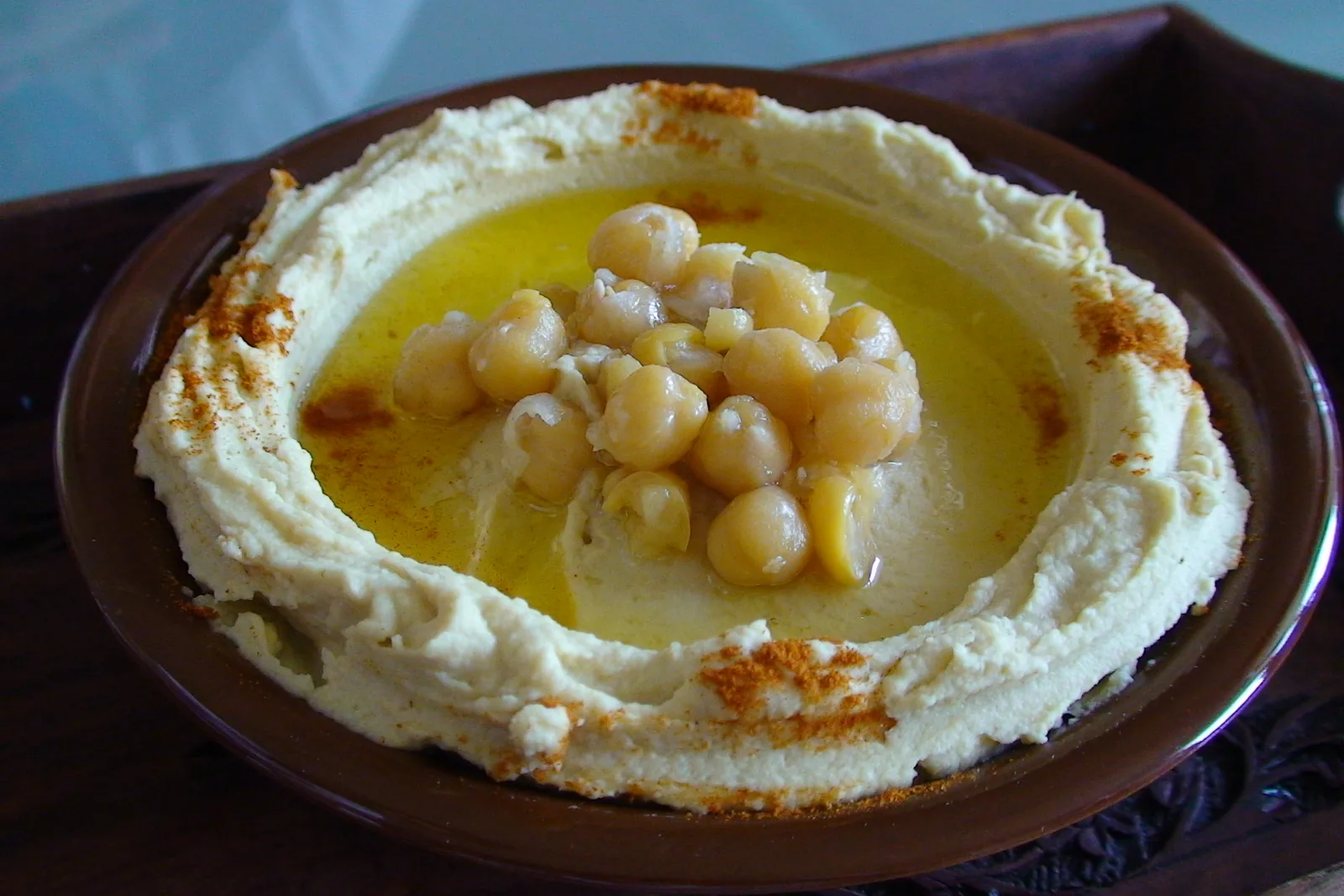
A bowl of cold Lebanese hummus with olive oil, whole chickpeas, paprika and parsley Lebanon flag Lebanon 1h 5m
Snack & Tea •Beirut Mezze Classic

Lebanese Hummus

Lebanese hummus is a cold, silky chickpea and tahini dip, lemon-forward with garlic and a pool of olive oil, topped with pine nuts and parsley. It is served chilled or at room temperature as part of a mezze spread, scooped up with warm pita — never served warm as a main plate. One serving is about 110 g.

Plant Protein Snack

Chickpeas and tahini blended into a smooth dip, with lemon, garlic and olive oil.

Pairs Well With
Warm pita bread, tabbouleh and olives
Quick Prep (<30m)
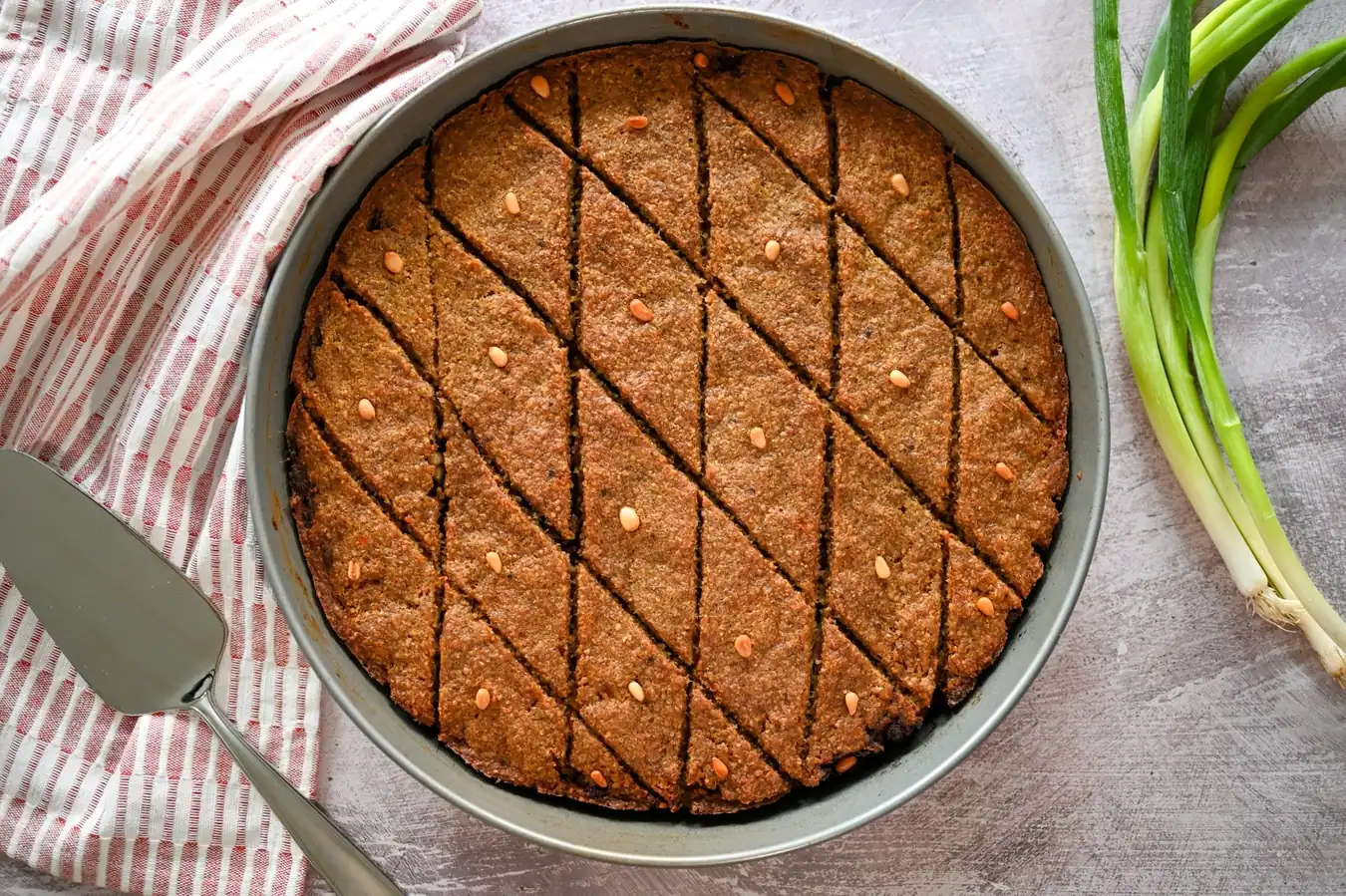
A baked tray of Lebanese kibbeh bil-saniyeh, scored into diamonds with pine nuts Lebanon flag Lebanon 1h 25m
Dinner •Lebanon's National Dish

Lebanese Kibbeh

Kibbeh bil-saniyeh is Lebanon's baked tray kibbeh: two layers of bulgur and lean beef sandwiching a spiced beef and pine-nut filling, scored into diamonds and baked until golden and crisp at the edges. It is the tray-baked form of Lebanon's national dish, made for sharing at the family table. One serving is about 202 g.

Hearty Family Dinner

Layers of bulgur and lean beef around a spiced pine-nut filling, baked until golden.

Pairs Well With
Yogurt, tabbouleh and warm pita bread
Tagliatelle al ragù Bolognese in a bowl with Parmigiano-Reggiano Italy flag Italy 4h 25m
Lunch •Emilia-Romagna

Tagliatelle al Ragù Bolognese

Slow-braised soffritto and coarse ground heritage meats layered over handmade egg yolk dough for mid-day stamina.

Lean Protein

Slow-simmered beef ragù tossed through fresh egg tagliatelle.

Pairs Well With
Bitter Radicchio & Aged Balsamico di Modena
Pasta & Noodles • High Protein
Pad kra pao gai — Thai holy basil chicken with fried egg and rice Thailand flag Thailand 30m
Lunch •Bangkok Street Flame

Pad Kra Pao Gai

High-heat wok flash of holy basil and crushed chillies over minced chicken, served over jasmine rice with a crispy-edged fried egg.

High Energy

Capsaicin brings the heat; holy basil adds a peppery, clove-like aroma.

Pairs Well With
Chilled Cucumber Salad & Fish Sauce Lime Dip
High Protein • Quick Prep (<30m)

The Dinner Gazette

Never wonder what’s for dinner again

One email a week with easy dinner ideas from around the world — ingredients, steps and nutrition, tested in our kitchen first.

Delivered every Thursday morning. Unsubscribe anytime.