Curated recipes from 193 countries  •  New seasonal Mediterranean issue out now

Overview

Lesotho Motoho

Fermented Sorghum Porridge, Motoho wa Mabele

Motoho is Lesotho's traditional fermented sorghum porridge — thin, gently sour, and served warm in a bowl with milk. This lesotho motoho recipe takes 40 minutes of active cooking, plus two days of slow fermentation that give the porridge its signature tang. One serving is about 310 g.

Motoho is one of the traditional fermented foods of Lesotho documented by researchers working with Basotho women in Roma, alongside sorghum beer and spontaneously fermented milk. Red sorghum gives the porridge its brownish colour, and the thin, sour gruel is drunk as a refreshing beverage as well as served as a breakfast porridge and a weaning food. A 1987 study found that the fermented porridge inhibited common food-poisoning bacteria, which is one reason families have long trusted it for young children.

Pairs well with: Cold or warm milk, a ripe banana, and rooibos tea

Provenance

Lesotho flag Lesotho

Basotho Heritage

African Heritage

Time Dedication

40m

10m prep • 30m cook

Batch Yield

4 Servings

272 kcal per serving

1 serving ≈ 310 g

Technical Skill

Intermediate

Intermediate (Two-Day Ferment)

Meal Timing & Digestive Fit

Breakfast

Prime Morning Fit

Lunch

Inappropriate

Dinner

Inappropriate

Snack & Tea

Inappropriate

Occasions: Breakfast, weaning food, light mornings, budget meals Cost: Low — about $0.60 per serving at home
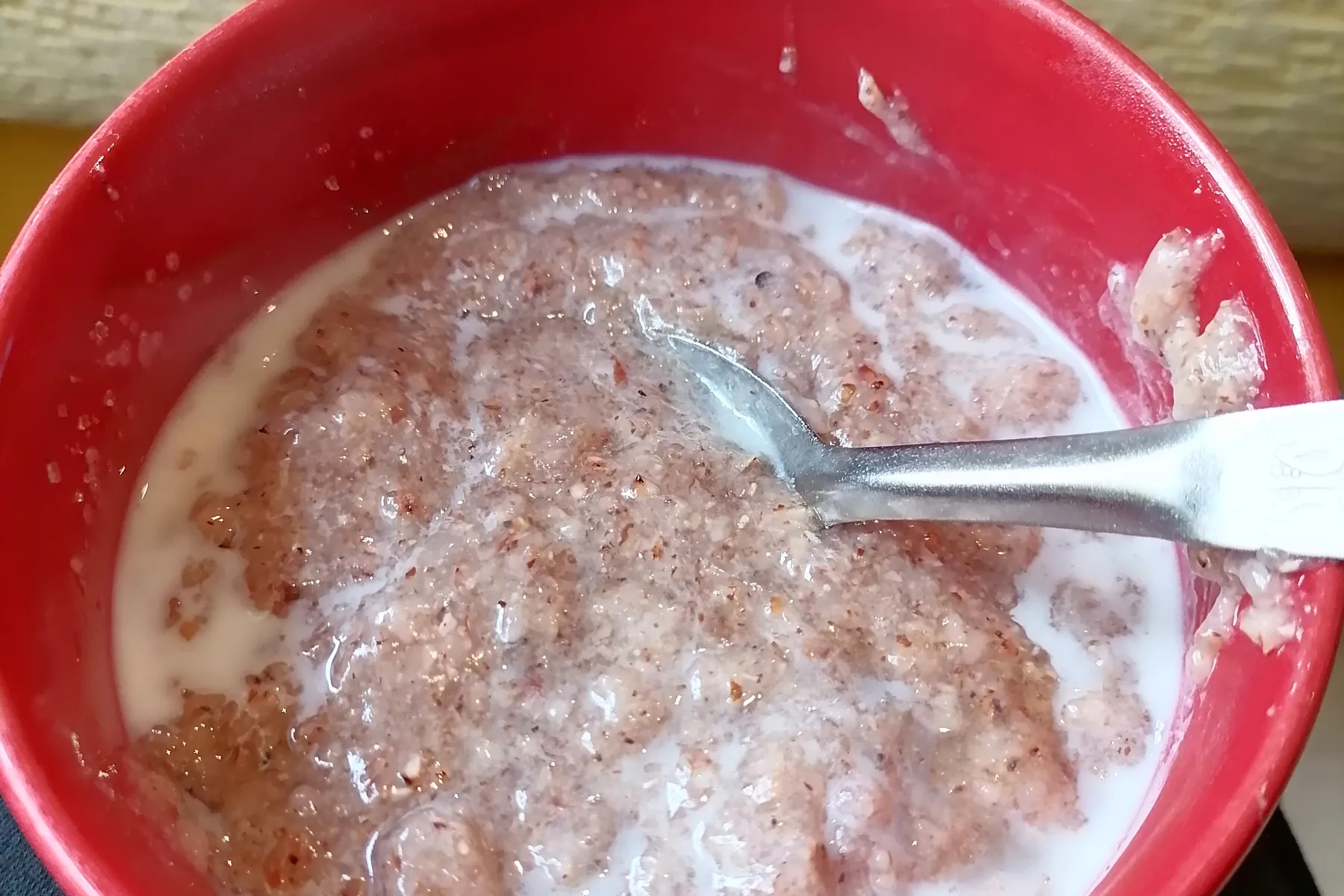
A red bowl of brownish fermented sorghum motoho porridge with milk and a spoon

Basotho Heritage

Photo: Sekwankwetla, CC0, via Wikimedia Commons

The Heritage Formulary

Measured Ingredients

Estimated cost: Low — about $0.60 per serving at home (USD)

Good motoho is thin and pourable, pleasantly sour, and smooth — never stiff like maize pap and never bitter.

Execution Methodology & Culinary Technique

Step-by-Step Cooking Guide

Active 40m
P

Prep Stage: Starter, Slurry, and Time

10 Mins Active • 48 Hours Passive Fermenting

Motoho is a two-day recipe, but only 10 minutes of it is hands-on. On day one you mix a small starter called tomoso — sorghum flour with just enough warm water to cover it — and leave it to ferment for a day. On day two you stir the rest of the flour into warm water, add the tomoso, and leave the thin slurry to ferment for another day. The 40 minutes of prep and cooking time count only the active work; the fermentation is passive waiting, and it is what makes motoho sour. If you already have motoho from a previous batch, 60 ml of it replaces the tomoso and saves a day.

Maestro Tip: Keep everything scrupulously clean — the jars, the spoon, your hands — because a wild ferment picks up whatever is around it.

  1. 1

    Make the Tomoso Starter

    5 Mins + 24 Hours Fermenting Warm room, 25–30°C (77–86°F)

    Day one: put 20g of the sorghum flour in a clean glass jar and add 40ml of warm water, just enough to cover the flour. Stir to a thick paste, cover the jar loosely with a clean cloth, and leave it in a warm spot for 24 hours. By the next day it should smell pleasantly sour, like yoghurt, and show a few small bubbles.

    A loose cloth cover lets gas escape while keeping dust out; never seal the jar tight.

    Done when: Sour, yoghurt-like smell with a few bubbles on the surface.

  2. 2

    Mix the Slurry

    5 Mins Warm water, about 40°C (104°F)

    Day two: put the remaining 180g of sorghum flour in a large clean bowl or pot. Pour in the 540ml of warm water a little at a time, whisking until you have a thin, smooth slurry with no dry pockets — about the thickness of single cream. Stir in the whole tomoso starter and the pinch of salt.

    The traditional ratio is 1 part sorghum meal to 3 parts water; a thin slurry is correct — motoho is a gruel, not a stiff pap.

    Done when: A smooth, thin, lump-free slurry that pours easily off the spoon.

  3. 3

    Ferment the Slurry

    24 Hours Warm room, 25–30°C (77–86°F)

    Cover the bowl loosely with a clean cloth and leave it in a warm spot for 24 hours. In a warm kitchen the slurry turns pleasantly sour; in a cool kitchen it may need a few hours longer. Give it a stir once halfway through. If it smells sharply vinegary or shows any mould, throw it away and start again.

    Taste a spoonful before cooking: it should be tangy like buttermilk, not bitter or foul.

    Done when: A clean, tangy, sour-milk smell and a lightly bubbly surface.

  4. 4

    Cook the Motoho

    25 Mins Boil, 100°C (212°F), then simmer, about 95°C (203°F)

    Day three: pour the fermented slurry into a heavy pot and bring it to a boil over medium-high heat, stirring constantly so it does not catch on the bottom. As soon as it boils, reduce the heat to a gentle simmer and cook for 20 minutes, stirring often. It will thicken slightly but must stay thin and pourable — add a splash of hot water if it gets too thick. Stir in the sugar now if you are using it.

    Never stop stirring in the first minutes after it boils — sorghum porridge catches and burns fast.

    Done when: Smooth, glossy and pourable like thin custard, smelling warm and sour; no raw flour taste.

  5. 5

    Serve with Milk

    5 Mins Milk warmed to about 60°C (140°F), or cold

    Ladle the hot motoho into bowls, about 185g per bowl, and pour 120ml of milk over each serving. The milk swirls into the brownish porridge and cools it to eating temperature. Serve at once, with a spoon.

    Pour the milk at the table so each person can choose how much they want.

    Done when: Hot porridge with cool milk pooling around the edges, ready to eat.

Finishing Touches & Plating

Eat motoho warm, straight from the bowl, stirring the milk through as you go. If the sourness is stronger than you like, a little more milk and a pinch of sugar soften it; if it is too mild, let the next batch ferment a few hours longer.

Nutritional Physiology & Benefits

Nutrition

Energy

272

kcal / serving

Protein

8g

Complete AA

Carbs

49g

Complex

Fats

6g

Healthy

Per serving (4 servings · 1 serving ≈ 310 g)
Energy272 kcal
Protein8 g
Carbohydrates49 g
Fat6 g
Fibre3.3 g
Sugar12.0 g
Sodium152 mg
Per 100g
Energy88 kcal
Protein2.6 g
Carbohydrates15.8 g
Fat1.8 g
Fibre1.1 g
Sugar3.9 g
Sodium49 mg

Nutrition values are estimated — calculated from USDA FoodData Central values for the listed ingredients.

Vitamins & minerals: B vitamins, iron, magnesium and phosphorus (sorghum), plus calcium and vitamin B12 (milk). Nutrition values are estimated.

Naturally Gluten-Free

Sorghum contains no gluten, so motoho is a safe breakfast for people who avoid wheat — just check the flour is milled in a gluten-free facility if you have coeliac disease.

Gentle Morning Energy

A 310 g serving supplies about 49 g of carbohydrate with 3.3 g of fibre, for steady energy that does not sit heavy.

Fermented and Easy on the Stomach

The slow fermentation gives motoho its tang and breaks down some of the sorghum's starch before cooking, which many people find easier to digest. Note the porridge is boiled after fermenting, so it does not contain live cultures.

Food Pairings

What to Eat With

To optimize nutrient absorption and elevate the sensory depth, pair with these authentic accompaniments:

Sides

Ripe Banana

A sliced banana's natural sweetness balances motoho's sour tang, and its soft texture matches the thin porridge.

Soft-Boiled Egg

An egg adds the protein that porridge alone lacks, turning a light breakfast into one that keeps you full until lunch.

Brown Bread Toast

A slice of toast gives something to chew alongside a spoonable porridge, and is the usual way to stretch the meal for a hungry family.

Drinks

Rooibos Tea

A warm, caffeine-free rooibos tea suits a fermented breakfast and does not compete with motoho's sour flavour.

Complete menu

Serve a bowl of hot motoho with milk, a sliced banana and a soft-boiled egg on the side, and finish with a cup of rooibos tea.

Digestive Guardrails

What NOT to Combine

To prevent digestive distress, sluggishness, or palate clash, avoid pairing the dish with these elements:

Eating the Slurry Without Boiling It

The fermented slurry must be boiled before eating. A home ferment can pick up unwanted microbes, and only thorough cooking makes it safe. Never taste-test large amounts of raw slurry, and discard any batch that smells foul or shows mould. This is general food-safety information, not medical advice.

Loading It with Sugar

Motoho is traditionally served plain or only lightly sweetened. Piling on sugar turns a light 272 kcal breakfast into a very sweet one and hides the tang that makes the dish what it is.

General information only, not medical advice — consult a doctor for personal dietary decisions.

Who Should Eat It

Who Should Eat

  • General adultsA light, traditional breakfast — tangy, filling and low in fat; add an egg if you need more protein.
  • ChildrenTraditionally used as a weaning food in Lesotho; serve plain without added sugar, and ask your paediatrician first for babies.
  • ElderlyExcellent — soft, warm, easy to swallow and gentle on the stomach; serve warm with milk.
  • Pregnant womenGenerally suitable; the porridge is boiled and the milk should be pasteurised — keep added sugar low.
  • Breastfeeding womenGenerally suitable; the milk, carbohydrate and B vitamins support energy — keep portions moderate.
  • AthletesGood pre-training carbohydrate, but low in protein — pair with an egg or a glass of milk for recovery.
  • Weight gainA good choice — have a second bowl, use full-cream milk, and add a boiled egg on the side.
  • Weight lossA good choice — one bowl at 272 kcal is light and filling; skip the sugar and load up on fruit instead.

Health Conditions — Adjust or Avoid

Conditions

  • DiabetesOne serving has about 49 g of carbohydrate; skip the added sugar, keep to one bowl, and ask your clinician about portion size.
  • High blood pressureNaturally low in sodium — just keep the pinch of salt small and skip salty sides.
  • Kidney diseaseSorghum and milk both contain potassium and phosphorus; keep portions modest and ask your clinician.
  • GoutMotoho itself is low in purines; the risk comes from rich meat sides, not the porridge.
  • Stomach issuesThe cooked, fermented porridge is usually gentle, but the sourness can bother a sensitive stomach — try a small bowl first.
  • Cardiovascular diseaseLow in fat and sodium; use low-fat milk if you watch saturated fat, and keep added sugar out.
  • Fatty liverLow in fat, but the carbohydrate is dense — one bowl, no added sugar, and plenty of fruit on the side.
  • Food allergiesContains milk (dairy, lactose). Naturally gluten-free, but check the sorghum flour is certified gluten-free if you have coeliac disease, as mills may also process wheat.
  • Special therapeutic dietsIf you follow a prescribed low-carbohydrate, low-potassium or dairy-free diet, use a smaller portion or a milk substitute, and check with your clinician.

If you have a medical condition, consult your doctor before changing your diet.

Storage & Use

Storage & Use

How to store
Cool the cooked porridge quickly and store it without the milk in an airtight container.
In the fridge
Cooked motoho 3 days; add fresh milk only when serving.
In the freezer
1 month, in portions.
How to reheat
Warm gently in a pot with a splash of water, stirring until steaming hot all the way through, to 74°C (165°F); do not boil hard again.
Freezing recommended
Possible, but it loses some smoothness — best eaten fresh within 3 days.
Signs it has spoiled
Sharp vinegary smell beyond the normal tang, mould on the surface, or a slimy texture.

More recipes to explore

Lamb chops grilling over open flame on a barbecue grill, with tongs turning one chop Lesotho flag Lesotho 40m
Dinner •Lesotho Highland Braai

Lesotho Grilled Lamb

This lesotho grilled lamb recipe marinates bone-in lamb chops in garlic, rosemary, lemon and olive oil, then grills them over hot coals until charred at the edges and juicy inside. It is the highland braai — the meat of Basotho gatherings, served with papa and moroho. One serving is about 200 g.

Hearty Protein Dinner

Bone-in lamb chops grilled over open coals with rosemary, garlic and lemon.

Pairs Well With
Papa, moroho and a cold drink
High Protein
Grilled trout with roast potatoes and vegetables Lesotho flag Lesotho 55m
Dinner •Maloti Highlands

Lesotho Grilled Trout

Rainbow trout from Lesotho's cold highland waters, grilled over high heat with lemon, garlic and herbs until the skin crisps and the flesh flakes, served with golden roast potatoes, green beans and carrots. One serving is about 428 g.

Lean & Satisfying

Grilled rainbow trout with roast potatoes and green vegetables — lean protein, slow-release carbohydrate and fresh herbs.

Pairs Well With
Roast potatoes, green beans & lemon wedges
High Protein
A bowl of Vietnamese phở bò with rare beef, rice noodles and fresh herbs Vietnam flag Vietnam 3h 30m
Breakfast •Hanoi Heritage

Phở Bò Tái Nạm

Slow-simmered star anise and cinnamon bone broth with hand-cut rice noodles, supplying clean restorative warmth and collagen. One serving is about 775 g.

Immunity & Warming

Slow-simmered bone broth with rice noodles, rare beef and fresh herbs.

Pairs Well With
Crispy quẩy, fresh lime & sawtooth coriander
Soups & Broths • High Protein
Golden butter croissants on a wooden board France flag France 20m
Breakfast •Parisian Boulangerie

Croissant au Beurre & Café

Laminated cultured butter pastry paired with washed Arabica, for a slow, pleasurable Parisian morning — best with a little protein alongside. One serving is about 390 g.

Sustained Focus

Flaky all-butter croissant with café au lait, Comté and green apple.

Pairs Well With
Comté cheese wedge & Green apple slices
Quick Prep (<30m)

The Dinner Gazette

Never wonder what’s for dinner again

One email a week with easy dinner ideas from around the world — ingredients, steps and nutrition, tested in our kitchen first.

Delivered every Thursday morning. Unsubscribe anytime.