Curated recipes from 193 countries  •  New seasonal Mediterranean issue out now

Overview

Locro de Zapallo

Peruvian Pumpkin Stew, Locro de Zapallo Peruano, Peruvian Squash Stew

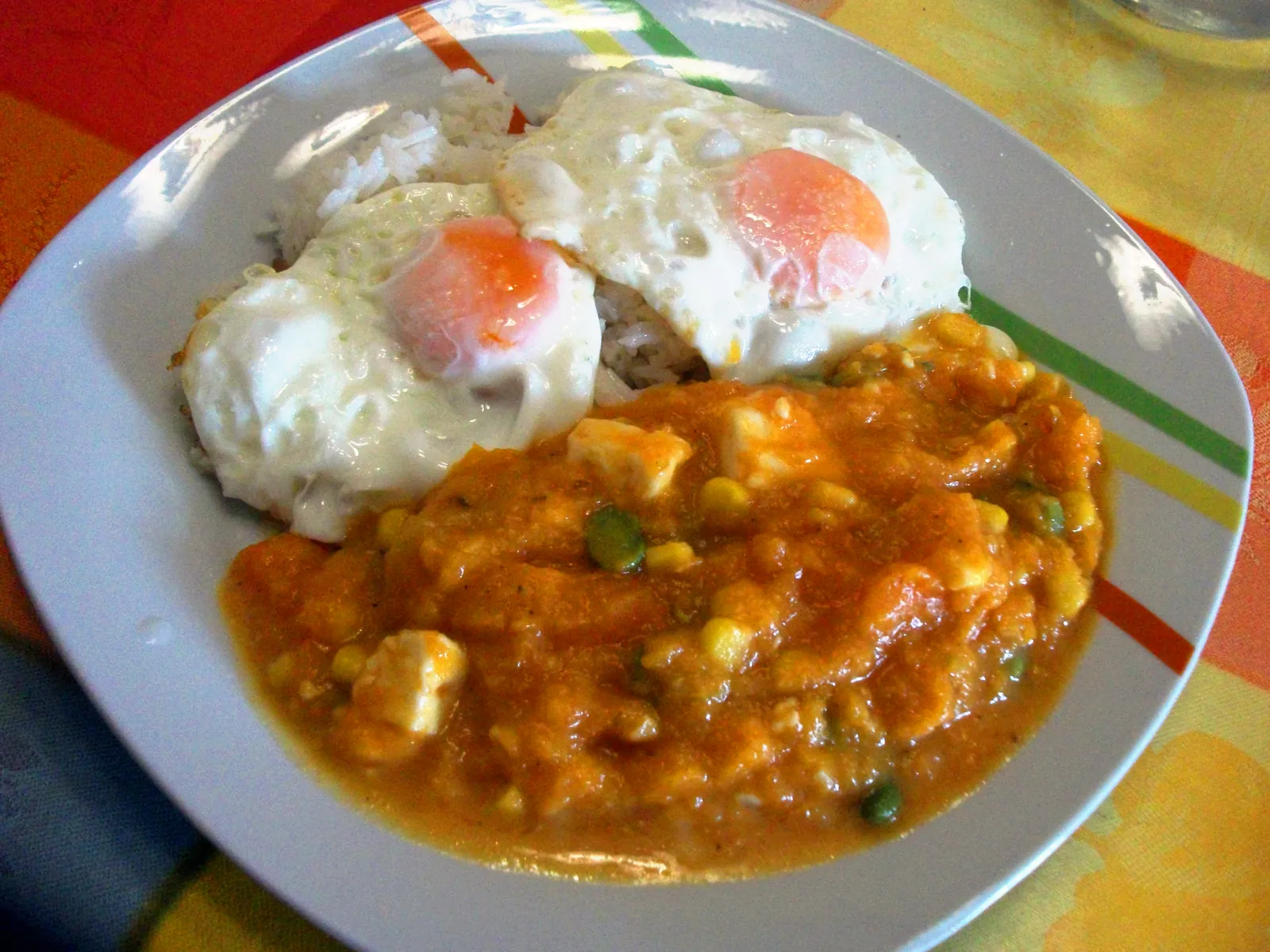
Locro de zapallo is Peru's golden pumpkin stew: sweet zapallo simmered with potato, corn and peas in a gentle ají amarillo base, then finished off the heat with evaporated milk and cubes of queso fresco. One serving is about 515 g. It is a one-pot, meat-free dinner that tastes like the cool Andean evenings it comes from.

Locro comes from the Quechua word ruqru, meaning a thick stew, and pumpkin stews have been cooked in the Andes since long before Spanish colonisation, in the mountains where squash and potato were first domesticated. The Peruvian version is its own dish: sweet zapallo simmered until it thickens the pot, coloured gold with ají amarillo, enriched with evaporated milk and queso fresco, and served with rice and a fried egg. It is a crossroads of two food worlds — native zapallo, potato and ají on one side, onion, cheese and milk brought from Europe on the other — and in homes across Peru it is everyday comfort food, ladled out hot on cold evenings.

Pairs well with: White rice and a fried egg on top, with a simple salad and a glass of chicha morada or herbal tea to drink.

Provenance

Peru flag Peru

Andean Heritage

Latin America & Caribbean

Time Dedication

1h

15m prep • 45m cook

Batch Yield

4 Servings

433 kcal per serving

1 serving ≈ 515 g

Technical Skill

Easy

Easy (One Pot)

Meal Timing & Digestive Fit

Breakfast

Not Advised

Lunch

Hearty Midday Main

Dinner

Ideal Hearty Main

Snack & Tea

Inappropriate

Occasions: Cold-weather family dinners, cosy weekend suppers, meat-free Mondays Cost: Low — about $2–3 per serving at home
A plate of Peruvian locro de zapallo, golden pumpkin stew with cheese cubes, corn and peas, served with white rice and fried eggs

Andean Heritage

Photo: Miguel Alan Córdova Silva, CC BY-SA 4.0, via Wikimedia Commons

The Heritage Formulary

Measured Ingredients

Estimated cost: Low — about $2–3 per serving at home (USD)

Made with fresh zapallo, potato, corn and peas, evaporated milk and queso fresco, thickened by the pumpkin itself with no stock cubes or artificial flavouring.

Execution Methodology & Culinary Technique

Step-by-Step Cooking Guide

Active 1h
P

Prep Stage: Pumpkin, Potato & Aderezo

15 Mins • Peeling, Chopping & Cubing

Peel the zapallo and potatoes and cut them into 2 cm cubes, dropping the potatoes into cold water so they do not brown. Chop the onion finely, crush the garlic, cube the queso fresco and shell or thaw the peas and corn. Measure the ají paste, oil and evaporated milk so everything is ready to go.

Maestro Tip: Cut the pumpkin and potato the same size: even cubes cook at the same speed, and the pumpkin needs to fall apart while the potato still holds its shape.

  1. 1

    Cook the Aderezo

    8 Mins Medium heat, about 160°C (320°F)

    Warm the oil in a large pot over medium heat. Add the onion and cook for about 4 minutes, stirring, until soft and glassy. Stir in the garlic and the ají amarillo paste and cook for 2 more minutes until the paste darkens slightly and smells warm and fruity. Stir in the oregano.

    Cooking the ají paste in oil is what carries its flavour through the whole pot; stirred into water later, it would stay raw and sharp.

    Done when: Onion soft and translucent, paste a shade darker, kitchen smelling warm and fruity.

  2. 2

    Simmer the Pumpkin & Potato

    22 Mins Gentle simmer, about 95°C (200°F)

    Drain the potatoes and add them to the pot with the pumpkin and the water and salt. Bring to a boil, skim off any foam, then lower the heat, cover partway and simmer gently for about 22 minutes until the pumpkin is very soft and starting to fall apart at the edges.

    Keep it at a gentle simmer, not a rolling boil: hard boiling throws foam over the rim and breaks the pumpkin into grit instead of cream.

    Done when: Pumpkin crushes easily against the side of the pot with a spoon; potato cubes are tender but still whole.

  3. 3

    Add the Corn & Peas

    7 Mins Gentle simmer, about 95°C (200°F)

    Stir in the corn and peas and simmer for about 7 minutes more, until the peas are bright green and tender and the corn is sweet and cooked through.

    Adding them late keeps the peas green and the corn snappy; cooked from the start, both would turn dull and mushy.

    Done when: Peas bright green and tender, corn plump and sweet, stew thick and steaming.

  4. 4

    Mash Lightly to Thicken

    4 Mins Low heat, about 85°C (185°F)

    Take the pot off the heat for a moment and mash about one-third of the pumpkin against the side of the pot with a potato masher or the back of a large spoon, leaving the rest in soft chunks. Stir well: the mashed pumpkin is what thickens the stew, so no flour or cream is needed.

    Mash in the pot, not in a blender: a blender turns the stew gluey, while a masher keeps it thick but light.

    Done when: Stew thick, creamy and spoon-coating, with soft pumpkin and potato pieces still visible.

  5. 5

    Finish with Milk & Cheese

    4 Mins Low heat, about 80°C (175°F) — do not boil

    Return the pot to low heat, pour in the evaporated milk and stir in 150g of the queso fresco. Heat gently for about 4 minutes, stirring, until the cheese has softened into the stew. Taste and add salt. Take the pot off the heat as soon as it is hot through, and stir in half the cilantro.

    Never let the stew boil once the milk and cheese are in: boiling curdles the milk and turns the cheese rubbery instead of silky.

    Done when: Stew hot, smooth and deep gold, cheese softened through, no boiling bubbles.

Finishing Touches & Plating

Serve at once in deep bowls over white rice if you like, topped with the remaining queso fresco and cilantro — and a fried egg on top, the way it is served in Peru. Pass extra cheese and black pepper at the table so everyone seasons their own bowl.

Nutritional Physiology & Benefits

Nutrition

Energy

433

kcal / serving

Protein

18g

Complete AA

Carbs

49g

Complex

Fats

21g

Healthy

Per serving (4 servings · 1 serving ≈ 515 g)
Energy433 kcal
Protein18 g
Carbohydrates49 g
Fat21 g
Fibre6.0 g
Sugar17.1 g
Sodium740 mg
Per 100g
Energy84 kcal
Protein3.5 g
Carbohydrates9.6 g
Fat4 g
Fibre1.2 g
Sugar3.3 g
Sodium144 mg

Nutrition values are estimated — calculated from USDA FoodData Central values for the listed ingredients.

Vitamins & minerals: Pumpkin supplies vitamin A, vitamin C and potassium; corn and peas add fibre, folate and B vitamins; milk and queso fresco add calcium. All nutrition values are estimated.

Gentle, Warming Comfort

A hot, thick stew of pumpkin and milk is easy on the stomach and warming on cold evenings in the Andes.

Slow-Release Energy from Pumpkin & Potato

Pumpkin and potato starch with fibre digest slowly, so one bowl keeps you full for hours without feeling heavy.

Vitamin A, Potassium & Calcium

Pumpkin supplies vitamin A and potassium, corn and peas add fibre and folate, and milk and queso fresco add calcium.

Food Pairings

What to Eat With

To optimize nutrient absorption and elevate the sensory depth, pair with these authentic accompaniments:

Sides

White Rice

Steamed white rice is the classic base: it soaks up the golden sauce and turns the stew into a full Peruvian lunch or dinner.

Vegetables

Fried Egg

A fried egg on top is the traditional Peruvian serving: the runny yolk enriches the stew and adds protein to a meat-free plate.

Simple Onion & Tomato Salad

Crisp red onion and tomato with lime give a fresh, sharp contrast to the rich, starchy stew.

Drinks

Chicha Morada or Herbal Tea

Chicha morada, the purple corn drink, is the traditional Peruvian partner for a hearty stew; hot herbal tea works just as well on a cold evening.

Complete menu

Locro de zapallo with white rice and a fried egg, a red onion and tomato salad, and chicha morada to drink.

Digestive Guardrails

What NOT to Combine

To prevent digestive distress, sluggishness, or palate clash, avoid pairing the dish with these elements:

Boiling After Adding Milk & Cheese

Once milk and cheese go in, a hard boil curdles the milk proteins and splits the stew into grainy curds and thin liquid, so keep the heat low and take the pot off as soon as it is hot. This is general food information, not medical advice.

Very Salty Sides

The queso fresco and the salt in the stew already carry the seasoning, so salty cured meats or salty snacks on the side push one meal too far. This is general food information, not medical advice.

General information only, not medical advice — consult a doctor for personal dietary decisions.

Who Should Eat It

Who Should Eat

  • General adultsA balanced, filling dinner for most adults; the rice and egg let each person adjust how hearty the plate is.
  • ChildrenMild, sweet and soft; the pumpkin, corn and cheese usually win children over, and the ají is gentle at this amount.
  • ElderlySoft pumpkin, warm stew and no hard pieces make it gentle and easy to eat; serve the peas and corn well cooked.
  • Pregnant womenPumpkin, milk, cheese and egg are nourishing choices; use pasteurised milk and cheese and keep the salt as written. Ask your clinician about portion size.
  • Breastfeeding womenA nourishing, energy-giving meal; the pumpkin, corn, cheese and egg cover energy, calcium and healthy fats.
  • AthletesGood recovery food after training: starch, salt and about 18 g of protein in one bowl, with rice and egg for extra energy.
  • Weight gainA full bowl with rice, cheese and a fried egg is energy-dense, which helps when more calories are needed.
  • Weight lossOne bowl as stated is filling; skip the rice and the fried egg and keep the cheese to the amount in the recipe to keep the meal lighter.

Health Conditions — Adjust or Avoid

Conditions

  • DiabetesPumpkin, potato and corn are starchy, so keep the bowl as stated and go easy on the rice. Ask your clinician about portions.
  • High blood pressureQueso fresco and added salt carry the sodium here, so keep the cheese to the amount in the recipe. Ask your clinician about portions.
  • Kidney diseasePumpkin, potato and corn are high in potassium, so keep the portion as stated. Ask your clinician about portions.
  • GoutPumpkin, potato, corn, peas, milk and cheese are low in purines; the stew is a reasonable choice in a normal portion. Ask your clinician about portions.
  • Stomach issuesA warm, mild stew that is usually gentle on the stomach; skip the onion salad if raw onion feels sharp. Ask your clinician about portions.
  • Cardiovascular diseaseThe stew is meat-free, but cheese and evaporated milk add saturated fat, so keep the cheese to the amount in the recipe. Ask your clinician about portions.
  • Fatty liverCheese, evaporated milk and rice make the plate energy-dense; a smaller bowl with less cheese fits better. Ask your clinician about portions.
  • Food allergiesContains milk (evaporated milk and queso fresco) and egg if served with a fried egg. No gluten, nuts or shellfish in the stew itself; check the cheese label. Ask your clinician about allergies.
  • Special therapeutic dietsThe stew is vegetarian and gluten-free as written; for a dairy-free version use oat milk and a dairy-free cheese. Ask your clinician about your diet.

If you have a medical condition, consult your doctor before changing your diet.

Storage & Use

Storage & Use

How to store
Cool quickly, then store in a sealed container in the fridge; keep the rice, fried egg and cheese topping separate.
In the fridge
Up to 3 days at 4°C (40°F) or below.
In the freezer
Not recommended.
How to reheat
Reheat gently on the stove over low heat to 74°C (165°F), stirring often; do not boil. Add a splash of milk if it has thickened.
Freezing recommended
No — the milk can split and the pumpkin turns grainy after thawing, so this stew is best eaten fresh or from the fridge.
Signs it has spoiled
Sour smell, slimy surface, or mould — discard the whole batch.

More recipes to explore

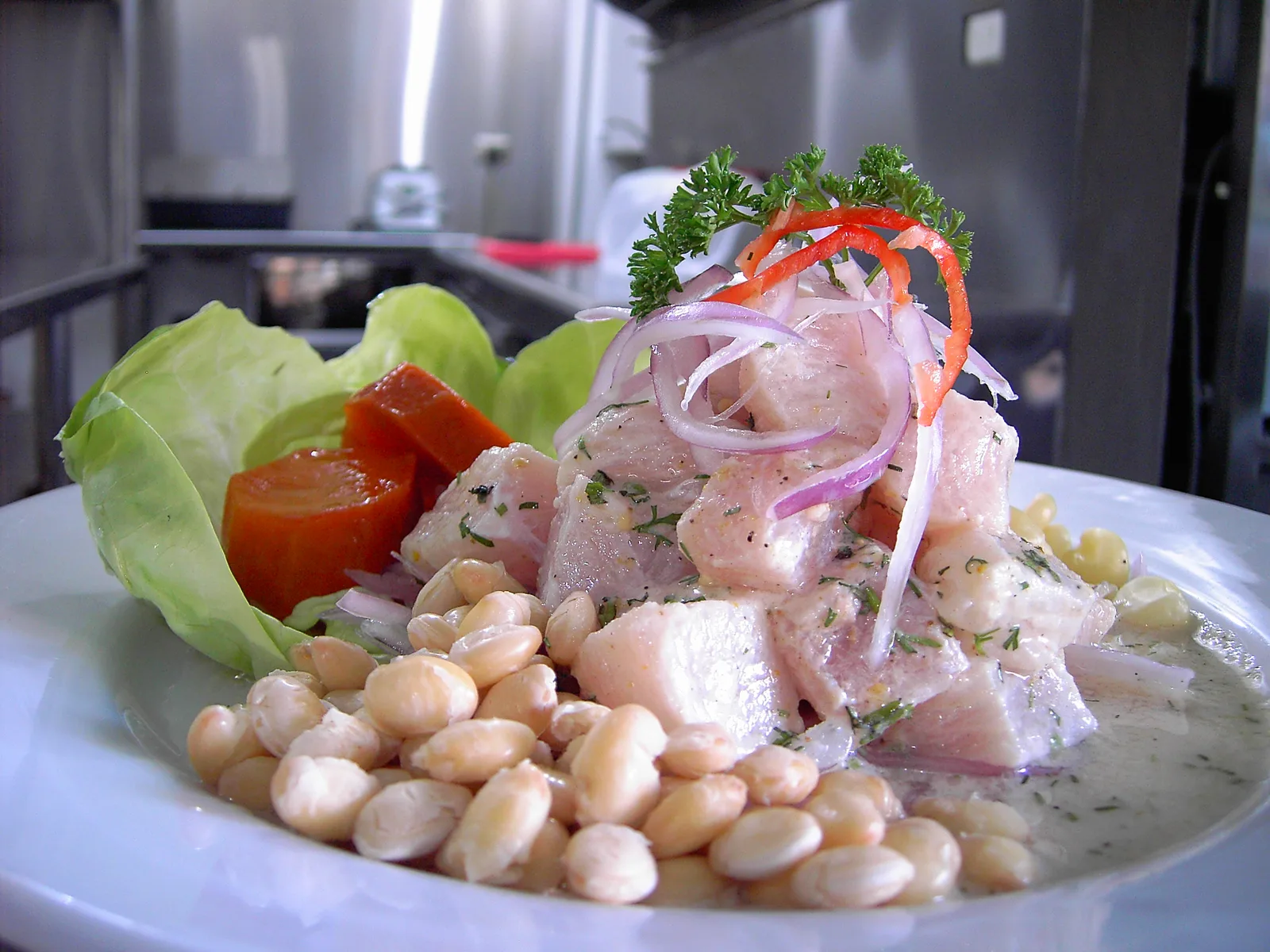
A plate of cebiche de corvina with lime-cured white fish cubes, red onion, ají strips, lettuce, sweet potato and choclo corn Peru flag Peru 35m
Lunch •Coastal Peru

Peruvian Ceviche

Peruvian ceviche is the national dish of Peru: cubes of very fresh sea bass cured in lime juice with red onion, ají limo and cilantro, with the milky, spicy marinade it leaves behind — leche de tigre — spooned over the top. It arrives with boiled sweet potato and big-kernel choclo corn, the sweet and starchy balance to all that citrus and heat. One serving is about 371 g.

Light & Fresh

Fresh sea bass cured in lime juice with red onion, ají limo and leche de tigre, served with sweet potato and choclo.

Pairs Well With
Boiled sweet potato, choclo corn and cancha
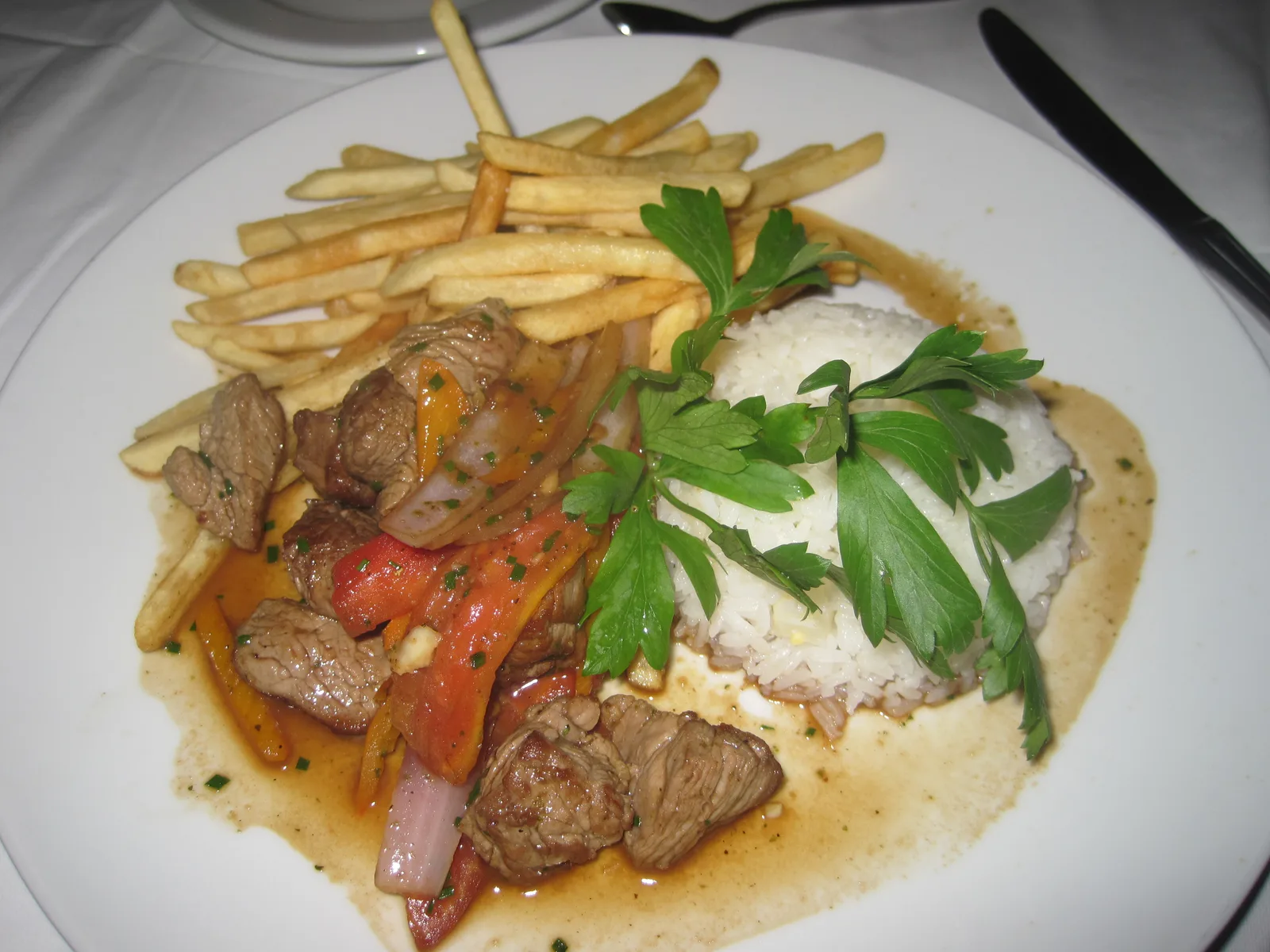
A plate of lomo saltado with seared beef strips, tomato and onion, French fries and a mound of white rice Peru flag Peru 40m
Dinner •Lima Heritage

Lomo Saltado

Lomo saltado is Peru's beloved Chifa stir-fry: strips of sirloin seared at screaming heat in a wok, tossed with red onion, tomato, soy sauce and red wine vinegar, then folded with crisp French fries and served beside white rice. It is the meeting of Cantonese wok cooking and Peruvian ingredients on one plate — smoky, salty, tangy and completely moreish. One serving is about 579 g.

Comfort & Energy

Sirloin seared at high heat with onion, tomato, soy and vinegar, tossed with fries and served with rice.

Pairs Well With
French fries, white rice and salsa criolla
Quick Prep (<30m)
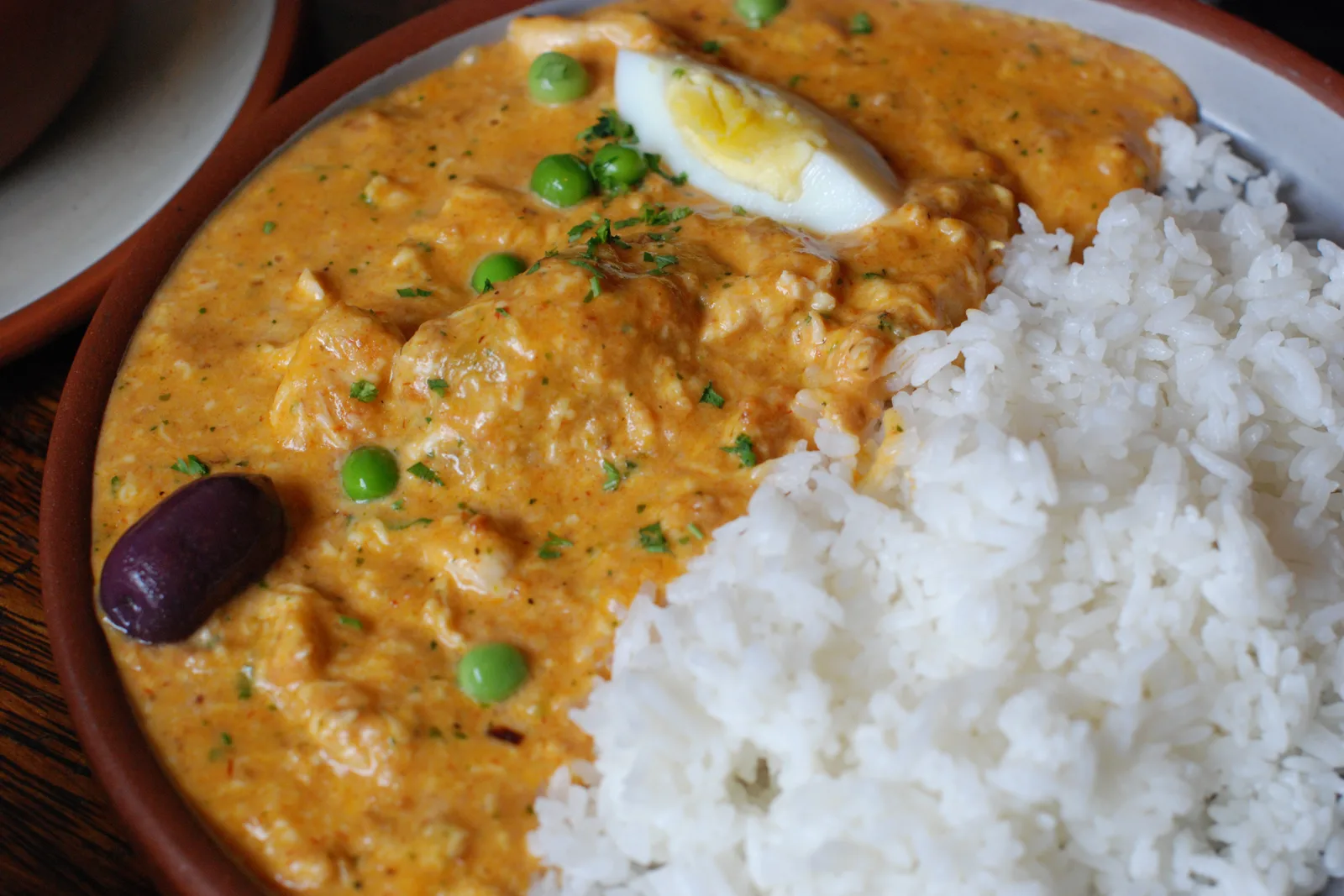
A bowl of ají de gallina with creamy golden chicken sauce, white rice, a boiled egg, peas and a black olive Peru flag Peru 1h
Dinner •Lima Heritage

Ají de Gallina

Ají de gallina is Lima's great comfort stew: poached chicken shredded into a velvety golden sauce of ají amarillo, bread soaked in evaporated milk, ground walnuts and Parmesan, served over white rice with a boiled egg, black olives and boiled potato. It is creamy, nutty, gently spicy and deeply filling — the dish Peruvians ask for when they come home. One serving is about 574 g.

Comfort & Warmth

Poached chicken in a creamy ají amarillo sauce thickened with bread, evaporated milk, walnuts and Parmesan.

Pairs Well With
White rice, boiled potato, boiled egg and black olives
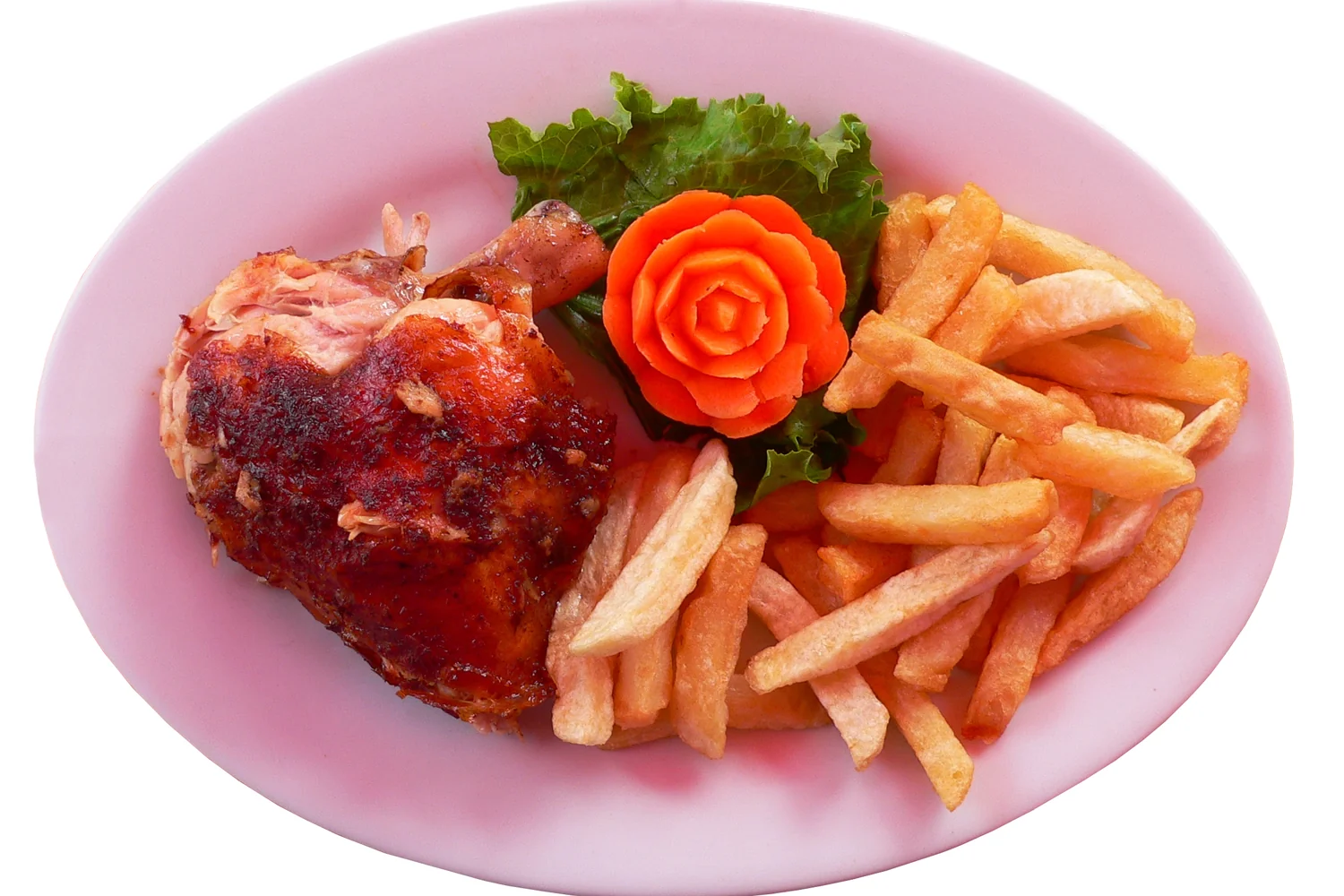
A glossy roasted chicken leg quarter with golden fries, lettuce and a carved carrot rose on a pink plate Peru flag Peru 1h 40m
Dinner •Lima Polleria Heritage

Pollo a la Brasa

This pollo a la brasa recipe marinates a whole chicken overnight in soy sauce, beer, lime, garlic, cumin and paprika, then roasts it slowly until the skin turns dark and crisp and the meat stays juicy. It is served the way every polleria in Lima serves it: a quarter chicken with thick-cut fries, a fresh salad and the two essential sauces, green aji verde and yellow aji amarillo. One serving is about 514 g.

High-Protein & Satisfying

Charcoal-roasted chicken with dark, crisp skin and juicy meat, served the polleria way with thick fries, salad and two aji sauces.

Pairs Well With
Aji verde, fries & salad
High Protein

The Dinner Gazette

Never wonder what’s for dinner again

One email a week with easy dinner ideas from around the world — ingredients, steps and nutrition, tested in our kitchen first.

Delivered every Thursday morning. Unsubscribe anytime.