Curated recipes from 193 countries  •  New seasonal Mediterranean issue out now

Overview

Lomo Relleno

Lomo de cerdo relleno, Stuffed pork loin

Lomo relleno is a stuffed pork loin, the kind of roast Salvadoran families bring out for Christmas and other holiday gatherings. This lomo relleno recipe butterflies a boneless pork loin, fills it with ham, queso fresco, prunes, raisins, olives, carrots and green beans, ties it into a neat roll and roasts it with red wine and tomato until the centre reaches 63°C (145°F). One serving is about 334 g (two thick slices with pan sauce).

Lomo relleno, stuffed pork loin, is a holiday roast across Central America, and in El Salvador it is one of the roasts families prepare for Christmas and New Year gatherings, alongside panes con gallina and tamales. The Salvadoran version follows the same festive logic as its neighbours: a lean loin is butterflied, filled with the sweet and salty things the season brings — ham, cheese, prunes, raisins and olives — then tied, seared and roasted until it slices into a spiral. It is a different dish from lomo a lo pobre, the Chilean plate of beef steak, fried egg and chips, which shares only the word lomo.

Pairs well with: Sliced thick with its red-wine pan sauce, beside white rice, curtido and warm corn tortillas.

Provenance

El Salvador flag El Salvador

Salvadoran Holiday Roast

Latin America & Caribbean

Time Dedication

2h

30m prep • 90m cook

Batch Yield

6 Servings

527 kcal per serving

1 serving ≈ 334 g

Technical Skill

Advanced

Hard (Stuffed Roast)

Meal Timing & Digestive Fit

Breakfast

Not Advised

Lunch

Hearty Midday Main

Dinner

Ideal Hearty Main

Snack & Tea

Inappropriate

High Protein Occasions: Christmas, Holiday dinner, Family gathering, Sunday lunch, Celebration Cost: Medium — about $4–5 per serving at home
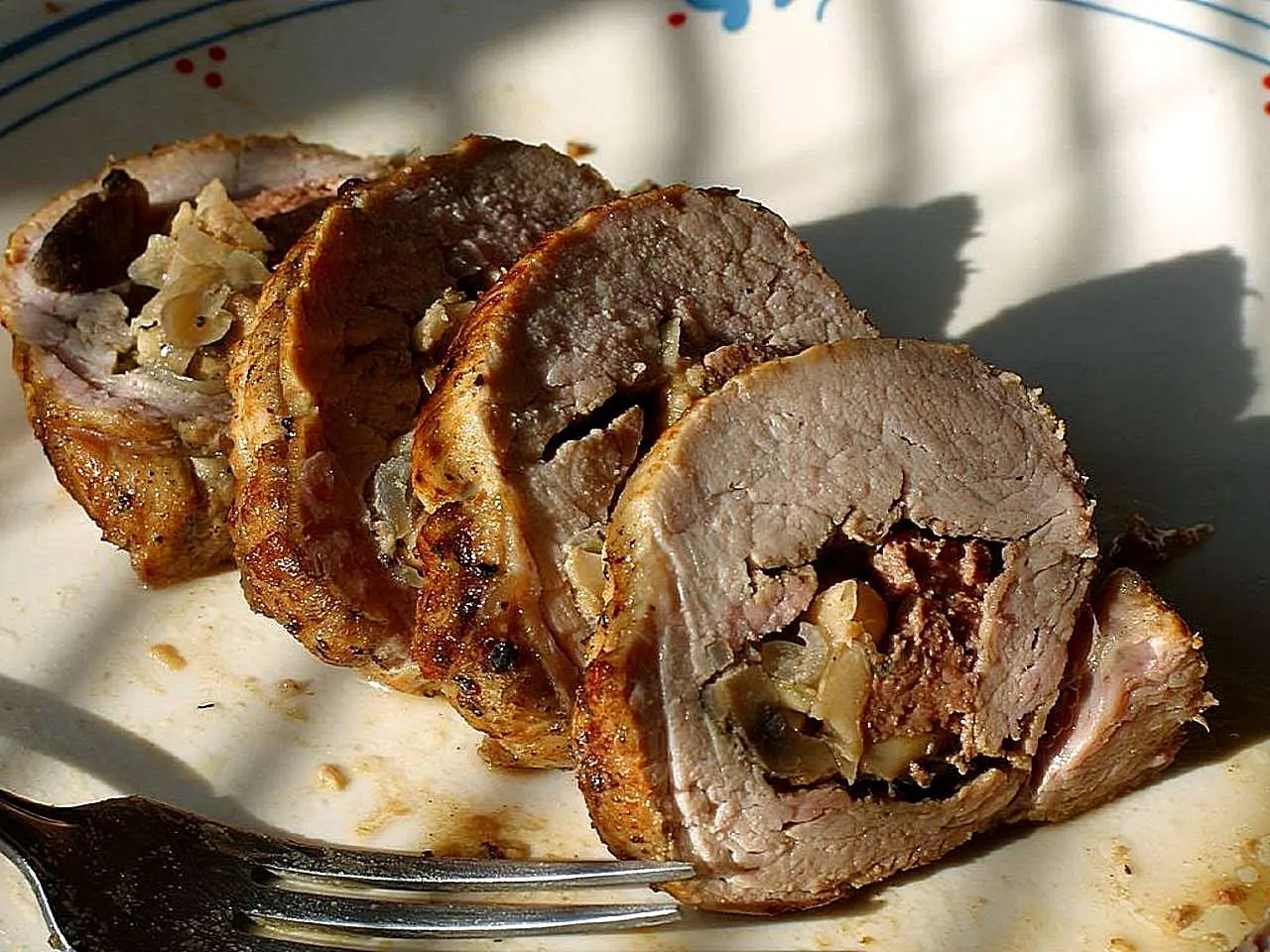
Slices of roasted stuffed pork loin on a plate, showing the spiral of ham, cheese and olive stuffing

Salvadoran Holiday Roast

Photo: Jon Sullivan, Public domain, via Wikimedia Commons

The Heritage Formulary

Measured Ingredients

Estimated cost: Medium — about $4–5 per serving at home (USD)

Butterflied, stuffed and tied by hand, then seared and roasted to 63°C (145°F) with a 10-minute rest before slicing.

Execution Methodology & Culinary Technique

Step-by-Step Cooking Guide

Active 2h
P

Prep Stage: Butterfly & Stuffing

30 Mins • Butterflying & Rolling

Butterfly the pork loin into a flat rectangle about 2 cm thick, then season the inside with mustard, salt, pepper, paprika, oregano and cumin. Layer the ham, crumbled queso fresco, chopped prunes, raisins, halved olives, carrot sticks, green beans and half the diced onion over the meat, roll it up tightly from the long side and tie it with kitchen string at 6 even intervals.

Maestro Tip: Butterfly in slow, even strokes and stop 1 cm short of cutting through: a flat, even loin rolls into a neat cylinder instead of a lopsided one.

  1. 1

    Butterfly the Loin

    15 Mins Work at room temperature; keep the meat cool, below 4°C (40°F)

    Lay the loin flat and slice it lengthwise, stopping about 1 cm from the far edge, then open it like a book. Turn the knife and slice each thick half again the same way, so the loin opens out into a flat rectangle about 2 cm thick. Cover with cling film and pound gently with a meat mallet until the thickness is even.

    A sharp, long knife and slow strokes matter more than force: if the loin tears, the stuffing will leak out during the roast.

    Done when: A flat, even rectangle about 2 cm thick.

  2. 2

    Season and Stuff

    10 Mins Room temperature

    Spread the Dijon mustard over the inside of the flattened loin, then sprinkle with half the salt, the pepper, paprika, oregano and cumin and the minced garlic. Layer the ham slices over the meat, then scatter the crumbled queso fresco, chopped prunes, raisins, halved olives, carrot sticks, green beans and half the diced onion in an even layer, leaving a 3 cm border at the far edge.

    Spread the filling evenly, not in a heap in the middle: an even layer gives every slice the same spiral of ham, cheese and fruit.

    Done when: An even layer of filling with a clear border at the far edge.

  3. 3

    Roll and Tie

    5 Mins Room temperature

    Roll the loin up tightly from the long side nearest you, tucking the filling in as you go, and finish with the seam underneath. Tie the roll with kitchen string at 6 even intervals, snug but not so tight the filling squeezes out, and tuck the ends in. Rub the outside with the remaining salt and a little olive oil.

    Tie snugly rather than tightly: the roll swells as it cooks, and string tied too tight cuts into the meat.

    Done when: A firm, even cylinder with the seam underneath and 6 ties.

  4. 4

    Sear Until Golden

    10 Mins Pan at 200°C (400°F); sear on all sides

    Heat the remaining olive oil in a large ovenproof pan over high heat and sear the tied roll on all sides, about 2 minutes per side, until deep golden brown. Lift the roll out and set it aside on a plate.

    Do not move the roll until the crust releases on its own: a golden crust seals in the juices and gives the sauce its colour.

    Done when: Deep golden brown on all sides.

  5. 5

    Roast with Wine and Tomato

    75 Mins Oven at 190°C (375°F); pork to 63°C (145°F)

    Lower the heat to medium, soften the remaining sliced onion in the same pan for 3 minutes, then add the chopped tomatoes and cook for 2 minutes. Pour in the red wine, let it bubble for 1 minute, then add the chicken broth. Return the roll to the pan, cover loosely with foil and roast at 190°C (375°F) for 60 to 70 minutes, basting twice, until the centre of the thickest part reaches 63°C (145°F).

    Baste with the pan juices at 30 and 50 minutes: the loin is lean, and basting keeps the outside from drying out.

    Done when: Centre at 63°C (145°F) on a meat thermometer; juices run clear.

  6. 6

    Rest, Slice and Sauce

    15 Mins Rest 10 minutes; serve the sauce hot, about 65°C (150°F)

    Lift the roll onto a board, tent loosely with foil and rest for 10 minutes so the juices settle. While it rests, simmer the pan sauce for 5 minutes until slightly thickened and season to taste. Snip off the string, slice the roll into 12 thick slices and serve 2 slices per person with the warm pan sauce spooned over.

    Resting is not optional: slicing straight from the oven lets the juices run out and leaves dry slices.

    Done when: Juicy slices showing the spiral of ham, cheese, fruit and vegetables, with glossy pan sauce.

Finishing Touches & Plating

Serve the sliced roll hot, two thick slices per person, with the red-wine and tomato pan sauce spooned over, and pass the rice, curtido and tortillas at the table while the spiral of stuffing is still visible.

Nutritional Physiology & Benefits

Nutrition

Energy

527

kcal / serving

Protein

53g

Complete AA

Carbs

27g

Complex

Fats

22g

Healthy

Per serving (6 servings · 1 serving ≈ 334 g)
Energy527 kcal
Protein53 g
Carbohydrates27 g
Fat22 g
Fibre4.0 g
Sugar15.2 g
Sodium887 mg
Per 100g
Energy158 kcal
Protein15.8 g
Carbohydrates8 g
Fat6.5 g
Fibre1.2 g
Sugar4.6 g
Sodium266 mg

Nutrition values are estimated — calculated from USDA FoodData Central values for the listed ingredients.

Vitamins & minerals: Provides thiamin (vitamin B1) and vitamin B6 from the pork, iron and zinc, vitamin A from the carrots, and vitamin C from the tomatoes.

High in Protein

Each serving gives about 52.9 g of protein from the pork, ham and cheese, which makes two slices a genuinely filling holiday main course.

Rich in B Vitamins

Pork is one of the best food sources of thiamin (vitamin B1), which helps the body turn food into energy, and also provides vitamin B6.

Fruit and Vegetables in Every Slice

Prunes, raisins, carrots, green beans, onion and tomato are rolled into the roast, so each slice brings fibre, vitamin A and vitamin C with the meat.

Food Pairings

What to Eat With

To optimize nutrient absorption and elevate the sensory depth, pair with these authentic accompaniments:

Sides

White Rice

Plain white rice soaks up the red-wine pan sauce and gives a soft, neutral base that lets the rich stuffed pork take the lead.

Curtido

Pickled cabbage slaw is the classic Salvadoran partner for rich roast meat: its sharp vinegar bite cuts through the fat, ham and cheese.

Warm Corn Tortillas

A warm tortilla wraps a slice of the roll, catches the sauce and turns the holiday roast into something you can eat with your hands, the Salvadoran way.

Drinks

Red Wine or Horchata

A glass of the same dry red used in the sauce echoes the pan flavours, while cold horchata offers a sweet, cinnamon-cool contrast for those who prefer it.

Complete menu

Two thick slices of lomo relleno with red-wine pan sauce, white rice, curtido and warm corn tortillas, with horchata to drink and a light fruit dessert to finish.

Digestive Guardrails

What NOT to Combine

To prevent digestive distress, sluggishness, or palate clash, avoid pairing the dish with these elements:

Eating It Undercooked

Pork loin must reach 63°C (145°F) in the centre, followed by a 3-minute rest; never serve it pink and cool in the middle. This is general food-safety information, not medical advice.

Cutting It Hot from the Oven

Slicing the roll straight from the oven lets the juices run out and dries the meat, and the loose filling spills out; rest it 10 minutes first. This is general food information, not medical advice.

General information only, not medical advice — consult a doctor for personal dietary decisions.

Who Should Eat It

Who Should Eat

  • General adultsTwo thick slices with rice and curtido make a satisfying holiday dinner for most adults.
  • ChildrenThe filling is sweet and mild rather than hot, but cut slices into small pieces for children and watch for olive pits if any olive was not pitted.
  • ElderlyRich and salty, so one slice with plenty of rice and curtido is a gentler portion than two slices on their own.
  • Pregnant womenPork must be cooked through to 63°C (145°F) with a 3-minute rest; eat it hot and freshly sliced, and ask your clinician if unsure.
  • Breastfeeding womenA protein-rich main course, but salty and rich, so pair it with vegetables and keep the portion modest.
  • AthletesAbout 52.9 g of protein per serving makes it a filling post-training meal, best balanced with rice and salad.
  • Weight gainEnergy-dense and easy to eat, so two slices with rice and tortillas add a useful amount of calories.
  • Weight lossRich and filling, so one slice with a big pile of curtido and salad is a better portion than two with extra rice.

Health Conditions — Adjust or Avoid

Conditions

  • DiabetesModerate carbohydrate from the dried fruit, about 26.8 g per serving, so count the fruit and the rice served with it. Ask your clinician about portions.
  • High blood pressureSalty, about 887 mg of sodium per serving from the ham, cheese, olives and salt, so keep the portion small and skip extra salt. Ask your clinician about sodium limits.
  • Kidney diseaseHigh in sodium and protein, so it may not suit a low-sodium or low-protein diet. Ask your clinician.
  • GoutPork and ham are moderate in purines, so an occasional small portion is usually fine, but keep it modest. Ask your clinician about your diet.
  • Stomach issuesRich, fatty and spiced, so it can feel heavy; eat slowly with curtido and avoid eating it late at night. Ask your clinician if symptoms persist.
  • Cardiovascular diseaseHigh in saturated fat and sodium, so enjoy it occasionally and in small portions. Ask your clinician about saturated fat.
  • Fatty liverFatty and energy-dense, so a small occasional portion with plenty of vegetables fits better than a regular habit. Ask your clinician about your diet.
  • Food allergiesContains pork, milk (queso fresco) and sulphites (wine); the dried fruit may contain sulphites. Ask your clinician if you have allergies.
  • Special therapeutic dietsGluten-free, but not low-sodium, low-fat or dairy-free; a clinician or dietitian can advise on fitting it into a therapeutic diet.

If you have a medical condition, consult your doctor before changing your diet.

Storage & Use

Storage & Use

How to store
Cool completely, then store slices in a sealed container with a little pan sauce spooned over to keep them moist.
In the fridge
Cooked slices keep 3 days in the fridge at 4°C (40°F) or below.
In the freezer
Slices freeze up to 2 months in a sealed bag with the sauce; thaw in the fridge overnight.
How to reheat
Reheat gently in a covered pan with a splash of broth until hot through, to 74°C (165°F); do not microwave on high, which toughens the pork.
Freezing recommended
Yes — sliced, with sauce, it freezes well.
Signs it has spoiled
Sour or off smell, grey colour, or a slimy surface.

More recipes to explore

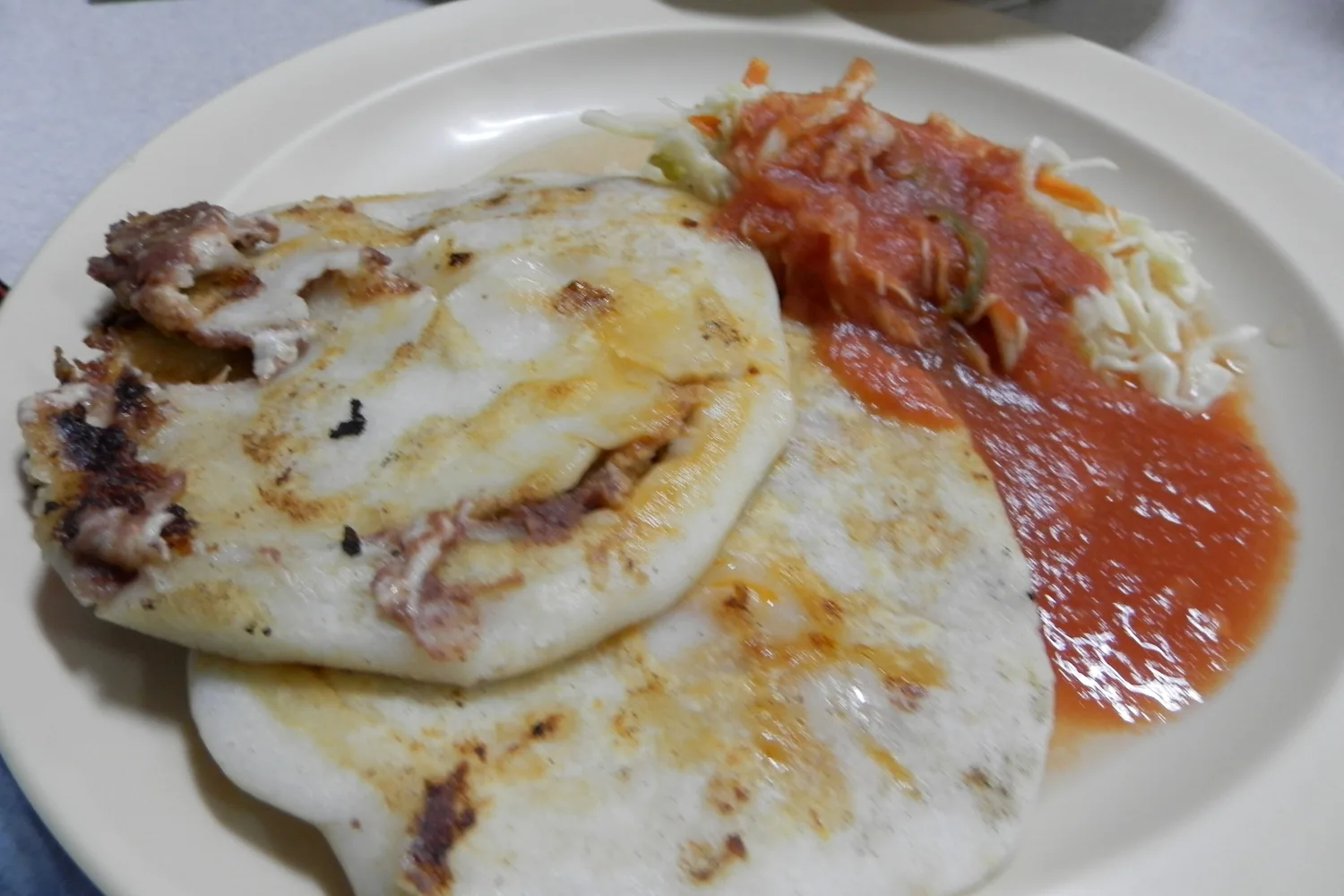
Two golden griddled pupusas on a plate with curtido cabbage slaw and red tomato salsa, melted cheese showing at the edge El Salvador flag El Salvador 1h 15m
Lunch •San Salvador Heritage

Pupusas

This pupusas recipe makes the stuffed corn cakes El Salvador is known for: soft nixtamalized masa wrapped around a molten filling of seasoned pork, refried beans and quesillo-style cheese, then griddled until the outside is golden and speckled and the cheese runs when you bite in. They are eaten hot, straight off the comal, with a pile of tangy curtido cabbage slaw and tomato salsa on the side. One serving is two pupusas, about 330 g.

Comfort & Warmth

El Salvador's national dish: thick corn masa cakes stuffed with pork, beans and melted cheese, griddled on a hot comal and served with curtido.

Pairs Well With
Curtido (pickled cabbage slaw) and salsa roja, with a cold horchata or tamarind drink on the side.
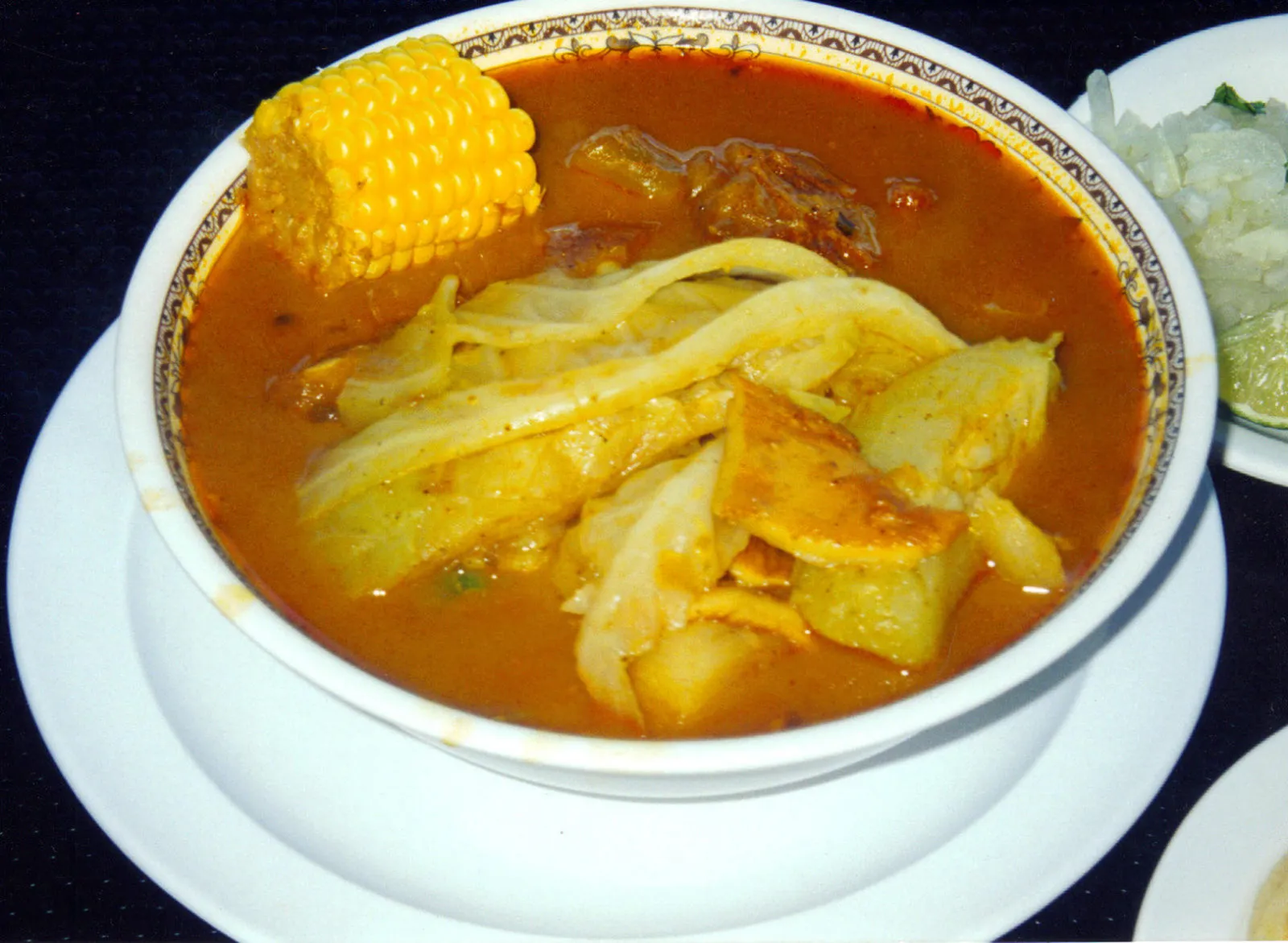
A bowl of sopa de pata, orange-red achiote broth with corn on the cob, cabbage and chunks of yuca El Salvador flag El Salvador 4h 5m
Lunch •Salvadoran Heritage

Sopa de Pata

This sopa de pata recipe is El Salvador's most famous soup: cow's feet and tripe simmered for hours until the broth turns rich and gelatinous, then loaded with yuca, chayote, corn, green plantain and cabbage, and coloured a warm orange-red with achiote. It is a weekend lunch in Salvadoran homes, served steaming hot with lime wedges and warm tortillas for squeezing and scooping. One serving is about 640 g, soup and vegetables together.

Comfort & Warmth

El Salvador's slow-simmered cow's foot and tripe soup, thick with yuca, corn and chayote in a red achiote broth.

Pairs Well With
Warm corn tortillas and lime wedges, with a little chopped onion and cilantro on the side.
Soups & Broths
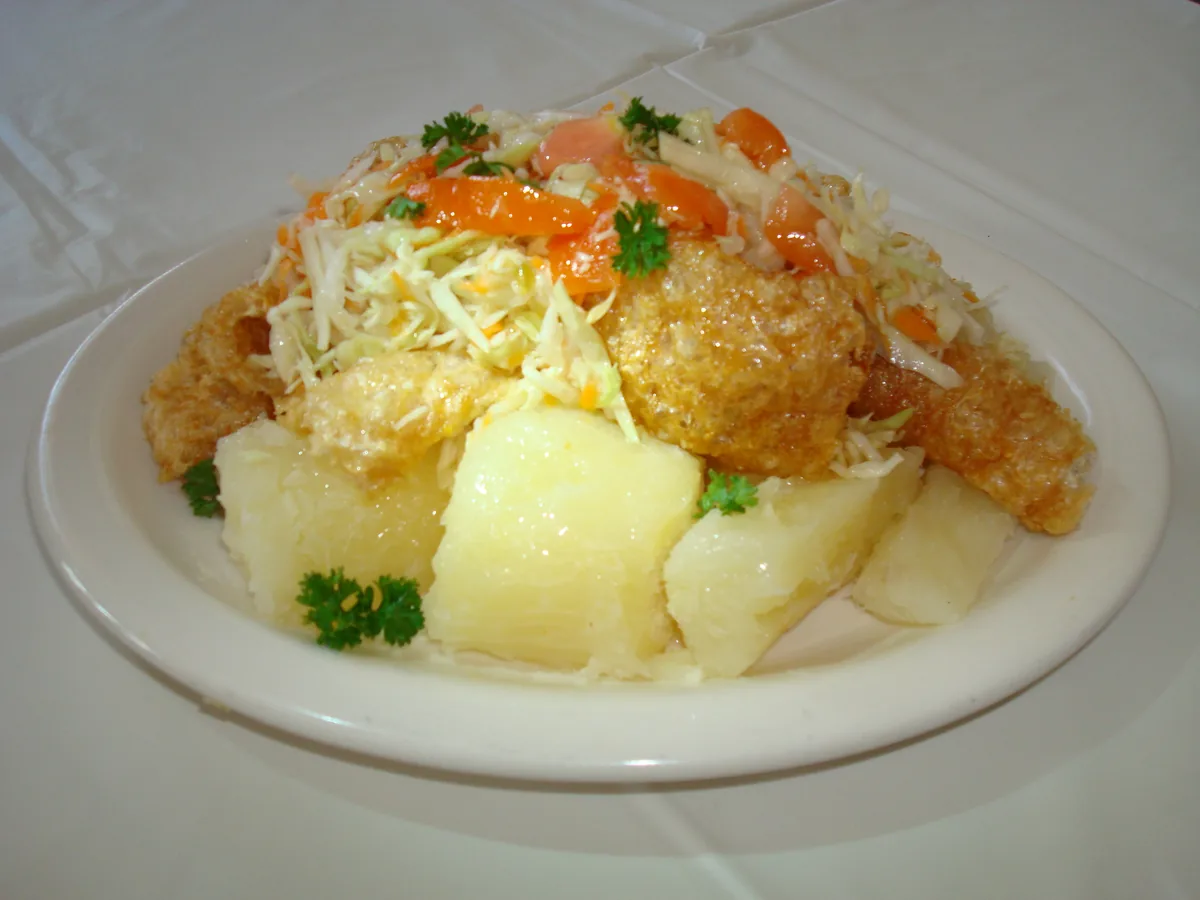
A plate of yuca con chicharron — boiled cassava chunks topped with golden crispy pork cracklings and shredded cabbage, carrot and tomato slaw El Salvador flag El Salvador 1h 35m
Lunch •Salvadoran Street-Food Classic

Yuca con Chicharrón

This yuca con chicharron recipe is the Salvadoran street-food plate: cassava boiled until soft and fluffy, topped with pork belly simmered until tender and then fried crisp in its own fat, with tangy curtido cabbage slaw and fresh tomato salsa on the side. It is the same trio of yuca, chicharron and cabbage slaw that is sold from market stalls across El Salvador. One serving is about 590 g.

Comfort & Energy

Tender boiled cassava with crisp fried pork, tangy curtido and fresh tomato salsa — a filling Salvadoran street-food plate.

Pairs Well With
Warm corn tortillas, fried plantains and a cold horchata or limeade
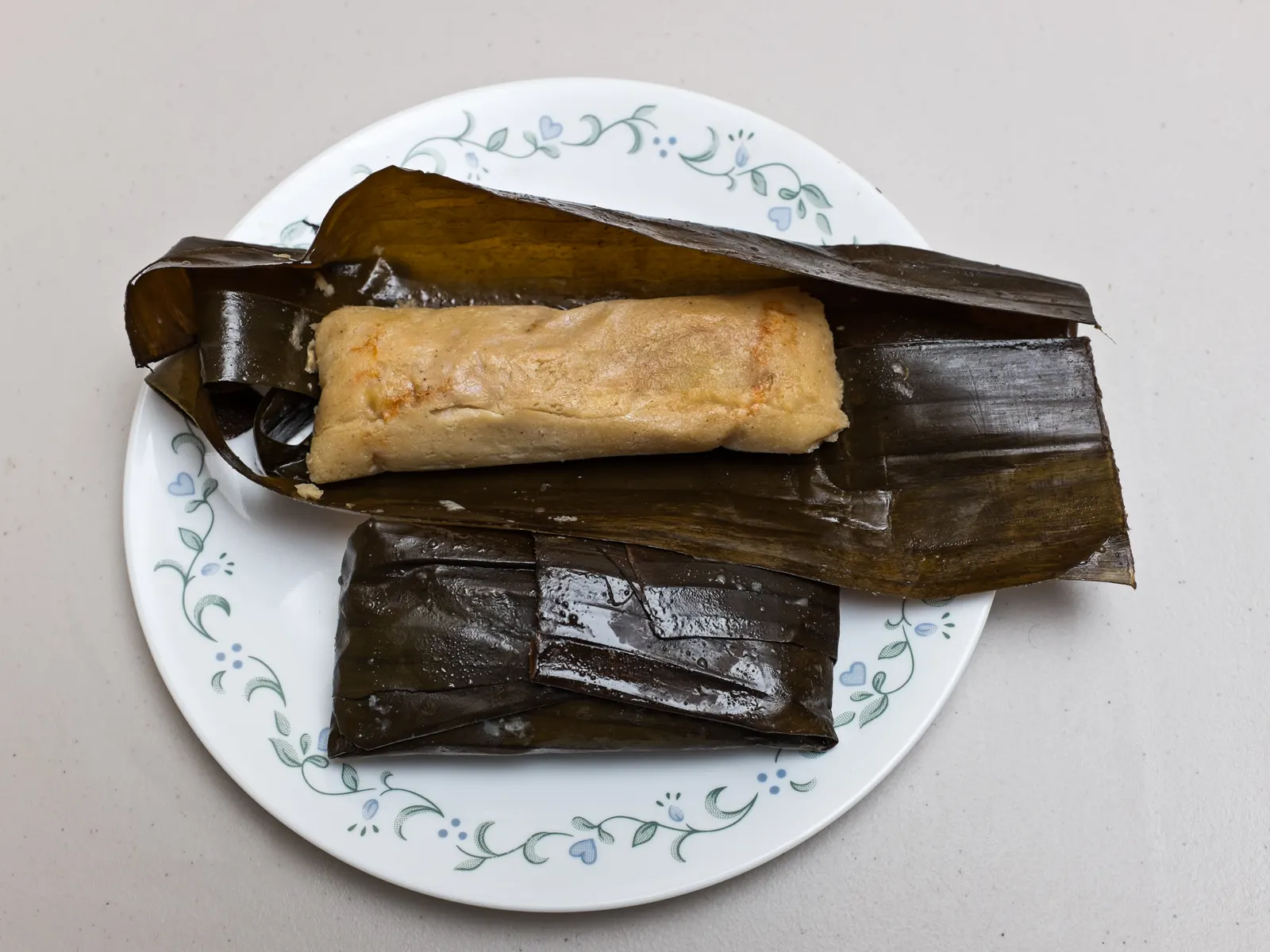
Two Salvadoran chicken tamales on a plate, one unwrapped from its banana leaf showing soft golden masa El Salvador flag El Salvador 3h 30m
Dinner •Salvadoran Heritage

Tamales de Gallina

This tamales de gallina recipe makes soft Salvadoran chicken tamales the traditional way: a pre-cooked corn masa spread on banana leaves, wrapped around shredded chicken, potato, chickpeas, olives and capers, then steamed until tender. One serving (two tamales) is about 458 g. The banana leaf gives the masa a gentle, grassy scent that corn husks never quite match.

Hearty & Festive

A filling, protein-rich festive main built around corn masa, chicken and vegetables.

Pairs Well With
Serve warm with curtido, the Salvadoran pickled cabbage slaw, and a mild tomato salsa.

The Dinner Gazette

Never wonder what’s for dinner again

One email a week with easy dinner ideas from around the world — ingredients, steps and nutrition, tested in our kitchen first.

Delivered every Thursday morning. Unsubscribe anytime.