Curated recipes from 193 countries  •  New seasonal Mediterranean issue out now

Overview

Sopa de Pata

Caldo de Pata, Salvadoran Cow's Foot Soup, Cow Foot Soup

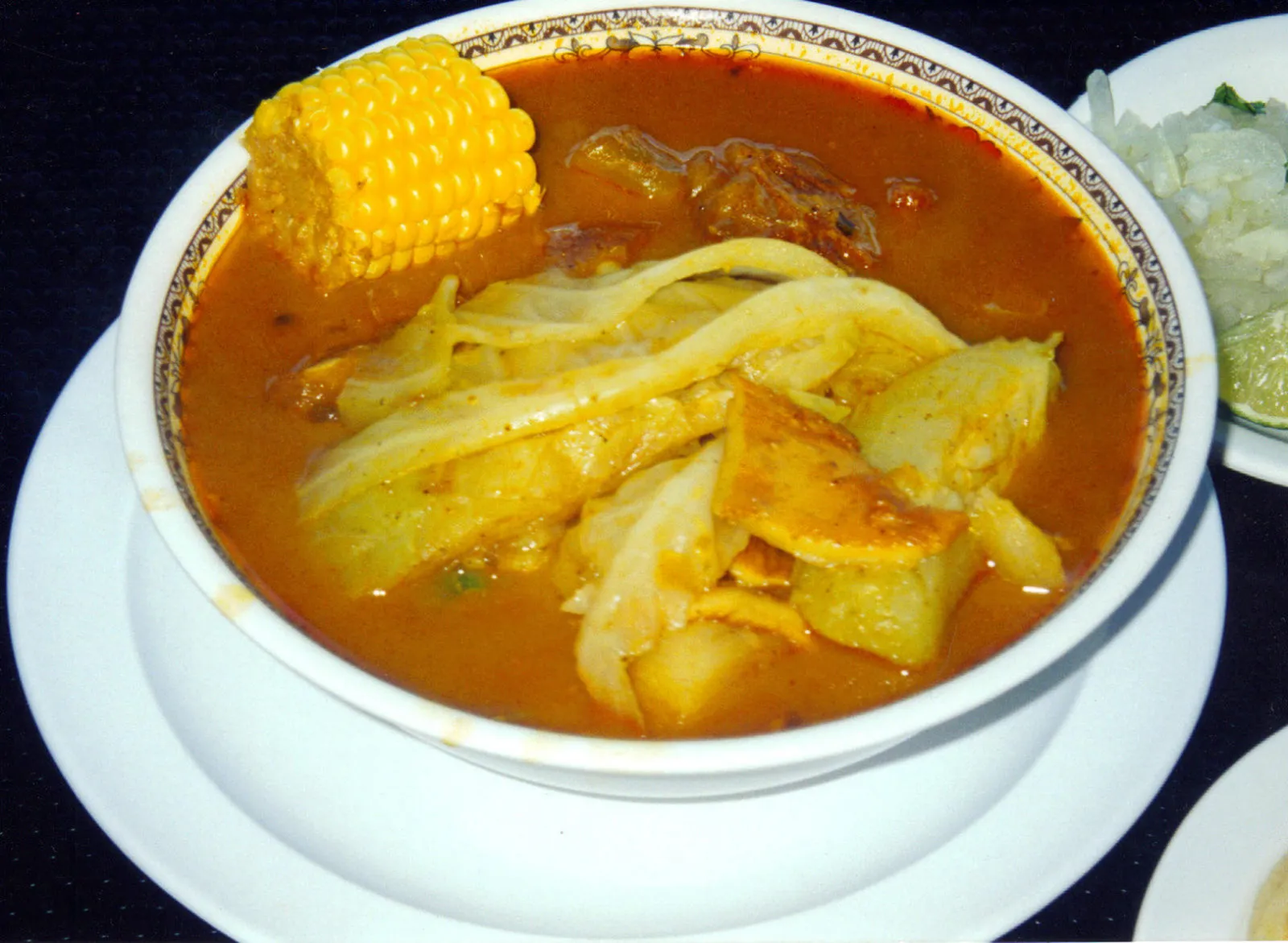
This sopa de pata recipe is El Salvador's most famous soup: cow's feet and tripe simmered for hours until the broth turns rich and gelatinous, then loaded with yuca, chayote, corn, green plantain and cabbage, and coloured a warm orange-red with achiote. It is a weekend lunch in Salvadoran homes, served steaming hot with lime wedges and warm tortillas for squeezing and scooping. One serving is about 640 g, soup and vegetables together.

Sopa de pata is the soup of El Salvador, built on the parts of the animal that take the longest to cook and give the most back: cow's feet and tripe, simmered for hours until the broth turns silky with gelatin. It is a weekend and family-gathering dish, cooked in a big pot and shared at the table with lime and tortillas, and its orange-red colour comes from achiote, the annatto seed used across Central America. The same soup is known in neighbouring countries, and a version is also eaten in Ecuador, but the Salvadoran bowl — with yuca, chayote, corn, green plantain and cabbage — is the one most people know.

Pairs well with: Warm corn tortillas and lime wedges, with a little chopped onion and cilantro on the side.

Provenance

El Salvador flag El Salvador

Salvadoran Heritage

Latin America & Caribbean

Time Dedication

4h 5m

40m prep • 205m cook

Batch Yield

8 Servings

388 kcal per serving

1 serving ≈ 640 g

Technical Skill

Advanced

Hard (Long Simmer)

Meal Timing & Digestive Fit

Breakfast

Not Advised

Lunch

Prime Metabolic Fit

Dinner

Ideal Hearty Main

Snack & Tea

Inappropriate

Soups & Broths Occasions: Weekend family lunches, festive gatherings, cold-weather comfort food, hangover food Cost: Low — about $3–4 per serving at home
A bowl of sopa de pata, orange-red achiote broth with corn on the cob, cabbage and chunks of yuca

Salvadoran Heritage

Photo: Mima, CC BY 2.0, via Wikimedia Commons

The Heritage Formulary

Measured Ingredients

Estimated cost: Low — about $3–4 per serving at home (USD)

Made the Salvadoran way: feet and tripe blanched first, simmered low and slow, achiote bloomed in oil, vegetables added in stages, lime squeezed over each bowl.

Execution Methodology & Culinary Technique

Step-by-Step Cooking Guide

Active 4h 5m
P

Prep Stage: Scrub, Peel & Cut

40 Mins • Cleaning the Feet & Cutting Vegetables

Scrub the cow's feet and tripe clean, peel the cassava, chayote and plantain, and cut every vegetable into big chunks — nothing small, or it will fall apart in a three-hour simmer. Husk the corn and cut each ear into three pieces. Dice the tomato, onion and pepper for the sofrito, and crush the garlic.

Maestro Tip: Cut the vegetables large on purpose: sopa de pata is a chunky soup, and pieces smaller than 5 cm turn to mush before the feet are tender.

  1. 1

    Clean & Blanch the Feet and Tripe

    25 Mins Boiling water, 100°C (212°F)

    Put the cow's feet and tripe in a large pot, cover with cold water, and bring to a rolling boil. Boil hard for 15 minutes, skimming off the grey foam that rises. Drain everything, rinse the feet and tripe under cold running water, and wash the pot clean.

    Do not skip the blanch: it is what keeps the final broth clear and sweet instead of cloudy and strong-smelling.

    Done when: Foam skimmed, feet and tripe rinsed clean, pot washed; no grey scum left.

  2. 2

    Simmer the Cow's Feet

    90 Mins Gentle simmer, about 95°C (200°F)

    Return the feet to the clean pot with the quartered onion half, half the garlic, the oregano and 3 litres of cold water. Bring to a boil, skim once more, then lower the heat to the gentlest simmer and cover, leaving the lid slightly ajar. Cook for about 90 minutes until the feet are starting to soften.

    Keep the simmer lazy — a few bubbles breaking the surface, never a rolling boil — or the broth turns cloudy and the meat toughens.

    Done when: Feet yielding when pressed with a spoon; meat cooked to at least 74°C (165°F); broth clear and lightly golden.

  3. 3

    Add Tripe, Sofrito & Achiote

    45 Mins Gentle simmer, about 95°C (200°F)

    Heat the oil in a small pan, stir in the achiote powder for 30 seconds until the oil turns deep orange-red, then add the diced onion, tomato, bell pepper and remaining garlic with the cumin. Fry for 5 minutes until soft and fragrant. Add the tripe and the sofrito to the pot with half the salt, and simmer for about 40 minutes more.

    Bloom the achiote in the oil first: the colour and flavour are fat-soluble, so they will not spread evenly if the powder goes straight into the water.

    Done when: Broth turned orange-red; tripe tender enough to cut with a spoon.

  4. 4

    Add the Vegetables in Stages

    35 Mins Gentle simmer, about 95°C (200°F)

    Add the cassava, corn and plantain first and simmer for 15 minutes. Then add the chayote, green beans and cabbage wedges with the remaining salt, and simmer for about 20 minutes more until the cassava is soft and creamy inside and the cabbage is tender but still holding its shape.

    Cassava and corn need the longest, so they go in first; the cabbage and green beans go in last or they collapse into the broth.

    Done when: Cassava soft right through, chayote tender, corn sweet, cabbage wedges soft but intact.

  5. 5

    Finish with Cilantro & Lime, Serve

    10 Mins Serve hot, broth at least 74°C (165°F)

    Taste the broth and adjust the salt. Stir in half the chopped cilantro, take the pot off the heat, and let it rest for 5 minutes. Ladle into deep bowls, making sure each bowl gets a piece of foot, some tripe, and a share of every vegetable. Scatter the remaining cilantro over the top and serve with lime wedges and warm tortillas.

    The lime is not a garnish — a good squeeze over the bowl brightens the rich broth and is how the soup is eaten in El Salvador.

    Done when: Steaming bowls, broth orange-red and clear, every bowl with meat and vegetables.

Finishing Touches & Plating

Serve steaming hot with lime wedges and warm corn tortillas on the side — squeeze the lime over the bowl, then scoop up the broth and vegetables with torn pieces of tortilla.
Nutritional Physiology & Benefits

Nutrition

Energy

388

kcal / serving

Protein

24g

Complete AA

Carbs

46g

Complex

Fats

13g

Healthy

Per serving (8 servings · 1 serving ≈ 640 g)
Energy388 kcal
Protein24 g
Carbohydrates46 g
Fat13 g
Fibre4.8 g
Sugar10.4 g
Sodium487 mg
Per 100g
Energy61 kcal
Protein3.8 g
Carbohydrates7.2 g
Fat2 g
Fibre0.7 g
Sugar1.6 g
Sodium76 mg

Nutrition values are estimated — calculated from USDA FoodData Central values for the listed ingredients.

Vitamins & minerals: The tripe and cow's feet supply iron, zinc and vitamin B12, the yuca and plantain add vitamin C and potassium, and the green beans and cabbage add vitamin K and folate.

Collagen-Rich Broth

The long simmer draws collagen and gelatin out of the cow's feet, which is what gives the broth its silky body and makes the soup so filling.

High in Protein

One serving gives about 24 g of protein from the feet and tripe, so the soup works as a full lunch on its own.

Iron, Zinc & Vitamin B12

Tripe and cow's feet are rich in iron, zinc and vitamin B12, and the yuca, plantain and green vegetables add vitamin C, potassium and folate.

Food Pairings

What to Eat With

To optimize nutrient absorption and elevate the sensory depth, pair with these authentic accompaniments:

Sides

Warm Corn Tortillas

Tortillas are the essential partner: torn into pieces, they scoop up the broth and vegetables, and their mild corn flavour suits the rich soup.

Vegetables

Lime Wedges

A squeeze of lime over the bowl cuts through the richness of the gelatinous broth and wakes up the achiote and cilantro.

Chopped Onion & Cilantro

A small bowl of raw chopped onion and cilantro passed around the table adds fresh crunch and brightness to each spoonful.

Drinks

Horchata or Jamaica (Hibiscus) Drink

A cold, lightly sweet horchata or hibiscus drink cools the palate between spoonfuls of the hot, rich soup.

Full Menus

White Rice

A small mound of plain white rice on the side makes the meal go further and soaks up the broth, as it is often served in Salvadoran homes.

Complete menu

Serve the sopa de pata with warm corn tortillas, lime wedges and a small bowl of chopped onion and cilantro, and finish with a cold horchata.

Digestive Guardrails

What NOT to Combine

To prevent digestive distress, sluggishness, or palate clash, avoid pairing the dish with these elements:

Skipping the Blanch

If the feet and tripe are not blanched and rinsed first, the broth stays cloudy and can taste strong and gamey. This is general food information, not medical advice.

Very Salty or Rich Sides

The broth is already savoury and the tripe is high in cholesterol, so salty cured meats or very rich fried sides make one meal heavy. This is general food information, not medical advice.

Undercooked Cassava

Cassava must be cooked right through: raw or undercooked cassava contains compounds that are not safe to eat, so always simmer it until soft inside. This is general food information, not medical advice.

General information only, not medical advice — consult a doctor for personal dietary decisions.

Who Should Eat It

Who Should Eat

  • General adultsA hearty, filling lunch for most adults; one bowl is a full meal, especially with tortillas.
  • ChildrenThe vegetables and broth are fine for children, but the feet and tripe are chewy and unusual — serve them the broth, corn, yuca and cabbage first.
  • ElderlyThe broth and soft vegetables are nourishing and easy to eat; the feet and tripe need strong chewing, so serve the tender pieces.
  • Pregnant womenThe soup is rich in iron and protein; make sure the meat is cooked right through and keep the salt as written.
  • Breastfeeding womenA nourishing, energy-rich meal; the broth helps with fluids and the vegetables add vitamins.
  • AthletesGood recovery food after hard training: protein, starch, salt and fluids in one bowl, with tortillas for extra energy.
  • Weight gainA full bowl with tortillas and rice is energy-dense, which helps when more calories are needed.
  • Weight lossOne bowl is filling, but the broth is rich — keep the portion as stated, go easy on the tortillas, and load up on the vegetables.

Health Conditions — Adjust or Avoid

Conditions

  • DiabetesYuca, plantain and corn are starchy, so keep the bowl as stated and go easy on the rice and tortillas. Ask your clinician about portions.
  • High blood pressureThe broth is salty by nature, so keep the added salt as written and do not add extra at the table. Ask your clinician about portions.
  • Kidney diseaseYuca, plantain and tomato are high in potassium and the soup is protein-rich, so keep the portion as stated. Ask your clinician about portions.
  • GoutTripe and feet are high in purines, so this is a soup to eat occasionally and in a normal portion rather than often. Ask your clinician about portions.
  • Stomach issuesA warm, mild soup that is usually gentle on the stomach; the tripe can be hard to digest, so eat it slowly and in small pieces. Ask your clinician about portions.
  • Cardiovascular diseaseTripe is high in cholesterol and the broth is rich, so keep the portion modest and favour the vegetables. Ask your clinician about portions.
  • Fatty liverThe soup is energy-dense and rich, so a smaller bowl with more vegetables and less meat fits better. Ask your clinician about portions.
  • Food allergiesContains no gluten, egg, milk, nuts or shellfish in the soup itself; the tortillas served with it usually contain corn only — check the label. Ask your clinician about allergies.
  • Special therapeutic dietsNaturally gluten-free; reduce the salt and favour vegetables where fat, salt or purines are limited. Ask your clinician about portions.

If you have a medical condition, consult your doctor before changing your diet.

Storage & Use

Storage & Use

How to store
Cool quickly and store the soup in a covered container; the broth will set like jelly in the fridge — that is the gelatin, and it melts again on heating.
In the fridge
The soup keeps 3 days in the fridge at 4°C (40°F) or below.
In the freezer
Up to 2 months; freeze the broth and meat together, but the cassava and cabbage soften a little on thawing.
How to reheat
Reheat gently on the hob until steaming hot, to 74°C (165°F); add a splash of water if the broth has thickened too much.
Freezing recommended
Yes — broth and meat freeze well.
Signs it has spoiled
Sour smell, slimy surface, or mould.

More recipes to explore

Two golden griddled pupusas on a plate with curtido cabbage slaw and red tomato salsa, melted cheese showing at the edge El Salvador flag El Salvador 1h 15m
Lunch •San Salvador Heritage

Pupusas

This pupusas recipe makes the stuffed corn cakes El Salvador is known for: soft nixtamalized masa wrapped around a molten filling of seasoned pork, refried beans and quesillo-style cheese, then griddled until the outside is golden and speckled and the cheese runs when you bite in. They are eaten hot, straight off the comal, with a pile of tangy curtido cabbage slaw and tomato salsa on the side. One serving is two pupusas, about 330 g.

Comfort & Warmth

El Salvador's national dish: thick corn masa cakes stuffed with pork, beans and melted cheese, griddled on a hot comal and served with curtido.

Pairs Well With
Curtido (pickled cabbage slaw) and salsa roja, with a cold horchata or tamarind drink on the side.
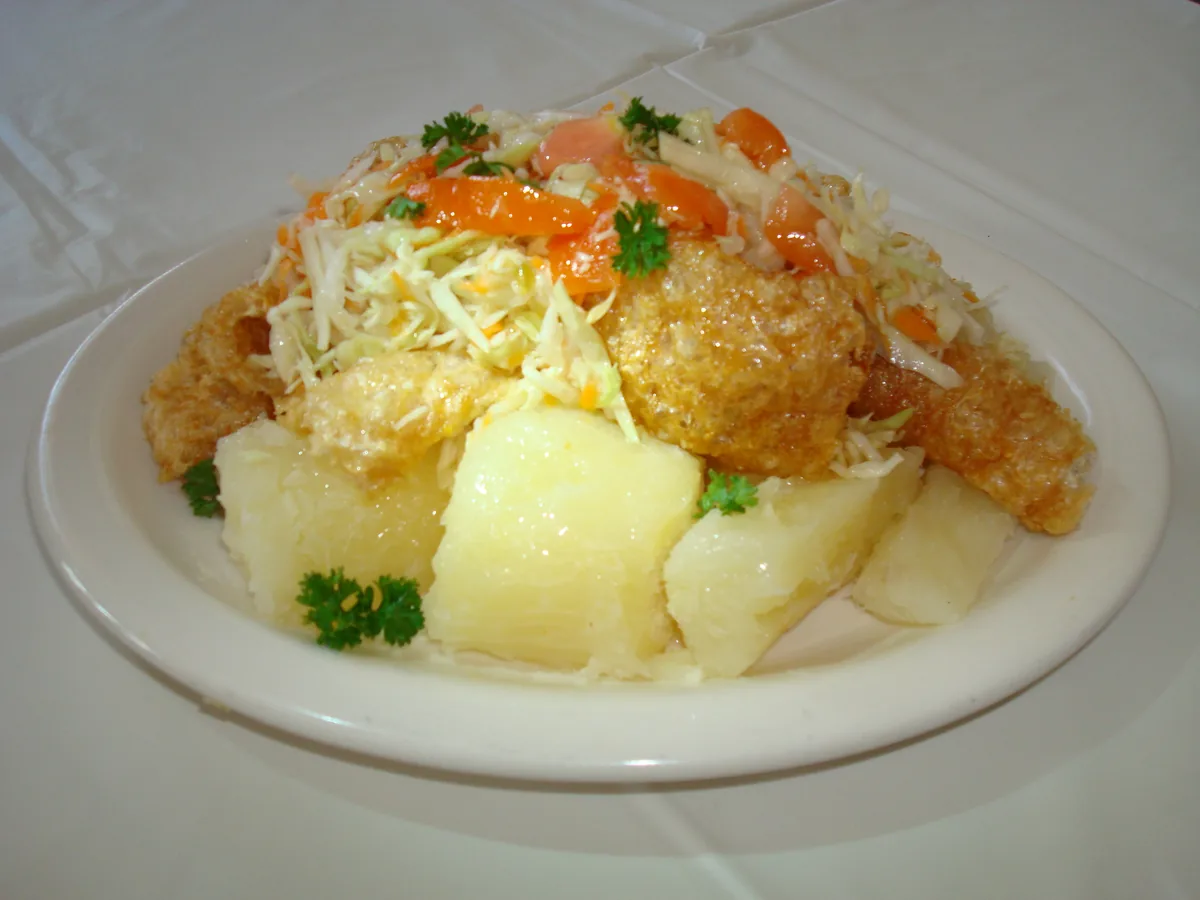
A plate of yuca con chicharron — boiled cassava chunks topped with golden crispy pork cracklings and shredded cabbage, carrot and tomato slaw El Salvador flag El Salvador 1h 35m
Lunch •Salvadoran Street-Food Classic

Yuca con Chicharrón

This yuca con chicharron recipe is the Salvadoran street-food plate: cassava boiled until soft and fluffy, topped with pork belly simmered until tender and then fried crisp in its own fat, with tangy curtido cabbage slaw and fresh tomato salsa on the side. It is the same trio of yuca, chicharron and cabbage slaw that is sold from market stalls across El Salvador. One serving is about 590 g.

Comfort & Energy

Tender boiled cassava with crisp fried pork, tangy curtido and fresh tomato salsa — a filling Salvadoran street-food plate.

Pairs Well With
Warm corn tortillas, fried plantains and a cold horchata or limeade
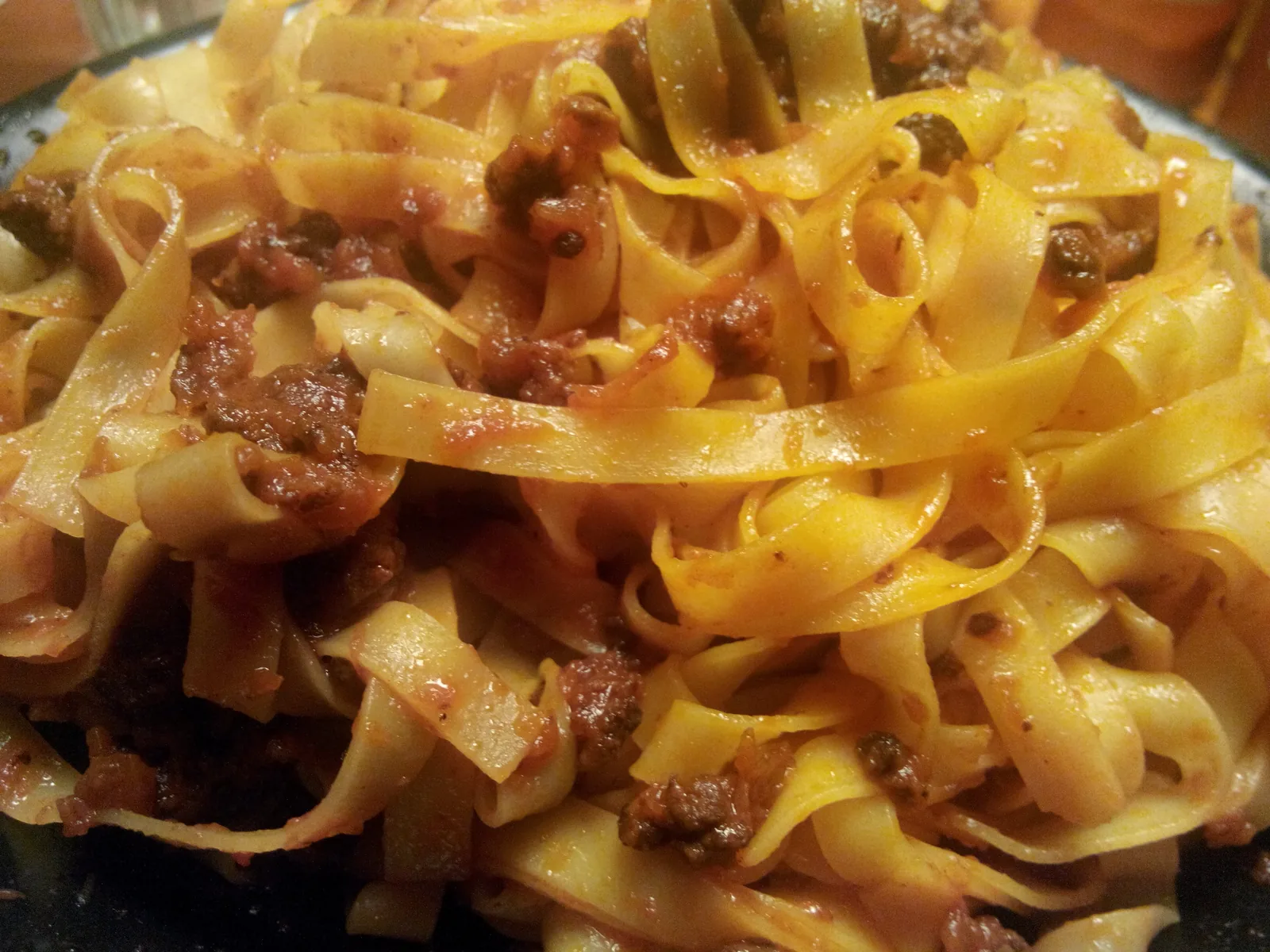
Tagliatelle al ragù Bolognese in a bowl with Parmigiano-Reggiano Italy flag Italy 4h 25m
Lunch •Emilia-Romagna

Tagliatelle al Ragù Bolognese

Slow-braised soffritto and coarse ground heritage meats layered over handmade egg yolk dough for mid-day stamina.

Lean Protein

Slow-simmered beef ragù tossed through fresh egg tagliatelle.

Pairs Well With
Bitter Radicchio & Aged Balsamico di Modena
Pasta & Noodles • High Protein
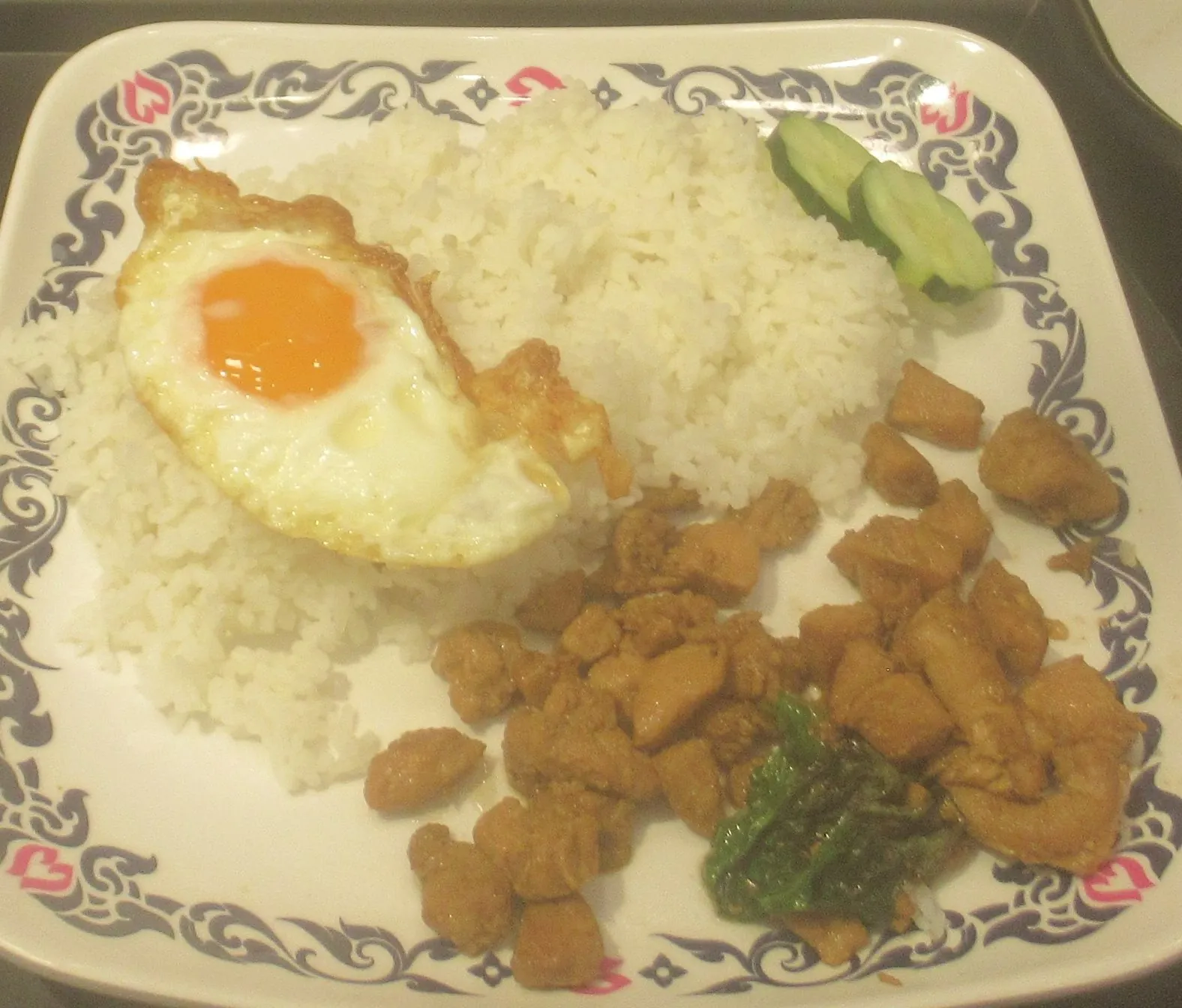
Pad kra pao gai — Thai holy basil chicken with fried egg and rice Thailand flag Thailand 30m
Lunch •Bangkok Street Flame

Pad Kra Pao Gai

High-heat wok flash of holy basil and crushed chillies over minced chicken, served over jasmine rice with a crispy-edged fried egg.

High Energy

Capsaicin brings the heat; holy basil adds a peppery, clove-like aroma.

Pairs Well With
Chilled Cucumber Salad & Fish Sauce Lime Dip
High Protein • Quick Prep (<30m)

The Dinner Gazette

Never wonder what’s for dinner again

One email a week with easy dinner ideas from around the world — ingredients, steps and nutrition, tested in our kitchen first.

Delivered every Thursday morning. Unsubscribe anytime.