Curated recipes from 193 countries  •  New seasonal Mediterranean issue out now

Overview

Malaysian Cakoi

Youtiao, Yau Char Kwai, Eu Char Koay, Chinese Cruller

This malaysian cakoi recipe makes the golden fried dough sticks of the Malaysian kopitiam: a soft yeasted dough rolled into pairs, pressed together and fried until crisp outside and soft inside. One serving is about 230 g and carries 654 calories. Serve two sticks per person, hot, with kaya for spreading and strong coffee for dunking.

Cakoi is the Malay name for youtiao, the long fried dough stick of Chinese origin that travelled with Chinese migrants across South-East Asia and became a fixture of the Malaysian kopitiam, the old coffee shop. In Malay it is simply cakoi; Cantonese speakers call it yau char kwai, and its name carries a folk tale from Song-dynasty China, where two strips of dough joined together were said to stand for a corrupt minister and his wife, fried in the oil as a protest. In Malaysia the sticks are sold at morning markets and night markets, eaten for breakfast or tea, dunked in coffee or soy milk, spread with kaya, or torn into pieces for bak kut teh. Cook test: cakoi is a deep-fried yeasted dough stick, served in pairs — it is not roti canai, which is a flat, laminated, pan-fried flatbread; not apam balik, which is a sweet filled pancake cooked in a pan; not kuih lapis, which is a steamed layered rice-flour cake; and no live recipe for youtiao or cakoi exists on the site — the name appears only as a serving suggestion in the congee and bak kut teh recipes.

Pairs well with: Kaya for spreading, and a mug of strong black coffee or teh tarik for dunking.

Provenance

Malaysia flag Malaysia

Malaysian Kopitiam Classic

East & South Asia

Time Dedication

2h 15m

120m prep • 15m cook

Batch Yield

4 Servings

654 kcal per serving

1 serving ≈ 230 g

Technical Skill

Intermediate

Intermediate (Yeast Dough & Frying)

Meal Timing & Digestive Fit

Breakfast

Prime Morning Fit

Lunch

Inappropriate

Dinner

Inappropriate

Snack & Tea

Inappropriate

Occasions: Kopitiam breakfasts, morning markets, teatime, weekend breakfasts Cost: Low — about $1–2 per serving at home

Golden Malaysian cakoi fried dough sticks in a bowl with chopsticks

Malaysian Kopitiam Classic

Photo: Popo le Chien, CC0, via Wikimedia Commons

The Heritage Formulary

Measured Ingredients

Estimated cost: Low — about $1–2 per serving at home (USD)
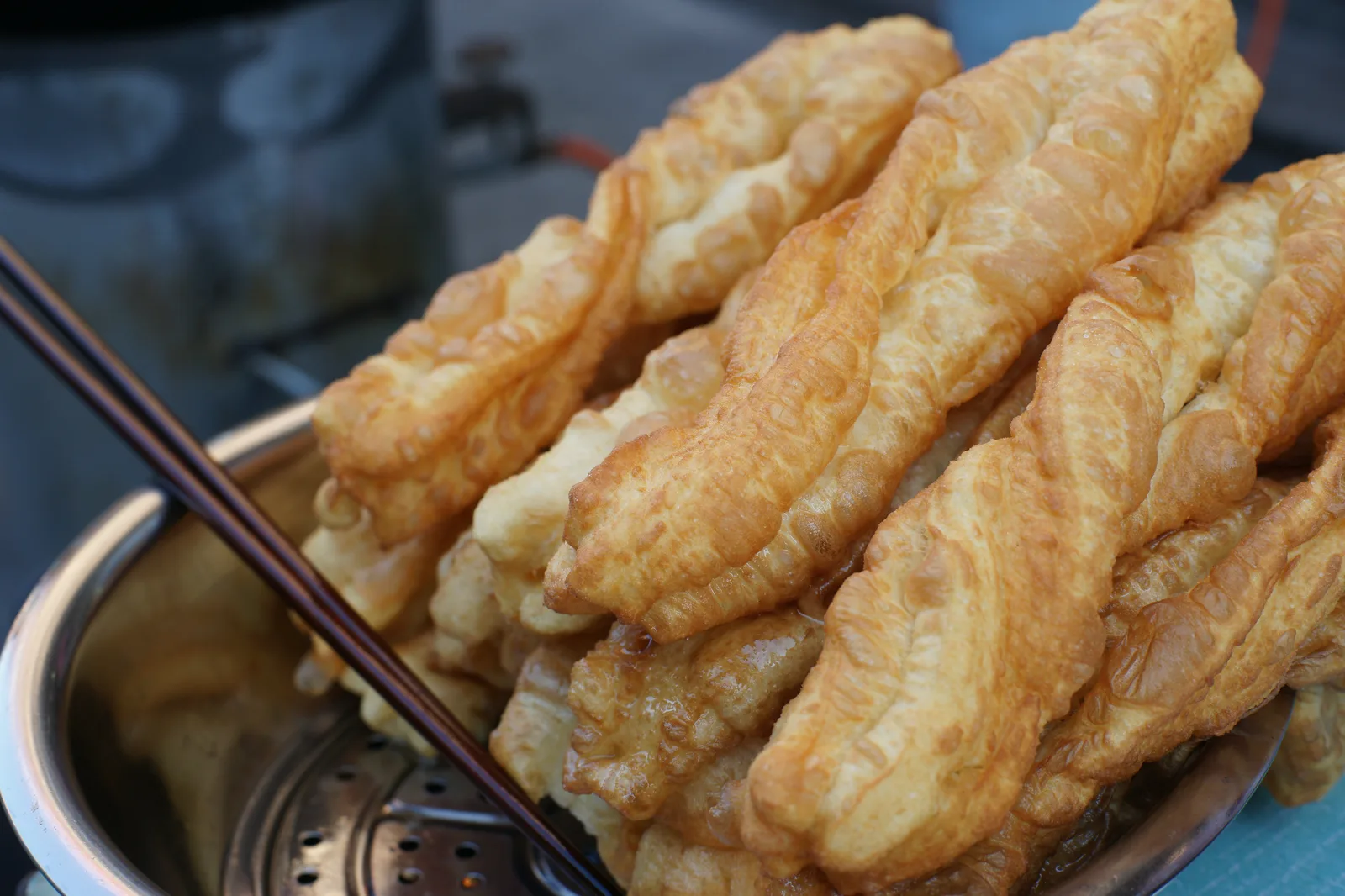
This version uses a yeasted dough with a little egg and baking powder for lift, fries the paired sticks at 180°C (350°F) until deep gold, and serves them hot with kaya.

Execution Methodology & Culinary Technique

Step-by-Step Cooking Guide

Active 2h 15m
P

Prep Stage: Dough, Rise and Shaping

120 Mins • Dough, Rise and Shaping

Stir the yeast and sugar into the warm water and rest 10 minutes until foamy. Mix the flour, salt and baking powder, add the yeasted water, the beaten egg and the tablespoon of oil, and knead for 8 minutes into a soft, slightly sticky dough. Cover and leave in a warm place for 90 minutes until doubled. Roll the dough out, cut it into strips, and press the strips together in pairs with a wet chopstick down the middle.

Maestro Tip: A soft, slightly sticky dough is correct — flouring it heavily makes dry, tough sticks. Oil your hands instead of adding flour.

  1. 1

    Mix and knead the dough

    15 Mins Warm water, about 37°C (98°F)

    Stir the yeast and sugar into the warm water and leave it for 10 minutes until foamy. Tip the flour, salt and baking powder into a large bowl, pour in the yeasted water, the beaten egg and the tablespoon of oil, and mix into a soft dough. Knead on a lightly oiled surface for 8 minutes until smooth and elastic.

    The water must feel just warm on your wrist — hotter than 43°C (110°F) kills the yeast and the dough will never rise.

    Done when: A smooth, soft dough that springs back when pressed.

  2. 2

    Let the dough rise

    90 Mins Warm place, about 28°C (82°F)

    Put the dough in an oiled bowl, turn it once to coat, cover with a damp cloth, and leave it in a warm place for 90 minutes until doubled in size.

    A cold kitchen slows the rise — set the bowl near, not on, a warm oven, or give it an extra 30 minutes.

    Done when: The dough is twice its original size and holds a dent when pressed.

  3. 3

    Shape the pairs

    15 Mins No heat

    Turn the dough onto a lightly oiled surface and roll it into a rectangle about 1 cm thick. Cut it into strips about 2 cm wide and 15 cm long. Lay two strips side by side, wet a chopstick, and press it firmly down the middle of the pair so the two strips stick together.

    The pressed line down the middle is what makes the pair puff apart in the oil — press firmly, or the strips separate in the pot.

    Done when: Pairs of strips joined down the middle, ready for the oil.

  4. 4

    Fry until golden

    15 Mins Hot oil, 180°C (350°F)

    Heat 1 litre of oil in a deep pot to 180°C (350°F). Pick up a pair by its ends, stretch it gently to about 20 cm, and lower it into the oil. Fry for 2 to 3 minutes, turning once, until deep gold and puffed. Lift out with tongs and drain on a wire rack. Fry in batches of 2 or 3 so the oil stays hot.

    If the oil is too cool the sticks drink it and turn greasy; too hot and they brown before the middle cooks. A cube of bread should sizzle and turn gold in 30 seconds.

    Done when: Deep-gold sticks, crisp outside, puffed and soft inside, with no raw dough at the centre.

  5. 5

    Serve with kaya and coffee

    5 Mins Serve hot

    Serve the cakoi hot, two sticks per person, with the kaya in a small bowl for spreading and strong black coffee or teh tarik for dunking. The sticks are best within 20 minutes of frying.

    Cakoi goes soft as it cools — fry the last batch as everyone sits down, and serve it straight from the rack.

    Done when: Hot, crisp sticks with kaya and coffee on the table.

Finishing Touches & Plating

Eat the cakoi hot: tear a stick in half, spread it with kaya, or dunk it straight into the coffee. It is a breakfast to eat with your hands, while it is still crisp.

Nutritional Physiology & Benefits

Nutrition

Energy

654

kcal / serving

Protein

13g

Complete AA

Carbs

95g

Complex

Fats

24g

Healthy

Per serving (4 servings · 1 serving ≈ 230 g)
Energy654 kcal
Protein13 g
Carbohydrates95 g
Fat24 g
Fibre3.3 g
Sugar16.1 g
Sodium750 mg
Per 100g
Energy285 kcal
Protein5.7 g
Carbohydrates41.3 g
Fat10.5 g
Fibre1.4 g
Sugar7 g
Sodium327 mg

Nutrition values are estimated — calculated from USDA FoodData Central values for the listed ingredients.

Vitamins & minerals: B vitamins and iron (flour, egg, yeast), vitamin E (vegetable oil), small amounts of calcium and potassium (kaya, egg).

Quick Energy for the Morning

About 95 g of carbohydrate per serving gives fast, filling energy for a morning that starts early — which is why market workers eat it at dawn.

Simple, Honest Ingredients

Flour, water, yeast, egg and oil — no preservatives or flavourings, just a dough fried fresh in the morning.

A Little Protein With the Carbs

The egg and flour give about 13 g of protein per serving, and the kaya adds a little more, so the breakfast is not carbohydrate alone.

Food Pairings

What to Eat With

To optimize nutrient absorption and elevate the sensory depth, pair with these authentic accompaniments:

Sides

Kaya and Soft-Boiled Eggs

Kaya spread on a hot stick and a soft-boiled egg on the side is the classic kopitiam plate — sweet, salty and rich together.

Rice Congee

Pieces of cakoi dropped into plain congee add crunch and body, turning a light porridge into a full breakfast.

Drinks

Strong Black Coffee

Bitter, strong coffee is the point of the dunk: it cuts the oiliness of the fried dough and the sweetness of the kaya.

Soups

Bak Kut Teh

Torn cakoi soaks up the herbal pork broth of bak kut teh without falling apart, which is why the two are sold together at morning markets.

Complete menu

Serve hot cakoi with kaya, soft-boiled eggs and strong coffee, followed by fresh tropical fruit.

Digestive Guardrails

What NOT to Combine

To prevent digestive distress, sluggishness, or palate clash, avoid pairing the dish with these elements:

Storing It in a Sealed Bag While Warm

Warm sticks sealed in a bag steam themselves soft and go leathery; cool them on a rack and keep them uncovered. This is general food information, not medical advice.

Eating It as a Late-Night Snack Every Day

Deep-fried dough with sweet kaya is high in fat and sugar, so it suits an occasional breakfast better than a daily habit. This is general nutrition information, not medical advice.

General information only, not medical advice — consult a doctor for personal dietary decisions.

Who Should Eat It

Who Should Eat

  • General adultsA filling kopitiam breakfast — two sticks with kaya and coffee is a full meal.
  • ChildrenChildren love the sticks, but serve them cooled a little and cut into pieces; the kaya is sweet, so keep the portion small.
  • ElderlySoft inside and easy to chew once cooled slightly; cut into pieces and serve with a mild drink.
  • Pregnant womenFine when freshly fried and eaten hot; the egg in the dough is fully cooked in the hot oil.
  • Breastfeeding womenA satisfying breakfast; keep to two sticks and balance the day with lighter meals.
  • AthletesFast carbohydrate and a little protein make it a useful pre-training breakfast, eaten 1 to 2 hours before exercise.
  • Weight gainAdd a third stick and a soft-boiled egg to raise the energy of the meal.
  • Weight lossOne stick with a large mug of unsweetened coffee or tea keeps the portion lighter.

Health Conditions — Adjust or Avoid

Conditions

  • DiabetesAbout 95 g of carbohydrate per serving, mostly from the flour and kaya — take one stick, skip the kaya or use a thin spread, and ask a clinician about portion size.
  • High blood pressureAbout 750 mg of sodium per serving; use low-salt kaya or skip it if sodium matters, and ask a clinician.
  • Kidney diseaseFried dough with a moderate protein load; keep the portion small and ask a clinician about what fits your plan.
  • GoutA fried, refined-flour food; keep it an occasional breakfast rather than a daily one, and ask a clinician.
  • Stomach issuesFried food and sweet kaya can sit heavily on a sensitive stomach; eat a small portion slowly and ask a clinician if symptoms flare.
  • Cardiovascular diseaseDeep-fried and high in fat and sugar; one stick with unsweetened tea is the lighter way to eat it, and ask a clinician.
  • Fatty liverFried dough is high in fat; keep it occasional and ask a clinician about fat and sugar intake.
  • Food allergiesContains wheat and egg; kaya contains egg and coconut. Ask a clinician about any allergy.
  • Special therapeutic dietsA soft, easy-to-chew food that suits many therapeutic diets; ask a clinician or dietitian before changing your diet.

If you have a medical condition, consult your doctor before changing your diet.

Storage & Use

Storage & Use

How to store
Cool completely on a wire rack, then keep uncovered at room temperature for the day.
In the fridge
2 days in the fridge in a paper bag, not sealed plastic.
In the freezer
Up to 1 month, wrapped in foil; thaw at room temperature.
How to reheat
Reheat in an oven at 180°C (350°F) for 5 minutes until hot and crisp, about 74°C (165°F) in the centre; do not microwave — it turns chewy.
Freezing recommended
No — best eaten fresh, within hours of frying.
Signs it has spoiled
Stale, rancid smell from the oil, mould, or a slimy surface — discard it.

More recipes to explore

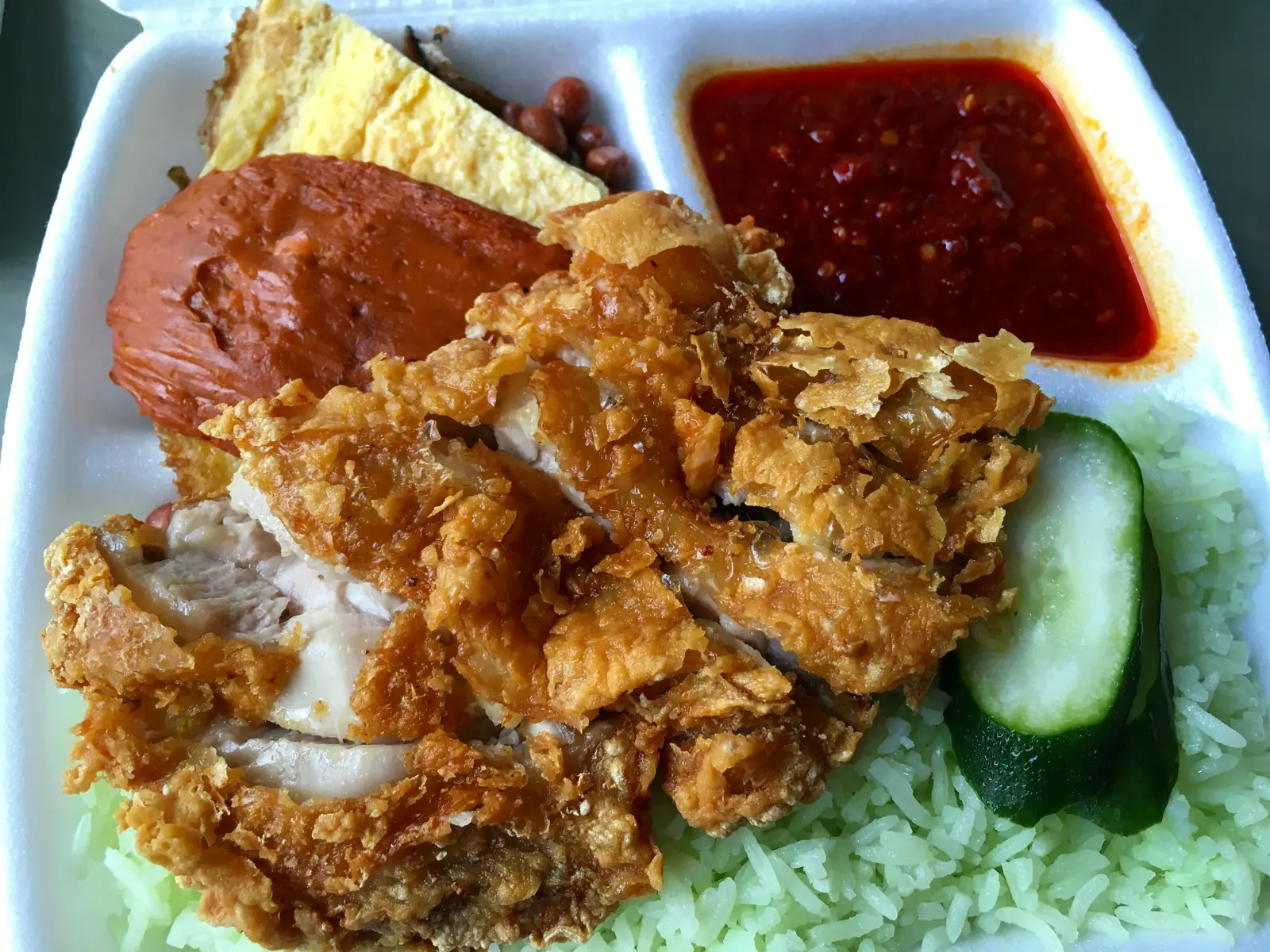
Nasi lemak — coconut rice with crispy fried chicken, red sambal, omelette, peanuts and cucumber in a takeaway box Malaysia flag Malaysia 1h 10m
Breakfast •Malaysian Heritage

Nasi Lemak

This nasi lemak recipe brings Malaysia's national breakfast to your own table: rice steamed in coconut milk with pandan, a dark, sweet-hot sambal, golden turmeric fried chicken, and the classic little pile of crispy anchovies, roasted peanuts, boiled egg and cool cucumber. One serving is about 465 g.

Hearty & Satisfying

A full Malaysian breakfast plate — fragrant coconut rice with sambal, crispy chicken, egg, anchovies, peanuts and cucumber.

Pairs Well With
A spoonful of hot sambal and cool cucumber slices, with teh tarik or iced lime tea.
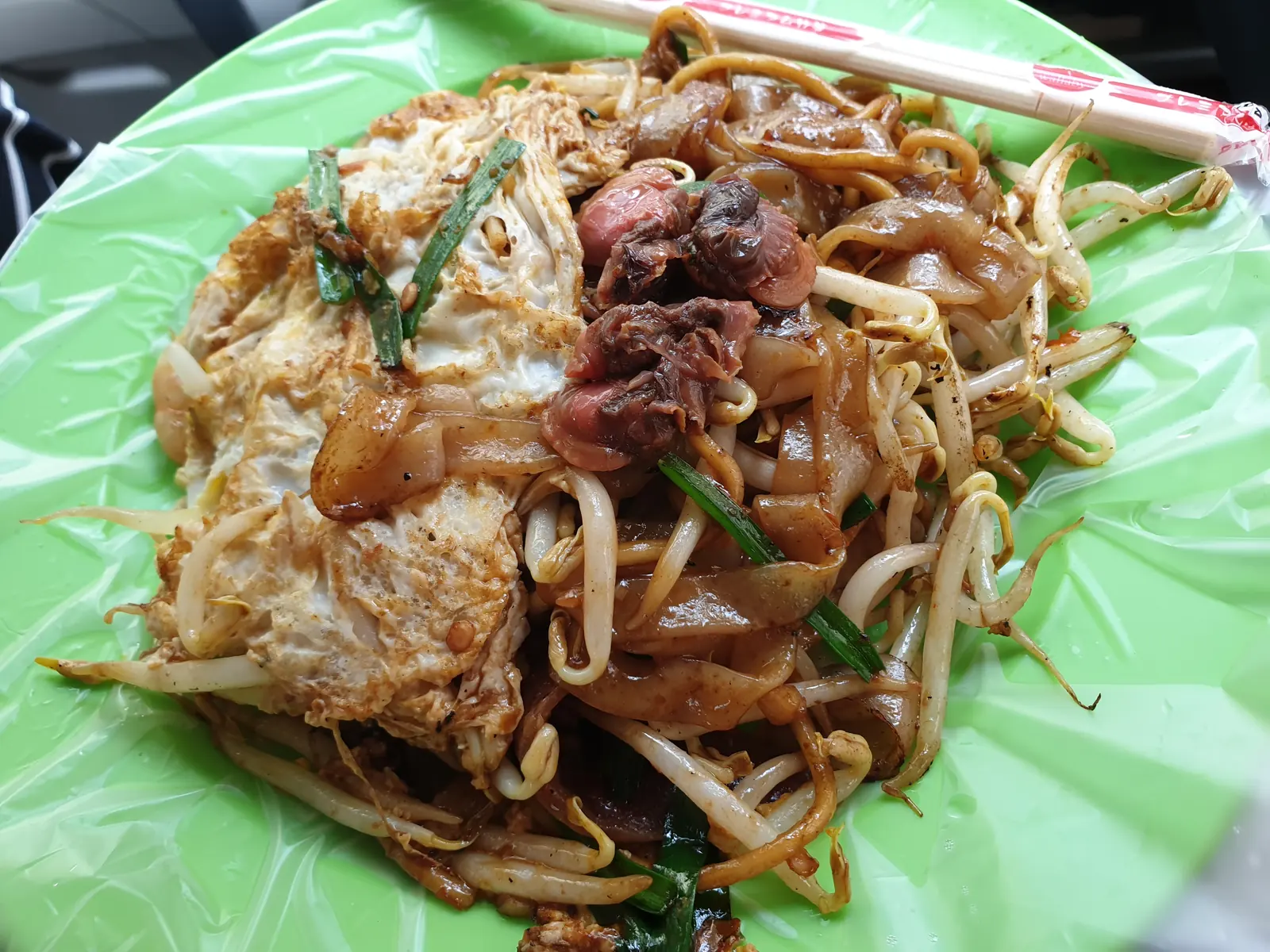
Char kway teow on a green plate — glossy flat rice noodles with fried egg, cockles, bean sprouts and garlic chives Malaysia flag Malaysia 25m
Dinner •Penang Street-Food Icon

Char Kway Teow

This char kway teow recipe tosses wide flat rice noodles in a blazing-hot wok with garlic, soy sauce, chilli paste, prawns, cockles, Chinese sausage, egg, bean sprouts and garlic chives, so the noodles pick up the smoky char called wok hei. Cook one plate at a time, exactly like a hawker stall, and eat it straight from the wok. One serving is about 475 g.

Smoky & Satisfying

Flat rice noodles seared over fierce heat with prawns, cockles, egg and bean sprouts — a fast, smoky Malaysian hawker dinner.

Pairs Well With
Pickled green chillies, cucumber slices, and iced lime tea or teh o ais
Pasta & Noodles • Quick Prep (<30m)
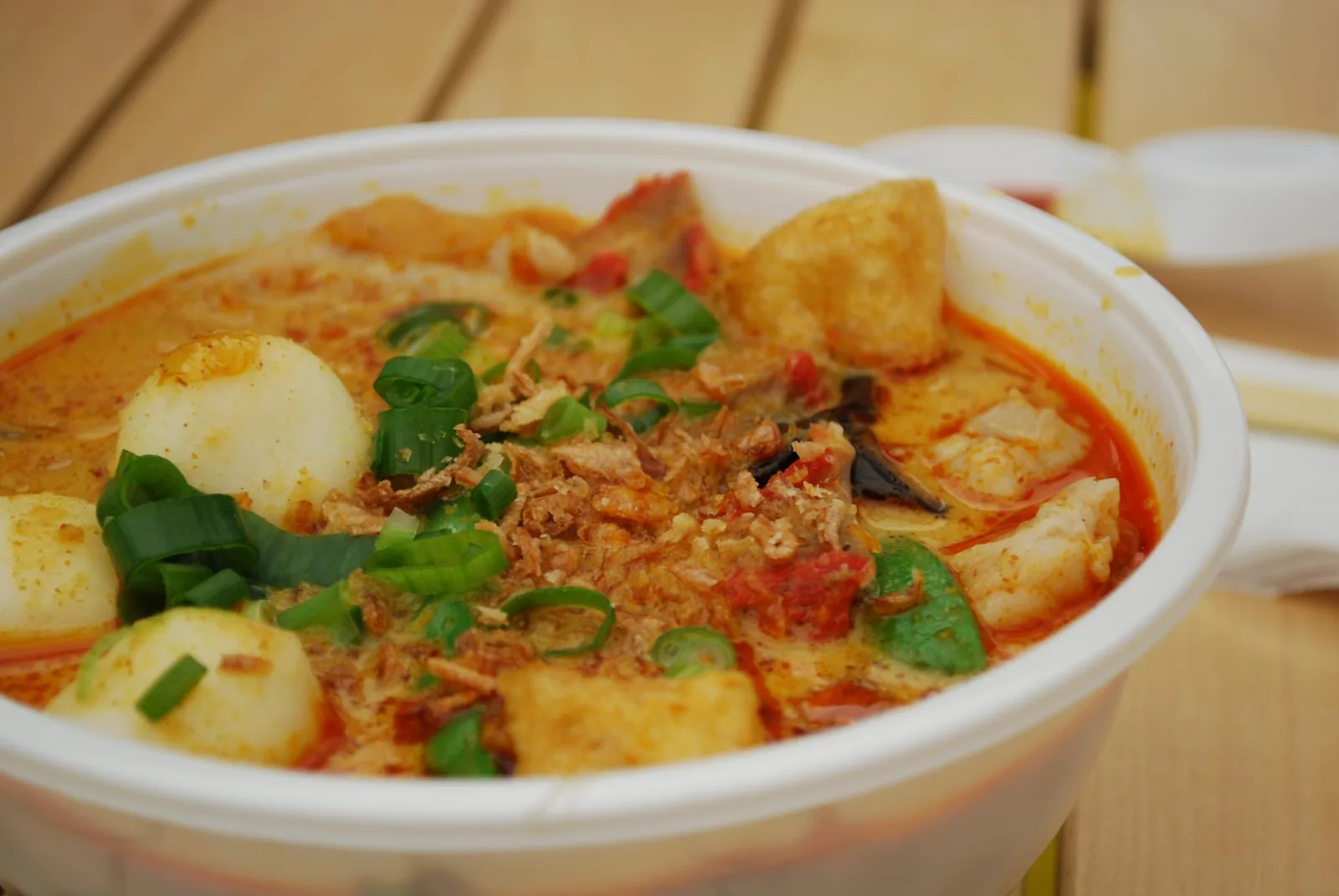
A white bowl of curry laksa in orange coconut curry broth with tofu puffs, fish balls, spring onions and fried shallots Malaysia flag Malaysia 50m
Lunch •Malaysian Hawker Classic

Curry Laksa

This curry laksa recipe simmers a spiced rempah paste with coconut milk and chicken stock into a rich orange broth, then pours it over rice vermicelli and egg noodles with shredded chicken, tofu puffs and crisp bean sprouts. One serving is about 703 g.

Comfort & Warmth

A rich, spiced coconut curry noodle soup with chicken, tofu puffs and bean sprouts.

Pairs Well With
Cool cucumber salad and a glass of iced lime tea
Soups & Broths • Pasta & Noodles
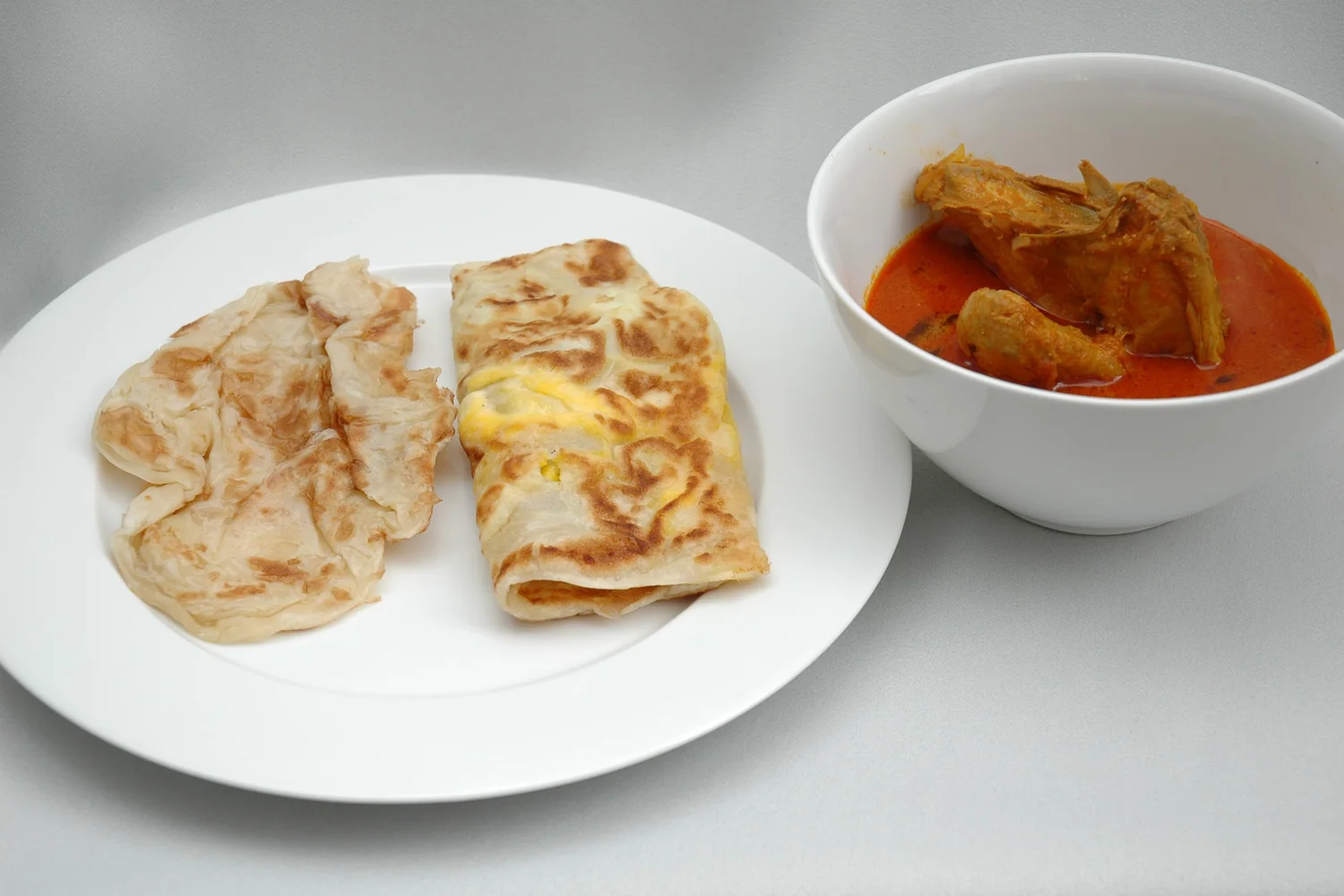
Roti prata and egg roti on a white plate with a bowl of chicken curry Malaysia flag Malaysia 1h 30m
Breakfast •Mamak Stall Heritage

Roti Canai

This roti canai recipe makes the flaky mamak flatbread the slow way: a soft dough rested until it stretches paper-thin, laminated with ghee, folded into squares and fried until the outside crisps and the inside stays soft and layered. It is served torn into pieces for dipping into a warm dhal curry with coconut milk, the way every mamak stall in Malaysia serves it for breakfast. One serving is about 374 g.

Comfort & Warmth

Flaky, laminated flatbread stretched paper-thin, folded and fried in ghee until crisp at the edges, torn and dipped into warm dhal curry.

Pairs Well With
Dhal curry & teh tarik

The Dinner Gazette

Never wonder what’s for dinner again

One email a week with easy dinner ideas from around the world — ingredients, steps and nutrition, tested in our kitchen first.

Delivered every Thursday morning. Unsubscribe anytime.