Curated recipes from 193 countries  •  New seasonal Mediterranean issue out now

Overview

Maltese Bigilla

Maltese broad bean dip

Bigilla is Malta's traditional broad bean dip — dried fava beans soaked overnight, simmered until falling-apart soft, then mashed with garlic, olive oil, lemon, chilli and fresh herbs into a thick, earthy paste. It is not hummus: the base is broad bean, not chickpea, so the flavour is deeper and more rustic, with a warm chilli finish instead of tahini. Served cold with galletti crackers or crusty Maltese bread, it is the centrepiece of a Maltese mezze. One serving is about 84 g.

Broad beans have been grown in Malta for centuries, and bigilla — made from dried beans known locally as ful ta' Ġirba — became the island's everyday dip, spread on crusty ħobż or scooped up with galletti crackers. It is a frugal, working dish: dried beans, garlic, olive oil and herbs, mashed into a thick paste and served cold as part of a mezze. The brown, earthy dip with its green parsley and red chilli topping is one of the first things visitors are offered at a Maltese table, and it is still made at home across the islands today.

Pairs well with: Galletti crackers, crusty Maltese bread and olives

Provenance

Malta flag Malta

Malta Mezze Classic

Mediterranean & Italy

Time Dedication

1h 15m

15m prep • 60m cook

Batch Yield

8 Servings

125 kcal per serving

1 serving ≈ 84 g

Technical Skill

Intermediate

Easy (Blender Dip)

Meal Timing & Digestive Fit

Breakfast

Not Advised

Lunch

Inappropriate

Dinner

Inappropriate

Snack & Tea

Ideal Light Bite

Occasions: Snacks, mezze spreads, parties, picnics, lunchboxes Cost: Low — about $1 per serving at home
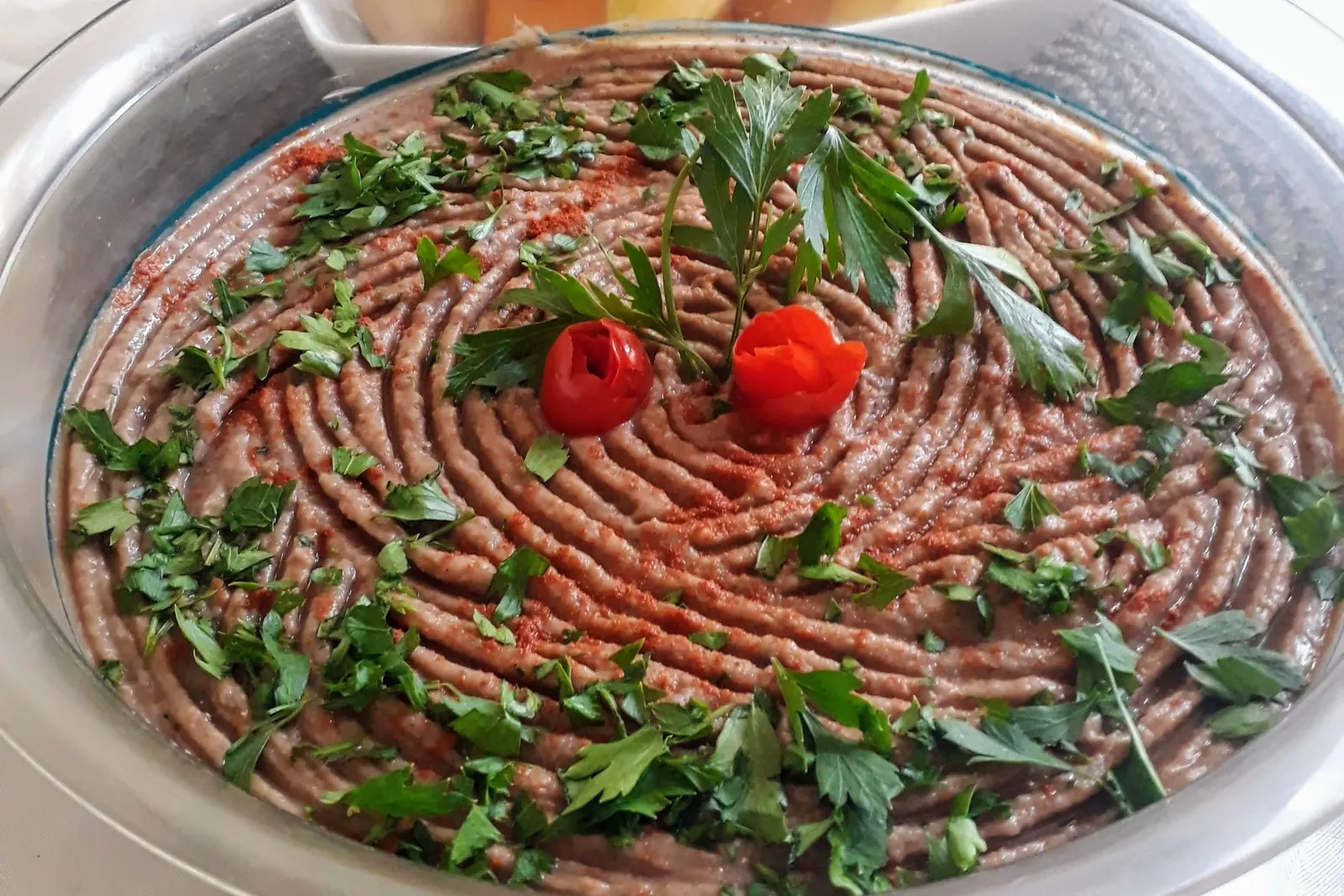
A glass bowl of Maltese bigilla — swirled broad bean dip topped with chopped parsley, paprika and red chilli

Malta Mezze Classic

Photo: Silvana.Bugeja, CC BY-SA 4.0, via Wikimedia Commons

The Heritage Formulary

Measured Ingredients

Estimated cost: Low — about $1 per serving at home (USD)

A true bigilla is served cold, thick and spreadable, garlicky and warmly spicy, with a pool of olive oil on top — never warm, never runny, and never made from chickpeas.

Execution Methodology & Culinary Technique

Step-by-Step Cooking Guide

Active 1h 15m
P

Prep Stage: Beans Soaked, Herbs Washed

15 Mins • Overnight Soak

Rinse the dried broad beans, pick out any stones, and cover them with plenty of cold water plus half a teaspoon of baking soda — they need a full 12 hours, so start the night before. Wash and pick the parsley and mint, peel and crush the garlic, squeeze the lemon, and measure the olive oil, chilli flakes, salt and pepper. Everything is ready before the beans go on the heat.

Maestro Tip: The baking soda in the soak softens the tough bean skins, which is what makes the finished dip smooth instead of grainy.

  1. 1

    Soak the Broad Beans

    12 Hours (Overnight) Room temperature, ~21°C (70°F)

    Rinse the dried broad beans and pick out any stones or shrivelled ones. Put them in a large bowl, cover with cold water by at least 8 cm, and stir in 1/2 teaspoon of baking soda. Leave them to soak for 12 hours or overnight — they will roughly double in size. Drain and rinse well before cooking.

    Start the soak the night before; there is no shortcut that gives the same softness.

    Done when: Beans have doubled in size and feel plump and firm, not hard.

  2. 2

    Simmer Until Falling-Apart Soft

    55–60 Mins Gentle boil, 100°C (212°F)

    Put the drained beans in a large pot, cover with fresh cold water by 8 cm, and bring to a gentle boil. Skim off the foam, then simmer for 55–60 minutes until the beans are falling-apart soft — they should crush easily between your fingers. Before draining, scoop out 30 ml of the cooking water and set it aside, then drain the beans.

    Beans for bigilla must be cooked past the point you would eat them whole; undercooked beans make a grainy dip.

    Done when: Beans crush with no resistance between thumb and finger; the skins slip off easily.

  3. 3

    Blend the Dip

    3 Mins Room temperature, ~21°C (70°F)

    Put the warm, drained beans in a food processor with the crushed garlic, lemon juice, 10 g of the parsley, the mint, chilli flakes, salt and pepper. Pulse a few times, then add 30 ml of the olive oil and the reserved cooking water a spoonful at a time, blending for 2–3 minutes until you have a thick, spreadable paste — bigilla is coarser and denser than hummus, so stop while it still has a little body.

    Add the cooking water slowly: bigilla should be a thick paste you can spread on bread, not a runny sauce.

    Done when: The dip is a thick, smooth paste that holds its shape on a spoon, with no whole beans left.

  4. 4

    Season and Rest

    5 Mins + 30 Mins Chilling Chilled, ~4°C (39°F)

    Taste the dip and adjust the salt, lemon and chilli — bigilla should be clearly salty, garlicky and warmly spicy. Spoon it into a bowl, cover and chill for at least 30 minutes so the flavours settle and the dip firms up slightly.

    The chilli and garlic mellow a little as the dip rests, so season boldly and taste again after chilling.

    Done when: The dip tastes balanced — salty, garlicky and spicy — and holds a firm, spreadable shape when cold.

  5. 5

    Plate and Garnish

    5 Mins Chilled, ~4°C (39°F)

    Spread the cold bigilla in a shallow bowl, making a shallow well in the centre. Pour the remaining 15 ml of olive oil into the well, scatter over the reserved 5 g of chopped parsley and dust the top with a pinch of sweet paprika. Serve cold with galletti crackers or crusty bread.

    Swirl the top with the back of a spoon before adding the oil — the ridges catch the oil and look like the bowls served in Malta.

    Done when: The dip is cold, thick and glossy, with a pool of oil in the centre and the green parsley and red paprika on top.

Finishing Touches & Plating

Serve the bigilla cold or at room temperature with galletti crackers or slices of crusty Maltese bread, alongside olives and pickles. Never reheat it — warmth turns the texture heavy and dulls the herbs.
Nutritional Physiology & Benefits

Nutrition

Energy

125

kcal / serving

Protein

5g

Complete AA

Carbs

14g

Complex

Fats

5g

Healthy

Per serving (8 servings · 1 serving ≈ 84 g)
Energy125 kcal
Protein5 g
Carbohydrates14 g
Fat5 g
Fibre4.0 g
Sugar1.3 g
Sodium199 mg
Per 100g
Energy148 kcal
Protein6.5 g
Carbohydrates17.1 g
Fat6.5 g
Fibre4.7 g
Sugar1.6 g
Sodium237 mg

Nutrition values are estimated — calculated from USDA FoodData Central values for the listed ingredients.

Vitamins & minerals: Folate, iron and magnesium (broad beans), vitamin C (lemon and parsley), vitamin K (parsley), potassium (broad beans).

Plant Protein and Fibre

Broad beans supply about 5 g of protein and 4 g of fibre per serving, and the dip is naturally filling for its size.

Healthy Fats, No Frying

The fat here comes from olive oil — mostly unsaturated fat — and the dip is never fried, so it stays light for its richness.

Steady Energy

Broad beans digest slowly thanks to their fibre, so a spoonful of bigilla with bread keeps you full far longer than a sweet snack.

Food Pairings

What to Eat With

To optimize nutrient absorption and elevate the sensory depth, pair with these authentic accompaniments:

Sides

Galletti Crackers

Crisp, light Maltese water crackers are the classic partner — their crunch carries the thick, cold dip and they are made to be snapped and scooped.

Crusty Maltese Bread (Ħobż)

A slice of dense, crusty ħobż spread thickly with bigilla is how the dip is most often eaten in Malta — the bread's chew stands up to the dense paste.

Vegetables

Olives and Pickles

Salty olives and sharp pickled vegetables add brine and crunch against the smooth, earthy dip, waking up the palate between spoonfuls.

Drinks

Mint Tea

Hot mint tea cleanses the palate after the rich beans and echoes the mint in the dip — the traditional finish to a Maltese mezze.

Complete menu

Start with the cold bigilla as the centre of a Maltese mezze, with galletti crackers, olives and pickled vegetables on the side, and finish with fresh fruit and mint tea.

Digestive Guardrails

What NOT to Combine

To prevent digestive distress, sluggishness, or palate clash, avoid pairing the dish with these elements:

Serving It Warm as a Main Plate

Bigilla is a cold mezze dip. Serving it warm, or piled high as a main course, turns the texture heavy and dulls the herbs — and it is not how the dish is meant to be eaten. Keep it cold and let it share the table. This is general food information, not medical advice.

Storing It at Room Temperature

Bigilla is a moist, protein-rich dip that spoils quickly at warm temperatures. Refrigerate within 2 hours of making it, and discard it if it smells sour or tastes sharp. This is general food information, not medical advice.

General information only, not medical advice — consult a doctor for personal dietary decisions.

Who Should Eat It

Who Should Eat

  • General adultsA satisfying snack or mezze centrepiece — plant protein, fibre and healthy fats in one bowl.
  • ChildrenSuitable for children from age 2+; the dip is soft and easy to eat, though the garlic and chilli may be strong for very young children — use less of both.
  • ElderlyExcellent — soft, easy to chew, and a good source of protein and fibre without any hard textures.
  • Pregnant womenGenerally suitable; broad beans are nutritious, but keep the dip well chilled and eat it fresh.
  • Breastfeeding womenGenerally suitable; the iron, folate and protein support recovery — keep portions moderate and the dip fresh.
  • AthletesA useful post-training snack with bread — about 5 g of protein per serving plus slow carbohydrates.
  • Weight gainA good choice — add extra bread and a drizzle more olive oil to raise the calories.
  • Weight lossA reasonable choice in a measured portion — the dip is filling, so stick to about 84 g with vegetables or a small piece of bread.

Health Conditions — Adjust or Avoid

Conditions

  • DiabetesBroad beans carry slow-digesting carbohydrate and fibre; keep the portion to about 84 g and pair it with vegetables rather than a large pile of bread.
  • High blood pressureSodium is about 199 mg a serving; keep the salt as written and watch salty accompaniments like olives and pickles.
  • Kidney diseaseBroad beans are moderately high in potassium and phosphorus, so check your portion with your clinician if you follow a restricted diet.
  • GoutBroad beans are moderate in purines — enjoy occasionally and in a normal portion rather than eating a whole bowl at once.
  • Stomach issuesUsually gentle, but broad beans can cause gas and bloating; eat slowly and in a modest portion if your stomach is sensitive.
  • Cardiovascular diseaseRich in unsaturated fats from olive oil, with very little saturated fat; a heart-friendly dip as written.
  • Fatty liverLow in sugar and modest in fat for a dip; keep the portion measured and go easy on extra oil on top.
  • Food allergiesContains legumes (broad beans) — people with legume or peanut allergy should be cautious. People with G6PD deficiency (favism) should avoid fava beans entirely — ask your clinician. Naturally gluten-free; serve with gluten-free crackers for coeliac disease. Contains no dairy, egg, fish or sesame.
  • Special therapeutic dietsIf you follow a prescribed low-potassium or low-phosphorus diet, or you have G6PD deficiency, check the broad beans with your clinician before eating this dip.

If you have a medical condition, consult your doctor before changing your diet.

Storage & Use

Storage & Use

How to store
Smooth the surface, pour a thin layer of olive oil over the top, cover tightly and refrigerate.
In the fridge
4–5 days, covered, with the oil layer on top.
In the freezer
2 months in a freezer-safe container; thaw overnight in the fridge and stir well before serving.
How to reheat
Do not reheat — serve cold or at room temperature.
Freezing recommended
Yes, though the texture is best fresh; stir in a spoonful of cold water after thawing.
Signs it has spoiled
Sour or sharp smell, darkened surface, or mould — discard if any of these appear.

More recipes to explore

Two golden flaky Maltese pastizzi on a small dark plate Malta flag Malta 1h 25m
Snack & Tea •Malta Heritage

Maltese Pastizzi

Pastizzi are Malta's national snack: diamond-shaped parcels of flaky, filo-style pastry filled with creamy ricotta or curried mushy peas, baked until golden and shatteringly crisp. This pastizzi recipe makes both classic fillings — ten ricotta pastizzi tal-irkotta and ten pea pastizzi tal-piżelli — using filo sheets layered with melted butter, the home cook's shortcut to the traditional dough that is stretched and folded with layers of fat, again and again, until it flakes. One serving (two pastizzi, one of each) is about 104 g.

Flaky & Satisfying

Crisp, shattering filo-style pastry wrapped around creamy ricotta or warmly spiced mushy peas — Malta's beloved street snack, made at home.

Pairs Well With
Chilled Kinnie & tomato salad
Maltese rabbit stew, stuffat tal-fenek, in a rich red tomato and wine sauce with chips and salad Malta flag Malta 2h 50m
Dinner •Malta's National Dish

Maltese Rabbit Stew

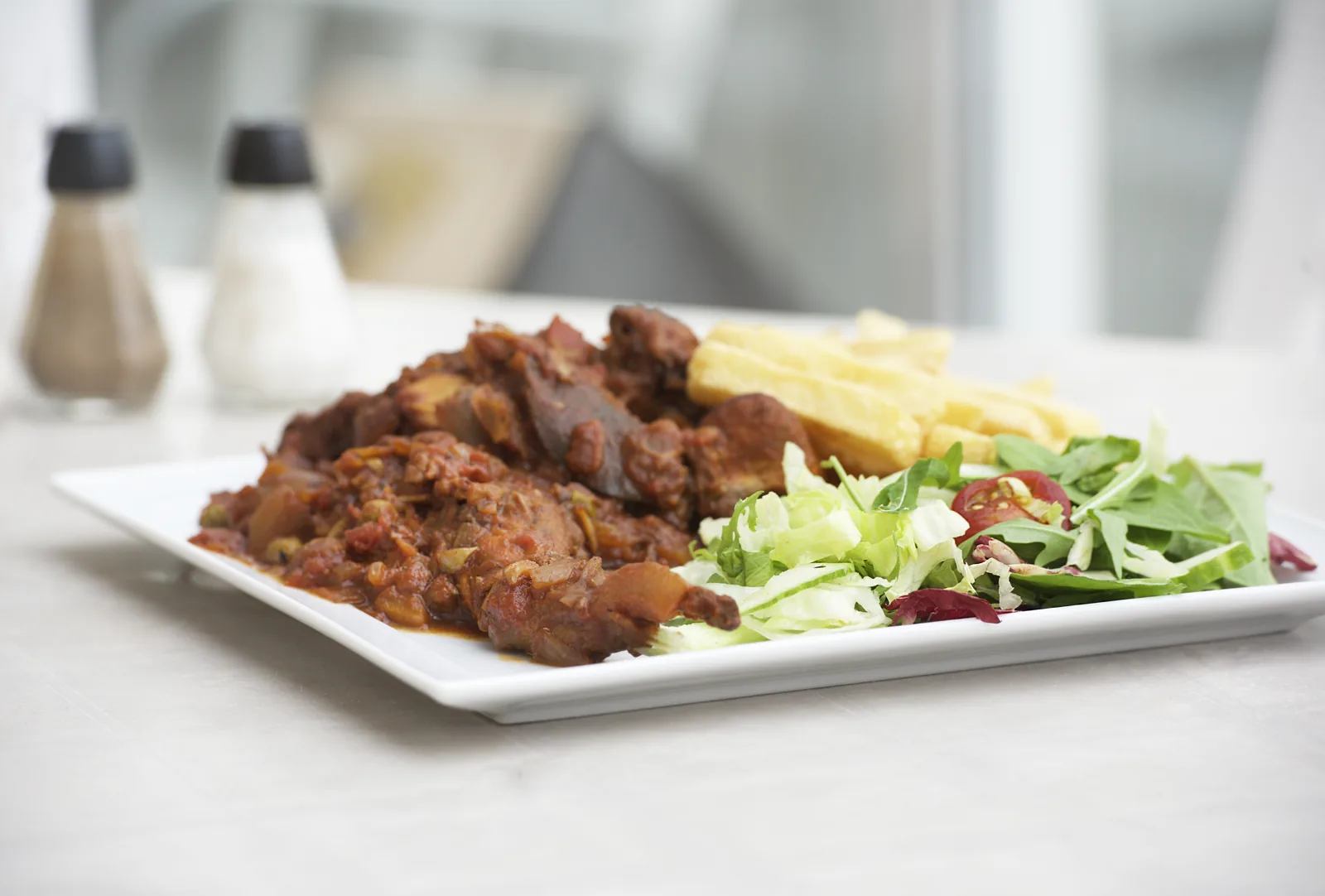
This maltese rabbit stew recipe, known in Malta as stuffat tal-fenek, starts with rabbit marinated overnight in red wine and garlic, then braised low and slow in tomato, bay and herbs until the meat slips from the bone. Potatoes, carrots and peas go into the same pot, so they soak up the dark, rich sauce. One serving is about 680 g.

Comfort & Warmth

A slow-braised rabbit stew in red wine and tomato, with potatoes, carrots and peas cooked in the sauce.

Pairs Well With
Serve with spaghetti tossed in the sauce as a first course, then the rabbit with crusty Maltese bread and a glass of dry red wine.
High Protein
Pan con tomate with jamón ibérico on toasted bread Spain flag Spain 15m
Snack & Tea •Catalan Aperitivo

Pan con Tomate & Jamón Ibérico

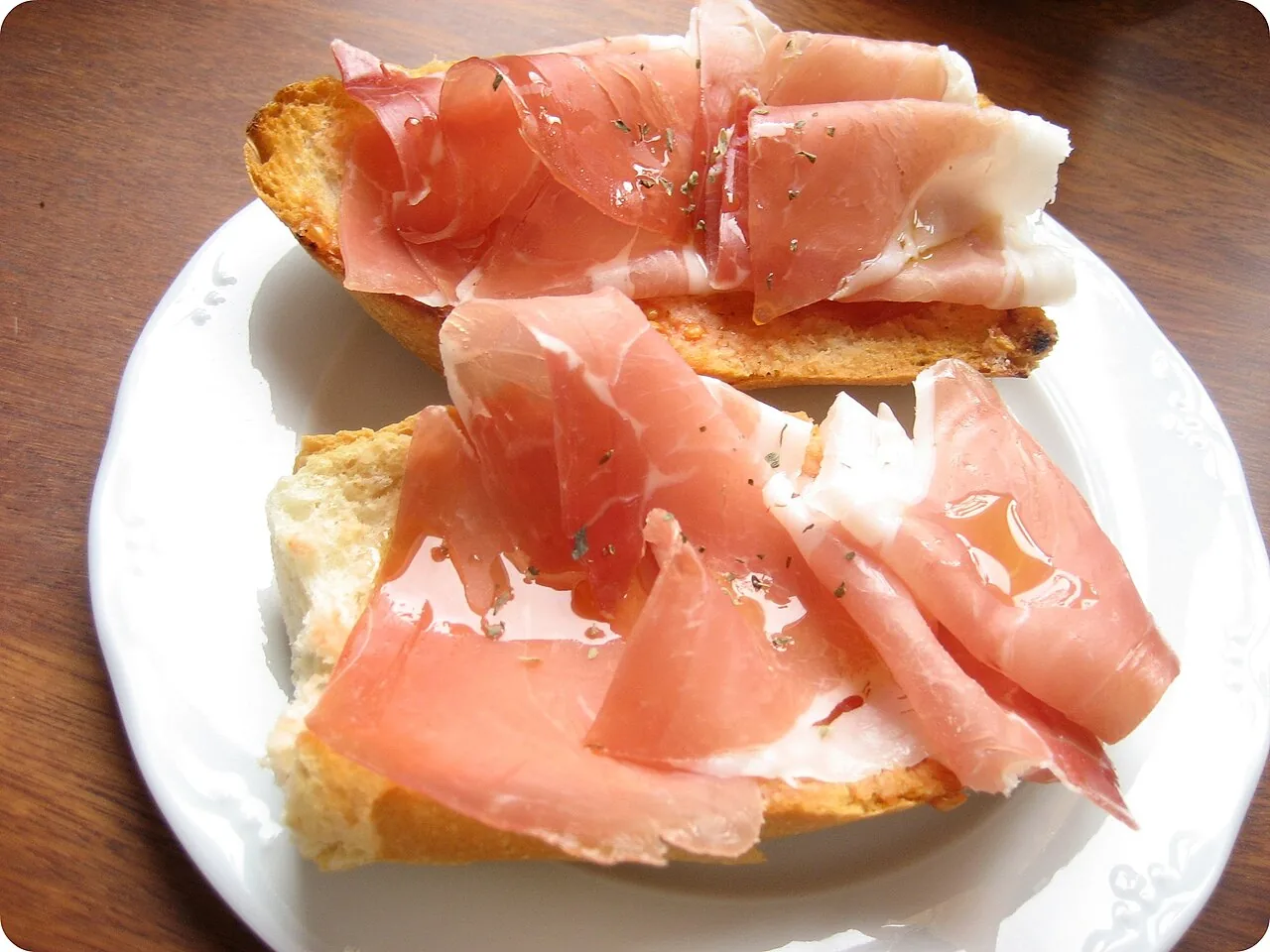
Country bread rubbed with ripe Ramallet tomato, drizzled with cold-pressed Arbequina olive oil and topped with jamón ibérico.

Vascular Health

Toasted tomato bread with jamón ibérico, olive oil and olives.

Pairs Well With
Castelvetrano Olives & Sparkling Mineral Water
Quick Prep (<30m)
Gỏi cuốn — Vietnamese fresh spring rolls with prawn and pork Vietnam flag Vietnam 1h 5m
Snack & Tea •Saigon Refresh

Gỏi Cuốn Tôm Thịt

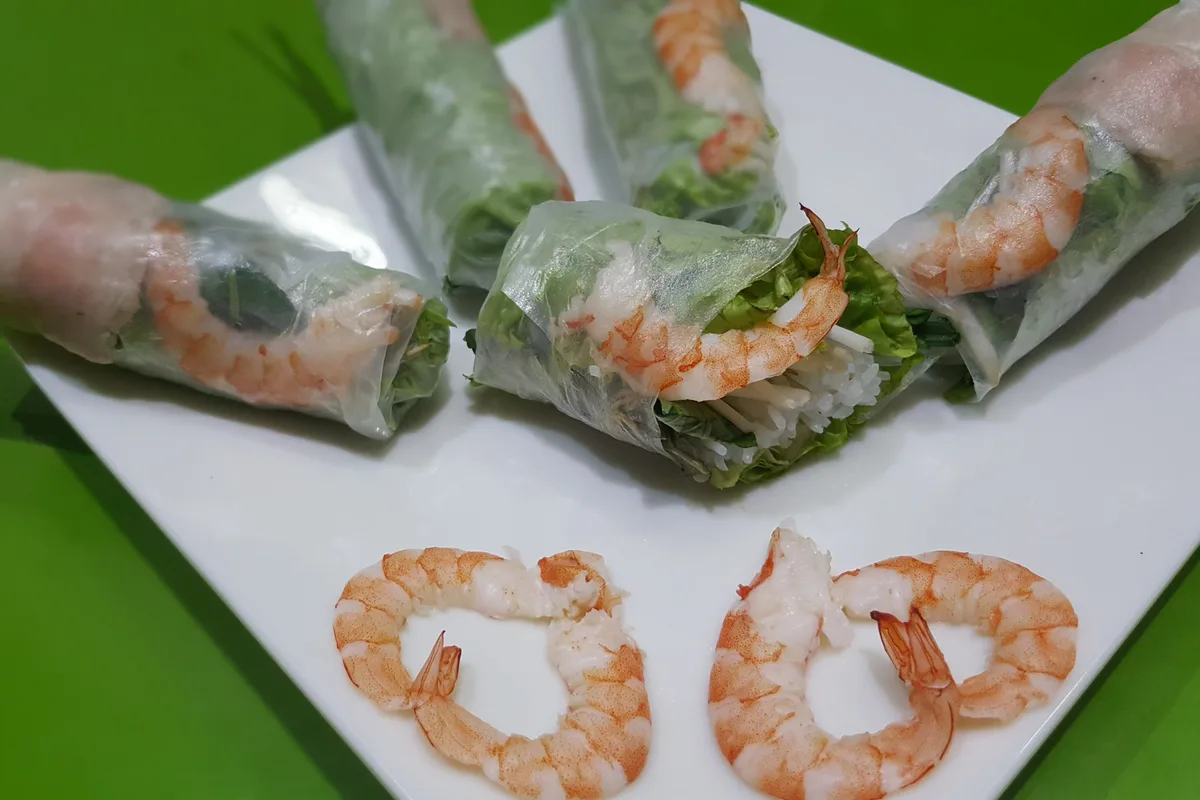
Fresh rice paper rolls filled with poached prawns, tender pork, rice vermicelli, lettuce, herbs and carrot, served with a peanut dipping sauce.

Light Digestion

Nothing is fried, so the rolls stay light and fresh — a cool, herb-filled snack for hot days.

Pairs Well With
Artisanal Peanut Dip & Fresh Lotus Root Water
High Protein

The Dinner Gazette

Never wonder what’s for dinner again

One email a week with easy dinner ideas from around the world — ingredients, steps and nutrition, tested in our kitchen first.

Delivered every Thursday morning. Unsubscribe anytime.