Curated recipes from 193 countries  •  New seasonal Mediterranean issue out now

Overview

Maltese Rabbit Stew

Stuffat tal-Fenek

This maltese rabbit stew recipe, known in Malta as stuffat tal-fenek, starts with rabbit marinated overnight in red wine and garlic, then braised low and slow in tomato, bay and herbs until the meat slips from the bone. Potatoes, carrots and peas go into the same pot, so they soak up the dark, rich sauce. One serving is about 680 g.

Stuffat tal-fenek is the national dish of Malta, and rabbit has been at the centre of Maltese cooking since the time of the Knights of St John, when hunting was restricted and rabbit became a quiet symbol of resistance. The dish grew in popularity after the hunting restrictions were lifted in the late 18th century and domestic rabbits became common and affordable. Today the stew is the heart of the fenkata, a communal rabbit feast where the sauce is first served over spaghetti and the rabbit itself follows as the main course.

Pairs well with: Serve with spaghetti tossed in the sauce as a first course, then the rabbit with crusty Maltese bread and a glass of dry red wine.

Provenance

Malta flag Malta

Malta's National Dish

Mediterranean & Italy

Time Dedication

2h 50m

30m prep • 140m cook

Batch Yield

4 Servings

668 kcal per serving

1 serving ≈ 680 g

Technical Skill

Intermediate

Medium (Slow Braise)

Meal Timing & Digestive Fit

Breakfast

Not Advised

Lunch

Hearty Midday Main

Dinner

Ideal Hearty Main

Snack & Tea

Inappropriate

High Protein Occasions: Sunday family lunches, fenkata gatherings, slow weekend cooking, dinner parties Cost: Moderate — about $5–6 per serving at home
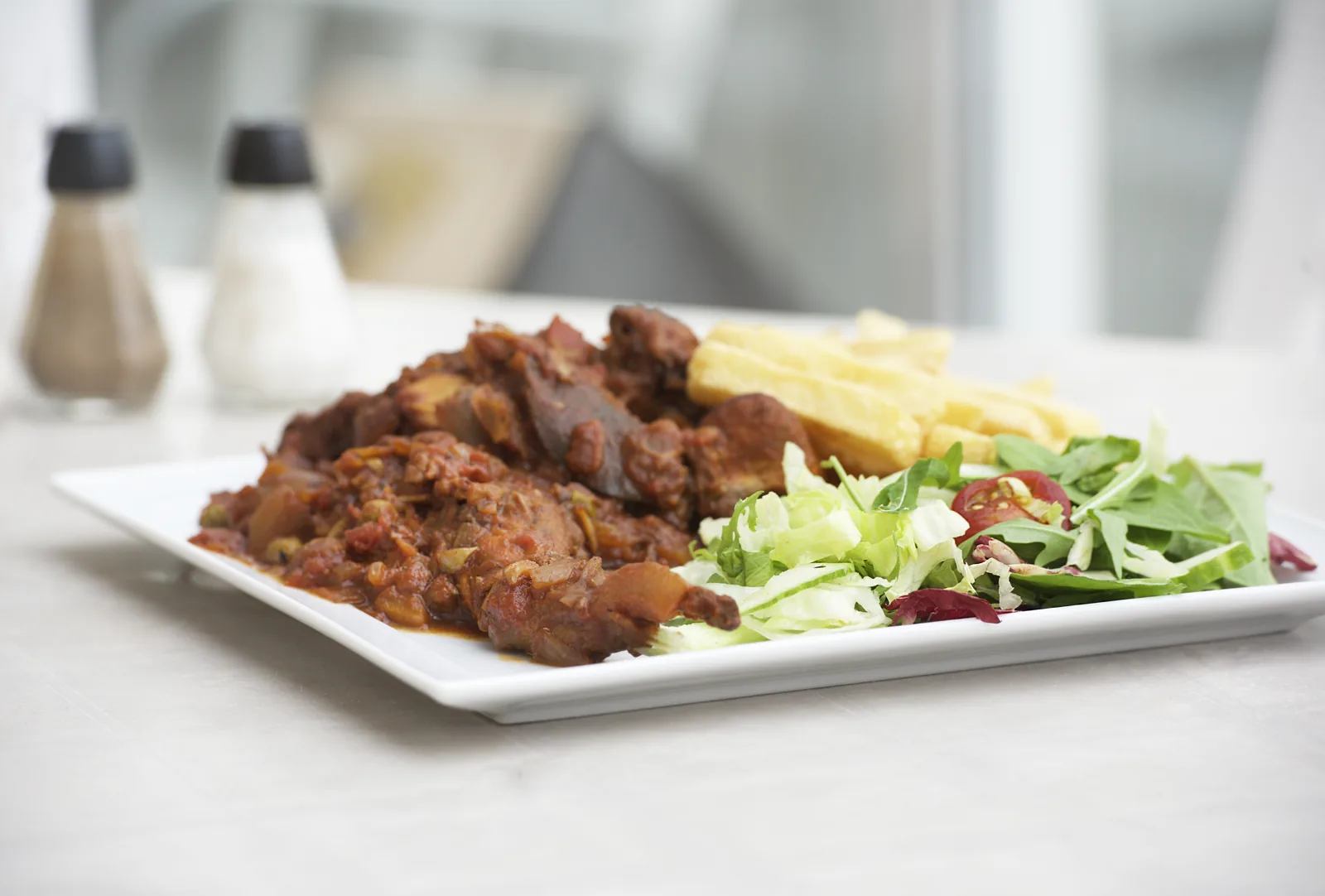
Maltese rabbit stew, stuffat tal-fenek, in a rich red tomato and wine sauce with chips and salad

Malta's National Dish

Photo: Renata Apan, CC BY-SA 4.0, via Wikimedia Commons

The Heritage Formulary

Measured Ingredients

Estimated cost: Moderate — about $5–6 per serving at home (USD)

This recipe follows the classic Maltese method: rabbit marinated overnight in red wine, browned, then braised slowly in tomato, garlic and bay.

Execution Methodology & Culinary Technique

Step-by-Step Cooking Guide

Active 2h 50m
P

Prep Stage: Joint, Marinate and Chop

30 Mins (Plus Overnight Marinating, Hands-Off)

Joint the rabbit into 8 pieces if the butcher has not done it, then mix it in a bowl with 180 ml (3/4 cup) of the red wine, the crushed garlic, 2 bay leaves, the dried herbs and half the salt and pepper. Cover and leave in the fridge overnight, or for at least 8 hours. While the rabbit marinates, there is nothing else to do; just before cooking, chop the onions, slice the remaining garlic, peel and quarter the potatoes, and slice the carrots.

Maestro Tip: The overnight marinade is what makes the rabbit tender and gives the sauce its wine depth — do not skip it or shorten it to an hour.

  1. 1

    Marinate the Rabbit Overnight

    10 Mins + Overnight Refrigerator, 4°C (40°F) or below

    Put the rabbit pieces in a large bowl with 180 ml (3/4 cup) of the red wine, 3 crushed garlic cloves, 2 bay leaves, the dried herbs and half the salt and pepper. Turn the pieces so every side is coated, cover the bowl tightly, and leave it in the fridge overnight, or for at least 8 hours. Lift the rabbit out of the marinade and pat the pieces very dry with kitchen paper; keep the marinade liquid for the pot.

    Dry rabbit browns; wet rabbit steams. Patting the pieces dry is the difference between a deep brown crust and pale, grey meat.

    Done when: The rabbit is evenly coated in the dark wine marinade and the meat smells of garlic and herbs.

  2. 2

    Brown the Rabbit

    15 Mins Medium-high heat, oil about 180°C (350°F)

    Heat the olive oil in a heavy pot or Dutch oven over medium-high heat. Brown the rabbit pieces in batches, about 3 minutes a side, until deep golden brown all over. Do not crowd the pot — pieces that touch will steam instead of browning. Lift each batch out onto a plate as it is done.

    Leave the pieces alone once they hit the oil; moving them too soon tears the crust off.

    Done when: Every piece is deep golden brown on all sides, with a crisp-looking crust.

  3. 3

    Build the Tomato and Wine Sauce

    10 Mins Medium heat, about 160°C (320°F)

    Turn the heat to medium and add the chopped onions to the same pot, scraping up the browned bits from the bottom. Cook for 5 minutes until soft and golden, then add the sliced garlic and tomato paste and stir for 1 minute until the paste darkens. Pour in the reserved marinade, the remaining 60 ml (1/4 cup) of red wine and the water, then add the canned tomatoes, the remaining bay leaf and the rest of the salt and pepper. Stir well and bring to a gentle simmer.

    Letting the tomato paste fry for a minute before the liquid goes in takes away its raw, tinny edge.

    Done when: The sauce is a deep red, bubbling gently, and smells of tomato, garlic and wine.

  4. 4

    Braise Low and Slow

    90 Mins Low heat, gentle simmer about 95°C (200°F)

    Return the rabbit pieces to the pot, pushing them down so they sit mostly covered by the sauce. Put the lid on slightly ajar, lower the heat to a gentle simmer, and cook for 90 minutes, turning the pieces once halfway through. The sauce should barely bubble — a hard boil will toughen the meat. If the sauce gets too thick, add a splash of water.

    Resist lifting the lid every few minutes; each peek lets out heat and adds cooking time.

    Done when: The rabbit is tender when a fork slides into the thickest piece with no resistance, and the meat reaches 74°C (165°F) at its thickest part.

  5. 5

    Add the Potatoes, Carrots and Peas

    25 Mins Low heat, gentle simmer about 95°C (200°F)

    Lift the lid, nestle the potato quarters and carrot rounds into the sauce around the rabbit, and simmer for 20 minutes until the potatoes are nearly tender. Stir in the peas and cook for 5 minutes more. Taste the sauce and adjust the salt and pepper — the long cooking concentrates the flavours, so season at the end, not the start.

    Push the vegetables down into the sauce rather than piling them on top, so they cook evenly and absorb the flavour.

    Done when: Potatoes are tender all the way through when pierced with a knife, carrots are soft but not mushy, and the peas are bright green.

  6. 6

    Rest and Serve

    10 Mins Off the heat, covered — serve hot, 74°C (165°F) or above

    Take the pot off the heat, fish out the bay leaves, and leave the stew covered for 10 minutes so the sauce settles and the meat relaxes. Serve the rabbit pieces with plenty of sauce, potatoes, carrots and peas, and put crusty bread on the table for mopping up.

    The stew tastes even better the next day, after the sauce has had a night to settle into the meat.

    Done when: The sauce coats a spoon thickly and the rabbit is hot right through, at 74°C (165°F) or above.

Finishing Touches & Plating

Rest the stew covered for 10 minutes, remove the bay leaves, and serve hot with crusty bread. If you are serving it the Maltese way, spoon some of the sauce over spaghetti first, then bring the rabbit to the table as the main course.
Nutritional Physiology & Benefits

Nutrition

Energy

668

kcal / serving

Protein

49g

Complete AA

Carbs

56g

Complex

Fats

23g

Healthy

Per serving (4 servings · 1 serving ≈ 680 g)
Energy668 kcal
Protein49 g
Carbohydrates56 g
Fat23 g
Fibre12.4 g
Sugar15.8 g
Sodium855 mg
Per 100g
Energy98.2 kcal
Protein7.2 g
Carbohydrates8.2 g
Fat3.4 g
Fibre1.8 g
Sugar2.3 g
Sodium126 mg

Nutrition values are estimated — calculated from USDA FoodData Central values for the listed ingredients.

Vitamins & minerals: Rabbit supplies vitamin B12, niacin, selenium, iron and phosphorus; the potatoes and carrots add vitamin C, vitamin A and potassium. Nutrition is estimated.

Lean, Filling Protein

About 48.9 g of protein per serving from the rabbit, which is a lean meat — it helps a dinner feel satisfying for hours without the heaviness of fattier meats.

Vegetables in Every Serving

Potatoes, carrots, peas, onion and tomato make up most of the plate, giving about 12.4 g of fibre per serving along with potassium and vitamin C.

Iron, B12 and Selenium

Rabbit is a useful source of iron, vitamin B12 and selenium, nutrients that support normal energy and immune function as part of a varied diet.

Food Pairings

What to Eat With

To optimize nutrient absorption and elevate the sensory depth, pair with these authentic accompaniments:

Sides

Spaghetti with Rabbit Sauce

In a Maltese fenkata the sauce is served over spaghetti as a first course, so the pasta carries the wine and tomato flavour before the rabbit itself arrives.

Crusty Maltese Bread

A dense, crusty loaf is made for this sauce — it soaks up the juices that would otherwise stay in the pot.

Vegetables

Simple Green Salad

Crisp lettuce, tomato and cucumber with a light dressing cut through the richness of the braise and refresh the palate between bites.

Drinks

Dry Red Wine

The same dry red used in the marinade matches the sauce perfectly, because the wine in the glass and the wine in the pot share the same flavour.

Full Menus

Full Menu: Spaghetti, Rabbit Stew, Fruit

Start with spaghetti tossed in the rabbit sauce, serve the stew as the main event with bread and salad, and finish with fresh seasonal fruit — the classic fenkata progression.

Complete menu

Start with spaghetti tossed in the rabbit sauce, then serve the stew with crusty Maltese bread and a simple green salad, finishing with fresh seasonal fruit.

Digestive Guardrails

What NOT to Combine

To prevent digestive distress, sluggishness, or palate clash, avoid pairing the dish with these elements:

Skipping the Overnight Marinade

Rabbit is a lean meat with little fat to keep it moist, so un-marinated pieces can turn dry and tough in the pot. The wine, garlic and herbs work slowly overnight to season and tenderise the meat. This is general information, not medical advice.

Boiling Hard Instead of Simmering Gently

A rolling boil tightens the muscle fibres and can make braised meat stringy, while the sauce reduces too fast and can catch on the bottom. A gentle simmer keeps the rabbit tender and the sauce smooth. This is general information, not medical advice.

General information only, not medical advice — consult a doctor for personal dietary decisions.

Who Should Eat It

Who Should Eat

  • General adultsA satisfying dinner as written — one serving with bread and salad is a full meal for most adults.
  • ChildrenSuitable from age 3+; the rabbit is lean and the vegetables are soft, but pick the meat off the bone carefully and cut it small, as the bones are thin.
  • ElderlyGood in a modest portion; the meat is soft and easy to chew once braised, but the dish is rich, so a smaller serving with salad suits most older diners.
  • Pregnant womenGenerally suitable when the rabbit is cooked through to 74°C (165°F) and served freshly cooked and hot; the wine is cooked for over two hours, but ask your clinician if you have concerns about alcohol in cooking.
  • Breastfeeding womenGenerally suitable; the protein, iron and B12 are useful, and one serving with bread and salad makes a complete meal.
  • AthletesA strong post-training dinner — about 48.9 g of protein and 55.9 g of carbohydrate per serving; add extra bread if you need more energy.
  • Weight gainA good choice — the dish is energy-dense at 668 kcal a serving, so a full portion with bread adds calories easily.
  • Weight lossKeep to a smaller portion of rabbit and sauce with a large salad and skip the bread; at 668 kcal a serving it is rich, so portion size matters.

Health Conditions — Adjust or Avoid

Conditions

  • DiabetesThe potatoes supply most of the 55.9 g of carbohydrate per serving; a smaller portion of potato with extra salad and vegetables helps keep the meal lighter. Ask your clinician about portions.
  • High blood pressureOne serving has about 855 mg of sodium, mostly from the added salt and canned tomatoes; use low-sodium tomatoes and go easy on added salt. Ask your clinician about your daily sodium limit.
  • Kidney diseaseThe dish is high in protein and potassium, so keep the portion small if your clinician has advised limits, and ask about portion size.
  • GoutRabbit is moderately high in purines; a smaller serving with plenty of vegetables, salad and water is a safer way to enjoy it. Ask your clinician about how often game meat fits your diet.
  • Stomach issuesThe tomato, wine and garlic sauce can be heavy for a sensitive stomach; a smaller portion, well rested and not too hot, is usually easier. Ask your clinician if symptoms persist.
  • Cardiovascular diseaseRabbit is lean, but the dish is rich in energy and the sauce is salty; a smaller portion with salad, and going easy on the bread, lightens it. Ask your clinician about your overall fat and sodium intake.
  • Fatty liverThe stew is cooked in a modest amount of olive oil, but the potatoes and bread add a lot of energy; keep the portion moderate and favour the vegetables. Ask your clinician about dietary changes.
  • Food allergiesContains sulphites from the red wine. The dish as written is free of gluten, milk, egg, nuts and fish, but check the bread and pasta you serve with it. Ask your clinician before serving to someone with a food allergy.
  • Special therapeutic dietsNot suitable as written for alcohol-free diets, since the sauce is built on red wine; a wine-free version with stock and extra tomato can be made, but the flavour will differ. Ask your clinician or dietitian before adapting it.

If you have a medical condition, consult your doctor before changing your diet.

Storage & Use

Storage & Use

How to store
Cool the stew to room temperature within 2 hours, then move it to airtight containers with the meat covered in sauce so it does not dry out.
In the fridge
3–4 days in the fridge.
In the freezer
Up to 3 months; freeze in single portions with the sauce.
How to reheat
Reheat gently on the stove over low heat until steaming hot throughout, to 74°C (165°F), about 15–20 minutes; add a splash of water if the sauce has thickened.
Freezing recommended
Yes, in single portions for up to 3 months; the flavour improves after a night in the fridge, and the stew freezes well.
Signs it has spoiled
Sour or off smell, slimy surface on the meat, mould, or a grey, dull sauce.

More recipes to explore

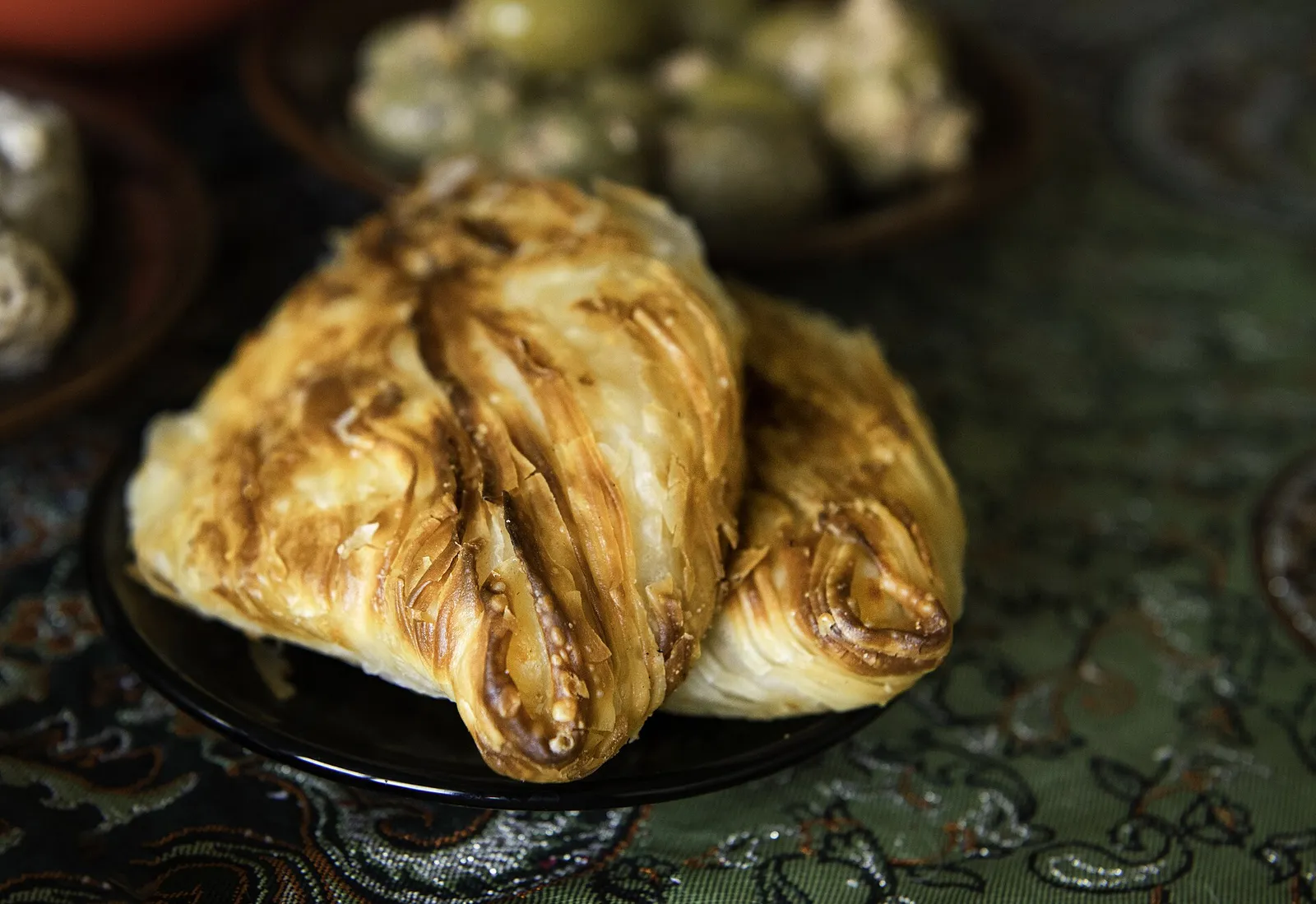
Two golden flaky Maltese pastizzi on a small dark plate Malta flag Malta 1h 25m
Snack & Tea •Malta Heritage

Maltese Pastizzi

Pastizzi are Malta's national snack: diamond-shaped parcels of flaky, filo-style pastry filled with creamy ricotta or curried mushy peas, baked until golden and shatteringly crisp. This pastizzi recipe makes both classic fillings — ten ricotta pastizzi tal-irkotta and ten pea pastizzi tal-piżelli — using filo sheets layered with melted butter, the home cook's shortcut to the traditional dough that is stretched and folded with layers of fat, again and again, until it flakes. One serving (two pastizzi, one of each) is about 104 g.

Flaky & Satisfying

Crisp, shattering filo-style pastry wrapped around creamy ricotta or warmly spiced mushy peas — Malta's beloved street snack, made at home.

Pairs Well With
Chilled Kinnie & tomato salad
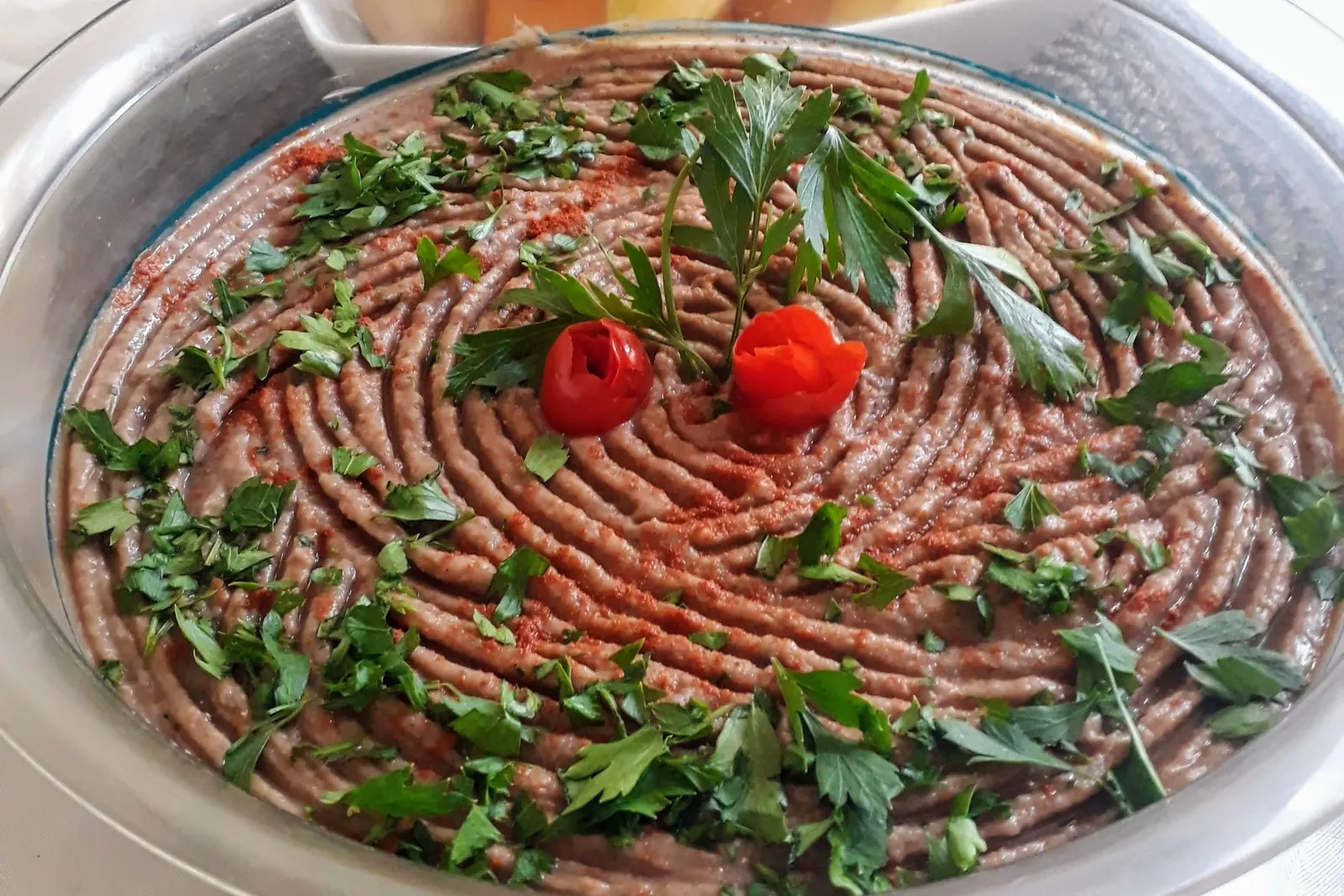
A glass bowl of Maltese bigilla — swirled broad bean dip topped with chopped parsley, paprika and red chilli Malta flag Malta 1h 15m
Snack & Tea •Malta Mezze Classic

Maltese Bigilla

Bigilla is Malta's traditional broad bean dip — dried fava beans soaked overnight, simmered until falling-apart soft, then mashed with garlic, olive oil, lemon, chilli and fresh herbs into a thick, earthy paste. It is not hummus: the base is broad bean, not chickpea, so the flavour is deeper and more rustic, with a warm chilli finish instead of tahini. Served cold with galletti crackers or crusty Maltese bread, it is the centrepiece of a Maltese mezze. One serving is about 84 g.

Plant Protein Snack

Dried broad beans mashed with garlic, olive oil, lemon and herbs into a thick, savoury dip.

Pairs Well With
Galletti crackers, crusty Maltese bread and olives
Bœuf bourguignon — French beef braised in red wine France flag France 4h
Dinner •Burgundy Terroir

Bœuf Bourguignon

Beef braised gently in red wine until the connective tissue melts into a velvet, gelatin-rich sauce — the classic Burgundy Sunday dinner.

Cellular Repair

Beef braised in red wine until spoon-tender, with mushrooms and pearl onions.

Pairs Well With
Parsnip Purée & Steamed French Haricots Verts
High Protein
Vietnamese braised pork belly with golden eggs in caramel sauce Vietnam flag Vietnam 1h 45m
Dinner •One Pot

Vietnamese Braised Pork and Eggs

Pork belly slowly braised in coconut water and caramel until meltingly tender, with golden eggs that soak up the sweet-savoury sauce — the Vietnamese family dish that tastes better the next day.

Comfort & Sustained Energy

Slow-braised pork belly and eggs in coconut water and caramel.

Pairs Well With
Steamed rice & pickled mustard greens
High Protein

The Dinner Gazette

Never wonder what’s for dinner again

One email a week with easy dinner ideas from around the world — ingredients, steps and nutrition, tested in our kitchen first.

Delivered every Thursday morning. Unsubscribe anytime.