Curated recipes from 193 countries  •  New seasonal Mediterranean issue out now

Overview

Maltese Pastizzi

Pastizzi tal-irkotta (ricotta pastizzi); Pastizzi tal-piżelli (pea pastizzi); Pastizz (singular)

Pastizzi are Malta's national snack: diamond-shaped parcels of flaky, filo-style pastry filled with creamy ricotta or curried mushy peas, baked until golden and shatteringly crisp. This pastizzi recipe makes both classic fillings — ten ricotta pastizzi tal-irkotta and ten pea pastizzi tal-piżelli — using filo sheets layered with melted butter, the home cook's shortcut to the traditional dough that is stretched and folded with layers of fat, again and again, until it flakes. One serving (two pastizzi, one of each) is about 104 g.

Pastizzi are the snack Malta runs on, sold hot from small shops called pastizzerija all over the islands, often late into the night. The pastry is the heart of it: a simple dough of flour, water and salt, stretched thin and folded again and again with layers of fat in between, much like Greek phyllo, until it bakes into crisp, shattering leaves. There are two classic fillings, and the shape tells you which is which — the ricotta pastizzi tal-irkotta are folded into diamonds, and the pea pastizzi tal-piżelli, filled with a mushy, lightly curried pea mash, are folded into rounded half-moons. Maltese families commonly make them in bulk and keep the raw pastizzi in the freezer, ready to bake whenever someone is hungry.

Pairs well with: Chilled Kinnie & tomato salad

Provenance

Malta flag Malta

Malta Heritage

Mediterranean & Italy

Time Dedication

1h 25m

60m prep • 25m cook

Batch Yield

10 Servings

271 kcal per serving

1 serving ≈ 104 g

Technical Skill

Intermediate

Intermediate (Filo & Shaping)

Meal Timing & Digestive Fit

Breakfast

Not Advised

Lunch

Inappropriate

Dinner

Inappropriate

Snack & Tea

Ideal Light Bite

Occasions: Afternoon snack, street food, picnics, party finger food, late-night snack, bake sales Cost: Low — about $1 per serving at home
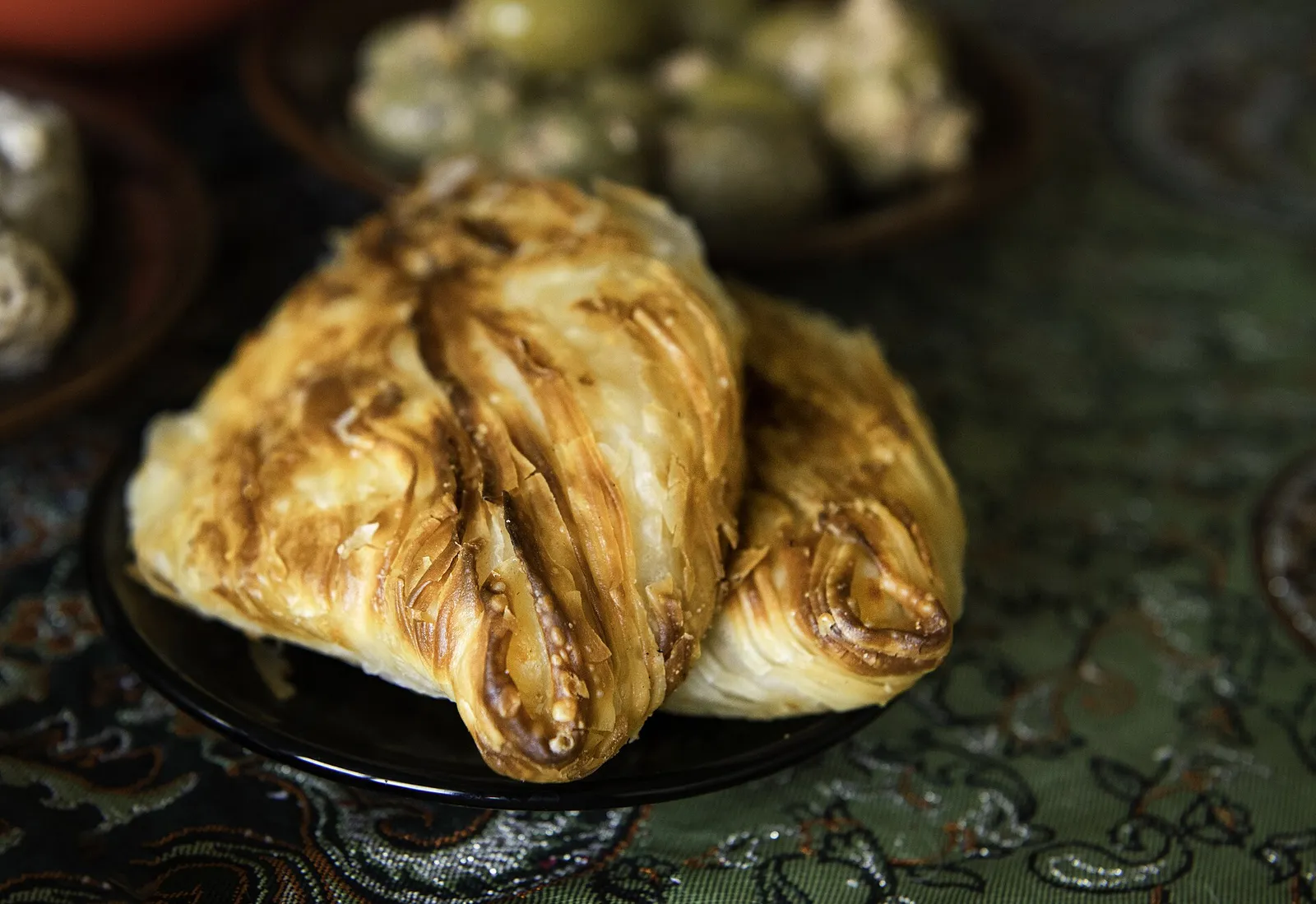
Two golden flaky Maltese pastizzi on a small dark plate

Malta Heritage

Photo: Renata Apan, CC BY-SA 4.0, via Wikimedia Commons

The Heritage Formulary

Measured Ingredients

Estimated cost: Low — about $1 per serving at home (USD)

A true pastizz shatters when bitten — crisp, golden layers outside, creamy ricotta or soft curried peas inside.

Execution Methodology & Culinary Technique

Step-by-Step Cooking Guide

Active 1h 25m
P

Prep Stage: Peas Simmering, Fillings Mixed, Filo Layered

60 Mins • Simmering, Mixing, Layering, Shaping

Rinse the split peas and simmer them in 500 ml (2 cups) of water for about 25 minutes until they collapse into a soft mash, then drain. While they cook, mix the ricotta with the beaten egg, parmesan, nutmeg, 2 g of salt and the pepper. For the pea filling, soften the diced onion in the olive oil, stir in the curry powder, then mash in the drained peas with 3 g of salt until thick and spreadable. Lay out the filo in two stacks of six sheets, brushing every sheet with melted butter, and cut each stack into 10 rectangles. Work with one stack at a time and keep the rest covered, or the filo dries out and cracks.

Maestro Tip: Make the pea filling first and let it cool completely — warm filling melts the butter between the filo layers and the pastizzi will not flake.

  1. 1

    Cook the Peas Until Mushy

    25 Mins • Saucepan Gentle simmer, about 95°C (200°F)

    Rinse the split peas, tip them into a saucepan with 500 ml (2 cups) of cold water, and bring to a gentle simmer. Cook for about 25 minutes, stirring now and then, until the peas are soft and falling apart into a thick mash. Drain well in a sieve and leave to cool — the filling must be cold before it meets the pastry.

    Do not add salt to the pea cooking water; salted too early, dried peas stay tough. The salt goes in when you mash them.

    Done when: Peas soft enough to crush easily between finger and thumb, with no hard centres.

  2. 2

    Make Both Fillings

    10 Mins • Two Bowls Room temperature

    For the ricotta filling, stir the ricotta, beaten egg, parmesan, nutmeg, 2 g of salt and the pepper together until smooth and thick. For the pea filling, warm the olive oil in a small pan, soften the diced onion for 4–5 minutes until translucent, stir in the curry powder for 30 seconds, then mash in the cooled peas with 3 g of salt until you have a thick, spreadable paste. Taste the pea filling and add a little more salt if it needs it — it should taste well seasoned on its own.

    Both fillings should be thick enough to hold a spoon upright. A runny filling leaks in the oven and glues the layers together.

    Done when: Ricotta filling smooth and spoonable; pea filling a thick, fragrant mash that holds its shape.

  3. 3

    Layer the Filo

    15 Mins • Work Surface Room temperature

    Heat the oven to 220°C (425°F) and line two baking trays with baking paper. Unroll the filo and divide it into two stacks of six sheets. Working with one stack at a time and keeping the other covered with a damp tea towel, lay the first sheet down and brush it all over with melted butter. Lay the next sheet on top, brush again, and repeat until all six sheets are layered. Cut the stack into 10 rectangles, about 13 cm (5 in) across. Repeat with the second stack, so you have 20 rectangles in total.

    Brush right to the edges — dry corners are the ones that burn first, and butter is what turns the layers crisp and golden.

    Done when: Two stacks of six buttered sheets each, cut into 20 neat rectangles, edges still supple.

  4. 4

    Shape the Diamonds and Half-Moons

    15 Mins • Work Surface Room temperature

    Take one rectangle at a time. For the 10 ricotta pastizzi, spoon about a heaped tablespoon (about 33 g) of ricotta filling into the centre, then fold the two opposite corners in to meet over the filling and pinch the two ends into points — the classic diamond shape. For the 10 pea pastizzi, spread about a heaped tablespoon (about 35 g) of pea filling in a log down the centre, fold the rectangle in half over it, and pinch the rounded edge shut to make a half-moon. That is how Maltese bakers tell them apart: diamonds are ricotta, half-moons are peas. Set them on the lined trays, seam-side down.

    Do not overfill — a heaped tablespoon is enough. Overfilled pastizzi burst open in the oven and the filling dries out.

    Done when: 10 neat diamonds and 10 neat half-moons, edges pinched shut, no filling peeking out.

  5. 5

    Bake Until Deep Gold

    22 Mins • Oven 220°C (425°F)

    Brush the tops of the pastizzi with the remaining melted butter. Bake for 20–25 minutes until puffed, deep golden brown and flaky, swapping the trays halfway through if your oven browns unevenly. The layers should look crisp and separated, like fine shavings of pastry.

    Do not open the oven in the first 10 minutes — the layers are still puffing and a blast of cool air can flatten them.

    Done when: Deep golden, crisp and flaky all over; the filling inside is steaming hot and has reached at least 74°C (165°F) — the egg in the ricotta filling must be fully cooked.

  6. 6

    Rest and Serve Hot

    5 Mins • Cooling Rack Room temperature

    Move the pastizzi to a rack and rest for 5 minutes. The filling is scalding straight from the oven and needs a moment to settle, and the pastry stays crisp while it does.

    Eat them warm, within the first hour — that is when the layers shatter and the filling is at its creamiest. This is how they are sold from the pastizzerija: hot, in a paper bag, eaten on the street.

    Done when: Cool enough to hold, still warm inside, layers crisp to the touch.

Finishing Touches & Plating

Serve two per person, one diamond and one half-moon, hot from the oven, with a cold Kinnie or a tomato salad on the side. Break one open at the table — the layers should shatter and fall away in crisp flakes.
Nutritional Physiology & Benefits

Nutrition

Energy

271

kcal / serving

Protein

8g

Complete AA

Carbs

25g

Complex

Fats

16g

Healthy

Per serving (10 servings · 1 serving ≈ 104 g)
Energy271 kcal
Protein8 g
Carbohydrates25 g
Fat16 g
Fibre3.5 g
Sugar0.9 g
Sodium415 mg
Per 100g
Energy261 kcal
Protein8 g
Carbohydrates23.9 g
Fat15 g
Fibre3.4 g
Sugar0.8 g
Sodium399 mg

Nutrition values are estimated — calculated from USDA FoodData Central values for the listed ingredients.

Vitamins & minerals: Calcium (ricotta, parmesan), folate, iron and thiamin (split peas), vitamin A (butter, egg) and vitamin B12 (egg, ricotta).

Steady Energy from Peas

The pea half-moons bring 3.5 g of fibre per serving from the split peas, so a pair of pastizzi keeps you going longer than a plain pastry would.

Calcium from Ricotta

The ricotta filling supplies calcium from the cheese, which supports normal bones and teeth as part of an ordinary varied diet.

Simple, Recognisable Ingredients

Filo, butter, ricotta, peas, onion and a few spices — nothing ultra-processed, no additives, and everything in the recipe is an ingredient you can buy and name.

Food Pairings

What to Eat With

To optimize nutrient absorption and elevate the sensory depth, pair with these authentic accompaniments:

Drinks

Chilled Kinnie

Kinnie is Malta's own bittersweet orange soft drink, and it is the classic pastizzerija partner. Its bitter-orange bite and fizz cut straight through the buttery pastry and refresh the palate between bites.

Mint Tea

Unsweetened mint tea, served hot or iced, is the gentle match: its cool herbal note cleanses the palate after the buttery layers, and it keeps the whole snack light.

Vegetables

Tomato and Cucumber Salad

A simple salad of sliced tomato, cucumber, red onion and a splash of vinegar brings cool acidity to a rich, hot pastry. The freshness balances the butter, and the crunch contrasts with the soft filling.

Sides

Hobz biz-Zejt

A slice of Maltese bread rubbed with tomato and olive oil is the island's other everyday snack, and it turns two pastizzi into a proper light lunch without adding another rich dish to the plate.

Complete menu

Two warm pastizzi, one ricotta diamond and one pea half-moon, with a tomato and cucumber salad and a chilled Kinnie — a complete Maltese snack that needs nothing else.

Digestive Guardrails

What NOT to Combine

To prevent digestive distress, sluggishness, or palate clash, avoid pairing the dish with these elements:

Heavy Creamy Dips Over the Pastry

Pouring a thick sauce over pastizzi soaks the crisp layers soft and piles saturated fat onto an already rich pastry. Keep any dip on the side, where it belongs. This is a cooking note, not medical advice.

Very Sugary Drinks with a Rich Pastry

A large sweetened soft drink with pastries that already carry 24.9 g of carbohydrate per serving adds a fast sugar load on top of a rich snack, which can leave you sluggish and is unhelpful for blood-sugar control. Kinnie, tea or water is the kinder match. This is general information, not medical advice.

Leaving Them Out for Hours

Pastizzi contain egg and ricotta, so they should not sit at room temperature for more than 2 hours — bacteria grow quickly in a warm, moist filling. Eat them hot, or chill and reheat properly. This is a food-safety note, not medical advice.

General information only, not medical advice — consult a doctor for personal dietary decisions.

Who Should Eat It

Who Should Eat

  • General adultsA satisfying snack or light lunch — two pastizzi with a tomato salad make a complete small meal.
  • ChildrenUsually a hit: mild, hand-held and fun to eat, and the pea version is a gentle way to eat legumes. Cut one open to check it is not too hot inside, and one pastizz is plenty for a small child.
  • ElderlySoft fillings and easy to eat once the crisp layers are broken, with protein and calcium from the ricotta. Serve one pastizz with salad if appetite is small, and watch the salt.
  • Pregnant womenFine when baked right through — the egg in the ricotta filling must reach 74°C (165°F) inside. Eat freshly baked and hot; skip any that have sat out for hours.
  • Breastfeeding womenA filling, energy-rich snack that suits the extra calories of breastfeeding. Pair with salad and water rather than a second helping.
  • AthletesA useful quick snack between sessions: carbohydrate for energy plus some protein and fibre from the peas. Add the tomato salad for extra vegetables.
  • Weight gainAt 271 kcal a serving with a good mix of carbohydrate and fat, two pastizzi are a genuinely useful way to add energy without forcing down large volumes of food.
  • Weight lossRich and filling, so portion matters: one pastizz with a big salad is a smarter plate than two pastizzi alone. Save the full two-pastizz serving for an active day.

Health Conditions — Adjust or Avoid

Conditions

  • DiabetesOne serving carries 24.9 g of carbohydrate, mostly from the pastry, so it raises blood sugar. One pastizz with salad is a more manageable portion, and the pea version's fibre helps a little. Ask your clinician about portion size.
  • High blood pressureAt 415 mg of sodium per serving, this is a salty snack — the filo itself carries much of it. Skip extra salt and balance the day with lower-sodium foods. Ask your clinician about sodium limits.
  • Kidney diseaseModerate in protein (8.3 g) but notable in sodium (415 mg) and potassium from the peas, both of which many kidney diets limit. Portions and frequency matter — ask your clinician before making it a regular snack.
  • GoutPeas and yeasted-style pastry both contribute purines, so a large serving can add to uric acid load. Keep portions modest and infrequent if gout flares are a problem. Ask your clinician for personal advice.
  • Stomach issuesRich, buttery pastry can feel heavy and may trigger reflux or indigestion, especially eaten fast or late at night, and peas can cause gas for some people. Eat slowly, in the daytime, and try the ricotta version first. Ask your clinician if symptoms persist.
  • Cardiovascular diseaseWith 15.6 g of fat per serving, including saturated fat from butter and cheese, this is an occasional treat rather than an everyday snack for most heart-conscious diets. Ask your clinician about how often it fits your plan.
  • Fatty liverA rich pastry with refined flour and saturated fat is not a liver-friendly staple. Enjoy it occasionally, keep the portion to one pastizz, and load the plate with salad. Ask your clinician for guidance.
  • Food allergiesContains gluten (wheat filo), egg and milk (butter, ricotta, parmesan). Peas are legumes, so anyone with a pea or legume allergy should avoid the pea version. Check with the cook about cross-contact in shared kitchens.
  • Special therapeutic dietsNot suitable for gluten-free or dairy-free therapeutic diets as written, and the ricotta version is not vegan. Any adaptation changes the dish, so ask your clinician or dietitian before substituting.

If you have a medical condition, consult your doctor before changing your diet.

Storage & Use

Storage & Use

How to store
Cool completely on a rack, uncovered, so the layers stay crisp, then store in a paper bag or a loosely covered container — never seal warm pastizzi in plastic.
In the fridge
3 days, in a covered container.
In the freezer
1 month, wrapped individually in foil then placed in a freezer bag; thaw overnight in the fridge. Unbaked pastizzi freeze best — freeze them on a tray, then bag them, and bake from frozen.
How to reheat
Reheat in a 180°C (350°F) oven for 10–12 minutes until hot all the way through, to 74°C (165°F); the oven re-crisps the layers — the microwave makes them soft and soggy.
Freezing recommended
Yes — the Maltese themselves make pastizzi in bulk and freeze them raw; bake from frozen at 220°C (425°F) for 25–30 minutes until golden and piping hot.
Signs it has spoiled
Sour or off smell, slimy or sticky pastry, mould, or a filling that smells stale — discard, do not taste to check.

More recipes to explore

Maltese rabbit stew, stuffat tal-fenek, in a rich red tomato and wine sauce with chips and salad Malta flag Malta 2h 50m
Dinner •Malta's National Dish

Maltese Rabbit Stew

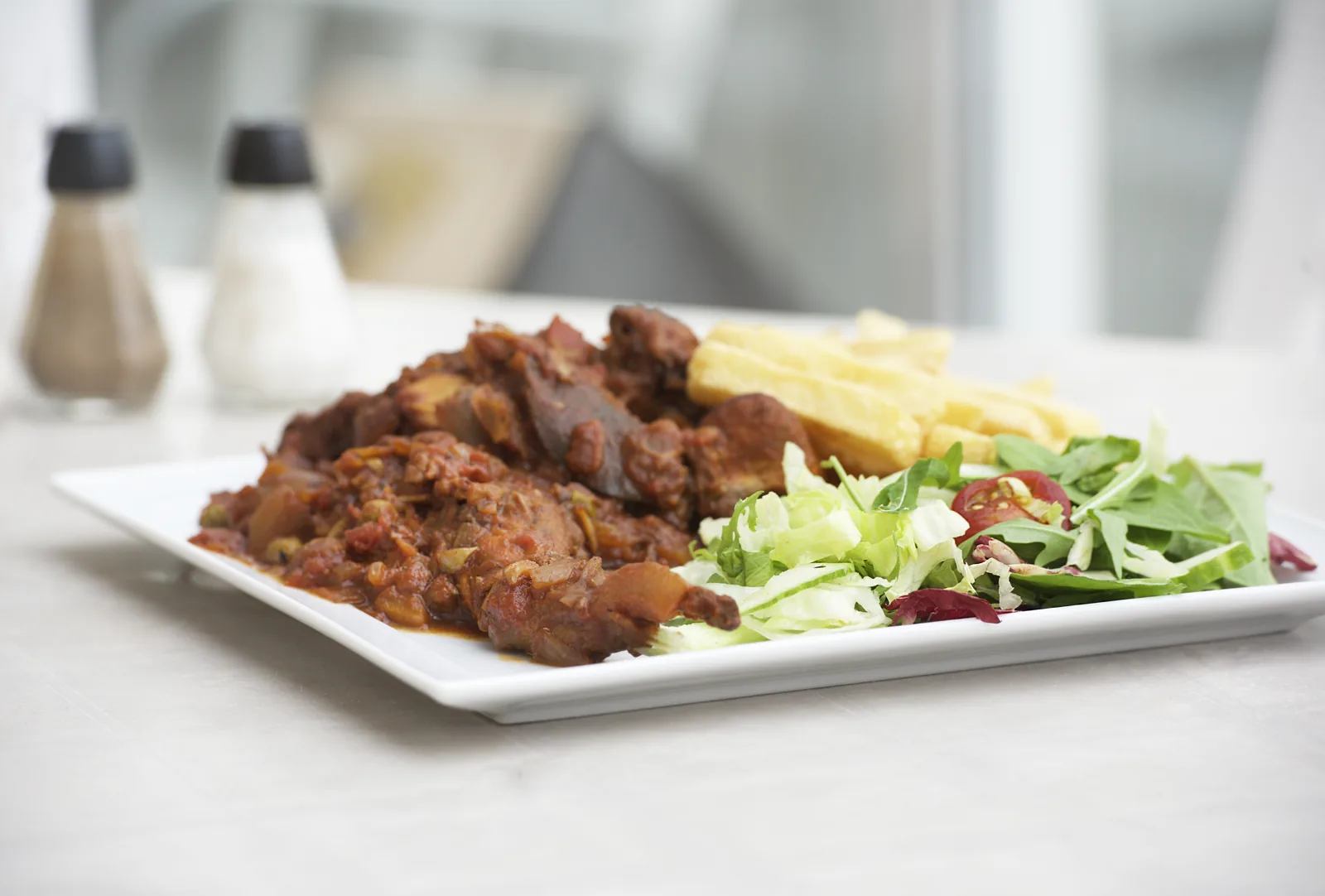
This maltese rabbit stew recipe, known in Malta as stuffat tal-fenek, starts with rabbit marinated overnight in red wine and garlic, then braised low and slow in tomato, bay and herbs until the meat slips from the bone. Potatoes, carrots and peas go into the same pot, so they soak up the dark, rich sauce. One serving is about 680 g.

Comfort & Warmth

A slow-braised rabbit stew in red wine and tomato, with potatoes, carrots and peas cooked in the sauce.

Pairs Well With
Serve with spaghetti tossed in the sauce as a first course, then the rabbit with crusty Maltese bread and a glass of dry red wine.
High Protein
A glass bowl of Maltese bigilla — swirled broad bean dip topped with chopped parsley, paprika and red chilli Malta flag Malta 1h 15m
Snack & Tea •Malta Mezze Classic

Maltese Bigilla

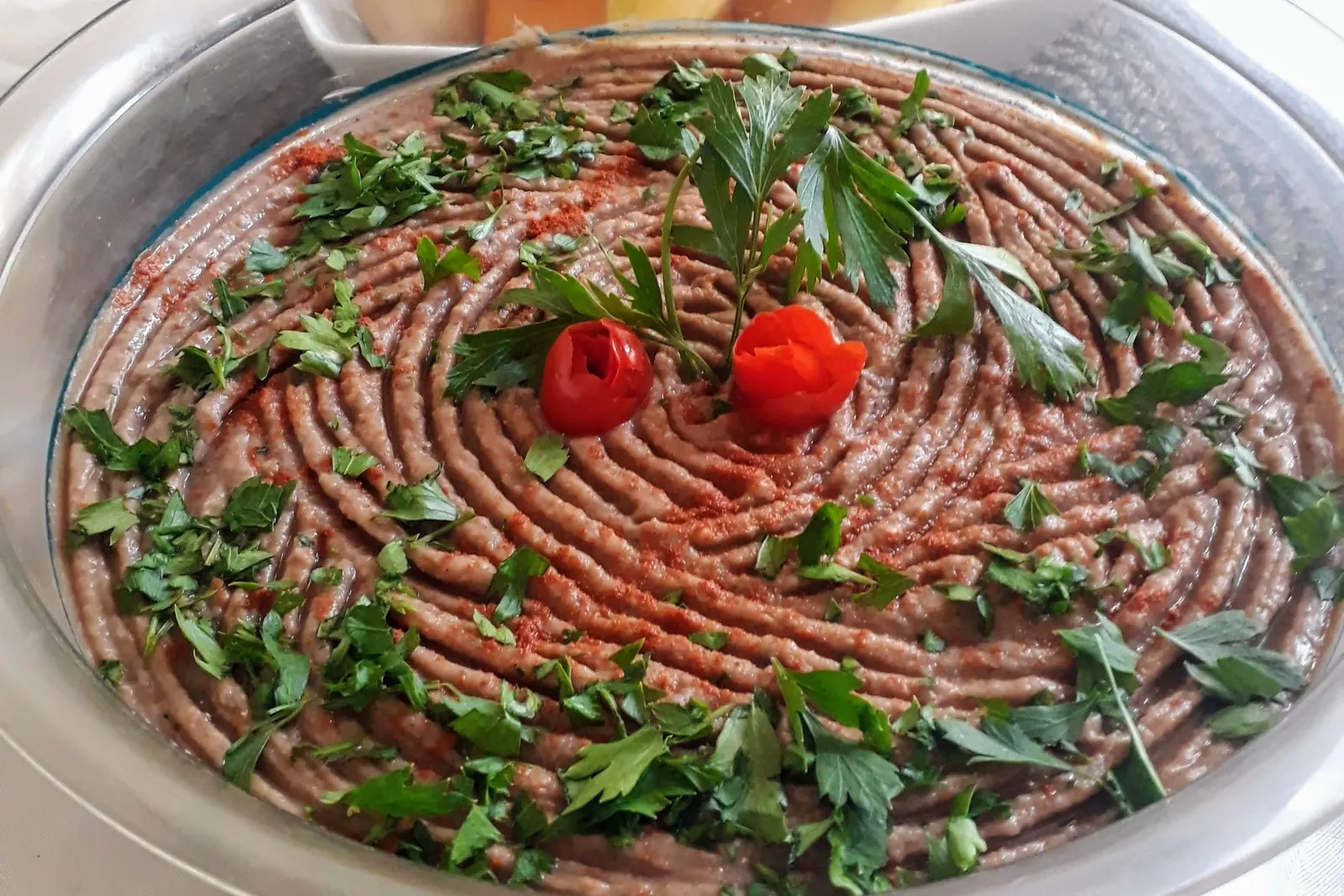
Bigilla is Malta's traditional broad bean dip — dried fava beans soaked overnight, simmered until falling-apart soft, then mashed with garlic, olive oil, lemon, chilli and fresh herbs into a thick, earthy paste. It is not hummus: the base is broad bean, not chickpea, so the flavour is deeper and more rustic, with a warm chilli finish instead of tahini. Served cold with galletti crackers or crusty Maltese bread, it is the centrepiece of a Maltese mezze. One serving is about 84 g.

Plant Protein Snack

Dried broad beans mashed with garlic, olive oil, lemon and herbs into a thick, savoury dip.

Pairs Well With
Galletti crackers, crusty Maltese bread and olives
Pan con tomate with jamón ibérico on toasted bread Spain flag Spain 15m
Snack & Tea •Catalan Aperitivo

Pan con Tomate & Jamón Ibérico

Country bread rubbed with ripe Ramallet tomato, drizzled with cold-pressed Arbequina olive oil and topped with jamón ibérico.

Vascular Health

Toasted tomato bread with jamón ibérico, olive oil and olives.

Pairs Well With
Castelvetrano Olives & Sparkling Mineral Water
Quick Prep (<30m)
Gỏi cuốn — Vietnamese fresh spring rolls with prawn and pork Vietnam flag Vietnam 1h 5m
Snack & Tea •Saigon Refresh

Gỏi Cuốn Tôm Thịt

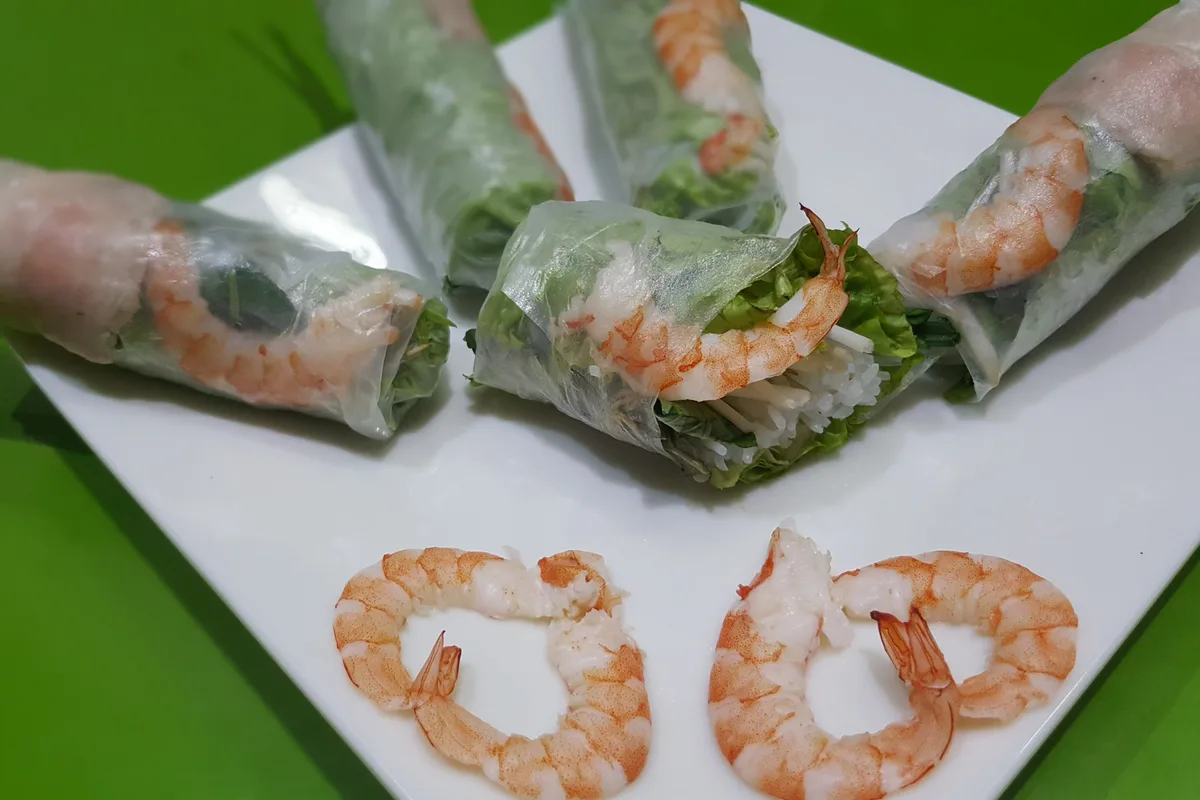
Fresh rice paper rolls filled with poached prawns, tender pork, rice vermicelli, lettuce, herbs and carrot, served with a peanut dipping sauce.

Light Digestion

Nothing is fried, so the rolls stay light and fresh — a cool, herb-filled snack for hot days.

Pairs Well With
Artisanal Peanut Dip & Fresh Lotus Root Water
High Protein

The Dinner Gazette

Never wonder what’s for dinner again

One email a week with easy dinner ideas from around the world — ingredients, steps and nutrition, tested in our kitchen first.

Delivered every Thursday morning. Unsubscribe anytime.