
Curated recipes from 193 countries  •  New seasonal Mediterranean issue out now

Overview

Menemen

Turkish scrambled eggs

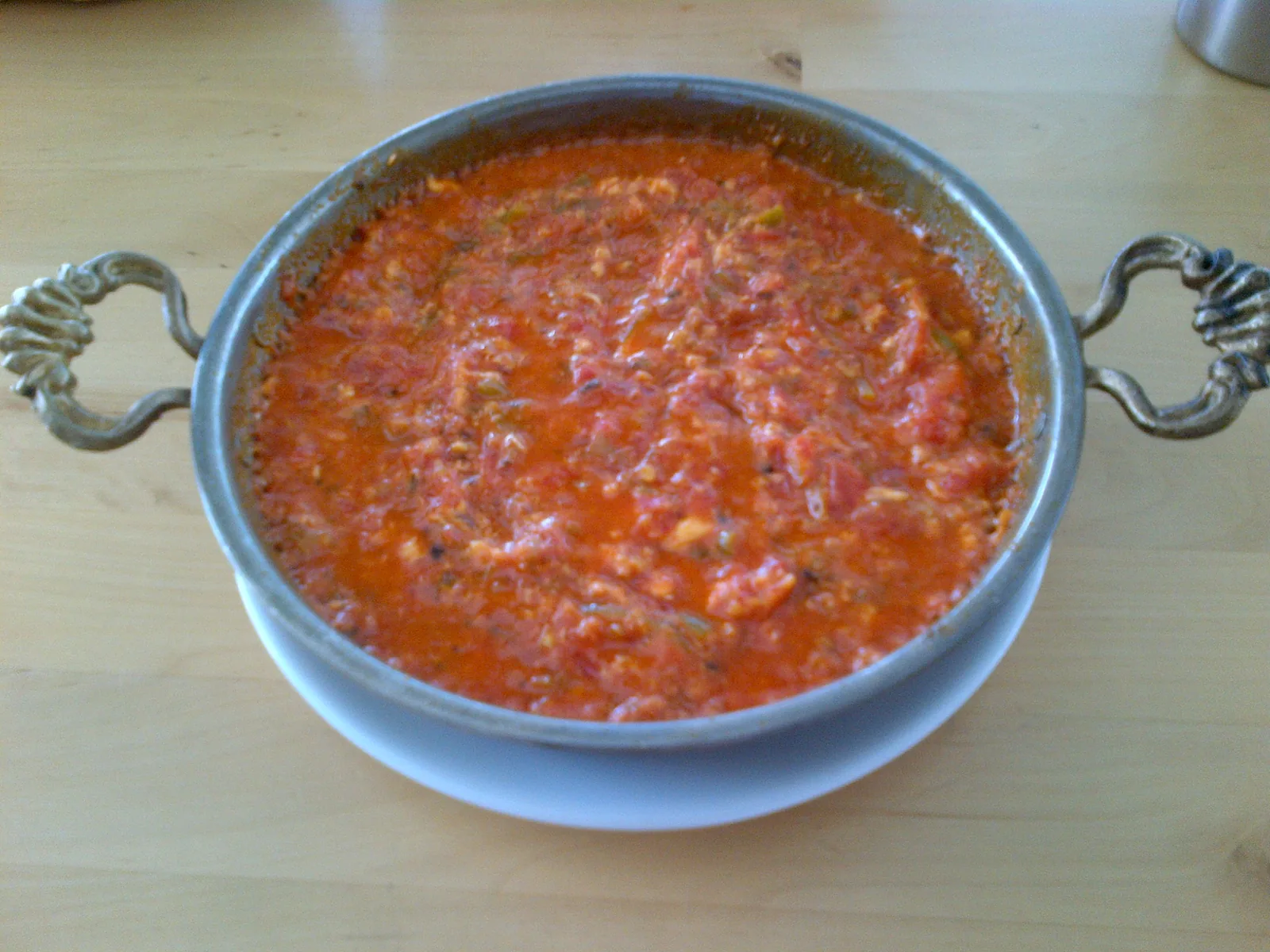
This menemen recipe stirs beaten eggs into a soft tomato and green pepper sauce until they set into creamy curds — never poached whole, the way shakshuka does it. Cooked in one pan and served straight from it with bread, it is the classic Turkish breakfast. One serving is about 300 g.

Menemen takes its name from the town of Menemen in Izmir Province, and it is a fixture of the Turkish breakfast table, cooked in a shallow copper pan called a sahan and eaten straight from the pan with bread. One question divides Turkish cooks more than any other: whether menemen should contain onion at all — both versions are served across the country, and this recipe keeps the onion, as many Aegean cooks do. Unlike its North African cousin shakshuka, where whole eggs are poached in the sauce, menemen beats the eggs first and stirs them in, so they set into soft, creamy curds.

Pairs well with: Crusty white bread, Turkish tea and sliced cucumber and tomato

Provenance

Turkey flag Turkey

Izmir Breakfast Table

Middle Eastern

Time Dedication

30m

10m prep • 20m cook

Batch Yield

4 Servings

270 kcal per serving

1 serving ≈ 300 g

Technical Skill

Easy

Easy (One Pan)

Meal Timing & Digestive Fit

Breakfast

Prime Morning Fit

Lunch

Inappropriate

Dinner

Inappropriate

Snack & Tea

Inappropriate

Quick Prep (<30m) Occasions: Weekend breakfast, brunch, quick lunch Cost: Low — about $2–3 per serving at home
Menemen in a copper sahan pan — soft scrambled eggs stirred through a red tomato and green pepper sauce

Izmir Breakfast Table

Photo: E4024, CC BY-SA 4.0, via Wikimedia Commons

The Heritage Formulary

Measured Ingredients

Estimated cost: Low — about $2–3 per serving at home (USD)

Good menemen is soft and spoonable, with the eggs just set and still glossy — never dry or browned.

Execution Methodology & Culinary Technique

Step-by-Step Cooking Guide

Active 30m
P

Prep Stage: Chop the Vegetables and Beat the Eggs

10 Mins • Knife Work

Dice the onion, chop the green peppers into small pieces, and chop the tomatoes — skins and all, they melt into the sauce. Beat the eggs in a bowl with a pinch of salt until the yolks and whites are just mixed, and chop the parsley.

Maestro Tip: Beat the eggs lightly, not to a froth — a few streaks of white left in the bowl make softer curds in the pan.

  1. 1

    Soften the Onion and Peppers

    5 Mins Medium heat, ~170°C (340°F)

    Melt the butter with the olive oil in a large, deep frying pan or sahan. Fry the onion for 2 minutes, then add the green peppers and fry for 3 minutes more until they soften and sweeten.

    Give the peppers time — soft peppers make a soft sauce.

    Done when: The onion is golden and the peppers are soft and sweet-smelling.

  2. 2

    Build the Tomato Sauce

    8 Mins Medium heat, ~170°C (340°F)

    Stir in the chopped tomatoes, tomato paste and half the salt, then simmer for 7–8 minutes until the tomatoes collapse into a thick, spoonable sauce. Stir in the black pepper, red pepper flakes and oregano.

    The sauce should be thick enough to coat a spoon — if it is watery, simmer it a little longer before the eggs go in.

    Done when: The sauce is thick, deep red, and a spoon dragged through it leaves a trail.

  3. 3

    Stir in the Beaten Eggs

    5 Mins Low heat, ~95°C (203°F)

    Turn the heat down low. Pour in the beaten eggs and stir gently and constantly with a wooden spoon, folding the eggs through the sauce for 3–5 minutes until they set into soft, creamy curds. The eggs must reach 71°C (160°F) and be fully set, with no runny liquid egg left.

    Keep stirring and keep the heat low — high heat makes the eggs dry and grainy instead of soft and glossy.

    Done when: The eggs are fully set into soft curds, the pan looks glossy and spoonable, and no liquid egg remains.

  4. 4

    Rest and Serve from the Pan

    2 Mins Serve hot, ~70°C (158°F)

    Take the pan off the heat, taste and adjust the salt, then scatter the parsley over the top. Let it rest for 1 minute and bring the whole pan to the table with bread for scooping.

    Serve it in the pan — menemen cools fast on a plate, and the pan keeps it warm while everyone helps themselves.

    Done when: The pan is steaming, the eggs are soft and glossy, and the parsley is bright green.

Finishing Touches & Plating

Take the pan off the heat while the eggs still look a little wet — they finish cooking in the hot sauce. Scatter the parsley over the top and bring the whole pan to the table with bread for scooping.

Nutritional Physiology & Benefits

Nutrition

Energy

270

kcal / serving

Protein

15g

Complete AA

Carbs

13g

Complex

Fats

18g

Healthy

Per serving (4 servings · 1 serving ≈ 300 g)
Energy270 kcal
Protein15 g
Carbohydrates13 g
Fat18 g
Fibre3.9 g
Sugar7.8 g
Sodium482 mg
Per 100g
Energy90 kcal
Protein5.1 g
Carbohydrates4.4 g
Fat5.9 g
Fibre1.3 g
Sugar2.6 g
Sodium161 mg

Nutrition values are estimated — calculated from USDA FoodData Central values for the listed ingredients.

Vitamins & minerals: Vitamin C (peppers, tomato), vitamin A (tomato, peppers), vitamin B12 and vitamin D (eggs), folate (parsley, tomato).

Protein to Start the Day

Two eggs per person give real staying power — this is a breakfast that carries you to lunch.

Tomatoes and Peppers, Plenty of Them

Six hundred grams of tomatoes and a pile of green peppers bring vitamin C and colour to the first meal of the day.

One Pan, Little Washing Up

Everything cooks in a single pan, so a slow breakfast does not mean a slow clean-up.

Food Pairings

What to Eat With

To optimize nutrient absorption and elevate the sensory depth, pair with these authentic accompaniments:

Sides

Crusty White Bread

Bread is essential — it is how you scoop up the soft eggs and sauce, and it turns a light pan of eggs into a full breakfast.

Drinks

Turkish Tea

Hot, strong tea in a small glass is the classic drink with a Turkish breakfast, and its sharpness cuts through the buttery eggs.

Vegetables

Cucumber and Tomato Salad

Something cool and crisp on the side balances the warm, soft pan — the fresh vegetables wake up the palate between spoonfuls.

Full Menus

As a Slow Weekend Breakfast

Put the pan in the middle of the table with olives, white cheese and bread, and let everyone help themselves — menemen is a sharing breakfast.

Complete menu

Serve the pan with crusty white bread, Turkish tea, and a plate of cucumber, tomato, olives and white cheese.

Digestive Guardrails

What NOT to Combine

To prevent digestive distress, sluggishness, or palate clash, avoid pairing the dish with these elements:

Overcooking the Eggs

Eggs left on the heat too long turn dry and rubbery — take the pan off while the eggs still look slightly wet. This is general guidance, not medical advice.

Too Much Chilli at Once

Red pepper flakes build heat as they sit in the sauce — start with a small pinch and add more at the table. A heavy hand can upset a sensitive stomach.

General information only, not medical advice — consult a doctor for personal dietary decisions.

Who Should Eat It

Who Should Eat

  • General adultsA complete, satisfying breakfast — protein, vegetables and bread in one pan.
  • ChildrenVery suitable for children from age 2+; the eggs are soft and the sauce is mild. Keep the chilli out of their portion.
  • ElderlyVery suitable — soft, warm and easy to eat, with no chewing difficulty.
  • Pregnant womenGenerally suitable; the eggs add protein and choline. Make sure the eggs are cooked through until fully set.
  • Breastfeeding womenGenerally suitable; the protein and iron support recovery — eat a satisfying portion.
  • AthletesA good pre-training breakfast: protein plus carbs from the bread, eaten 1–2 hours before exercise.
  • Weight gainA good choice — take an extra egg and more bread.
  • Weight lossA filling breakfast — keep to one or two eggs and load up on the tomato and pepper sauce.

Health Conditions — Adjust or Avoid

Conditions

  • DiabetesThe egg and vegetable pan itself is low in carbs — the bread is the main carb source, so watch the bread portion and ask your clinician about it.
  • High blood pressureMost of the sodium comes from added salt and butter; season lightly and ask your clinician about a suitable portion.
  • Kidney diseaseLimit the portion — eggs and butter add protein and sodium; ask your clinician about portion size.
  • GoutUsually fine in a modest portion — eggs are low in purines.
  • Stomach issuesUsually gentle, but raw onion and chilli flakes can irritate a sensitive stomach — use chilli sparingly.
  • Cardiovascular diseaseA reasonable choice — rich in vegetables and protein; keep the butter modest.
  • Fatty liverKeep the portion modest and favour the tomato and pepper sauce over extra bread.
  • Food allergiesContains egg and dairy (butter). Not suitable for egg or dairy allergy.
  • Special therapeutic dietsIf you follow a prescribed low-sodium diet, use less salt and cook in olive oil instead of butter, and check with your clinician.

If you have a medical condition, consult your doctor before changing your diet.

Storage & Use

Storage & Use

How to store
Cool quickly and store in an airtight container in the fridge.
In the fridge
Up to 2 days; cooked eggs are best eaten the same day.
In the freezer
Not recommended — cooked eggs turn rubbery when frozen and thawed.
How to reheat
Reheat gently in a pan over low heat, stirring, until steaming hot throughout, reaching 74°C (165°F). Do not boil it.
Freezing recommended
No — the eggs do not freeze well.
Signs it has spoiled
Sour smell, slimy peppers, or a grey film on the eggs.

More recipes to explore

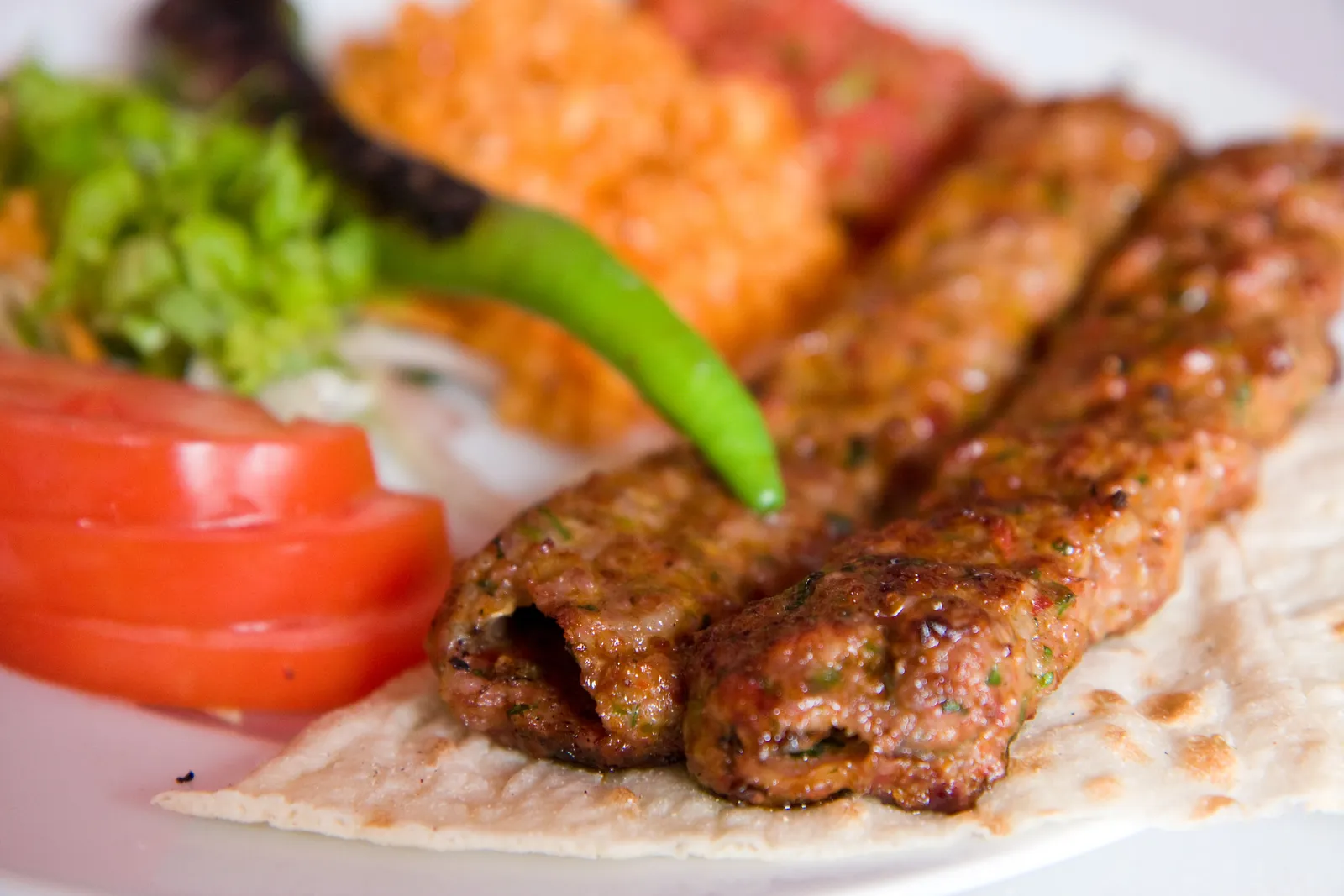
Adana kebab — long grilled minced-meat skewers on lavash with tomato, green chilli and salad Turkey flag Turkey 50m
Dinner •Adana Heritage

Adana Kebab

This adana kebab recipe is Adana's famous charcoal-grilled skewer: hand-minced lamb and beef mixed with lamb tail fat, sweet red pepper and pul biber, pressed onto wide flat skewers and grilled over glowing charcoal until the edges char and the juices run. It is served on warm lavash with grilled tomato, green chillies and a sharp sumac onion salad. One serving is about 439 g.

Adana's Charcoal-Grilled Icon

Hand-minced lamb and beef with tail fat and pul biber, pressed onto wide flat skewers and grilled over charcoal until charred at the edges — Adana's famous kebab.

Pairs Well With
Lavash, grilled tomato & sumac onion salad
High Protein
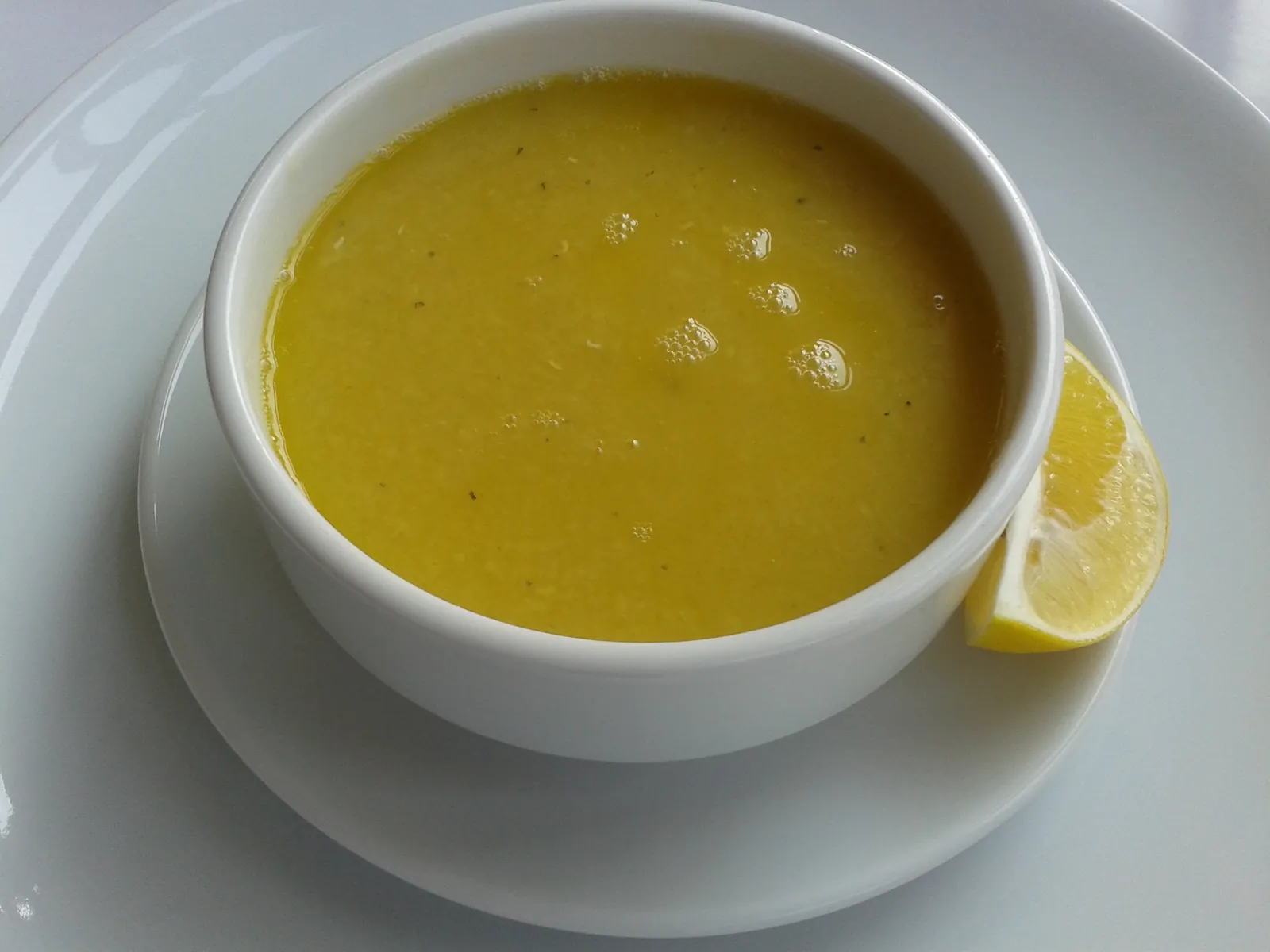
A white bowl of smooth golden Turkish lentil soup with a lemon wedge on the side Turkey flag Turkey 45m
Lunch •Ankara Lokanta Classic

Turkish Lentil Soup

This turkish lentil soup recipe turns red lentils, onion, carrot and potato into a smooth, golden soup, finished with lemon and a drizzle of paprika butter. One serving is about 325 g.

Comfort & Warmth

A silky red lentil soup, light enough for lunch and warm enough for a cold day.

Pairs Well With
Warm pide bread, lemon wedges and ayran
Soups & Broths
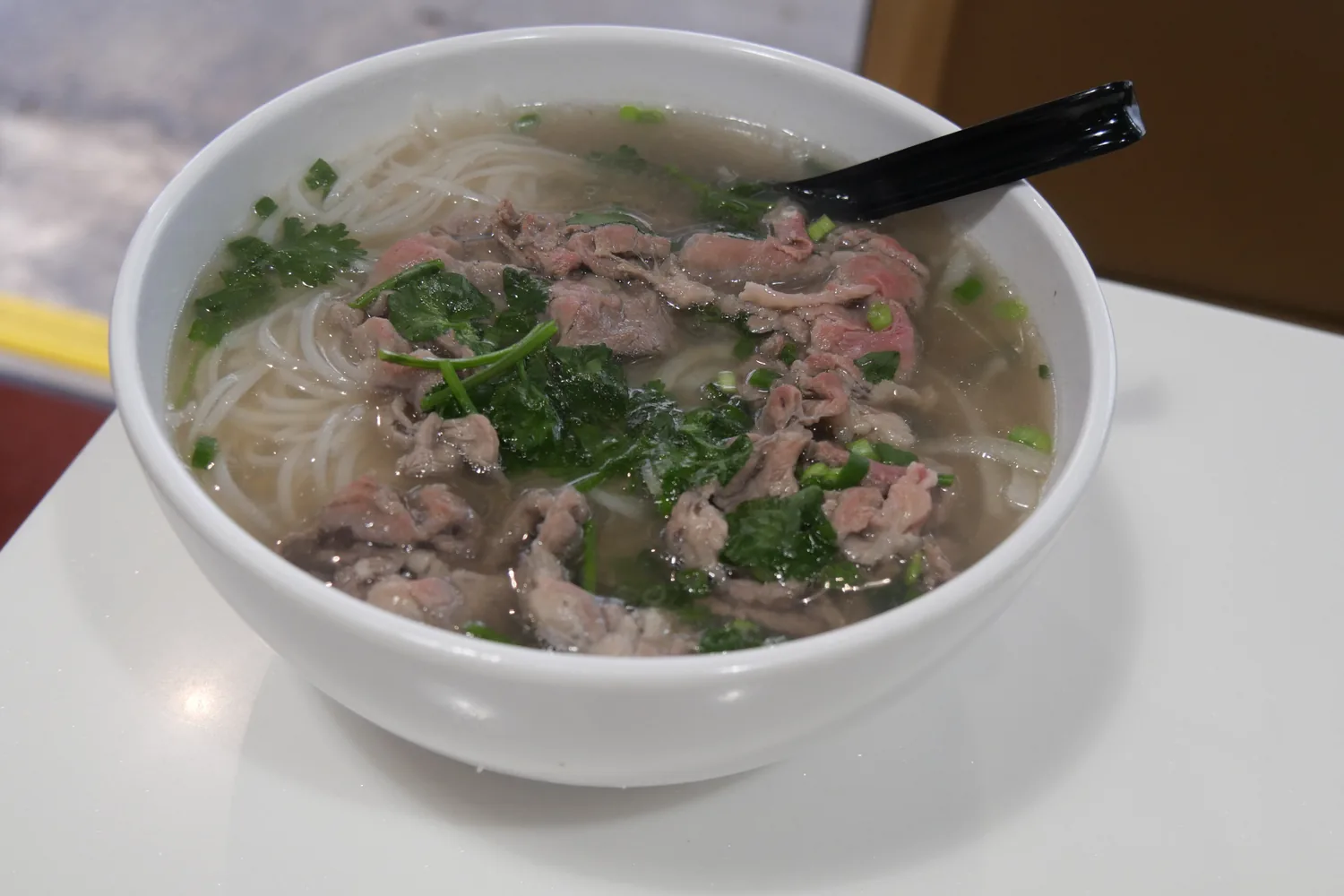
A bowl of Vietnamese phở bò with rare beef, rice noodles and fresh herbs Vietnam flag Vietnam 3h 30m
Breakfast •Hanoi Heritage

Phở Bò Tái Nạm

Slow-simmered star anise and cinnamon bone broth with hand-cut rice noodles, supplying clean restorative warmth and collagen. One serving is about 775 g.

Immunity & Warming

Slow-simmered bone broth with rice noodles, rare beef and fresh herbs.

Pairs Well With
Crispy quẩy, fresh lime & sawtooth coriander
Soups & Broths • High Protein
Golden butter croissants on a wooden board France flag France 20m
Breakfast •Parisian Boulangerie

Croissant au Beurre & Café

Laminated cultured butter pastry paired with washed Arabica, for a slow, pleasurable Parisian morning — best with a little protein alongside. One serving is about 390 g.

Sustained Focus

Flaky all-butter croissant with café au lait, Comté and green apple.

Pairs Well With
Comté cheese wedge & Green apple slices
Quick Prep (<30m)

The Dinner Gazette

Never wonder what’s for dinner again

One email a week with easy dinner ideas from around the world — ingredients, steps and nutrition, tested in our kitchen first.

Delivered every Thursday morning. Unsubscribe anytime.