Curated recipes from 193 countries  •  New seasonal Mediterranean issue out now

Overview

Mi Quang

Mì Quảng, Quang Noodles, Quang Nam Noodles

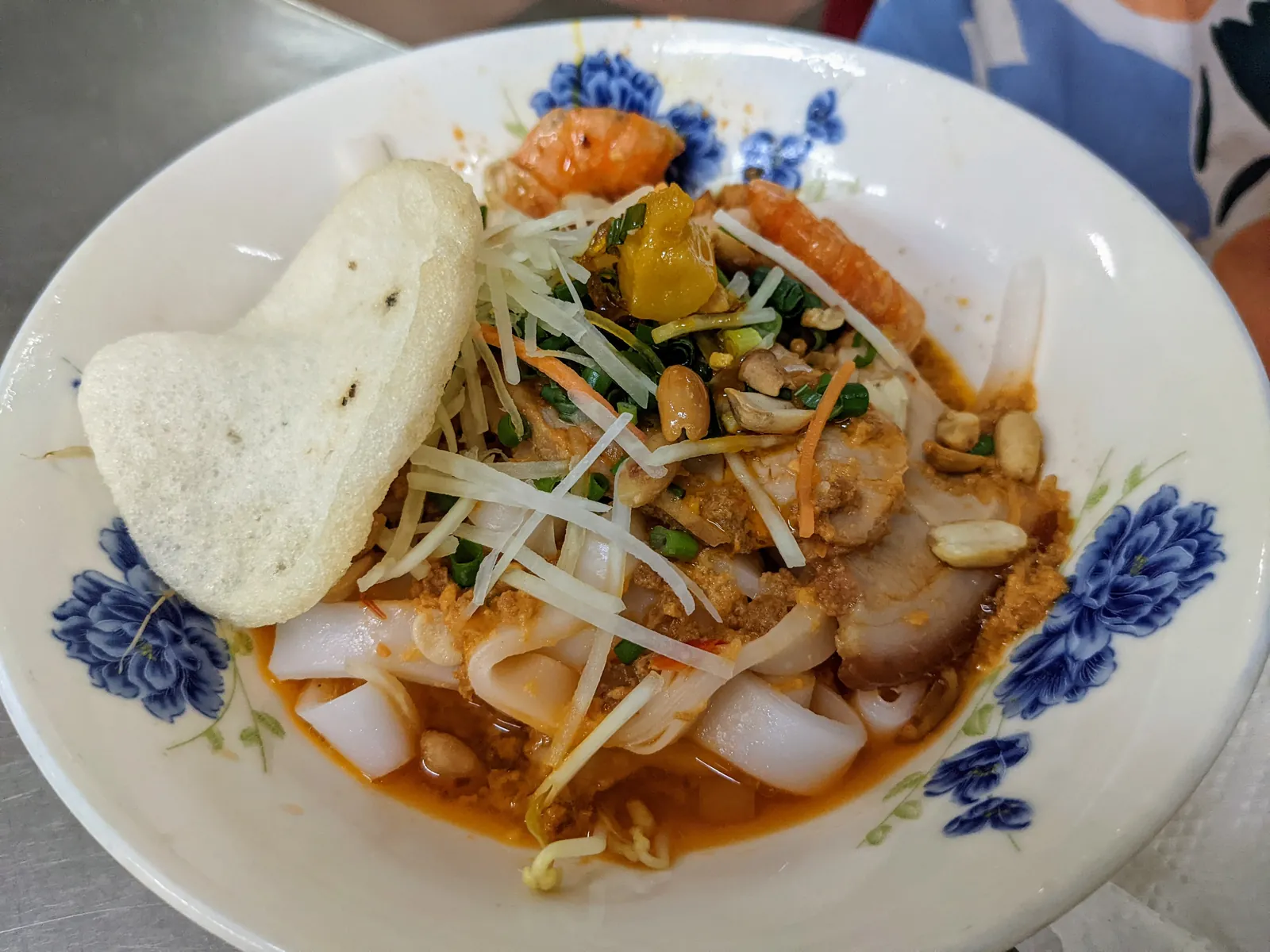
This mi quang recipe makes central Vietnam's great noodle bowl: wide, turmeric-yellow rice noodles dressed in just a ladle of thick, concentrated pork-and-shrimp broth, topped with sliced pork, whole shrimp, roasted peanuts, fresh herbs and a sesame rice cracker snapped over the top. It is not a soup — the broth coats the noodles rather than drowning them. One serving is about 536 g, a full, generous bowl.

Mì Quảng takes its name from Quảng Nam province in central Vietnam — mì means noodles, and Quảng is short for Quảng Nam. Phu Chiem village in Điện Bàn is widely regarded as the home of the classic pork-and-shrimp version. The dish is a dressed noodle bowl rather than a soup: just a ladle of thick, concentrated broth coats the wide, turmeric-yellow noodles, and the bowl is finished with peanuts, fresh herbs and a snapped sesame rice cracker. In 2024, Vietnam's Ministry of Culture listed the craft of making mi quang as national intangible cultural heritage.

Pairs well with: Sesame rice crackers, fresh herbs, and iced jasmine tea.

Provenance

Vietnam flag Vietnam

Quang Nam Heritage

East & South Asia

Time Dedication

1h 30m

30m prep • 60m cook

Batch Yield

4 Servings

580 kcal per serving

1 serving ≈ 536 g

Technical Skill

Intermediate

Medium (Broth & Toppings)

Meal Timing & Digestive Fit

Breakfast

Not Advised

Lunch

Prime Metabolic Fit

Dinner

Ideal Hearty Main

Snack & Tea

Inappropriate

Pasta & Noodles Occasions: Weekend lunches, family meals, when you want a rich noodle bowl, central Vietnamese food cravings Cost: Low — about $3–4 per serving at home
A bowl of mi quang turmeric noodles with shrimp, sliced pork, peanuts, herbs and a sesame rice cracker

Quang Nam Heritage

Photo: Jpatokal, CC BY-SA 4.0, via Wikimedia Commons

The Heritage Formulary

Measured Ingredients

Estimated cost: Low — about $3–4 per serving at home (USD)

Good mi quang is judged by the broth: just a ladle, thick and deeply savoury, coating the noodles rather than swimming in the bowl.

Execution Methodology & Culinary Technique

Step-by-Step Cooking Guide

Active 1h 30m
P

Prep Stage: Broth, Marinade and Toppings

30 Mins • Simmering & Slicing

Start the broth first, because it needs 45 minutes of gentle simmering — everything else is quick. While it simmers, marinate the pork and shrimp, boil the quail eggs and prepare the herbs, peanuts and crackers, so the bowls come together in minutes once the broth is ready.

Maestro Tip: Keep the broth at a gentle simmer, never a rolling boil — boiling clouds it and toughens the pork bones' flavour.

  1. 1

    Simmer the Broth

    45 Mins Gentle simmer, about 90°C (194°F)

    Put 700 ml of water in a pot with the 400 g of pork bones and the shrimp heads. Bring to a boil, skim off any foam, then turn down to a gentle simmer, about 90°C (194°F), and cook for 45 minutes. Strain out the bones and heads. Stir in the fish sauce, salt and sugar, and taste — the broth should be intensely savoury, almost too salty on its own, because only a little goes into each bowl.

    Skim the foam in the first 10 minutes — it is what keeps the broth clear and sweet-tasting.

    Done when: The broth is clear, amber and deeply savoury; about 600 ml remains after simmering.

  2. 2

    Marinate and Sear the Pork and Shrimp

    15 Mins Medium-high heat, about 190°C (375°F)

    Toss the sliced pork and the shelled shrimp with the turmeric, half the minced garlic and a pinch of salt, and leave for 10 minutes. Heat the oil in a wok or wide pan over medium-high heat, about 190°C (375°F), and fry the shallot and remaining garlic for 30 seconds. Add the pork and shrimp and stir-fry for 3-4 minutes until the pork is just cooked and the shrimp have turned pink.

    Do not overcook the shrimp — they go from pink to rubbery in under a minute.

    Done when: The pork is cooked through with no pink left, the shrimp are pink and curled, and the pan smells of turmeric and garlic.

  3. 3

    Cook the Noodles

    5 Mins Rolling boil, 100°C (212°F)

    Bring a large pot of water to a rolling boil, 100°C (212°F). Add the fresh Quang noodles and cook for 2-3 minutes until just tender — fresh noodles cook fast. Drain well and divide between four wide bowls.

    Fresh noodles overcook in moments — start tasting at 2 minutes and drain the second they are tender.

    Done when: The noodles are tender and springy, with no chalky centre.

  4. 4

    Prepare the Toppings

    15 Mins No heat

    While the noodles cook, crush the peanuts, wash and tear the herbs, toast the sesame rice crackers until crisp, and halve the peeled quail eggs. Put everything in small bowls on the table so each person can take what they like.

    Toast the crackers at the last moment — they go soft fast once they meet steam or broth.

    Done when: Everything is ready and within reach: peanuts crushed, herbs washed, crackers crisp, eggs halved.

  5. 5

    Assemble the Bowls

    10 Mins Serve hot, about 70°C (158°F)

    Ladle about 150 ml of the hot broth over each bowl of noodles — just enough to coat the bottom, not to fill the bowl. Top with the pork and shrimp, the quail egg halves, peanuts and herbs, and snap a sesame cracker over the top. Serve with a lime wedge and chilli sauce on the side.

    Mix the bowl with chopsticks before eating, so the broth, peanuts and herbs coat every strand.

    Done when: The bowl shows yellow noodles, pink shrimp, green herbs and a golden cracker, with broth just visible at the bottom.

Finishing Touches & Plating

Serve the bowls at once, while the noodles are hot and the cracker is still crisp — mi quang waits for no one, and the cracker goes soft in the broth within minutes.

Nutritional Physiology & Benefits

Nutrition

Energy

580

kcal / serving

Protein

38g

Complete AA

Carbs

65g

Complex

Fats

18g

Healthy

Per serving (4 servings · 1 serving ≈ 536 g)
Energy580 kcal
Protein38 g
Carbohydrates65 g
Fat18 g
Fibre3.3 g
Sugar4.0 g
Sodium1175 mg
Per 100g
Energy108 kcal
Protein7.1 g
Carbohydrates12.1 g
Fat3.4 g
Fibre0.6 g
Sugar0.8 g
Sodium219 mg

Nutrition values are estimated — calculated from USDA FoodData Central values for the listed ingredients.

Vitamins & minerals: Pork and shrimp supply B vitamins, zinc and selenium; peanuts add vitamin E and magnesium; herbs add vitamin C and folate.

High in Protein

With about 38 g of protein per serving from pork, shrimp and quail eggs, one bowl of mi quang is a genuinely filling meal that keeps you going for hours.

Herbs and Peanuts Balance the Bowl

The bowl is finished with a tangle of fresh herbs, bean sprouts and lettuce, plus peanuts — vegetables and healthy fats that balance the rich noodles and broth.

Turmeric, Herbs and Aromatic Spices

Turmeric gives the noodles their yellow colour and adds curcumin, while the broth's ginger-family spices and herbs bring the fresh, aromatic side of the dish.

Food Pairings

What to Eat With

To optimize nutrient absorption and elevate the sensory depth, pair with these authentic accompaniments:

Vegetables

Extra Fresh Herbs and Banana Blossom

A big handful of lettuce, mint, basil and bean sprouts is not a garnish here — it is part of the dish, and its freshness balances the rich, salty broth.

Sauces

Chilli Sauce (Tương Ớt)

A spoon of chilli sauce on the side lets each person set their own heat without changing the broth for everyone else.

Drinks

Iced Jasmine Tea

Cold, unsweetened jasmine tea washes down the rich broth and resets the palate between mouthfuls of noodles.

Full Menus

As a Central Vietnamese Lunch

Serve the mi quang with herbs, crackers and iced tea — the way a Da Nang lunch shop serves it, with everything on the table at once.

Complete menu

Serve the mi quang with extra herbs and a sesame rice cracker on the side, with iced jasmine tea to drink — the full central Vietnamese lunch, with the cracker for scooping up the last of the broth.

Digestive Guardrails

What NOT to Combine

To prevent digestive distress, sluggishness, or palate clash, avoid pairing the dish with these elements:

Drowning the Noodles in Broth

The broth is deliberately concentrated — a whole bowl of it would be far too salty and would turn the dish into a soup, which mi quang is not. One ladle coats the noodles; that is the dish. This is general guidance, not medical advice.

Adding Extra Fish Sauce at the Table

One bowl already carries about 1,175 mg of sodium, mostly from the fish sauce and salt in the broth; extra fish sauce at the table pushes it well past a sensible amount for one meal. This is general guidance, not medical advice.

General information only, not medical advice — consult a doctor for personal dietary decisions.

Who Should Eat It

Who Should Eat

  • General adultsA rich, satisfying noodle bowl — one bowl is a full meal, with pork, shrimp and plenty of herbs.
  • ChildrenSuitable from age 8+; the noodles are soft and the toppings are mild, but pick out the chilli and keep the broth light.
  • ElderlySoft noodles and tender pork are easy to chew; serve a smaller bowl because of the salt.
  • Pregnant womenGenerally suitable; the pork and shrimp are fully cooked, but keep the salt moderate and skip raw bean sprouts if you are cautious.
  • Breastfeeding womenGenerally suitable; the protein, fluids and energy support recovery — keep the salt moderate.
  • AthletesA strong choice after training: about 580 kcal with 38 g of protein and plenty of carbohydrate for recovery.
  • Weight gainA useful choice at about 580 kcal a serving, with pork, shrimp, peanuts and egg adding real density.
  • Weight lossA heavy choice at about 580 kcal; take a smaller bowl, go easy on the peanuts and cracker, and load up on herbs.

Health Conditions — Adjust or Avoid

Conditions

  • DiabetesThe noodles are mostly carbohydrate — keep the noodle portion modest and load up on herbs and bean sprouts. Ask your clinician about portion size.
  • High blood pressureMost of the sodium sits in the broth; use less fish sauce and salt, and do not drink the broth left in the bowl. Ask your clinician about a suitable portion.
  • Kidney diseaseLimit the broth and the pork; the protein and salt load are both substantial. Ask your clinician about portion size.
  • GoutShrimp and pork are both high in purines; eat occasionally and in a modest portion.
  • Stomach issuesThe rich broth and chilli can bother a sensitive stomach — skip the chilli sauce and eat a smaller bowl.
  • Cardiovascular diseaseThe pork, peanuts and cracker add saturated fat, so this is a sometimes food; load up on the herbs and vegetables. Ask your clinician about frequency.
  • Fatty liverA rich, energy-dense bowl that fits an occasional treat better than a daily meal; keep the peanuts and cracker modest.
  • Food allergiesContains shellfish (shrimp), peanut, egg (quail eggs) and fish sauce. The sesame rice cracker is rice-based, but check the label if you need it gluten-free.
  • Special therapeutic dietsIf you follow a prescribed low-sodium diet, use half the fish sauce and salt in the broth and do not finish the liquid, and check with your clinician.

If you have a medical condition, consult your doctor before changing your diet.

Storage & Use

Storage & Use

How to store
Store the broth, noodles and toppings in separate airtight containers in the fridge; the cracker stays at room temperature in a dry tin.
In the fridge
Broth and toppings separately, 2 days; cooked noodles 1 day at best.
In the freezer
The broth (without noodles or toppings) freezes for 1 month; cooked noodles do not freeze well.
How to reheat
Warm the broth to a simmer and the noodles briefly in hot water; reheat pork and shrimp to 74°C (165°F) inside.
Freezing recommended
Only the broth, without noodles or toppings.
Signs it has spoiled
Sour or off smell in the broth, slimy noodles, or grey, dull shrimp.

More recipes to explore

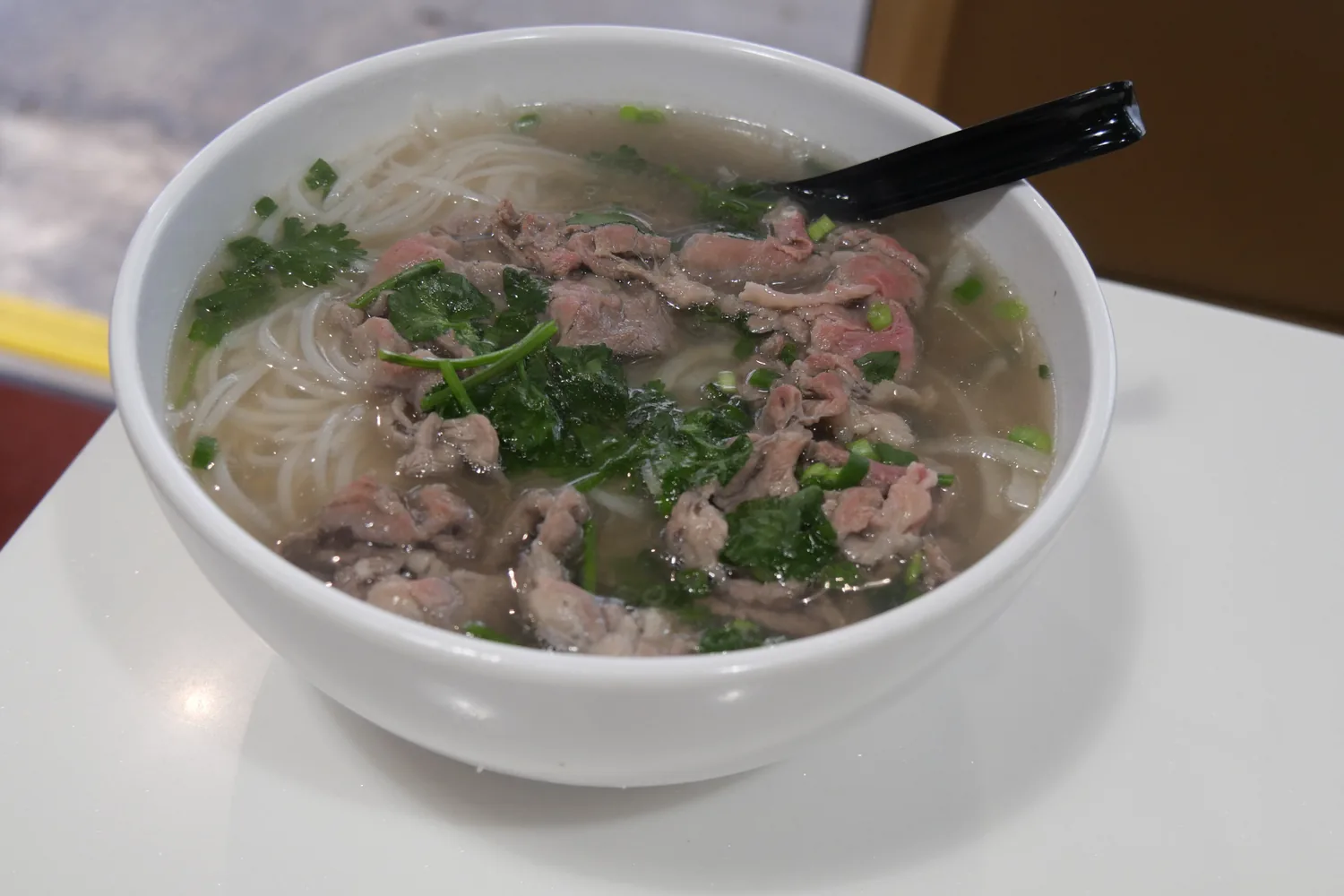
A bowl of Vietnamese phở bò with rare beef, rice noodles and fresh herbs Vietnam flag Vietnam 3h 30m
Breakfast •Hanoi Heritage

Phở Bò Tái Nạm

Slow-simmered star anise and cinnamon bone broth with hand-cut rice noodles, supplying clean restorative warmth and collagen. One serving is about 775 g.

Immunity & Warming

Slow-simmered bone broth with rice noodles, rare beef and fresh herbs.

Pairs Well With
Crispy quẩy, fresh lime & sawtooth coriander
Soups & Broths • High Protein
Gỏi cuốn — Vietnamese fresh spring rolls with prawn and pork Vietnam flag Vietnam 1h 5m
Snack & Tea •Saigon Refresh

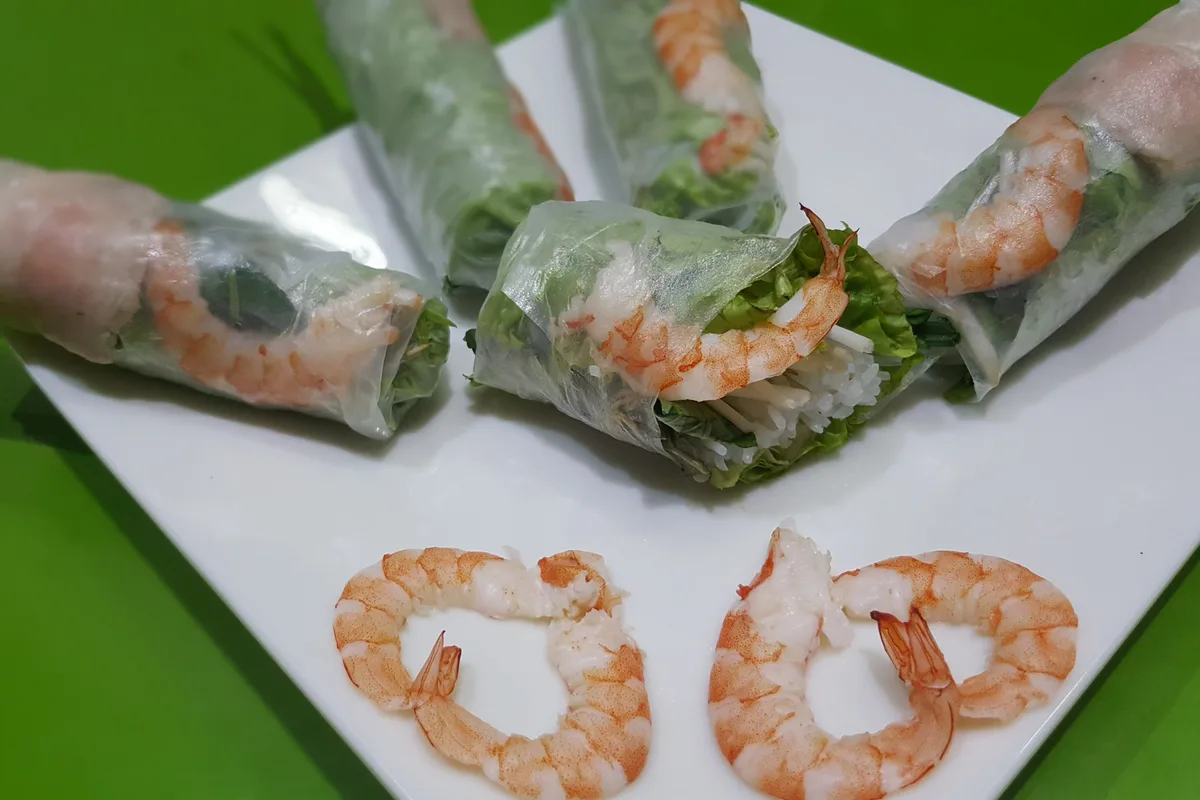
Gỏi Cuốn Tôm Thịt

Fresh rice paper rolls filled with poached prawns, tender pork, rice vermicelli, lettuce, herbs and carrot, served with a peanut dipping sauce.

Light Digestion

Nothing is fried, so the rolls stay light and fresh — a cool, herb-filled snack for hot days.

Pairs Well With
Artisanal Peanut Dip & Fresh Lotus Root Water
High Protein
Vietnamese braised pork belly with golden eggs in caramel sauce Vietnam flag Vietnam 1h 45m
Dinner •One Pot

Vietnamese Braised Pork and Eggs

Pork belly slowly braised in coconut water and caramel until meltingly tender, with golden eggs that soak up the sweet-savoury sauce — the Vietnamese family dish that tastes better the next day.

Comfort & Sustained Energy

Slow-braised pork belly and eggs in coconut water and caramel.

Pairs Well With
Steamed rice & pickled mustard greens
High Protein
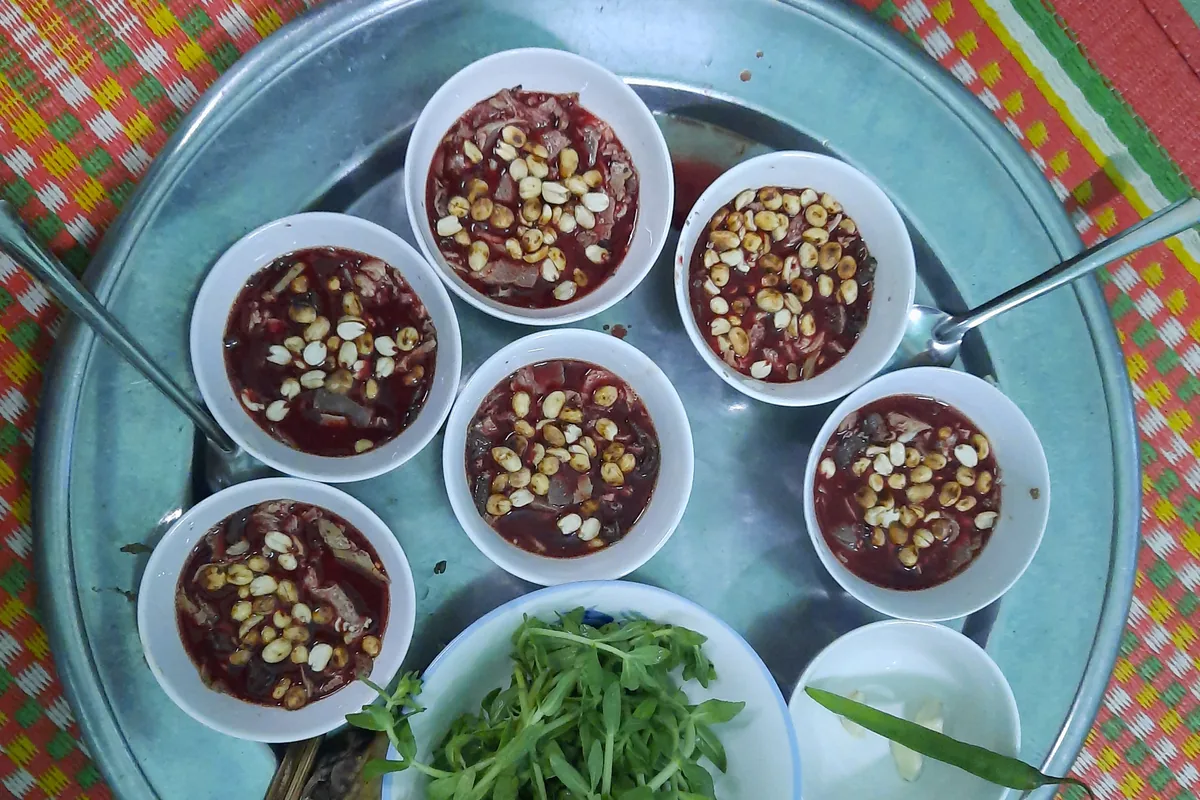
Six small bowls of Vietnamese duck blood pudding topped with roasted peanuts, with fresh herbs and a green chili on a metal tray Vietnam flag Vietnam 1h 10m
Snack & Tea •Hanoi Heritage

Vietnamese Tiết Canh

WARNING: This dish is made from raw duck blood and eating it is NOT recommended. Raw blood can carry Streptococcus suis (which causes meningitis and sepsis — people in Vietnam have died after eating pig-blood tiet canh), avian influenza from duck blood, salmonella and other dangerous germs. Vietnam's Ministry of Health advises against eating tiet canh, and no preparation method — not even blood from a fresh or trusted source — makes raw blood fully safe. This page describes the traditional Hanoi preparation, tiết canh vịt, for cultural knowledge only. One serving is about 241 g: a small bowl of fresh duck blood mixed with fish sauce, poured over finely chopped cooked duck meat and left to set into a soft, trembling jelly, then finished with crushed roasted peanuts, fresh herbs, lime and chili, and served cold.

Cultural Discovery

A traditional northern Vietnamese snack of raw duck blood set into a soft jelly with cooked duck meat, herbs and peanuts — described here for cultural knowledge, with a serious safety warning.

Pairs Well With
Fresh herbs, lime wedges, sliced chili and rice crackers on the side.

The Dinner Gazette

Never wonder what’s for dinner again

One email a week with easy dinner ideas from around the world — ingredients, steps and nutrition, tested in our kitchen first.

Delivered every Thursday morning. Unsubscribe anytime.