
Curated recipes from 193 countries  •  New seasonal Mediterranean issue out now

Overview

Miso Soup

Misoshiru — Japanese Miso Soup with Tofu and Wakame

This miso soup recipe makes the everyday Japanese bowl: a clear kombu dashi with shiitake, whisked with white miso off the boil, then filled with silken tofu, wakame and spring onions. One serving is about 365 g.

Miso soup has been eaten in Japan for centuries, growing out of the fermented soybean pastes that reached Japan from China more than a thousand years ago. By the Edo period it was the everyday soup of ordinary households — a bowl of dashi and miso served with rice at breakfast, lunch and dinner. The version here, with silken tofu and wakame, is the one most Japanese families still make at home today, and the rule has never changed: the miso goes in last, off the boil.

Pairs well with: Steamed rice, grilled fish and pickles

Provenance

Japan flag Japan

Everyday Japanese Home Cooking

East & South Asia

Time Dedication

25m

10m prep • 15m cook

Batch Yield

4 Servings

106 kcal per serving

1 serving ≈ 365 g

Technical Skill

Easy

Easy (One Pot)

Meal Timing & Digestive Fit

Breakfast

Not Advised

Lunch

Prime Metabolic Fit

Dinner

Ideal Hearty Main

Snack & Tea

Inappropriate

Soups & Broths Occasions: Weekday lunches, light dinners, cold days, Japanese breakfasts Cost: Low — about $1–2 per serving at home
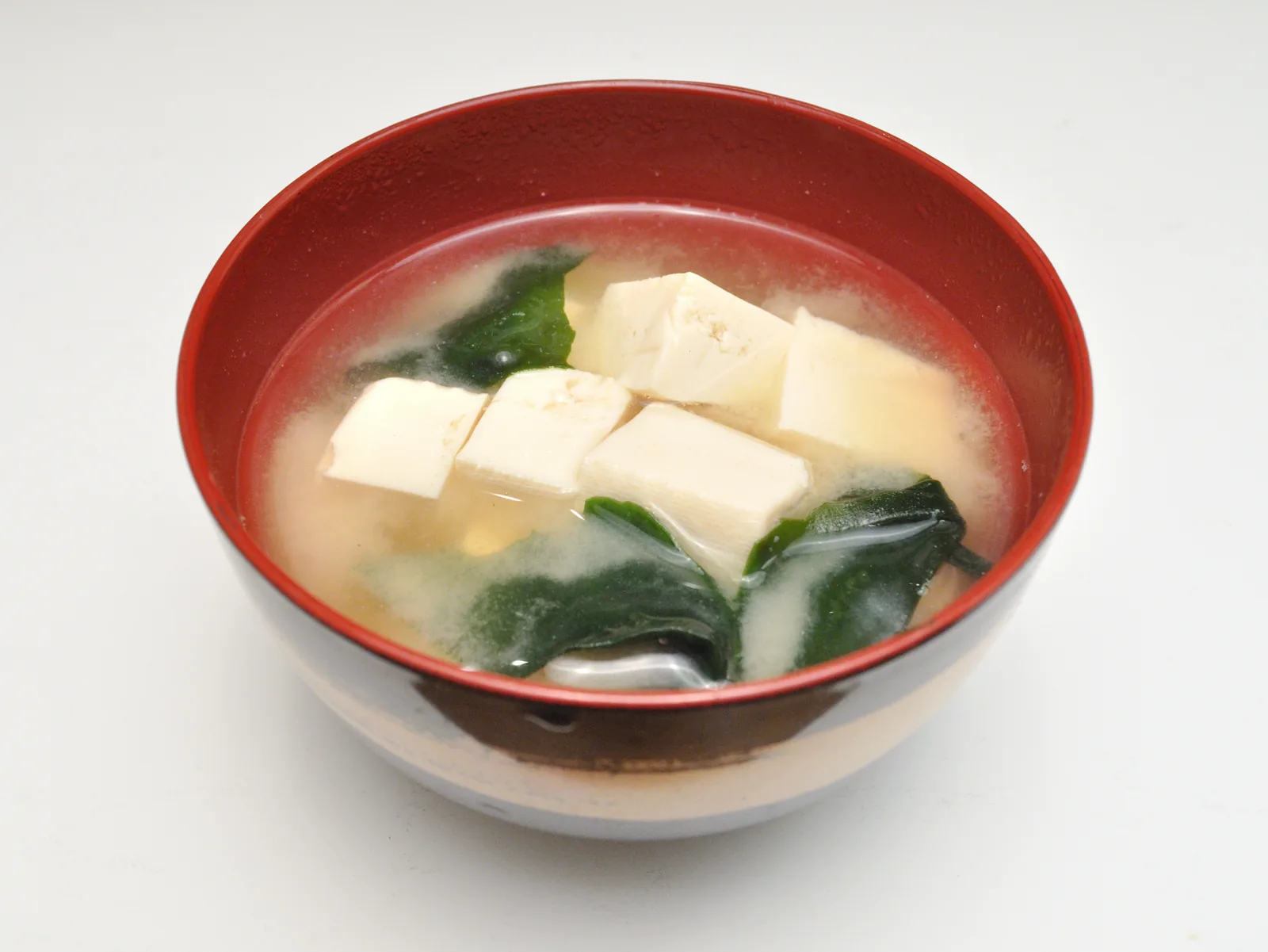
A dark bowl of miso soup with cubes of silken tofu, dark wakame seaweed and sliced spring onions in a cloudy golden broth

Everyday Japanese Home Cooking

Photo: Ocdp, CC0, via Wikimedia Commons

The Heritage Formulary

Measured Ingredients

Estimated cost: Low — about $1–2 per serving at home (USD)

A true miso soup has a cloudy broth seasoned with miso whisked in off the boil — never clear, and never boiled after the miso is added.

Execution Methodology & Culinary Technique

Step-by-Step Cooking Guide

Active 25m
P

Prep Stage: Soak the Kombu and Cut the Tofu

10 Mins • Knife & Pot Work

Put the kombu in the water to soak while you slice the shiitake, cube the tofu, blanch and slice the aburaage, and soak the wakame. Measure the miso into a small bowl so it is ready to whisk in at the end — the soup itself cooks in minutes once the dashi is made.

Maestro Tip: Cut the tofu with a wet knife and lift the cubes with a spoon, not your fingers — silken tofu breaks if you squeeze it.

  1. 1

    Make the Kombu Dashi

    8 Mins Heat to about 80°C (176°F) — just below a simmer

    Put the pot with the water and kombu over medium heat. Warm it slowly until small bubbles form around the edge and the water is steaming, about 80°C (176°F) — do not let it boil. Lift the kombu out and discard it, then add the sliced shiitake and simmer gently for 5 minutes.

    Boiling kombu makes the dashi bitter and slimy; pull it out the moment you see bubbles.

    Done when: The dashi smells clean and faintly of the sea, with tender shiitake.

  2. 2

    Warm the Tofu and Aburaage

    3 Mins Gentle simmer, about 95°C (203°F)

    Slide the tofu cubes and aburaage strips into the pot and simmer very gently for 3 minutes, without stirring hard. The tofu only needs to heat through.

    Stir with the back of a ladle in slow circles — a spoon dragged through the pot will break the tofu.

    Done when: The tofu is hot through and the aburaage strips are soft.

  3. 3

    Add the Wakame

    1 Min Gentle simmer, about 95°C (203°F)

    Stir in the soaked wakame and cook for just 1 minute, until the ribbons turn bright green and unfurl.

    Wakame goes slimy if it boils for long — one minute is enough.

    Done when: The wakame is bright green and tender, not limp.

  4. 4

    Whisk in the Miso Off the Boil

    2 Mins Low heat, about 75°C (167°F) — do not boil

    Take the pot off the heat. Ladle about 150 ml of the hot dashi into a small bowl, add the miso, and whisk until completely smooth. Stir the mixture back into the pot and warm over low heat for 1 minute. Never let the soup boil after the miso goes in.

    Miso dropped straight into boiling soup clumps and loses its fragrance — always whisk it in a ladle of warm dashi first.

    Done when: The broth turns cloudy and golden, with a deep savoury miso aroma; no lumps remain.

  5. 5

    Serve at Once

    1 Min Serve steaming hot, about 80°C (176°F)

    Ladle into four warmed bowls, making sure each gets tofu, wakame and shiitake. Scatter the spring onions on top and serve immediately, while the broth is steaming.

    Warm the bowls first with hot water — a cold bowl cools a small serving of soup in minutes.

    Done when: Each bowl is steaming hot, cloudy golden, and topped with bright green onion.

Finishing Touches & Plating

Drink the last of the broth straight from the bowl, the way it is served in Japan — that final warm, savoury sip is part of the dish. If the soup has cooled, reheat it gently and never let it boil.

Nutritional Physiology & Benefits

Nutrition

Energy

106

kcal / serving

Protein

7g

Complete AA

Carbs

11g

Complex

Fats

4g

Healthy

Per serving (4 servings · 1 serving ≈ 365 g)
Energy106 kcal
Protein7 g
Carbohydrates11 g
Fat4 g
Fibre2.0 g
Sugar2.4 g
Sodium964 mg
Per 100g
Energy29 kcal
Protein2 g
Carbohydrates3 g
Fat1.2 g
Fibre0.5 g
Sugar0.7 g
Sodium264 mg

Nutrition values are estimated — calculated from USDA FoodData Central values for the listed ingredients.

Vitamins & minerals: Vitamin B12 and iodine (wakame, kombu), vitamin K (spring onion), calcium and iron (tofu, miso), vitamin D (shiitake).

Light but Satisfying

At about 106 kcal a bowl with 7 g of protein from tofu and miso, this soup fills a gap without weighing you down — ideal as a light lunch or a starter.

Fermented Depth

Miso is a fermented soybean paste, and its long, slow fermentation is what gives the broth its deep, savoury character that plain salted stock cannot match.

Gentle on the Stomach

A warm, clear broth with soft tofu and tender seaweed is easy to eat and easy to digest, which is why miso soup is a daily staple rather than an occasional treat.

Food Pairings

What to Eat With

To optimize nutrient absorption and elevate the sensory depth, pair with these authentic accompaniments:

Sides

Steamed Jasmine Rice

Plain rice is the classic partner — its mild, starchy calm balances the salty, savoury broth, and a spoonful of rice in the soup is how many Japanese meals begin.

Grilled Salmon

A small piece of salt-grilled fish turns the soup into a full ichiju-sansai meal; the rich fish and the light broth complement each other without competing.

Drinks

Green Tea

Hot, unsweetened green tea cleanses the palate between spoonfuls and matches the soup's gentle, savoury mood.

Full Menus

Japanese Breakfast Menu

Serve the miso soup with steamed rice, grilled salmon and pickles for a classic Japanese breakfast; finish with green tea.

Complete menu

Serve the miso soup with steamed rice, a piece of grilled salmon and pickles for a classic Japanese meal; finish with hot green tea.

Digestive Guardrails

What NOT to Combine

To prevent digestive distress, sluggishness, or palate clash, avoid pairing the dish with these elements:

Boiling the Soup After Adding Miso

Boiling dulls the miso's aroma, can make the broth gritty, and destroys the delicate flavour you whisked it in for. Always add miso off the boil. This is general information, not medical advice.

Drinking the Whole Pot's Broth Every Day

The soup is salty — miso and soy-based seasonings together give about 964 mg of sodium per bowl. Enjoy it as part of a varied diet rather than as your only daily soup. This is general information, not medical advice.

General information only, not medical advice — consult a doctor for personal dietary decisions.

Who Should Eat It

Who Should Eat

  • General adultsA light, everyday lunch — enjoy it as a regular meal, with rice or fish alongside for a fuller plate.
  • ChildrenSuitable from age 3+ in a small bowl; the tofu is soft and easy to eat, but keep the broth modest because of the salt.
  • ElderlyA gentle, easy-to-eat soup; serve a smaller portion and go light on the wakame if chewing is difficult.
  • Pregnant womenGenerally suitable if the tofu and mushrooms are fresh and the soup is served hot; keep the portion modest because of the sodium.
  • Breastfeeding womenA light, hydrating soup; drink extra water, as the salty broth can make you thirsty.
  • AthletesA useful light meal around training — pair it with rice and fish or chicken for the protein and carbs a session needs.
  • Weight gainAt about 106 kcal a bowl this soup alone will not add weight — pair it with rice and a protein for a fuller meal.
  • Weight lossA genuinely helpful choice at about 106 kcal a bowl; fill up on the broth, tofu and wakame rather than extra rice.

Health Conditions — Adjust or Avoid

Conditions

  • DiabetesVery low in carbs at about 11 g a bowl, so it fits easily; check the miso label, as sweetened varieties add sugar. Ask your clinician about portion size.
  • High blood pressureMost of the sodium sits in the miso; drink only part of the broth and use a low-sodium miso if you can find one. Ask your clinician about a suitable portion.
  • Kidney diseaseLimit the broth (sodium and potassium from miso and seaweed); ask your clinician about portion size.
  • GoutEat occasionally and in modest portions — soy-based foods are moderately high in purines. Ask your clinician if you are unsure.
  • Stomach issuesThe warm, mild broth is usually easy on the stomach; skip the spring onion if raw onion bothers you. Ask your clinician about your triggers.
  • Cardiovascular diseaseThe soup is low in fat and calories, but the salt is the watchpoint — enjoy it as part of a balanced meal and ask your clinician.
  • Fatty liverLight and low in fat, so it fits well; balance it with a protein and vegetables. Ask your clinician.
  • Food allergiesContains soy (miso, tofu, aburaage) and fish-free dashi in this version — check the miso label, as some brands are made in facilities handling wheat. Contains no gluten as written if the miso is wheat-free.
  • Special therapeutic dietsNot suitable for a low-sodium diet as written; ask your clinician or dietitian before adapting it.

If you have a medical condition, consult your doctor before changing your diet.

Storage & Use

Storage & Use

How to store
Cool quickly and store the soup in a sealed container in the fridge; keep leftover tofu and wakame in the broth.
In the fridge
2 days; the tofu softens further on the second day.
In the freezer
Not recommended — the tofu turns spongy and the wakame goes slimy.
How to reheat
Warm gently to about 75°C (167°F); never boil. Reheat to 74°C (165°F) for safety.
Freezing recommended
No — miso soup is best made fresh in 25 minutes.
Signs it has spoiled
Sour smell, slimy tofu, or a cloudy film on the surface.

More recipes to explore

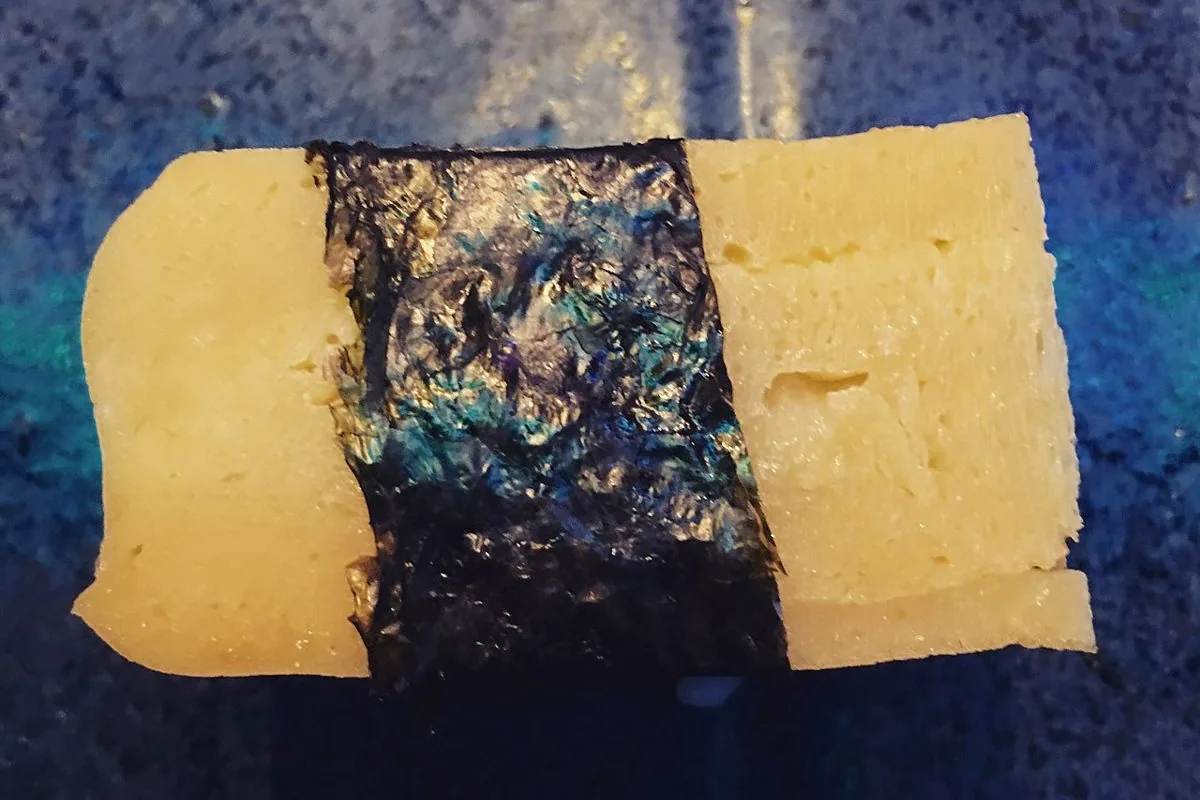
Sliced tamagoyaki rolled omelette wrapped in nori on a blue plate Japan flag Japan 25m
Breakfast •Edo Traditional

Tamagoyaki, Miso & Gohan

Dashi-infused rolled omelet served with live cultured miso broth and sea kelp for foundational gastrointestinal conditioning. One serving is about 580 g.

Digestive Gut Health

Silky rolled omelette with miso soup and steamed rice.

Pairs Well With
Fermented Natto & Sencha Green Tea
High Protein • Fermented / Gut Health • Quick Prep (<30m)
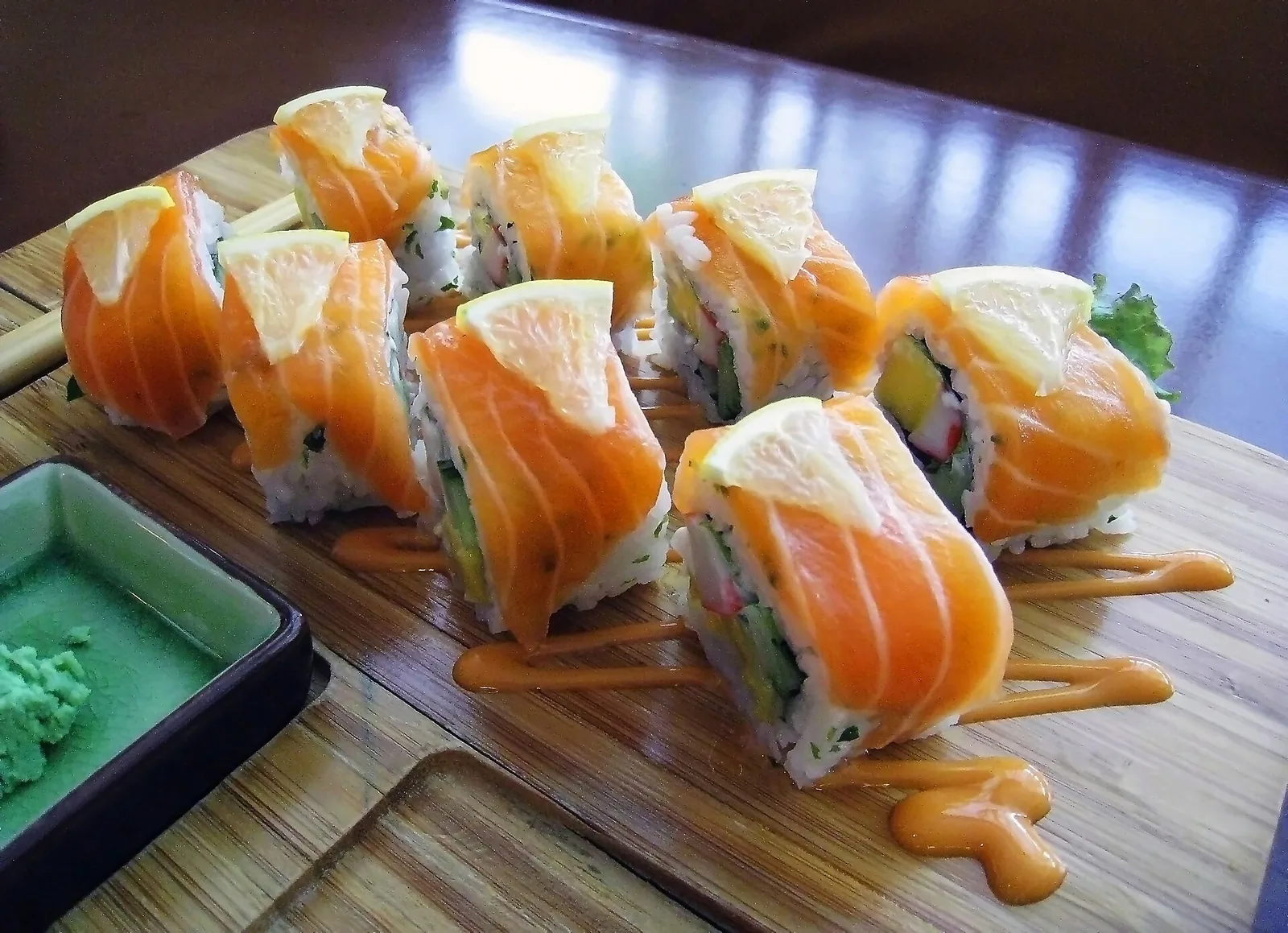
Salmon sushi rolls topped with salmon and lemon wedges on a wooden board, with wasabi Japan flag Japan 1h
Lunch •Edo-Style Sushi

Salmon Sushi Rolls (Maki)

This salmon sushi rolls recipe shows how to season sushi rice, slice sashimi-grade salmon and roll neat maki with cucumber and avocado. One serving is about 393 g — one full roll, cut into 8 pieces.

Light & Fresh

Sushi rice, sashimi-grade salmon and cucumber rolled in nori — light, fresh and protein-rich.

Pairs Well With
Miso soup, pickled ginger and a pot of green tea
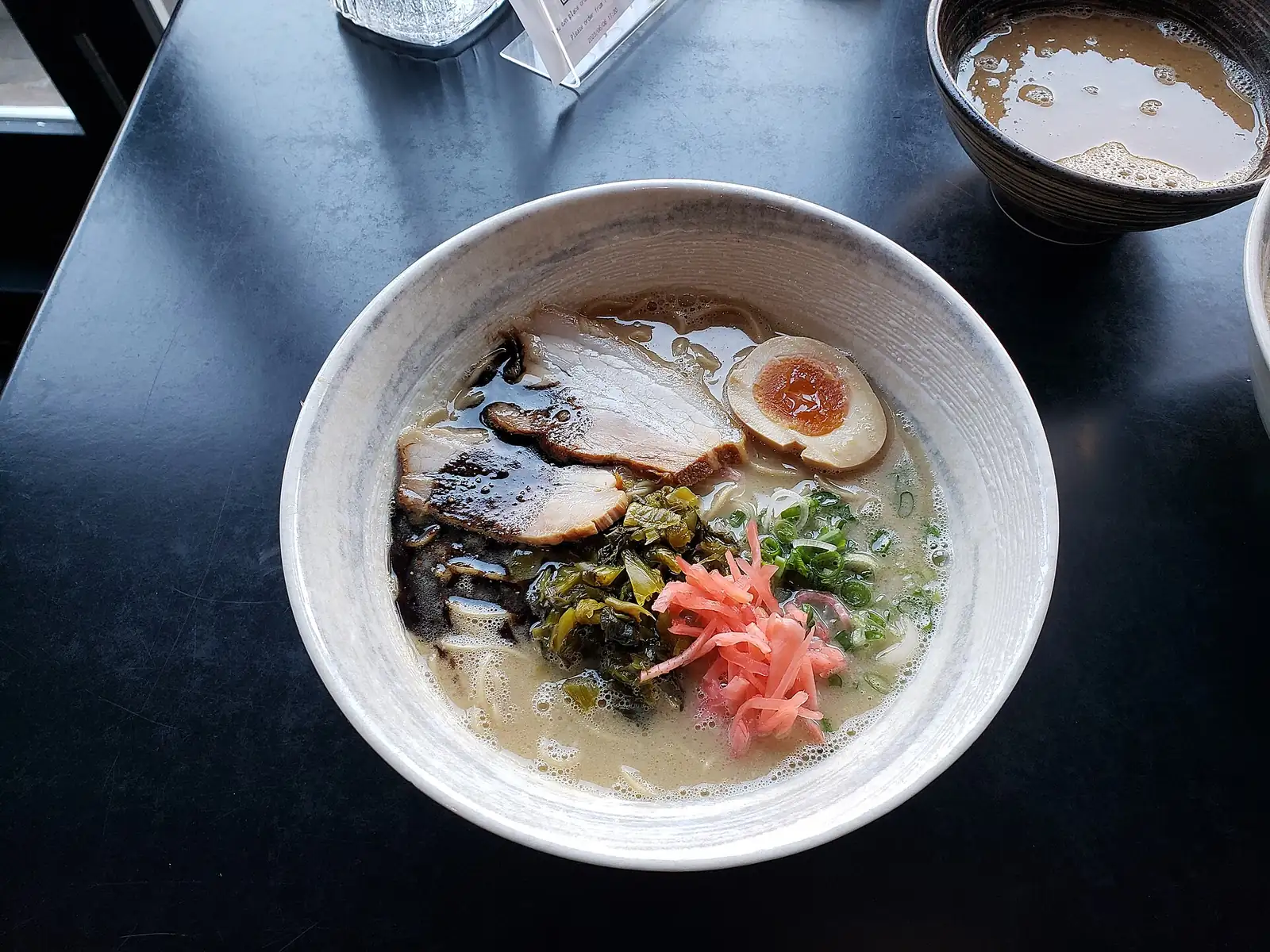
A bowl of tonkotsu ramen with chashu pork, a soft egg, spring onion and pickled ginger Japan flag Japan 3h 30m
Lunch •Hakata Yatai Style

Tonkotsu Ramen

This tonkotsu ramen recipe uses a pressure cooker to get the milky, pork-bone broth that normally takes all day, then builds the bowl with thin noodles, chashu pork and a soft egg. One serving is about 760 g.

Rich & Warming

Milky pork-bone broth, thin noodles, chashu pork and a soft egg — the richest bowl in ramen.

Pairs Well With
Gyoza, pickled ginger and a cold beer or iced barley tea
Soups & Broths • High Protein
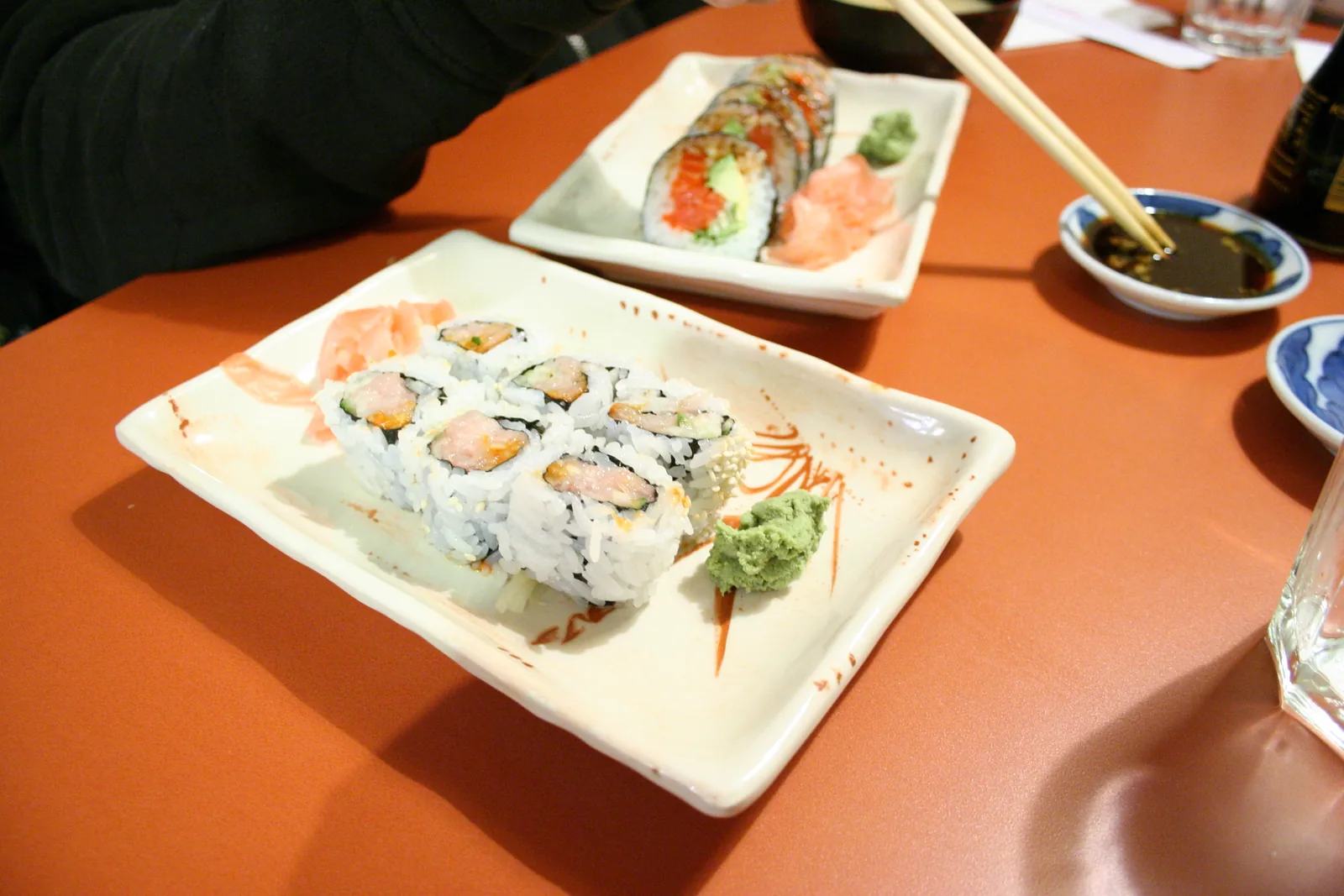
A plate of spicy tuna uramaki rolls with pickled ginger and wasabi, the pink tuna filling visible in the cut rolls Japan flag Japan 1h
Lunch •American Sushi Classic

Spicy Tuna Roll

This spicy tuna roll recipe shows how to season sushi rice, chop sashimi-grade tuna with spicy mayo, and roll neat rice-outside uramaki with cucumber and avocado. One serving is about 355 g — one full roll, cut into 8 pieces.

Light & Fresh

A cool, light sushi roll with raw tuna, cucumber and avocado — fresh, filling and quick to assemble once the rice is ready.

Pairs Well With
Miso soup, pickled ginger and iced green tea

The Dinner Gazette

Never wonder what’s for dinner again

One email a week with easy dinner ideas from around the world — ingredients, steps and nutrition, tested in our kitchen first.

Delivered every Thursday morning. Unsubscribe anytime.