Curated recipes from 193 countries  •  New seasonal Mediterranean issue out now

Overview

Monegasque Barbagiuan

Barbajuan, Barbagiuai

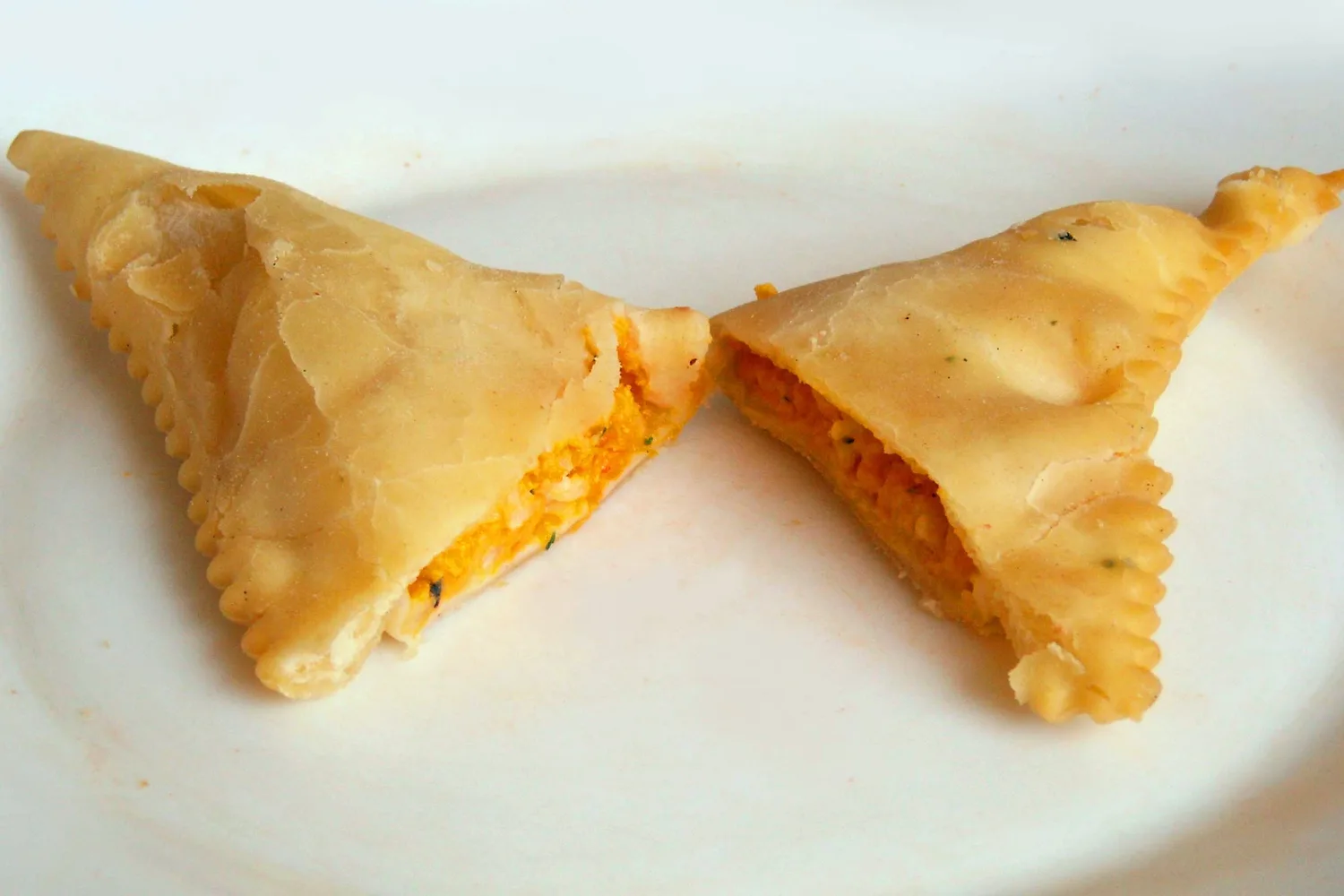
This barbagiuan recipe makes Monaco's national snack: thin pastry folded around Swiss chard, spinach and ricotta, then deep-fried until the outside shatters and the cheese filling turns soft and creamy. They are the bites handed round at markets and parties across Monaco, and they disappear fast while still warm. One serving is about 190 g.

Barbagiuan — also spelled barbajuan or barbagiuai — means 'Uncle John' in the Monegasque and western Ligurian dialect. According to the legend told in Monaco, a man named Jean had no sauce for his ravioli, so he stuffed them with Swiss chard instead and fried them — and the crisp fritter that came out of the pan became the dish. It is Monaco's national dish and is eaten across the principality on National Day, 19 November, when it is sold at markets and served at celebrations. Across the border in western Liguria the same fried ravioli are often filled with pumpkin instead of chard.

Pairs well with: Serve warm with a lemon-dressed green salad and a glass of dry white wine.

Provenance

Monaco flag Monaco

Monaco National Dish

Mediterranean & Italy

Time Dedication

1h 15m

50m prep • 25m cook

Batch Yield

6 Servings

491 kcal per serving

1 serving ≈ 190 g

Technical Skill

Intermediate

Medium (Filled & Fried Pastry)

Meal Timing & Digestive Fit

Breakfast

Not Advised

Lunch

Inappropriate

Dinner

Inappropriate

Snack & Tea

Ideal Light Bite

Occasions: Monaco National Day (19 November), aperitivo, market snacks, party finger food, festive gatherings Cost: Low — about $2–3 per serving at home
A golden fried barbagiuan cut in half to show its savoury filling, on a white plate

Monaco National Dish

Photo: Lemone, CC BY-SA 4.0, via Wikimedia Commons

The Heritage Formulary

Measured Ingredients

Estimated cost: Low — about $2–3 per serving at home (USD)

This recipe follows the classic Monegasque method: a firm olive-oil pastry, a squeezed-dry chard and ricotta filling, and deep-frying at 190°C (375°F) until golden and crisp.

Execution Methodology & Culinary Technique

Step-by-Step Cooking Guide

Active 1h 15m
P

Prep Stage: Dough First, Then the Greens

50 Mins (30 Mins Dough Resting, Mostly Hands-Off)

Make the pastry dough first so it can rest for 30 minutes while you cook the filling. While the dough rests, saute the onion, leek and garlic, wilt the chard and spinach, squeeze the greens dry, and mix them with the ricotta, Parmesan, yolk and seasonings. A dry filling and a rested dough are what keep the barbagiuan crisp instead of soggy.

Maestro Tip: Squeeze the cooked greens hard in a clean cloth — wet filling is the one thing that will split a barbagiuan open in the oil.

  1. 1

    Make the Pastry Dough

    10 Mins + 30 Mins Resting Room temperature, about 20°C (68°F)

    Tip the flour into a wide bowl with 3g of the salt and make a well in the centre. Pour in the beaten egg, 30ml of olive oil and half the lukewarm water, then mix with a fork, drawing the flour in from the edges. Add the remaining water a splash at a time until the dough comes together in a firm, smooth ball — you may not need all of it. Knead on a lightly floured surface for 5 minutes until smooth and no longer sticky, then wrap tightly in cling film and rest for 30 minutes.

    A firm dough is right for frying: soft, sticky dough puffs and splits in hot oil, while a firm sheet fries crisp and holds its shape.

    Done when: The dough is smooth, firm and springs back slowly when pressed; it does not stick to your hands.

  2. 2

    Cook the Chard and Ricotta Filling

    15 Mins Medium heat, pan about 160°C (325°F); greens wilted, not browned

    Heat the 15ml of olive oil in a wide pan over medium heat and soften the onion and leek for 4 minutes until translucent. Add the garlic and cook 1 minute more. Add the chopped chard and spinach a handful at a time, stirring until each batch wilts before adding the next, about 5 minutes in total. Tip the greens into a colander, press out as much liquid as you can, then wrap them in a clean tea towel and squeeze hard until almost no water comes out. Chop the squeezed greens finely, then mix in a bowl with the ricotta, Parmesan, egg yolk, oregano, nutmeg, pepper and the remaining 2g of salt. Taste and adjust the salt — the filling should be well seasoned, as the pastry is plain.

    Do not skip the squeezing: a wet filling steams inside the pastry, softens the crust and can burst the seal in the oil.

    Done when: The greens are dark, dry and finely chopped; the mixed filling holds together in a soft mound and is not wet to the touch.

  3. 3

    Roll and Cut the Pastry

    10 Mins Room temperature, about 20°C (68°F)

    Unwrap the rested dough and cut it in half. On a lightly floured surface, roll one half out to a rectangle about 2 mm (1/16 in) thick — thin enough to see your hand faintly through it, but not so thin it tears. Cut the sheet into 12 squares of about 9 cm (3 1/2 in). Repeat with the second half so you have 24 squares. Keep the squares you are not working on under a damp cloth so they do not dry out and crack.

    Roll from the centre outward and turn the sheet a quarter-turn between passes — it keeps the thickness even, which is what fries evenly.

    Done when: 24 even squares, about 2 mm thick, with no tears and no dry, curled edges.

  4. 4

    Fill and Seal the Barbagiuan

    15 Mins Room temperature, about 20°C (68°F)

    Place about 1 heaped tablespoon (about 20g) of filling just below the centre of each square. Brush the edges lightly with water, fold the top corner down to meet the bottom corner to make a triangle, and press the edges firmly together, pushing out any trapped air as you go. Crimp the sealed edge with the tines of a fork, pressing hard enough to mark the pastry but not so hard it cuts through. Lay the finished triangles on a floured tray, not touching, while you finish the rest.

    Air trapped inside a barbagiuan expands in hot oil and pops the seal open — press from the filling outward so the air escapes before you crimp.

    Done when: Every triangle is tightly sealed with a clear fork-crimped edge and no filling showing at the seam.

  5. 5

    Deep-Fry Until Golden and Crisp

    15 Mins Oil at 190°C (375°F); filling must reach 74°C (165°F)

    Heat the sunflower oil in a deep, heavy pot to 190°C (375°F) — a cube of bread should turn golden in about 30 seconds. Lower 4 or 5 barbagiuan at a time into the oil with a slotted spoon; do not crowd the pot or the oil temperature will drop and the pastry will turn greasy. Fry for about 4 to 5 minutes, turning once halfway, until both sides are deep golden and blistered. Lift out with the slotted spoon and drain on kitchen paper while you fry the next batch, letting the oil come back to 190°C (375°F) between batches.

    Fry in small batches and wait for the oil to recover between them — steady heat is what makes the crust crisp instead of oil-logged.

    Done when: The pastry is deep golden and crisp all over with small bubbles on the surface; the filling inside is steaming hot, at least 74°C (165°F).

  6. 6

    Drain, Rest Briefly and Serve

    5 Mins Serve warm, about 60°C (140°F)

    Let the fried barbagiuan rest on kitchen paper for 3 to 5 minutes so the crust sets and the filling cools just enough to eat. Sprinkle with a little flaky salt if you like, and serve warm in a basket or on a platter — 4 per person as a snack. They are at their best within 20 minutes of frying, while the pastry is still crisp.

    Do not cover them while they rest: trapped steam softens the crust you just fried crisp.

    Done when: The crust stays crisp when tapped and the filling is hot and creamy, not scalding.
Finishing Touches & Plating

Rest the fried barbagiuan on kitchen paper for 3 to 5 minutes, sprinkle with a little flaky salt, and serve warm — 4 per person — while the pastry is still crisp.

Nutritional Physiology & Benefits

Nutrition

Energy

491

kcal / serving

Protein

15g

Complete AA

Carbs

46g

Complex

Fats

28g

Healthy

Per serving (6 servings · 1 serving ≈ 190 g)
Energy491 kcal
Protein15 g
Carbohydrates46 g
Fat28 g
Fibre3.3 g
Sugar2.1 g
Sodium602 mg
Per 100g
Energy258 kcal
Protein7.9 g
Carbohydrates24.1 g
Fat14.7 g
Fibre1.8 g
Sugar1.1 g
Sodium317 mg

Nutrition values are estimated — calculated from USDA FoodData Central values for the listed ingredients.

Vitamins & minerals: Vitamin K and folate (Swiss chard and spinach), calcium (ricotta and Parmesan), vitamin A (chard), and iron (leafy greens). Nutrition values are estimated.

Leafy Greens at the Heart

Swiss chard and spinach make up about half the filling by weight, giving about 3.3 g of fibre per serving along with folate and vitamin K.

Satisfying Protein

About 14.9 g of protein per serving from the ricotta, Parmesan and egg, which helps a snack feel filling rather than fleeting.

Olive Oil Pastry

The dough and the filling are built on olive oil rather than butter or lard, keeping the pastry light and the flavour clean.

Food Pairings

What to Eat With

To optimize nutrient absorption and elevate the sensory depth, pair with these authentic accompaniments:

Sides

Green Salad with Lemon

A crisp salad with a sharp lemon dressing cuts through the richness of the fried pastry and refreshes the palate between bites.

Vegetables

Roasted Red Peppers

Sweet, soft roasted peppers balance the earthy chard and add colour to a plate of golden pastries.

Sauces

Light Tomato Coulis for Dipping

A simple coulis of crushed tomato, olive oil and a pinch of salt gives a bright, acidic dip that lifts the creamy ricotta filling.

Drinks

Dry White Wine

A cold, dry white wine from Provence or Liguria matches the Riviera roots of the dish and cleanses the palate after fried food.

Full Menus

Full Menu: Barbagiuan, Socca, Fresh Fruit

Start with barbagiuan and a salad, follow with socca, Monaco's chickpea flatbread, and finish with fresh fruit — a light Monegasque spread built for sharing.

Complete menu

Start with barbagiuan and a lemon-dressed green salad, follow with socca and roasted red peppers, and finish with fresh fruit and a glass of dry white wine.

Digestive Guardrails

What NOT to Combine

To prevent digestive distress, sluggishness, or palate clash, avoid pairing the dish with these elements:

Frying in Oil That Is Too Cool

Oil below about 180°C (350°F) soaks into the pastry instead of crisping it, leaving greasy, heavy barbagiuan. Wait until the oil is back at 190°C (375°F) between batches. This is general information, not medical advice.

Overfilling or a Weak Seal

Too much filling, or edges that are not pressed and crimped firmly, will burst open in the hot oil and scatter filling into the pot. Use about 20g per piece and seal well. This is general information, not medical advice.

Biting In Straight from the Oil

The ricotta filling stays scalding hot inside the crisp shell for several minutes after frying and can burn the mouth. Rest the barbagiuan for 3 to 5 minutes before eating. This is general information, not medical advice.

General information only, not medical advice — consult a doctor for personal dietary decisions.

Who Should Eat It

Who Should Eat

  • General adultsA satisfying snack as written — 4 pieces with a salad is a light lunch for most adults.
  • ChildrenSuitable from age 3+; cut one open and let it cool well first, as the filling stays very hot inside the crisp shell.
  • ElderlyGood in a modest portion; the filling is soft and easy to eat, but the dish is fried and rich, so 2 to 3 pieces with salad suits most older diners.
  • Pregnant womenGenerally suitable when the filling is cooked through to 74°C (165°F) and the pastries are served freshly fried and hot; the egg yolk is fully cooked. Ask your clinician about portion size.
  • Breastfeeding womenGenerally suitable; the protein, calcium and iron from the greens and cheese are useful, and a serving with salad makes a complete light meal.
  • AthletesA useful energy-dense snack — about 491 kcal and 14.9 g of protein per serving; pair with bread or fruit if you need more energy.
  • Weight gainA good choice — the dish is energy-dense, so a full serving with an extra drizzle of olive oil or bread adds calories easily.
  • Weight lossKeep to 2 pieces with a large salad and skip the bread; at 491 kcal a serving it is rich, so portion size matters.

Health Conditions — Adjust or Avoid

Conditions

  • DiabetesOne serving has about 45.9 g of carbohydrate, mostly from the pastry; 2 pieces with a large salad keeps the meal lighter. Ask your clinician about portions.
  • High blood pressureOne serving has about 602 mg of sodium, mostly from the salt and Parmesan; skip the extra flaky salt on top and go easy on added salt. Ask your clinician about your daily sodium limit.
  • Kidney diseaseThe dish is fairly high in protein, potassium and sodium, so keep the portion small if your clinician has advised limits, and ask about portion size.
  • GoutThe dish contains no meat and is low in purines, but it is rich and fried, so a modest portion with salad and water is a sensible way to enjoy it. Ask your clinician about how often fried foods fit your diet.
  • Stomach issuesDeep-fried pastry can be heavy for a sensitive stomach; a smaller portion, well drained and not too hot, is usually easier. Ask your clinician if symptoms persist.
  • Cardiovascular diseaseThe dish is fried and fairly high in fat, so a smaller portion with salad, or an oven-baked version brushed with oil, lightens it. Ask your clinician about your overall fat intake.
  • Fatty liverDeep-frying adds a lot of fat; brushing the pastries with oil and baking at 190°C (375°F) for about 20 minutes cuts the fat considerably. Ask your clinician about dietary changes.
  • Food allergiesContains milk (ricotta, Parmesan), egg, and wheat (gluten). The pastry contains egg and flour, and the filling contains ricotta, Parmesan and egg yolk. Ask your clinician before serving to someone with a food allergy.
  • Special therapeutic dietsNot suitable as written for gluten-free, dairy-free or egg-free diets; a gluten-free flour and plant-based ricotta can be used, but the result will differ. Ask your clinician or dietitian before adapting it.

If you have a medical condition, consult your doctor before changing your diet.

Storage & Use

Storage & Use

How to store
Cool the fried barbagiuan to room temperature within 2 hours, then store in an airtight container lined with kitchen paper; or freeze the shaped, uncooked triangles on a tray, then bag them once firm.
In the fridge
2–3 days in the fridge.
In the freezer
Up to 1 month; freeze shaped and uncooked, not fried.
How to reheat
Reheat fried barbagiuan in the oven at 180°C (350°F) until crisp and steaming hot throughout, to 74°C (165°F), about 8–10 minutes. Fry frozen uncooked barbagiuan straight from the freezer at 190°C (375°F) for 5–6 minutes.
Freezing recommended
Yes, shaped and uncooked for up to 1 month; fry from frozen. Fried barbagiuan can be frozen but lose their crispness.
Signs it has spoiled
Sour or off smell, slimy or soft pastry, mould, or a grey, damp filling.

More recipes to explore

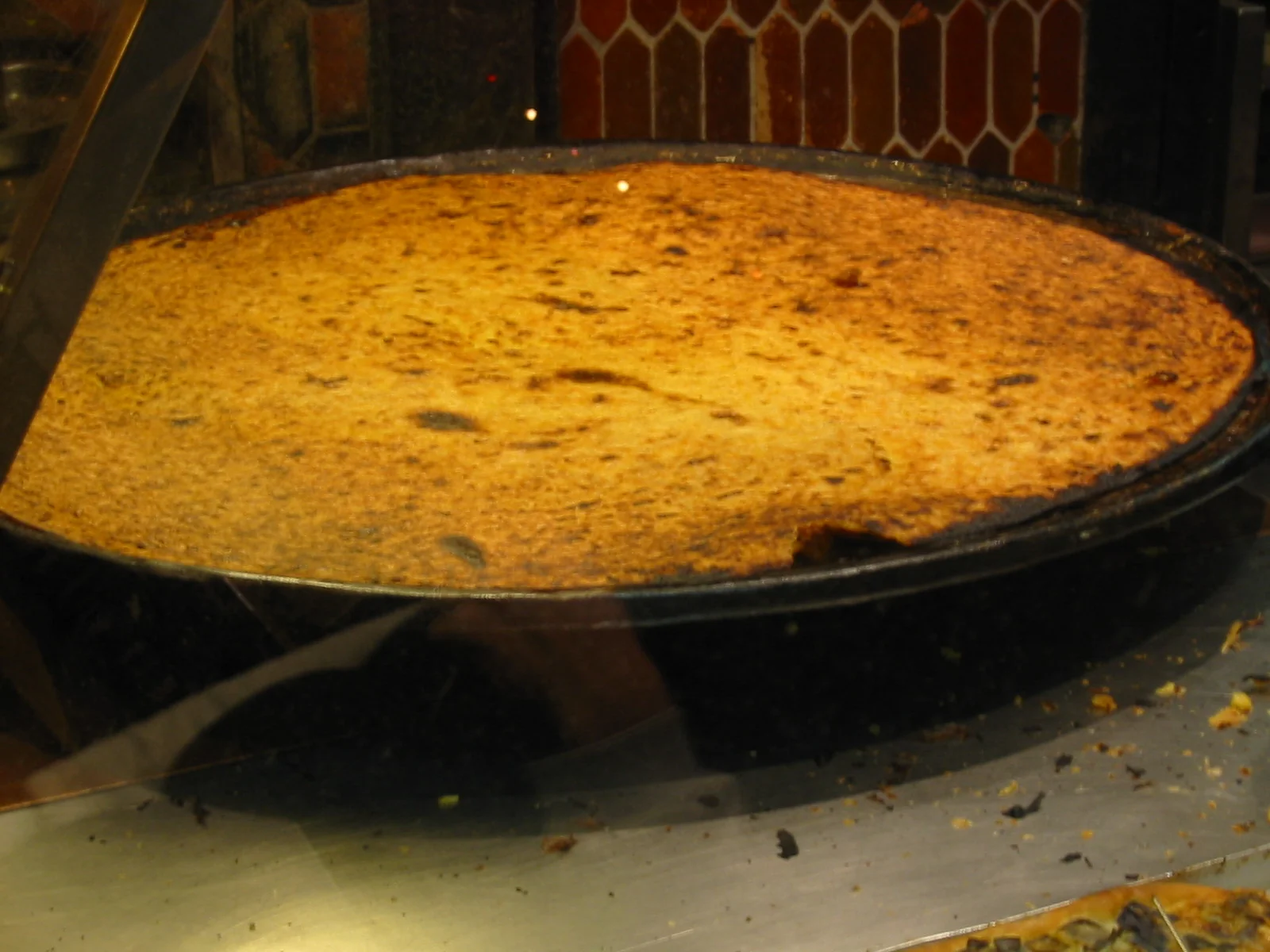
A whole golden socca chickpea flatbread in a large round black pan, its surface blistered and crisp Monaco flag Monaco 55m
Snack & Tea •Monegasque Classic

Monegasque Socca

Monegasque socca is a paper-thin chickpea flatbread baked in a blazing-hot oiled pan until its edges blister and its top turns deep gold, crisp outside and soft in the middle. It is the snack Monaco and Nice are famous for, sold hot from market stalls and eaten by hand, torn into rough pieces and dusted with black pepper. One serving is about 120 g.

Light & Satisfying

A thin, crisp chickpea flatbread that makes a light, plant-protein snack from just five everyday ingredients.

Pairs Well With
Serve hot with a lemony green salad, a glass of dry rose, and plenty of freshly ground black pepper.
Quick Prep (<30m)
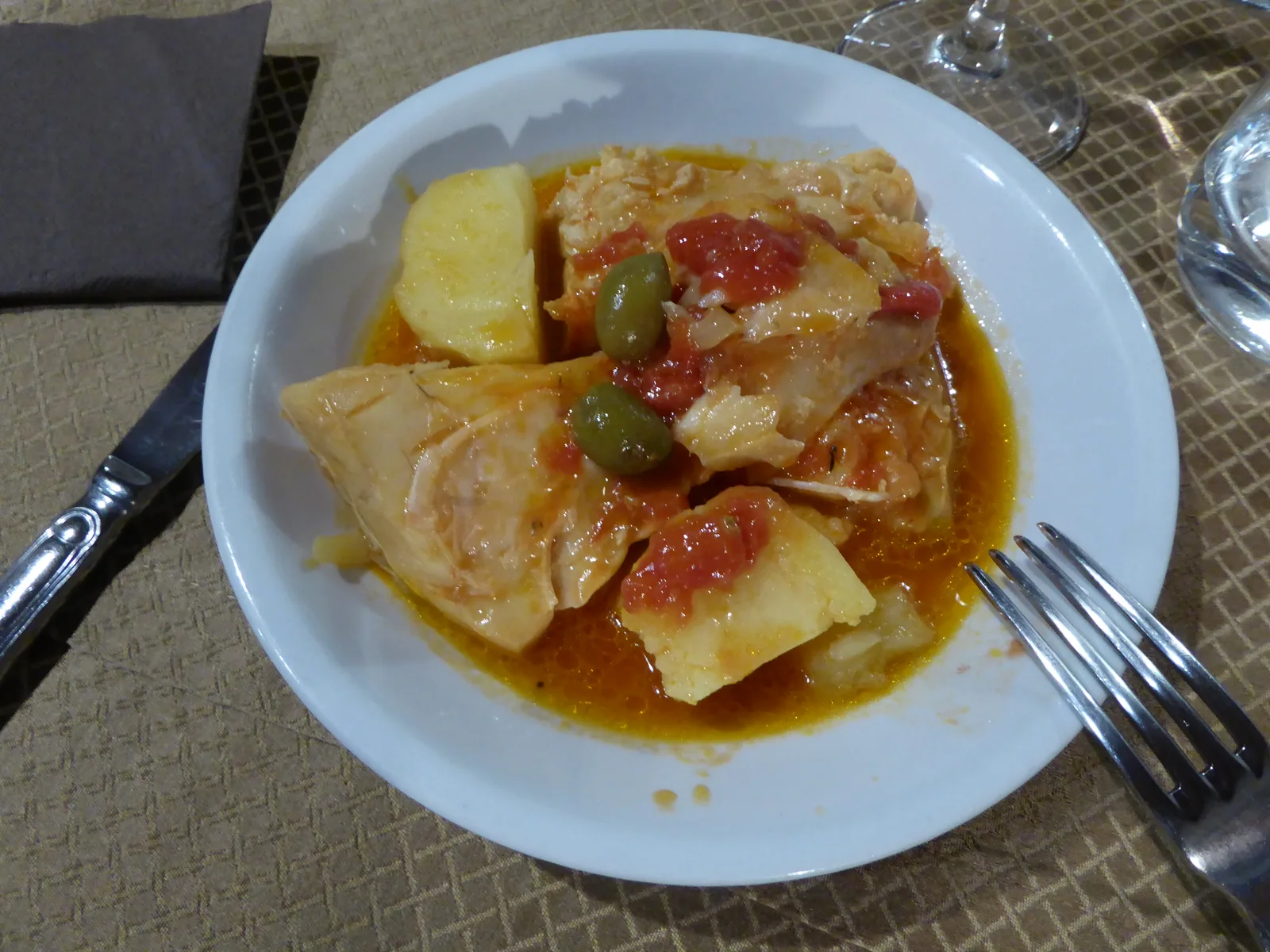
A white bowl of stockfish stew in tomato sauce, with chunks of potato and green olives Monaco flag Monaco 1h 50m
Dinner •Monegasque Classic

Monegasque Stocafi

Monegasque stocafi is air-dried stockfish, soaked until tender, then braised slowly in a tomato sauce with onion, leek, peppers, celery and black olives, with potatoes cooked right in the pot. It is the Riviera's answer to a fish stew: humble, deeply savoury and made for mopping up with bread. One serving is about 540 g.

Comfort & Warmth

A slow-braised Riviera stew of rehydrated stockfish in tomato sauce with potatoes, peppers and black olives.

Pairs Well With
Serve with crusty bread, a simple green salad and a glass of dry white wine from Provence.
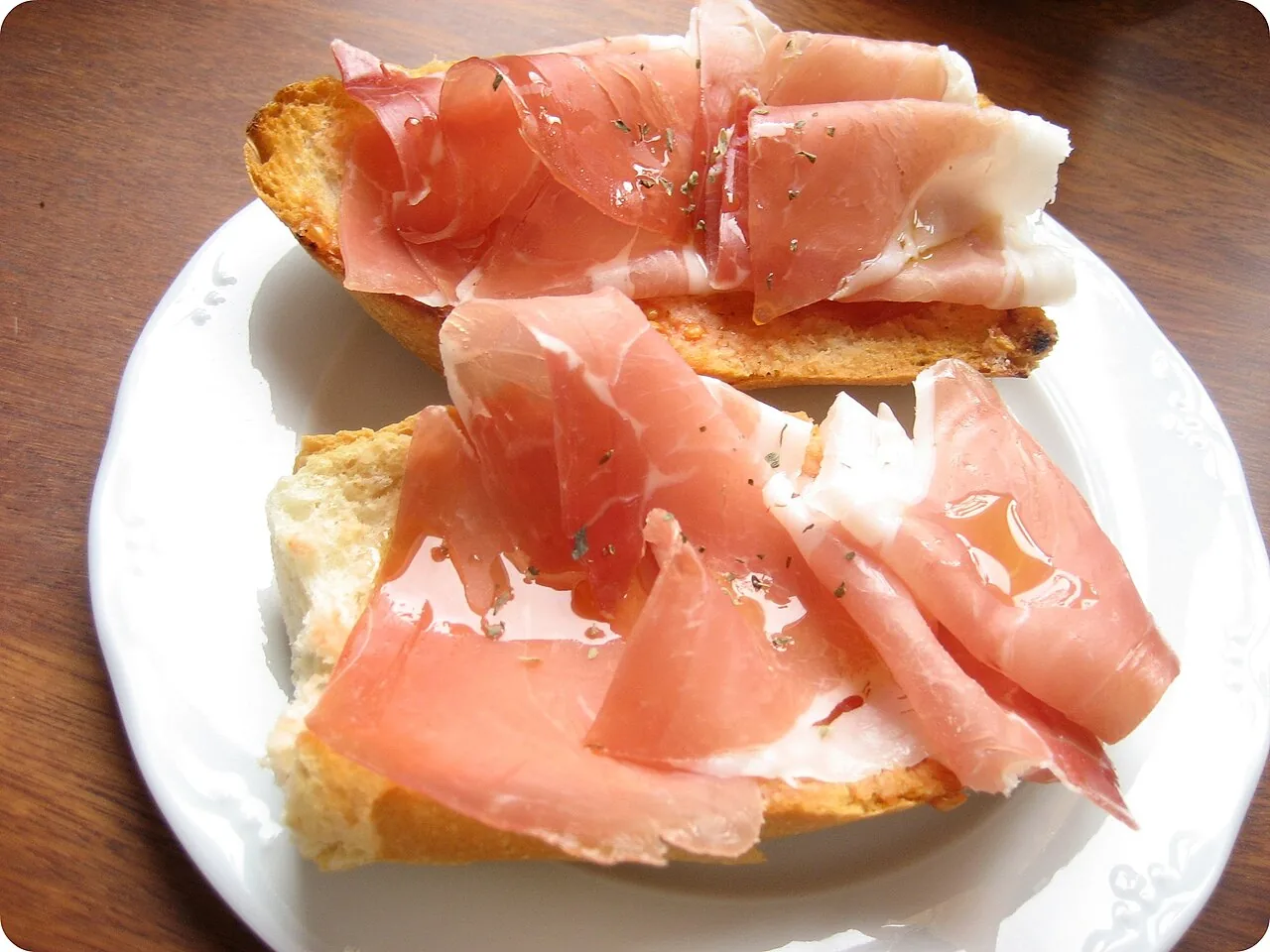
Pan con tomate with jamón ibérico on toasted bread Spain flag Spain 15m
Snack & Tea •Catalan Aperitivo

Pan con Tomate & Jamón Ibérico

Country bread rubbed with ripe Ramallet tomato, drizzled with cold-pressed Arbequina olive oil and topped with jamón ibérico.

Vascular Health

Toasted tomato bread with jamón ibérico, olive oil and olives.

Pairs Well With
Castelvetrano Olives & Sparkling Mineral Water
Quick Prep (<30m)
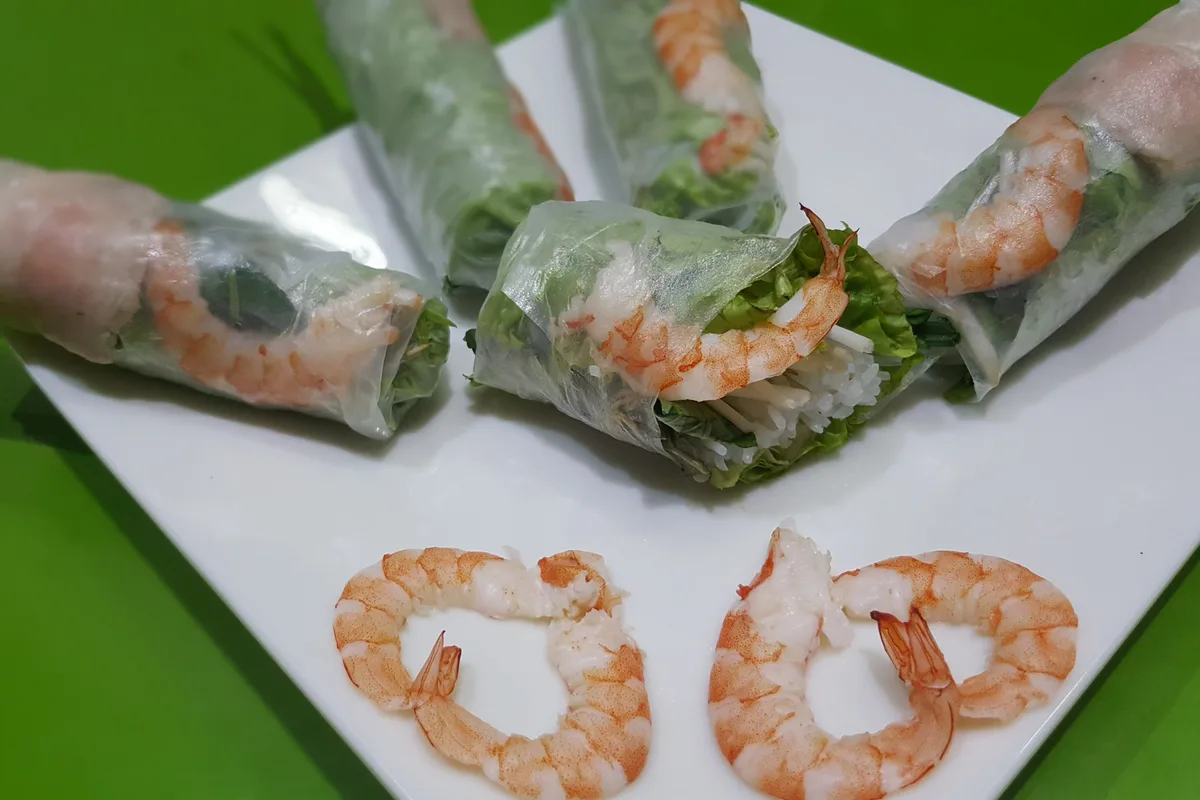
Gỏi cuốn — Vietnamese fresh spring rolls with prawn and pork Vietnam flag Vietnam 1h 5m
Snack & Tea •Saigon Refresh

Gỏi Cuốn Tôm Thịt

Fresh rice paper rolls filled with poached prawns, tender pork, rice vermicelli, lettuce, herbs and carrot, served with a peanut dipping sauce.

Light Digestion

Nothing is fried, so the rolls stay light and fresh — a cool, herb-filled snack for hot days.

Pairs Well With
Artisanal Peanut Dip & Fresh Lotus Root Water
High Protein

The Dinner Gazette

Never wonder what’s for dinner again

One email a week with easy dinner ideas from around the world — ingredients, steps and nutrition, tested in our kitchen first.

Delivered every Thursday morning. Unsubscribe anytime.