Curated recipes from 193 countries  •  New seasonal Mediterranean issue out now

Overview

Monegasque Stocafi

Stocafi à la Monégasque, Stockfish à la Monégasque

Monegasque stocafi is air-dried stockfish, soaked until tender, then braised slowly in a tomato sauce with onion, leek, peppers, celery and black olives, with potatoes cooked right in the pot. It is the Riviera's answer to a fish stew: humble, deeply savoury and made for mopping up with bread. One serving is about 540 g.

Stockfish is cod dried in cold Arctic air with no salt at all, and it has been traded from northern Norway to Mediterranean ports for centuries — the same dried fish is called stoccafisso in Italian and stocafi in French. Along the Riviera, cooks in Monaco and Nice turned it into a red stew with tomatoes, olives and potatoes, and the Niçois version was famously written down by Jacques Médecin, the former mayor of Nice, in his book on the cooking of Nice. The Monegasque version keeps the same idea and adds peppers, leeks, celery and a spoonful of curry to the sauce.

Pairs well with: Serve with crusty bread, a simple green salad and a glass of dry white wine from Provence.

Provenance

Monaco flag Monaco

Monegasque Classic

Mediterranean & Italy

Time Dedication

1h 50m

30m prep • 80m cook

Batch Yield

4 Servings

482 kcal per serving

1 serving ≈ 540 g

Technical Skill

Intermediate

Medium (Slow Braise)

Meal Timing & Digestive Fit

Breakfast

Not Advised

Lunch

Hearty Midday Main

Dinner

Ideal Hearty Main

Snack & Tea

Inappropriate

Occasions: Slow Sunday dinners, Riviera-style family meals, make-ahead weekend cooking, dinner parties Cost: Moderate–High — about $6–7 per serving at home
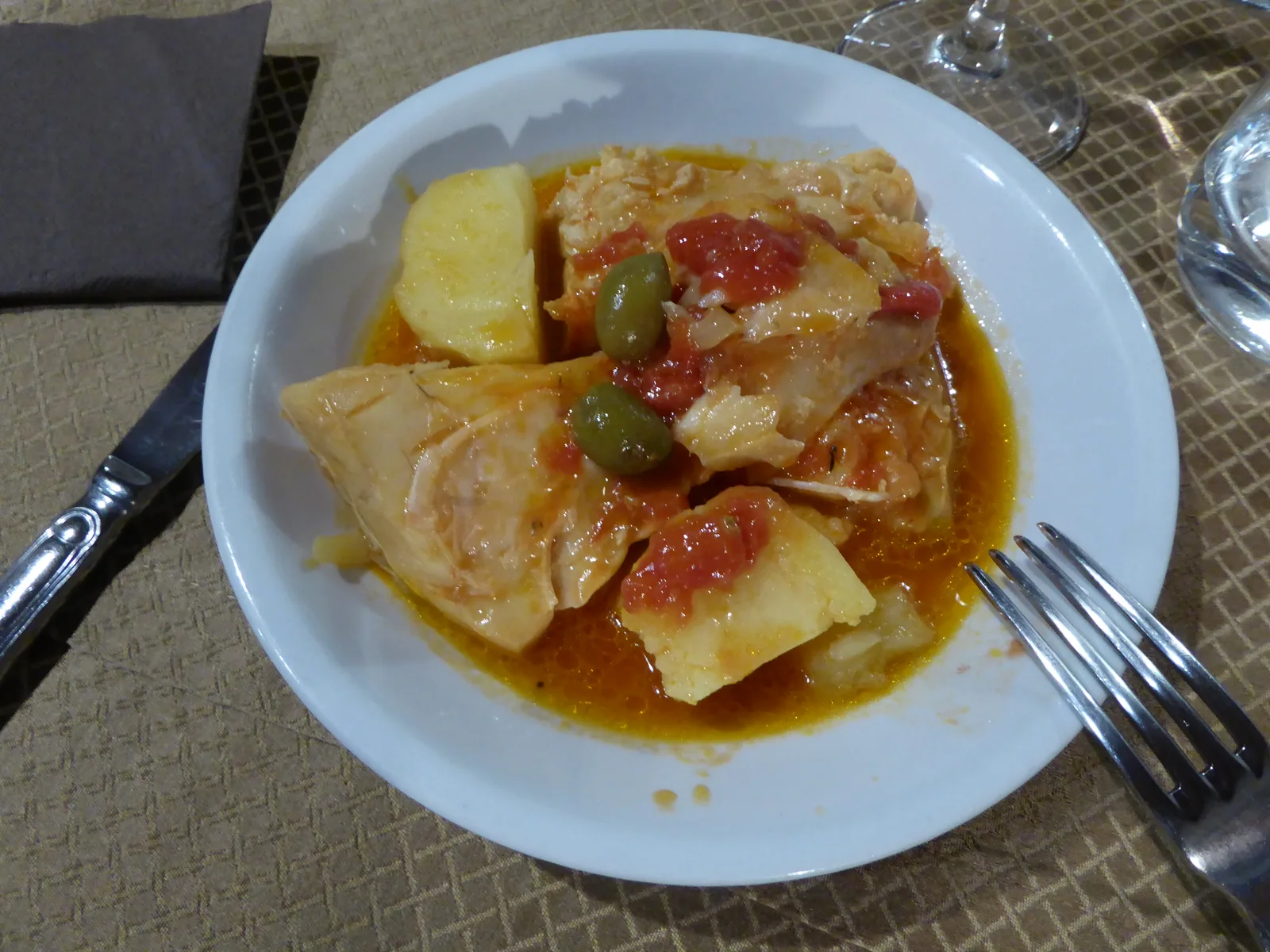
A white bowl of stockfish stew in tomato sauce, with chunks of potato and green olives

Monegasque Classic

Photo: Marcuscalabresus, CC BY-SA 4.0, via Wikimedia Commons

The Heritage Formulary

Measured Ingredients

Estimated cost: Moderate–High — about $6–7 per serving at home (USD)

This recipe follows the traditional Monegasque method: stockfish soaked 24–48 hours, then braised gently in tomato sauce with potatoes, peppers, leeks, celery and black olives, salted only at the end.

Execution Methodology & Culinary Technique

Step-by-Step Cooking Guide

Active 1h 50m
P

Prep Stage: Soak the Stockfish, Then Chop Everything

30 Mins Active (+ 24–48 Hours Soaking, Hands-Off)

Start 1–2 days ahead: soak the dried stockfish in a large bowl of cold water, changing the water twice a day, until it is soft and pliable. On cooking day, rinse the fish, pick out any bones and cut it into large chunks. While it drains, peel and chunk the potatoes, chop the onion, leek, peppers and celery, and measure out the tomato paste, wine, olives and herbs. Everything goes into the pot in one steady sequence, so have it all ready first.

Maestro Tip: The soaking is the whole dish: under-soaked stockfish stays tough no matter how long you braise it. It should bend easily and feel like fresh fish before it goes anywhere near the pot.

  1. 1

    Soak the Stockfish Until Tender

    24–48 Hours (Hands-Off, 1–2 Days Ahead) Cold water, about 20°C (68°F)

    Put the dried stockfish in a large bowl or pot and cover with plenty of cold water. Leave it in a cool place for 24 to 48 hours, changing the water twice a day. The fish is ready when it bends easily, feels soft through the thickest part and no longer looks or feels like wood. Drain, rinse well, run your fingers along each piece to find and pull out any bones, then cut into large chunks about 6 cm (2 1/2 in) across.

    If the fish still feels stiff in the middle after 48 hours, give it another 12 hours — a longer soak never hurts, a short one ruins the dish.

    Done when: The fish bends without snapping, yields to a fingertip, and cuts cleanly with a knife.

  2. 2

    Soften the Onion, Leek, Peppers and Celery

    15 Mins Medium heat; oil shimmering, about 160°C (320°F)

    Heat the olive oil in a wide, heavy casserole over medium heat. Add the onion, leek, peppers and celery and cook gently for 10 to 12 minutes, stirring now and then, until soft and sweet but not browned. Add the garlic and cook 1 minute more, just until fragrant.

    Keep the heat gentle: browned vegetables turn the sauce bitter, while soft, pale ones melt into it and sweeten the whole pot.

    Done when: The vegetables are soft, glossy and translucent, with no colour on the edges.

  3. 3

    Build the Tomato Sauce

    15 Mins Medium heat, simmering at about 95°C (200°F)

    Stir in the tomato paste and cook 1 minute, then pour in the white wine and let it bubble for 2 minutes to cook off the alcohol. Add the chopped tomatoes with their juice, the curry powder, herbes de Provence and the bay leaf. Simmer gently, uncovered, for 12 minutes until the sauce thickens a little and tastes round rather than sharp.

    Taste the sauce now: if the tomatoes are sharp, a pinch of sugar helps, but do not add any salt yet — the fish brings its own.

    Done when: The sauce is thick enough to coat a spoon and has lost its raw tomato edge.

  4. 4

    Add the Stockfish and Potatoes

    50 Mins Gentle simmer; fish must reach 63°C (145°F)

    Lay the potato chunks in the sauce, then nestle the stockfish pieces among them, skin-side down where there is skin, and spoon sauce over the top. Add just enough water to barely cover the potatoes. Cover and simmer very gently for 45 to 50 minutes, rocking the pan now and then instead of stirring, until the potatoes are tender and the fish is opaque and flakes easily. Check the fish reaches 63°C (145°F) in the thickest piece.

    Rock, do not stir: a spoon breaks the fish into shreds. A gentle shake of the pan keeps everything intact and stops the bottom catching.

    Done when: The potatoes crush easily with a fork, the fish flakes at a touch, and the sauce has thickened around everything.

  5. 5

    Add the Olives, Rest and Serve

    10 Mins No heat — rest off the heat, about 20°C (68°F)

    Stir in the black olives and the chopped parsley, then taste and add salt and pepper only if needed — the fish and olives are often salty enough already. Fish out the bay leaf. Rest the pot, covered, off the heat for 10 minutes so the flavours settle, then serve in deep bowls with the sauce spooned over.

    The 10-minute rest is when the potatoes drink up the sauce and the fish relaxes — serve it straight from the pot and it tastes rushed.

    Done when: The stew is steaming, the sauce clings to the fish and potatoes, and the olives are warmed through.
Finishing Touches & Plating

Rest the pot for 10 minutes after adding the olives and parsley, then serve in deep bowls with plenty of sauce and crusty bread on the side.

Nutritional Physiology & Benefits

Nutrition

Energy

482

kcal / serving

Protein

33g

Complete AA

Carbs

45g

Complex

Fats

18g

Healthy

Per serving (4 servings · 1 serving ≈ 540 g)
Energy482 kcal
Protein33 g
Carbohydrates45 g
Fat18 g
Fibre8.1 g
Sugar10.7 g
Sodium677 mg
Per 100g
Energy89 kcal
Protein6.1 g
Carbohydrates8.3 g
Fat3.3 g
Fibre1.5 g
Sugar2 g
Sodium125 mg

Nutrition values are estimated — calculated from USDA FoodData Central values for the listed ingredients.

Vitamins & minerals: Vitamin B12 and selenium (cod), vitamin C (peppers and tomatoes), vitamin B6 and potassium (potatoes), vitamin K (parsley). Nutrition values are estimated.

Lean, Filling Protein

About 32.8 g of protein per serving comes almost entirely from the stockfish, which is very lean, so the stew is filling without being heavy.

Vegetables in Every Spoonful

Potatoes, tomatoes, peppers, onion, leek and celery add up to about 8.1 g of fibre per serving, along with vitamin C and potassium.

Olive Oil and Tomato Base

The sauce is built on extra-virgin olive oil and tomatoes, a combination that keeps the dish rich in flavour without relying on cream or butter.

Food Pairings

What to Eat With

To optimize nutrient absorption and elevate the sensory depth, pair with these authentic accompaniments:

Sides

Crusty Bread

Bread is essential here — the tomato and olive oil sauce is too good to leave in the bowl, and a thick slice soaks it up completely.

Steamed Green Beans

Plain green beans add colour and a clean, green note that balances the warm curry and the deep tomato sauce.

Vegetables

Green Salad with Lemon

A crisp, sharp salad cuts through the richness of the braise and refreshes the palate between spoonfuls of fish and potato.

Drinks

Dry White Wine from Provence

A dry, mineral white from the Riviera matches the fish and the tomato sauce without fighting the olives, and it is the same wine used in the pot.

Full Menus

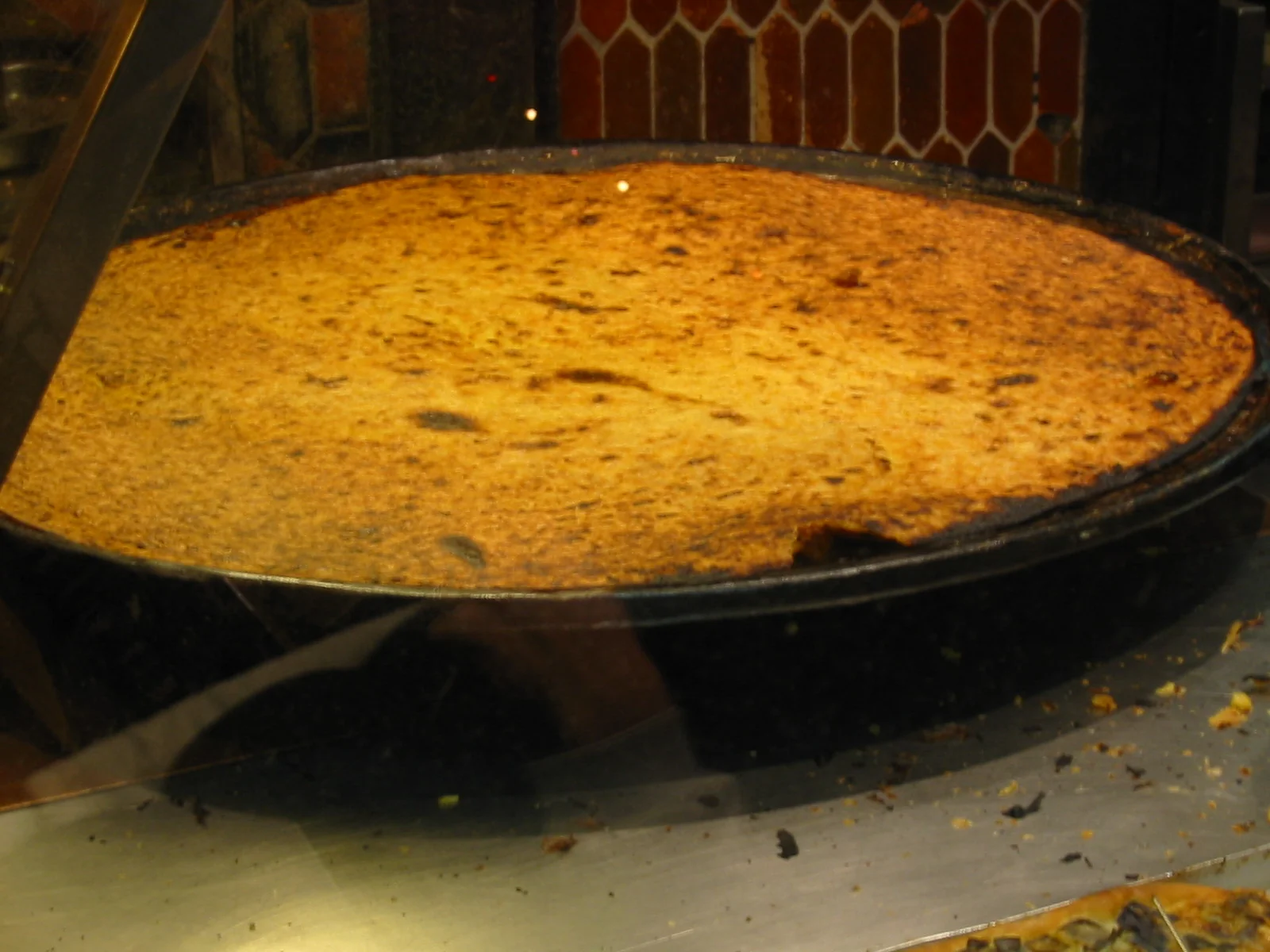
Full Menu: Socca, Stocafi, Fresh Fruit

Start with socca, the chickpea flatbread of the Riviera, serve the stocafi as the main event, and finish with fresh fruit — a classic Monegasque progression from crisp to rich to light.

Complete menu

Start with socca, the Riviera chickpea flatbread, serve the stocafi with crusty bread and a green salad, and finish with fresh fruit.

Digestive Guardrails

What NOT to Combine

To prevent digestive distress, sluggishness, or palate clash, avoid pairing the dish with these elements:

Salting Before Tasting

Stockfish keeps some salt even after soaking, and the olives add more, so salting early can easily make the finished stew too salty to enjoy. Taste at the very end and add salt only if it needs it. This is general information, not medical advice.

Stirring the Pot Hard

Soaked stockfish is tender and breaks apart if stirred with a spoon, which turns the stew into a mushy hash. Rock the pan gently instead, and the pieces stay whole. This is general information, not medical advice.

General information only, not medical advice — consult a doctor for personal dietary decisions.

Who Should Eat It

Who Should Eat

  • General adultsA satisfying dinner as written — one bowl with bread is a full meal for most adults.
  • ChildrenSuitable from age 3+ once all bones are picked out; the curry is very mild, but check each piece for bones and let it cool well.
  • ElderlyGood in a modest portion; the fish and potatoes are soft and easy to eat, but check for small bones and keep the portion moderate.
  • Pregnant womenGenerally suitable when the fish is cooked through to 63°C (145°F) and served freshly cooked and hot; cod is a low-mercury fish. Ask your clinician about portion size and frequency.
  • Breastfeeding womenGenerally suitable; the lean protein, iodine and B12 from the fish are useful, and one bowl with bread makes a complete meal.
  • AthletesA solid post-training dinner — about 32.8 g of protein and 44.6 g of carbohydrate per serving; add bread if you need more energy.
  • Weight gainA good choice — the dish is filling and energy-dense, so a full bowl with bread and an extra drizzle of olive oil adds calories easily.
  • Weight lossKeep to one bowl and go easy on the bread; at 482 kcal a serving it is moderate, so portion size matters.

Health Conditions — Adjust or Avoid

Conditions

  • DiabetesThe potatoes supply most of the 44.6 g of carbohydrate per serving; a smaller portion of potatoes with extra fish and salad helps keep the meal lighter. Ask your clinician about portions.
  • High blood pressureOne serving has about 677 mg of sodium, mostly from the olives and any salt added at the end; use fewer olives and skip the final salt. Ask your clinician about your daily sodium limit.
  • Kidney diseaseThe dish is fairly high in protein, potassium and sodium, so keep the portion small if your clinician has advised limits, and ask about portion size.
  • GoutCod is moderate in purines; a smaller serving with plenty of vegetables and water is a safer way to enjoy it. Ask your clinician about how often fish fits your diet.
  • Stomach issuesThe tomato sauce, peppers and curry can be heavy for a sensitive stomach; a smaller portion, well rested and not too hot, is usually easier. Ask your clinician if symptoms persist.
  • Cardiovascular diseaseThe dish is low in saturated fat and built on olive oil and fish, but watch the sodium from the olives and salt. Ask your clinician about your overall sodium and fat intake.
  • Fatty liverThe stew is fairly lean, with most fat coming from olive oil; keep the oil to the amount listed and skip extra bread with butter. Ask your clinician about dietary changes.
  • Food allergiesContains fish (cod) — the main allergen in this dish. It also contains sulphites from the wine, though most cook off. Ask your clinician before serving to someone with a food allergy.
  • Special therapeutic dietsNaturally gluten-free and dairy-free as written; not suitable for a low-sodium diet without cutting the olives and salt. Ask your clinician or dietitian before adapting it.

If you have a medical condition, consult your doctor before changing your diet.

Storage & Use

Storage & Use

How to store
Cool the stew to room temperature within 2 hours, then move to airtight containers.
In the fridge
2–3 days in the fridge.
In the freezer
Up to 2 months; freeze in single portions, though the potatoes soften after freezing.
How to reheat
Reheat gently in a covered pan over low heat until steaming hot throughout, to 74°C (165°F), about 10–15 minutes; add a splash of water if the sauce has thickened.
Freezing recommended
Yes, in single portions for up to 2 months; the flavour holds, though the potatoes become softer.
Signs it has spoiled
Sour or strongly fishy smell, slimy surface on the fish, mould, or a grey, watery layer on top.

More recipes to explore

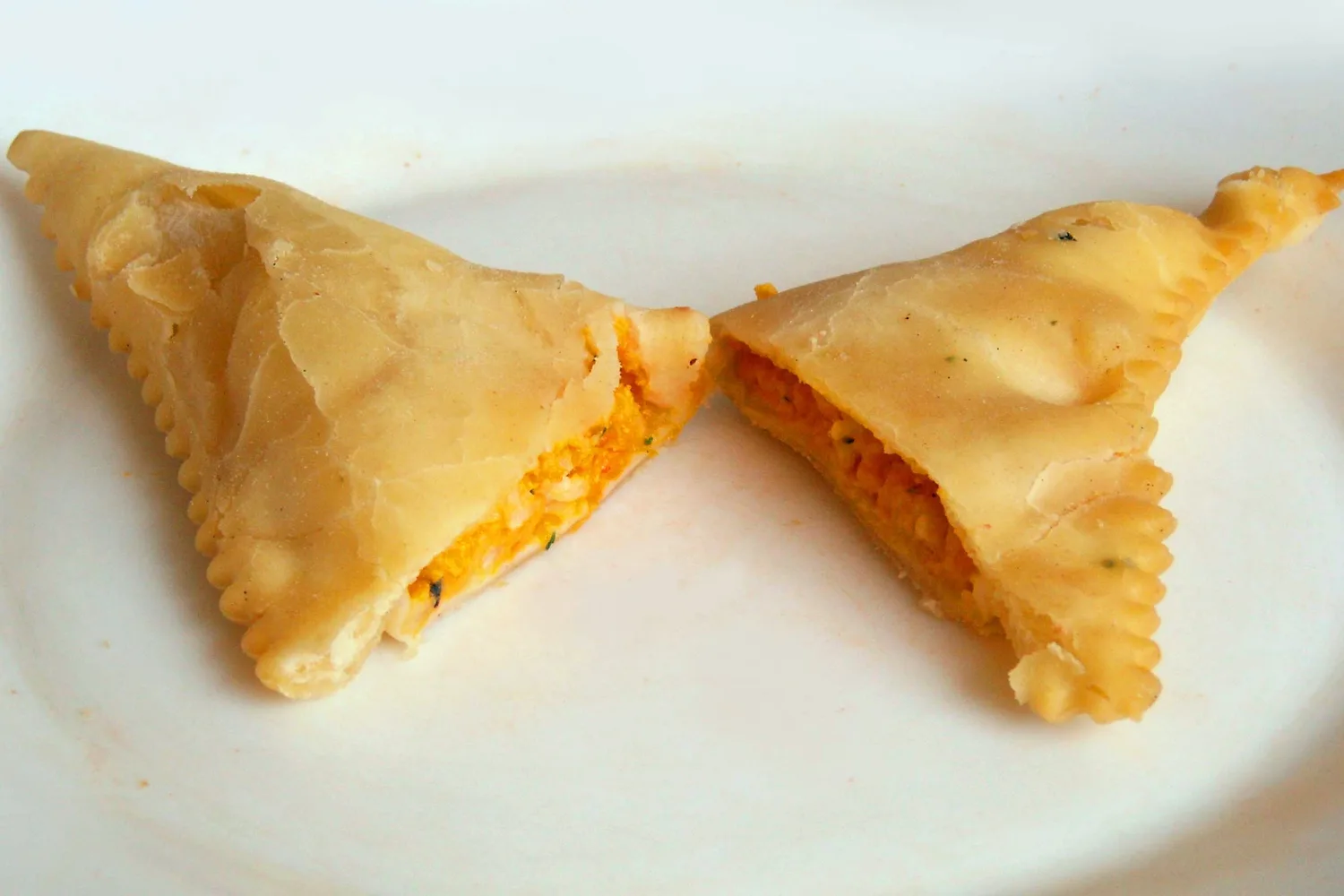
A golden fried barbagiuan cut in half to show its savoury filling, on a white plate Monaco flag Monaco 1h 15m
Snack & Tea •Monaco National Dish

Monegasque Barbagiuan

This barbagiuan recipe makes Monaco's national snack: thin pastry folded around Swiss chard, spinach and ricotta, then deep-fried until the outside shatters and the cheese filling turns soft and creamy. They are the bites handed round at markets and parties across Monaco, and they disappear fast while still warm. One serving is about 190 g.

Crisp Snack & Sharing

A crisp, hand-held fried pastry with a soft chard and ricotta centre, made for sharing as a snack or aperitivo.

Pairs Well With
Serve warm with a lemon-dressed green salad and a glass of dry white wine.
A whole golden socca chickpea flatbread in a large round black pan, its surface blistered and crisp Monaco flag Monaco 55m
Snack & Tea •Monegasque Classic

Monegasque Socca

Monegasque socca is a paper-thin chickpea flatbread baked in a blazing-hot oiled pan until its edges blister and its top turns deep gold, crisp outside and soft in the middle. It is the snack Monaco and Nice are famous for, sold hot from market stalls and eaten by hand, torn into rough pieces and dusted with black pepper. One serving is about 120 g.

Light & Satisfying

A thin, crisp chickpea flatbread that makes a light, plant-protein snack from just five everyday ingredients.

Pairs Well With
Serve hot with a lemony green salad, a glass of dry rose, and plenty of freshly ground black pepper.
Quick Prep (<30m)
Bœuf bourguignon — French beef braised in red wine France flag France 4h
Dinner •Burgundy Terroir

Bœuf Bourguignon

Beef braised gently in red wine until the connective tissue melts into a velvet, gelatin-rich sauce — the classic Burgundy Sunday dinner.

Cellular Repair

Beef braised in red wine until spoon-tender, with mushrooms and pearl onions.

Pairs Well With
Parsnip Purée & Steamed French Haricots Verts
High Protein
Vietnamese braised pork belly with golden eggs in caramel sauce Vietnam flag Vietnam 1h 45m
Dinner •One Pot

Vietnamese Braised Pork and Eggs

Pork belly slowly braised in coconut water and caramel until meltingly tender, with golden eggs that soak up the sweet-savoury sauce — the Vietnamese family dish that tastes better the next day.

Comfort & Sustained Energy

Slow-braised pork belly and eggs in coconut water and caramel.

Pairs Well With
Steamed rice & pickled mustard greens
High Protein

The Dinner Gazette

Never wonder what’s for dinner again

One email a week with easy dinner ideas from around the world — ingredients, steps and nutrition, tested in our kitchen first.

Delivered every Thursday morning. Unsubscribe anytime.