
Curated recipes from 193 countries  •  New seasonal Mediterranean issue out now

Overview

Montenegrin Buzara

Dagnje na Buzaru

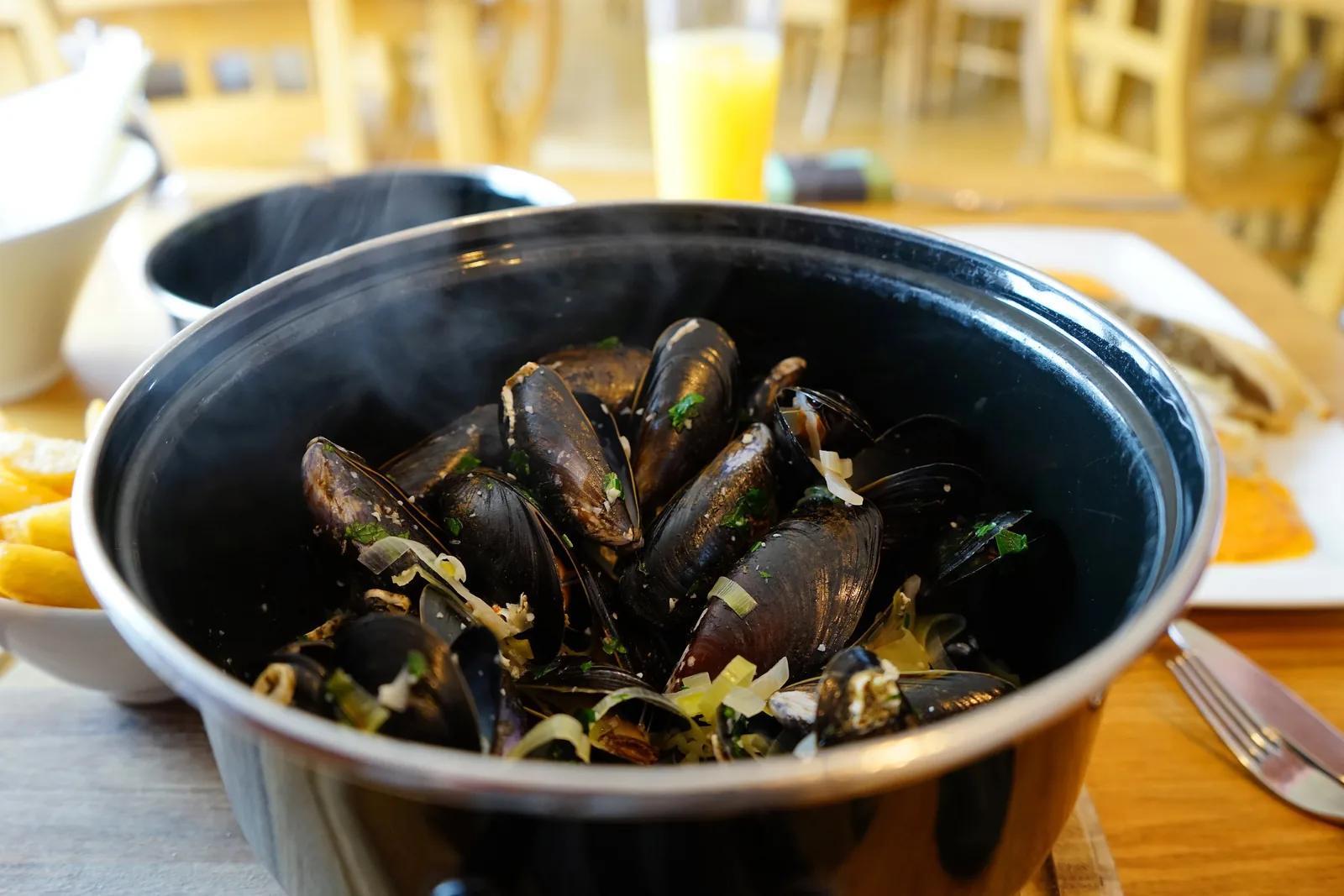
Montenegrin buzara is a pot of fresh mussels steamed in white wine with garlic, olive oil and parsley, finished with breadcrumbs and lemon. The mussels open in the fragrant broth, and that broth is the best part — soak it up with crusty bread. One serving is about 565 g.

Buzara is less a single recipe than a way of cooking along the Adriatic: shellfish simmered in olive oil, white wine, garlic and parsley, with breadcrumbs stirred in to give the broth body. It is cooked the same way on both shores of the sea, from Montenegro and the Dalmatian coast to Trieste and Venice, and the name may come from the Venetian word bozzolare, to simmer or bubble, though the origin is disputed. The white version here, without tomato, is the one most often made with mussels (dagnje), while the red version with tomato and onion is more often used for scampi.

Pairs well with: Serve with crusty bread for the broth and a glass of the same dry white wine.

Provenance

Montenegro flag Montenegro

Montenegrin Coastal Classic

Mediterranean & Italy

Time Dedication

32m

20m prep • 12m cook

Batch Yield

4 Servings

294 kcal per serving

1 serving ≈ 565 g

Technical Skill

Easy

Easy (One Pot)

Meal Timing & Digestive Fit

Breakfast

Not Advised

Lunch

Hearty Midday Main

Dinner

Ideal Hearty Main

Snack & Tea

Inappropriate

Occasions: Summer dinners by the sea, casual seafood nights, dinner parties, coastal holiday cooking Cost: Low — about $3–4 per serving at home
A steaming black pot of opened mussels in white wine broth, sprinkled with chopped parsley and garlic

Montenegrin Coastal Classic

Photo: Ben Brown, CC BY 2.0, via Wikimedia Commons

The Heritage Formulary

Measured Ingredients

Estimated cost: Low — about $3–4 per serving at home (USD)

This recipe follows the white buzara method: mussels steamed in olive oil, garlic and white wine with parsley and breadcrumbs, with no tomato.

Execution Methodology & Culinary Technique

Step-by-Step Cooking Guide

Active 32m
P

Prep Stage: Clean the Mussels and Chop the Garlic and Parsley

20 Mins

Scrub the mussels under cold running water, pull the beard from each shell, and throw away any mussel that stays open when tapped sharply or has a cracked shell. Chop the garlic and parsley, measure out the olive oil, wine and breadcrumbs, and squeeze the lemon. Everything cooks in about 10 minutes once the pot is on the heat, so have it all ready before you start.

Maestro Tip: Buy the mussels the day you cook them and keep them cold in the fridge. A mussel that stays open when tapped is dead — throw it away, never cook it.

  1. 1

    Warm the Garlic in Olive Oil

    2 Mins Medium heat, oil about 160°C (320°F)

    Heat the olive oil in a large, wide pot over medium heat. Add the chopped garlic and half the parsley and cook for about 2 minutes, stirring constantly, until the garlic smells fragrant and turns pale gold. Do not let it brown — browned garlic turns bitter and will spoil the broth.

    Keep the garlic moving in the oil the whole time; 30 seconds too long is the difference between sweet and bitter.

    Done when: The garlic is pale gold and fragrant, and the oil smells sweetly of garlic.

  2. 2

    Pour in the Wine and Bring to a Boil

    2 Mins High heat, bring to a boil at 100°C (212°F)

    Turn the heat to high and pour in the white wine, scraping the bottom of the pot with a wooden spoon to lift up any garlic that has stuck. Add the salt and pepper and let the wine come to a rolling boil for about 2 minutes so the sharp alcohol edge softens.

    Use a wine you would happily drink — the broth will taste of it, and cheap cooking wine makes the whole pot taste of salt.

    Done when: The wine is bubbling hard across the whole surface and smells of wine, not raw alcohol.

  3. 3

    Steam the Mussels Until They Open

    6 Mins High heat, covered; steam at 100°C (212°F)

    Tip in the cleaned mussels, put the lid on at once and cook on high heat for about 6 minutes, shaking the pot firmly twice so the mussels at the top move down into the broth. Lift the lid: the shells should be wide open and the meat inside plump, orange and steaming hot, at least 63°C (145°F). Throw away any mussel that stayed shut — it was dead before cooking and is not safe to eat.

    Do not lift the lid to peek in the first 4 minutes: the trapped steam is what cooks the mussels, and every peek lets it escape.

    Done when: Almost every shell is wide open and the meat is opaque and steaming; any mussel still tightly shut is discarded.

  4. 4

    Finish with Parsley, Breadcrumbs and Lemon

    2 Mins Off the heat; broth still near 90°C (194°F)

    Take the pot off the heat. Sprinkle in the breadcrumbs and the remaining parsley, pour over the lemon juice, and toss everything gently so the crumbs thicken the broth a little and coat the shells. Leave the pot to stand for 1 minute, then taste the broth and add a pinch more salt only if it needs it.

    The breadcrumbs go in last and off the heat — if they boil, they turn gluey instead of giving the broth body.

    Done when: The broth looks lightly thickened and glossy, the parsley is bright green, and the mussels are coated, not swimming in thin liquid.

Finishing Touches & Plating

Spoon the mussels and their broth into wide bowls, scatter with any remaining parsley, and serve at once with crusty bread for dipping.

Nutritional Physiology & Benefits

Nutrition

Energy

294

kcal / serving

Protein

17g

Complete AA

Carbs

14g

Complex

Fats

17g

Healthy

Per serving (4 servings · 1 serving ≈ 565 g)
Energy294 kcal
Protein17 g
Carbohydrates14 g
Fat17 g
Fibre0.8 g
Sugar1.3 g
Sodium614 mg
Per 100g
Energy52 kcal
Protein2.9 g
Carbohydrates2.6 g
Fat3 g
Fibre0.1 g
Sugar0.2 g
Sodium109 mg

Nutrition values are estimated — calculated from USDA FoodData Central values for the listed ingredients.

Vitamins & minerals: Vitamin B12, iron, selenium and zinc (mussels), vitamin C and vitamin K (parsley and lemon), and vitamin E (olive oil). Nutrition values are estimated.

Lean, Mineral-Rich Protein

About 16.6 g of protein per serving from the mussels, along with iron, vitamin B12, selenium and zinc — nutrients that are hard to get in such a small, light portion.

Light but Filling

At about 294 kcal a serving, the dish is light enough for a weeknight yet the protein and the warm broth make it feel like a proper dinner.

Olive Oil and Garlic Base

The broth is built on extra-virgin olive oil, garlic and white wine, with no cream or butter, so the richness comes from the mussels themselves.

Food Pairings

What to Eat With

To optimize nutrient absorption and elevate the sensory depth, pair with these authentic accompaniments:

Sides

Crusty White Bread

Bread is not optional with buzara — the garlic-wine broth is the best part of the dish, and only bread gets the last of it out of the bowl.

Vegetables

Simple Green Salad

A plain salad of lettuce, cucumber and lemon dressing adds crunch and a sharp, fresh note that balances the salty, garlicky broth.

Drinks

Dry White Wine

Serve the same dry white wine you cooked with — its acidity matches the broth exactly and cuts through the richness of the mussels.

Full Menus

Full Menu: Salad, Buzara, Lemon Sorbet

Start with a tomato and cucumber salad, serve the buzara as the main event with plenty of bread, and finish with lemon sorbet and coffee — a light coastal progression from fresh to rich to clean.

Complete menu

Start with a tomato and cucumber salad, serve the buzara with warm crusty bread, and finish with lemon sorbet and coffee.

Digestive Guardrails

What NOT to Combine

To prevent digestive distress, sluggishness, or palate clash, avoid pairing the dish with these elements:

Eating Mussels That Stayed Shut

A mussel that does not open during cooking was dead before it went in the pot and may carry bacteria that heat does not reliably remove, so throw it away rather than forcing it open. This is general information, not medical advice.

Overcooking Until Rubbery

Mussel meat tightens and turns rubbery within a couple of minutes past done, and it shrinks and loses its sweetness. Take the pot off the heat as soon as the shells open. This is general information, not medical advice.

General information only, not medical advice — consult a doctor for personal dietary decisions.

Who Should Eat It

Who Should Eat

  • General adultsA satisfying dinner as written — one bowl with bread is a full meal for most adults.
  • ChildrenSuitable from age 3+ in a small portion; pick out the meat for younger children and watch for shell fragments. The wine mostly cooks off, but a little alcohol can remain in the broth, so serve children the mussels with only a little broth, or make their portion with stock.
  • ElderlyGood in a modest portion — the meat is soft and easy to eat, but check each mussel for shell fragments and keep the portion small, as the dish is fairly salty at about 614 mg of sodium.
  • Pregnant womenMussels are fine when fully cooked and steaming hot, but the dish contains white wine and a small amount of alcohol can remain in the broth, so ask your clinician — a version made with fish stock instead of wine avoids the question entirely.
  • Breastfeeding womenGenerally suitable; the protein, iron and vitamin B12 are useful, and one bowl with bread makes a complete meal. Ask your clinician if you have any concerns about shellfish.
  • AthletesA good light post-training dinner — about 16.6 g of protein per serving with iron and B12; add extra bread if you need more carbohydrate.
  • Weight gainA good choice — the broth and bread add up, so a full bowl with extra bread and a drizzle of olive oil adds calories easily.
  • Weight lossKeep to one bowl, go easy on the bread and add a large salad; at about 294 kcal a serving the mussels themselves are light, so the bread is what decides the total.

Health Conditions — Adjust or Avoid

Conditions

  • DiabetesThe 14.4 g of carbohydrate per serving comes mostly from the breadcrumbs, and the mussels themselves are very low in carbohydrate; keep the bread modest and the meal stays light. Ask your clinician about portions.
  • High blood pressureOne serving has about 614 mg of sodium, mostly natural to the mussels, plus the added salt; taste the broth before adding any extra salt. Ask your clinician about your daily sodium limit.
  • Kidney diseaseThe dish is moderately high in protein and sodium, and mussels contain potassium, so keep the portion small if your clinician has advised limits, and ask about portion size.
  • GoutMussels are high in purines, so people with gout should keep the portion small and eat this dish only occasionally, with plenty of water. Ask your clinician about how often shellfish fits your diet.
  • Stomach issuesThe garlic, wine and lemon in the broth can be sharp for a sensitive stomach; a smaller portion with bread to soak up the broth is usually easier. Ask your clinician if symptoms persist.
  • Cardiovascular diseaseMussels are low in saturated fat and the broth is built on olive oil, but the dish is salty, so a modest portion with salad suits most people. Ask your clinician about your overall sodium and fat intake.
  • Fatty liverThe dish itself is light, but it is cooked with wine, so people managing fatty liver should be aware of the alcohol and ask their clinician whether a stock-based version is a better choice.
  • Food allergiesContains mollusc shellfish (a major allergen) and wheat (gluten) in the breadcrumbs; the wine may contain sulphites. Ask your clinician before serving to someone with a food allergy.
  • Special therapeutic dietsNot suitable as written for gluten-free or alcohol-free diets; gluten-free breadcrumbs and fish stock can be used, but the result will differ. Ask your clinician or dietitian before adapting it.

If you have a medical condition, consult your doctor before changing your diet.

Storage & Use

Storage & Use

How to store
Cool the mussels to room temperature within 2 hours, then move the meat and broth to an airtight container. Shells can be removed first to save space.
In the fridge
1–2 days in the fridge.
In the freezer
Not recommended — frozen mussels turn rubbery and the broth loses its flavour.
How to reheat
Reheat gently in a covered pan over low heat until steaming hot throughout, to 74°C (165°F), about 3–4 minutes; reheat once only and throw away any leftovers after that.
Freezing recommended
No — the texture suffers badly on freezing, so cook only what you will eat.
Signs it has spoiled
Sour or ammonia-like smell, slimy meat, or a grey, dull colour.

More recipes to explore

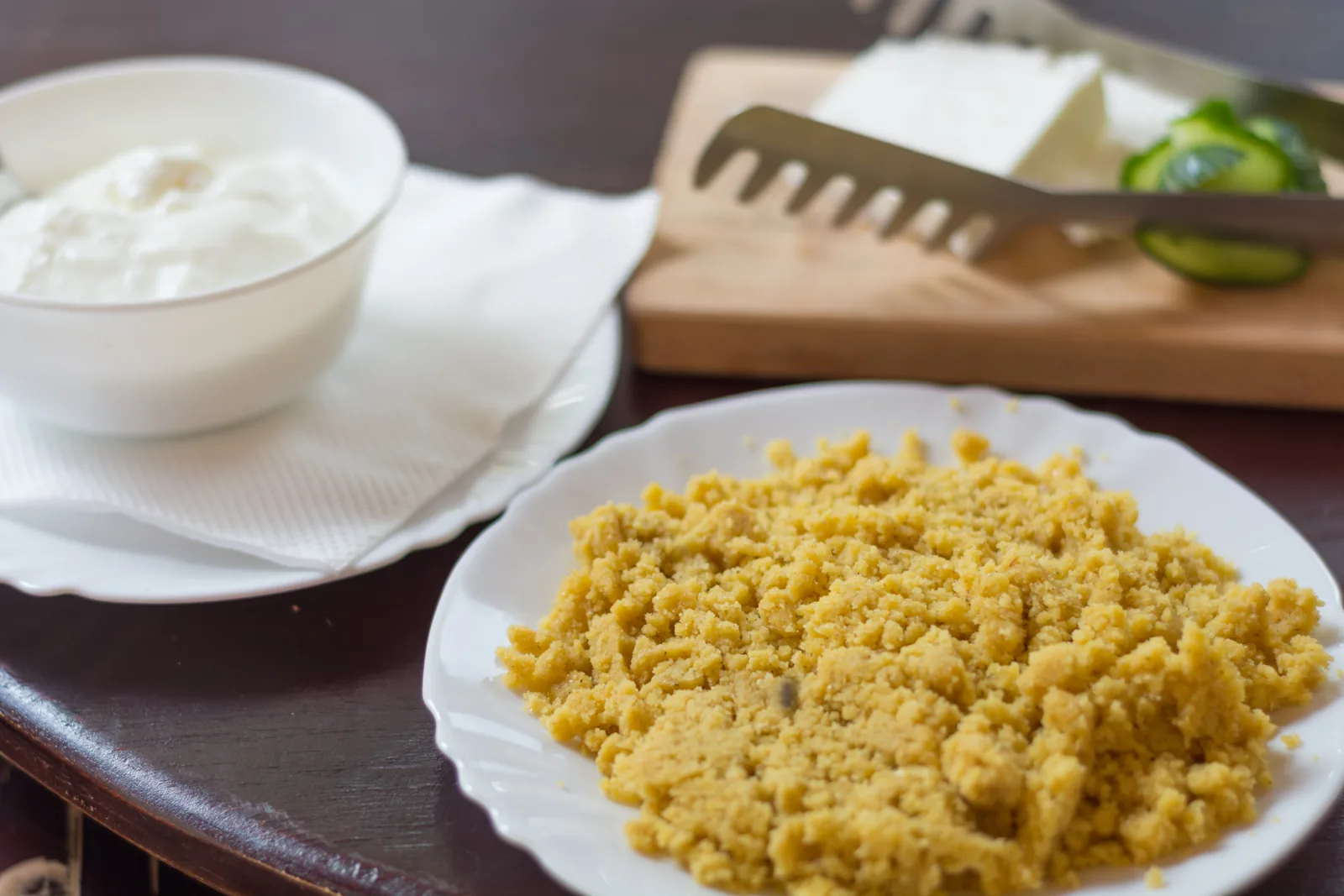
A mound of golden kačamak cornmeal porridge on a white plate, with a bowl of sour milk and a slab of white cheese on a wooden board Montenegro flag Montenegro 1h
Dinner •Montenegrin National Dish

Montenegrin Kačamak

Montenegrin kačamak is a soft, creamy porridge made by stirring fine cornmeal into mashed boiled potatoes, then beating in butter, milk, sour cream and crumbled feta until it turns smooth and rich. Unlike the stiff maize porridges of southern Africa, which are sliced and eaten by hand, kačamak is soft enough to eat with a spoon, straight from the bowl. One serving is about 415 g.

Comfort & Warmth

A soft, spoon-eaten porridge of cornmeal and potato, enriched with butter and crumbled white cheese for a rich, warming dinner.

Pairs Well With
Serve with a bowl of cold sour milk, a cucumber and tomato salad, and extra crumbled white cheese on the side.
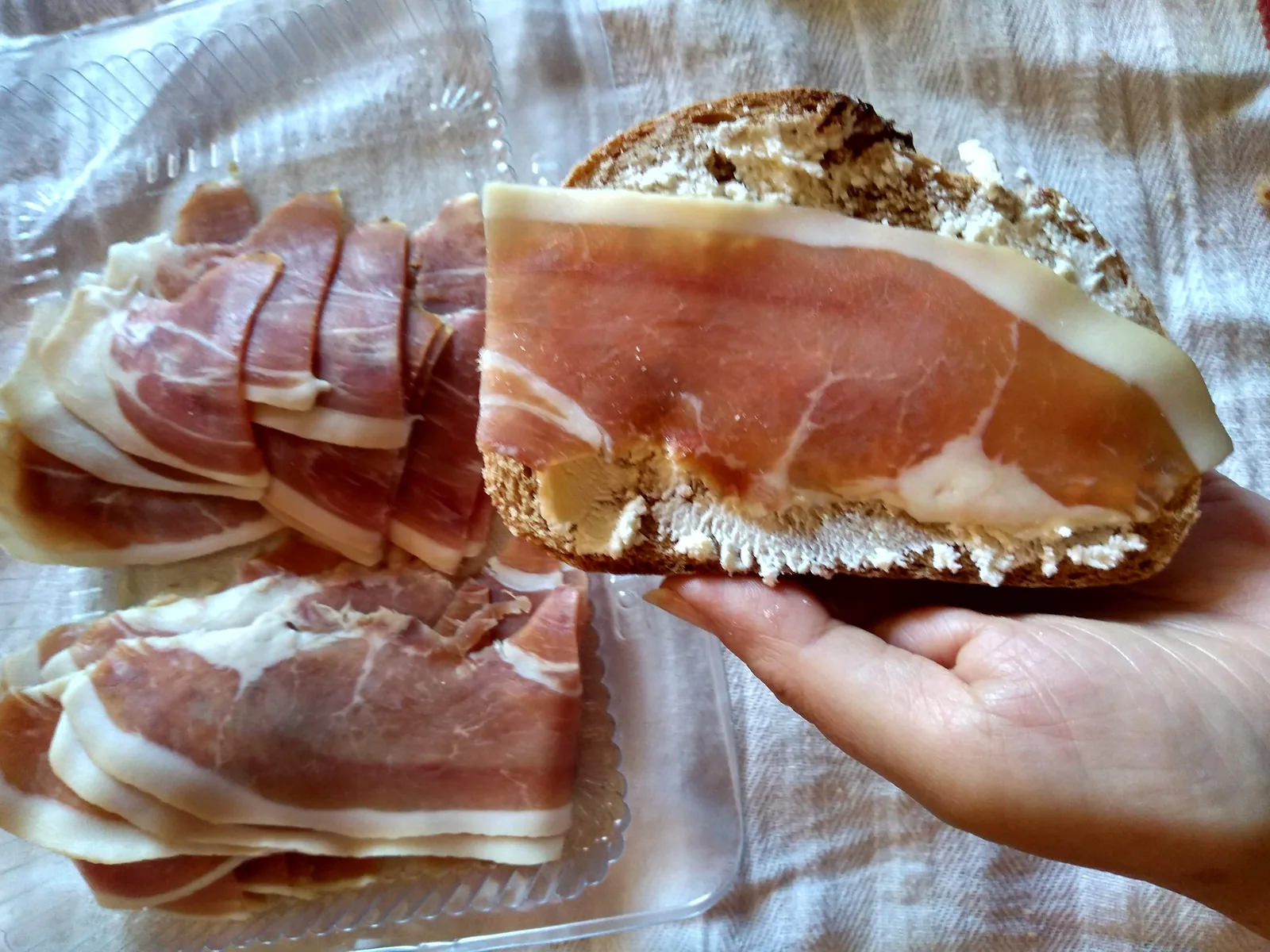
Thin slices of Njeguški pršut on a tray beside a slice of bread spread with kajmak, held in a hand Montenegro flag Montenegro 30m
Lunch •Njeguši Classic

Njeguški Pršut

Njeguški pršut is Montenegro's famous dry-cured ham from the mountain village of Njeguši: a pork leg salted with sea salt, pressed flat, lightly smoked over beechwood and left to mature in the mountain air for about a year. This njeguski prsut recipe is the home part of that story — how to choose a good piece, trim it, slice it paper-thin and serve it the Montenegrin way, with Njeguši cheese, kajmak and warm crusty bread. One serving is about 206 g.

Sharing & Savouring

A sliced cured-ham plate built for sharing: salty, smoky pršut with cheese, kajmak and crusty bread, eaten slowly at the table.

Pairs Well With
Serve the sliced ham with Njeguši cheese, kajmak, warm crusty bread and a glass of Vranac red wine.
High Protein
Bœuf bourguignon — French beef braised in red wine France flag France 4h
Dinner •Burgundy Terroir

Bœuf Bourguignon

Beef braised gently in red wine until the connective tissue melts into a velvet, gelatin-rich sauce — the classic Burgundy Sunday dinner.

Cellular Repair

Beef braised in red wine until spoon-tender, with mushrooms and pearl onions.

Pairs Well With
Parsnip Purée & Steamed French Haricots Verts
High Protein
Vietnamese braised pork belly with golden eggs in caramel sauce Vietnam flag Vietnam 1h 45m
Dinner •One Pot

Vietnamese Braised Pork and Eggs

Pork belly slowly braised in coconut water and caramel until meltingly tender, with golden eggs that soak up the sweet-savoury sauce — the Vietnamese family dish that tastes better the next day.

Comfort & Sustained Energy

Slow-braised pork belly and eggs in coconut water and caramel.

Pairs Well With
Steamed rice & pickled mustard greens
High Protein

The Dinner Gazette

Never wonder what’s for dinner again

One email a week with easy dinner ideas from around the world — ingredients, steps and nutrition, tested in our kitchen first.

Delivered every Thursday morning. Unsubscribe anytime.



