Curated recipes from 193 countries  •  New seasonal Mediterranean issue out now

Overview

Montenegrin Kačamak

Kačamak, Montenegrin cornmeal porridge

Montenegrin kačamak is a soft, creamy porridge made by stirring fine cornmeal into mashed boiled potatoes, then beating in butter, milk, sour cream and crumbled feta until it turns smooth and rich. Unlike the stiff maize porridges of southern Africa, which are sliced and eaten by hand, kačamak is soft enough to eat with a spoon, straight from the bowl. One serving is about 415 g.

Kačamak is a maize porridge eaten across the Balkans and parts of Western Asia, and its name comes from the Turkish word kaçamak, meaning escapade. Maize reached the Balkans from the Americas and became a mountain staple because it grew where wheat struggled. The Montenegrin version is the richest of the family: boiled potatoes are mashed into the cornmeal and local white cheese, butter and sour milk are stirred in at the end, turning a plain porridge into a soft, spoonable dish that is widely described as Montenegro's national dish.

Pairs well with: Serve with a bowl of cold sour milk, a cucumber and tomato salad, and extra crumbled white cheese on the side.

Provenance

Montenegro flag Montenegro

Montenegrin National Dish

Mediterranean & Italy

Time Dedication

1h

15m prep • 45m cook

Batch Yield

4 Servings

486 kcal per serving

1 serving ≈ 415 g

Technical Skill

Intermediate

Medium (Stirred Porridge)

Meal Timing & Digestive Fit

Breakfast

Not Advised

Lunch

Hearty Midday Main

Dinner

Ideal Hearty Main

Snack & Tea

Inappropriate

Occasions: Winter family dinners, mountain weekends, hearty vegetarian dinners, make-ahead comfort food Cost: Low — about $2–3 per serving at home
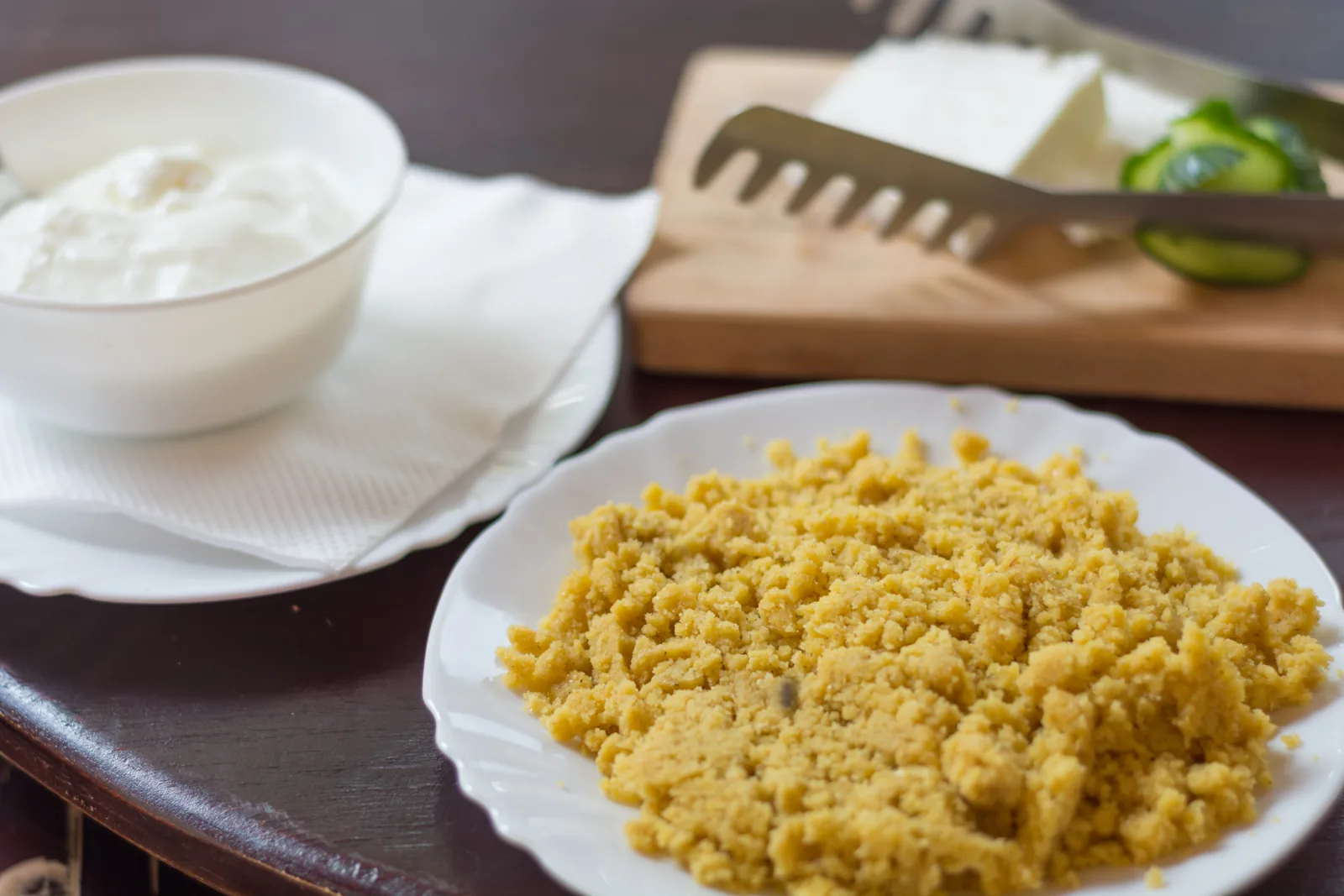
A mound of golden kačamak cornmeal porridge on a white plate, with a bowl of sour milk and a slab of white cheese on a wooden board

Montenegrin National Dish

Photo: Ssofija, CC BY-SA 4.0, via Wikimedia Commons

The Heritage Formulary

Measured Ingredients

Estimated cost: Low — about $2–3 per serving at home (USD)

This recipe follows the classic Montenegrin method: potatoes boiled and mashed in their own water, fine cornmeal stirred in slowly, then butter, milk, sour cream and crumbled white cheese beaten in at the end.

Execution Methodology & Culinary Technique

Step-by-Step Cooking Guide

Active 1h
P

Prep Stage: Potatoes Peeled, Everything Measured

15 Mins

Peel the potatoes and cut them into even chunks, crumble the feta, cube the butter and measure out the cornmeal, water, milk, sour cream, salt and pepper. Having everything ready before the pot goes on matters here, because once the cornmeal starts cooking you will be stirring without a free hand.

Maestro Tip: Cut the potato chunks the same size so they all turn soft at the same time — uneven chunks mean some pieces stay hard while others fall apart.

  1. 1

    Boil the Potatoes Until Very Soft

    25 Mins Boiling water, 100°C (212°F), then medium heat

    Put the potato chunks in a large, heavy pot with 800 ml (3 1/3 cups) of cold water and most of the salt. Bring to a boil over high heat, then lower to medium and cook for 20 to 25 minutes until the potatoes are very soft and starting to fall apart at the edges. Do not drain the pot — the starchy potato water is what the cornmeal cooks in.

    Use a heavy pot if you have one: thin pots scorch cornmeal porridge easily once it thickens.

    Done when: A fork slides through a chunk with no resistance and the edges are crumbling; the water looks cloudy with starch.

  2. 2

    Mash the Potatoes in Their Own Water

    3 Mins Low heat; the pot stays hot at about 90°C (194°F)

    Take the pot off the heat for a moment and mash the potatoes right in their cooking water with a potato masher, until no lumps remain. Return the pot to low heat and stir once or twice — you should have a smooth, thick potato soup with no dry pieces.

    Mash thoroughly now: any potato lump left at this stage will stay a lump in the finished porridge.

    Done when: The mixture is smooth and lump-free, thick enough to coat the masher.

  3. 3

    Stir in the Cornmeal, Slowly and Without Stopping

    12 Mins Low heat; the porridge simmers gently at about 90°C (194°F)

    With the pot on low heat, pour the cornmeal in a very slow, thin stream while stirring constantly with a wooden spoon, moving the spoon in wide circles and scraping the bottom and corners of the pot. Keep stirring for 10 to 12 minutes as the porridge thickens, loosens and thickens again. If it gets too stiff to stir, add a splash of the warm milk.

    Pouring the cornmeal too fast is how lumps happen — a thin stream and constant stirring are the whole secret of smooth kačamak.

    Done when: The porridge is thick and creamy, pulls away from the sides of the pot as you stir, and a spoon dragged through it leaves a trail that closes slowly.

  4. 4

    Beat in the Butter, Milk and Sour Cream

    3 Mins Low heat, about 90°C (194°F); take the pot off the heat at the end

    Add the butter cubes and the warm milk and stir until the butter has melted and the porridge turns glossy. Take the pot off the heat, add the sour cream and the remaining salt, and beat the porridge hard with the wooden spoon for a minute until it is smooth, soft and shiny.

    Beating the porridge off the heat is what makes it creamy rather than stiff — keep going until it looks like thick, soft mashed potato.

    Done when: The porridge is soft, glossy and spoonable, and falls from the spoon in a slow, heavy ribbon.

  5. 5

    Fold in the Feta and Serve Hot

    2 Mins No heat — serve straight away, about 70°C (158°F)

    Fold in most of the crumbled feta, saving a little for the top, and season with the black pepper. Spoon the kačamak into 4 warm bowls, scatter the remaining feta over each one, and serve at once with a bowl of cold sour milk on the side.

    Kačamak stiffens as it cools, so warm the bowls first and serve immediately — the feta should be just starting to melt into the hot porridge.

    Done when: The feta is softening into the porridge and the bowls are steaming; the porridge still moves when you tilt the bowl.

Finishing Touches & Plating

Spoon the soft, glossy porridge into warm bowls, top with the remaining crumbled feta and a grinding of black pepper, and serve at once with cold sour milk.
Nutritional Physiology & Benefits

Nutrition

Energy

486

kcal / serving

Protein

13g

Complete AA

Carbs

64g

Complex

Fats

21g

Healthy

Per serving (4 servings · 1 serving ≈ 415 g)
Energy486 kcal
Protein13 g
Carbohydrates64 g
Fat21 g
Fibre6.4 g
Sugar4.9 g
Sodium871 mg
Per 100g
Energy117 kcal
Protein3 g
Carbohydrates15.4 g
Fat5.1 g
Fibre1.5 g
Sugar1.2 g
Sodium210 mg

Nutrition values are estimated — calculated from USDA FoodData Central values for the listed ingredients.

Vitamins & minerals: B vitamins, iron and magnesium (cornmeal), vitamin B6 and potassium (potato), calcium (feta, milk and sour cream). Nutrition values are estimated.

Fibre from Cornmeal and Potato

About 6.4 g of fibre per serving from the whole-grain cornmeal and potatoes, which helps the meal feel filling.

Slow, Steady Energy

About 64.1 g of carbohydrate per serving, mostly slow-digesting starch from cornmeal and potato, which is why this porridge has fuelled mountain work for generations.

Calcium from the Cheese and Dairy

The feta, milk and sour cream together supply a useful amount of calcium, along with protein from the cheese and milk.

Food Pairings

What to Eat With

To optimize nutrient absorption and elevate the sensory depth, pair with these authentic accompaniments:

Sides

Cold Sour Milk (Kiselo Mlijeko)

A bowl of cold sour milk is the classic partner: its cool tang cuts through the rich, buttery porridge and lightens every spoonful.

Extra White Cheese

More crumbled white cheese on the side lets each person add as much salty tang as they like, and it melts a little into the hot porridge.

Vegetables

Cucumber and Tomato Salad

Crisp cucumber and tomato with a little onion add crunch, freshness and acidity, which balance the soft, rich texture of the porridge.

Drinks

Buttermilk or Mineral Water

A glass of cold buttermilk echoes the tang of the sour milk, while sparkling mineral water cleanses the palate between rich spoonfuls.

Full Menus

Full Menu: Kačamak, Salad, Sour Milk, Fruit

Start with the kačamak and salad, keep the sour milk on the table throughout, and finish with fresh fruit — a simple mountain meal from first spoon to last.

Complete menu

Serve the kačamak with a cucumber and tomato salad and a bowl of cold sour milk, and finish the meal with fresh fruit.

Digestive Guardrails

What NOT to Combine

To prevent digestive distress, sluggishness, or palate clash, avoid pairing the dish with these elements:

Pouring the Cornmeal in All at Once

Cornmeal dumped into hot liquid clumps instantly into dry lumps that no amount of stirring will smooth out. Pour it in a slow, thin stream while stirring constantly. This is general information, not medical advice.

Very Large Portions of a Rich Porridge

One serving already carries about 486 kcal and 871 mg of sodium from the cheese and salt, so a second full bowl adds up quickly. Serve a modest bowl with salad and sour milk instead of a heaped plate. This is general information, not medical advice.

General information only, not medical advice — consult a doctor for personal dietary decisions.

Who Should Eat It

Who Should Eat

  • General adultsA satisfying dinner as written — one bowl of about 415 g with salad and sour milk is a full meal for most adults.
  • ChildrenSuitable from age 3+; the soft, mild porridge is easy for children to eat, but let it cool a little and keep the pepper off their portion.
  • ElderlyGood in a modest portion; the porridge is soft and easy to eat with no chewing difficulty, but it is rich, so a smaller bowl suits most older diners.
  • Pregnant womenGenerally suitable when served freshly made and hot; the feta should be made from pasteurised milk, so check the label. Ask your clinician about portion size.
  • Breastfeeding womenGenerally suitable; the carbohydrate, calcium and energy are useful, and one bowl with salad makes a complete meal.
  • AthletesA solid post-training dinner — about 64.1 g of carbohydrate per serving for refuelling; add an extra egg or more cheese if you need more protein.
  • Weight gainA good choice — the dish is energy-dense, so a full bowl with extra butter and cheese adds calories easily.
  • Weight lossKeep to one smaller bowl with a large salad and less feta; at 486 kcal a serving it is rich, so portion size matters.

Health Conditions — Adjust or Avoid

Conditions

  • DiabetesThe cornmeal and potato supply most of the 64.1 g of carbohydrate per serving; a smaller bowl with extra salad helps keep the meal lighter. Ask your clinician about portions.
  • High blood pressureOne serving has about 871 mg of sodium, mostly from the feta and added salt; use less feta and go easy on added salt. Ask your clinician about your daily sodium limit.
  • Kidney diseaseThe dish is fairly high in potassium from the potatoes and sodium from the cheese, so keep the portion small if your clinician has advised limits, and ask about portion size.
  • GoutDairy foods such as feta and sour cream are low in purines, so this meat-free porridge is generally a gentle choice; a modest portion with plenty of water is a safe way to enjoy it. Ask your clinician about how often rich dairy dishes fit your diet.
  • Stomach issuesThe butter, sour cream and cheese can feel heavy for a sensitive stomach; a smaller portion, served warm rather than very hot, is usually easier. Ask your clinician if symptoms persist.
  • Cardiovascular diseaseThe dish is rich in saturated fat from the butter and feta; a smaller portion with salad, or using less butter, lightens it. Ask your clinician about your overall fat intake.
  • Fatty liverThe butter and full-fat dairy add a lot of fat; halving the butter and swapping sour cream for low-fat yoghurt cuts the fat considerably. Ask your clinician about dietary changes.
  • Food allergiesContains milk (butter, feta, sour cream, milk). Cornmeal is naturally gluten-free, but check the packet for a gluten-free label if cross-contact matters. Ask your clinician before serving to someone with a food allergy.
  • Special therapeutic dietsNot suitable as written for dairy-free or vegan diets; the butter, milk, sour cream and feta are central to the dish. It is naturally gluten-free when made with certified gluten-free cornmeal. Ask your clinician or dietitian before adapting it.

If you have a medical condition, consult your doctor before changing your diet.

Storage & Use

Storage & Use

How to store
Cool the porridge to room temperature within 2 hours, then move it to an airtight container.
In the fridge
2–3 days in the fridge; it will firm up as it cools.
In the freezer
Up to 1 month, though the texture softens and turns a little grainy after thawing.
How to reheat
Reheat gently in a pan over low heat with a splash of milk or water, stirring often, until steaming hot throughout, to 74°C (165°F); do not reheat more than once.
Freezing recommended
Not really recommended — the porridge is best fresh, and it firms and turns grainy after freezing; the fridge for 2–3 days is the better option.
Signs it has spoiled
Sour or off smell, mould, a slimy surface, or a grey, watery layer on top.

More recipes to explore

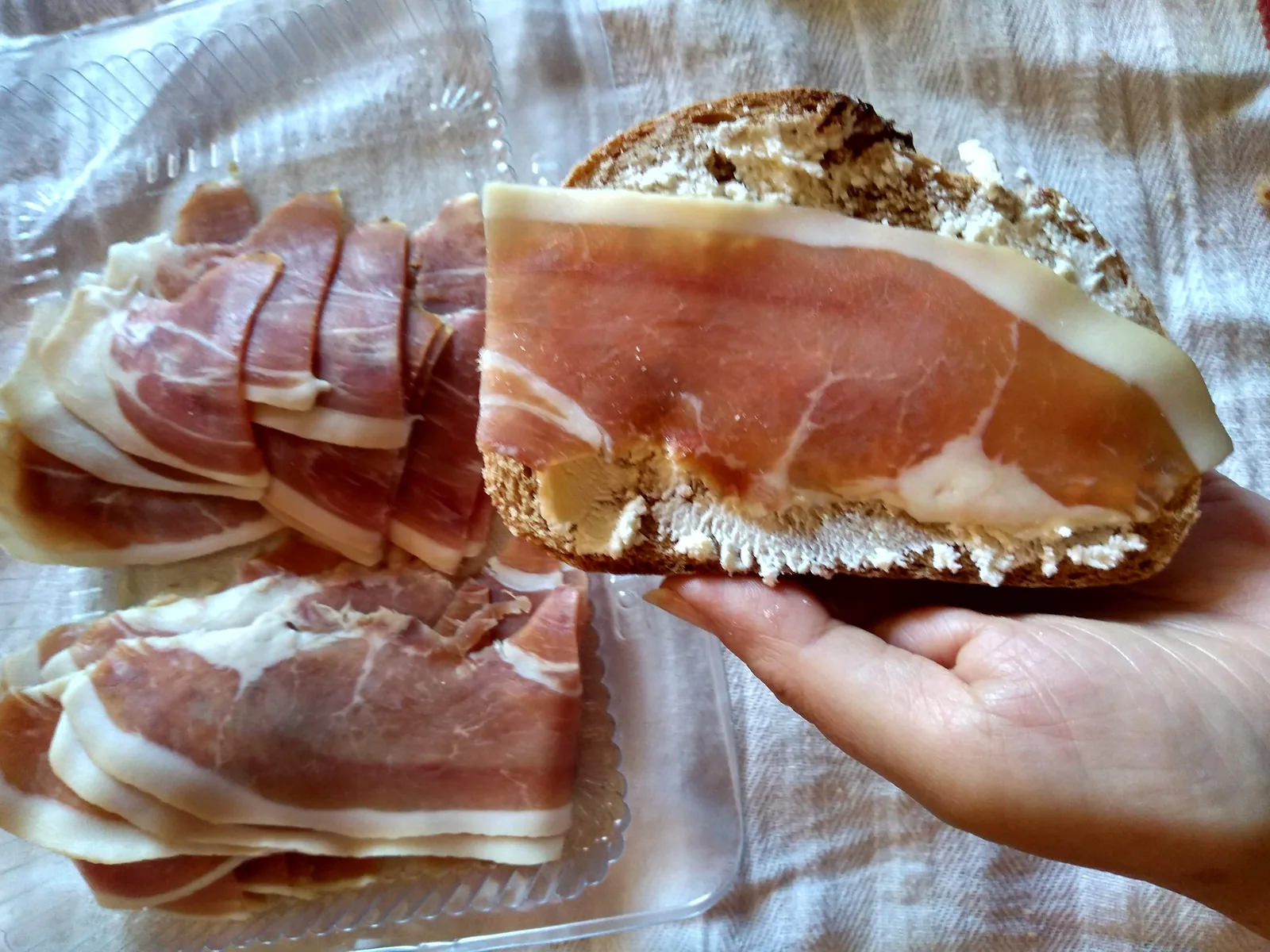
Thin slices of Njeguški pršut on a tray beside a slice of bread spread with kajmak, held in a hand Montenegro flag Montenegro 30m
Lunch •Njeguši Classic

Njeguški Pršut

Njeguški pršut is Montenegro's famous dry-cured ham from the mountain village of Njeguši: a pork leg salted with sea salt, pressed flat, lightly smoked over beechwood and left to mature in the mountain air for about a year. This njeguski prsut recipe is the home part of that story — how to choose a good piece, trim it, slice it paper-thin and serve it the Montenegrin way, with Njeguši cheese, kajmak and warm crusty bread. One serving is about 206 g.

Sharing & Savouring

A sliced cured-ham plate built for sharing: salty, smoky pršut with cheese, kajmak and crusty bread, eaten slowly at the table.

Pairs Well With
Serve the sliced ham with Njeguši cheese, kajmak, warm crusty bread and a glass of Vranac red wine.
High Protein
A steaming black pot of opened mussels in white wine broth, sprinkled with chopped parsley and garlic Montenegro flag Montenegro 32m
Dinner •Montenegrin Coastal Classic

Montenegrin Buzara

Montenegrin buzara is a pot of fresh mussels steamed in white wine with garlic, olive oil and parsley, finished with breadcrumbs and lemon. The mussels open in the fragrant broth, and that broth is the best part — soak it up with crusty bread. One serving is about 565 g.

Light & Fresh

Fresh mussels steamed in white wine, garlic and parsley — a light, briny Adriatic dinner with crusty bread for the broth.

Pairs Well With
Serve with crusty bread for the broth and a glass of the same dry white wine.
Bœuf bourguignon — French beef braised in red wine France flag France 4h
Dinner •Burgundy Terroir

Bœuf Bourguignon

Beef braised gently in red wine until the connective tissue melts into a velvet, gelatin-rich sauce — the classic Burgundy Sunday dinner.

Cellular Repair

Beef braised in red wine until spoon-tender, with mushrooms and pearl onions.

Pairs Well With
Parsnip Purée & Steamed French Haricots Verts
High Protein
Vietnamese braised pork belly with golden eggs in caramel sauce Vietnam flag Vietnam 1h 45m
Dinner •One Pot

Vietnamese Braised Pork and Eggs

Pork belly slowly braised in coconut water and caramel until meltingly tender, with golden eggs that soak up the sweet-savoury sauce — the Vietnamese family dish that tastes better the next day.

Comfort & Sustained Energy

Slow-braised pork belly and eggs in coconut water and caramel.

Pairs Well With
Steamed rice & pickled mustard greens
High Protein

The Dinner Gazette

Never wonder what’s for dinner again

One email a week with easy dinner ideas from around the world — ingredients, steps and nutrition, tested in our kitchen first.

Delivered every Thursday morning. Unsubscribe anytime.