Lamb & Prune Tagine
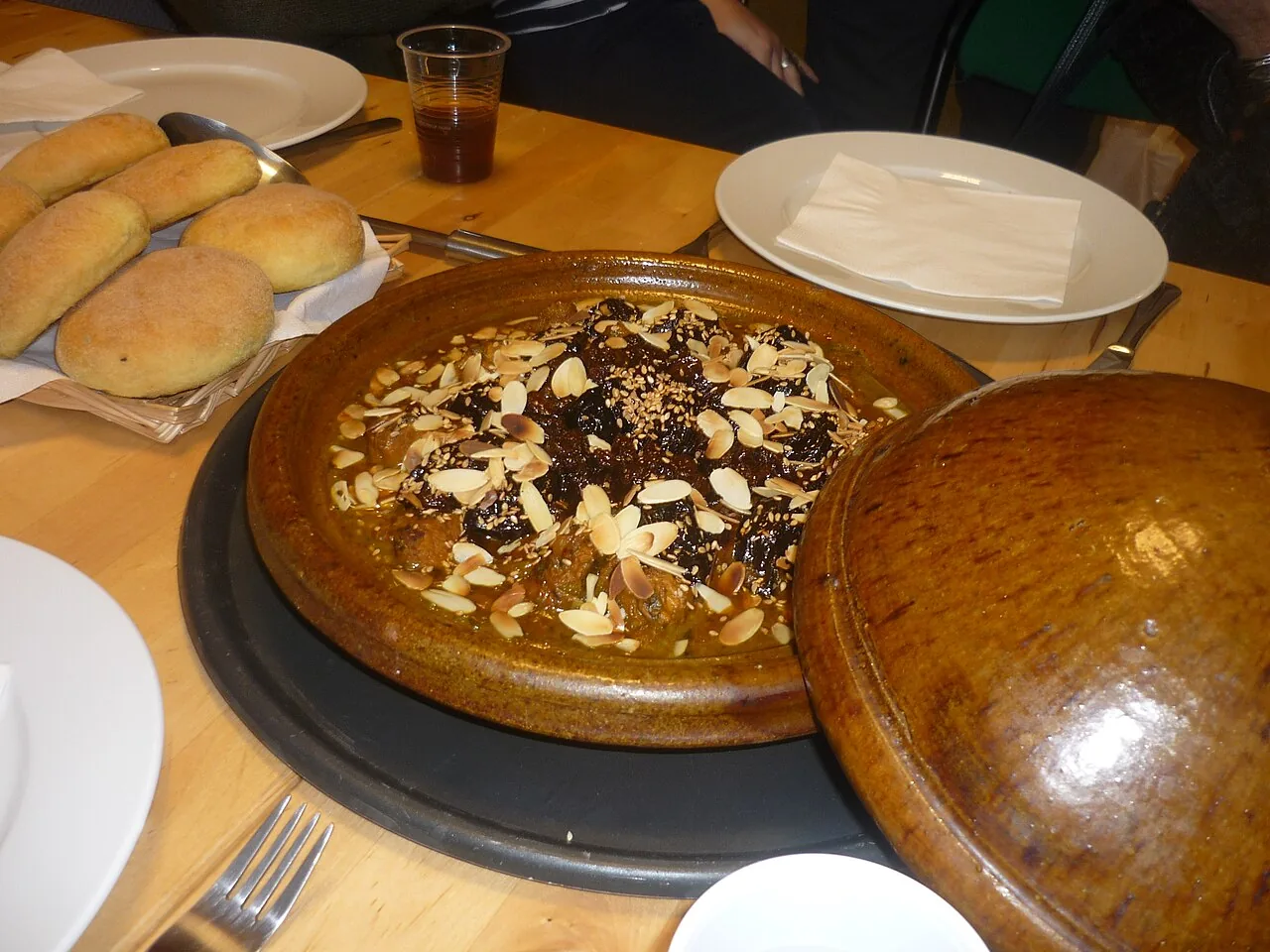
Clay vessel braised lamb shoulder infused with Ras el Hanout, saffron stamens, and natural sun-dried fruit pectins.
Immunity & Warming
Slow-braised lamb with prunes, almonds and couscous.
Spiced Couscous & Preserved Lemon Salad
Batbout, Mkhamer, Toghrift, Matlou
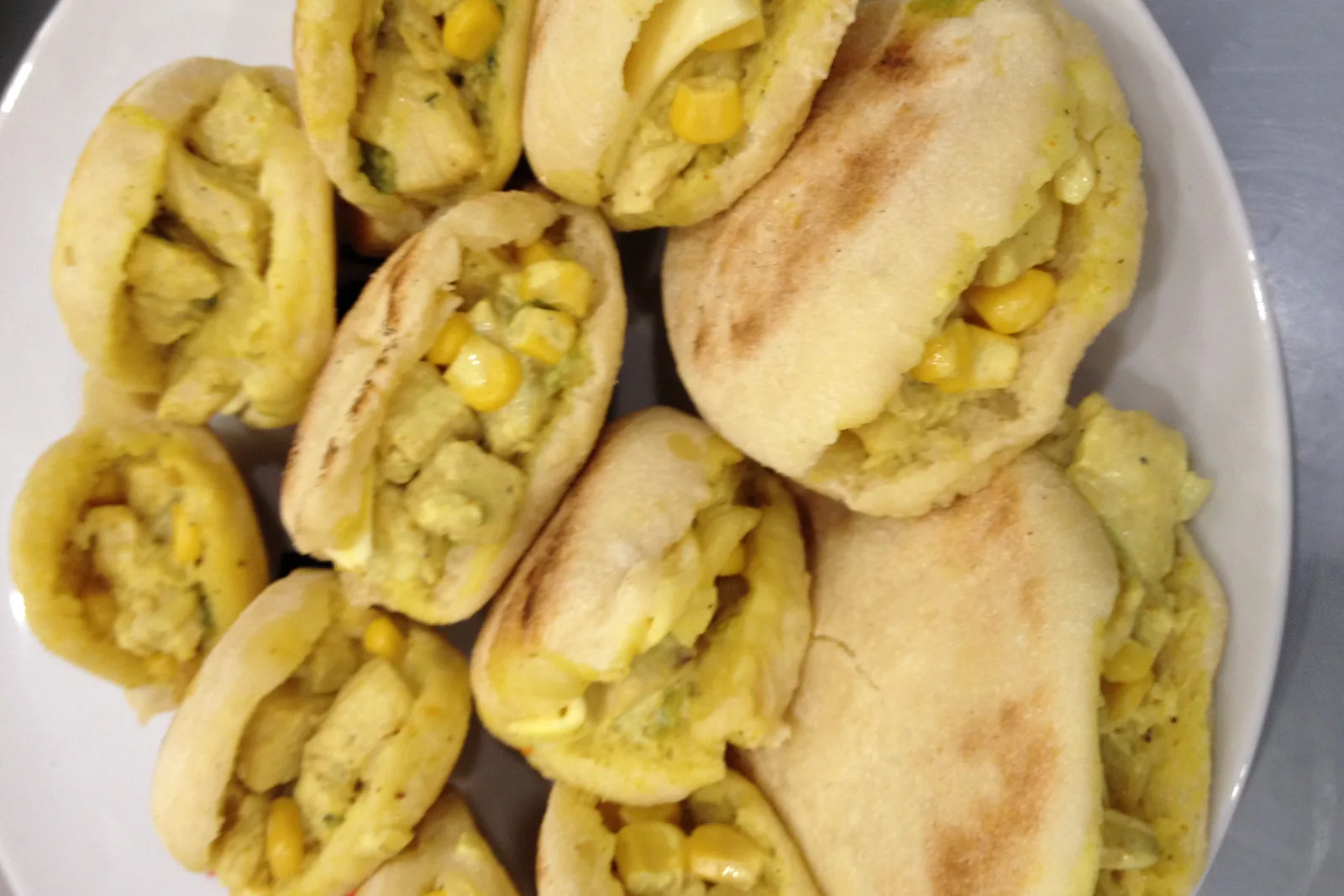
This moroccan batbout recipe makes 12 small, soft pocket breads from a semolina and white flour dough, cooked on a hot griddle until they puff up with a hollow middle. Split one open and it is ready to fill — with cheese, tuna, egg or vegetables — or tear it warm beside soup or tagine. One serving is about 130 g.
Batbout, also called mkhamer, toghrift or matlou, is the home bread of Morocco — a small, yeasted pocket bread cooked on a griddle or in a pan on the stove, rather than baked in a communal oven like the large round khobz loaf. Because it puffs up with a hollow middle, Moroccan families split it open and fill it like a sandwich, with cheese, tuna, egg or vegetables, and serve it at breakfast, for tea, and in lunchboxes. It shares semolina with its neighbours msemen, baghrir and harcha, but a cook following a batbout recipe produces a puffed pocket bread, not a layered flatbread, a spongy pancake or a crumbly cake.
Pairs well with: Mint tea and a simple filling of soft cheese, tuna or egg
Provenance
Morocco
Moroccan Home Bread
Middle Eastern
Time Dedication
2h 10m
110m prep • 20m cook
Batch Yield
6 Servings
351 kcal per serving
1 serving ≈ 130 g
Technical Skill
Intermediate
Medium (Yeasted Dough)
Meal Timing & Digestive Fit
Breakfast
Prime Morning Fit
Lunch
Inappropriate
Dinner
Inappropriate
Snack & Tea
Inappropriate
Moroccan Home Bread
Photo: mostafa zerig, CC BY-SA 3.0, via Wikimedia Commons
The Heritage Formulary
Estimated cost: Low — about $1 per serving at home (USD)
A good batbout puffs up like a balloon on the griddle, with a hollow pocket inside and golden spots outside — never flat like a pancake, never layered like msemen, and never dense or doughy in the middle.
Execution Methodology & Culinary Technique
Prep Stage: Mix, Knead and Rise
110 Mins • Mixing Bowl
Whisk the bread flour, semolina, yeast and sugar in a large bowl, then add the salt, 15 ml of the olive oil and the warm water and mix to a soft, slightly sticky dough. Knead for about 10 minutes until smooth and elastic, then cover and leave in a warm place for 1 hour until doubled in size. Punch the dough down, divide it into 12 equal pieces (about 73 g each), roll each into a ball, flatten into rounds about 10 cm across, dust with semolina, cover and rest for 20 minutes until puffy.
Maestro Tip: The dough should be soft and a little tacky — a stiff dough will not puff. If it feels dry, add warm water a tablespoon at a time.
15 Mins Room temperature, about 20°C (68°F)
Put the 300g bread flour, 200g fine semolina, 7g instant yeast and 10g sugar in a large bowl and whisk for 30 seconds. Add the 8g salt, 15 ml of the olive oil and the 320ml warm water, and stir with a wooden spoon until a shaggy dough forms. Turn it onto a lightly floured surface and knead for about 10 minutes until smooth, elastic and only slightly tacky.
Knead by pushing the dough away with the heel of your hand, folding it back and turning it — a well-kneaded dough springs back when poked.
Done when: The dough is smooth, springs back when poked, and no longer tears easily.
60 Mins Warm place, about 25°C (77°F)
Shape the dough into a ball, put it in a lightly oiled bowl, turn it once to coat, and cover the bowl with cling film or a damp cloth. Leave in a warm, draught-free place for about 1 hour until doubled in size.
An oven with only the light on is a good warm spot. If the kitchen is cold, the rise may take 20 minutes longer.
Done when: The dough has doubled in size and a fingertip pressed in leaves a dent that fills back slowly.
15 Mins Room temperature, about 20°C (68°F)
Punch the dough down gently and divide it into 12 equal pieces, about 73g each. Roll each piece into a smooth ball, then flatten it with your palm or a rolling pin into a round about 10 cm across and 5 mm thick. Dust the rounds lightly with the 20g semolina on both sides so they do not stick.
Keep the rounds even in thickness — thin spots puff unevenly and thick spots stay doughy in the middle.
Done when: Twelve even rounds, about 10 cm across, dusted with semolina and holding their shape.
20 Mins Warm place, about 25°C (77°F)
Set the rounds on a clean, dry tea towel, leaving space between them, and cover loosely with a second towel. Rest for 20 minutes until they look puffy and feel light when lifted.
Do not skip this rest — a round that has not risen enough will stay flat on the griddle and never form a pocket.
Done when: The rounds are visibly puffed and feel light and airy when lifted.
10 Mins Medium-high heat, about 200°C (400°F)
Brush a large heavy griddle or non-stick pan with a little of the remaining 5 ml olive oil and heat over medium-high heat for 3–4 minutes until very hot. Lay in 4 rounds without crowding. Cook for about 20–30 seconds until tiny bubbles appear, flip, then cook 2–3 minutes per side, flipping every 30 seconds, until the breads puff up like balloons and both sides are golden with light brown spots.
Flip early and often — the first quick flip is what starts the pocket forming. Never press a batbout down with a spatula, or the pocket will collapse.
Done when: The breads have ballooned up, both sides are golden with light brown spots, and they feel light for their size.
10 Mins Medium-high heat, about 200°C (400°F)
Wipe the griddle clean, brush with a little more oil if needed, and cook the remaining 8 rounds in two more batches of 4, exactly the same way — about 2–3 minutes per side until puffed and golden. Stack the finished batbout in a clean tea towel as you go, so they stay soft and warm.
If a round refuses to puff, the griddle has cooled — let it heat for a minute before the next batch, and check the round rested long enough.
Done when: All 12 batbout are puffed, golden on both sides and soft inside.
2 Mins Serve warm, about 60°C (140°F)
Serve the batbout warm from the towel. Cut a slit along one edge of each bread with a small knife and gently open the pocket, then fill as you like — soft cheese, tuna and egg, or vegetables — or tear the plain breads and eat them beside soup or tagine.
Open the pocket while the bread is still warm; once cold, the steam is gone and the pocket is harder to open without tearing.
Done when: The pocket opens cleanly, the inside is soft and steamy, and the crust is golden, not pale or burnt.
Finishing Touches & Plating
Serve the batbout the moment they leave the towel, split and filled while still warm. A good batbout is soft and chewy outside with a hollow, steamy pocket inside — never flat, never doughy in the middle.

Nutritional Physiology & Benefits
Energy
351
kcal / serving
Protein
10g
Complete AA
Carbs
67g
Complex
Fats
4g
Healthy
| Energy | 351 kcal |
| Protein | 10 g |
| Carbohydrates | 67 g |
| Fat | 4 g |
| Fibre | 3.1 g |
| Sugar | 2.1 g |
| Sodium | 519 mg |
| Energy | 270 kcal |
| Protein | 7.9 g |
| Carbohydrates | 51.5 g |
| Fat | 3.1 g |
| Fibre | 2.4 g |
| Sugar | 1.6 g |
| Sodium | 399 mg |
Nutrition values are estimated — calculated from USDA FoodData Central values for the listed ingredients.
Vitamins & minerals: Iron and folate (enriched flour and semolina), thiamin and niacin (yeast and enriched flour), vitamin E (olive oil).
Steady Morning Energy
Semolina and bread flour give slow-digesting carbohydrates, so two batbout with a protein filling keep you full through the morning.
Simple, Gentle Ingredients
Just flour, semolina, yeast, salt, sugar, oil and water — no eggs, no milk and no preservatives, so the bread is easy to digest and suits a vegetarian table.
Iron and B Vitamins
Enriched flour and semolina supply iron and folate, and the yeast adds B vitamins, in a small, satisfying portion.
Food Pairings
To optimize nutrient absorption and elevate the sensory depth, pair with these authentic accompaniments:
Drinks
Moroccan Mint Tea
Hot, sweet mint tea is the classic partner: its warmth and fresh mint cut through the chew of the bread and refresh the palate between bites.
Fresh Orange Juice
A small glass of fresh orange juice gives a bright, acidic contrast to the bread and helps the body absorb the iron from the enriched flour and semolina.
Sides
Soft Cheese
A wedge of soft, mild cheese spread inside a warm batbout melts slightly and adds salt and creaminess — the simplest and most common Moroccan filling.
Vegetables
Tuna, Egg and Vegetables
Tuna, sliced boiled egg, tomato and lettuce turn a plain batbout into a complete sandwich: protein and fresh crunch against the soft, chewy bread.
Complete menu
Start with two warm batbout filled with soft cheese, tuna and egg, add fresh orange segments on the side, and finish with a glass of Moroccan mint tea.
Digestive Guardrails
To prevent digestive distress, sluggishness, or palate clash, avoid pairing the dish with these elements:
Very Sweet Drinks Right After
Batbout with a sweet filling is already filling, so a large glass of sweetened juice or soda on top adds a lot of sugar at once and can leave you feeling sluggish. Water or unsweetened mint tea is the better match. This is general information, not medical advice.
Eating Them Cold and Flat
Batbout firms up and loses its soft pocket as it cools, and the pocket is hard to open once cold. Eat them warm, or reheat gently in a dry pan and accept a softer texture. This is general information, not medical advice.
General information only, not medical advice — consult a doctor for personal dietary decisions.
Who Should Eat It
Health Conditions — Adjust or Avoid
If you have a medical condition, consult your doctor before changing your diet.
Storage & Use
Clay vessel braised lamb shoulder infused with Ras el Hanout, saffron stamens, and natural sun-dried fruit pectins.
Immunity & Warming
Slow-braised lamb with prunes, almonds and couscous.
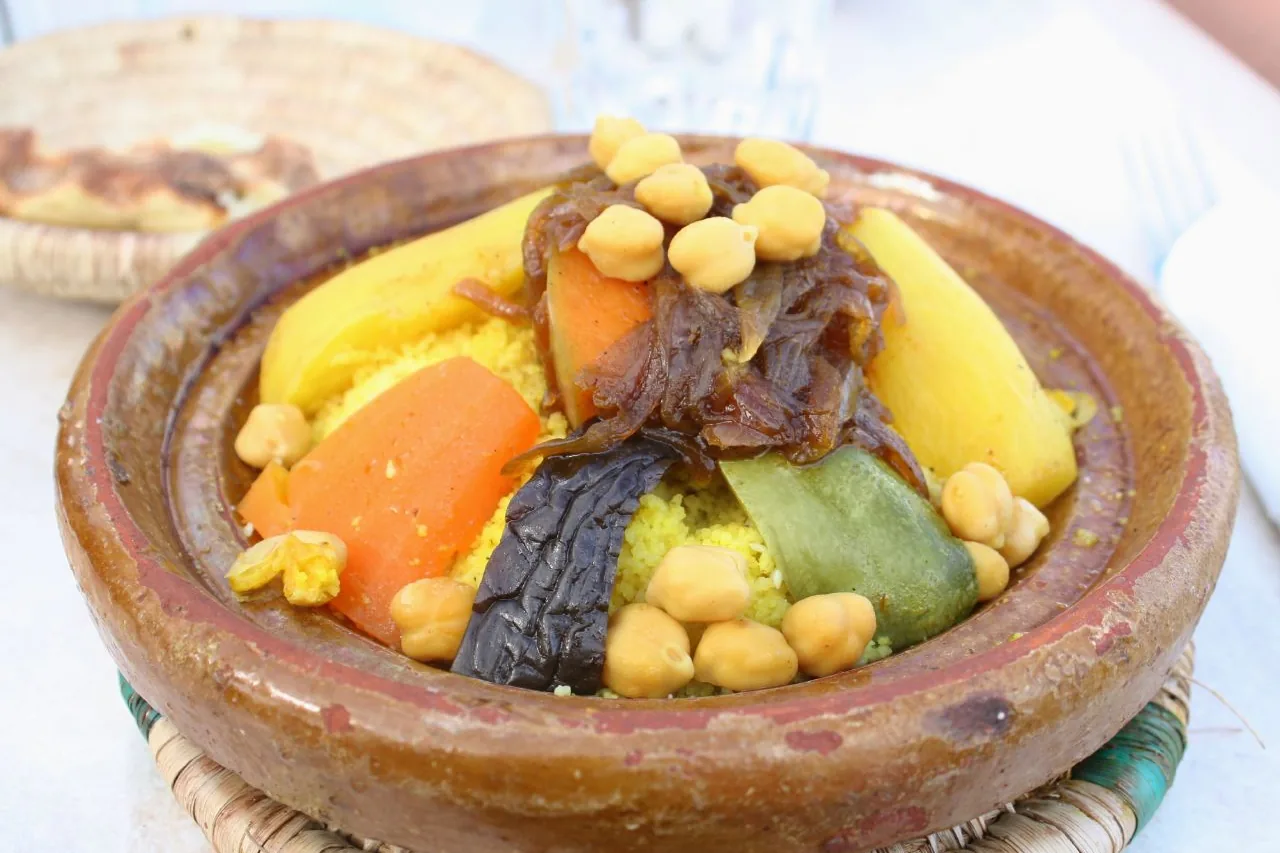
This moroccan couscous recipe steams fine semolina until fluffy, then ladles over a slow-cooked stew of seven vegetables, chickpeas and warm spices. One serving is about 475 g.
Comfort & Warmth
Fluffy steamed semolina with a slow vegetable stew and chickpeas.
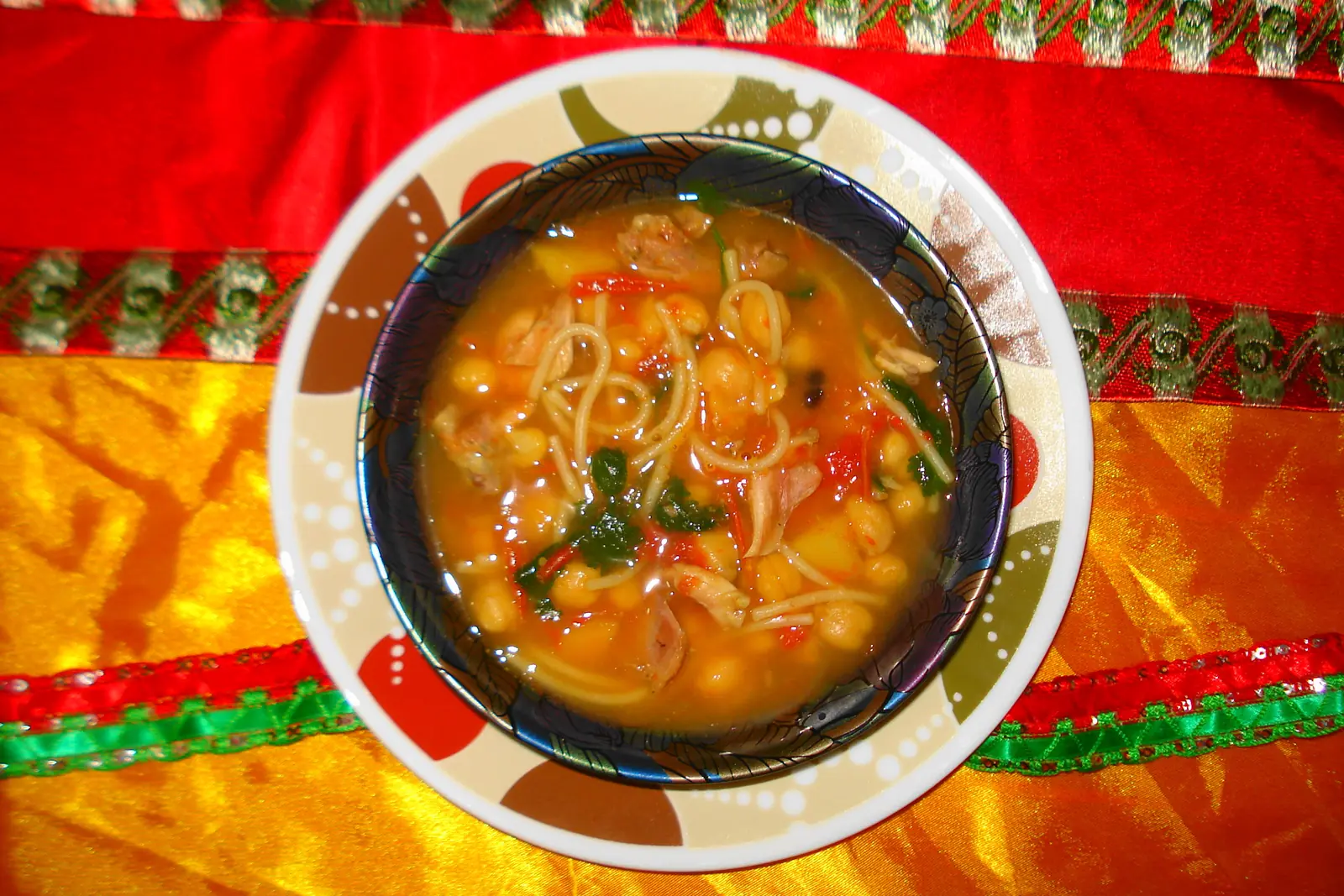
This harira soup recipe simmers lentils, chickpeas, tomatoes and lamb with ginger, cinnamon and fresh herbs, then thickens it the traditional way with a flour slurry. One serving is about 450 g.
Comfort & Warmth
A thick, warming tomato and lentil soup, the soup Moroccans break their fast with.
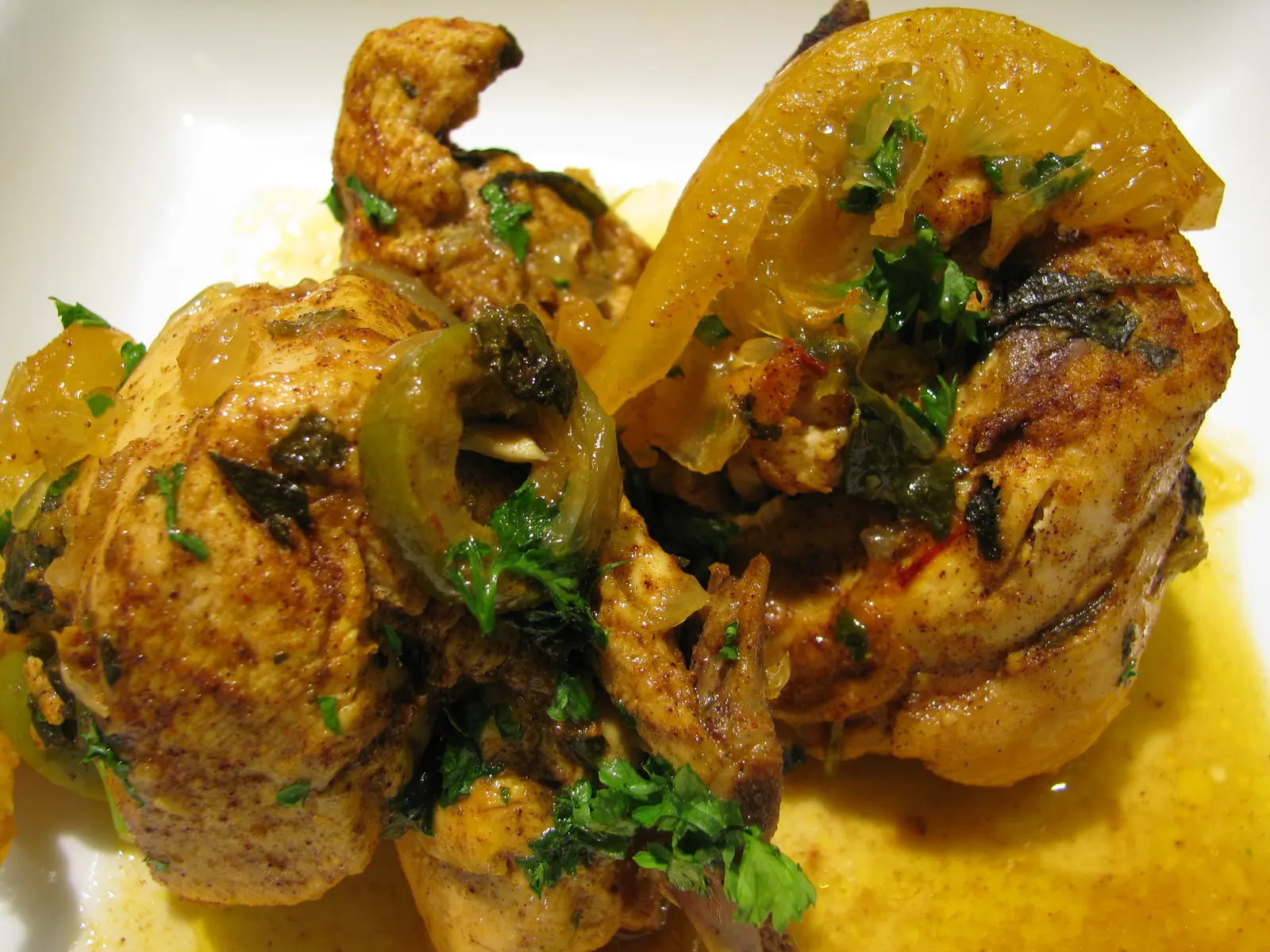
Moroccan chicken tagine is the dish Morocco is best known for: chicken braised slowly with onions, ginger and saffron, then finished with salty preserved lemon and green olives. This moroccan chicken tagine recipe uses a heavy pot instead of a clay tagine, so anyone can make it — the conical lid's job is done by a tight-fitting lid and a gentle flame. One serving is about 315 g.
Slow-Cooked Comfort
Chicken braised slowly with ginger, saffron, preserved lemon and green olives until the meat falls from the bone.