
Curated recipes from 193 countries  •  New seasonal Mediterranean issue out now

Overview

Moroccan Cucumber Salad

Salade Marocaine, Moroccan Tomato and Cucumber Salad, Shlada

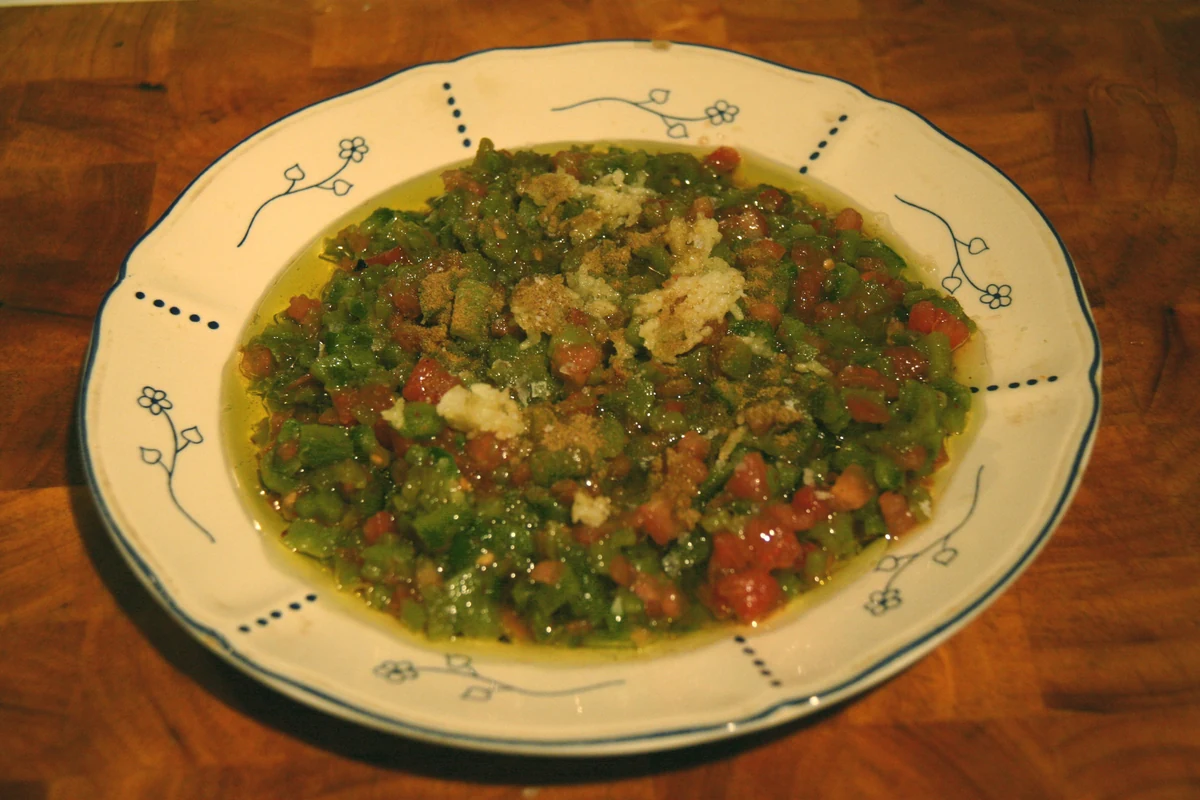
Moroccan cucumber salad is the everyday table salad of Morocco: cucumber and tomato diced fine, tossed with red onion, parsley and cilantro, and dressed with lemon, olive oil and a pinch of cumin. This moroccan cucumber salad recipe keeps it simple and bright, the way it sits beside a tagine. One serving is about 218 g.

Salade marocaine is the everyday salad of Morocco, served with nearly every home-cooked meal. Tomatoes and cucumber are diced fine — often with the feqqous, the curved Armenian cucumber — and dressed with lemon, olive oil and cumin, the spice that marks the salad as Moroccan. It is a quiet side dish by design: it sits beside the tagine rather than competing with it, cooling the palate between bites of the rich main.

Pairs well with: Tagines, couscous & grilled meats

Provenance

Morocco flag Morocco

Everyday Moroccan Table Salad

Middle Eastern

Time Dedication

20m

20m prep • 0m cook

Batch Yield

4 Servings

103 kcal per serving

1 serving ≈ 218 g

Technical Skill

Easy

Easy (No Cooking)

Meal Timing & Digestive Fit

Breakfast

Not Advised

Lunch

Prime Metabolic Fit

Dinner

Ideal Hearty Main

Snack & Tea

Inappropriate

Occasions: Summer lunches, tagine nights, barbecues, picnics, Ramadan tables Cost: Low — about $1–2 per serving at home
A finely chopped Moroccan cucumber and tomato salad with olive oil and ground cumin in a patterned bowl

Everyday Moroccan Table Salad

Photo: Tamorlan, CC BY-SA 3.0, via Wikimedia Commons

The Heritage Formulary

Measured Ingredients

Estimated cost: Low — about $1–2 per serving at home (USD)

A good Moroccan cucumber salad is finely diced, bright with lemon and just warm with cumin, never watery.

Execution Methodology & Culinary Technique

Step-by-Step Cooking Guide

Active 20m
P

Prep Stage: Dice, Herbs, Dressing

15 Mins • Chopping Board

Wash the cucumber, tomatoes, onion, parsley and cilantro well. Peel and seed the cucumber, seed the tomatoes, and dice everything small and even — the fine dice is what makes this salad Moroccan, not a rough chop. Chop the herbs last so they stay bright, and have a small jug ready for the dressing.

Maestro Tip: Dice everything the same small size, about 1 cm — even pieces mean every spoonful has cucumber, tomato, onion and herb together.

  1. 1

    Dice the Cucumber

    5 Mins No heat — room temperature, about 20°C (68°F)

    Peel the 300 g of cucumber, halve it lengthways and scoop out the watery seeds with a spoon. Dice the flesh into small cubes, about 1 cm across, and put them in a wide salad bowl.

    Scoop the seeds out — they are mostly water, and leaving them in is the fastest way to a watery salad.

    Done when: Neat small cubes of cucumber, with the seeds removed so the salad stays crisp.

  2. 2

    Dice the Tomatoes and Onion

    5 Mins No heat — room temperature, about 20°C (68°F)

    Halve the 400 g of tomatoes, scoop out the seeds, and dice the flesh into cubes the same size as the cucumber. Finely dice the 80 g of red onion and add both to the bowl.

    Seed the tomatoes too — their juice is welcome in the dressing, but the seed pockets make the salad soggy.

    Done when: Tomato and onion diced to match the cucumber, all in the bowl together.

  3. 3

    Chop the Herbs

    3 Mins No heat — room temperature, about 20°C (68°F)

    Pick the leaves from the 15 g of parsley and the 15 g of cilantro, chop them finely and sprinkle them over the vegetables in the bowl.

    Chop the herbs last, just before tossing, so they stay green and fragrant instead of bruising and darkening.

    Done when: A bright green scatter of chopped herbs over the diced vegetables.

  4. 4

    Whisk the Dressing

    2 Mins No heat — room temperature, about 20°C (68°F)

    In a small jug, whisk the 30 ml of lemon juice with the 30 ml of olive oil, the 2 g of ground cumin, the 2 g of salt and the 1 g of black pepper until the dressing looks lightly cloudy and combined.

    Whisk the dressing separately first — pouring oil and lemon straight onto the salad leaves pools of oil and bare patches of lemon.

    Done when: A lightly cloudy, pale-gold dressing that smells warmly of cumin.

  5. 5

    Toss and Rest

    5 Mins + 10 Mins Rest Chilled, about 4°C (40°F)

    Pour the dressing over the salad and toss gently with two spoons until everything glistens. Rest the bowl in the fridge for 10 minutes so the flavours settle, then toss once more and serve cool.

    Ten minutes is the sweet spot — long enough for the cumin and lemon to reach the vegetables, short enough that the cucumber stays crisp.

    Done when: Every piece coated and glistening, with the herbs evenly mixed through.

Finishing Touches & Plating

Serve the salad cool, after its short rest, in a wide shallow bowl so everyone can spoon it beside the tagine or grilled meat. Eat it the same day — it is at its best within a few hours of tossing.

Nutritional Physiology & Benefits

Nutrition

Energy

103

kcal / serving

Protein

2g

Complete AA

Carbs

10g

Complex

Fats

7g

Healthy

Per serving (4 servings · 1 serving ≈ 218 g)
Energy103 kcal
Protein2 g
Carbohydrates10 g
Fat7 g
Fibre2.3 g
Sugar5.0 g
Sodium206 mg
Per 100g
Energy47 kcal
Protein0.9 g
Carbohydrates4.4 g
Fat3.3 g
Fibre1.1 g
Sugar2.3 g
Sodium94 mg

Nutrition values are estimated — calculated from USDA FoodData Central values for the listed ingredients.

Vitamins & minerals: Vitamin C and potassium (tomato, cucumber), vitamin K (parsley, cilantro), vitamin A (parsley).

Hydrating and Light

Cucumber and tomato are mostly water, so the salad is cooling and hydrating — the reason it sits on Moroccan tables through the hot months.

Fresh Herbs, Real Fibre

Fresh parsley and cilantro bring vitamin K and folate, and the vegetables add fibre without any cooking at all.

Gentle on the Stomach

The dressing is just lemon, olive oil and a pinch of cumin — light, simple and gentle on the stomach.

Food Pairings

What to Eat With

To optimize nutrient absorption and elevate the sensory depth, pair with these authentic accompaniments:

Sides

Couscous

A mound of fluffy couscous soaks up the lemony juices from the salad and turns a side into a full plate.

Grilled Meats

Grilled lamb or chicken is rich and smoky, and the cool, sharp salad resets the palate between bites.

Full Menus

Tagine Dinner

Serve the salad as part of a tagine meal — it is the fresh, raw counterpoint to the slow-cooked, spiced main.

Drinks

Mint Tea

Sweet mint tea after the meal is the Moroccan finish; the salad's lemon and cumin lead naturally into it.

Complete menu

Serve the salad beside a chicken or lamb tagine with couscous and warm bread, and finish with mint tea.

Digestive Guardrails

What NOT to Combine

To prevent digestive distress, sluggishness, or palate clash, avoid pairing the dish with these elements:

Dressing It Hours Ahead

Salt draws water out of the cucumber and tomato, so a salad dressed hours ahead turns watery and the vegetables go limp; dress it 10 minutes before serving. This is general information, not medical advice.

Preserved Lemon Plus Full Salt

Preserved lemon is already very salty; if you add it, leave the salt out entirely, or the salad becomes far too salty to eat. This is general information, not medical advice.

General information only, not medical advice — consult a doctor for personal dietary decisions.

Who Should Eat It

Who Should Eat

  • General adultsA light, refreshing side: one serving of about 218 g sits happily next to a tagine or grilled meat.
  • ChildrenSuitable for children over 2 years; dice the vegetables small and go easy on the onion for younger children.
  • ElderlyExcellent: soft, easy to chew, hydrating and light, with gentle flavours.
  • Pregnant womenGenerally suitable; wash the vegetables and herbs well and eat it fresh, and ask your clinician if unsure.
  • Breastfeeding womenGenerally suitable and hydrating; a fresh, light side that adds vegetables without heaviness.
  • AthletesA good hydrating side after training, but it is very light at 103 kcal, so pair it with a protein main and bread or couscous.
  • Weight gainAdd a larger portion of olive oil and serve it with bread, couscous and a hearty tagine.
  • Weight lossA good choice — the salad is filling for its calories; keep the oil to the amount given and load the plate with extra cucumber.

Health Conditions — Adjust or Avoid

Conditions

  • DiabetesOne serving has about 10 g of carbohydrate and 5 g of natural sugar, so it fits easily into a meal plan; ask your clinician if unsure.
  • High blood pressureSodium is low at about 206 mg per serving; keep the salt as written and the oil measured, and ask your clinician about your target.
  • Kidney diseaseTomato and parsley are sources of potassium; keep portions moderate if you follow a limit, and ask your clinician.
  • GoutThe salad is low in purines and contains no meat or seafood; nothing here is a gout trigger, and ask your clinician if unsure.
  • Stomach issuesFresh and light, but raw onion and lemon can sting a sensitive stomach; soak the onion in the lemon juice first to soften it, and ask your clinician if unsure.
  • Cardiovascular diseaseA heart-friendly side: vegetables, olive oil and almost no saturated fat; enjoy it freely as part of a balanced meal, and ask your clinician about your overall diet.
  • Fatty liverVery low in calories and fat, so it suits a lighter eating pattern; keep the oil to the amount given, and ask your clinician if you follow a prescribed diet.
  • Food allergiesContains no major allergen as written. If you add preserved lemon, check it is free of sulphites when that matters to you; ask your clinician if you have a sulphite sensitivity.
  • Special therapeutic dietsFits vegetarian, vegan and gluten-free diets as written; for a lower-sodium plan, halve the salt and add extra lemon, and check with your clinician.

If you have a medical condition, consult your doctor before changing your diet.

Storage & Use

Storage & Use

How to store
Cover and keep in the fridge; drain off any liquid that collects before serving again.
In the fridge
Keeps 1 day in the fridge at 4°C (40°F) or below; best eaten within a few hours of tossing.
In the freezer
Do not freeze — the cucumber and tomato turn to mush when thawed.
How to reheat
Serve cold; do not heat the salad.
Freezing recommended
No — freezing ruins the texture.
Signs it has spoiled
Watery liquid pooling in the bowl, sour smell, or limp, dull vegetables.

More recipes to explore

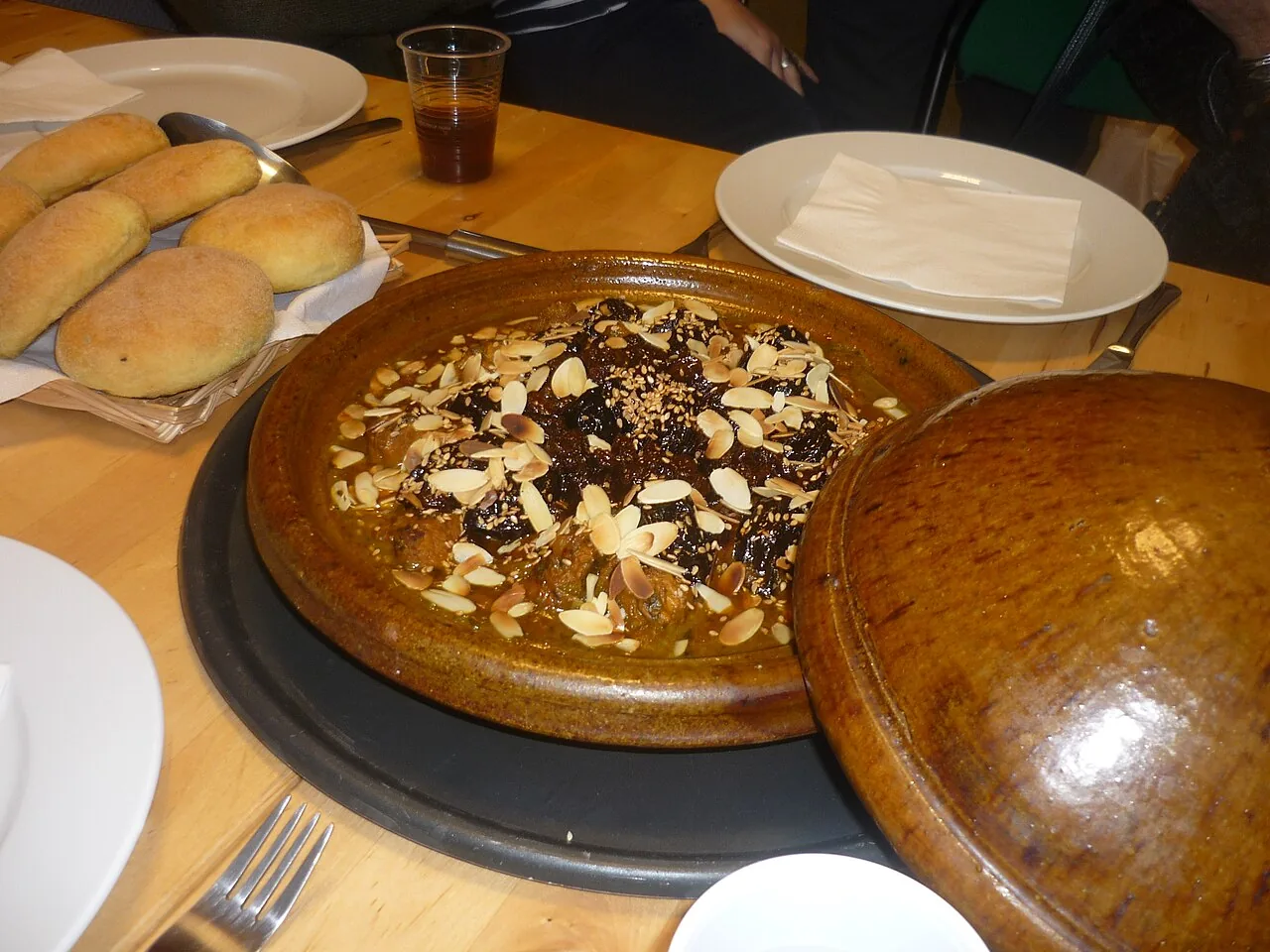
Moroccan lamb and prune tagine with almonds and sesame Morocco flag Morocco 2h 35m
Lunch •Atlas Mountains

Lamb & Prune Tagine

Clay vessel braised lamb shoulder infused with Ras el Hanout, saffron stamens, and natural sun-dried fruit pectins.

Immunity & Warming

Slow-braised lamb with prunes, almonds and couscous.

Pairs Well With
Spiced Couscous & Preserved Lemon Salad
High Protein
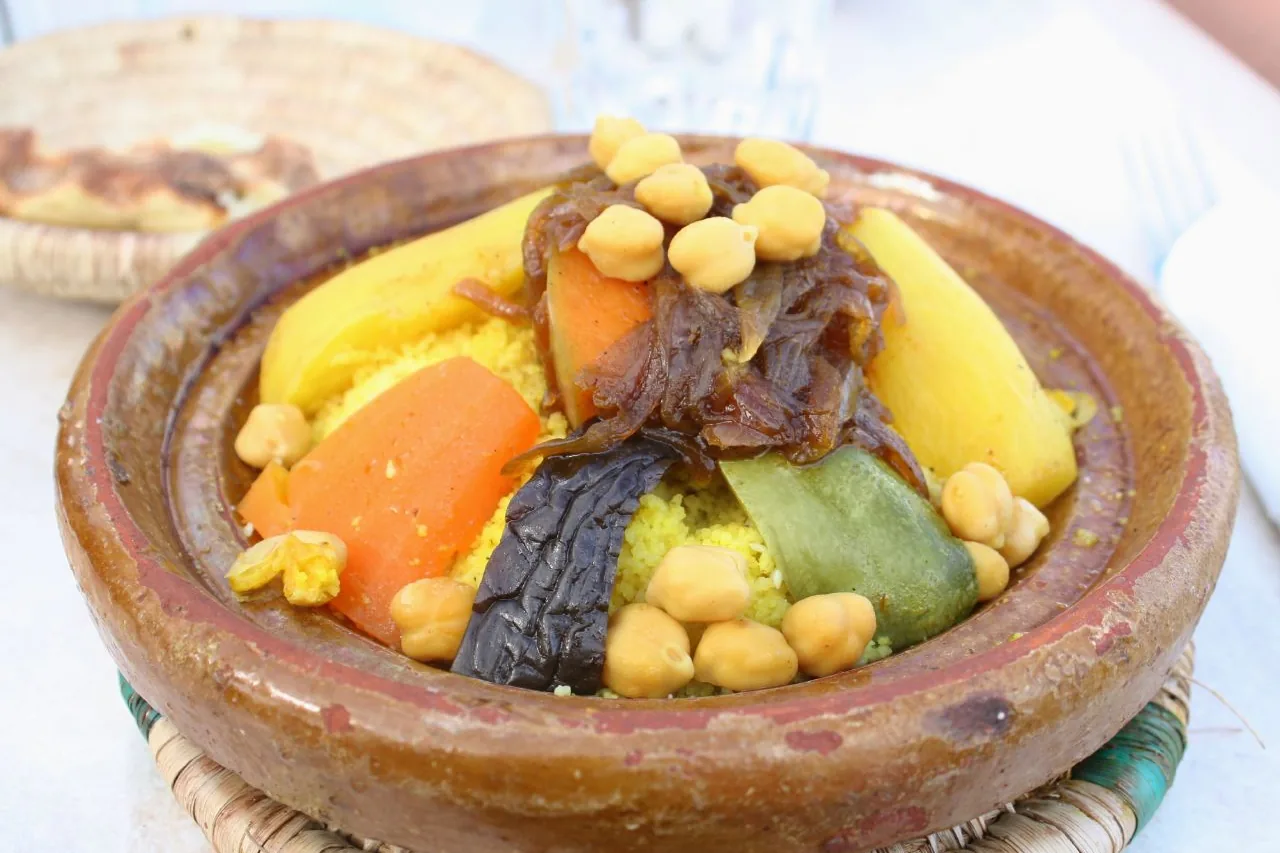
A clay bowl of Moroccan couscous with vegetables, chickpeas, carrot and pumpkin Morocco flag Morocco 1h 15m
Dinner •Maghreb Friday Table

Moroccan Couscous with Vegetables

This moroccan couscous recipe steams fine semolina until fluffy, then ladles over a slow-cooked stew of seven vegetables, chickpeas and warm spices. One serving is about 475 g.

Comfort & Warmth

Fluffy steamed semolina with a slow vegetable stew and chickpeas.

Pairs Well With
Harissa, mint tea and crusty bread
Quick Prep (<30m)
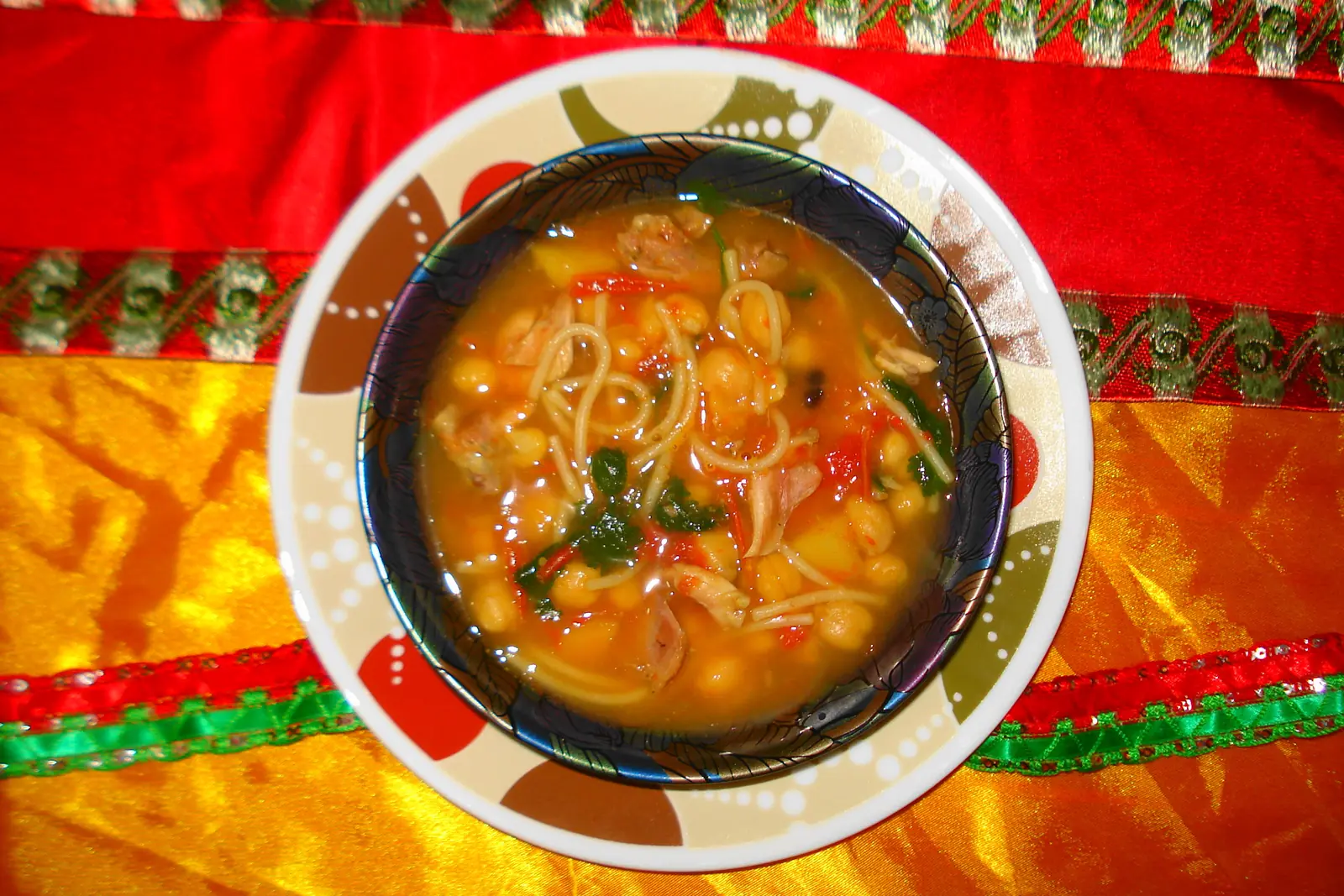
A bowl of Moroccan harira soup with chickpeas, noodles and fresh herbs Morocco flag Morocco 1h 15m
Lunch •Ramadan Iftar Table

Harira Soup

This harira soup recipe simmers lentils, chickpeas, tomatoes and lamb with ginger, cinnamon and fresh herbs, then thickens it the traditional way with a flour slurry. One serving is about 450 g.

Comfort & Warmth

A thick, warming tomato and lentil soup, the soup Moroccans break their fast with.

Pairs Well With
Dates, chebakia and mint tea
Soups & Broths • High Protein
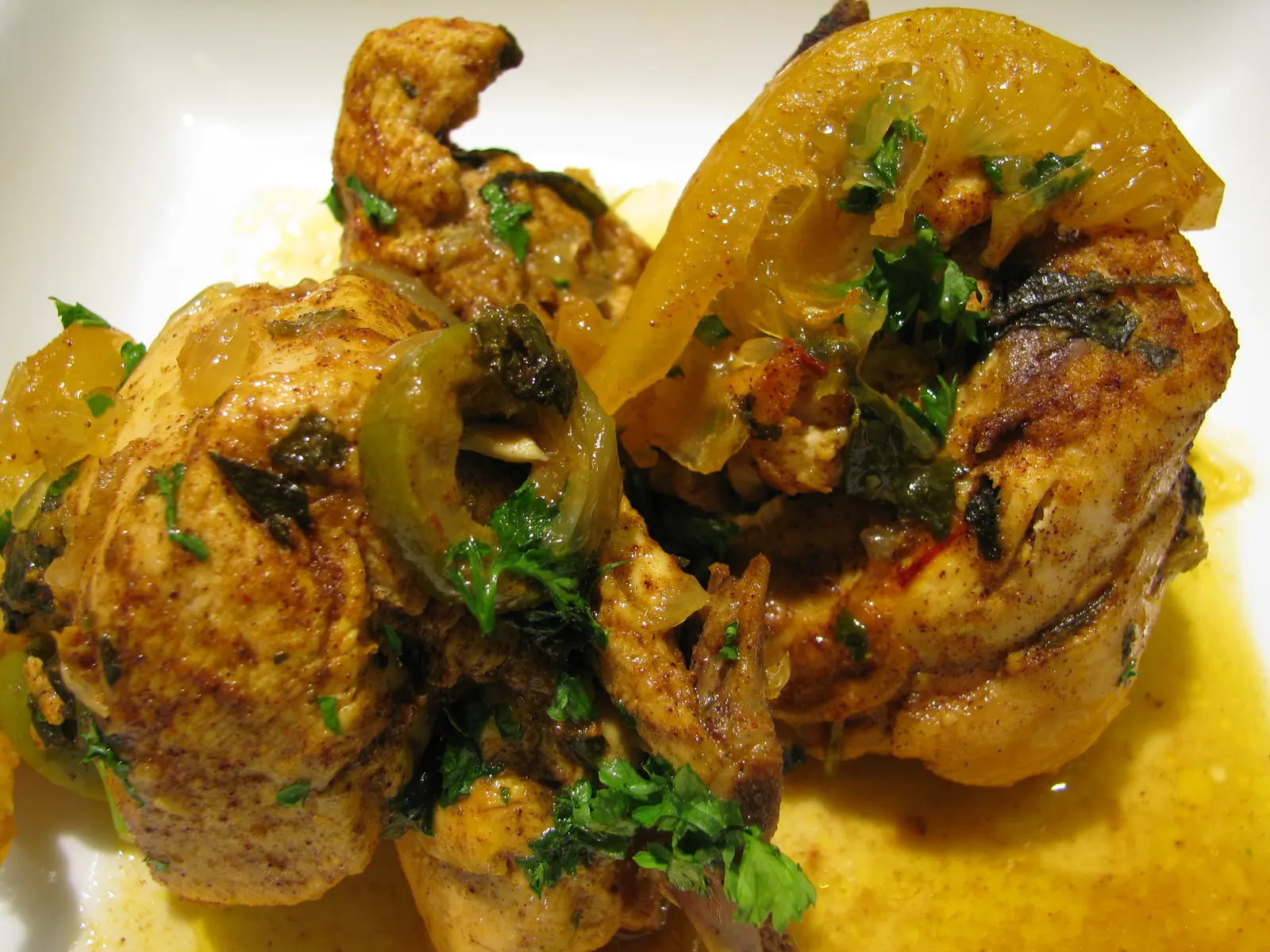
Moroccan chicken tagine with preserved lemon slices, green olives and fresh parsley Morocco flag Morocco 1h 15m
Dinner •Moroccan Heritage

Moroccan Chicken Tagine

Moroccan chicken tagine is the dish Morocco is best known for: chicken braised slowly with onions, ginger and saffron, then finished with salty preserved lemon and green olives. This moroccan chicken tagine recipe uses a heavy pot instead of a clay tagine, so anyone can make it — the conical lid's job is done by a tight-fitting lid and a gentle flame. One serving is about 315 g.

Slow-Cooked Comfort

Chicken braised slowly with ginger, saffron, preserved lemon and green olives until the meat falls from the bone.

Pairs Well With
Couscous, khobz bread and mint tea.
High Protein

The Dinner Gazette

Never wonder what’s for dinner again

One email a week with easy dinner ideas from around the world — ingredients, steps and nutrition, tested in our kitchen first.

Delivered every Thursday morning. Unsubscribe anytime.