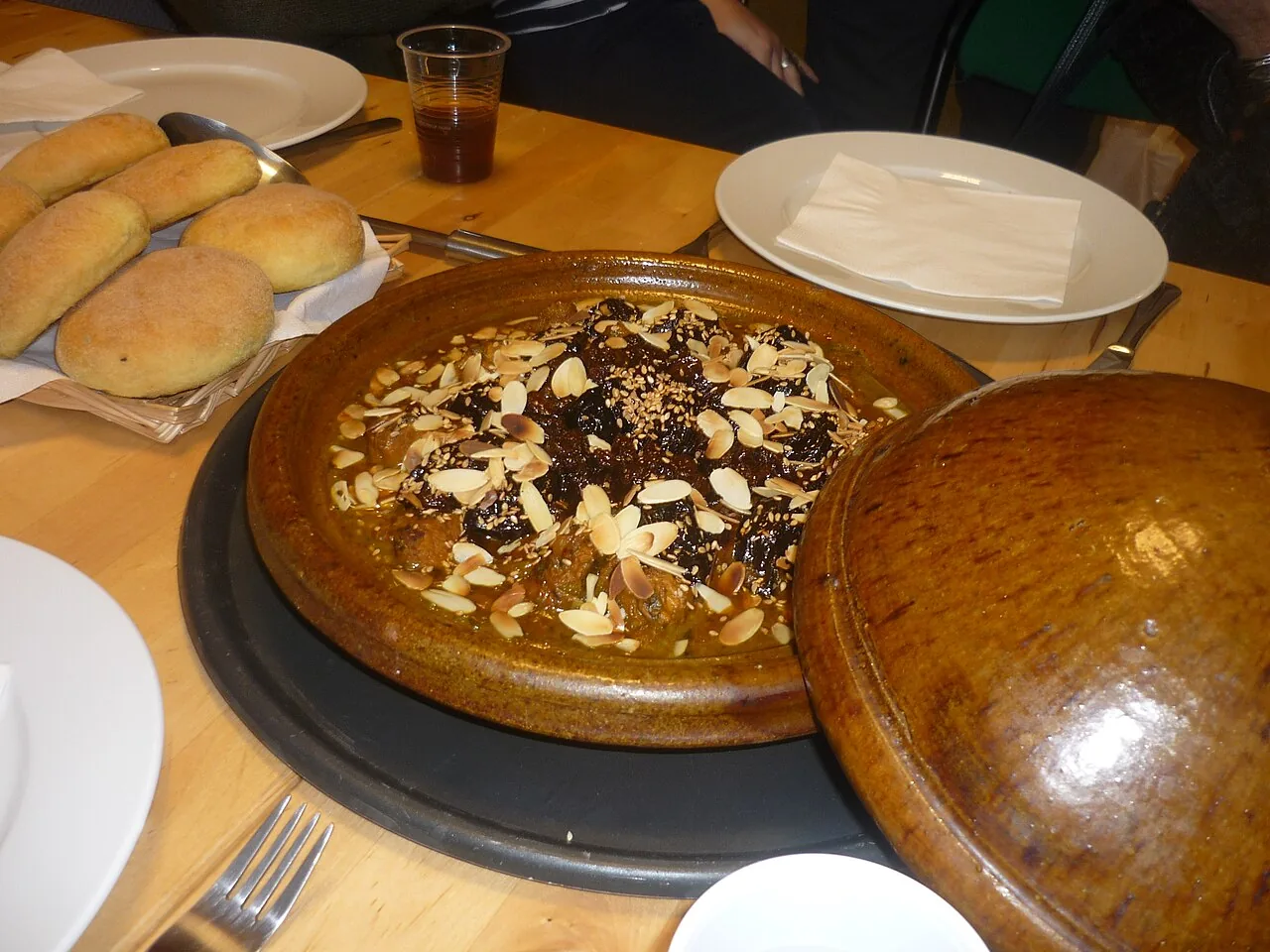

Lamb & Prune Tagine
Clay vessel braised lamb shoulder infused with Ras el Hanout, saffron stamens, and natural sun-dried fruit pectins.
Immunity & Warming
Slow-braised lamb with prunes, almonds and couscous.
Spiced Couscous & Preserved Lemon Salad
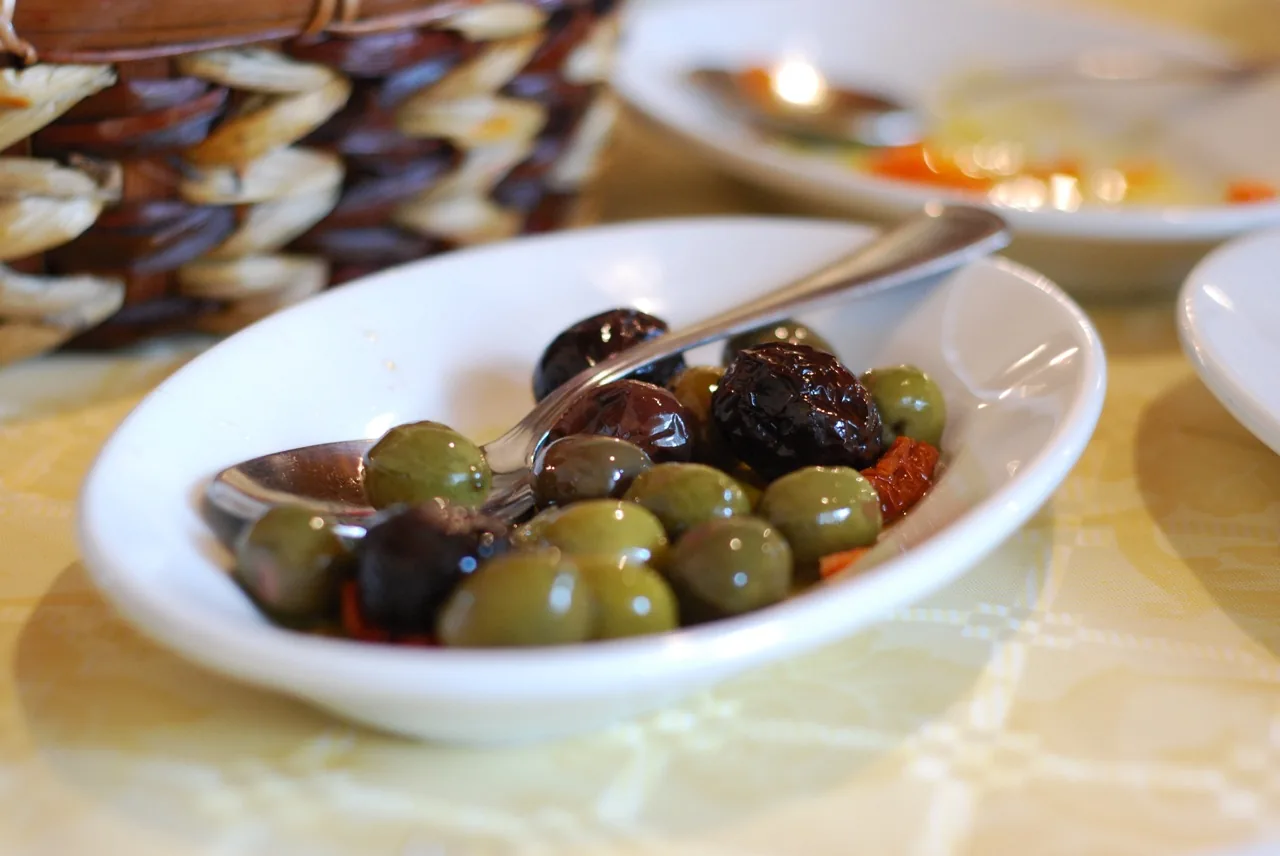
Zitoune Mchermel, Moroccan Marinated Olives
This moroccan spiced olives recipe turns a jar of green olives into the centrepiece of a Moroccan mezze: pitted olives tossed in olive oil with preserved lemon, garlic, cumin, paprika and fresh herbs. No cooking at all — the marinade does the work. One serving is about 82 g.
Olives have been a Moroccan table staple for centuries, sold by the kilo in the souks of Fez and Marrakech in great mounds of green, violet and black, each pile dressed with its own spice mix. The classic marinated olive — zitoune mchermel — is flavoured with preserved lemon, the salty, softened lemons that are a cornerstone of Moroccan cooking, along with cumin, paprika and garlic. It is served as a mezze before tagines and couscous, and the marinade is as much the point as the olives themselves.
Pairs well with: Warm khobz bread and mint tea.
Provenance
Morocco
Moroccan Mezze Classic
Middle Eastern
Time Dedication
15m
15m prep • 0m cook
Batch Yield
6 Servings
164 kcal per serving
1 serving ≈ 82 g
Technical Skill
Easy
Easy (No-Cook Marinade)
Meal Timing & Digestive Fit
Breakfast
Not Advised
Lunch
Inappropriate
Dinner
Inappropriate
Snack & Tea
Ideal Light Bite
Moroccan Mezze Classic
Photo: miss_yasmina, CC BY-SA 2.0, via Wikimedia Commons
The Heritage Formulary
Estimated cost: Low — about $1.50 per serving at home (USD)
Green olives marinated in olive oil with preserved lemon, garlic, cumin and paprika; no cooking, served at room temperature.
Execution Methodology & Culinary Technique
Prep Stage: Olives, Preserved Lemon & Spices
15 Mins • No Cooking
Drain and rinse the olives and pat them dry. Rinse the preserved lemon, scrape away the pulp and chop the rind finely. Slice the garlic, chop the herbs and measure the spices and oil into a small bowl.
Maestro Tip: Dry olives take up the marinade better — wet olives dilute it.
5 Mins No heat — room temperature, ~20°C (68°F)
Drain the olives, rinse them briefly under cold water and pat dry with a clean cloth. Tip them into a wide bowl so the marinade can reach every olive.
If your olives taste very salty, rinse them twice and taste one before adding the lemon.
Done when: Olives dry to the touch, ready to take the marinade.
3 Mins No heat — room temperature, ~20°C (68°F)
In a small bowl, whisk the olive oil with the chopped preserved lemon rind, sliced garlic, cumin, paprika, chilli flakes and lemon juice until the spices are evenly suspended in the oil.
Whisking the spices into the oil first, rather than over the olives, spreads the flavour evenly.
Done when: A rust-red, fragrant oil with the spices evenly mixed.
2 Mins No heat — room temperature, ~20°C (68°F)
Pour the spiced oil over the olives, add the chopped parsley and coriander, and toss well so every olive is coated. Taste one olive and adjust the lemon or chilli to your liking.
Use your hands or two spoons to turn the olives gently — vigorous stirring bruises them.
Done when: Every olive glossy and evenly coated with spices and herbs.
5 Mins No heat — room temperature, ~20°C (68°F)
Leave the olives to rest for 5 minutes so the flavours settle, then serve at room temperature in a small bowl. They are at their best after 30 minutes, and better still after a night in the fridge.
Bring refrigerated olives back to room temperature before serving — cold oil tastes flat.
Done when: Olives taste seasoned through, not just oily on the surface.
Finishing Touches & Plating
Spoon the olives into a small bowl with some of the spiced oil over the top, and serve at room temperature with warm bread. The flavour deepens if they rest for 30 minutes or overnight in the fridge.
Nutritional Physiology & Benefits
Energy
164
kcal / serving
Protein
1g
Complete AA
Carbs
4g
Complex
Fats
17g
Healthy
| Energy | 164 kcal |
| Protein | 1 g |
| Carbohydrates | 4 g |
| Fat | 17 g |
| Fibre | 2.6 g |
| Sugar | 0.4 g |
| Sodium | 977 mg |
| Energy | 200 kcal |
| Protein | 1.3 g |
| Carbohydrates | 5.3 g |
| Fat | 20.7 g |
| Fibre | 3.1 g |
| Sugar | 0.4 g |
| Sodium | 1191 mg |
Nutrition values are estimated — calculated from USDA FoodData Central values for the listed ingredients.
Vitamins & minerals: Olives supply vitamin E and small amounts of iron and copper; parsley and coriander add vitamin C and K; lemon adds vitamin C.
Healthy Fats from Olives & Olive Oil
Olives and olive oil are rich in monounsaturated fats — the same fats that anchor the Mediterranean diet.
Herbs & Spices, No Cooking
Parsley, coriander, garlic and cumin add flavour and small amounts of vitamins and minerals without any added sugar.
Low in Carbohydrate
At about 4.4 g of carbohydrate per serving, these olives fit easily into a low-carbohydrate plate.
Food Pairings
To optimize nutrient absorption and elevate the sensory depth, pair with these authentic accompaniments:
Sides
Warm Khobz Bread
Crusty Moroccan bread is made for scooping up the spiced oil left in the bowl — the oil is too good to leave behind.
Soups
Harira Soup
The salty, citrusy olives cut through the rich, tomatoey harira, and the two are the classic opening to a Moroccan meal.
Drinks
Moroccan Mint Tea
Sweet, hot mint tea balances the salt and spice of the olives, and it is what you would be poured in a Moroccan home.
Full Menus
Olives + Tagine + Couscous
Olives, a lamb tagine and couscous make a full Moroccan table — the olives open the meal while the tagine cooks.
Complete menu
Moroccan spiced olives with warm khobz, harira soup and a lamb tagine make a full Moroccan table — the olives open the meal.
Digestive Guardrails
To prevent digestive distress, sluggishness, or palate clash, avoid pairing the dish with these elements:
Adding Extra Salt Before Tasting
Brined olives and preserved lemon are already salty — adding salt before tasting can make the dish inedibly salty. Taste first, then decide. This is general food information, not medical advice.
Leaving Marinated Olives Out in the Heat
Olives in oil left sitting in warm sun or on a hot table can spoil faster; keep the bowl cool and refrigerate leftovers within 2 hours. This is general food information, not medical advice.
Serving Straight from the Fridge
Cold olive oil thickens and tastes flat, and the spices mute. Let refrigerated olives come to room temperature for 20 minutes before serving. This is general food information, not medical advice.
General information only, not medical advice — consult a doctor for personal dietary decisions.
Who Should Eat It
Health Conditions — Adjust or Avoid
If you have a medical condition, consult your doctor before changing your diet.
Storage & Use
Clay vessel braised lamb shoulder infused with Ras el Hanout, saffron stamens, and natural sun-dried fruit pectins.
Immunity & Warming
Slow-braised lamb with prunes, almonds and couscous.
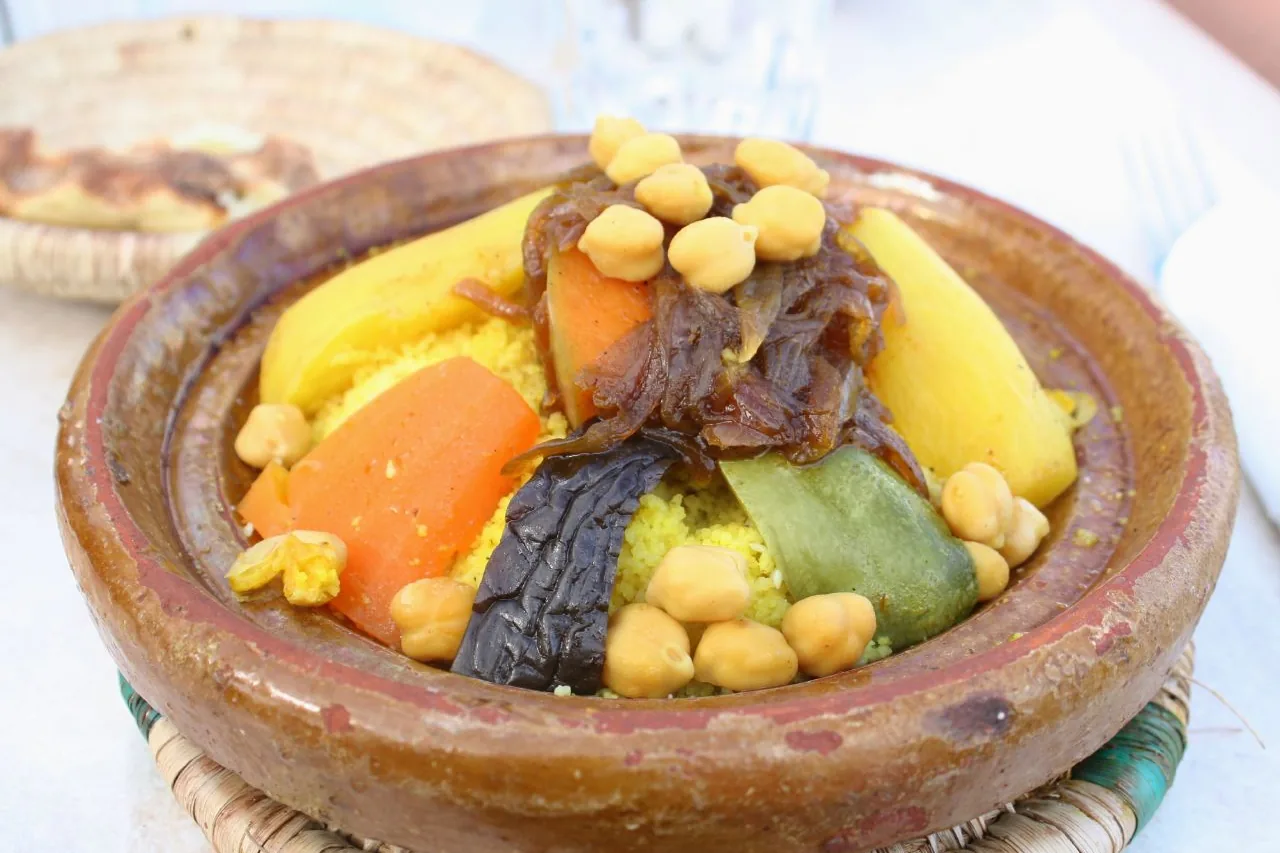
This moroccan couscous recipe steams fine semolina until fluffy, then ladles over a slow-cooked stew of seven vegetables, chickpeas and warm spices. One serving is about 475 g.
Comfort & Warmth
Fluffy steamed semolina with a slow vegetable stew and chickpeas.
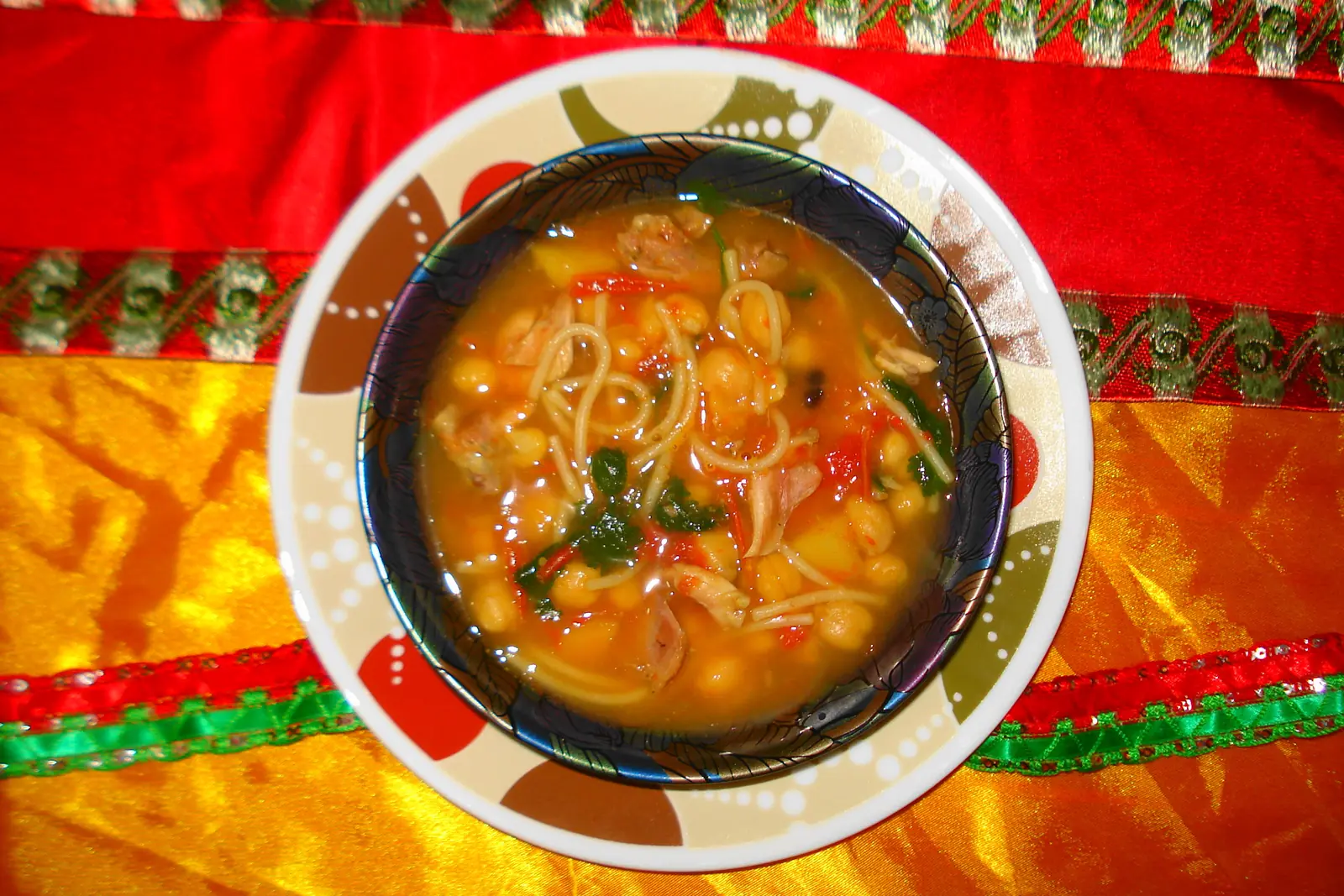
This harira soup recipe simmers lentils, chickpeas, tomatoes and lamb with ginger, cinnamon and fresh herbs, then thickens it the traditional way with a flour slurry. One serving is about 450 g.
Comfort & Warmth
A thick, warming tomato and lentil soup, the soup Moroccans break their fast with.
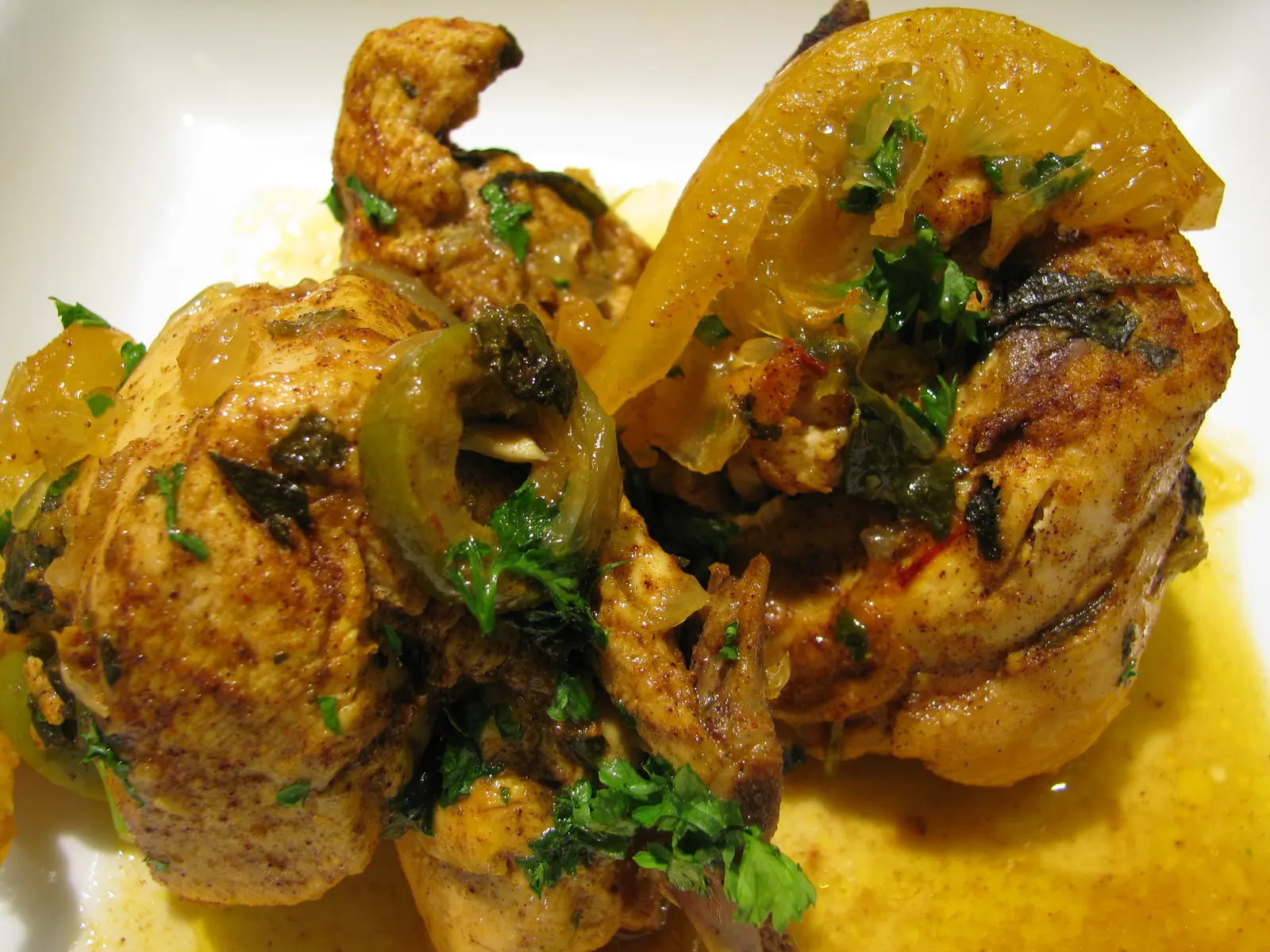
Moroccan chicken tagine is the dish Morocco is best known for: chicken braised slowly with onions, ginger and saffron, then finished with salty preserved lemon and green olives. This moroccan chicken tagine recipe uses a heavy pot instead of a clay tagine, so anyone can make it — the conical lid's job is done by a tight-fitting lid and a gentle flame. One serving is about 315 g.
Slow-Cooked Comfort
Chicken braised slowly with ginger, saffron, preserved lemon and green olives until the meat falls from the bone.