
Curated recipes from 193 countries  •  New seasonal Mediterranean issue out now

Overview

Msemen

Meloui, Rghaif, Moroccan Layered Flatbread

This msemen recipe makes the layered Moroccan flatbread: a soft dough of flour and semolina, folded with oil and butter into squares, then pan-fried until golden and flaky. One serving is about 208 g (2 pieces).

Msemen is the layered flatbread of the Maghreb, made by Amazigh (Berber) families for centuries from flour, semolina and oil. The dough is stretched paper-thin, folded with oil and butter into a square, and fried — the folding is what makes the flaky layers. It is eaten for breakfast and at tea time across Morocco, Algeria and Tunisia, also known as meloui or rghaif.

Pairs well with: Honey, soft cheese and mint tea

Provenance

Morocco flag Morocco

Moroccan Tea-Time Bread

Middle Eastern

Time Dedication

1h

40m prep • 20m cook

Batch Yield

4 Servings

672 kcal per serving

1 serving ≈ 208 g

Technical Skill

Intermediate

Intermediate (Folding)

Meal Timing & Digestive Fit

Breakfast

Prime Morning Fit

Lunch

Inappropriate

Dinner

Inappropriate

Snack & Tea

Inappropriate

Occasions: Moroccan breakfast, tea time, weekend brunch Cost: Low — about $1–2 per serving at home
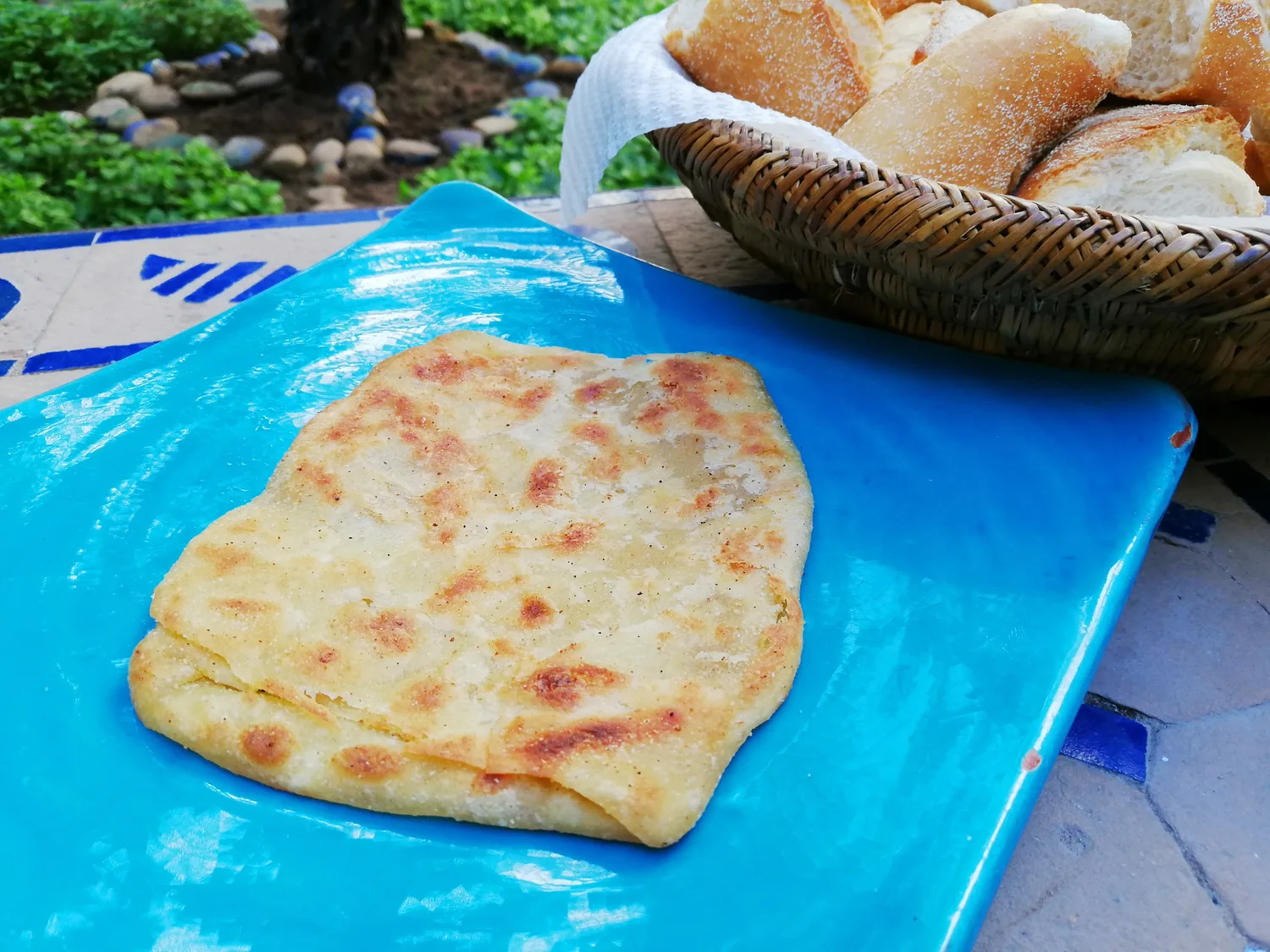
A golden square msemen flatbread on a bright blue plate with a basket of bread behind it

Moroccan Tea-Time Bread

Photo: Popo le Chien, CC0, via Wikimedia Commons

The Heritage Formulary

Measured Ingredients

Estimated cost: Low — about $1–2 per serving at home (USD)

Good msemen is crisp and golden outside with visible flaky layers inside — never flat, greasy or doughy.

Execution Methodology & Culinary Technique

Step-by-Step Cooking Guide

Active 1h
P

Prep Stage: Knead and Rest the Dough

40 Mins • Kneading

Mix the flour, semolina, sugar, salt and yeast, then add the warm water a little at a time and knead for 10 minutes until the dough is smooth and stretchy. Cover and rest for 20 minutes. Melt the butter and mix it with the oil for folding.

Maestro Tip: Knead until the dough stretches without tearing — that stretch is what makes the layers pull apart.

  1. 1

    Knead the Dough

    15 Mins Room temperature, ~22°C (72°F)

    Mix the flour, semolina, sugar, salt and yeast in a large bowl. Add the warm water a little at a time and knead for 10 minutes until the dough is smooth, soft and stretchy.

    Add the water slowly — the dough should be soft and slightly tacky, not wet.

    Done when: The dough is smooth and stretches thin without tearing.

  2. 2

    Rest and Divide

    20 Mins Room temperature, ~22°C (72°F)

    Cover the dough and rest for 20 minutes. Oil your hands, divide the dough into 8 equal balls, and rest them for 5 minutes more under a cloth.

    Oiled hands stop the dough sticking and make the stretching much easier.

    Done when: The balls are relaxed and easy to stretch.

  3. 3

    Stretch and Fold into Squares

    15 Mins Room temperature, ~22°C (72°F)

    Oil the work surface. Stretch one ball into a paper-thin sheet, brush it with the oil-butter mix and sprinkle with a little semolina. Fold the top and bottom thirds into the centre, then the left and right thirds, to make a square. Repeat for all 8 balls.

    Stretch gently from the centre out — if it tears a little, fold over the tear and carry on.

    Done when: Each square is neat, layered, and brushed with oil.

  4. 4

    Pan-Fry Until Golden

    20 Mins Medium heat, ~170°C (340°F)

    Heat a dry or lightly oiled pan over medium heat. Fry each square for 2–3 minutes per side, pressing gently with a spatula, until golden brown, crisp outside and puffed with layers.

    Medium heat is the key — too hot and the outside burns before the inside cooks.

    Done when: The squares are golden, crisp, and flaky when torn open.

  5. 5

    Serve Hot

    5 Mins Serve hot, ~70°C (158°F)

    Serve the msemen hot from the pan, torn open, with honey, soft cheese and mint tea on the table.

    Tear, do not cut — tearing shows off the layers.

    Done when: The bread is steaming, crisp outside and soft inside.

Finishing Touches & Plating

Serve the msemen hot from the pan, torn open so the steam escapes, with honey to drizzle and soft cheese on the side. Eat it the same morning for the best texture.

Nutritional Physiology & Benefits

Nutrition

Energy

672

kcal / serving

Protein

14g

Complete AA

Carbs

98g

Complex

Fats

25g

Healthy

Per serving (4 servings · 1 serving ≈ 208 g)
Energy672 kcal
Protein14 g
Carbohydrates98 g
Fat25 g
Fibre4.0 g
Sugar3.0 g
Sodium585 mg
Per 100g
Energy324 kcal
Protein6.8 g
Carbohydrates47 g
Fat11.8 g
Fibre1.9 g
Sugar1.5 g
Sodium282 mg

Nutrition values are estimated — calculated from USDA FoodData Central values for the listed ingredients.

Vitamins & minerals: B vitamins and iron (flour, semolina), vitamin A (butter), small amounts of calcium.

Simple Pantry Ingredients

Flour, semolina, water, oil and butter — no special equipment and nothing you cannot find in an ordinary kitchen.

Slow, Steady Energy

The semolina and flour give long-lasting energy, which is why msemen is a breakfast bread — it carries you through the morning.

Made Fresh, Eaten Warm

Pan-fried at home and eaten straight away, msemen needs no preservatives or packaging.

Food Pairings

What to Eat With

To optimize nutrient absorption and elevate the sensory depth, pair with these authentic accompaniments:

Sides

Honey and Soft Cheese

Honey sinks into the flaky layers and the salty soft cheese balances the sweetness — the classic Moroccan way to eat it.

Vegetables

Fresh Tomato and Olive Salad

A small salad of tomato, onion and olives turns the bread into a light savoury lunch and cuts the richness of the butter.

Drinks

Mint Tea

Hot, sweet mint tea is the traditional partner — it is poured from a height, cools slightly, and washes down the buttery bread.

Full Menus

As a Moroccan Breakfast

Serve the msemen warm with honey, cheese, olives and mint tea, and finish with fresh fruit.

Complete menu

Serve the msemen warm with honey, soft cheese and olives, and pour mint tea from a height.

Digestive Guardrails

What NOT to Combine

To prevent digestive distress, sluggishness, or palate clash, avoid pairing the dish with these elements:

A Heavy Cream Sauce

Msemen is already rich with butter and oil — a heavy sauce or melted cheese overload would make it greasy rather than flaky. Keep the toppings light. This is general guidance, not medical advice.

Eating It Cold the Next Day

Msemen goes tough and dry as it cools. If you must keep it, warm it in a dry pan for a minute per side rather than eating it cold.

General information only, not medical advice — consult a doctor for personal dietary decisions.

Who Should Eat It

Who Should Eat

  • General adultsA satisfying breakfast bread — best hot, with honey or cheese.
  • ChildrenGood for children from age 2+; the bread is soft and tearable. Serve with honey or jam and cut into small pieces.
  • ElderlyVery suitable — soft, warm and easy to chew; serve with tea and soft cheese.
  • Pregnant womenGenerally suitable; the bread is plain and gentle. Keep the honey modest and ask your clinician about portion size.
  • Breastfeeding womenGenerally suitable; a filling breakfast that supports a busy morning — keep portions satisfying.
  • AthletesA good pre-training breakfast: the carbs give lasting energy, eaten 2–3 hours before exercise with honey for quick fuel.
  • Weight gainA good choice — eat two pieces with honey and cheese, and add a second serving.
  • Weight lossEnergy-dense for its size; take one piece with salad instead of honey, and skip the extra butter.

Health Conditions — Adjust or Avoid

Conditions

  • DiabetesWhite flour and honey raise blood sugar quickly — take one piece, skip the honey, and ask your clinician about portion size.
  • High blood pressureThe bread itself is moderately salty — eat a smaller portion and skip salty cheese on top; ask your clinician about a suitable portion.
  • Kidney diseaseThe bread is a source of potassium and salt — eat a smaller portion and ask your clinician whether it fits your diet.
  • GoutPlain bread is low in purines and usually fine, but keep portions moderate and ask your clinician about frequency.
  • Stomach issuesFresh, warm msemen is usually gentle, but the fried oil can be heavy on a sensitive stomach — eat a small portion and ask your clinician if unsure.
  • Cardiovascular diseaseThe butter and frying oil add saturated fat — use less butter when folding and ask your clinician about portion size.
  • Fatty liverKeep the portion to one piece and favour the salad over extra honey or butter; ask your clinician about a suitable portion.
  • Food allergiesContains wheat (flour, semolina) and milk (butter). Not suitable for coeliac disease; ask your clinician if you have a food allergy.
  • Special therapeutic dietsIf you follow a prescribed low-sodium or low-fat diet, use less salt and butter and a smaller portion, and check with your clinician.

If you have a medical condition, consult your doctor before changing your diet.

Storage & Use

Storage & Use

How to store
Cool completely, then wrap tightly or store in an airtight container.
In the fridge
2 days, wrapped.
In the freezer
1 month, wrapped individually.
How to reheat
Warm in a dry pan over medium heat for 1 minute per side until hot and crisp again; reheat to 74°C (165°F) if filled.
Freezing recommended
Yes — freeze the cooked squares for up to 1 month.
Signs it has spoiled
Stale, tough texture, sour smell, or mould.

More recipes to explore

Moroccan lamb and prune tagine with almonds and sesame Morocco flag Morocco 2h 35m
Lunch •Atlas Mountains

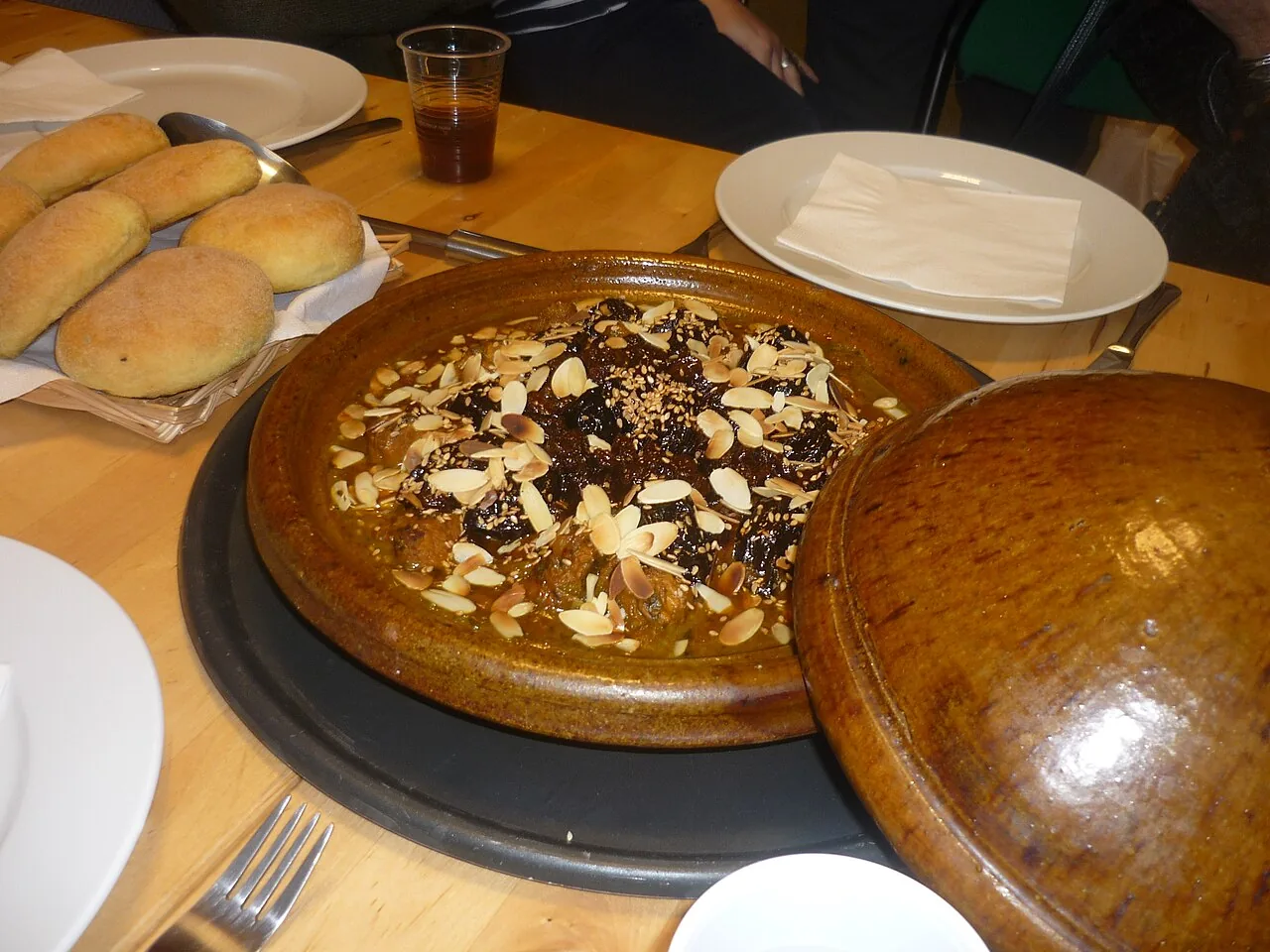
Lamb & Prune Tagine

Clay vessel braised lamb shoulder infused with Ras el Hanout, saffron stamens, and natural sun-dried fruit pectins.

Immunity & Warming

Slow-braised lamb with prunes, almonds and couscous.

Pairs Well With
Spiced Couscous & Preserved Lemon Salad
High Protein
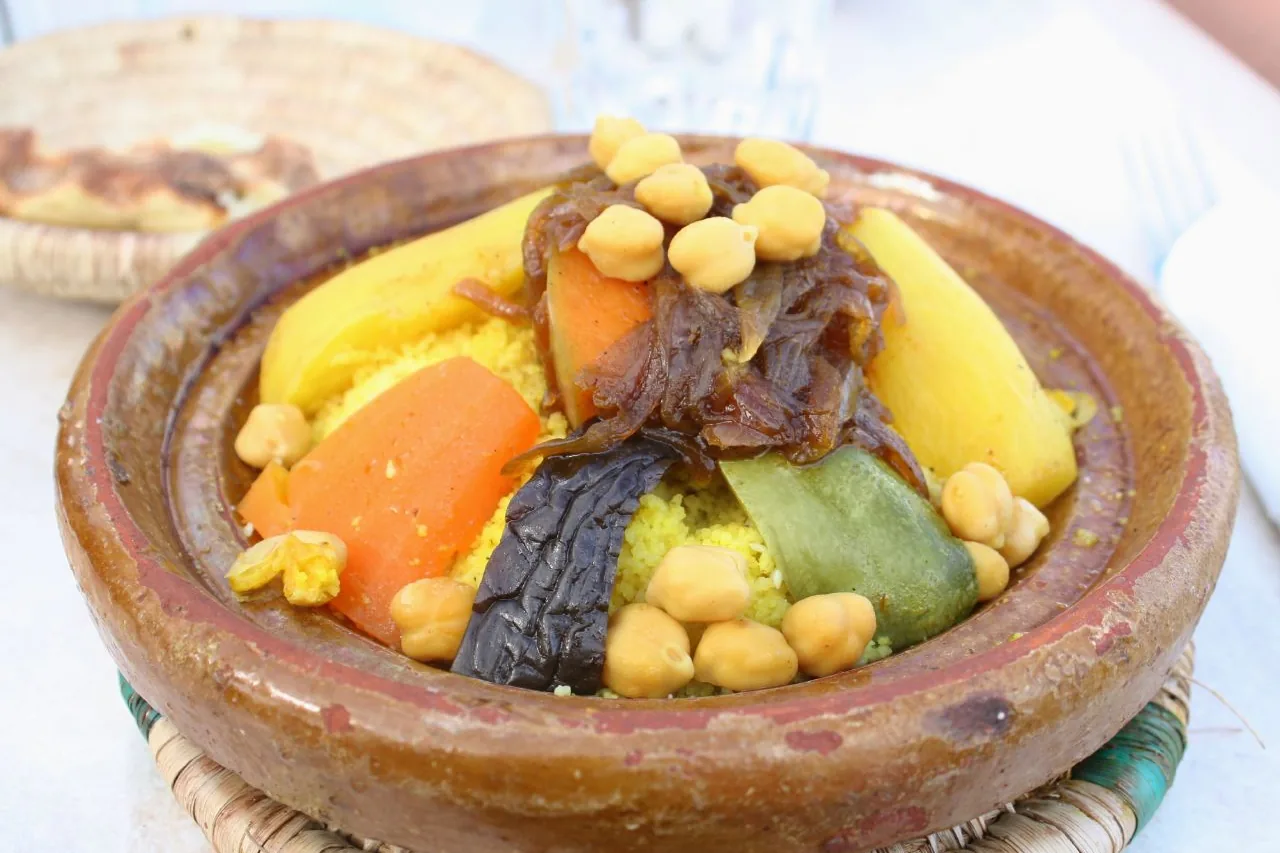
A clay bowl of Moroccan couscous with vegetables, chickpeas, carrot and pumpkin Morocco flag Morocco 1h 15m
Dinner •Maghreb Friday Table

Moroccan Couscous with Vegetables

This moroccan couscous recipe steams fine semolina until fluffy, then ladles over a slow-cooked stew of seven vegetables, chickpeas and warm spices. One serving is about 475 g.

Comfort & Warmth

Fluffy steamed semolina with a slow vegetable stew and chickpeas.

Pairs Well With
Harissa, mint tea and crusty bread
Quick Prep (<30m)
A bowl of Moroccan harira soup with chickpeas, noodles and fresh herbs Morocco flag Morocco 1h 15m
Lunch •Ramadan Iftar Table

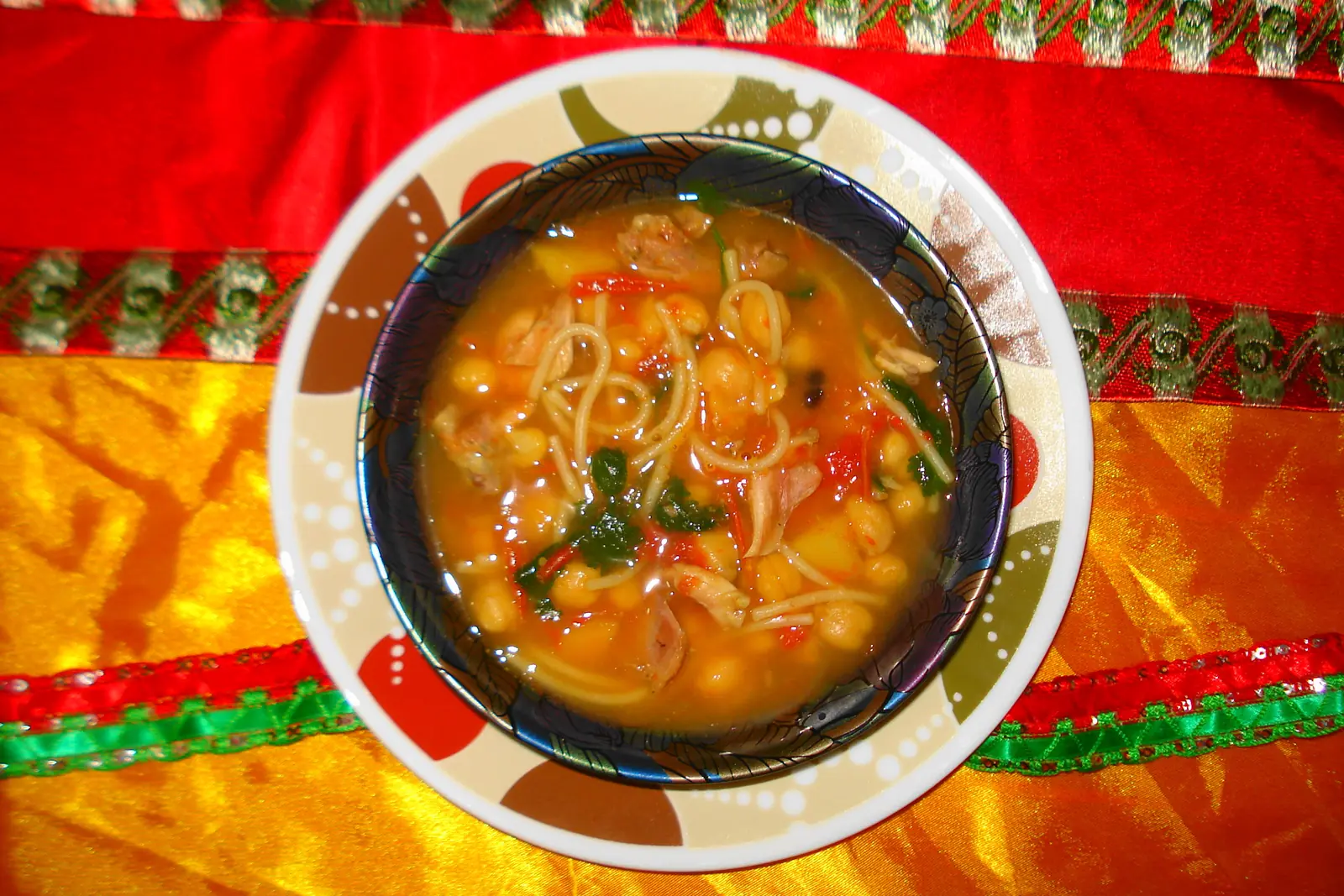
Harira Soup

This harira soup recipe simmers lentils, chickpeas, tomatoes and lamb with ginger, cinnamon and fresh herbs, then thickens it the traditional way with a flour slurry. One serving is about 450 g.

Comfort & Warmth

A thick, warming tomato and lentil soup, the soup Moroccans break their fast with.

Pairs Well With
Dates, chebakia and mint tea
Soups & Broths • High Protein
Moroccan chicken tagine with preserved lemon slices, green olives and fresh parsley Morocco flag Morocco 1h 15m
Dinner •Moroccan Heritage

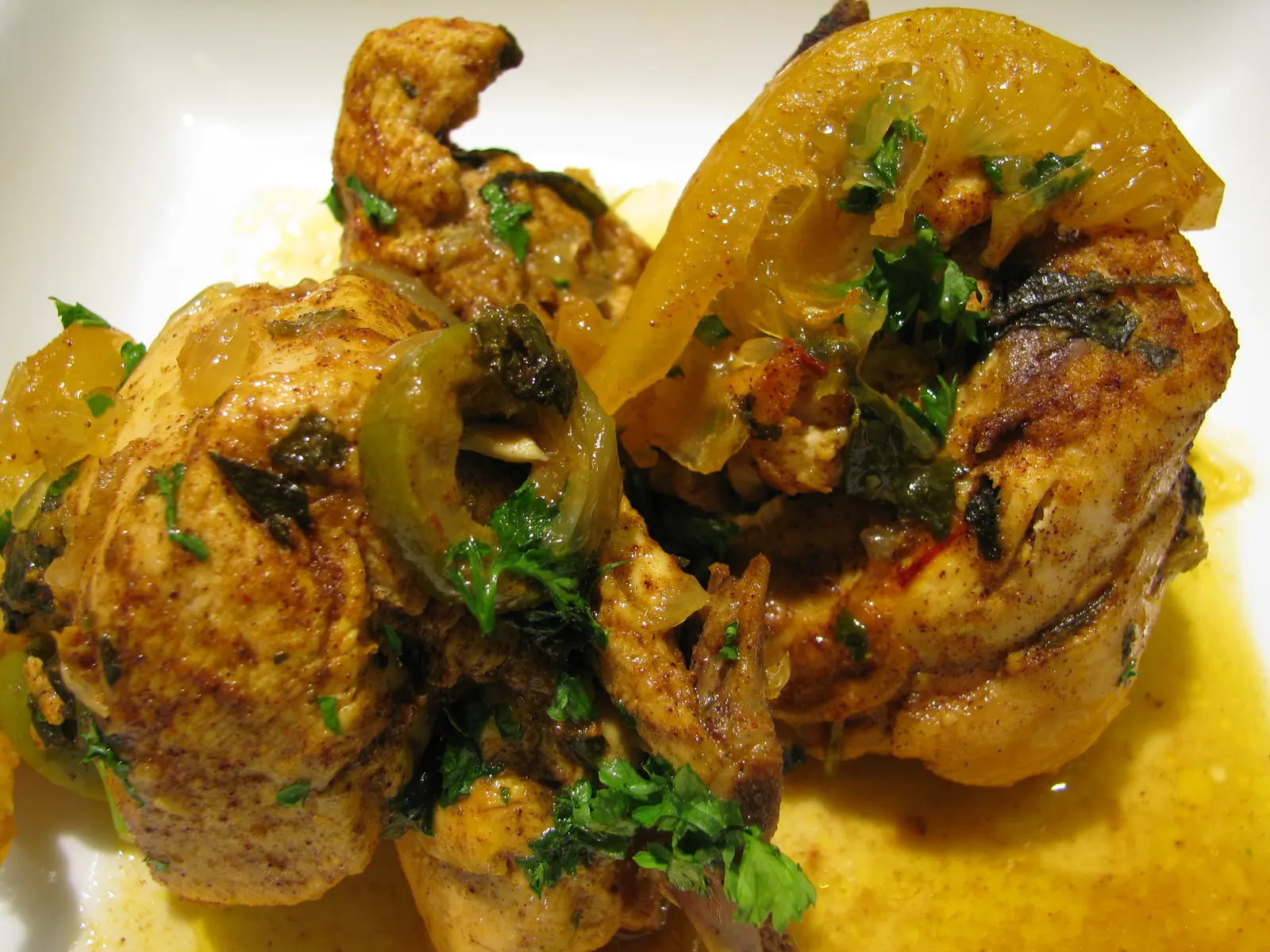
Moroccan Chicken Tagine

Moroccan chicken tagine is the dish Morocco is best known for: chicken braised slowly with onions, ginger and saffron, then finished with salty preserved lemon and green olives. This moroccan chicken tagine recipe uses a heavy pot instead of a clay tagine, so anyone can make it — the conical lid's job is done by a tight-fitting lid and a gentle flame. One serving is about 315 g.

Slow-Cooked Comfort

Chicken braised slowly with ginger, saffron, preserved lemon and green olives until the meat falls from the bone.

Pairs Well With
Couscous, khobz bread and mint tea.
High Protein

The Dinner Gazette

Never wonder what’s for dinner again

One email a week with easy dinner ideas from around the world — ingredients, steps and nutrition, tested in our kitchen first.

Delivered every Thursday morning. Unsubscribe anytime.