Curated recipes from 193 countries  •  New seasonal Mediterranean issue out now

Overview

Nasi Campur Bali

Balinese Mixed Rice, Nasi Campur

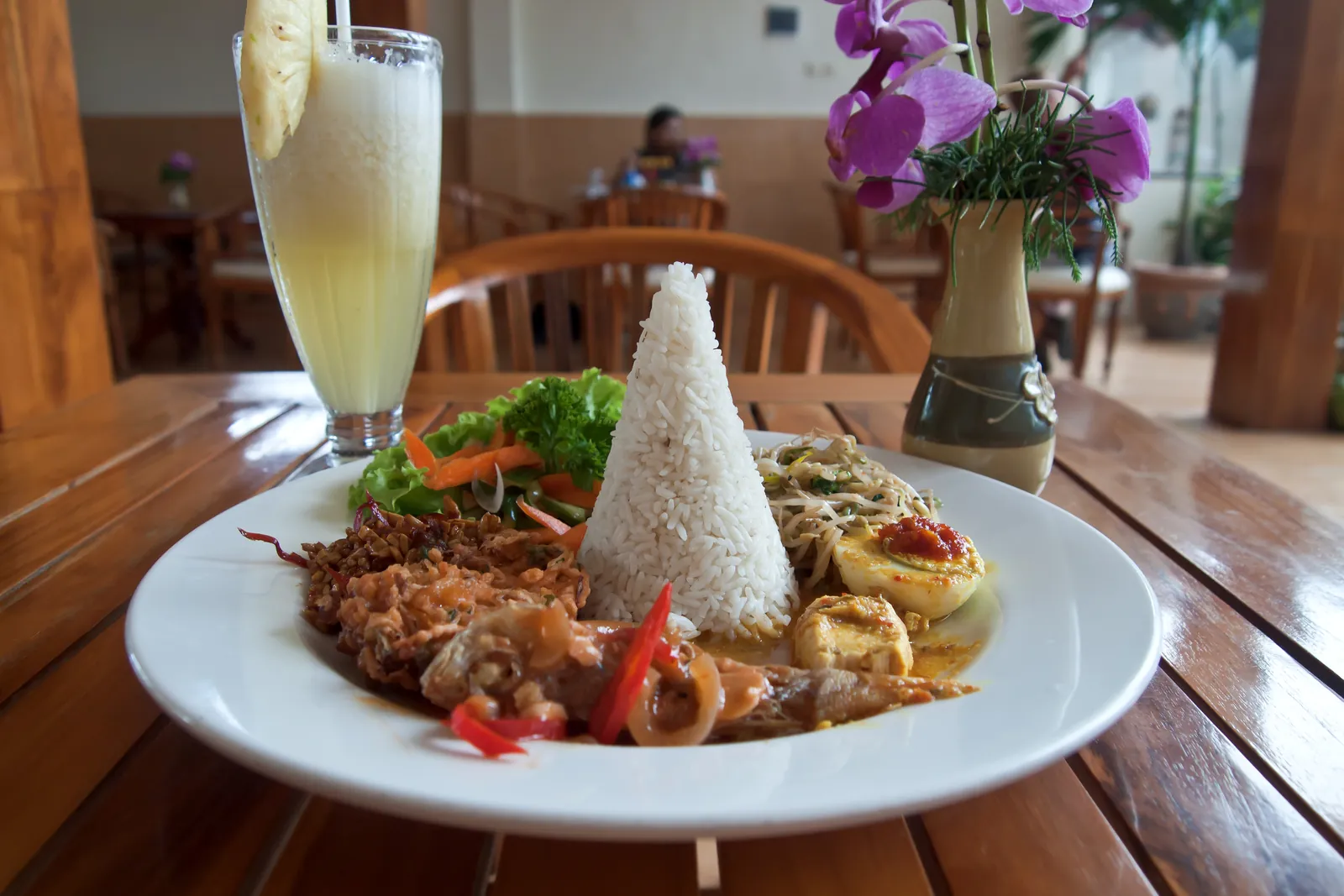
This nasi campur Bali recipe builds the mixed-rice plate you find in a Balinese warung: a mound of steamed jasmine rice ringed with small portions of betutu-style spiced chicken, pork sate lilit, chilli egg, fried tempeh and coconut-dressed vegetables. Every spoonful mixes rice with something spicy, sweet, sour or crunchy. One serving is about 495 g.

Nasi campur — mixed rice — is the everyday plate of Bali's warungs, where a mound of rice is ringed with whatever small dishes the kitchen made that morning: betutu chicken, sate lilit, lawar and sambal. Ayam betutu, the spiced chicken at its heart, is a ceremonial dish from Gilimanuk in West Bali, traditionally a whole bird rubbed with base genep spice paste and slow-cooked in banana leaf.

Pairs well with: Sambal matah, iced tea & krupuk

Provenance

Indonesia flag Indonesia

Balinese Warung Classic

East & South Asia

Time Dedication

1h 35m

40m prep • 55m cook

Batch Yield

4 Servings

743 kcal per serving

1 serving ≈ 495 g

Technical Skill

Advanced

Advanced (Many Small Dishes)

Meal Timing & Digestive Fit

Breakfast

Not Advised

Lunch

Prime Metabolic Fit

Dinner

Ideal Hearty Main

Snack & Tea

Inappropriate

Occasions: Lunch, family weekends, festive meals, Indonesian food nights Cost: Moderate — about $4–5 per serving at home
A plate of nasi campur in Ubud, Bali, with a cone of steamed rice, spiced chicken, egg with sambal, lawar and bean sprouts

Balinese Warung Classic

Photo: Vyacheslav Argenberg, CC BY 4.0, via Wikimedia Commons

The Heritage Formulary

Measured Ingredients

Estimated cost: Moderate — about $4–5 per serving at home (USD)

A good nasi campur is judged by balance: every spoonful of rice should carry a little heat, a little sweetness and a little crunch.

Execution Methodology & Culinary Technique

Step-by-Step Cooking Guide

Active 1h 35m
P

Prep Stage: Paste, Rice & Sides

40 Mins • Chopping & Blending

Blend the shallots, garlic, ginger, turmeric, chillies, lemongrass and toasted shrimp paste into a coarse paste. Rinse the rice and set it to cook, hard-boil the eggs, and slice the beans, sprouts and tempeh so every little dish is ready to build.

Maestro Tip: Make the paste first — it flavours the chicken, the pork and the lawar, so one batch does three jobs.

  1. 1

    Cook the Rice

    20 Mins Rolling boil, then low, 100°C (212°F)

    Put the rinsed rice and 450 ml of water in a pot, bring to a boil, then cover, turn the heat to its lowest and cook for 15 minutes without lifting the lid. Rest 5 minutes off the heat, then fluff with a fork.

    Do not stir the rice while it cooks — stirring breaks the grains and makes it sticky.

    Done when: Fluffy, separate grains that hold a mound shape.

  2. 2

    Blend the Spice Paste

    10 Mins Room temperature, about 20°C (68°F)

    Blend the shallots, garlic, ginger, ground turmeric, deseeded chillies, lemongrass and toasted shrimp paste with the lime juice and palm sugar until you have a coarse, fragrant paste. Divide it into three parts: half for the chicken, a third for the pork, the rest for the lawar.

    A coarse paste is right — a silky puree loses the rustic Balinese texture.

    Done when: A thick, golden-red paste that smells of lime, chilli and toasted shrimp paste.

  3. 3

    Braise the Spiced Chicken

    25 Mins Gentle simmer, about 95°C (203°F)

    Heat half the oil in a pan, fry half the spice paste for 2 minutes until fragrant, then add the chicken chunks and 100 ml of water. Cover and simmer for 20 minutes until the chicken is tender and the sauce clings to it. Season with a pinch of salt.

    Frying the paste first wakes up the spices — raw paste tastes flat and harsh.

    Done when: Chicken cooked through to 74°C (165°F), tender, coated in a thick golden sauce.

  4. 4

    Shape & Grill the Pork Satay

    12 Mins Medium-high grill, about 200°C (400°F)

    Mix the minced pork with a third of the spice paste and the kecap manis, then shape it into 8 small flat ovals and press each one onto a soaked bamboo skewer. Grill for 5–6 minutes a side until browned at the edges.

    Wet your hands before shaping — the mince will not stick to damp fingers.

    Done when: Pork cooked through to 71°C (160°F), browned outside and juicy inside.

  5. 5

    Make the Lawar & Urap

    10 Mins Boiling water, 100°C (212°F)

    Blanch the sliced green beans for 2 minutes and the bean sprouts for 30 seconds, then drain and cool. Toss the beans with the grated coconut and the last of the spice paste for the lawar; toss the sprouts with the remaining coconut and a squeeze of lime for the urap.

    Blanching keeps the vegetables bright green and just crisp — overcooking turns lawar grey.

    Done when: Bright, crunchy vegetables lightly coated in coconut and spice.

  6. 6

    Fry the Tempeh & Egg, Plate the Set

    10 Mins Medium heat, about 180°C (350°F)

    Fry the tempeh strips in the remaining oil until golden and crisp, then fry the halved eggs cut-side down for 1 minute and spoon the sliced chilli over them. Mound the rice in the centre of each plate and arrange the chicken, satay, egg, tempeh, lawar, urap and peanuts around it.

    Plate while everything is hot — nasi campur is meant to be eaten warm, with the rice picking up the sauces.

    Done when: A full, colourful plate: white rice in the middle, a ring of small dishes around it.

Finishing Touches & Plating

Serve immediately with a spoonful of sambal matah on the side and a few krupuk crackers. Eat by mixing a little of everything into each spoonful of rice — that is the whole point of a campur plate.

Nutritional Physiology & Benefits

Nutrition

Energy

743

kcal / serving

Protein

49g

Complete AA

Carbs

81g

Complex

Fats

25g

Healthy

Per serving (4 servings · 1 serving ≈ 495 g)
Energy743 kcal
Protein49 g
Carbohydrates81 g
Fat25 g
Fibre6.8 g
Sugar11.1 g
Sodium639 mg
Per 100g
Energy150 kcal
Protein9.8 g
Carbohydrates16.4 g
Fat5.1 g
Fibre1.4 g
Sugar2.2 g
Sodium129 mg

Nutrition values are estimated — calculated from USDA FoodData Central values for the listed ingredients.

Vitamins & minerals: Vitamin A (chillies, green beans), vitamin C (lime, chillies, bean sprouts), B vitamins and iron (chicken, pork, egg, tempeh), calcium (tempeh, coconut).

A Full, Balanced Plate

Rice, chicken, pork, egg and tempeh together give about 49 g of protein per serving, with vegetables in every corner of the plate.

Vegetables in Every Bite

Green beans, bean sprouts, coconut and chillies add fibre, vitamin C and crunch, so the plate is not just meat and rice.

Spices That Wake Up the Meal

Turmeric, ginger, lemongrass and chilli bring warmth and aroma; ginger and chilli are traditionally used to settle the stomach after a rich meal.

Food Pairings

What to Eat With

To optimize nutrient absorption and elevate the sensory depth, pair with these authentic accompaniments:

Sides

Sambal Matah

Raw shallot, lemongrass and chilli in oil adds a sharp, fresh heat that cuts through the rich chicken and pork.

Krupuk Crackers

Crisp prawn crackers add the crunch the soft rice and vegetables lack, and they are the classic warung side.

Drinks

Iced Tea with Lime

Cold, unsweetened tea with lime cools the chilli heat and cleanses the palate between the many small dishes.

Vegetables

Cucumber Salad

Cool cucumber with a little vinegar and salt calms the spice and adds freshness to a rich plate.

Complete menu

Serve the nasi campur Bali with sambal matah and krupuk crackers on the side, a cool cucumber salad, and iced tea with lime to drink.

Digestive Guardrails

What NOT to Combine

To prevent digestive distress, sluggishness, or palate clash, avoid pairing the dish with these elements:

Extra Chilli Sauce on Top of Everything

The plate is already spicy; piling on more sambal can overwhelm the delicate coconut and lemongrass flavours and upset a sensitive stomach. Taste first, then add a little. This is general information, not medical advice.

Leaving the Plate Out for Hours

Rice and cooked meat left at room temperature can grow harmful bacteria. Serve hot and refrigerate leftovers within 2 hours. This is general information, not medical advice.

General information only, not medical advice — consult a doctor for personal dietary decisions.

Who Should Eat It

Who Should Eat

  • General adultsA complete, filling lunch — protein, rice and vegetables in one plate.
  • ChildrenSuitable with the chilli cut right back and the shrimp paste swapped for fish sauce; cut the satay into small pieces.
  • ElderlyA good hearty lunch, but the many small dishes make portion control easy — take a little of each.
  • Pregnant womenGenerally suitable if the meat is cooked right through and the egg is fully set; skip the raw sambal matah. Ask your clinician about shrimp paste if you have a shellfish allergy.
  • Breastfeeding womenGenerally suitable; the iron and protein support recovery — keep the chilli moderate and drink plenty of water.
  • AthletesA strong post-workout lunch: about 49 g of protein per serving with rice for glycogen.
  • Weight gainA good choice — the plate is generous, so take a second spoonful of rice and an extra satay.
  • Weight lossChoose mostly chicken and vegetables, go easy on the rice and peanuts, and skip the krupuk.

Health Conditions — Adjust or Avoid

Conditions

  • DiabetesRice is the main carbohydrate — keep the rice mound to about a cup and load up on the bean and sprout dishes instead. Ask your clinician about portion sizes.
  • High blood pressureKecap manis, shrimp paste and salt carry most of the sodium — use less kecap and skip added salt if you watch sodium. Ask your clinician about portion sizes.
  • Kidney diseaseThe plate is high in protein and sodium — eat a smaller portion and skip the kecap manis. Ask your clinician about portion sizes.
  • GoutChicken, pork and tempeh are moderate in purines — eat occasionally and in a modest portion. Ask your clinician about portion sizes.
  • Stomach issuesThe chillies and raw sambal can irritate a sensitive stomach — take the mild portions and skip the raw sambal. Ask your clinician if symptoms persist.
  • Cardiovascular diseaseThe plate is rich in saturated fat from pork and coconut — favour the chicken and vegetable dishes and keep the pork to one skewer. Ask your clinician about portion sizes.
  • Fatty liverKeep the portion modest, favour chicken and vegetables over pork, and skip the fried tempeh. Ask your clinician about portion sizes.
  • Food allergiesContains shrimp (shrimp paste), egg, peanut and soy (kecap manis may contain wheat). If you have a shellfish or peanut allergy, do not eat this dish — ask your clinician about safe substitutes.
  • Special therapeutic dietsIf you follow a prescribed low-sodium or low-purine diet, use less kecap manis and a smaller meat portion, and check with your clinician.

If you have a medical condition, consult your doctor before changing your diet.

Storage & Use

Storage & Use

How to store
Cool the rice and each side dish separately, then store in airtight containers.
In the fridge
Cooked chicken, pork and egg 2 days; rice 2 days; lawar and urap 1 day, all at 4°C (40°F) or below.
In the freezer
Chicken and pork 2 months; rice 3 months. Do not freeze the lawar, urap or egg.
How to reheat
Reheat rice and meat until steaming hot, at least 74°C (165°F); warm the egg through in the hot rice.
Freezing recommended
Partly — the meats and rice freeze well; the fresh vegetable dishes do not.
Signs it has spoiled
Sour smell from the rice or coconut, slimy vegetables, or meat that smells off.

More recipes to explore

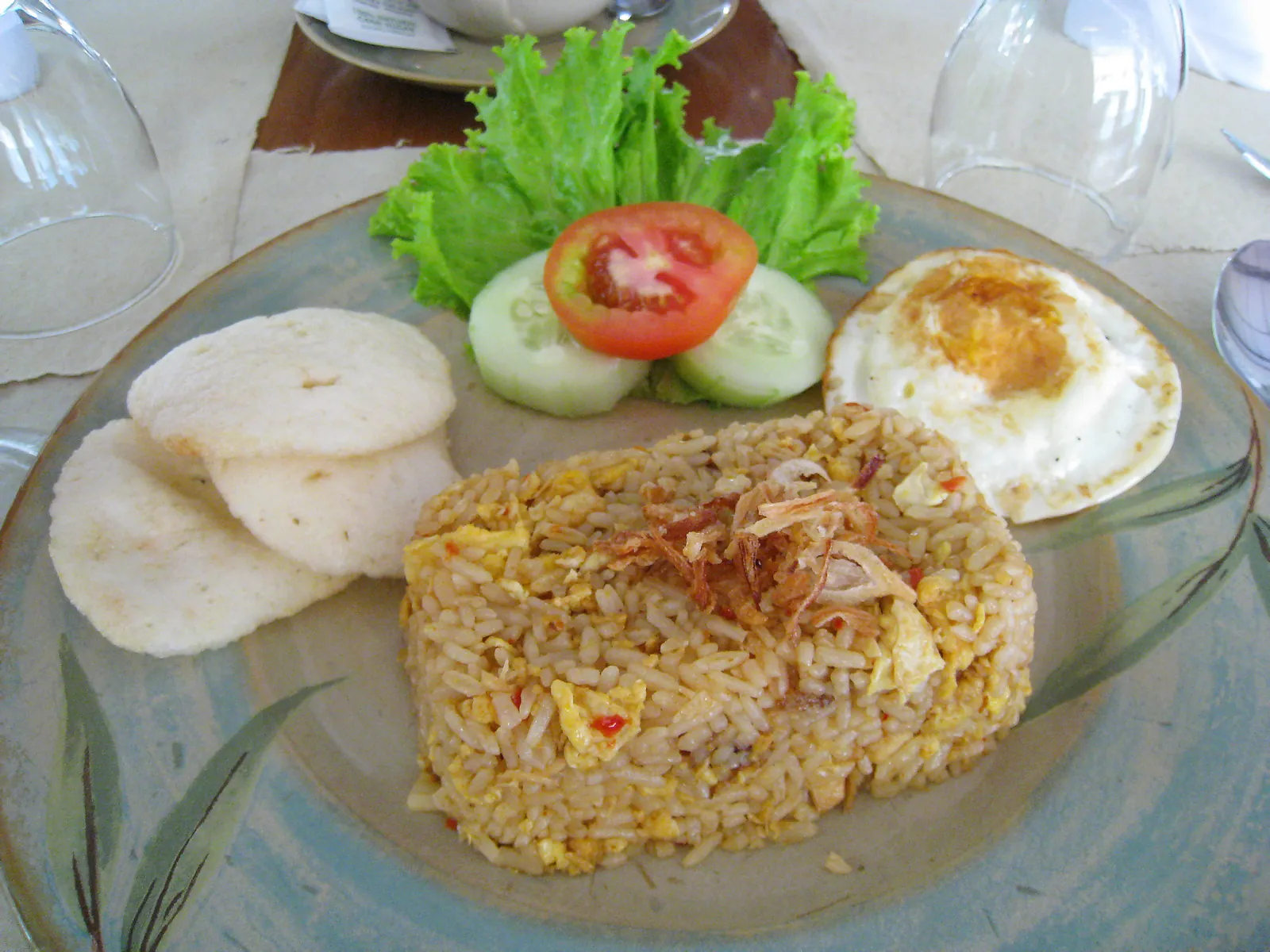
Indonesian nasi goreng — a mound of fried rice with egg and fried shallots, a fried egg, prawn crackers, cucumber, tomato and lettuce Indonesia flag Indonesia 35m
Dinner •Jakarta Street Classic

Indonesian Nasi Goreng

This Indonesian nasi goreng recipe turns a bowl of day-old rice into something far better than the sum of its parts: smoky, sweet-savoury grains coated in kecap manis, tossed with chicken, carrot and peas, and crowned with a fried egg and crunchy prawn crackers. It is the kind of dinner that comes together in one wok in about half an hour, and it tastes like a Jakarta street stall at its best. One serving is about 470 g.

Comfort & Satisfying

A one-wok dinner of sweet-savoury fried rice, chicken and a fried egg, served the Indonesian way with cucumber, tomato and prawn crackers.

Pairs Well With
A fried egg on top, cool cucumber and tomato, and a handful of prawn crackers, with iced tea to drink.
Quick Prep (<30m)
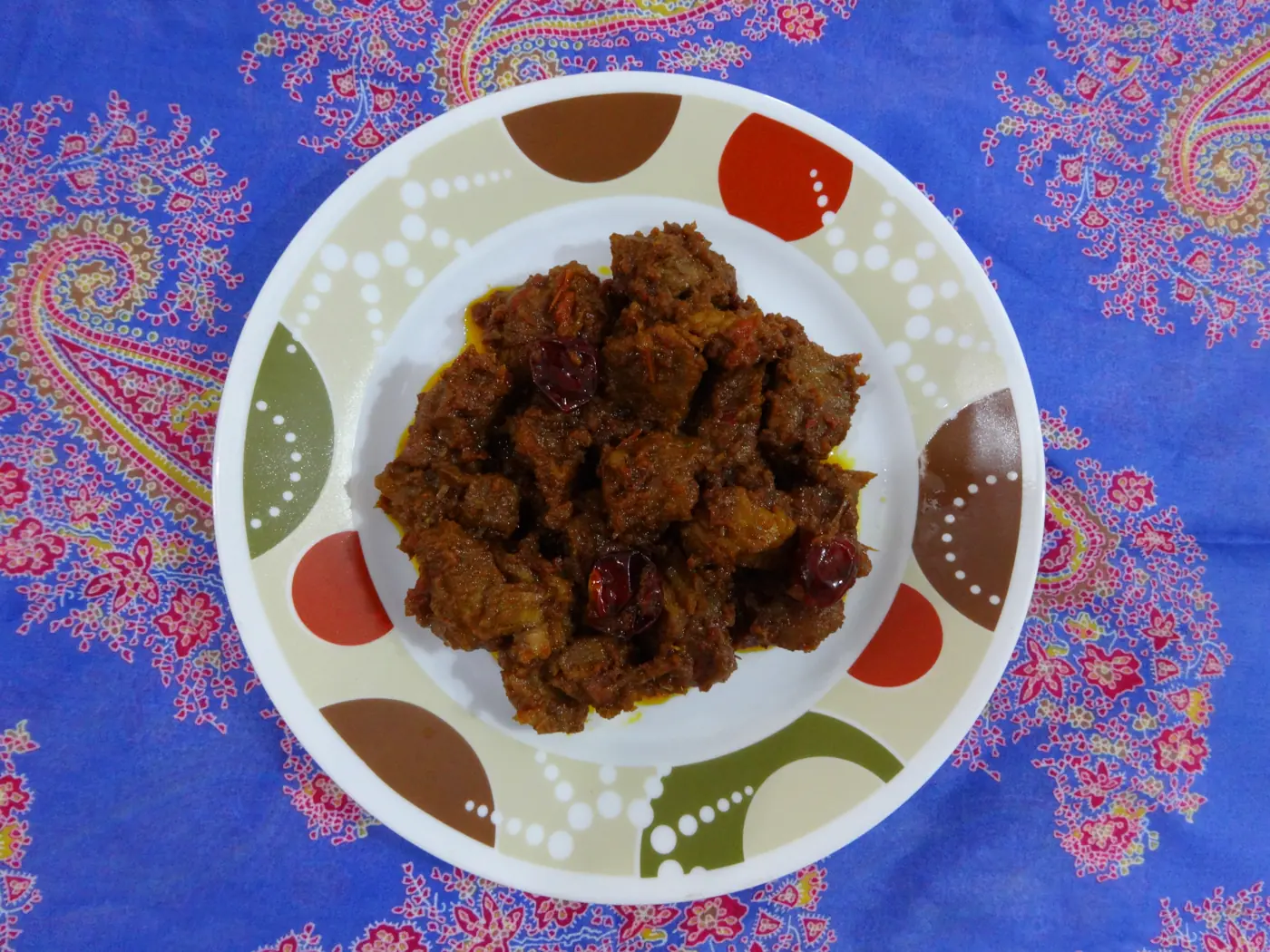
A plate of beef rendang — dark brown beef chunks coated in a dry, caramelised spice paste Indonesia flag Indonesia 4h
Dinner •West Sumatra Heritage

Beef Rendang

This beef rendang recipe slow-braises beef chuck in coconut milk with lemongrass, galangal, chillies and warm spices for about four hours, until the sauce has almost disappeared and the meat is coated in a dark, dry, caramelised spice paste. It is the Minangkabau dish from West Sumatra that sits at the heart of Padang cooking: deeply savoury, gently hot, and rich without being saucy. One serving is about 380 g.

Rich & Satisfying

Slow-braised beef in spiced coconut milk, reduced until the meat is coated in a dark, caramelised spice paste.

Pairs Well With
Steamed jasmine rice & pickled cucumber (acar timun)
High Protein
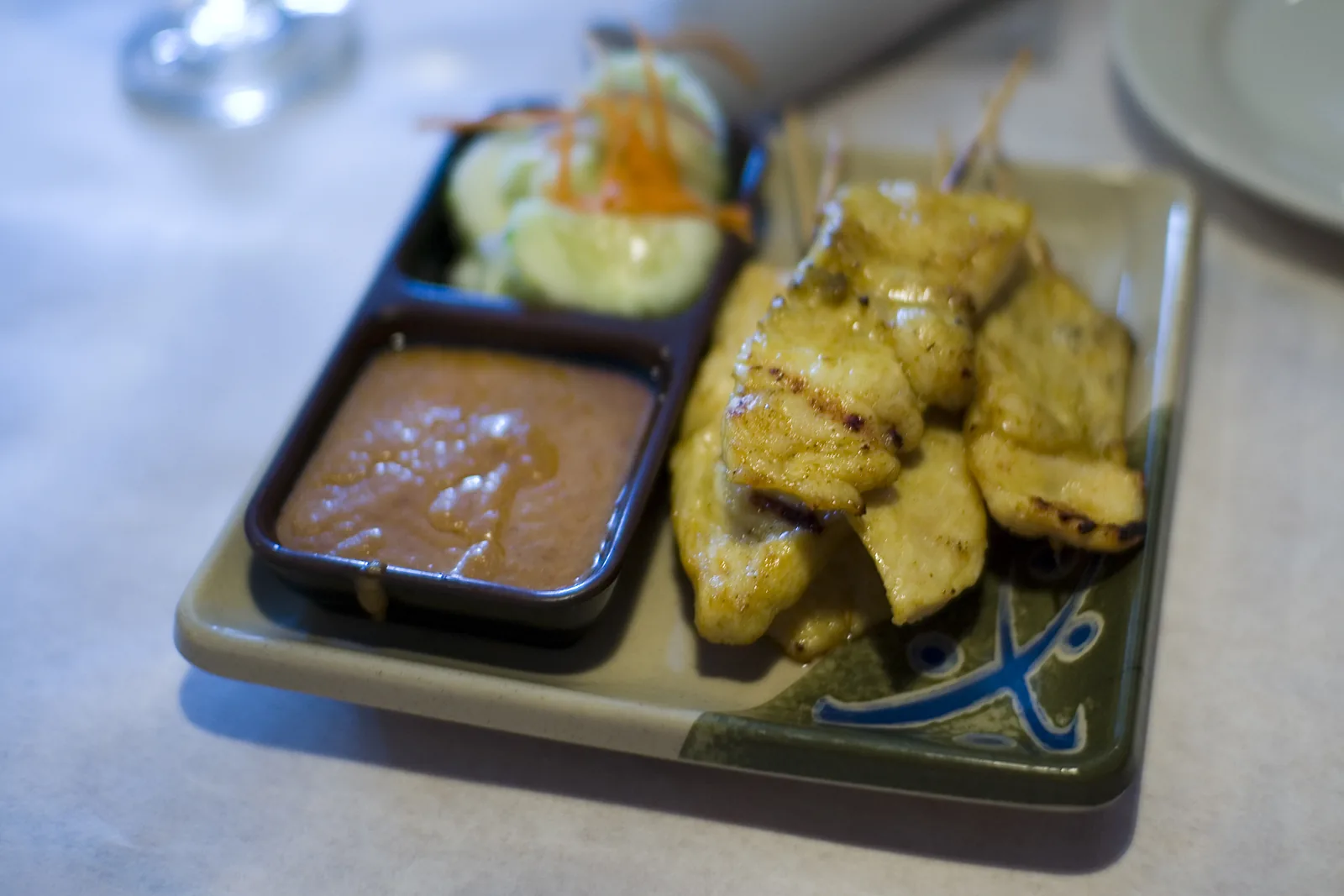
Grilled chicken satay skewers with peanut sauce and cucumber salad on a plate Indonesia flag Indonesia 45m
Dinner •Java Street Food

Chicken Satay

This chicken satay recipe turns chicken breast into golden, char-edged skewers marinated in turmeric, coconut milk, garlic and sweet soy sauce, then grilled and served with a warm, creamy peanut sauce. One serving is about 290 g: three skewers, a generous spoonful of peanut sauce and a cool cucumber-shallot salad. It is the Indonesian street-food classic — sate ayam — made for a weeknight grill.

High-Protein Grilling

Grilled chicken skewers in a turmeric-coconut marinade, served with a homemade peanut sauce — high in protein and cooked fast over high heat.

Pairs Well With
Lontong rice cakes and a cool cucumber-shallot salad balance the rich peanut sauce.
High Protein • Quick Prep (<30m)
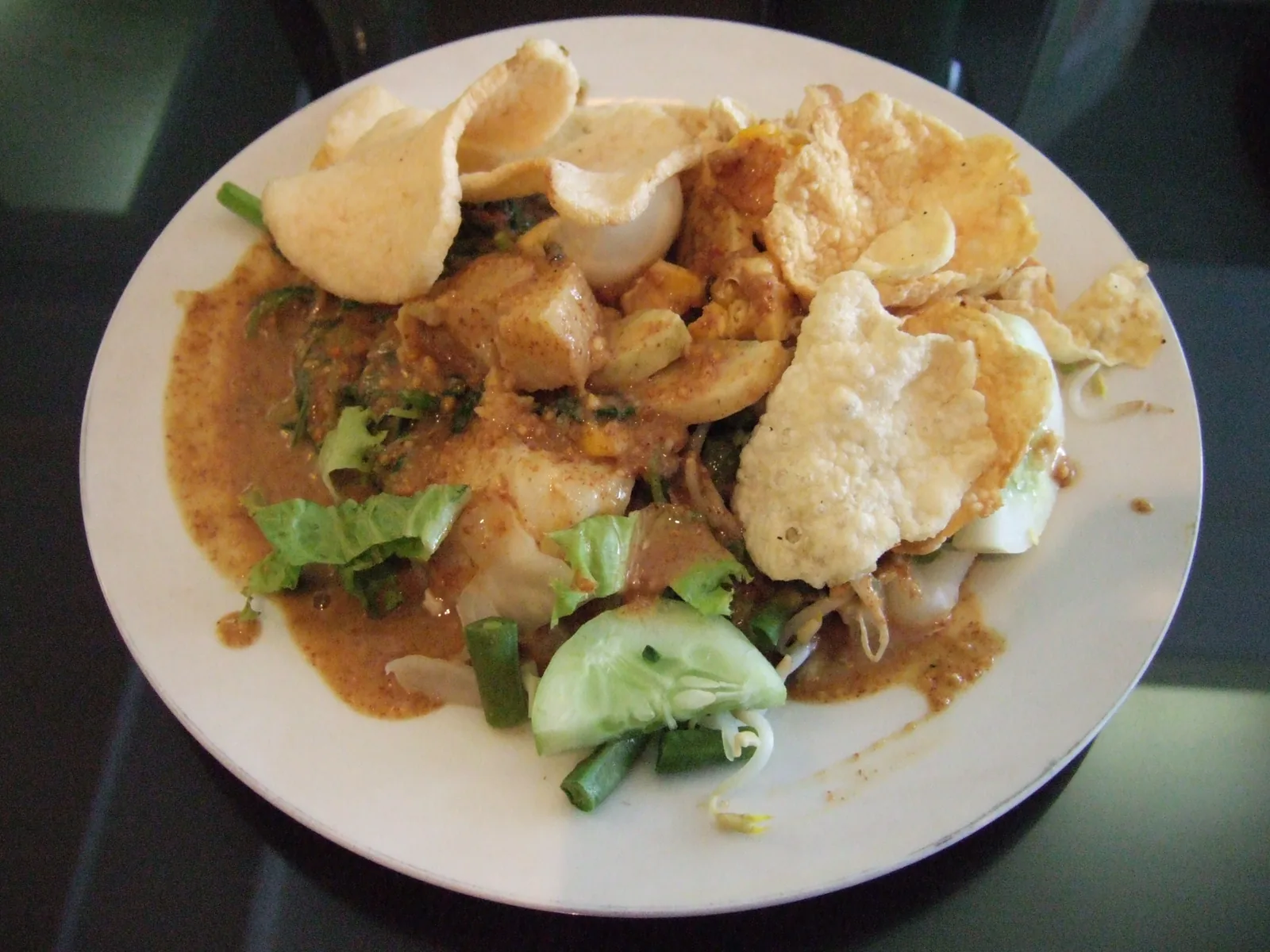
A plate of gado-gado: mixed vegetables, tofu and boiled egg coated in peanut sauce, topped with prawn crackers and cucumber slices. Indonesia flag Indonesia 45m
Lunch •Jakarta Street Food Classic

Gado-Gado

Gado-gado is Indonesia's best-loved salad: warm potatoes, green beans, cabbage, bean sprouts, cucumber and carrot, with fried tofu, boiled egg and crunchy prawn crackers, all coated in a thick, sweet-savoury peanut sauce. One serving is about 584 g.

Fresh & Filling

Warm vegetables, tofu and egg under a rich peanut sauce — a complete meat-free lunch.

Pairs Well With
Serve warm with prawn crackers on the side and a glass of iced tea.

The Dinner Gazette

Never wonder what’s for dinner again

One email a week with easy dinner ideas from around the world — ingredients, steps and nutrition, tested in our kitchen first.

Delivered every Thursday morning. Unsubscribe anytime.