Curated recipes from 193 countries  •  New seasonal Mediterranean issue out now

Overview

Nasi Padang

Nasi Padang Set, Padang Rice Plate

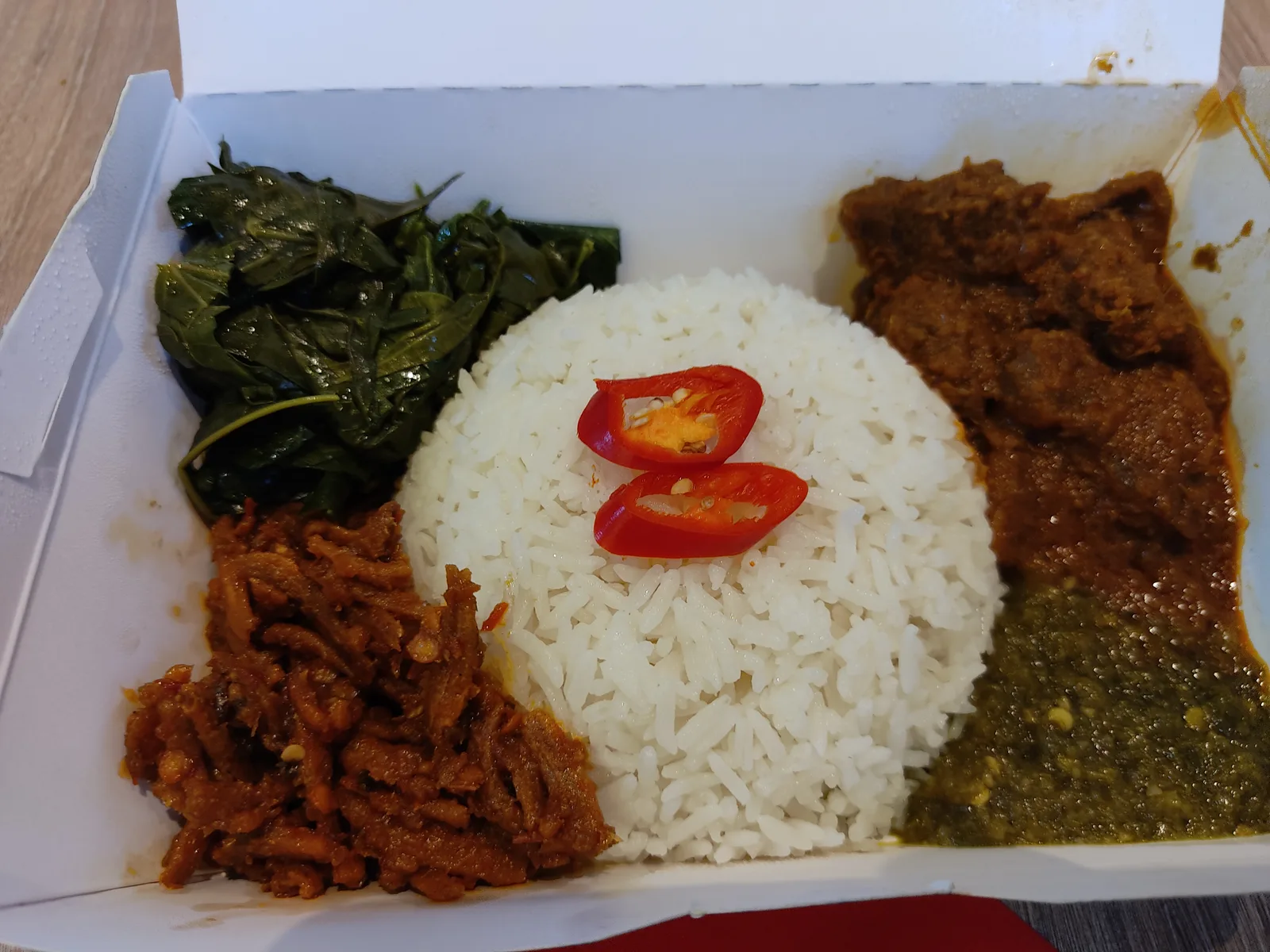
This nasi padang recipe builds the West Sumatran rice plate the way Padang restaurants serve it: a mound of steamed jasmine rice surrounded by small portions of beef rendang, cassava leaves simmered in coconut milk, fiery green chilli sambal and crisp prawn crackers. It is a whole meal on one plate, not a single curry — the rendang is one part of the set, and the greens, sambal and crackers are what make it nasi padang. One serving is about 410 g.

Nasi padang comes from the Minangkabau people of West Sumatra, and the Padang restaurants that carry it across Indonesia are famous for the way they serve it: small plates of dishes are stacked in the window and brought to the table in the hidang style, and diners pay only for the dishes they touch. Rice is the base of the meal, and rendang, cassava leaves, sambal and crackers are the dishes most tables reach for first.

Pairs well with: Sambal ijo and kerupuk on the side, with iced tea (es teh manis) or hot jasmine tea.

Provenance

Indonesia flag Indonesia

West Sumatra Heritage

East & South Asia

Time Dedication

2h 40m

40m prep • 120m cook

Batch Yield

4 Servings

853 kcal per serving

1 serving ≈ 410 g

Technical Skill

Intermediate

Intermediate (Slow Rendang & Sides)

Meal Timing & Digestive Fit

Breakfast

Not Advised

Lunch

Prime Metabolic Fit

Dinner

Ideal Hearty Main

Snack & Tea

Inappropriate

Occasions: Family lunches, weekend meals, festive gatherings, Indonesian restaurant-style dinners at home Cost: Moderate — about $4–5 per serving at home
Nasi padang — a mound of steamed white rice with beef rendang, dark green cassava leaves, green chilli sambal and shredded spiced beef in a white takeaway box

West Sumatra Heritage

Photo: Dr.Francostein1975, CC BY-SA 4.0, via Wikimedia Commons

The Heritage Formulary

Measured Ingredients

Estimated cost: Moderate — about $4–5 per serving at home (USD)

Made the Padang way: plain steamed rice with a full set of dishes — rendang, sayur singkong, sambal ijo and kerupuk — rather than a single curry over rice.

Execution Methodology & Culinary Technique

Step-by-Step Cooking Guide

Active 2h 40m
P

Prep Stage: Rinse, Chop & Blend

40 Mins • Rinsing, Chopping & Blending

Rinse the rice and leave it to drain. Cut the beef into even cubes and pat dry. Blend the rendang paste: shallots (80 g), garlic (24 g), ginger, red chillies, turmeric, lemongrass and galangal with 2 tablespoons of water until smooth. Strip and chop the cassava leaves, and chop the green chillies, shallots (60 g) and garlic (12 g) for the sambal ijo.

Maestro Tip: Blend the rendang paste smooth — a coarse paste never fries down into the dark, dry coating that makes rendang what it is.

  1. 1

    Cook the Rice

    20 Mins Simmering, ~95°C (200°F)

    Put the rinsed rice and the water in a pot and stir once. Bring to a boil, turn the heat to the lowest setting, cover tightly and simmer for 15 minutes. Take the pot off the heat, leave it covered for 5 minutes more, then fluff with a fork.

    Do not lift the lid while the rice simmers — the trapped steam is what cooks the top grains.

    Done when: Separate, fluffy grains with no liquid left in the pot.

  2. 2

    Braise the Rendang

    90 Mins Simmering, ~95°C (200°F)

    Heat 20 g of oil in a heavy pot and fry the rendang paste for 5 minutes until fragrant and darkened. Add the beef cubes and stir until coated, then pour in 200 ml of coconut milk, the sugar and 4 g of salt. Bring to a gentle simmer, cover, and cook for 60 minutes. Take the lid off and keep cooking on low heat for about 25 minutes more, stirring often, until the sauce has almost disappeared and the beef is coated in a dark, dry spice paste.

    Keep the heat low once the lid comes off — the coconut milk needs time to separate and fry the paste, and high heat will scorch it before the beef is tender.

    Done when: Beef that yields easily to a fork, coated in a dark, almost dry paste; the meat should be well past 74°C (165°F) inside.

  3. 3

    Simmer the Cassava Leaves

    25 Mins Simmering, ~95°C (200°F)

    While the rendang cooks, put the cassava leaves in a pot with 100 ml of coconut milk, 15 ml of lime juice and 2 g of salt. Simmer gently for 20 minutes until the leaves are soft and the milk has thickened around them.

    Cassava leaves must be cooked through — never serve them raw or only lightly wilted. Simmer them the full 20 minutes.

    Done when: Soft, dark green leaves in a thick, pale green sauce.

  4. 4

    Make the Sambal Ijo

    10 Mins Medium heat, ~175°C (350°F)

    Blend the green chillies, shallots (60 g) and garlic (12 g) with 1 tablespoon of water until coarse. Heat 15 g of oil in a small pan, fry the paste for 5 minutes until it darkens slightly, then stir in 15 ml of lime juice and 2 g of salt and cook for 2 minutes more.

    Blend the sambal coarse, not smooth — the little chunks are what make it taste homemade, and the lime juice goes in last so it stays bright.

    Done when: A thick, bright green paste that holds its shape on a spoon.

  5. 5

    Fry the Kerupuk & Assemble the Plates

    5 Mins Hot oil, ~175°C (350°F)

    Fry the prawn crackers in hot oil for a few seconds each until puffed, then drain. Spoon a mound of rice onto each plate, set a portion of rendang beside it, add a spoonful of cassava leaves and a spoonful of sambal ijo, and tuck a cracker on the side. Serve at once.

    Put the sambal on the side, not on the rice — everyone seasons their own plate, and the crackers stay crisp.

    Done when: Hot rice, tender rendang, and the green sambal within reach.

Finishing Touches & Plating

Eat it the Padang way: a little rice, a little rendang, a little greens and a little sambal in every spoonful, so the rich, hot, sour and crunchy parts all arrive together.

Nutritional Physiology & Benefits

Nutrition

Energy

853

kcal / serving

Protein

35g

Complete AA

Carbs

87g

Complex

Fats

41g

Healthy

Per serving (4 servings · 1 serving ≈ 410 g)
Energy853 kcal
Protein35 g
Carbohydrates87 g
Fat41 g
Fibre6.4 g
Sugar9.6 g
Sodium972 mg
Per 100g
Energy208 kcal
Protein8.5 g
Carbohydrates21.2 g
Fat10.1 g
Fibre1.6 g
Sugar2.3 g
Sodium237 mg

Nutrition values are estimated — calculated from USDA FoodData Central values for the listed ingredients.

Vitamins & minerals: Vitamin B12 and iron (beef), vitamin C (chillies and lime), vitamin K and folate (cassava leaves), potassium and magnesium (coconut milk). Nutrition is estimated.

Protein That Keeps You Full

One serving carries about 34.7 g of protein from the beef, which is what makes this lunch keep you full until dinner.

Greens on the Plate

The cassava leaves add fibre, folate and vitamin K to a plate that would otherwise be all rice and meat.

Chilli & Lime Vitamin C

The green chillies and lime juice in the sambal add vitamin C to the plate, and the lime keeps the rich rendang from feeling heavy.

Food Pairings

What to Eat With

To optimize nutrient absorption and elevate the sensory depth, pair with these authentic accompaniments:

Drinks

Es Teh Manis

Sweet iced tea is the classic Padang restaurant drink because its cold sweetness cools the sambal heat between bites.

Hot Jasmine Tea

Unsweetened hot jasmine tea cleanses the palate after the oily, spicy plate without adding sweetness.

Sides

Acar Timun

Sharp pickled cucumber gives a sour crunch that refreshes the palate after the rich coconut rendang.

Telur Balado

A hard-boiled egg in chilli sauce is a standard extra dish on a Padang table, and its mild richness sits well beside the rendang.

Complete menu

Serve nasi padang with es teh manis and a small bowl of acar timun, then finish with fresh papaya or mango.

Digestive Guardrails

What NOT to Combine

To prevent digestive distress, sluggishness, or palate clash, avoid pairing the dish with these elements:

A Big Spoonful of Sambal on an Empty Stomach

Very hot chilli sambal eaten first thing on an empty stomach can cause discomfort for some people, so start with the rice and rendang and add sambal gradually. This is general food information, not medical advice.

Extra Soy Sauce or Fish Sauce at the Table

The rendang, sambal and crackers already make this plate salty, so pouring extra soy sauce or fish sauce over the rice pushes one meal too far on sodium. This is general food information, not medical advice.

General information only, not medical advice — consult a doctor for personal dietary decisions.

Who Should Eat It

Who Should Eat

  • General adultsA full, hearty lunch — about 34.7 g protein per serving, best eaten hot with the sambal to your own taste.
  • ChildrenServe the sambal on the side and let children add a little at a time; the rice, beef and cassava leaves alone are mild and filling.
  • ElderlyEasy to eat when the beef is cut small, but the sambal is hot and the plate is rich — a modest portion of each part is the comfortable choice.
  • Pregnant womenFine as an occasional lunch when the beef is cooked right through and the cassava leaves are fully simmered; keep the sambal modest. Ask your clinician about portions.
  • Breastfeeding womenAn energy-rich, protein-rich lunch; the rice and beef are filling, so one serving is usually enough.
  • AthletesGood fuel after training, with about 34.7 g protein and 87.0 g carbohydrate per serving — add extra greens rather than extra crackers.
  • Weight gainEnergy-dense at about 853 kcal and easy to eat in a good amount, so it suits weight gain when eaten as a full plate.
  • Weight lossRich for a lunch at about 853 kcal; use a smaller mound of rice and half the rendang portion to lighten it.

Health Conditions — Adjust or Avoid

Conditions

  • DiabetesThe steamed rice is the main carbohydrate, so keep the mound as stated and eat the greens and beef first to slow the rise. Ask your clinician about portions.
  • High blood pressureOne serving carries about 972 mg sodium, so do not add extra soy sauce or salty sides to the same meal. Ask your clinician about portions.
  • Kidney diseasePortions should stay modest, and the salt and protein content matter for some kidney diets. Ask your clinician about portions.
  • GoutBeef is the main purine source here, so keep to one modest serving and drink water with the meal. Ask your clinician about portions.
  • Stomach issuesHot sambal can irritate a sensitive stomach; eat the rice and beef first and keep the sambal to a small spoonful. Ask your clinician about portions.
  • Cardiovascular diseaseThe coconut milk and fried crackers add fat, so one modest serving with plenty of greens is a better balance than a second helping. Ask your clinician about portions.
  • Fatty liverThe dish is energy-dense and rich, so keep portions modest and avoid eating it late at night. Ask your clinician about portions.
  • Food allergiesContains shellfish (prawn crackers), coconut and tree nuts are not present, but the crackers may be fried in shared oil. People with shellfish or coconut allergy should not eat it unless a safe substitute is used. Ask your clinician about safe alternatives.
  • Special therapeutic dietsNot suitable for a low-fat or low-sodium therapeutic diet as written; any lighter version changes the dish and should be discussed with a clinician.

If you have a medical condition, consult your doctor before changing your diet.

Storage & Use

Storage & Use

How to store
Cool the rice, rendang and cassava leaves quickly and store them in separate covered containers; keep the sambal in a small sealed jar and the crackers in a dry container so they stay crisp.
In the fridge
Rendang and rice keep 3 days in the fridge at 4°C (40°F) or below; cassava leaves keep 2 days; sambal keeps 5 days.
In the freezer
The rendang freezes well for up to 3 months; rice and cassava leaves are best kept in the fridge, not frozen.
How to reheat
Reheat the rendang and rice until steaming hot, to 74°C (165°F); warm the cassava leaves gently and do not reheat the crackers.
Freezing recommended
Yes — the rendang only.
Signs it has spoiled
Sour smell in the rice, slimy beef, or mould on the sambal.

More recipes to explore

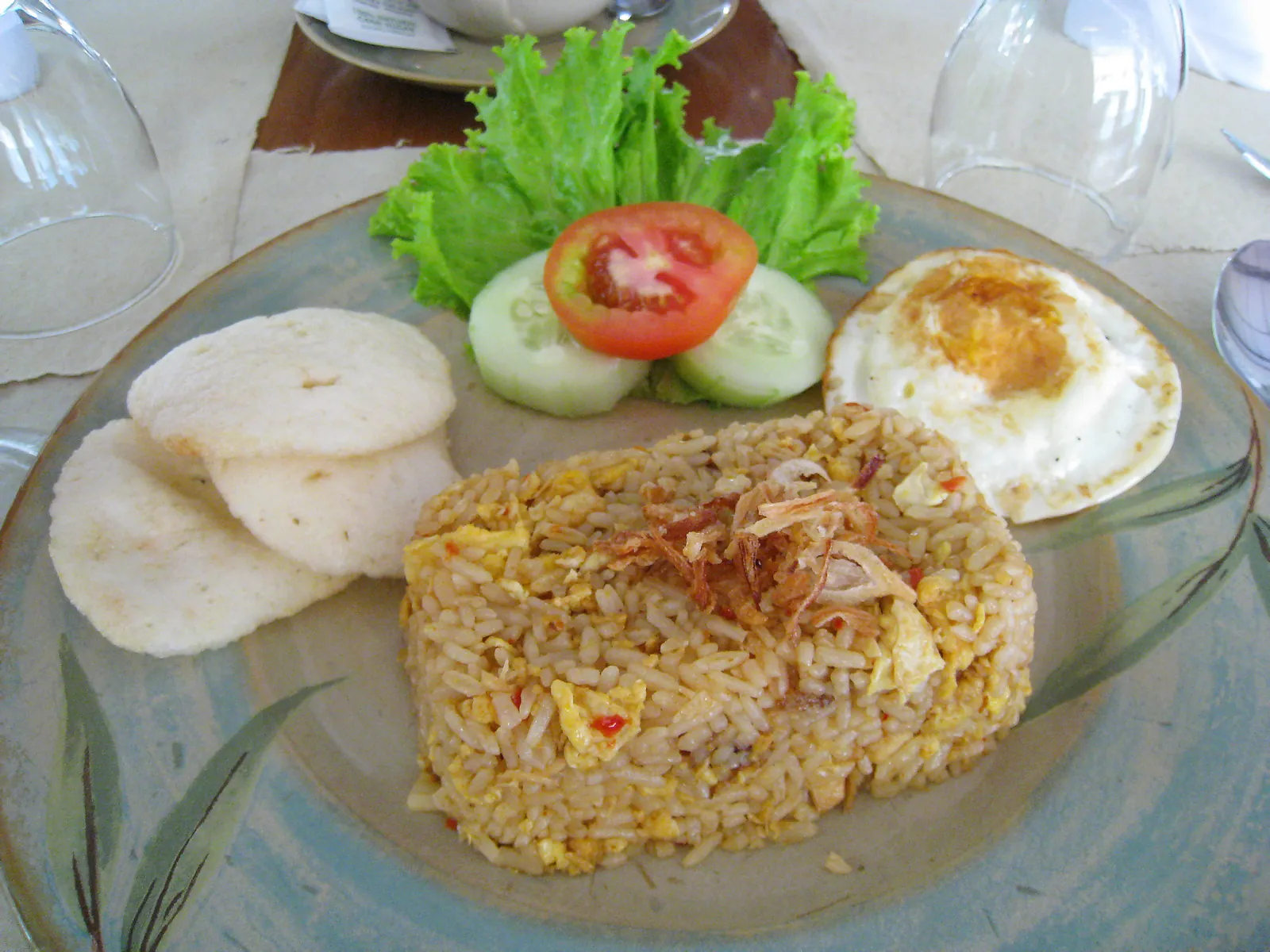
Indonesian nasi goreng — a mound of fried rice with egg and fried shallots, a fried egg, prawn crackers, cucumber, tomato and lettuce Indonesia flag Indonesia 35m
Dinner •Jakarta Street Classic

Indonesian Nasi Goreng

This Indonesian nasi goreng recipe turns a bowl of day-old rice into something far better than the sum of its parts: smoky, sweet-savoury grains coated in kecap manis, tossed with chicken, carrot and peas, and crowned with a fried egg and crunchy prawn crackers. It is the kind of dinner that comes together in one wok in about half an hour, and it tastes like a Jakarta street stall at its best. One serving is about 470 g.

Comfort & Satisfying

A one-wok dinner of sweet-savoury fried rice, chicken and a fried egg, served the Indonesian way with cucumber, tomato and prawn crackers.

Pairs Well With
A fried egg on top, cool cucumber and tomato, and a handful of prawn crackers, with iced tea to drink.
Quick Prep (<30m)
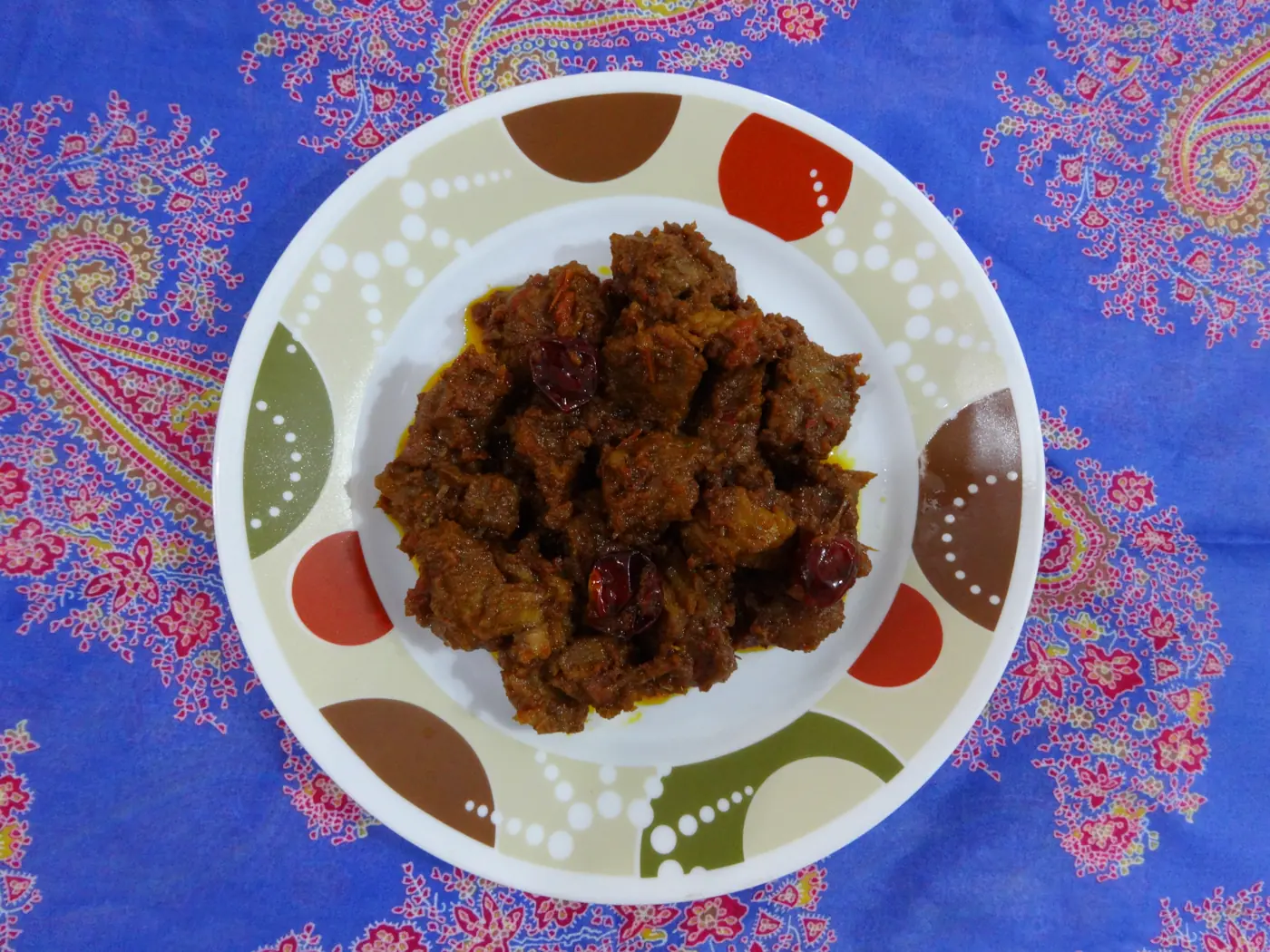
A plate of beef rendang — dark brown beef chunks coated in a dry, caramelised spice paste Indonesia flag Indonesia 4h
Dinner •West Sumatra Heritage

Beef Rendang

This beef rendang recipe slow-braises beef chuck in coconut milk with lemongrass, galangal, chillies and warm spices for about four hours, until the sauce has almost disappeared and the meat is coated in a dark, dry, caramelised spice paste. It is the Minangkabau dish from West Sumatra that sits at the heart of Padang cooking: deeply savoury, gently hot, and rich without being saucy. One serving is about 380 g.

Rich & Satisfying

Slow-braised beef in spiced coconut milk, reduced until the meat is coated in a dark, caramelised spice paste.

Pairs Well With
Steamed jasmine rice & pickled cucumber (acar timun)
High Protein
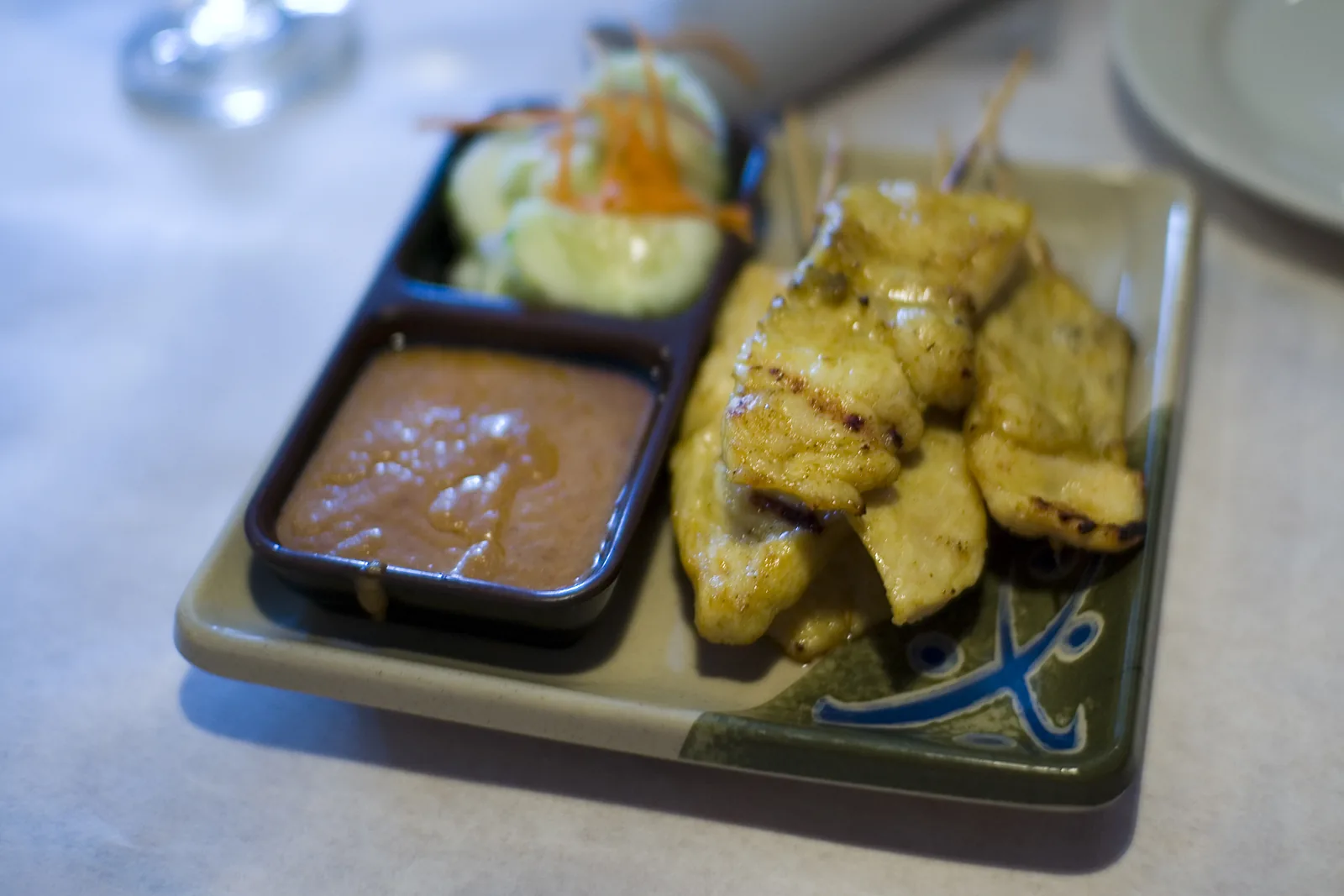
Grilled chicken satay skewers with peanut sauce and cucumber salad on a plate Indonesia flag Indonesia 45m
Dinner •Java Street Food

Chicken Satay

This chicken satay recipe turns chicken breast into golden, char-edged skewers marinated in turmeric, coconut milk, garlic and sweet soy sauce, then grilled and served with a warm, creamy peanut sauce. One serving is about 290 g: three skewers, a generous spoonful of peanut sauce and a cool cucumber-shallot salad. It is the Indonesian street-food classic — sate ayam — made for a weeknight grill.

High-Protein Grilling

Grilled chicken skewers in a turmeric-coconut marinade, served with a homemade peanut sauce — high in protein and cooked fast over high heat.

Pairs Well With
Lontong rice cakes and a cool cucumber-shallot salad balance the rich peanut sauce.
High Protein • Quick Prep (<30m)
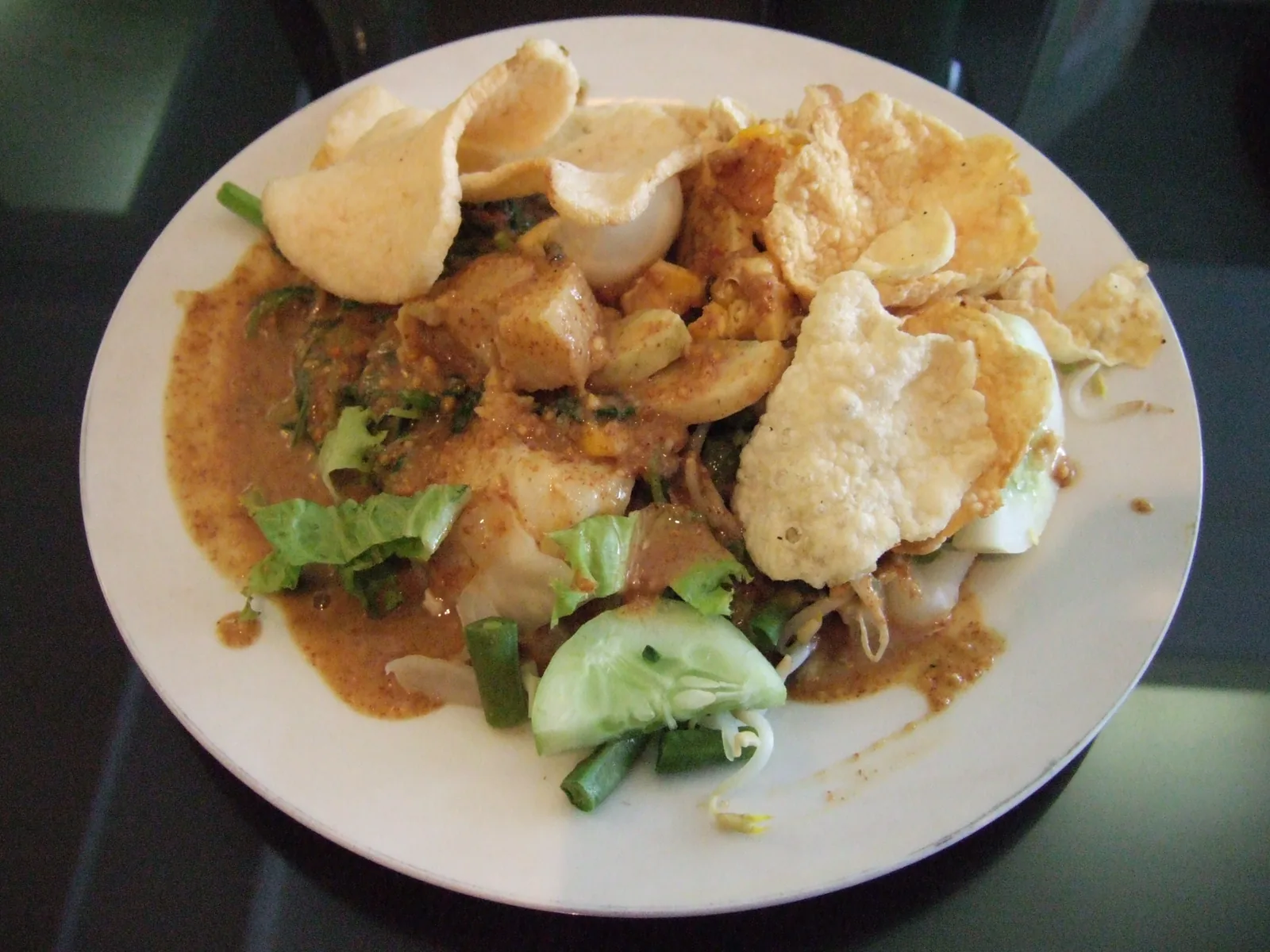
A plate of gado-gado: mixed vegetables, tofu and boiled egg coated in peanut sauce, topped with prawn crackers and cucumber slices. Indonesia flag Indonesia 45m
Lunch •Jakarta Street Food Classic

Gado-Gado

Gado-gado is Indonesia's best-loved salad: warm potatoes, green beans, cabbage, bean sprouts, cucumber and carrot, with fried tofu, boiled egg and crunchy prawn crackers, all coated in a thick, sweet-savoury peanut sauce. One serving is about 584 g.

Fresh & Filling

Warm vegetables, tofu and egg under a rich peanut sauce — a complete meat-free lunch.

Pairs Well With
Serve warm with prawn crackers on the side and a glass of iced tea.

The Dinner Gazette

Never wonder what’s for dinner again

One email a week with easy dinner ideas from around the world — ingredients, steps and nutrition, tested in our kitchen first.

Delivered every Thursday morning. Unsubscribe anytime.