Curated recipes from 193 countries  •  New seasonal Mediterranean issue out now

Overview

Nasi Uduk

Nasi Uduk Betawi; Jakarta Coconut Rice; Indonesian Coconut Rice

Nasi uduk is Jakarta's breakfast rice: jasmine rice steamed in coconut milk with pandan, lemongrass, galangal and bay, then served with fried tempeh, egg, cucumber and sambal. One serving is about 350 g, including the side dishes. Unlike fried rice, it is never fried — the flavour comes from the slow steam.

Nasi uduk comes from the Betawi people of Jakarta, where it has long been the breakfast sold from street carts in the early morning. Rice cooked in coconut milk was influenced by the Arab and Indian traders who passed through the port, and the dish's name — from 'aduk', to mix — describes the stirring of rice into spiced milk. Every Jakarta neighbourhood has its own version, and the dish is still the city's most common commuter breakfast.

Pairs well with: Serve warm on a plate or in banana leaf, with fried tempeh, egg, cucumber, prawn crackers and sambal on the side.

Provenance

Indonesia flag Indonesia

Jakarta Betawi Classic

East & South Asia

Time Dedication

1h

15m prep • 45m cook

Batch Yield

4 Servings

792 kcal per serving

1 serving ≈ 350 g

Technical Skill

Intermediate

Easy (One Pot)

Meal Timing & Digestive Fit

Breakfast

Prime Morning Fit

Lunch

Inappropriate

Dinner

Inappropriate

Snack & Tea

Inappropriate

Occasions: Weekend breakfast, Jakarta street-food morning, family breakfast, brunch with friends Cost: Low — about $2–3 per serving at home
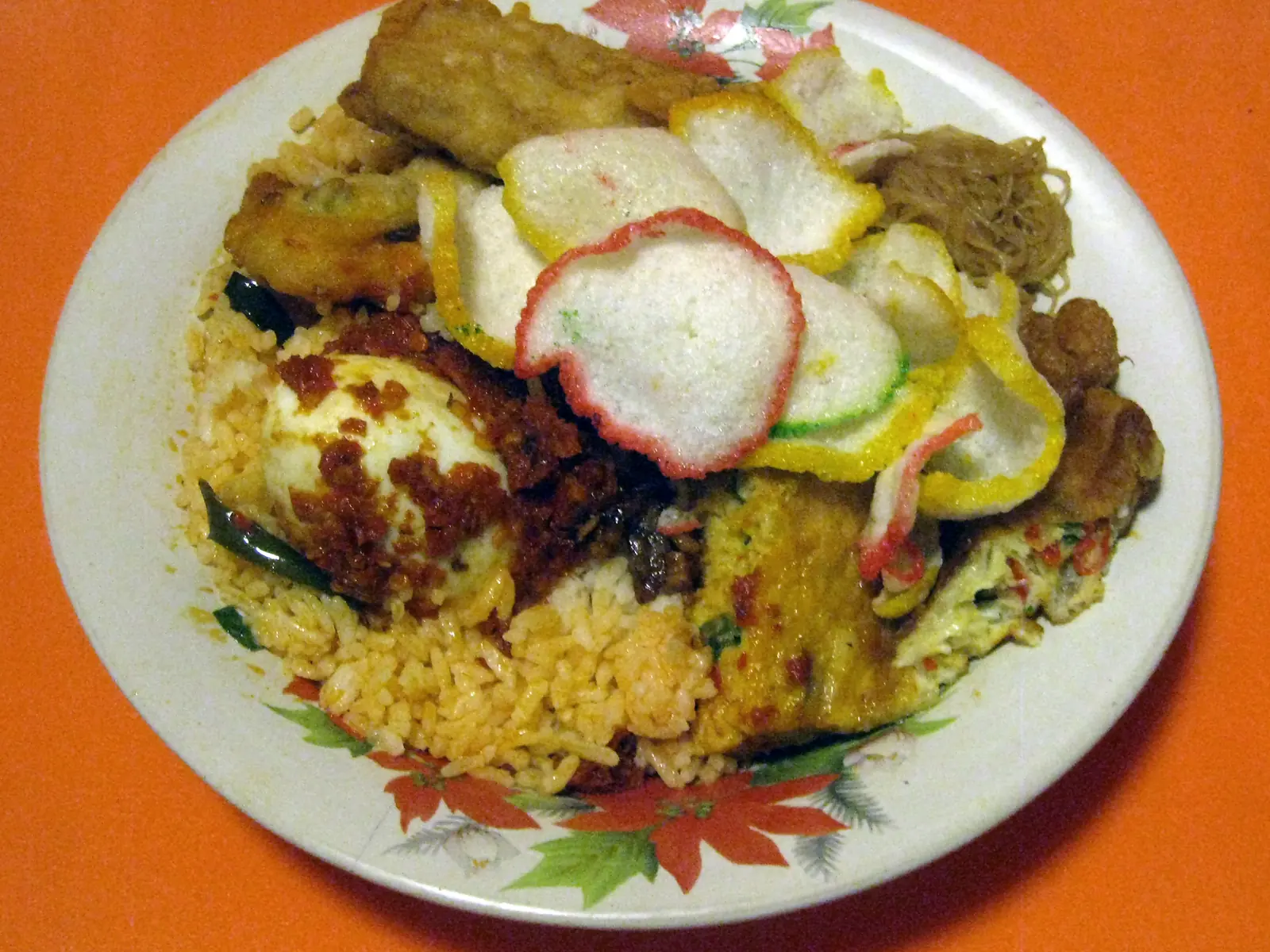
A plate of nasi uduk — fragrant coconut rice with a sambal-topped egg, omelette strips, fried tempeh, vermicelli and prawn crackers.

Jakarta Betawi Classic

Photo: Gunawan Kartapranata, CC BY-SA 3.0, via Wikimedia Commons

The Heritage Formulary

Measured Ingredients

Estimated cost: Low — about $2–3 per serving at home (USD)

The rice is steamed, never fried, and the coconut milk is warmed gently so it never splits.

Execution Methodology & Culinary Technique

Step-by-Step Cooking Guide

Active 1h
P

Prep Stage: Rice Rinsed, Aromatics Bruised

15 Mins • Rinsing & Slicing

Rinse the rice until the water runs almost clear, then drain. Bruise and knot the lemongrass and pandan, slice the galangal, and measure the coconut milk, water and salt. Slice the tempeh and cucumber and boil the eggs so everything is ready before the rice goes on.

Maestro Tip: Rinsing well is what keeps the finished rice fluffy instead of sticky — do not skip it.

  1. 1

    Simmer the Coconut Milk With Aromatics

    5 Mins • Hands On Medium heat, about 90°C (195°F) — do not boil hard

    Put the coconut milk, water, salt, lemongrass, galangal, pandan and bay leaves in a saucepan. Warm gently, stirring, until the salt dissolves and the milk smells fragrant — about 5 minutes. Do not let it boil hard or the milk can split.

    If the milk does split a little, a quick whisk brings it back together at this stage.

    Done when: Milk is hot, fragrant, and the salt has dissolved.

  2. 2

    Add the Rice and Absorb the Milk

    12 Mins • Hands On Medium-low heat, gentle simmer about 95°C (203°F)

    Add the rinsed rice to the pan and stir once so every grain is coated. Cook uncovered, stirring gently every couple of minutes, until the coconut milk is almost fully absorbed and the surface looks pitted with small holes — about 10–12 minutes.

    Stir gently and only now and then; constant stirring breaks the grains.

    Done when: Milk is absorbed, rice is plump and half-cooked, and the pan is nearly dry.

  3. 3

    Steam Until Tender and Fragrant

    20 Mins • Hands Off Low heat, steam about 100°C (212°F)

    Cover the pan tightly with a lid (wrap the lid in a tea towel if it is loose), turn the heat to the lowest setting, and steam for 20 minutes without lifting the lid. Then take it off the heat and rest, still covered, for 10 minutes.

    Lifting the lid lets the steam out and the top layer stays hard — leave it alone.

    Done when: Rice is tender all the way through, separate-grained, and smells of pandan and coconut.

  4. 4

    Fry the Tempeh and Crackers

    8 Mins • Hands On Hot oil, about 180°C (350°F)

    While the rice steams, heat oil in a small pan and fry the tempeh slices until golden and crisp on both sides, about 3–4 minutes. Lift out and drain. In the same hot oil, fry the prawn crackers a few at a time — they puff in seconds — and drain on paper.

    Crackers puff fast and burn faster; have the plate ready before they go in.

    Done when: Tempeh is golden and crisp; crackers are fully puffed with no hard centre.

  5. 5

    Fluff, Plate and Serve

    5 Mins • Hands On Serving temperature, rice about 65°C (150°F)

    Remove the lemongrass, pandan, galangal and bay leaves from the rice. Fluff gently with a fork, then mound the rice on plates or banana leaf. Top with fried shallots and arrange the egg, fried tempeh, cucumber, crackers and a spoonful of sambal around it.

    Fluff with a fork, not a spoon — a spoon mashes the grains.

    Done when: Rice is fluffy and separate, aromatics removed, and the plate has a little of everything.

Finishing Touches & Plating

Serve the nasi uduk warm, straight from the pot, with the side dishes arranged around the rice so each person can take what they like.

Nutritional Physiology & Benefits

Nutrition

Energy

792

kcal / serving

Protein

21g

Complete AA

Carbs

99g

Complex

Fats

36g

Healthy

Per serving (4 servings · 1 serving ≈ 350 g)
Energy792 kcal
Protein21 g
Carbohydrates99 g
Fat36 g
Fibre6.1 g
Sugar4.6 g
Sodium677 mg
Per 100g
Energy226 kcal
Protein6 g
Carbohydrates28.3 g
Fat10.3 g
Fibre1.8 g
Sugar1.3 g
Sodium194 mg

Nutrition values are estimated — calculated from USDA FoodData Central values for the listed ingredients.

Vitamins & minerals: Vitamin B1 and iron (rice and tempeh), vitamin B12 and choline (egg), vitamin C and potassium (cucumber and lemongrass).

Steady Morning Energy

About 99 g of carbohydrate per serving, mostly from rice, gives a slow, steady start to the day — which is why Jakarta eats it for breakfast.

Tempeh Adds Plant Protein

Tempeh brings about 30 g of protein to the whole dish plus fibre and iron, so the plate is more filling than rice alone.

Aromatics, Not Just Salt

Lemongrass, galangal, pandan and bay give the rice its flavour, so it tastes rich without needing extra salt or sauce.

Food Pairings

What to Eat With

To optimize nutrient absorption and elevate the sensory depth, pair with these authentic accompaniments:

Sides

Fried Tempeh and Egg

Crisp tempeh and egg add protein and texture to the soft rice — the classic Betawi combination that makes the plate a full meal.

Prawn Crackers

Light, salty kerupuk add crunch and a whisper of seafood flavour that contrasts with the soft, fragrant rice.

Vegetables

Cucumber Slices

Cool, crisp cucumber cuts through the richness of the coconut milk and refreshes the palate between bites.

Drinks

Sweet Hot Tea

A cup of hot sweet tea is the Jakarta breakfast drink — its warmth and sweetness balance the savoury, coconut-rich rice.

Sauces

Sambal Oelek

A spoonful of sambal brings heat and acidity that wakes up the mellow coconut flavour — use as much or as little as you like.

Complete menu

Start with fresh fruit, serve nasi uduk with fried tempeh, egg and cucumber as the main plate, and finish with sweet hot tea.

Digestive Guardrails

What NOT to Combine

To prevent digestive distress, sluggishness, or palate clash, avoid pairing the dish with these elements:

Rice Left Out Too Long

Cooked rice kept at room temperature for hours can grow harmful bacteria. Cool leftovers within an hour and refrigerate them. This is general food-safety information, not medical advice.

Coconut Milk and Certain Diets

Coconut milk is high in saturated fat, so anyone managing cholesterol or following a low-fat diet for medical reasons should keep the portion modest and ask their clinician. This is general food information, not medical advice.

General information only, not medical advice — consult a doctor for personal dietary decisions.

Who Should Eat It

Who Should Eat

  • General adultsA rich, filling breakfast — best as a weekend or occasional morning meal rather than every day.
  • ChildrenMild, fragrant and easy to eat; keep the sambal on the side so children can skip the heat.
  • ElderlySoft rice and tender tempeh are easy to chew; serve a smaller portion with extra cucumber.
  • Pregnant womenA good source of energy and iron from tempeh and egg; make sure the eggs are fully cooked and the rice is served hot and fresh.
  • Breastfeeding womenEnergy-dense and satisfying, which suits the higher calorie needs of breastfeeding; balance the plate with cucumber and egg.
  • AthletesAbout 99 g of carbohydrate per serving makes it a strong pre-training breakfast, with tempeh and egg adding protein.
  • Weight gainRich in coconut fat and carbohydrate, so it suits a weight-gain goal as a tasty way to add calories.
  • Weight lossHigh in calories and saturated fat, so keep the portion small, go easy on the crackers, and load the plate with cucumber.

Health Conditions — Adjust or Avoid

Conditions

  • DiabetesAbout 99 g of carbohydrate per serving, so blood-sugar impact is significant — a smaller portion with extra tempeh and cucumber is the sensible choice. Ask your clinician.
  • High blood pressureSodium is about 677 mg per serving, mostly from salt, sambal and crackers; keep the crackers light and ask your clinician about portion size.
  • Kidney diseasePotassium from coconut milk and tempeh is moderate; people with kidney disease should ask their clinician about portion size.
  • GoutTempeh is moderate in purines; a normal portion is usually fine, but keep it modest and ask your clinician.
  • Stomach issuesCoconut milk is rich and can sit heavily on a sensitive stomach; eat a small portion and skip the sambal if it triggers symptoms — ask your clinician if they persist.
  • Cardiovascular diseaseCoconut milk is high in saturated fat; an occasional small portion is the sensible approach — ask your clinician.
  • Fatty liverRich in saturated fat and calories, which can add to liver fat if eaten often — keep it an occasional treat and ask your clinician.
  • Food allergiesContains egg, soy (tempeh) and shellfish (prawn crackers); coconut is a tree nut for some allergy lists. Check labels and ask about the crackers if shellfish is a concern.
  • Special therapeutic dietsThis is a general-information recipe, not a therapeutic diet. Anyone on a prescribed diet should ask their clinician or dietitian before making it a regular meal.

If you have a medical condition, consult your doctor before changing your diet.

Storage & Use

Storage & Use

How to store
Cool the rice within an hour and store rice and side dishes in separate sealed containers.
In the fridge
Keeps 2 days refrigerated.
In the freezer
The cooked rice freezes well for up to 1 month; freeze the tempeh and egg separately, and do not freeze the cucumber or crackers.
How to reheat
Reheat the rice with a splash of water until steaming hot, at least 74°C (165°F); fry fresh crackers.
Freezing recommended
Yes for the rice and tempeh; no for cucumber, crackers and sambal-topped egg.
Signs it has spoiled
Sour or off smell, slimy rice, or mould on the tempeh — discard if any of these appear.

More recipes to explore

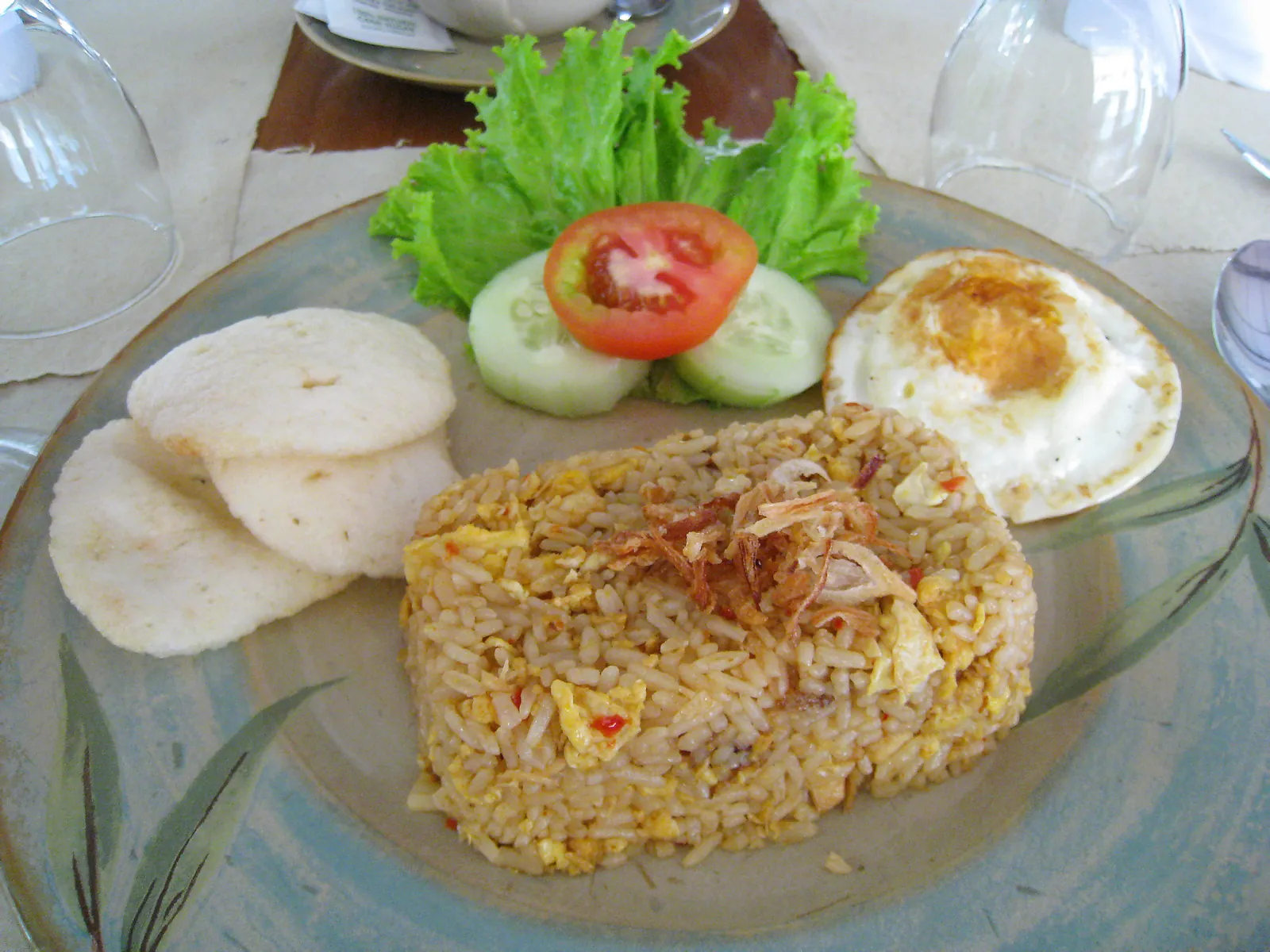
Indonesian nasi goreng — a mound of fried rice with egg and fried shallots, a fried egg, prawn crackers, cucumber, tomato and lettuce Indonesia flag Indonesia 35m
Dinner •Jakarta Street Classic

Indonesian Nasi Goreng

This Indonesian nasi goreng recipe turns a bowl of day-old rice into something far better than the sum of its parts: smoky, sweet-savoury grains coated in kecap manis, tossed with chicken, carrot and peas, and crowned with a fried egg and crunchy prawn crackers. It is the kind of dinner that comes together in one wok in about half an hour, and it tastes like a Jakarta street stall at its best. One serving is about 470 g.

Comfort & Satisfying

A one-wok dinner of sweet-savoury fried rice, chicken and a fried egg, served the Indonesian way with cucumber, tomato and prawn crackers.

Pairs Well With
A fried egg on top, cool cucumber and tomato, and a handful of prawn crackers, with iced tea to drink.
Quick Prep (<30m)
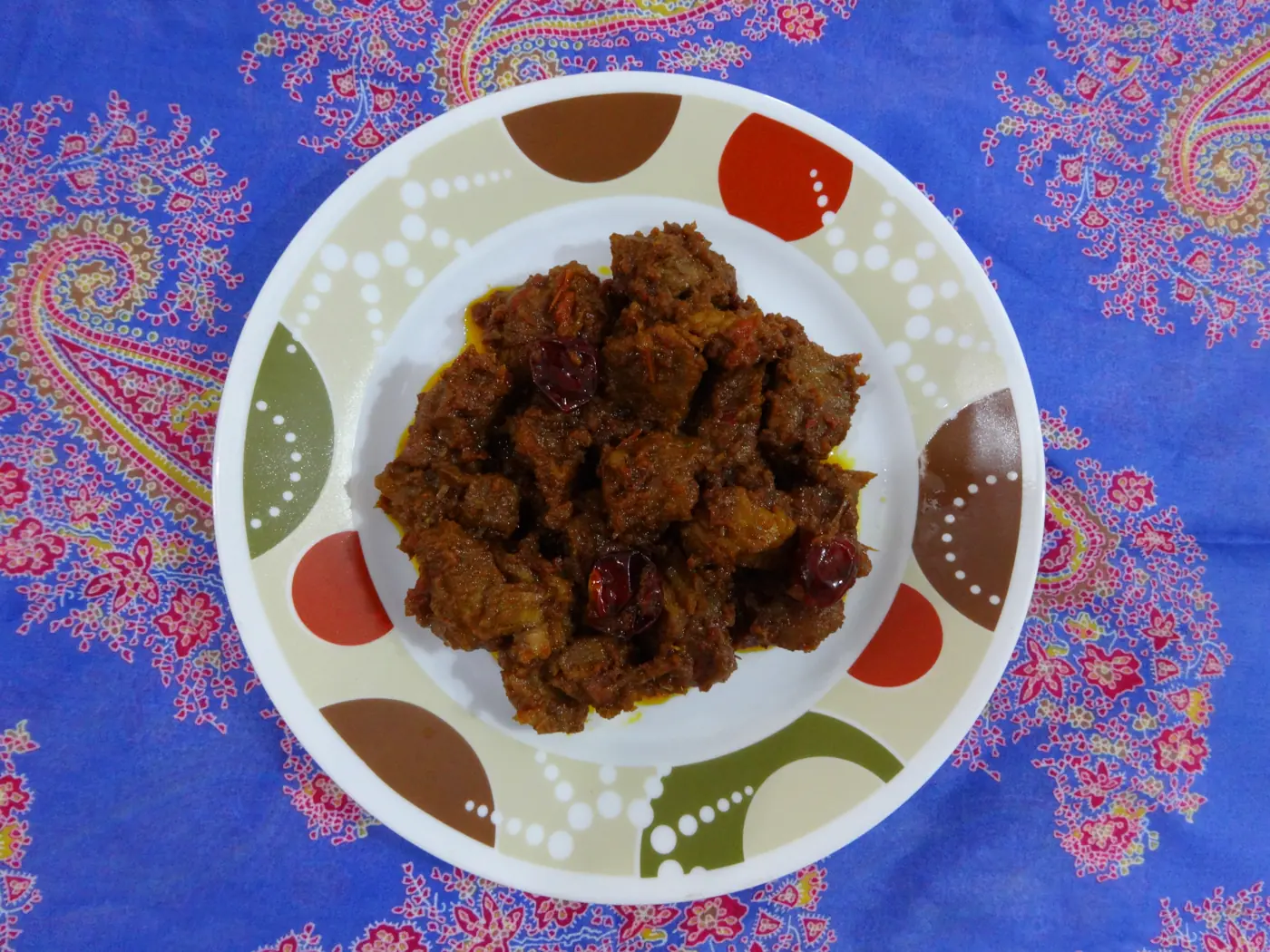
A plate of beef rendang — dark brown beef chunks coated in a dry, caramelised spice paste Indonesia flag Indonesia 4h
Dinner •West Sumatra Heritage

Beef Rendang

This beef rendang recipe slow-braises beef chuck in coconut milk with lemongrass, galangal, chillies and warm spices for about four hours, until the sauce has almost disappeared and the meat is coated in a dark, dry, caramelised spice paste. It is the Minangkabau dish from West Sumatra that sits at the heart of Padang cooking: deeply savoury, gently hot, and rich without being saucy. One serving is about 380 g.

Rich & Satisfying

Slow-braised beef in spiced coconut milk, reduced until the meat is coated in a dark, caramelised spice paste.

Pairs Well With
Steamed jasmine rice & pickled cucumber (acar timun)
High Protein
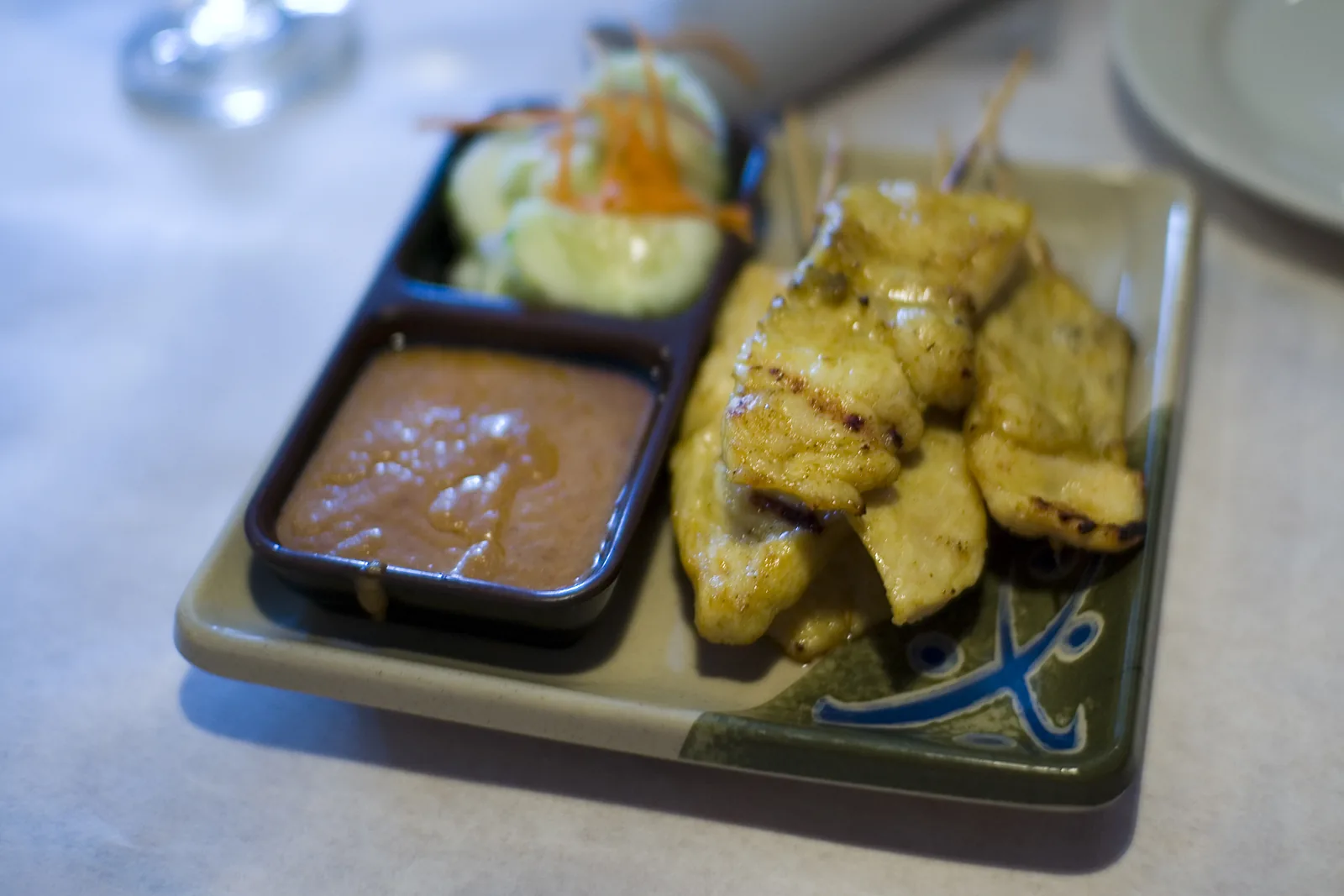
Grilled chicken satay skewers with peanut sauce and cucumber salad on a plate Indonesia flag Indonesia 45m
Dinner •Java Street Food

Chicken Satay

This chicken satay recipe turns chicken breast into golden, char-edged skewers marinated in turmeric, coconut milk, garlic and sweet soy sauce, then grilled and served with a warm, creamy peanut sauce. One serving is about 290 g: three skewers, a generous spoonful of peanut sauce and a cool cucumber-shallot salad. It is the Indonesian street-food classic — sate ayam — made for a weeknight grill.

High-Protein Grilling

Grilled chicken skewers in a turmeric-coconut marinade, served with a homemade peanut sauce — high in protein and cooked fast over high heat.

Pairs Well With
Lontong rice cakes and a cool cucumber-shallot salad balance the rich peanut sauce.
High Protein • Quick Prep (<30m)
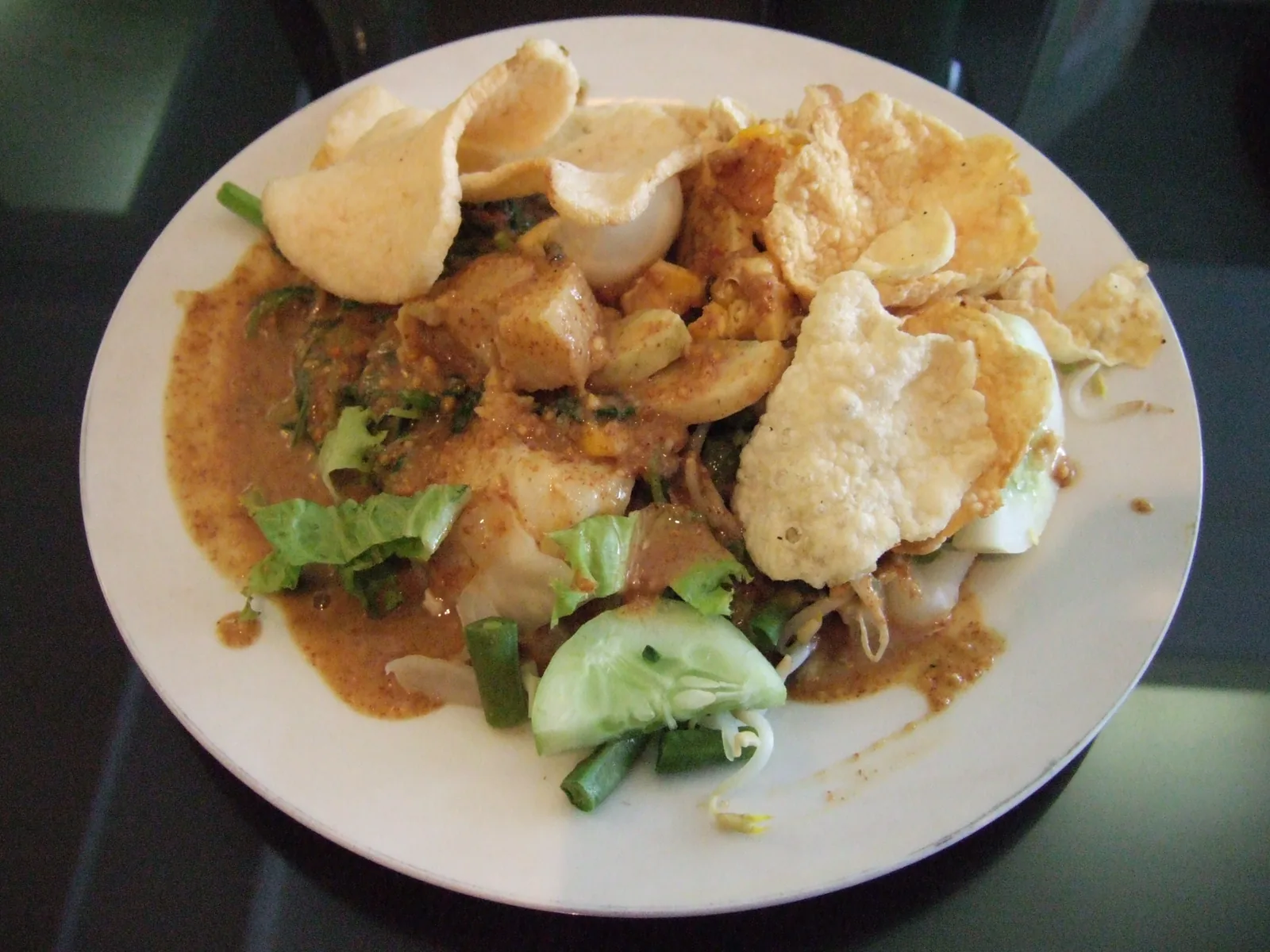
A plate of gado-gado: mixed vegetables, tofu and boiled egg coated in peanut sauce, topped with prawn crackers and cucumber slices. Indonesia flag Indonesia 45m
Lunch •Jakarta Street Food Classic

Gado-Gado

Gado-gado is Indonesia's best-loved salad: warm potatoes, green beans, cabbage, bean sprouts, cucumber and carrot, with fried tofu, boiled egg and crunchy prawn crackers, all coated in a thick, sweet-savoury peanut sauce. One serving is about 584 g.

Fresh & Filling

Warm vegetables, tofu and egg under a rich peanut sauce — a complete meat-free lunch.

Pairs Well With
Serve warm with prawn crackers on the side and a glass of iced tea.

The Dinner Gazette

Never wonder what’s for dinner again

One email a week with easy dinner ideas from around the world — ingredients, steps and nutrition, tested in our kitchen first.

Delivered every Thursday morning. Unsubscribe anytime.