
Curated recipes from 193 countries  •  New seasonal Mediterranean issue out now

Overview

Nicaraguan Gallo Pinto

Gallopinto — Nicaragua's Red-Bean Rice and Beans

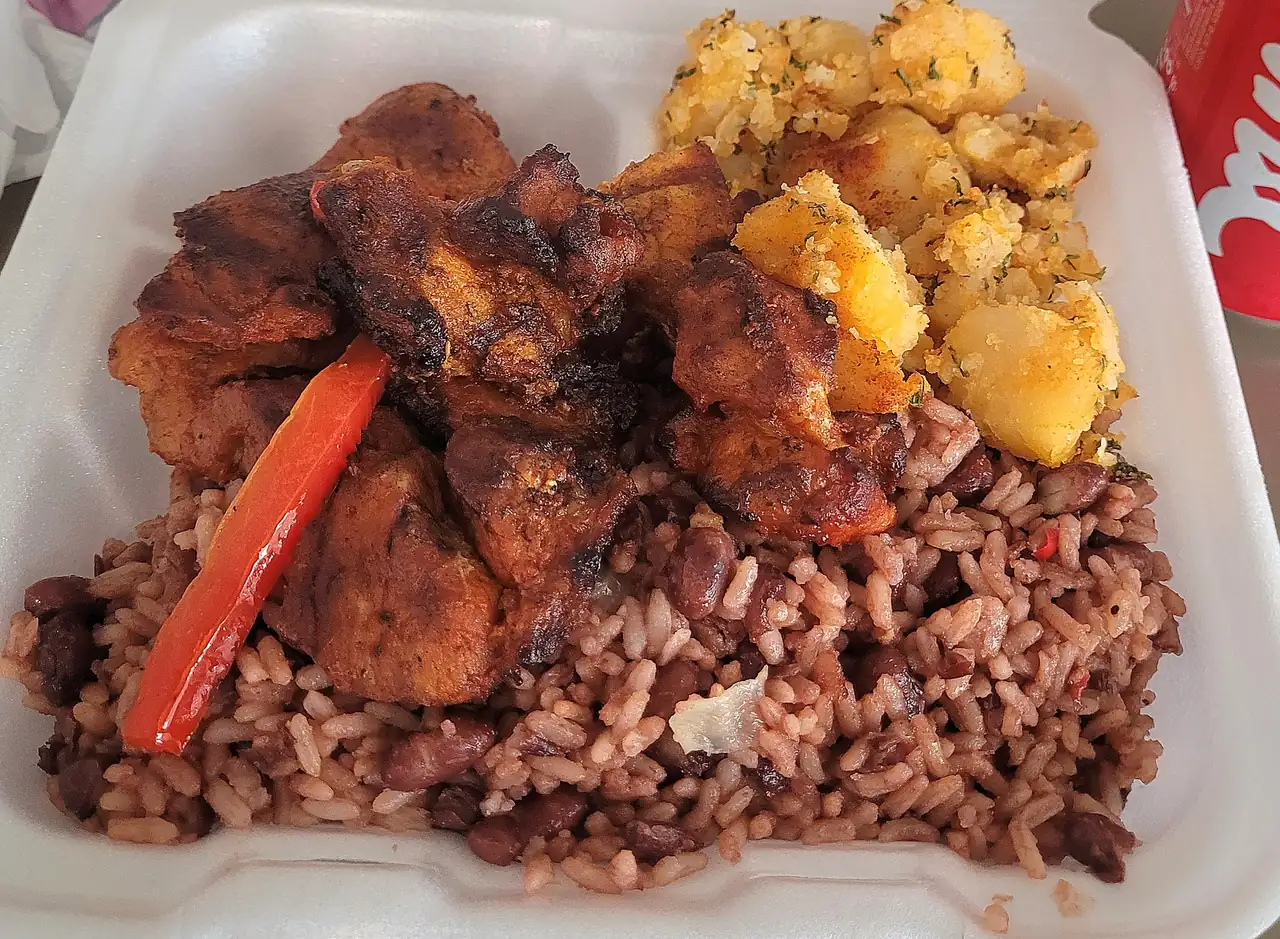
This Nicaraguan gallo pinto recipe fries day-old white rice with small red beans, onion, sweet pepper, garlic, cumin and oregano until the grains turn reddish-brown and a little crisp at the edges. The beans are cooked with garlic and onion, then fried hard in oil with the rice — no Salsa Lizano, no cilantro, just the bean and the pan. One serving is about 286 g.

Gallo pinto means 'spotted rooster', for the speckled look of rice fried with beans, and both Costa Rica and Nicaragua claim the dish as their national dish — the rivalry is sometimes called the Gallo Pinto War. The dish appears in Carlos Luis Fallas's novel Mamita Yunai, about Costa Ricans and Nicaraguans working together on banana plantations. In 2003 Costa Rica cooked nearly 1,000 pounds of gallo pinto in a single event, recorded in the Guinness Book of World Records, and Nicaragua answered with 1,200 pounds. The Nicaraguan version keeps it simpler: small red silk beans cooked with garlic, oregano and onion, fried in vegetable oil with day-old rice, and no Lizano sauce.

Pairs well with: Fried egg, fried cheese and a corn tortilla, with black coffee

Provenance

Nicaragua flag Nicaragua

Nicaragua's National Breakfast

Latin America & Caribbean

Time Dedication

35m

15m prep • 20m cook

Batch Yield

4 Servings

366 kcal per serving

1 serving ≈ 286 g

Technical Skill

Easy

Easy (One Pan)

Meal Timing & Digestive Fit

Breakfast

Prime Morning Fit

Lunch

Inappropriate

Dinner

Inappropriate

Snack & Tea

Inappropriate

Occasions: Weekday breakfasts, weekend brunch, family breakfasts, breakfast for dinner Cost: Low — about $2–3 per serving at home
Nicaraguan gallo pinto — reddish rice fried with small red beans — served with fried chicken and potatoes in a takeaway tray

Nicaragua's National Breakfast

Photo: Xaymacan, CC BY-SA 4.0, via Wikimedia Commons

The Heritage Formulary

Measured Ingredients

Estimated cost: Low — about $2–3 per serving at home (USD)

Made the Nicaraguan way: small red beans, rice fried hard in plenty of oil until toasty, seasoned with cumin and oregano — never finished with Lizano.

Execution Methodology & Culinary Technique

Step-by-Step Cooking Guide

Active 35m
P

Prep Stage: Rice Chilled, Beans Ready

15 Mins • Bowls & Large Skillet

Have the day-old rice and cooked beans ready before the pan gets hot — Nicaraguan gallopinto comes together fast once the frying starts. Dice the onion and pepper and mince the garlic so everything is within reach.

Maestro Tip: If the rice is still warm and sticky, spread it on a tray and chill it for an hour — dry grains fry into separate, toasty speckles, wet grains turn to mush.

  1. 1

    Warm the beans in their liquid

    5 Mins Medium heat, about 175°C (350°F)

    Put the beans and their 60 ml of cooking liquid in a small pan over medium heat and warm through for about 4 minutes, until the liquid is just bubbling. The beans should be hot and a little saucy, not dry.

    Keep the liquid — it carries the bean flavour and the reddish colour into the rice.

    Done when: Beans hot through, liquid simmering gently.

  2. 2

    Fry the onion, pepper and garlic in plenty of oil

    5 Mins Medium heat, about 175°C (350°F)

    Heat the oil in a large skillet over medium heat until it shimmers. Add the onion and red pepper and cook for 4 minutes until soft, then stir in the garlic, cumin and oregano and cook for 1 minute more until fragrant. Nicaraguan cooks use a generous hand with the oil here — it is what fries the rice crisp instead of steaming it.

    Do not brown the onion — soft and translucent is right.

    Done when: Onion soft and translucent, garlic fragrant.

  3. 3

    Fry the rice with the beans until toasty

    8 Mins Medium-high heat, about 190°C (375°F)

    Add the day-old rice to the skillet and toss for 2 minutes so every grain is coated in oil. Pour in the warm beans with their liquid and keep stir-frying for 5 to 6 minutes, pressing the rice against the pan so the grains toast lightly and turn a reddish-brown. Leave it undisturbed for a minute at a time so the bottom crisps a little.

    That minute of sitting still is where the toasty edges come from — keep stirring and the rice just steams.

    Done when: Rice hot through, grains separate and lightly toasted, beans mixed evenly.

  4. 4

    Season and taste — no Lizano

    2 Mins Off the heat, pan cooling from about 190°C (375°F)

    Take the pan off the heat. Taste, then add salt and black pepper. There is no Salsa Lizano in the Nicaraguan version — the flavour comes from the beans, the onion, the pepper and the frying oil itself, so season by taste rather than reaching for a bottle.

    Taste before salting; the bean liquid is already a little salty.

    Done when: Evenly seasoned, rice reddish-brown and dry, not saucy.

  5. 5

    Serve the breakfast plate

    2 Mins Hot, straight from the pan

    Spoon the gallopinto onto warm plates. Serve at once with a fried egg, fried cheese and a corn tortilla, the way it is eaten for breakfast all over Nicaragua — with sour cream or chilero on the side if you like.

    Mould the rice in a small bowl and turn it out for a neat dome.

    Done when: Served steaming hot.

Finishing Touches & Plating

Eat the gallopinto while it is hot and the grains are still separate — that first spoonful, toasty at the edges and reddish from the beans, is the whole point of the dish.

Nutritional Physiology & Benefits

Nutrition

Energy

366

kcal / serving

Protein

13g

Complete AA

Carbs

62g

Complex

Fats

8g

Healthy

Per serving (4 servings · 1 serving ≈ 286 g)
Energy366 kcal
Protein13 g
Carbohydrates62 g
Fat8 g
Fibre9.0 g
Sugar2.2 g
Sodium215 mg
Per 100g
Energy128 kcal
Protein4.6 g
Carbohydrates21.5 g
Fat2.7 g
Fibre3.1 g
Sugar0.8 g
Sodium75 mg

Nutrition values are estimated — calculated from USDA FoodData Central values for the listed ingredients.

Vitamins & minerals: Provides folate, iron and magnesium from the red beans, vitamin C from the sweet pepper, and B vitamins from the rice. All nutrition values are estimated.

Fibre Rich

Red beans give this breakfast plenty of fibre, which supports normal digestion and helps the meal keep you full until lunch.

Steady Morning Energy

Rice and beans together release their energy slowly, so this breakfast carries you through the morning without a crash.

Plant Protein

Beans add a useful amount of plant protein to a breakfast that needs no meat at all.

Food Pairings

What to Eat With

To optimize nutrient absorption and elevate the sensory depth, pair with these authentic accompaniments:

Sides

Fried Egg

A fried egg on top is the classic partner — the runny yolk coats the rice and turns the pan into a full breakfast.

Vegetables

Fried Cheese

Salty fried white cheese is the usual Nicaraguan accompaniment; its crisp edges and saltiness play against the soft, earthy rice and beans.

Corn Tortilla

A warm corn tortilla is the traditional tool for scooping up the rice, and it adds a soft, toasty note.

Drinks

Black Coffee

Strong black coffee is the usual breakfast drink, and its bitterness balances the rich, savoury pan.

Full Menus

Full Nicaraguan Breakfast

Serve the gallopinto with egg, fried cheese, fried plantain and tortilla, the way fritangas serve it across Nicaragua.

Complete menu

Serve the gallopinto with a fried egg, a slice of fried white cheese and a warm corn tortilla, with black coffee on the side — the full Nicaraguan breakfast.

Digestive Guardrails

What NOT to Combine

To prevent digestive distress, sluggishness, or palate clash, avoid pairing the dish with these elements:

Freshly Cooked Rice

Do not use rice straight from the pot — hot, wet grains clump and steam into a sticky mass instead of frying into separate, toasty speckles. Day-old chilled rice is what makes the dish work.

Salsa Lizano in the Pan

Lizano is the Costa Rican seasoning, not the Nicaraguan one — adding it turns this into the Costa Rican version and covers up the bean flavour this dish is built on. Keep it out of the pan; if someone wants it, it goes on the table, not in the cooking.

General information only, not medical advice — consult a doctor for personal dietary decisions.

Who Should Eat It

Who Should Eat

  • General adultsA filling everyday breakfast — one generous plate with an egg is a complete meal.
  • ChildrenMild and not spicy; serve a smaller portion and go easy on the black pepper.
  • ElderlySoft, easy to chew and easy to digest; serve a modest portion with fruit on the side.
  • Pregnant womenBeans and rice are a good source of folate and iron; make sure the beans are fully cooked and ask your clinician about portion size.
  • Breastfeeding womenA nourishing, energy-rich breakfast; beans may cause gas in some people, so watch how you feel.
  • AthletesA strong carbohydrate base before morning training — add an egg for more protein.
  • Weight gainA very good choice — rice, beans, fried cheese and an egg add energy easily.
  • Weight lossKeep the portion to about one cup of gallopinto and fill the rest of the plate with salad or fruit; the rice is energy-dense.

Health Conditions — Adjust or Avoid

Conditions

  • DiabetesRice and beans are high in carbohydrate — keep the portion to about one cup and ask your clinician.
  • High blood pressureThe bean liquid and added salt raise the sodium — use less salt and taste before seasoning.
  • Kidney diseaseBeans are high in potassium and phosphorus — keep the portion small and ask your clinician.
  • GoutBeans contain moderate purines; enjoy occasionally in a modest portion and ask your clinician.
  • Stomach issuesBeans can cause gas and bloating; thorough cooking helps, but eat a smaller portion if sensitive.
  • Cardiovascular diseaseCooked with two spoonfuls of oil, this is a modest-fat breakfast; keep the oil as measured and balance the plate with fruit.
  • Fatty liverA plant-based breakfast with no added animal fat as written; keep the portion moderate and pair with vegetables.
  • Food allergiesContains no gluten, egg, dairy or nuts as written; fried cheese and egg are separate sides, so leave them off if needed.
  • Special therapeutic dietsNaturally vegan and gluten-free as written; ask your clinician or dietitian about fitting it to a prescribed diet.

If you have a medical condition, consult your doctor before changing your diet.

Storage & Use

Storage & Use

How to store
Cool quickly and store in a covered container in the fridge.
In the fridge
Keeps 3 days in the fridge at 4°C (40°F) or below.
In the freezer
Freezes well for up to 3 months in portion containers.
How to reheat
Reheat in a covered pan with a splash of water until steaming hot throughout, to 74°C (165°F).
Freezing recommended
Yes — it freezes very well, up to 3 months.
Signs it has spoiled
Sour smell, slimy texture, or visible mould.

More recipes to explore

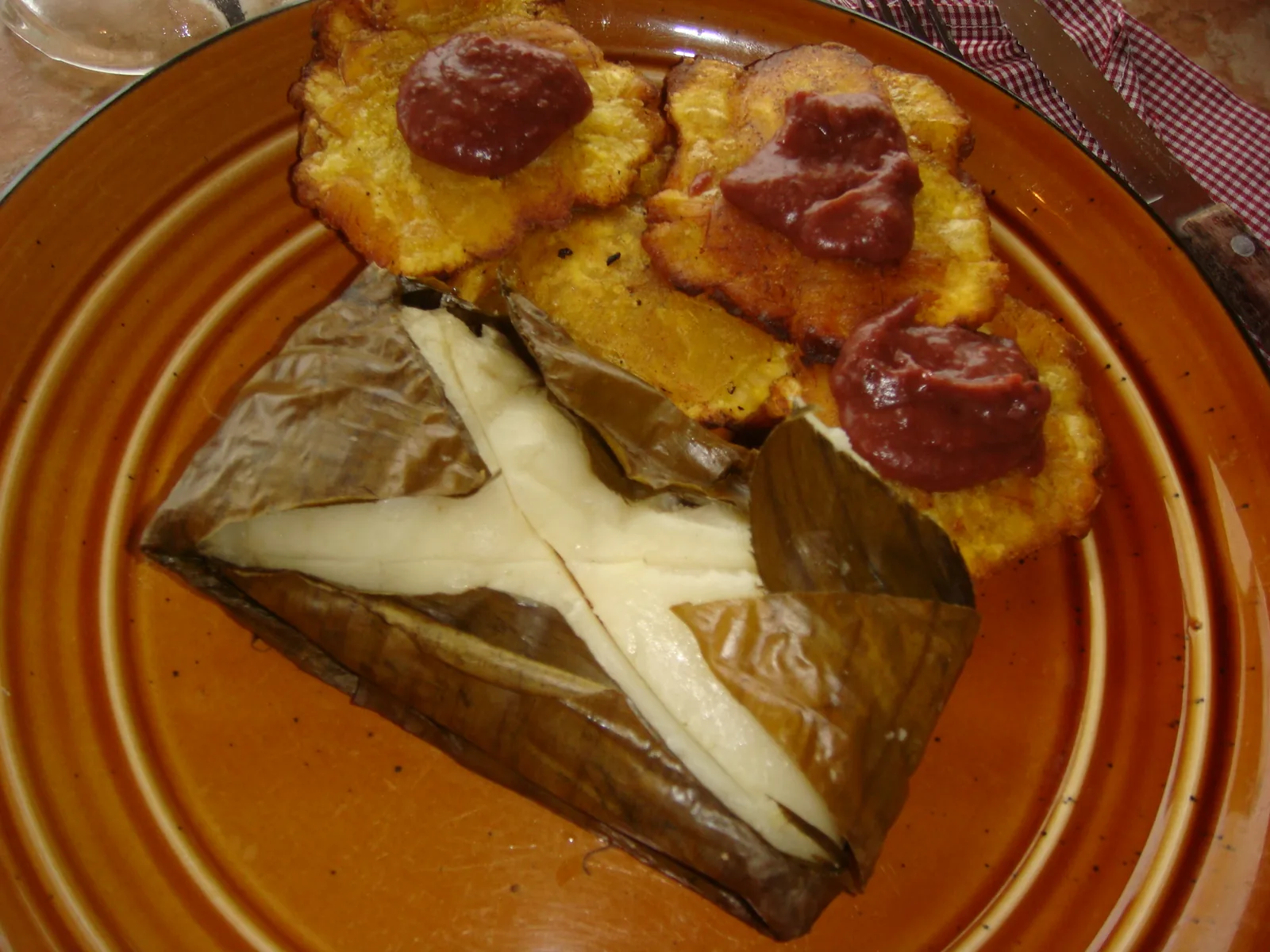
A nacatamal opened on its banana leaf, the white masa showing, beside fried plantains topped with refried beans Nicaragua flag Nicaragua 7h
Breakfast •Nicaragua's Sunday Breakfast

Nacatamal

This nacatamal recipe makes six big Nicaraguan tamales: corn masa coloured with achiote and soured with sour orange, spread on banana leaves and layered with marinated pork, soaked rice, potato, tomato, onion, sweet pepper, olives and mint, then tied up and boiled until firm. One nacatamal is a whole meal, about 380 g, traditionally eaten on Sunday mornings with bread and black coffee.

Comfort & Warmth

One giant banana-leaf parcel of achiote-coloured masa, sour-orange pork, rice and potato, boiled for hours until the whole meal sets together — a Sunday breakfast that is a meal in itself.

Pairs Well With
Crusty bread and black coffee, with a spoonful of chilero on the side
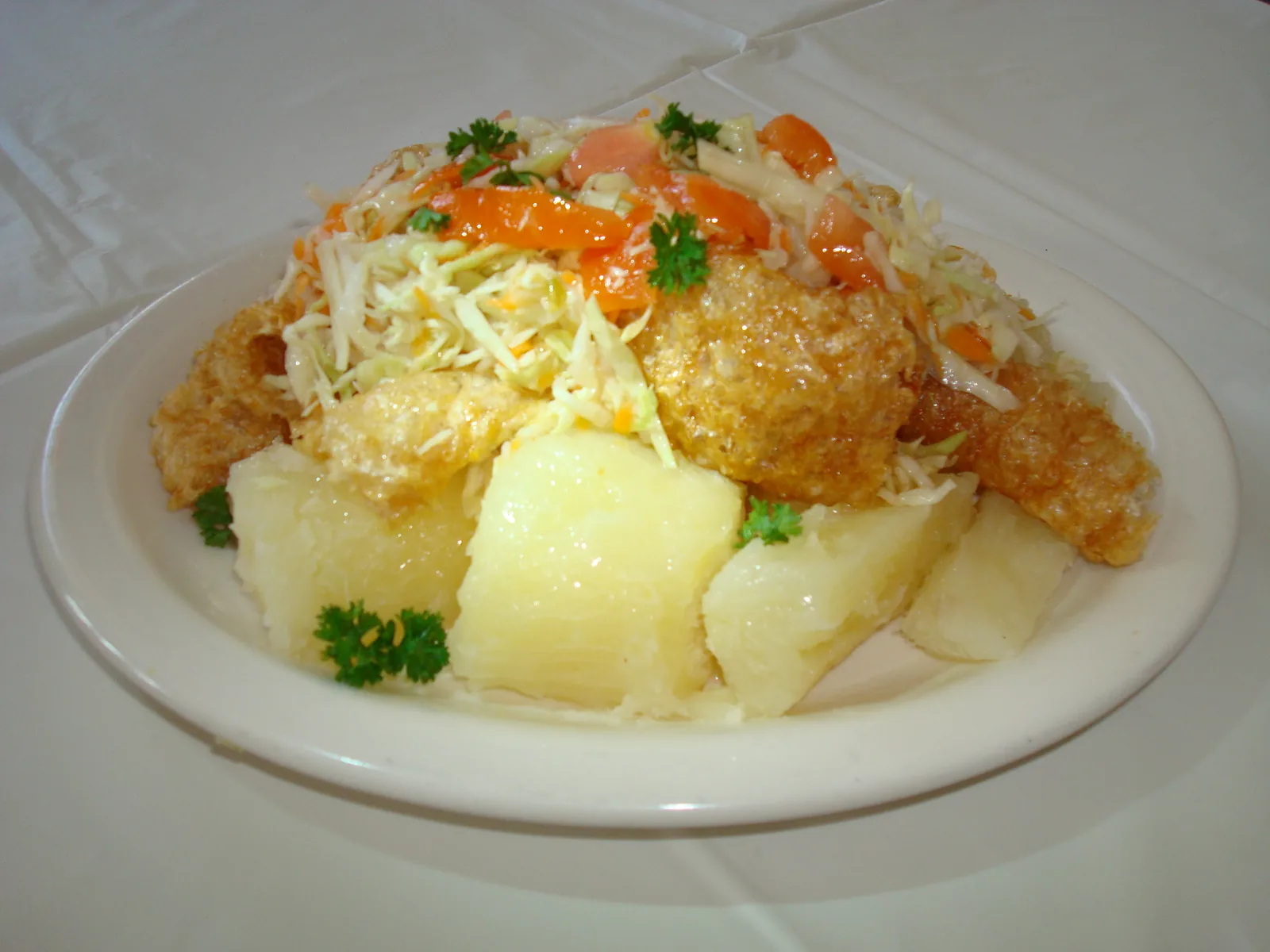
Vigoron on a plate — boiled yuca chunks, golden chicharrones and a cabbage and tomato salad Nicaragua flag Nicaragua 55m
Lunch •Granada's Street-Food Classic

Vigorón

This vigoron recipe is the Granada street food: chunks of boiled yuca, crisp fried pork rinds and a tangy cabbage salad of cabbage, tomato, onion, carrot, lime and vinegar, layered on a banana leaf. Soft, crunchy and sharp all at once, it is a quick lunch that needs no cutlery. One serving is about 524 g.

Comfort & Energy

Soft boiled yuca, crackling chicharrones and a sharp vinegar cabbage salad piled on a banana leaf — Granada street food that is eaten with the fingers and finished in minutes.

Pairs Well With
A cold beer or a fresh lime drink, eaten with the fingers
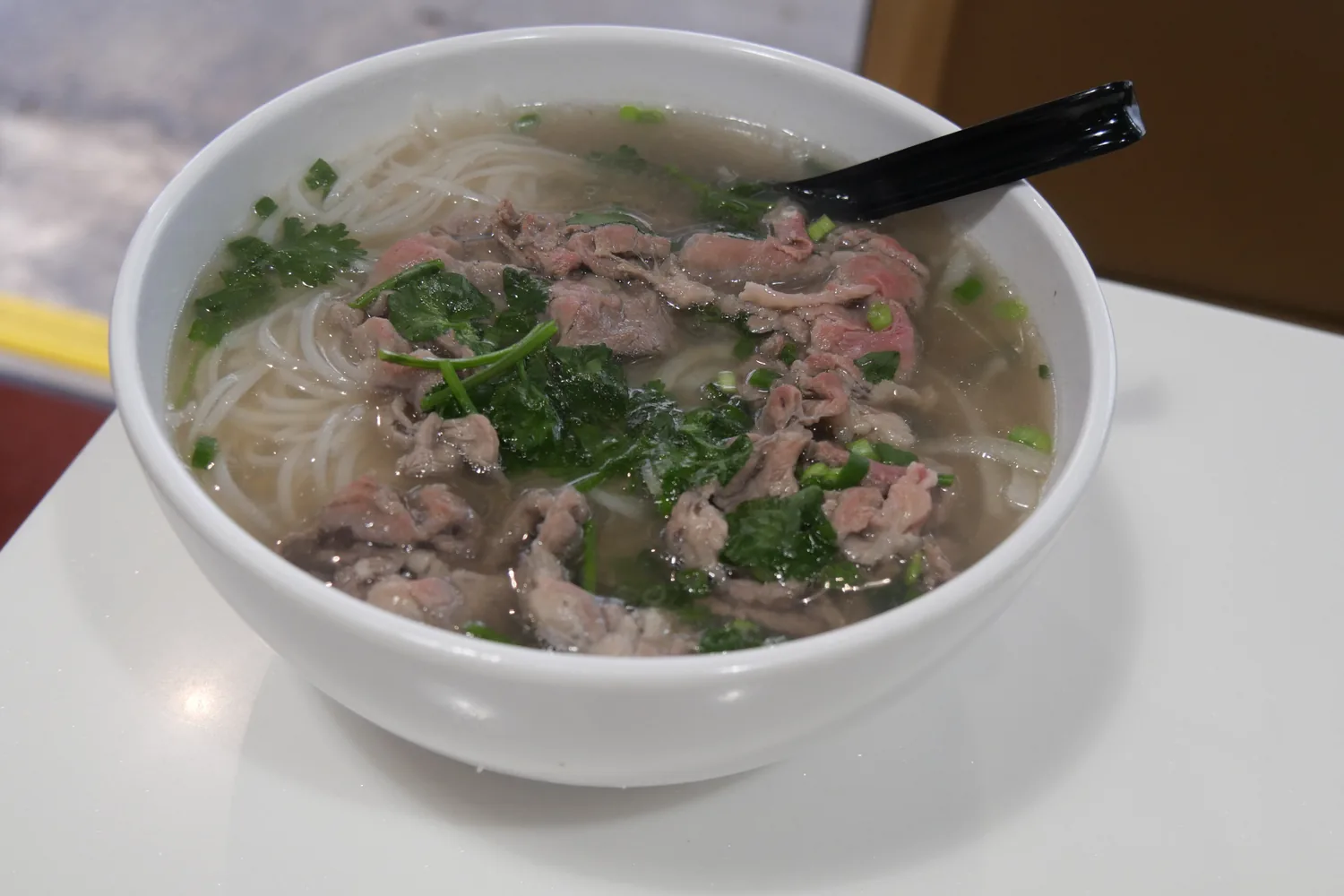
A bowl of Vietnamese phở bò with rare beef, rice noodles and fresh herbs Vietnam flag Vietnam 3h 30m
Breakfast •Hanoi Heritage

Phở Bò Tái Nạm

Slow-simmered star anise and cinnamon bone broth with hand-cut rice noodles, supplying clean restorative warmth and collagen. One serving is about 775 g.

Immunity & Warming

Slow-simmered bone broth with rice noodles, rare beef and fresh herbs.

Pairs Well With
Crispy quẩy, fresh lime & sawtooth coriander
Soups & Broths • High Protein
Golden butter croissants on a wooden board France flag France 20m
Breakfast •Parisian Boulangerie

Croissant au Beurre & Café

Laminated cultured butter pastry paired with washed Arabica, for a slow, pleasurable Parisian morning — best with a little protein alongside. One serving is about 390 g.

Sustained Focus

Flaky all-butter croissant with café au lait, Comté and green apple.

Pairs Well With
Comté cheese wedge & Green apple slices
Quick Prep (<30m)

The Dinner Gazette

Never wonder what’s for dinner again

One email a week with easy dinner ideas from around the world — ingredients, steps and nutrition, tested in our kitchen first.

Delivered every Thursday morning. Unsubscribe anytime.