Curated recipes from 193 countries  •  New seasonal Mediterranean issue out now

Overview

Nacatamal

Nacatamales — Nicaragua's Big Banana-Leaf Tamales

This nacatamal recipe makes six big Nicaraguan tamales: corn masa coloured with achiote and soured with sour orange, spread on banana leaves and layered with marinated pork, soaked rice, potato, tomato, onion, sweet pepper, olives and mint, then tied up and boiled until firm. One nacatamal is a whole meal, about 380 g, traditionally eaten on Sunday mornings with bread and black coffee.

The name nacatamal comes from the Nahuatl words nacatl, meaning meat, and tamalli, meaning tamale — a whole meal of meat wrapped in corn dough. Nacatamales are Nicaragua's special-occasion food, most often eaten as a Sunday morning meal with family, and also at Christmas, weddings and other large celebrations. They are much larger than Mexican tamales, filled with meat and vegetables and steamed in banana leaves rather than corn husks, and the same big tamale is shared across the border in Honduras.

Pairs well with: Crusty bread and black coffee, with a spoonful of chilero on the side

Provenance

Nicaragua flag Nicaragua

Nicaragua's Sunday Breakfast

Latin America & Caribbean

Time Dedication

7h

150m prep • 270m cook

Batch Yield

6 Servings

741 kcal per serving

1 serving ≈ 380 g

Technical Skill

Advanced

Hard (Long Boil)

Meal Timing & Digestive Fit

Breakfast

Prime Morning Fit

Lunch

Inappropriate

Dinner

Inappropriate

Snack & Tea

Inappropriate

Occasions: Sunday breakfasts, Christmas, weddings, family celebrations Cost: Low — about $3–4 per serving at home
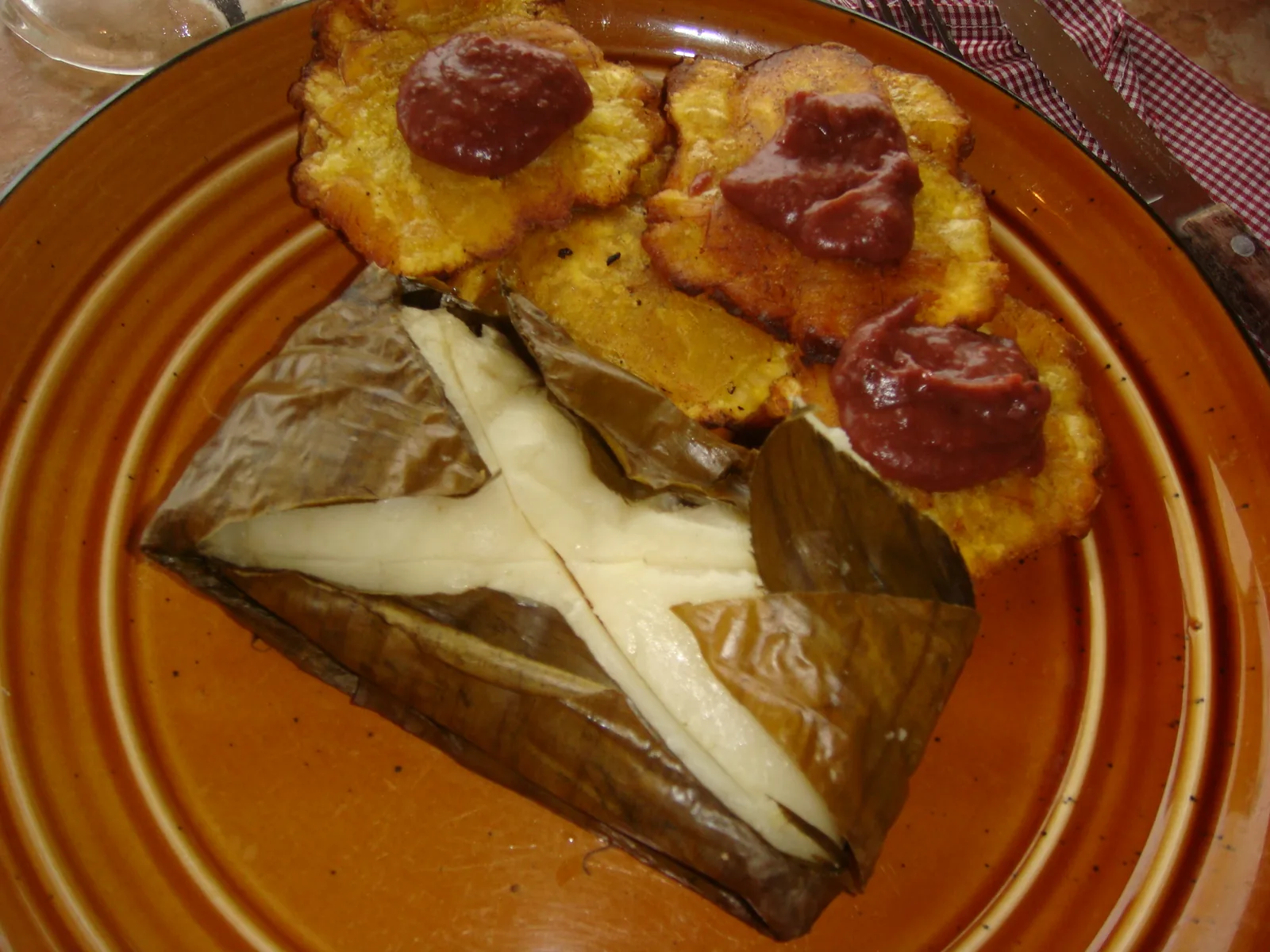
A nacatamal opened on its banana leaf, the white masa showing, beside fried plantains topped with refried beans

Nicaragua's Sunday Breakfast

Photo: Arturo Sotillo, CC BY 2.0, via Wikimedia Commons

The Heritage Formulary

Measured Ingredients

Estimated cost: Low — about $3–4 per serving at home (USD)

Made the Nicaraguan way: one big pillow-shaped parcel per person, masa cooked in stock with lard and sour orange, boiled for hours in banana leaves.

Execution Methodology & Culinary Technique

Step-by-Step Cooking Guide

Active 7h
P

Prep Stage: Marinate, Soak, Cook the Masa

2 Hrs 30 Mins • Bowls, Large Pot & Steamer

Start with the pork: it needs at least an hour in its sour-orange marinade. While it marinates, soak the rice, slice the potatoes and keep them in cold water, and slice the tomato, onion and pepper. Cook the masa last, so it is still warm and spreadable when you build the parcels.

Maestro Tip: Warm the banana leaves before you fold them — a quick pass over a flame or a dip in hot water makes them bend instead of splitting.

  1. 1

    Marinate the pork

    120 Mins Room temperature, then fridge at 4°C (40°F)

    Put the pork chunks in a bowl with 60 ml of the sour orange juice, the minced garlic, 3 g of the annatto, 3 g of the salt and the cumin. Turn to coat, cover and leave for at least 1 hour, or overnight in the fridge. The sour orange is what makes a nacatamal taste like a nacatamal.

    Overnight marinating gives a deeper flavour — make the pork the evening before.

    Done when: Pork coated all over, smelling of sour orange and garlic.

  2. 2

    Cook the masa

    30 Mins Medium-low heat, about 150°C (300°F)

    Whisk the masa harina with the warm chicken stock, the remaining 60 ml of sour orange juice, 6 g of annatto, 6 g of salt and the baking powder. Stir in the melted lard and cook over medium-low heat, stirring constantly, for 20 to 30 minutes, until the masa is thick, smooth and pulls away from the sides of the pot. It should spread like soft butter, not pour.

    Keep stirring — masa catches and burns on the bottom fast.

    Done when: Thick, smooth masa that holds its shape on a spoon.

  3. 3

    Build the parcels

    30 Mins Room temperature, work surface

    Lay two banana leaf pieces in a cross, shiny side up. Spread about 160 g of warm masa in the centre. Build the filling in this order: 1 chunk of pork, 1 tablespoon of soaked rice, 2 slices of potato, 1 slice of tomato, a few onion and pepper rings, then the mint, 3 olive halves, a few raisins and a few capers on top. Fold the leaves over into a flat pillow, fold the ends under, and tie firmly with string — snug, not tight, so the masa has room to set.

    Keep the layers in this order: rice next to the pork soaks up the juices, mint on top perfumes the parcel.

    Done when: Six neat, flat parcels, tied snugly, no filling escaping.

  4. 4

    Boil the nacatamales

    270 Mins Gentle boil, about 100°C (212°F)

    Line a large pot with leftover leaf trimmings, pack the parcels in seam-side down, and add boiling water to just cover. Put a plate on top to hold them down, cover the pot and keep at a gentle boil for 4 to 4 1/2 hours, topping up with boiling water so the pot never boils dry. The masa must set firm and the pork must be completely tender.

    Check the water every 30 minutes — a dry pot scorches the leaves.

    Done when: Leaves dark and soft, masa firm when pressed, pork tender.

  5. 5

    Rest and open at the table

    15 Mins Hot, straight from the pot

    Lift the parcels out with tongs and let them rest for 10 to 15 minutes so the masa firms up. Serve each nacatamal still in its leaf, with the string cut and the leaf opened at the table like a present. Eat with crusty bread and black coffee.

    Do not eat the banana leaf — it is the wrapper, not the meal.

    Done when: Served hot, masa set, filling steaming.

Finishing Touches & Plating

Open the leaf at the table and eat the nacatamal while it is hot — the mint hits first, then the sour-orange pork, then the soft masa and potato underneath.
Nutritional Physiology & Benefits

Nutrition

Energy

741

kcal / serving

Protein

24g

Complete AA

Carbs

80g

Complex

Fats

37g

Healthy

Per serving (6 servings · 1 serving ≈ 380 g)
Energy741 kcal
Protein24 g
Carbohydrates80 g
Fat37 g
Fibre8.3 g
Sugar8.6 g
Sodium1243 mg
Per 100g
Energy195 kcal
Protein6.4 g
Carbohydrates21.1 g
Fat9.8 g
Fibre2.2 g
Sugar2.3 g
Sodium327 mg

Nutrition values are estimated — calculated from USDA FoodData Central values for the listed ingredients.

Vitamins & minerals: Provides B vitamins and iron from the pork, potassium and vitamin C from the potato and tomato, and vitamin A from the sweet pepper. All nutrition values are estimated.

A Whole Meal in One Parcel

Meat, rice, potato and vegetables are all inside the leaf, so one nacatamal covers protein, starch and vegetables without any sides.

Slow, Filling Energy

Masa, rice and potato give this breakfast a large amount of slow-release carbohydrate, which keeps you full for hours.

Protein Rich

Each nacatamal carries a large piece of pork, giving about 24 g of protein per serving.

Food Pairings

What to Eat With

To optimize nutrient absorption and elevate the sensory depth, pair with these authentic accompaniments:

Sides

Crusty Bread

Bread is the traditional partner — it is there to mop up the juices and the soft masa, and it is how nacatamales are always served on Sunday mornings.

Drinks

Black Coffee

Strong black Nicaraguan coffee cuts through the richness of the lard and pork, and it is the classic Sunday-morning drink with a nacatamal.

Vegetables

Chilero

A spoonful of pickled onion, carrot and chilli adds a sharp, vinegary bite that lifts the rich, soft parcel.

Full Menus

Sunday Breakfast Table

Serve the nacatamales with bread, coffee and a bowl of chilero — the full Nicaraguan Sunday breakfast, eaten slowly with family.

Complete menu

Serve one nacatamal per person, opened in its leaf, with crusty bread, black coffee and a bowl of chilero on the table — the full Nicaraguan Sunday breakfast.

Digestive Guardrails

What NOT to Combine

To prevent digestive distress, sluggishness, or palate clash, avoid pairing the dish with these elements:

Wrapping Too Tightly

Do not tie the parcels drum-tight — the masa swells as it cooks and a tight parcel bursts, spilling the filling into the pot. Snug is right; the string should hold the fold, not squeeze it.

Undercooking the Pork

Pork must reach 74°C (165°F) right through, and that takes the full 4 hours in the leaf — a shorter boil leaves the meat tough and unsafe. If the pot boils dry the leaves scorch, so top up with boiling water and keep the gentle boil going. This is general food guidance, not medical advice.

General information only, not medical advice — consult a doctor for personal dietary decisions.

Who Should Eat It

Who Should Eat

  • General adultsOne nacatamal is a complete, very filling meal — most people will not want a second.
  • ChildrenA rich, heavy parcel; serve half a nacatamal to a child, and pick out the olives and capers if they dislike them.
  • ElderlySoft and easy to chew once the pork is fully tender; serve a modest portion and go easy on the chilli in the chilero.
  • Pregnant womenThe pork must be fully cooked through and served hot; ask your clinician about portion size, as this is a large, rich meal.
  • Breastfeeding womenA nourishing, energy-rich breakfast; the mint and spices are mild, but watch how you feel after a large portion.
  • AthletesA strong energy and protein meal after a long morning — the carbohydrate load is large, so it suits a big training day.
  • Weight gainA very good choice — one nacatamal is about 741 kcal with plenty of protein and starch.
  • Weight lossShare one nacatamal between two people, or eat half and fill the rest of the plate with salad; the lard and pork make it energy-dense.

Health Conditions — Adjust or Avoid

Conditions

  • DiabetesMasa, rice and potato make this very high in carbohydrate — eat half a nacatamal and ask your clinician.
  • High blood pressureOlives, capers, stock and salt make this high in sodium, about 1,243 mg a serving — keep the portion small and ask your clinician.
  • Kidney diseaseHigh in sodium, potassium and phosphorus — eat a small portion only and ask your clinician.
  • GoutPork and lard are rich in purines; enjoy occasionally in a modest portion and ask your clinician.
  • Stomach issuesA very rich, fatty parcel that can sit heavily; eat slowly and take a smaller portion if sensitive.
  • Cardiovascular diseaseLard and pork make this high in saturated fat — treat it as an occasional food and ask your clinician.
  • Fatty liverHigh in fat and energy; keep to half a nacatamal and pair with salad rather than bread.
  • Food allergiesContains no gluten, egg, dairy or nuts as written; check your stock and olives for sulphites if you are sensitive.
  • Special therapeutic dietsNot suitable for low-fat, low-sodium or low-carbohydrate diets as written; ask your clinician or dietitian about fitting it to a prescribed diet.

If you have a medical condition, consult your doctor before changing your diet.

Storage & Use

Storage & Use

How to store
Cool quickly, keep in the banana leaf, and store in a covered container in the fridge.
In the fridge
Keeps 3 days in the fridge at 4°C (40°F) or below.
In the freezer
Freezes well for up to 3 months, wrapped in foil inside a bag.
How to reheat
Steam for 20 minutes, or microwave in the leaf until steaming hot throughout, to 74°C (165°F).
Freezing recommended
Yes — nacatamales freeze very well, up to 3 months.
Signs it has spoiled
Sour smell, slimy masa, or mould on the leaf.

More recipes to explore

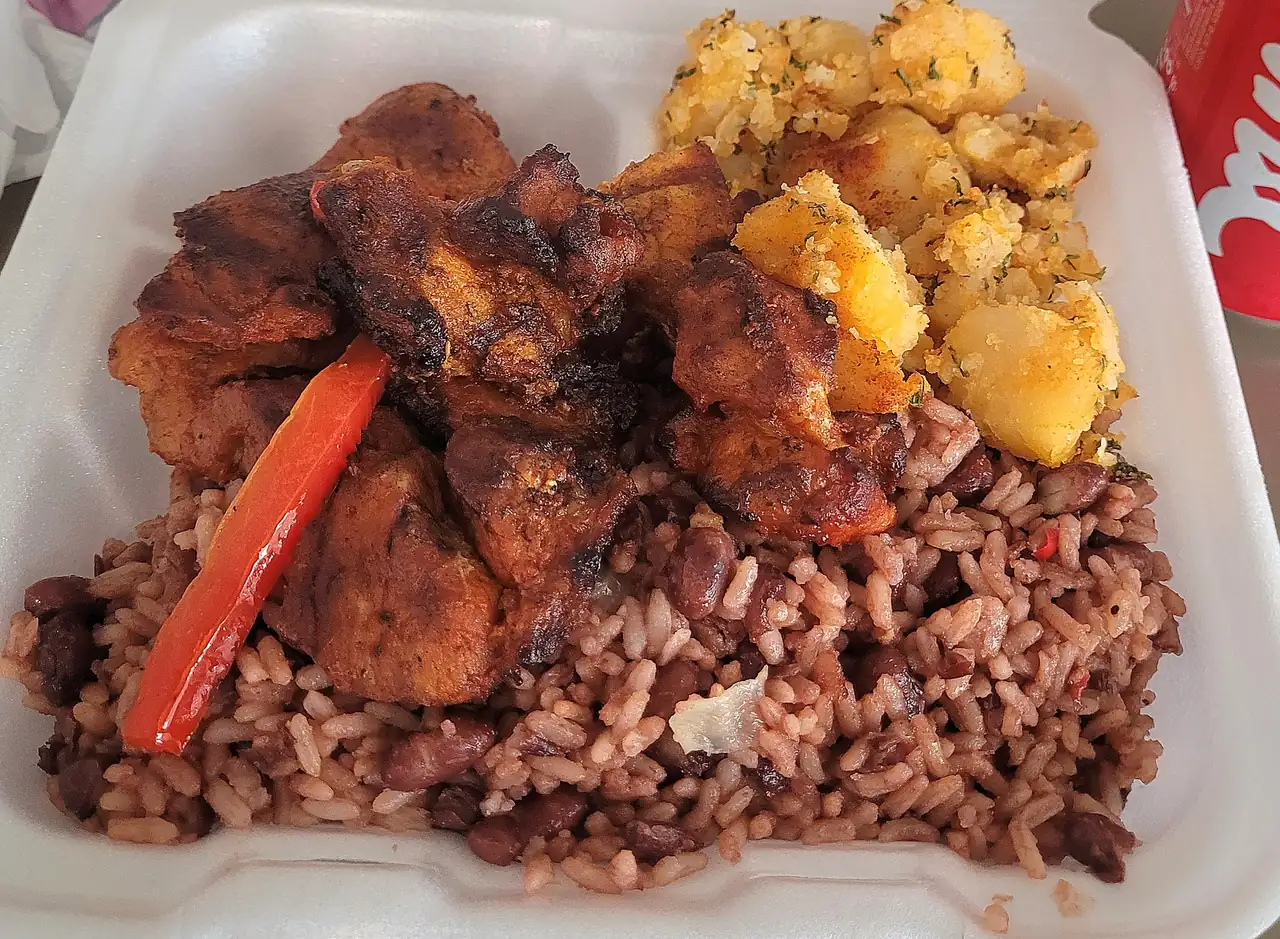
Nicaraguan gallo pinto — reddish rice fried with small red beans — served with fried chicken and potatoes in a takeaway tray Nicaragua flag Nicaragua 35m
Breakfast •Nicaragua's National Breakfast

Nicaraguan Gallo Pinto

This Nicaraguan gallo pinto recipe fries day-old white rice with small red beans, onion, sweet pepper, garlic, cumin and oregano until the grains turn reddish-brown and a little crisp at the edges. The beans are cooked with garlic and onion, then fried hard in oil with the rice — no Salsa Lizano, no cilantro, just the bean and the pan. One serving is about 286 g.

Comfort & Energy

Small red beans and day-old rice fried together with onion, sweet pepper and garlic in plenty of oil — Nicaragua's plain, toasty answer to gallo pinto, with no Lizano sauce anywhere near the pan.

Pairs Well With
Fried egg, fried cheese and a corn tortilla, with black coffee
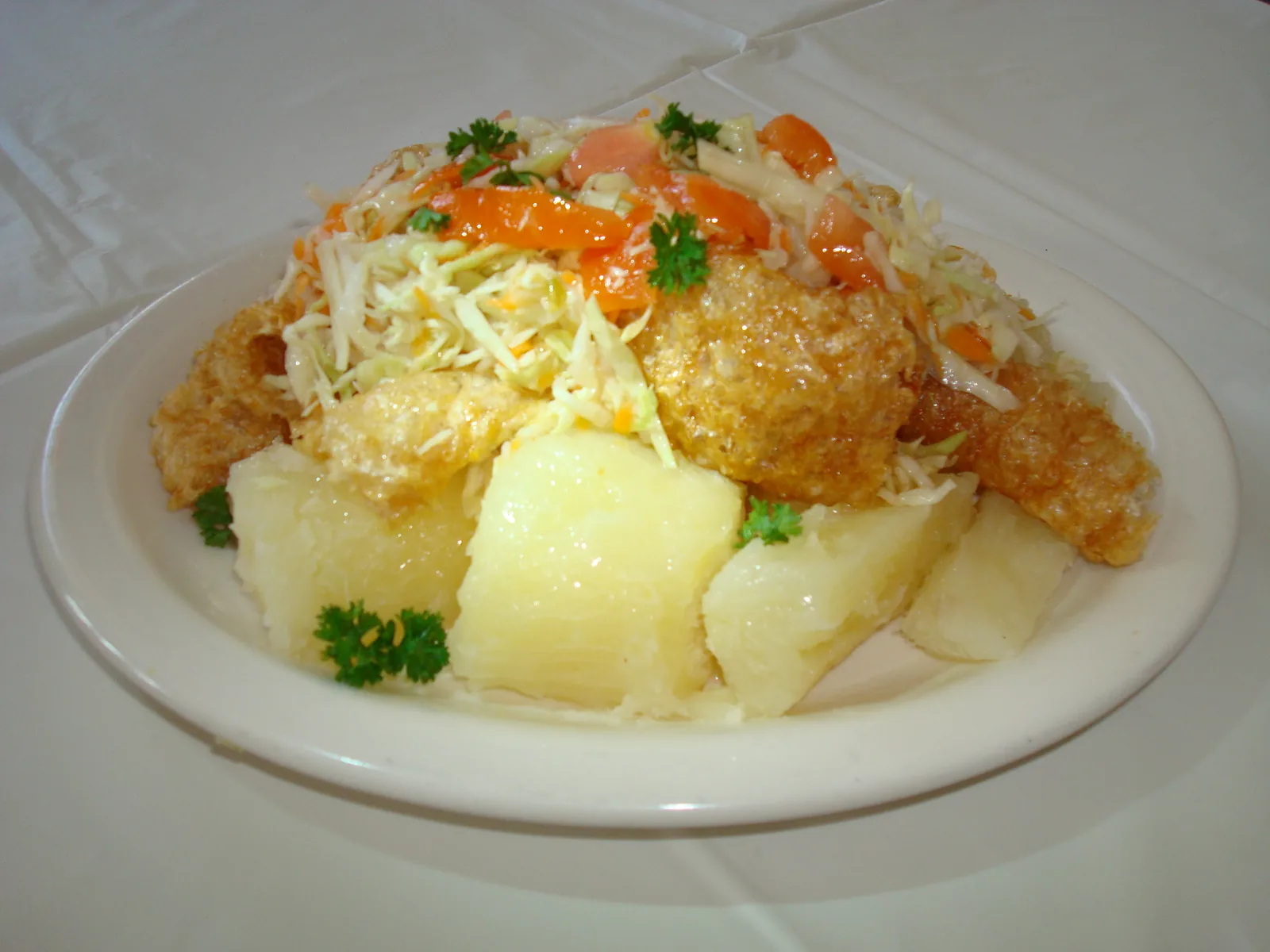
Vigoron on a plate — boiled yuca chunks, golden chicharrones and a cabbage and tomato salad Nicaragua flag Nicaragua 55m
Lunch •Granada's Street-Food Classic

Vigorón

This vigoron recipe is the Granada street food: chunks of boiled yuca, crisp fried pork rinds and a tangy cabbage salad of cabbage, tomato, onion, carrot, lime and vinegar, layered on a banana leaf. Soft, crunchy and sharp all at once, it is a quick lunch that needs no cutlery. One serving is about 524 g.

Comfort & Energy

Soft boiled yuca, crackling chicharrones and a sharp vinegar cabbage salad piled on a banana leaf — Granada street food that is eaten with the fingers and finished in minutes.

Pairs Well With
A cold beer or a fresh lime drink, eaten with the fingers
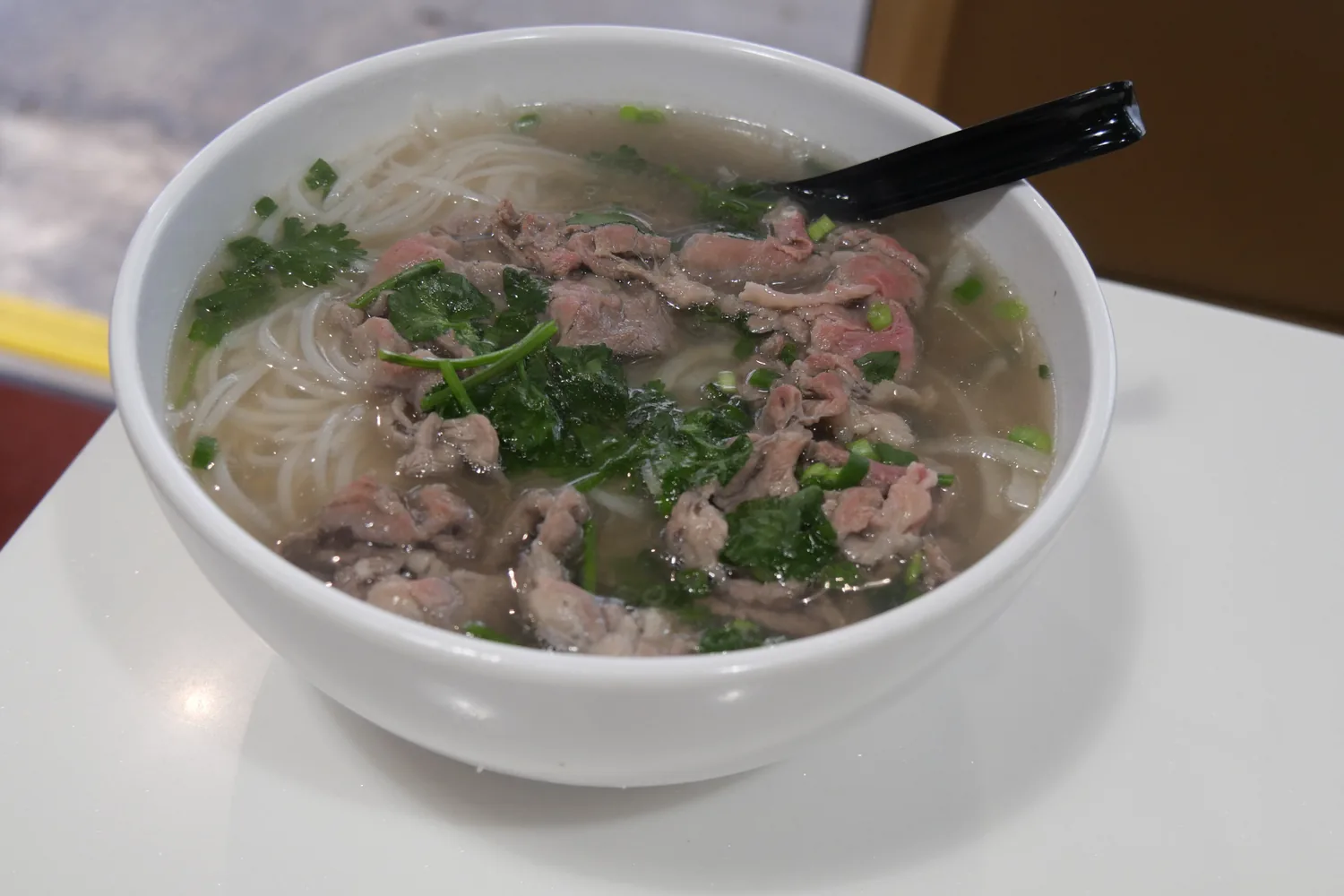
A bowl of Vietnamese phở bò with rare beef, rice noodles and fresh herbs Vietnam flag Vietnam 3h 30m
Breakfast •Hanoi Heritage

Phở Bò Tái Nạm

Slow-simmered star anise and cinnamon bone broth with hand-cut rice noodles, supplying clean restorative warmth and collagen. One serving is about 775 g.

Immunity & Warming

Slow-simmered bone broth with rice noodles, rare beef and fresh herbs.

Pairs Well With
Crispy quẩy, fresh lime & sawtooth coriander
Soups & Broths • High Protein
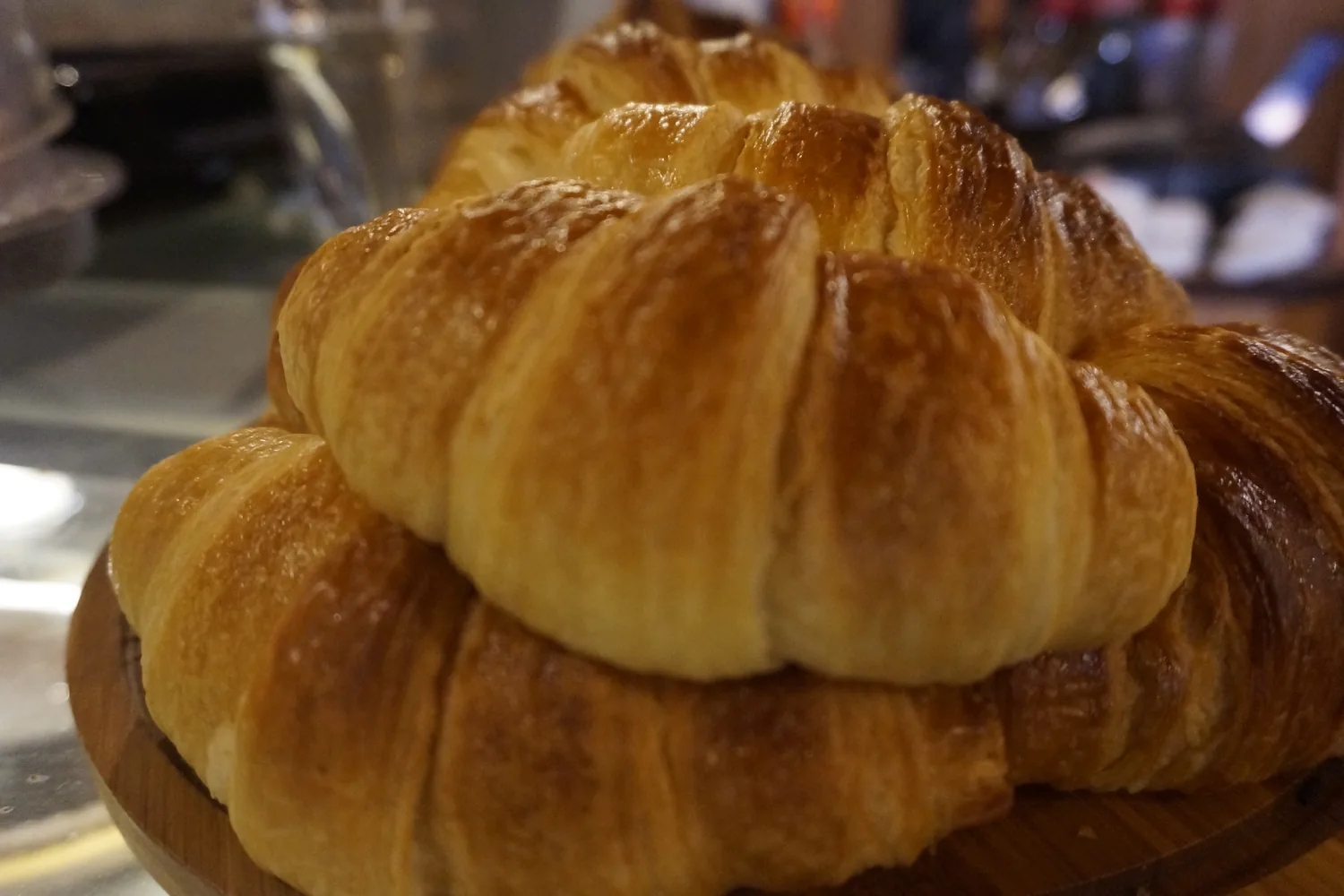
Golden butter croissants on a wooden board France flag France 20m
Breakfast •Parisian Boulangerie

Croissant au Beurre & Café

Laminated cultured butter pastry paired with washed Arabica, for a slow, pleasurable Parisian morning — best with a little protein alongside. One serving is about 390 g.

Sustained Focus

Flaky all-butter croissant with café au lait, Comté and green apple.

Pairs Well With
Comté cheese wedge & Green apple slices
Quick Prep (<30m)

The Dinner Gazette

Never wonder what’s for dinner again

One email a week with easy dinner ideas from around the world — ingredients, steps and nutrition, tested in our kitchen first.

Delivered every Thursday morning. Unsubscribe anytime.